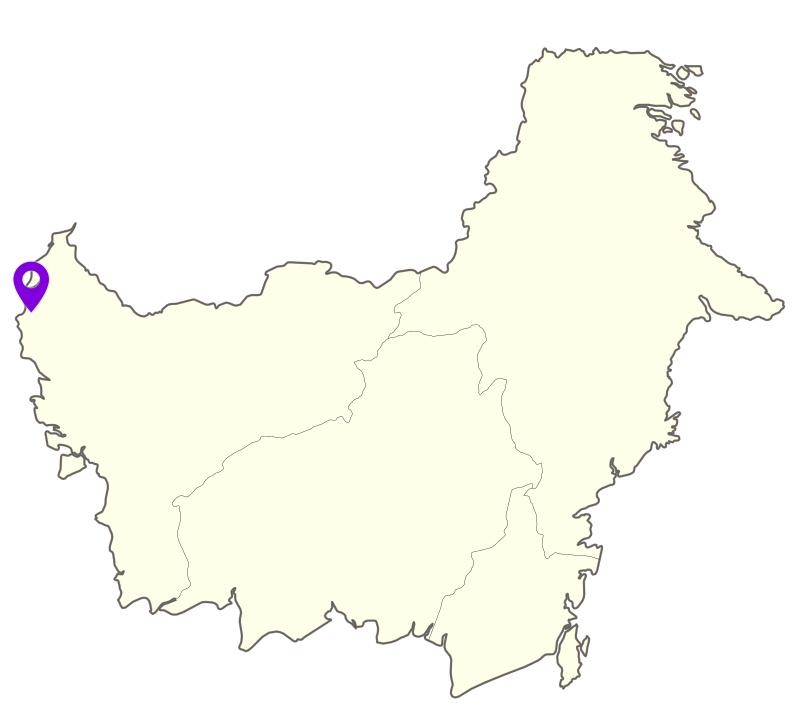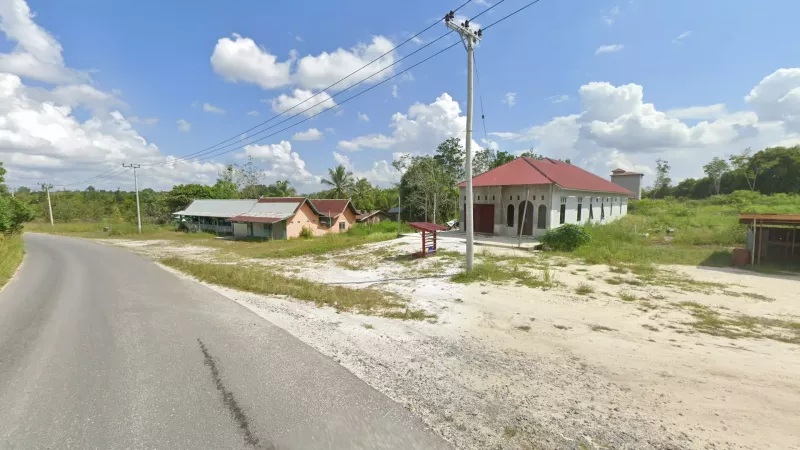
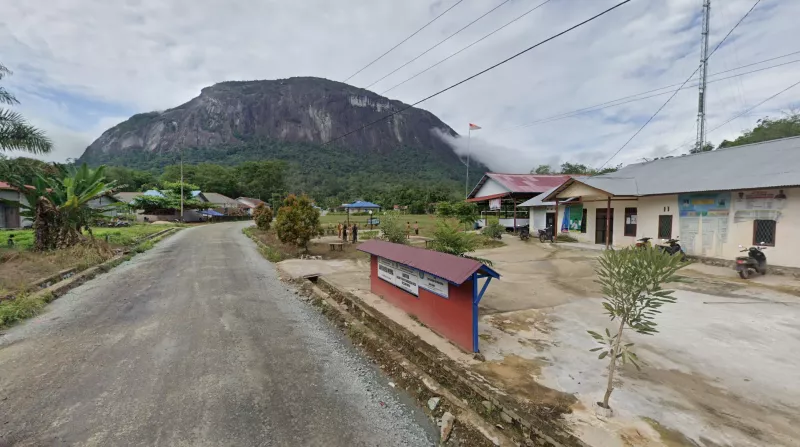
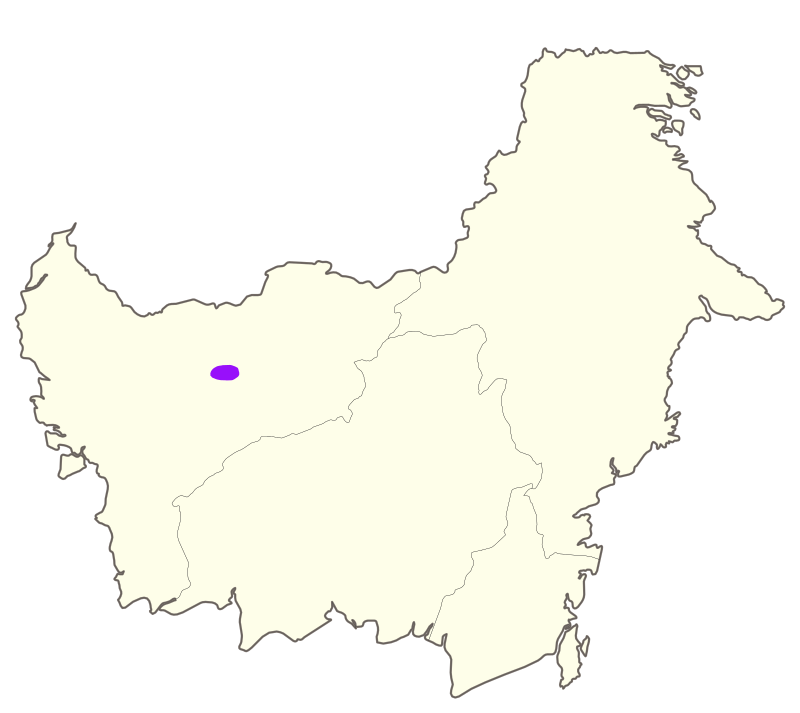
Mount Kelam is a distinctive landmark: a huge, bare, rounded massif rising from an otherwise flat plain. It is often visible from far away, especially from Sintang. The area immediately around Mount Kelam is also very recognisable with dense settlements and massive boulders very close to the houses.
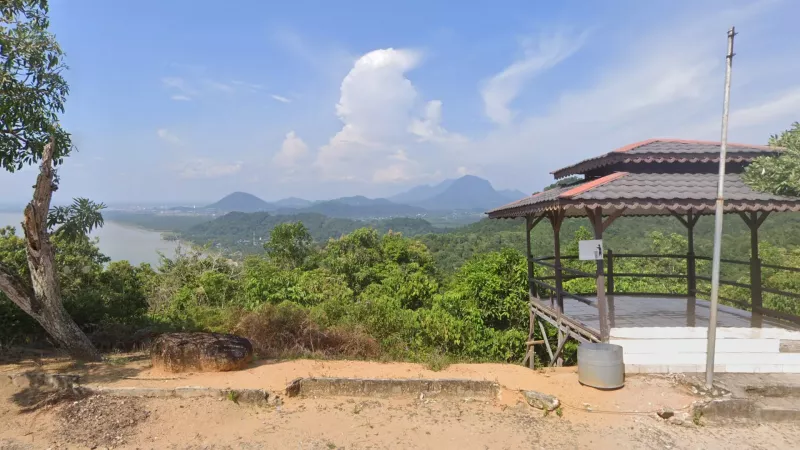
Kalimantan
Guide to Regionguess Kalimantan
Learn more about the REAL Indonesia
This page covers the Kalimantan region, for more comprehensive metas check the Indonesia page.
Click any region in the map below to open the respective guide.
No matching guide items found.
Landscape
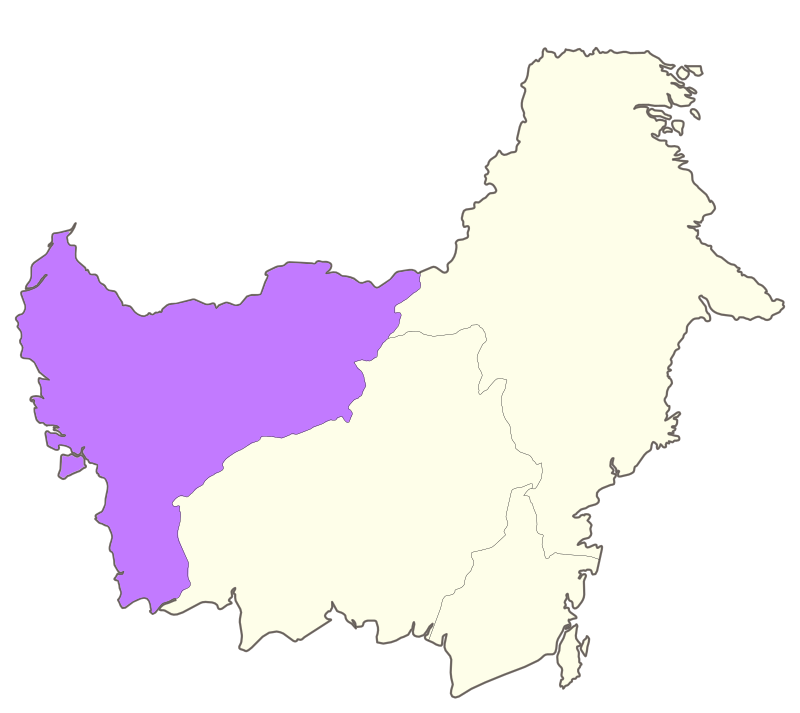
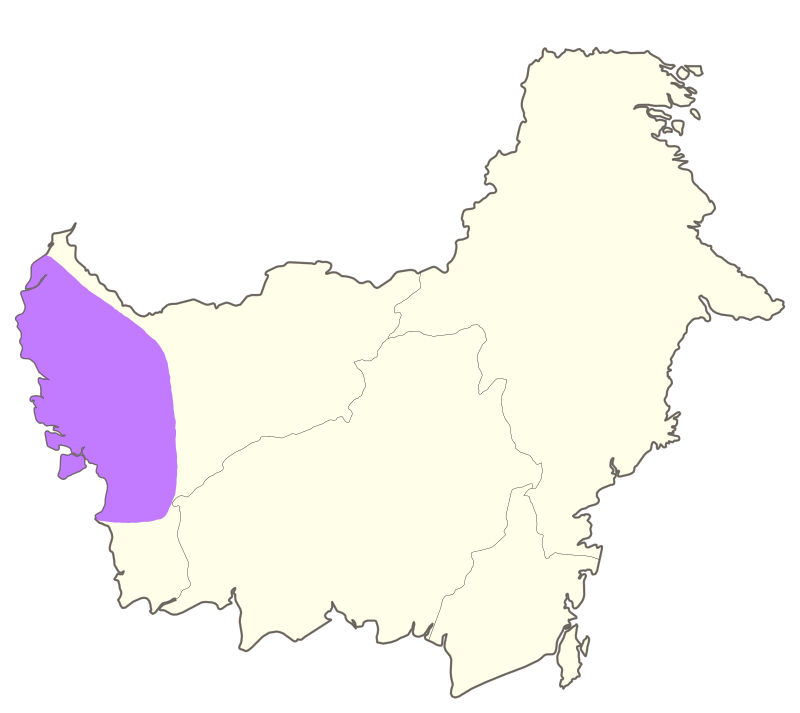
West Kalimantan
Central Kalimantan
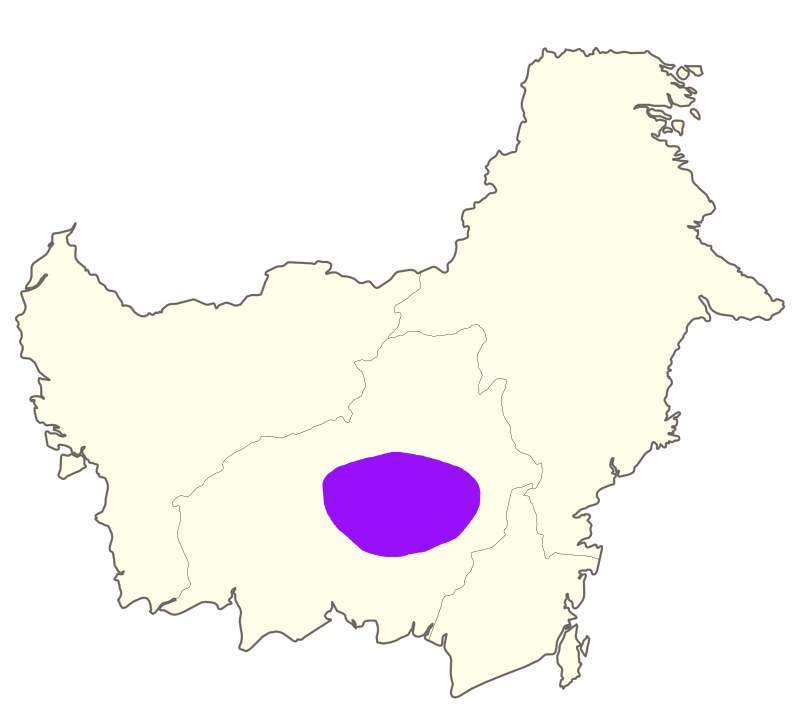
In the central part of Central Kalimantan around Palangkaraya, the soil consists of very white sand.
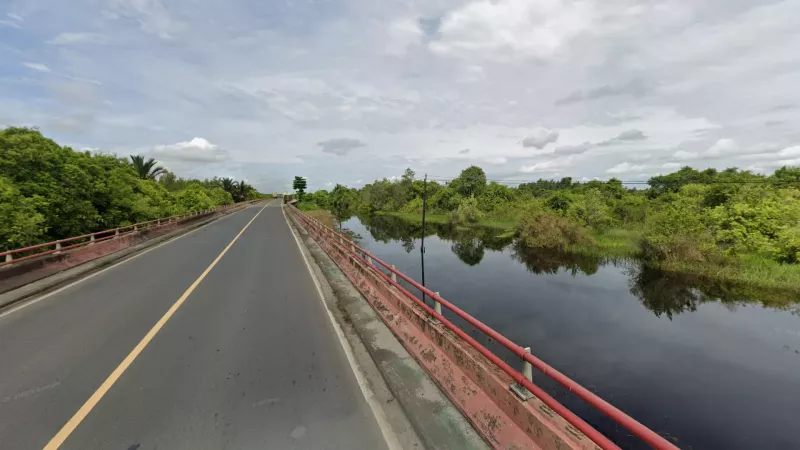
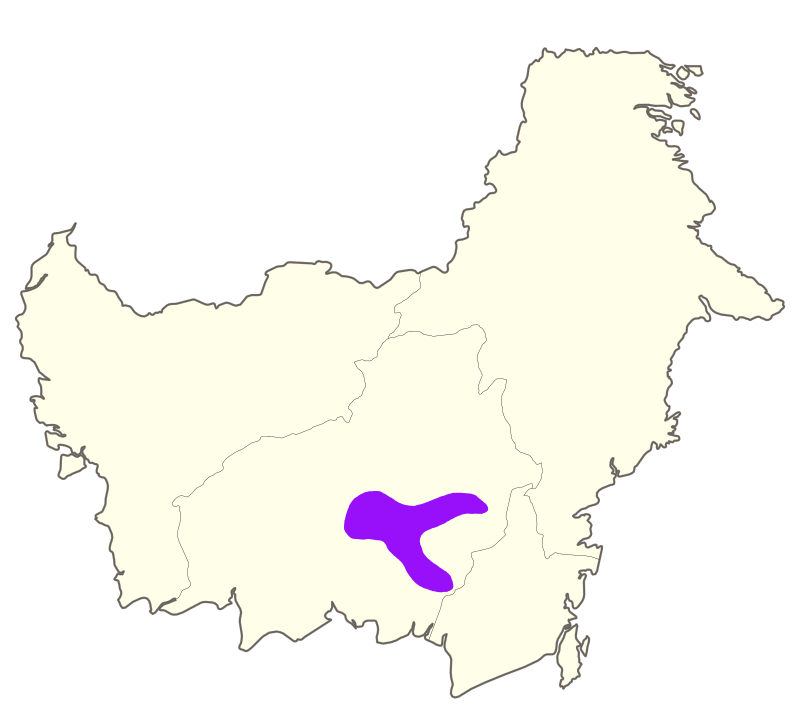
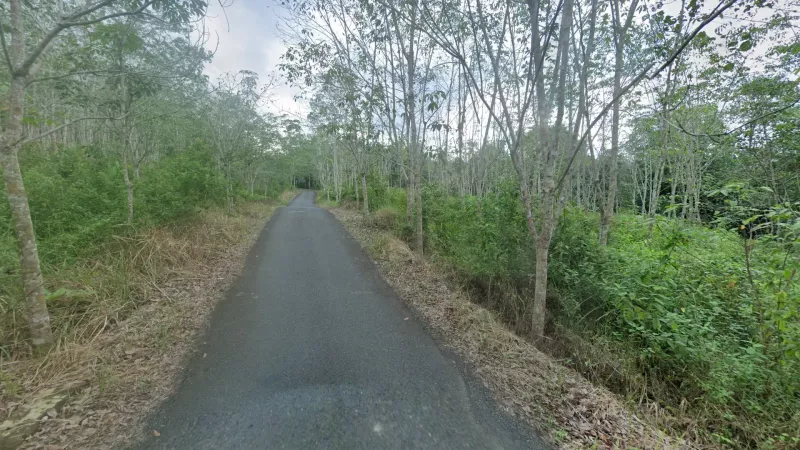
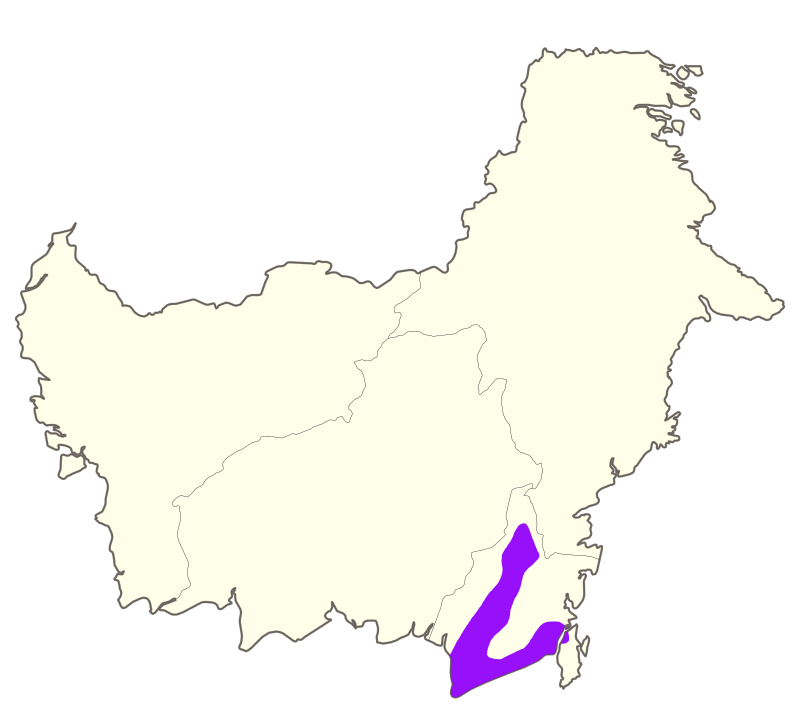
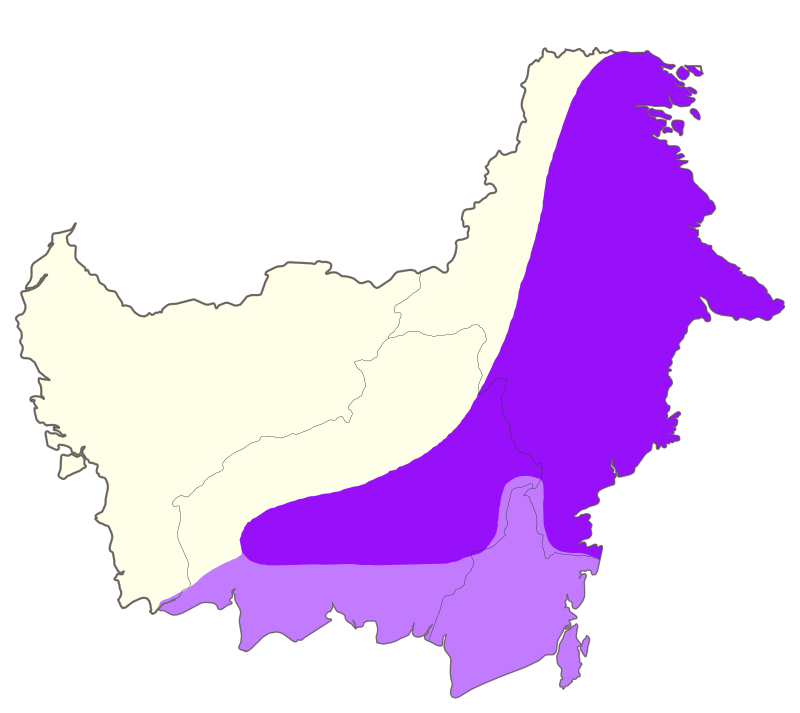
The area in Central Kalimantan shown on the map, which includes the Trans-Kalimantan route towards South Kalimantan, is a swampy region with heath forest.
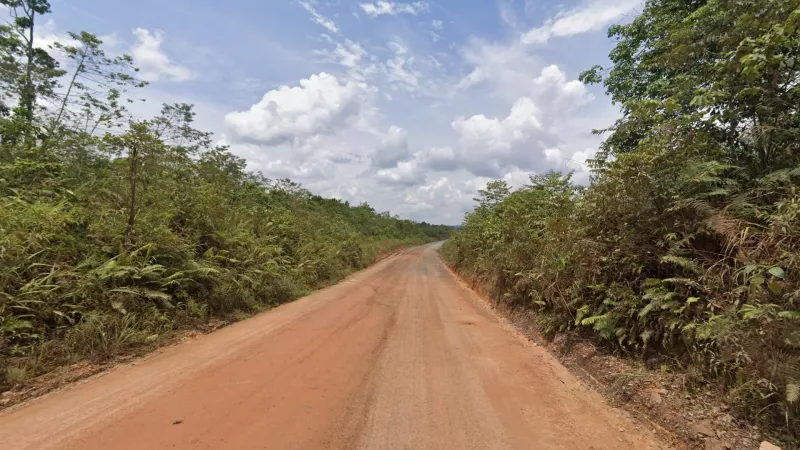
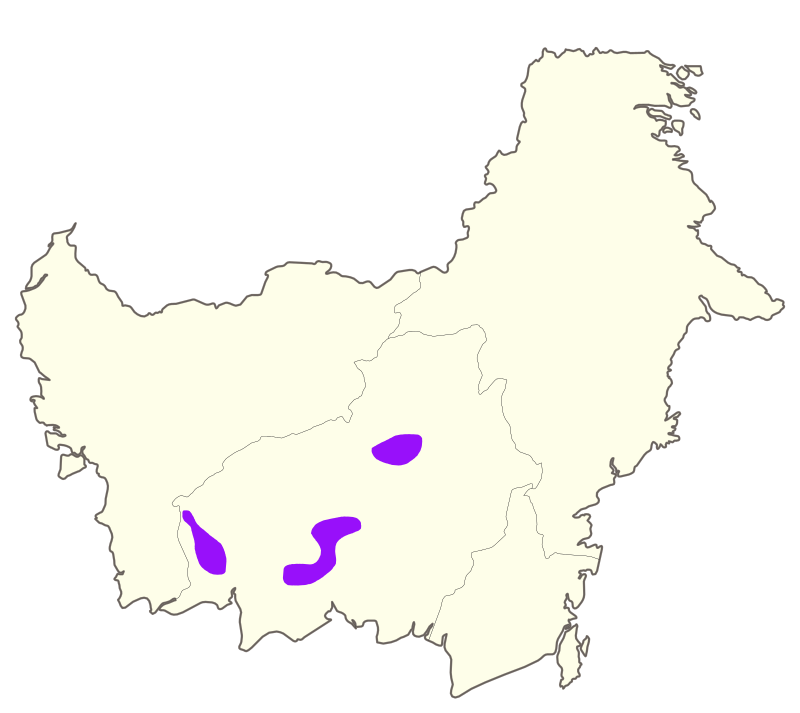
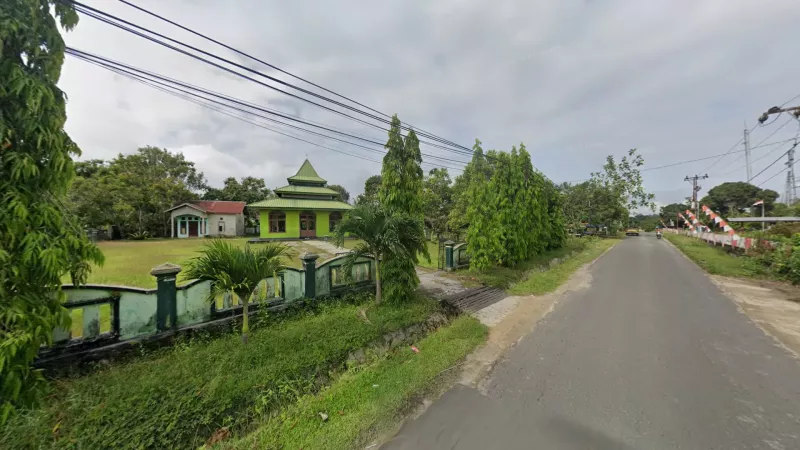
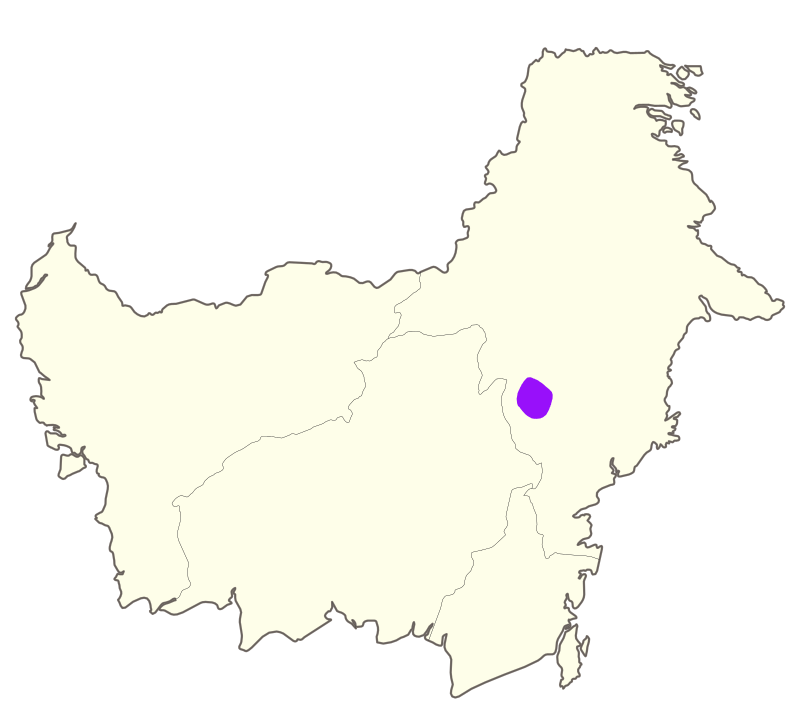
The areas in Central Kalimantan shown on the map have remarkably dark red soil, in contrast to the lighter soil found elsewhere in Kalimantan.
South Kalimantan
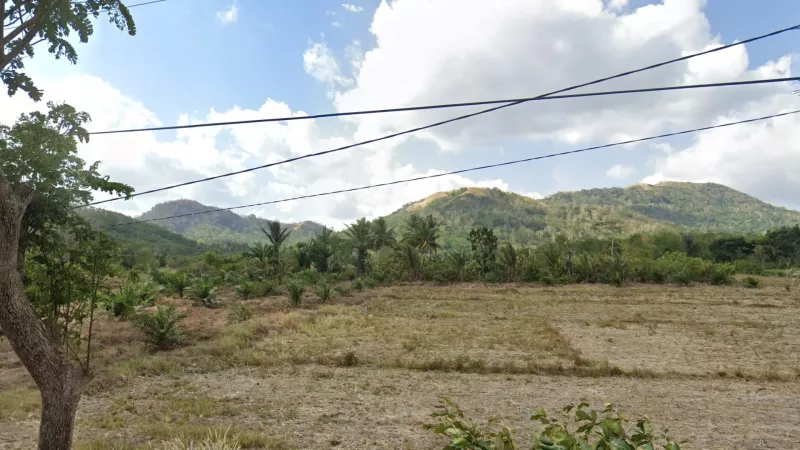
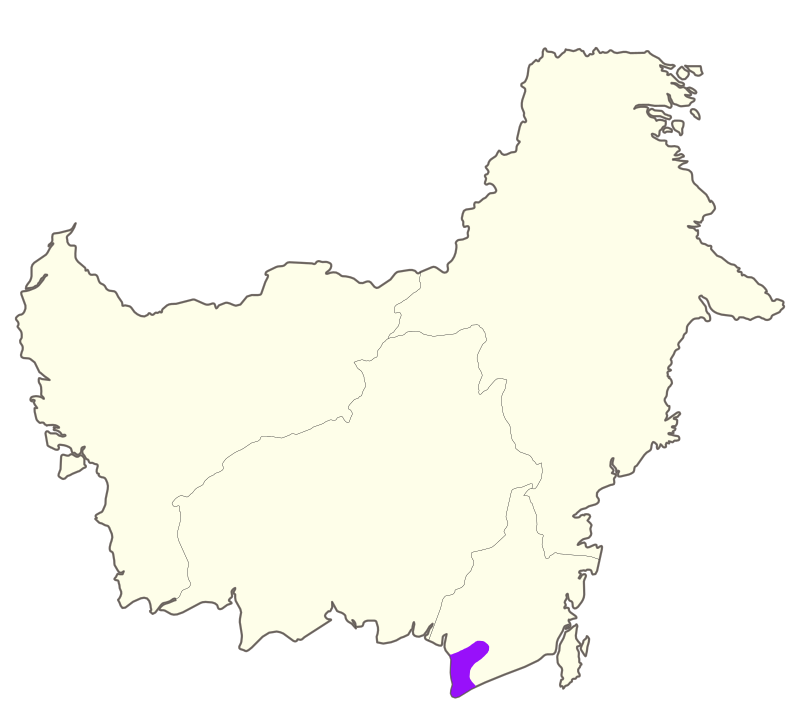
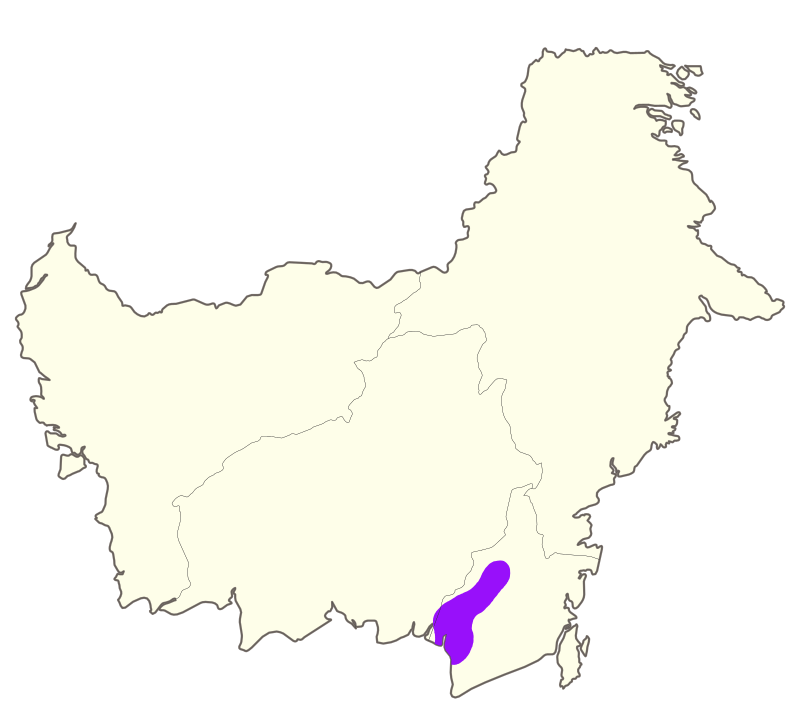
In western Tanah Laut Regency, in the foothills of the Meratus Mountains, you can see unusually barren hilltops.
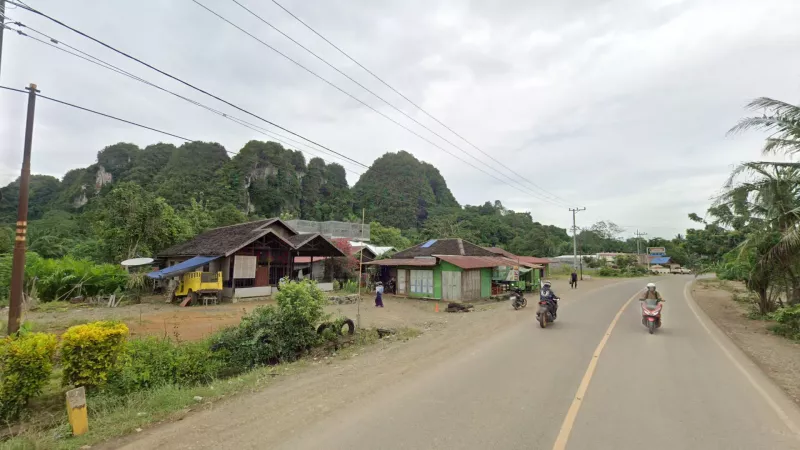
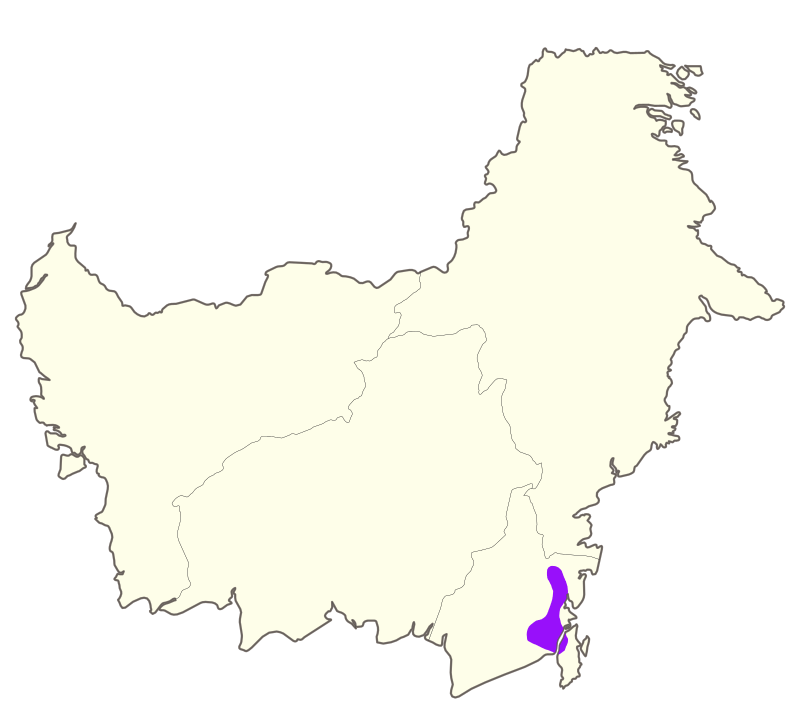
Along the main road that runs along the north-east side of the Meratus Mountains, distinctive limestone karst formations are visible.
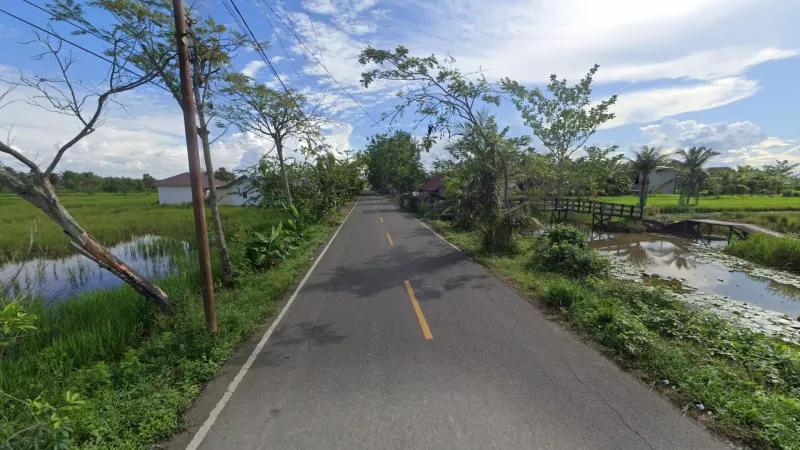
The western part of South Kalimantan is a very flat plain that is frequently flooded, with many houses built on stilts. Numerous irrigation waterways are visible, with rice cultivation being very common.
East Kalimantan
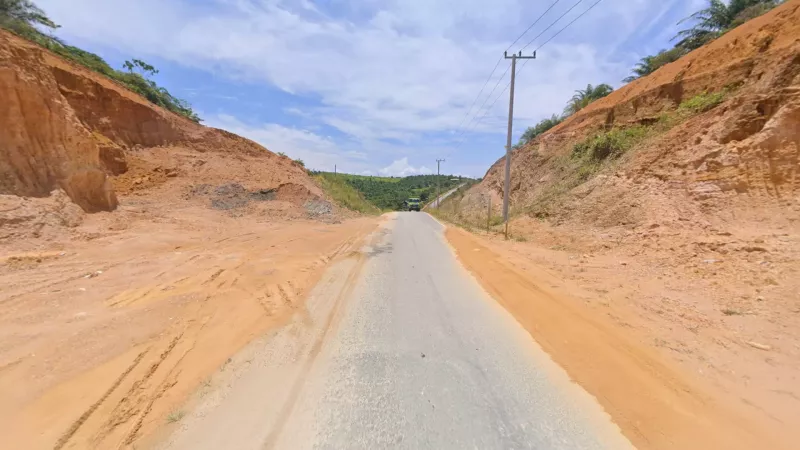
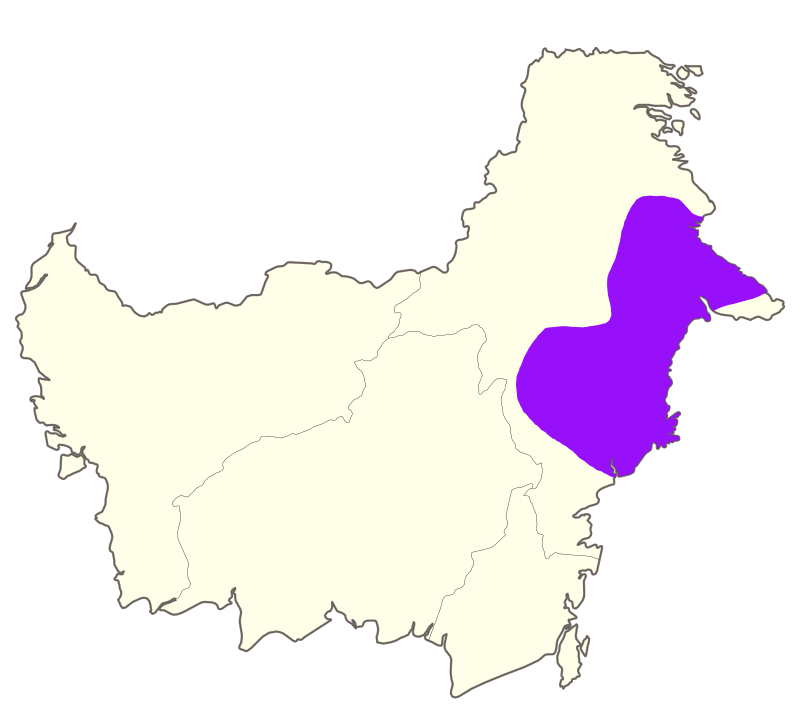
Much of East Kalimantan is covered in exposed orange soil. You often come across roads built into red rocky landscapes. Particularly orange-coloured soil can be found around Muarawahau.
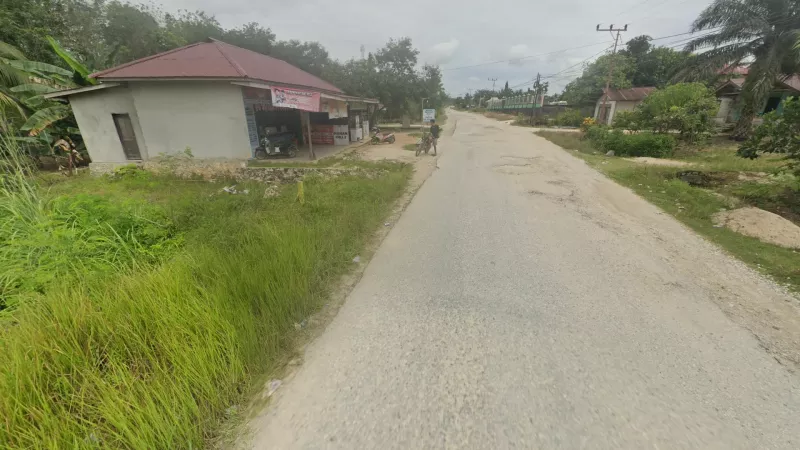
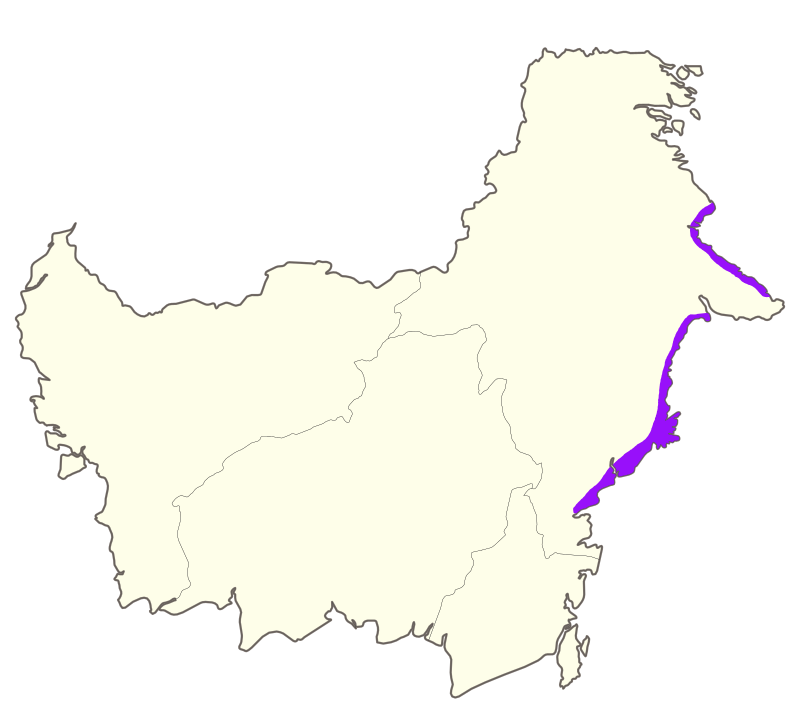
Along the east coast of East Kalimantan, the soil is noticeably light with patches of grass. North of Samarinda the soil becomes very rocky.
Agriculture & Vegetation
South Kalimantan
Architecture
Kalimantan
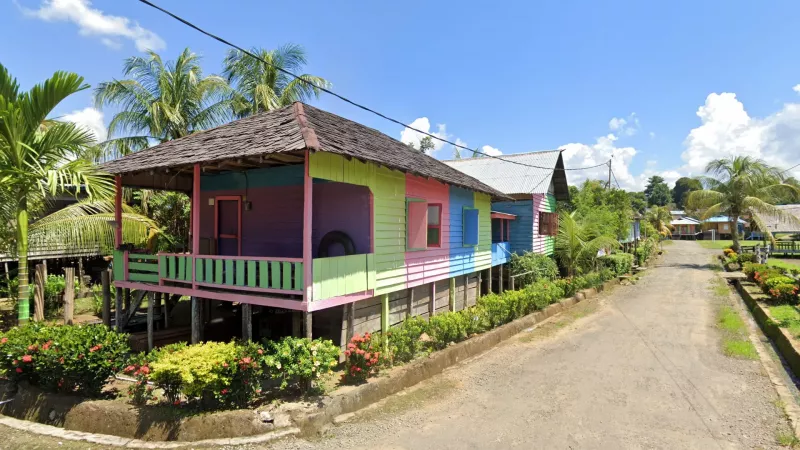
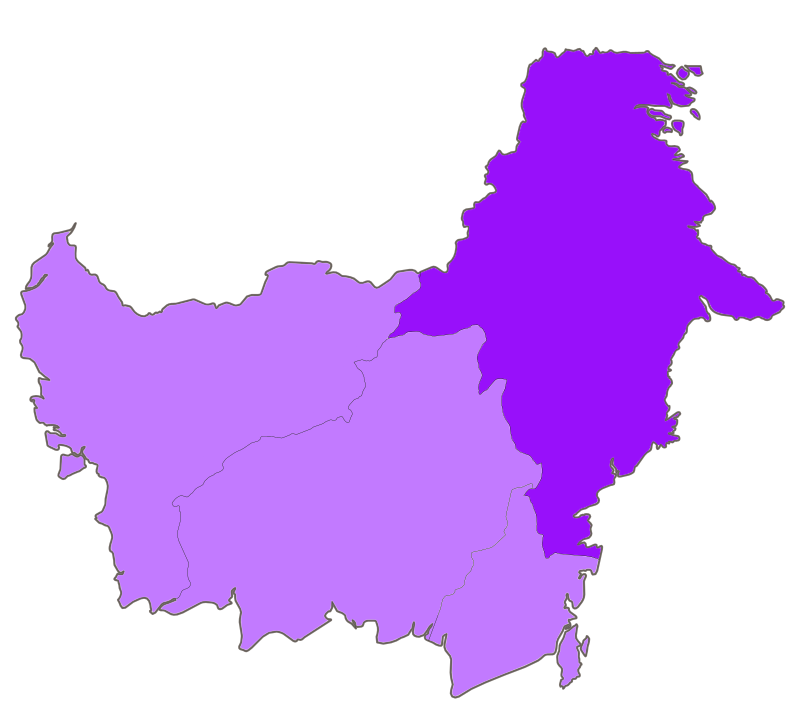
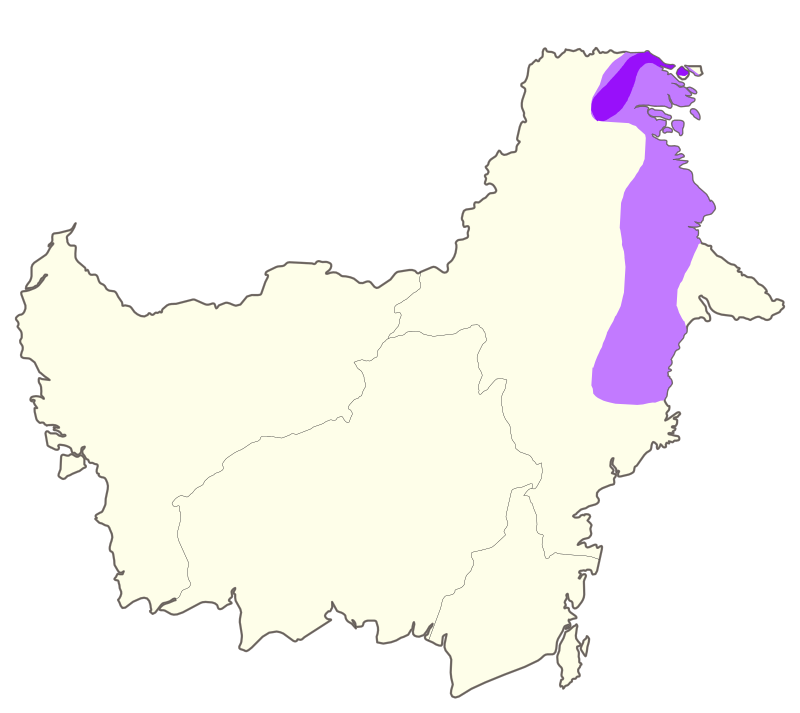
The further north-east you go in Kalimantan, the more likely you are to find houses painted in bright colours.
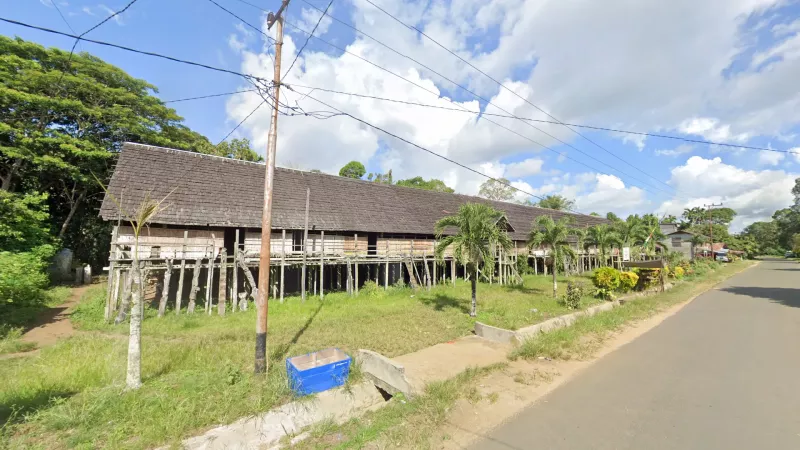
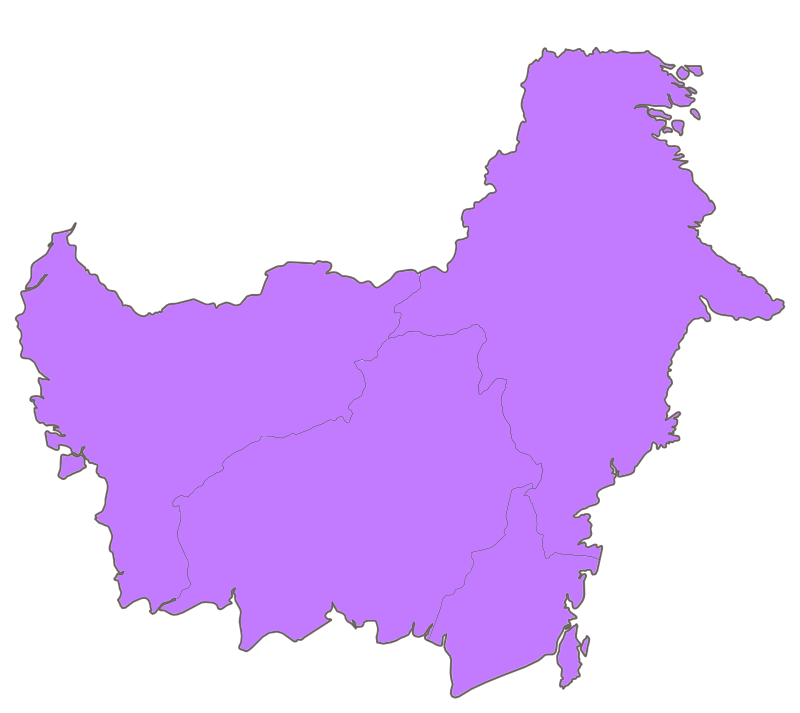
The traditional longhouse is the most iconic architectural form of the Dayak people across Kalimantan and is the core of their communal and social life. These longhouses are more common inland and in northern parts of Kalimantan.
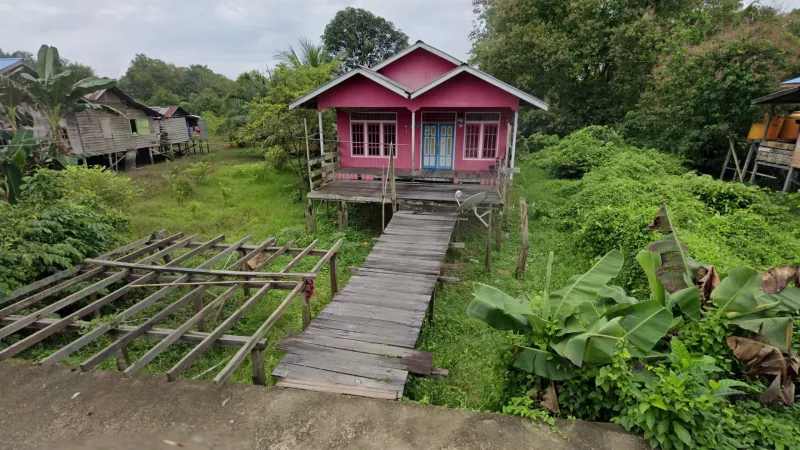
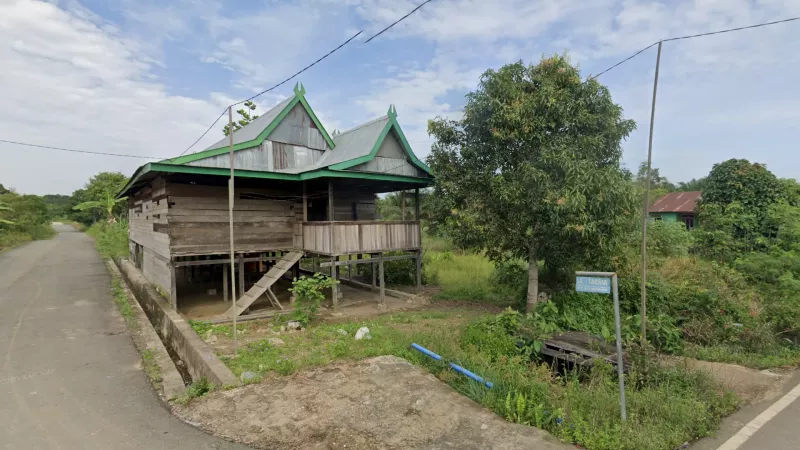
Houses with long wooden walkways leading up to them from the road are more common towards North and East Kalimantan, but are found sporadically across all of Kalimantan.
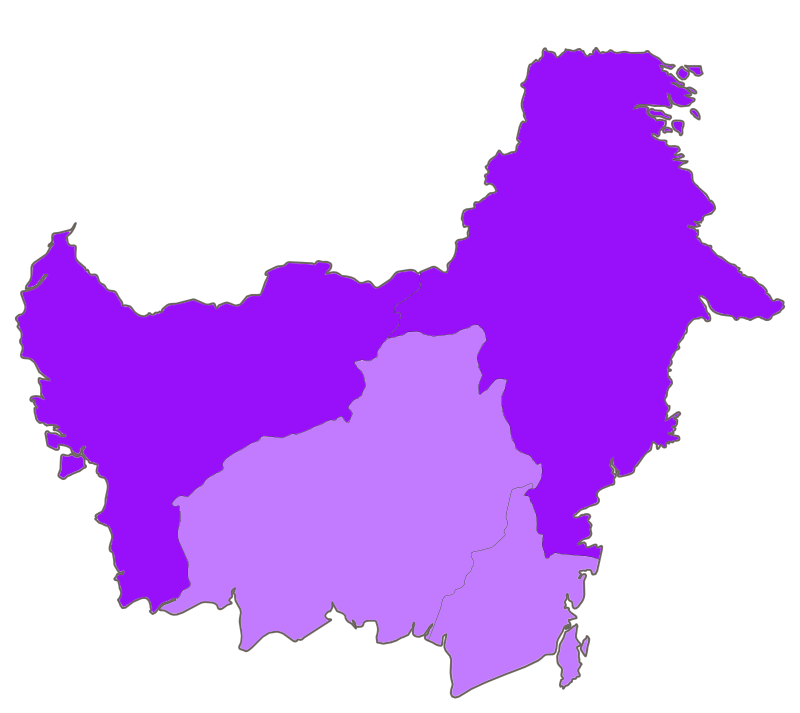
West-Central-East-North Kalimantan
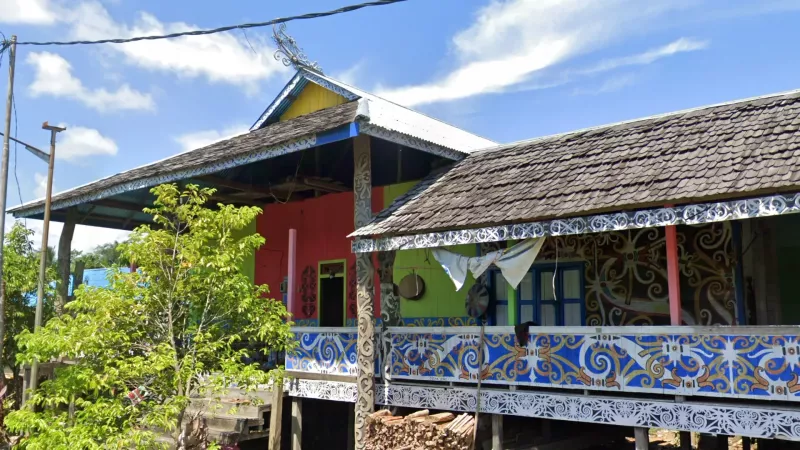
The Dayak are the indigenous people of Borneo and generally inhabit more inland parts of the island. Malinau, Kutai Barat and Sintang regencies have the most prominent Dayak populations.Dayak traditional art is extremely intricate and curvy and can be found painted on walls, fences, poles and other surfaces. Key motifs include the Aso (a mythical hybrid of a dog and dragon representing strength), the Hornbill (symbolising nobility and bravery), and an elongated hexagonal shield.
West Kalimantan
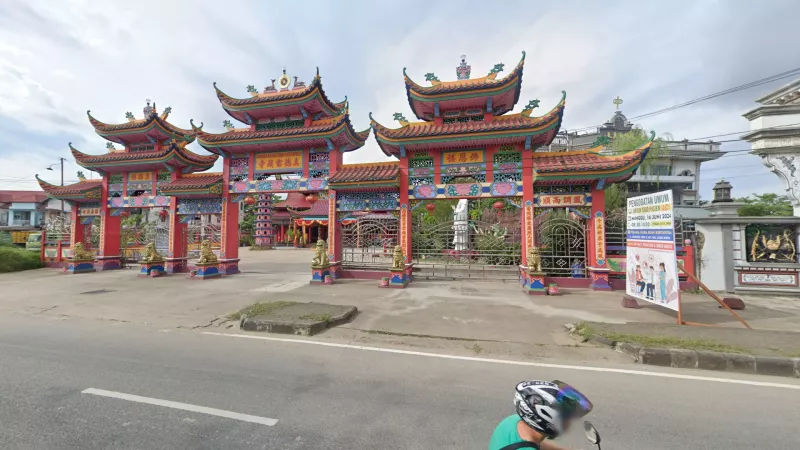
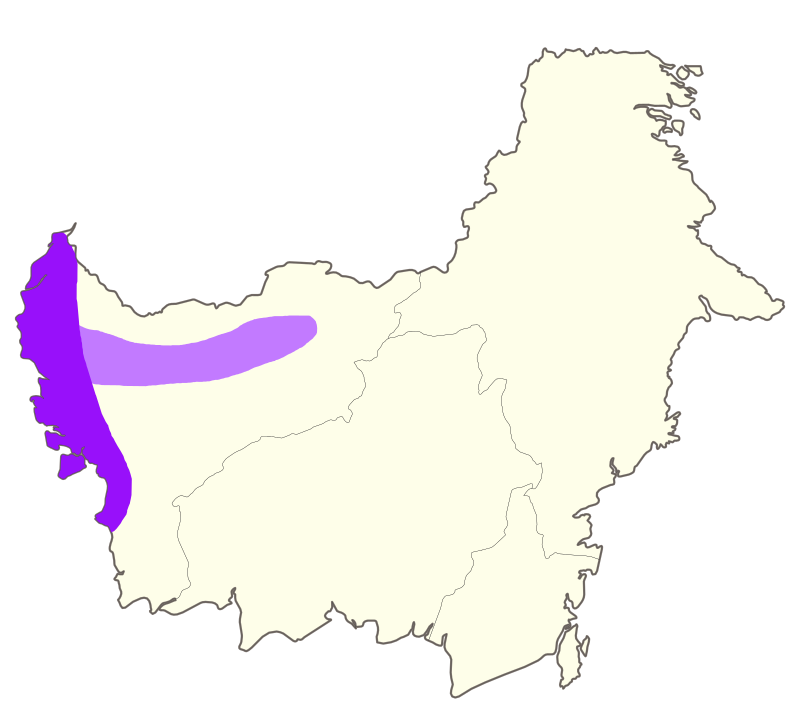
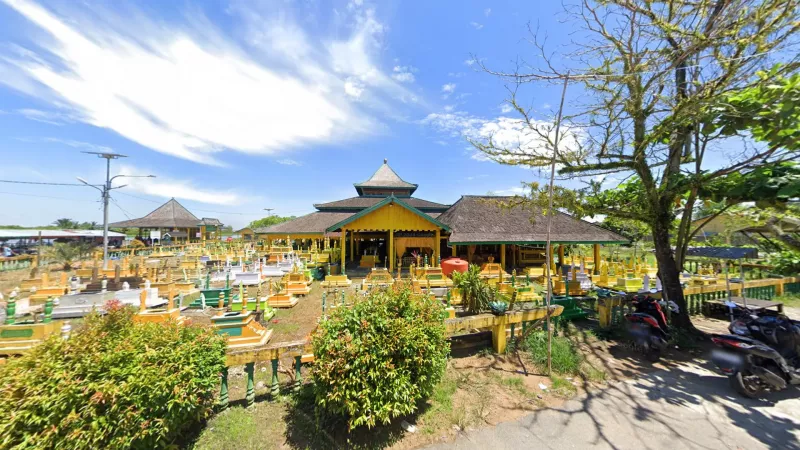
Along the west coast of West Kalimantan, especially in the northwest and the city of Singkawang, you will notice a lot of Chinese architecture and inscriptions. As well as the distinctive paifang-style gates and klenteng (temples), there are many Chinese cemeteries with characteristic rounded, horseshoe-shaped tombs. Similar features appear across Indonesia wherever there are sizable Chinese communities, but West Kalimantan has the largest Chinese population in Indonesia.
In the coastal cities of West Kalimantan, especially Pontianak, you will occasionally see bright-yellow buildings and monuments. The colour dates back to the Pontianak Sultanate, where yellow signified Malay royalty, and the tradition has persisted locally.
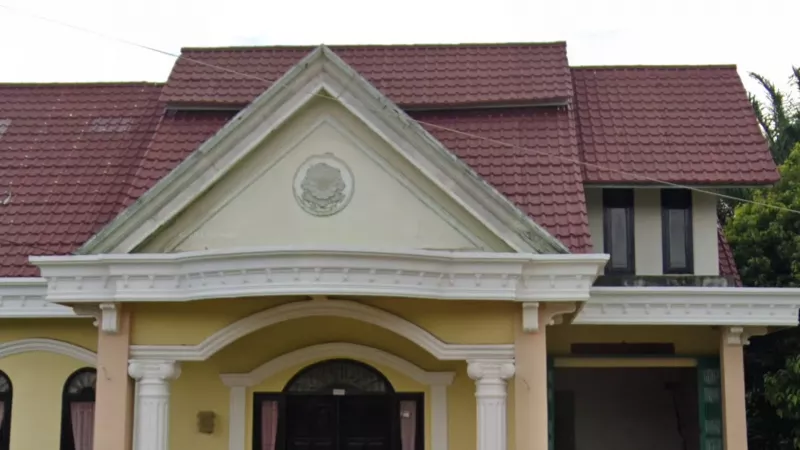
Rosette designs on gables are fairly common in West Kalimantan. They can be seen elsewhere in Indonesia too, but within Kalimantan, they are most likely to be seen in West Kalimantan.
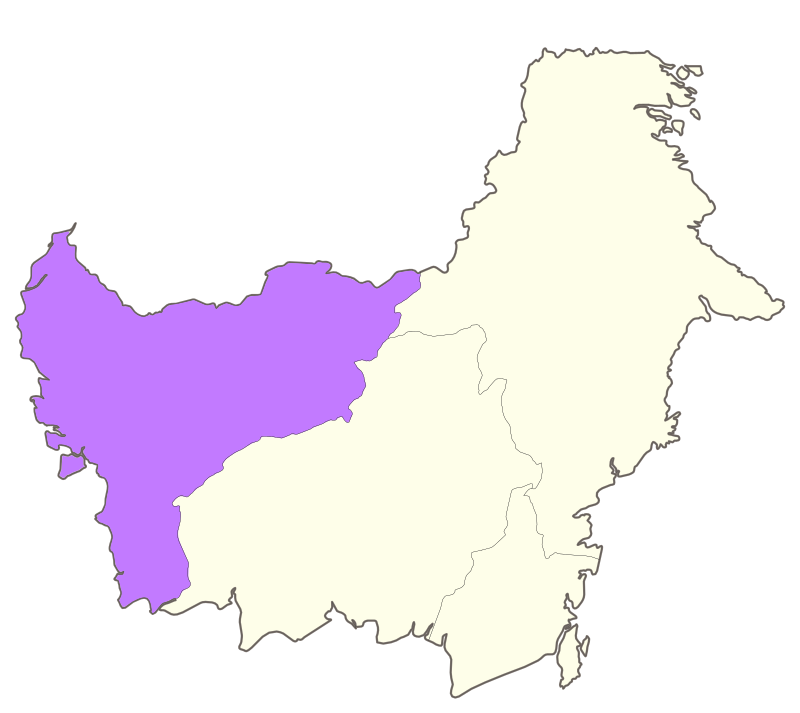
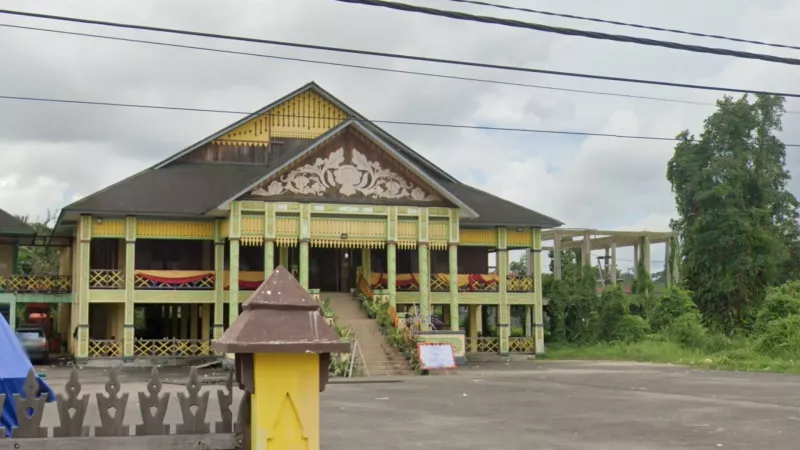
Monumental Malay-style halls appear occasionally in West Kalimantan. Typical features include a broad central staircase, spacious verandas and numerous tall stilts. You will also find modern variants that keep only some elements, principally the grand, columned look.
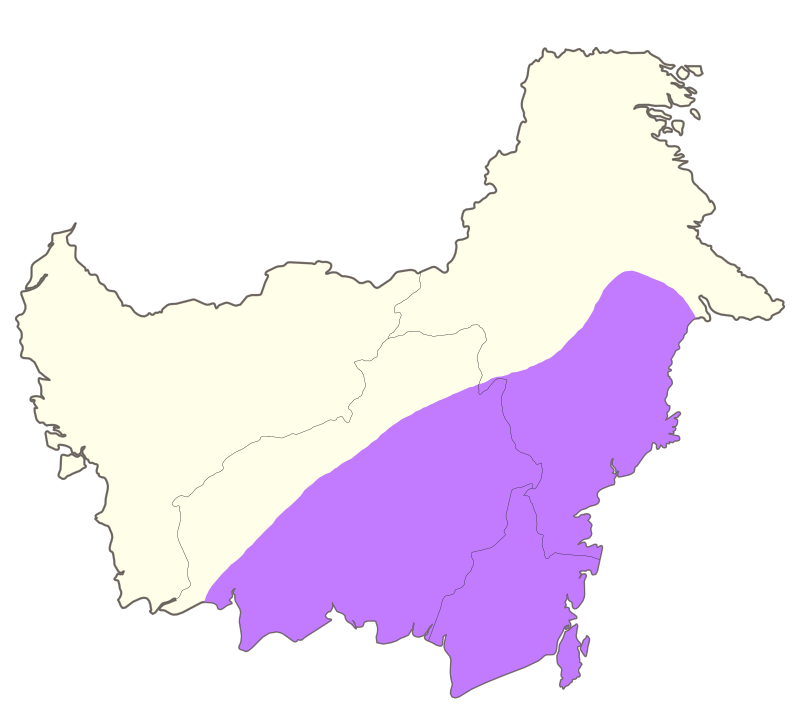
Central-South-East
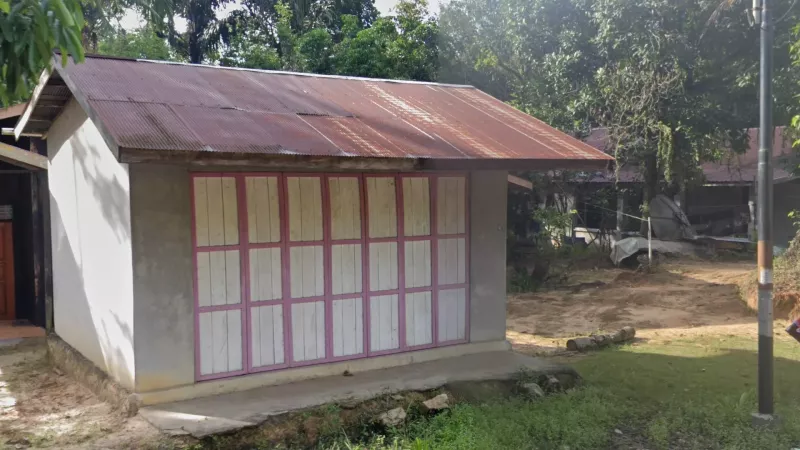
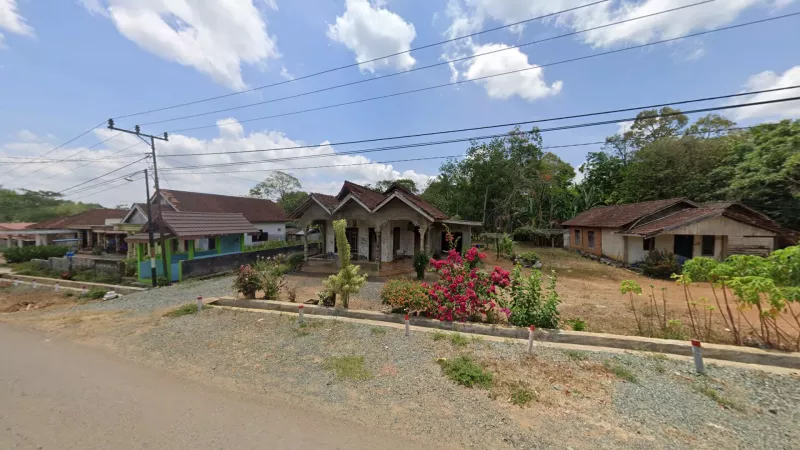
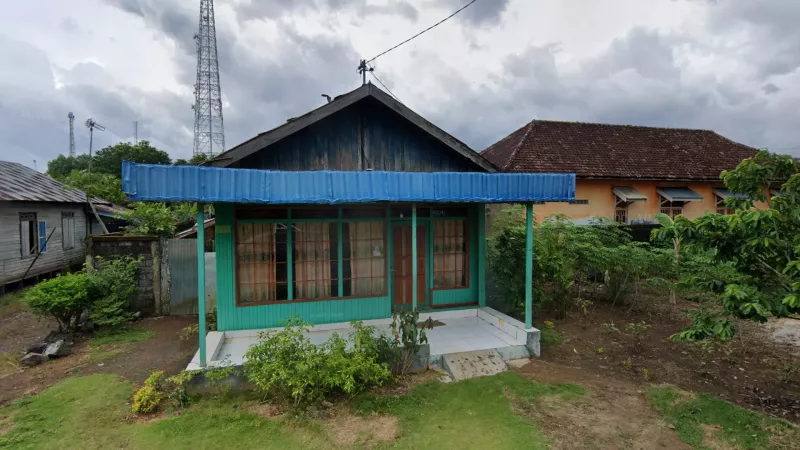
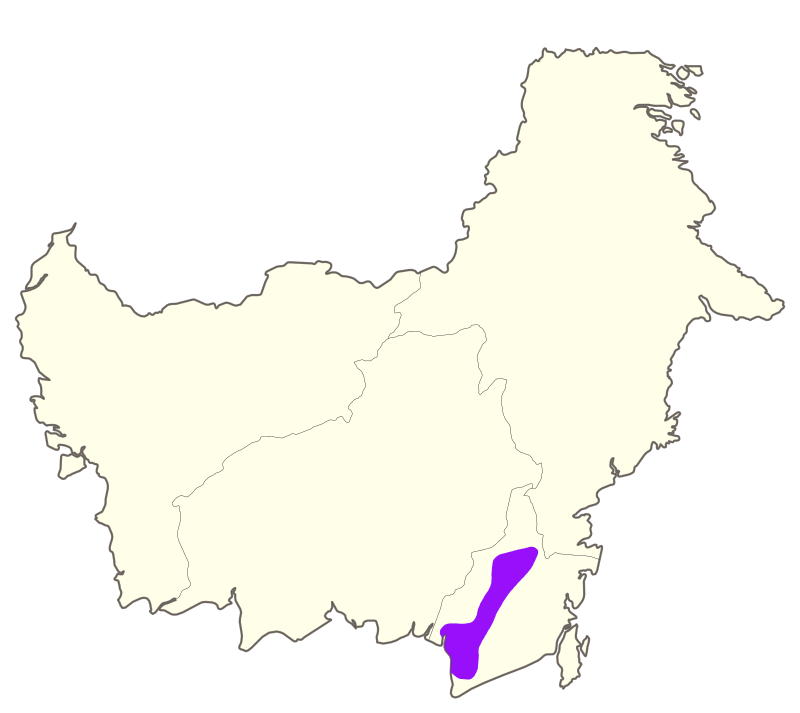
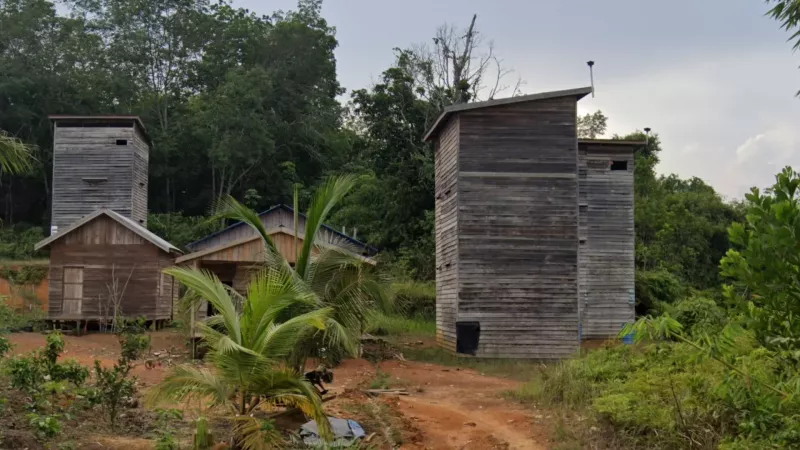
Houses in the south-east of Kalimantan sometimes feature a prominent set of uniform vertical panels that serve as the main front access to the house. The panels are framed in a distinct colour creating a striking facade.
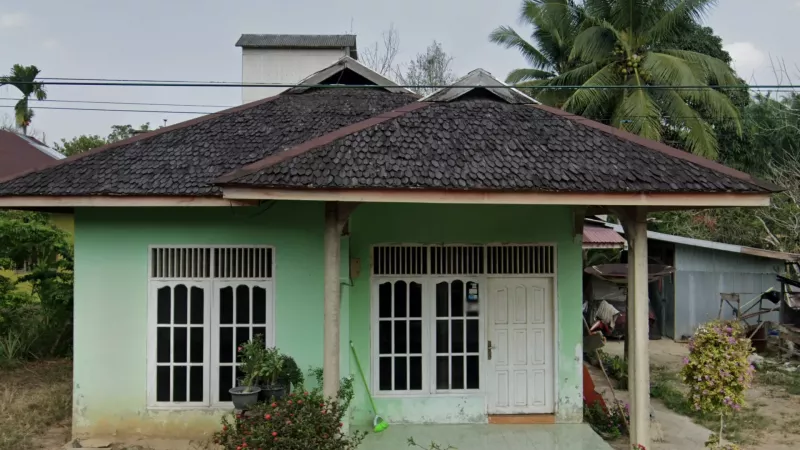
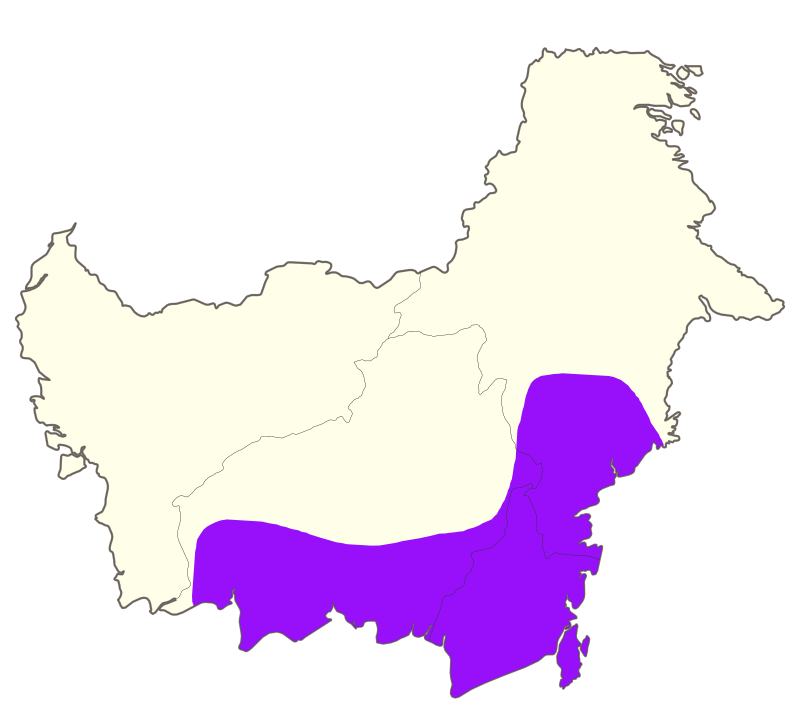
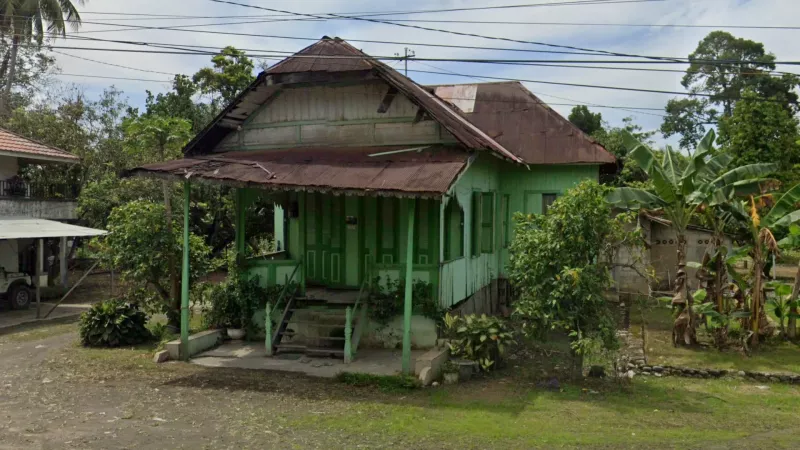
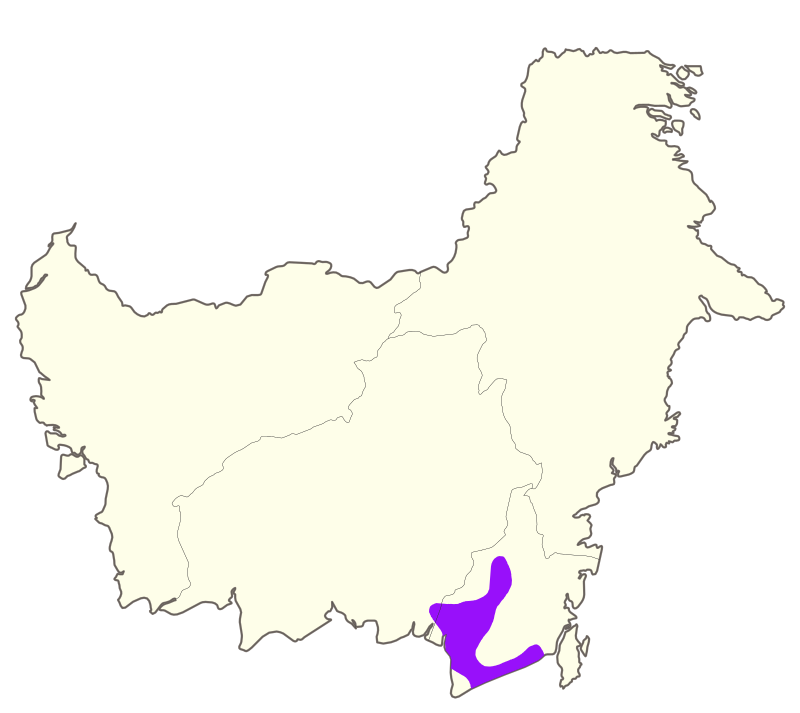
Houses with traditional wooden shingles are present in Central, South and East Kalimantan.
Within Kalimantan, Lampung-style tiled roofs are found in the provinces of Central, South and East Kalimantan.
South Kalimantan
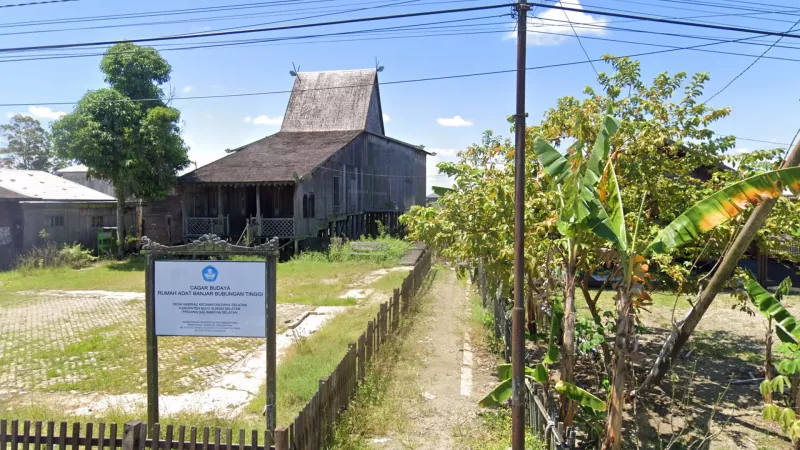
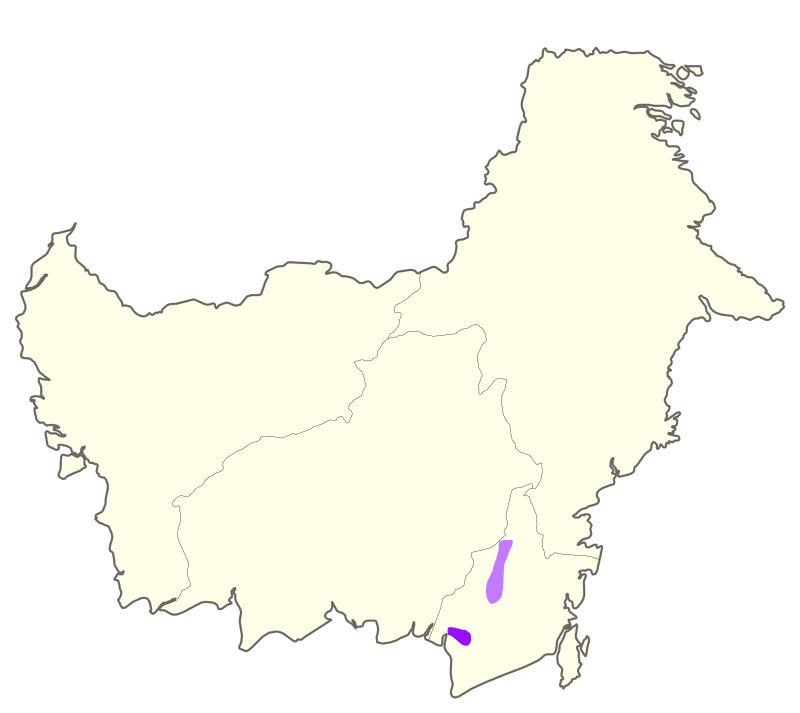
In parts of South Kalimantan, you can see the traditional chieftains’ houses of the Banjar people. These are known as Rumah Bubungan Tinggi, meaning 'high peak' houses, due to their steep gable roofs. The whole house is built on top of high stilts.
Banjarese houses in South Kalimantan have wide, horizontal boards spanning the top of the front of the houses. These boards can be wooden or metal.
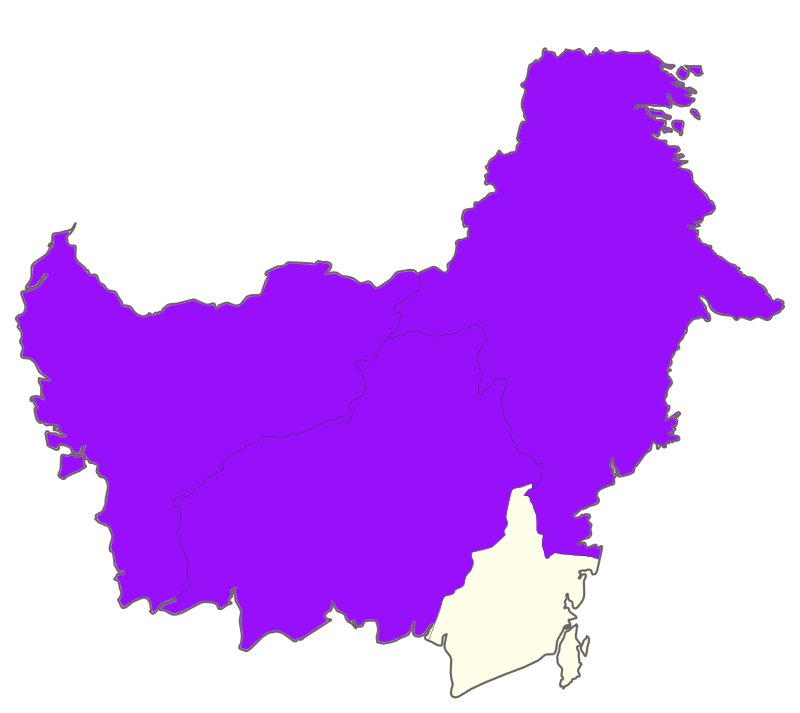
Many modern houses in South Kalimantan incorporate elements of the traditional Banjarese traditional Gajah Manusu houses. In particular, they often feature its signature jerkinhead roof.
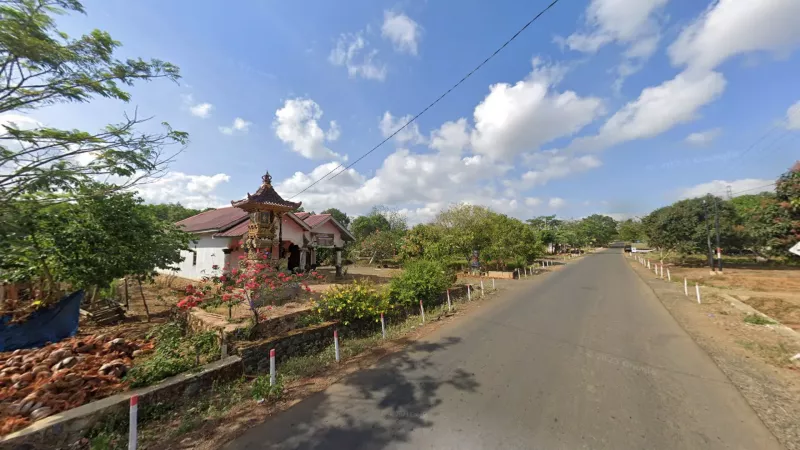
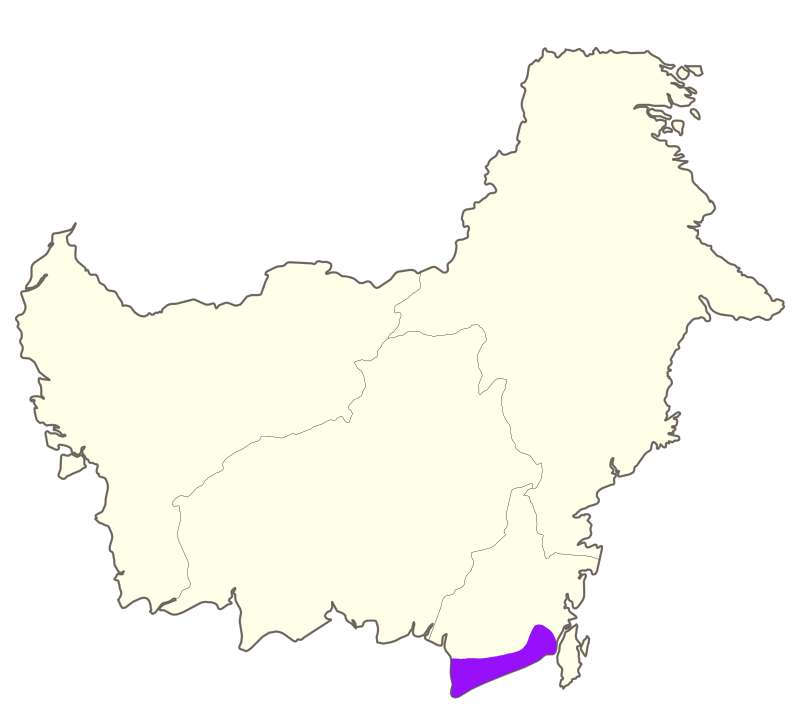
In the south of South Kalimantan you will find many of the same features that are associated with Lampung, including Hindu religious structures, property entrance wing walls, and sticks used as bollards.
East Kalimantan
Kuta Barat Regency stands out for its very neatly mowed front gardens, which sometimes even appear slightly mossy.
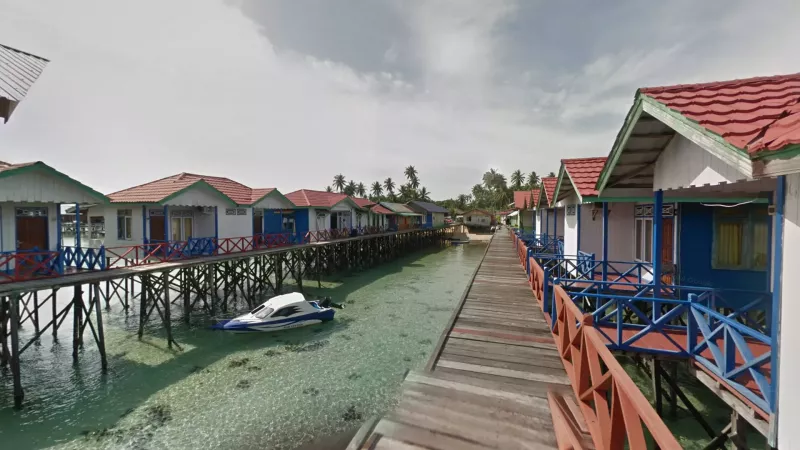
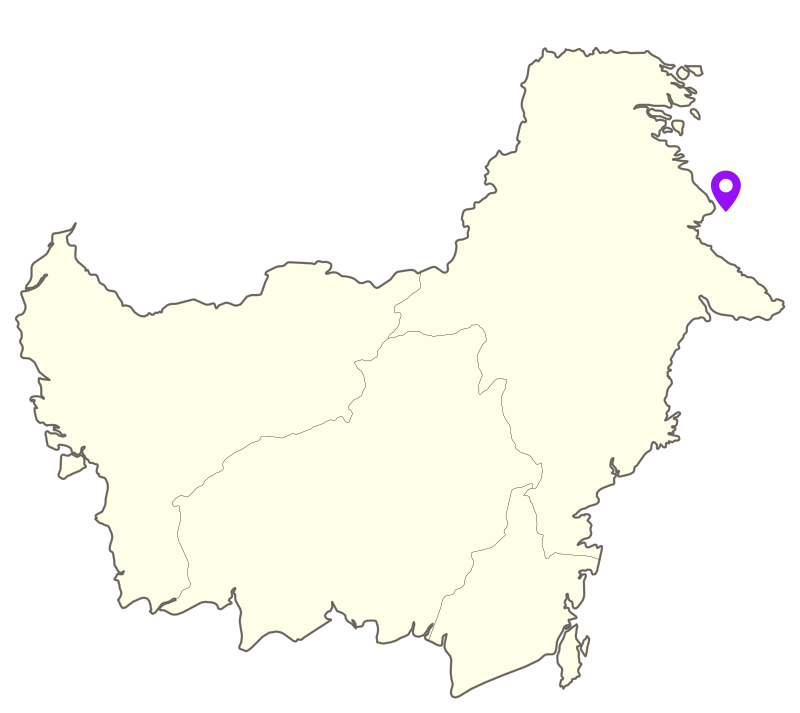
Pulau Derawan is a tiny island with trekker coverage located off the northern tip of East Kalimantan. It can be easily recognised by its wooden piers, white sand and colourful low-stilt houses.
North-East Kalimantan
Central-South-East-North Kalimantan
Infrastructure
South-East Kalimantan
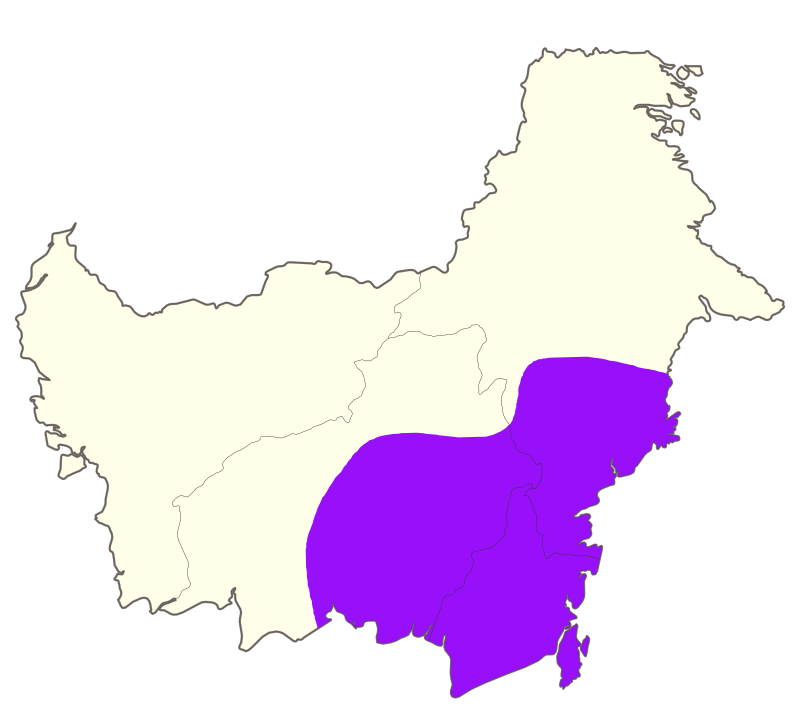
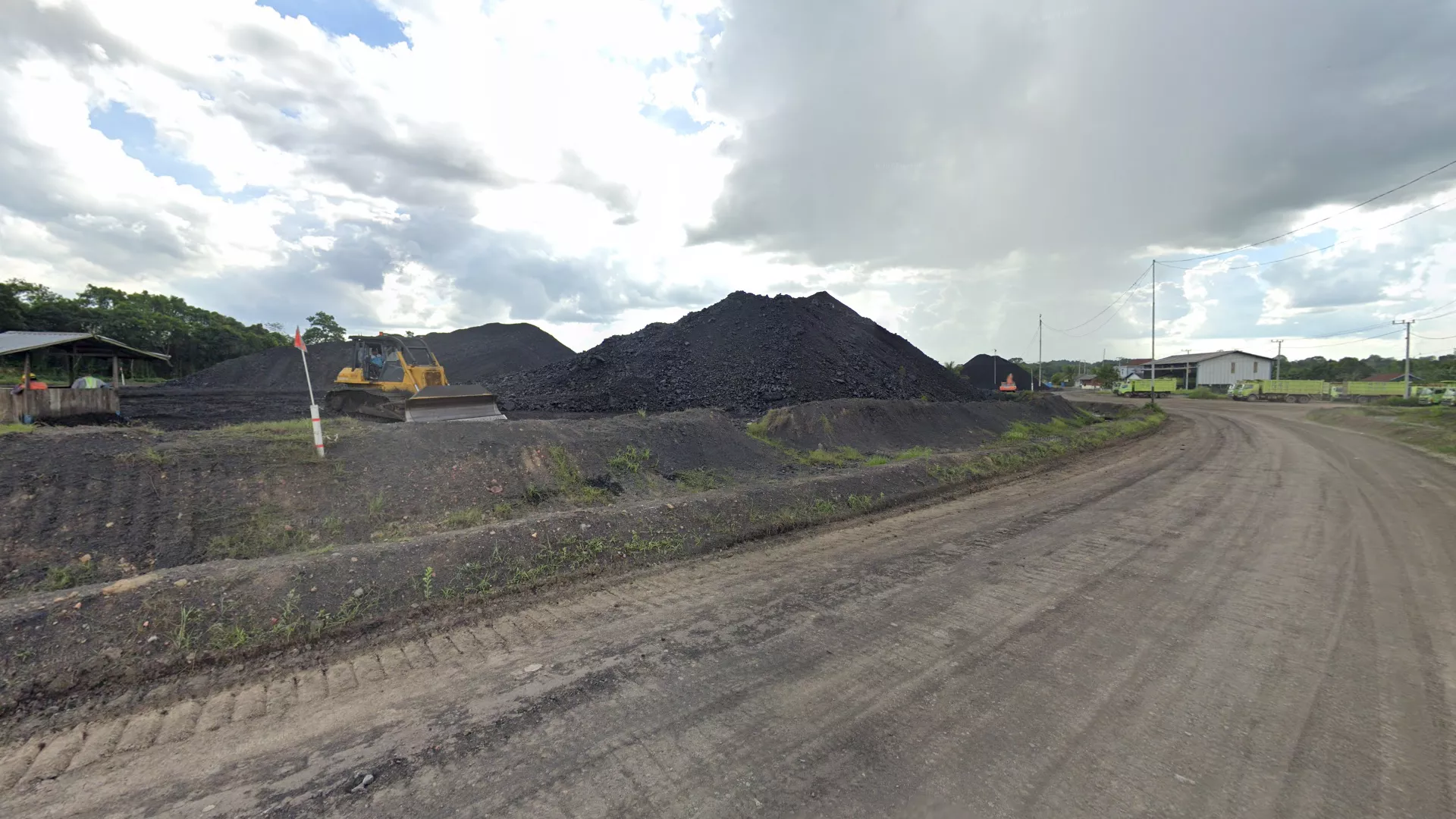
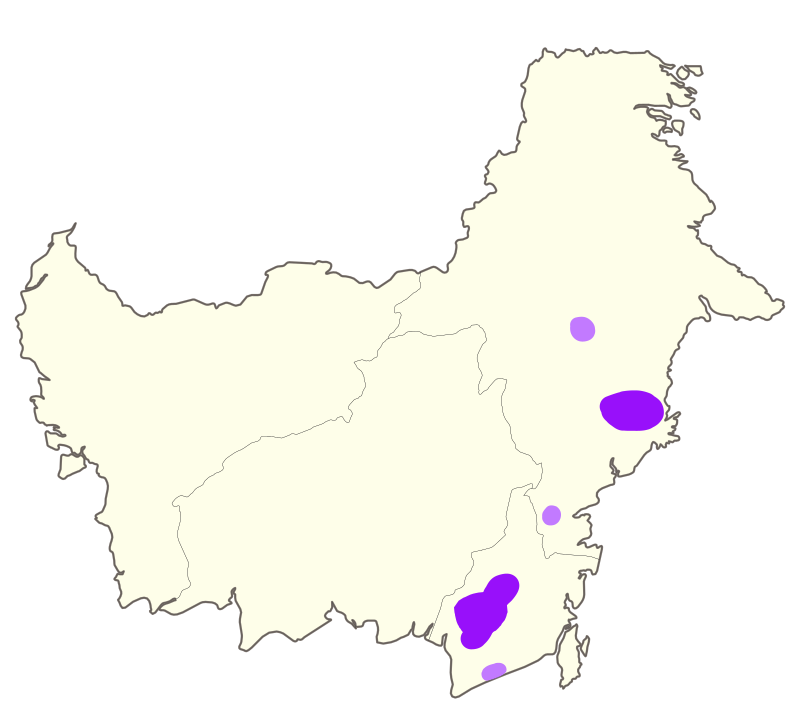
Certain areas of Kalimantan are known for coal mining. These include Samarinda and the areas shown on the map. Indicators of the industry include ships or yellow trucks carrying coal, visibility poles near mining sites, conveyor belts, grey-black soils and ponds full of mine tailings.