
 Java
JavaLandscape
Java
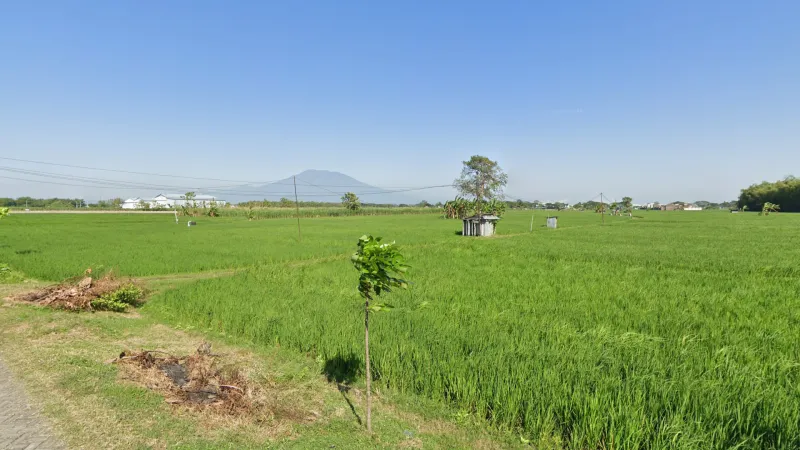

Gunung Lavu (Mount Lawu) is probably the most useful volcano on Java Island. It is somewhat isolated and surrounded by flat fields from three directions, making it recognisable in clear weather. It is located on the border between Central and East Java.
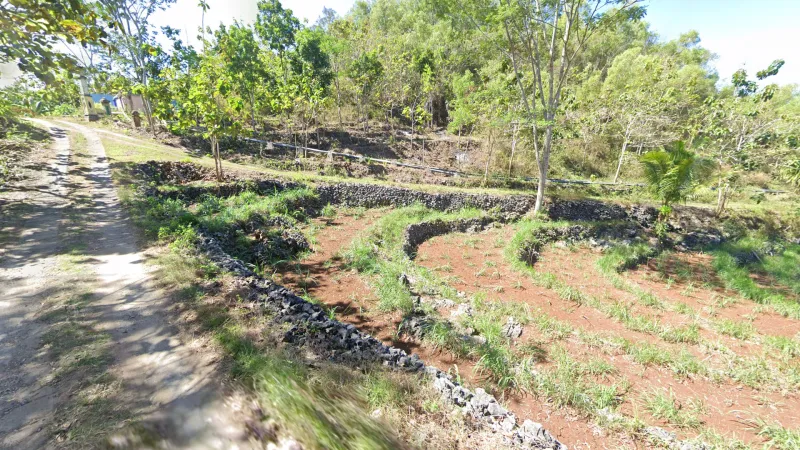

Terraced slopes made of dark, jagged limestone are very common in the eastern part of the Yogyakarta region, extending into neighbouring parts of Central and East Java. The combination of limestone terraces and abundant teak trees is a distinctive feature of this region.
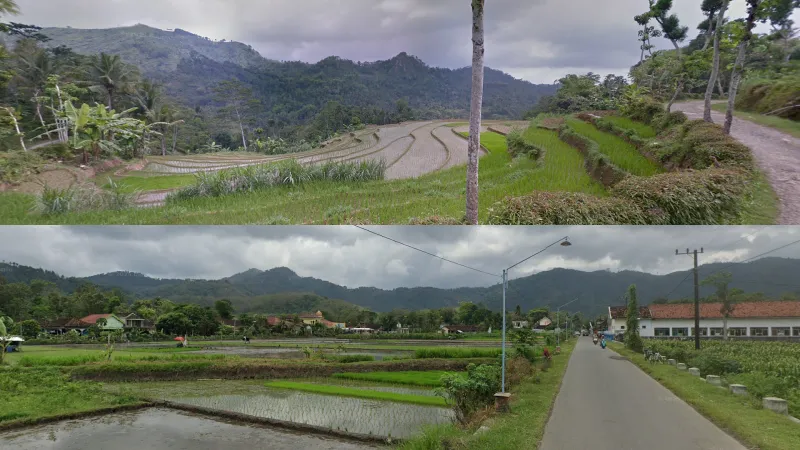

The mountain ranges between Pacitan and Trenggalek form one of the most topographically distinct regions of Java, with numerous jagged peaks and rocky precipices. The mountains are often covered in Sumatran pines, with small twin-track roads winding up the slopes. Near Trenggalek you can find flat paddy fields with these mountains in the background.
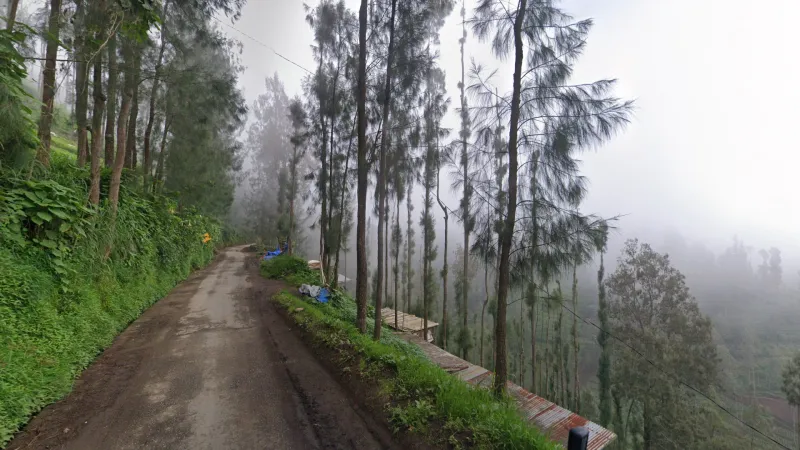

Bromo-Tengger National Park possesses some of the most iconic landscapes of Indonesia. There you will find majestic terraces dotted by she-oaks and traditional villages. A few roads have coverage looking down upon the Tengger crater and Gunung Bromo.
Madura Island
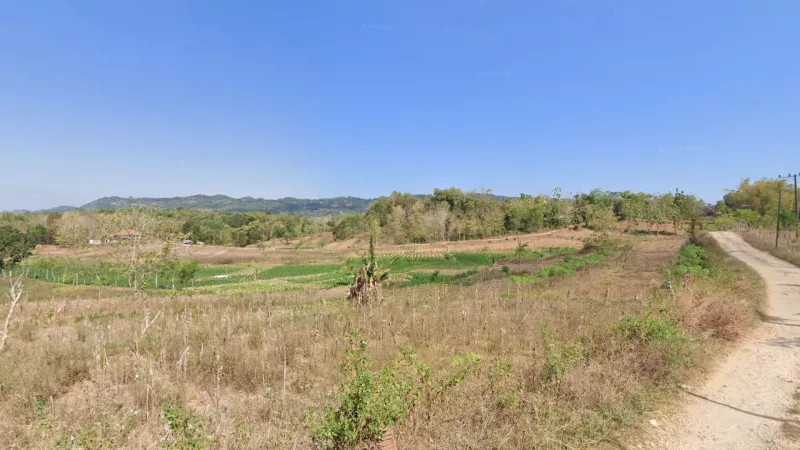

Most of Madura Island's landscape is dominated by gently rolling hills, sometimes resembling terraces, giving these hills a patchy look. In general the landscape here is quite dry.
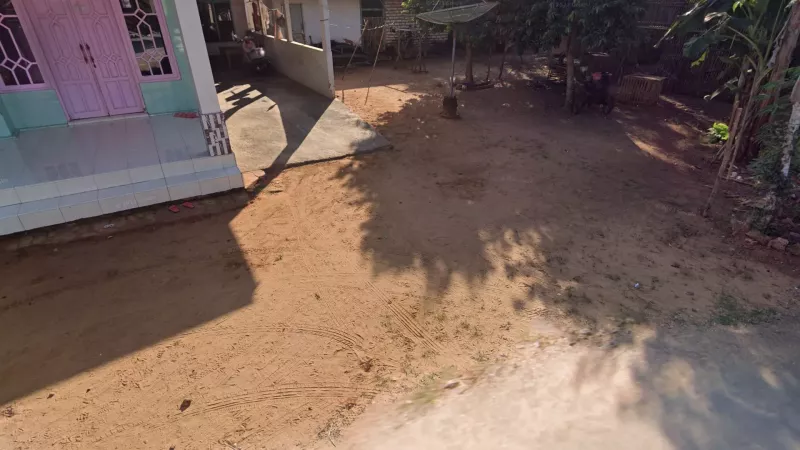

Especially towards the east of Madura island, the soil becomes darker and more reddish.
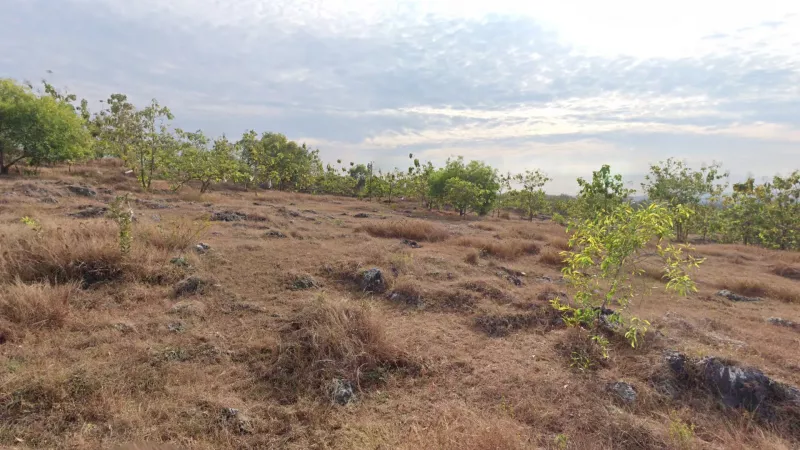

In some areas of Madura Island, exposed limestone rocks protrude from the dry ground.
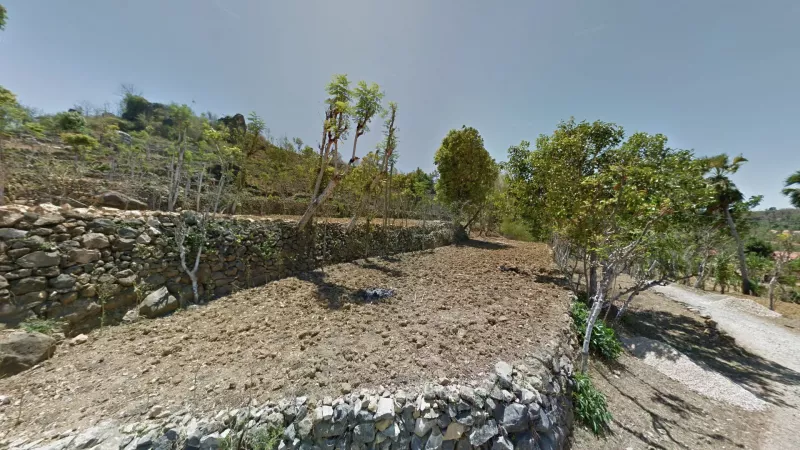

Some terrace slopes made out of limestone rock can be found on Madura Island. These terrace slopes look very similar to those found near Yogyakarta, but in a noticeably drier landscape.
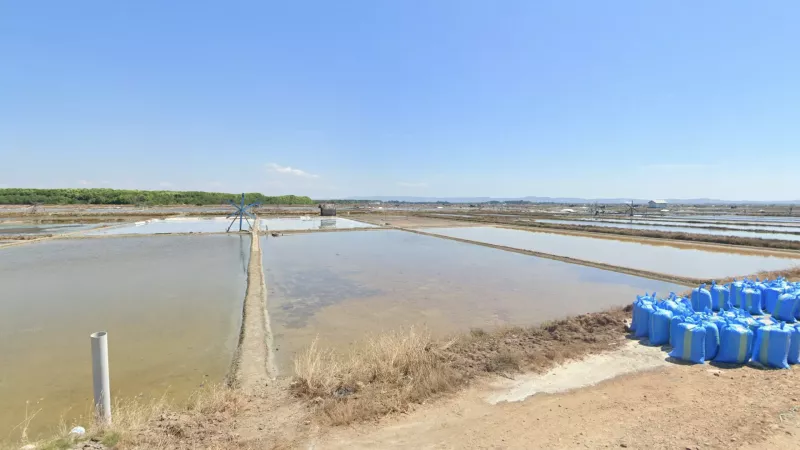

As Madura Island is the largest salt-producing region of Indonesia, salt evaporation ponds are a common sight, especially along the south coast of the island.
Puteran Island
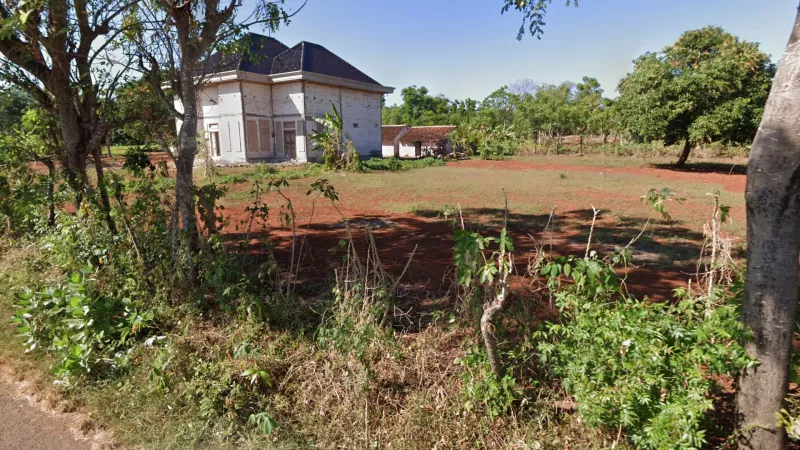

On Puteran Island, located directly east of Madura, the soil turns a bright red colour.
Bawean Island
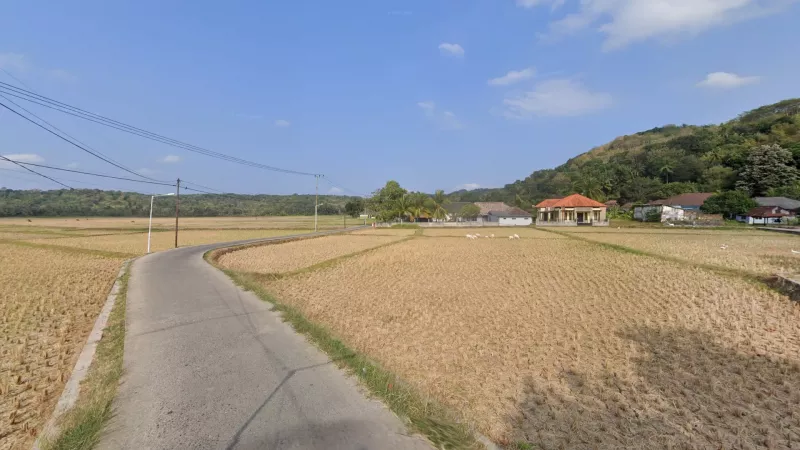

Bawean Island is a small island quite far off the northern coast of East Java. Administratively it is part of Gresik Regency. The landscape is characterised by arid fields amidst medium-sized, vegetated mountains.
Agriculture & Vegetation
Java
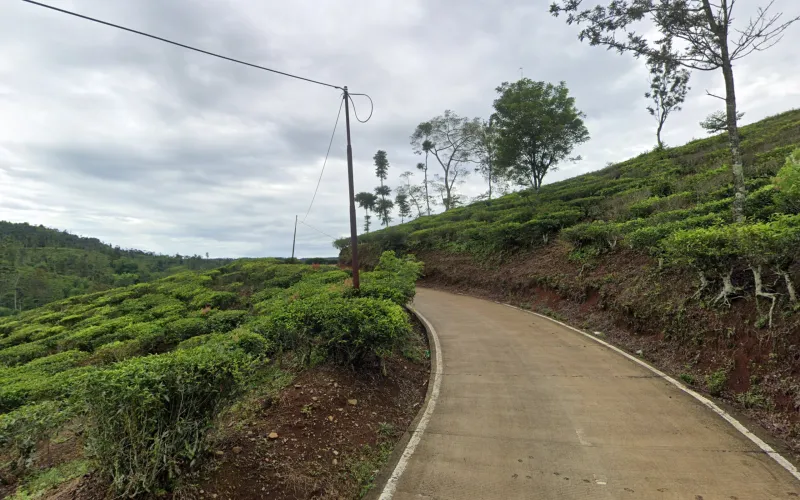

Tea cultivation is a major indicator of West Java, with large plantations found throughout the mountains of southwestern West Java.
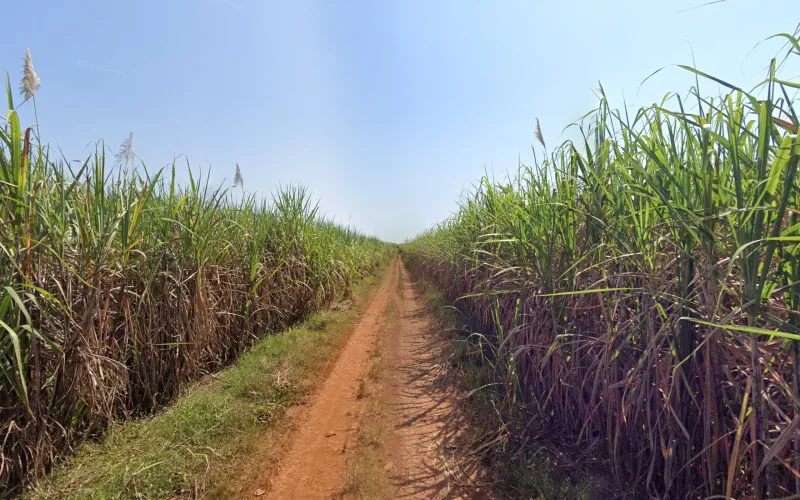

Around Koemendoeng, there are extensive sugarcane fields, often arranged in a grid-like pattern reminiscent of Brazilian sugarcane landscapes. Sugarcane is otherwise extremely rare in West Java.
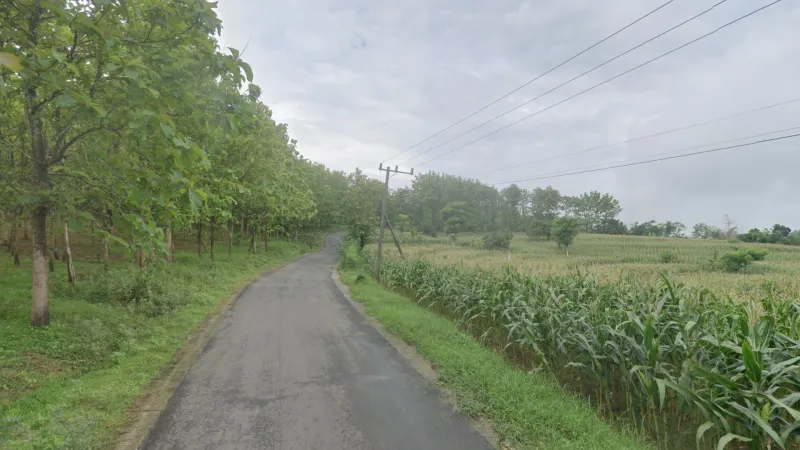

The region stretching from Semarang in Central Java to Ngimbang in East Java is defined by undulating hills of cornfields and teak plantations.
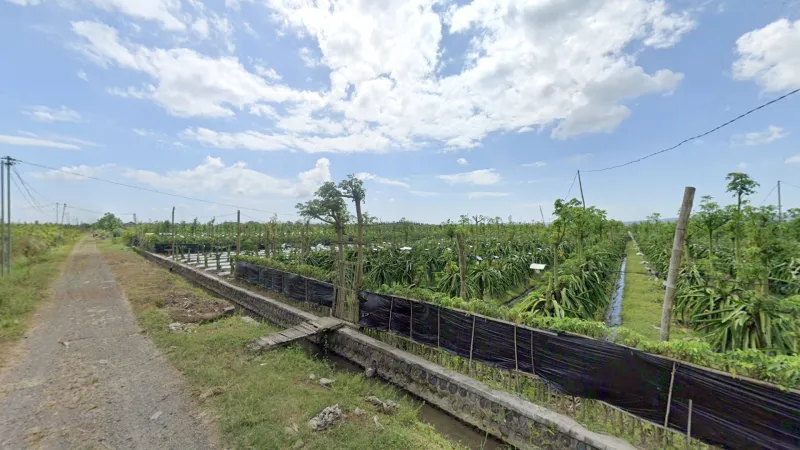

Around south-eastern East Java is a flat landscape characterised by heavy agriculture with lots of crops, most uniquely dragon fruit. The roads are straight and grid-like and you can often see mountains to the west.
Madura Island
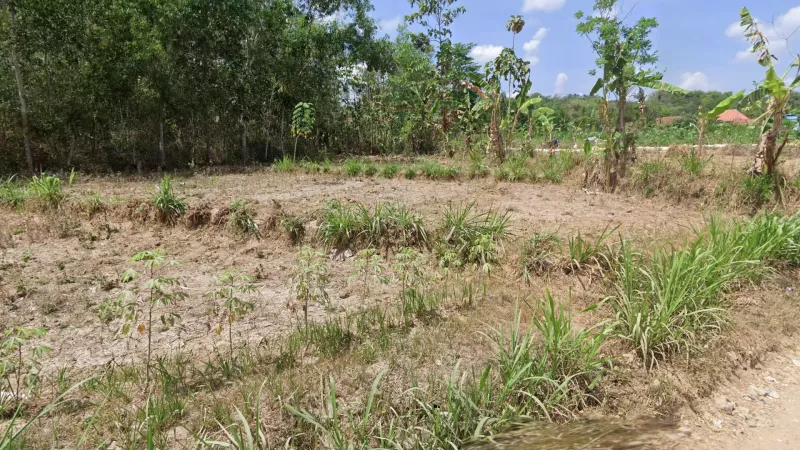

On Madura Island, most field boundaries are untidily-kept with random small plants growing along them.
Architecture
Java
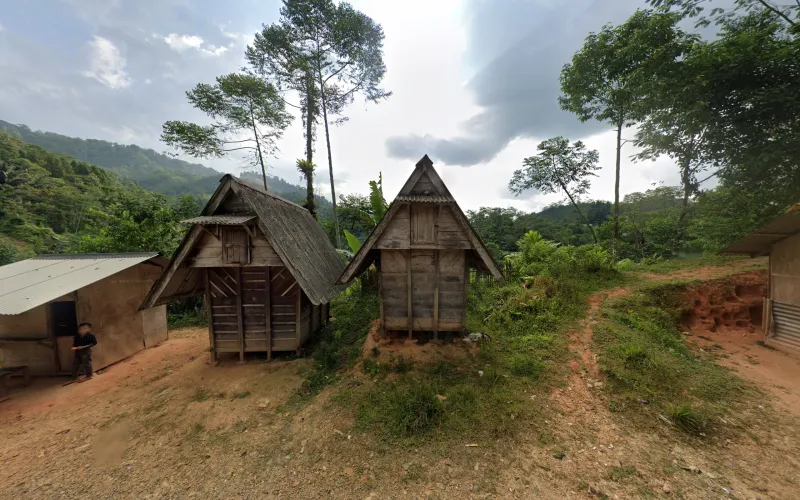

In the southeastern mountainous part of Banten, traditional Sundanese rice barns known as Leuit are still common.
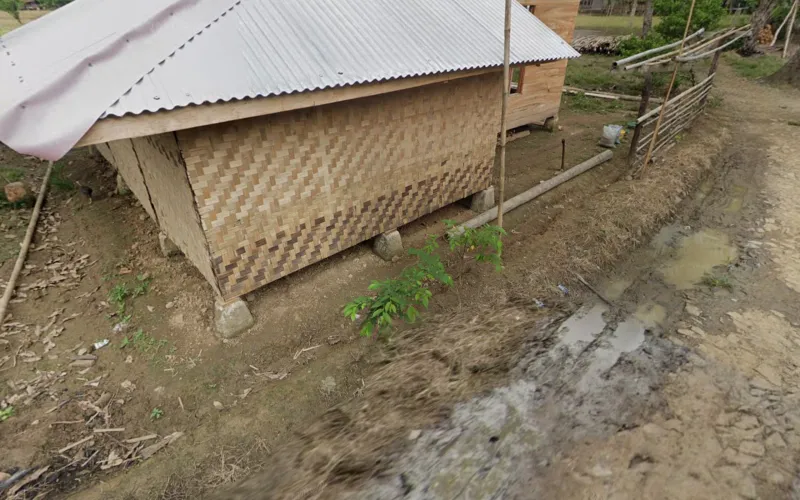

Throughout Banten and the mountainous south of West Java, many houses rest on stone pedestals, leaving the natural ground beneath exposed. These stone bases provide a level foundation, compensating for the uneven terrain in rural areas.
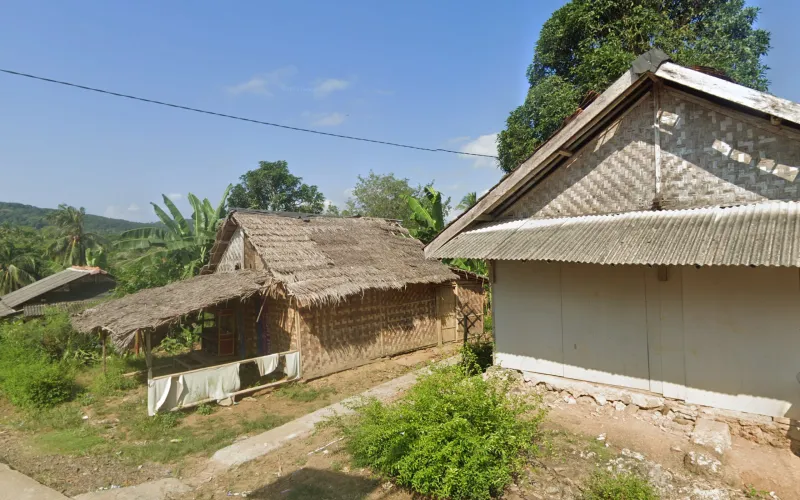

Thatched roofs are a common sight throughout Banten, especially in rural regions. While they aren't unique to Banten and appear sporadically in other parts of Java, high concentrations are found only here and in a small section of West Java.
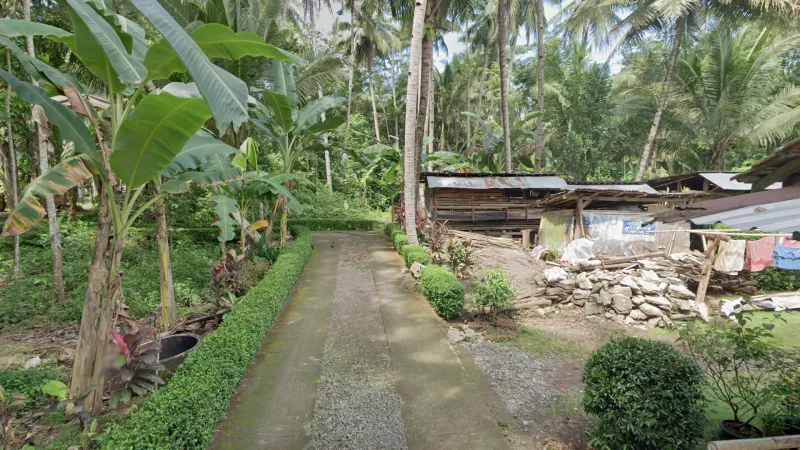

Villages located along the southern coastal plain of Central Java, particularly in the regions stretching west of Yogyakarta, are characterised by an organised layout of small rectangular properties framed by short, neatly-trimmed hedges. These settlements mostly follow a strict grid-like pattern with a noticeable absence of winding roads.
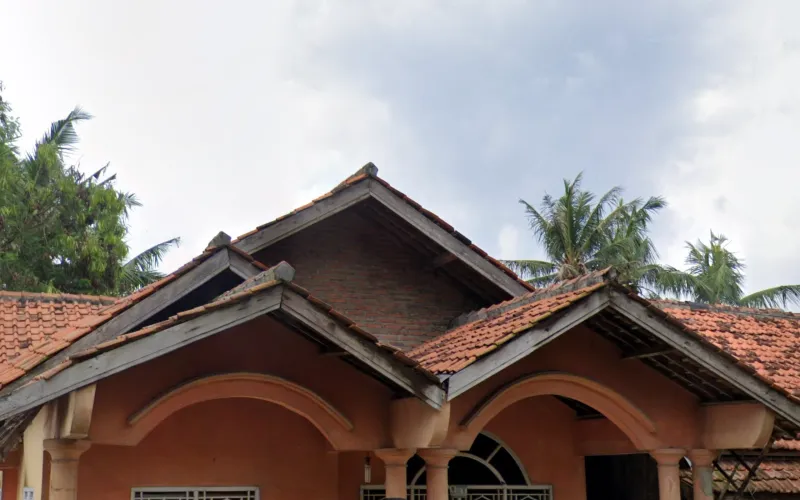

The ends of roof ridges in Java have various shapes that can be helpful for narrowing down your location on the island. Roof ridge ends in a pentagonal shape are common in Banten, West Java and Central Java, but are quite rare in East Java.
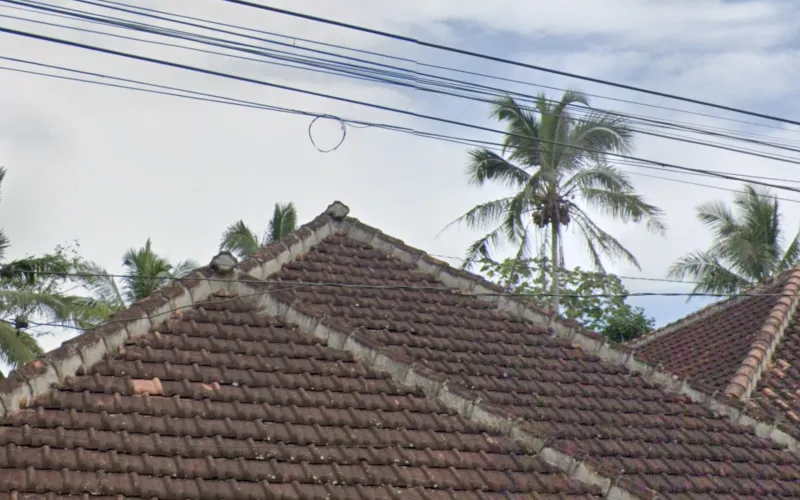

Conversely, roof ridge ends with a roughly octagonal shape are common in East Java, but are very rare on the rest of the island. Note that the diagonal sides are usually curved inward, somewhat resembling a plus (“+”) shape.
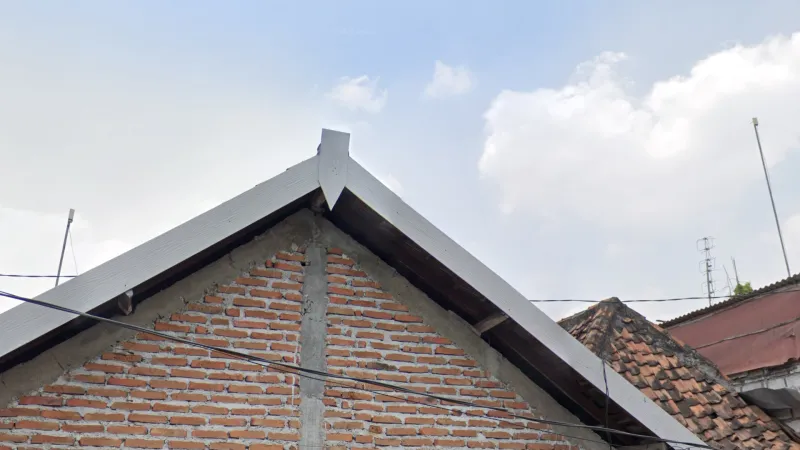

Many Javanese roofs feature narrow, vertical wooden attachments at or below the end of the roof ridge. They often appear as an upward or downward pointed arrow, but can feature a wide range of designs (e.g., heart, anchor, fork). Regardless of shape, these attachments are found commonly in East Java and also appear routinely in Central Java and Yogyakarta. Note that similar designs can sometimes be found outside Java.
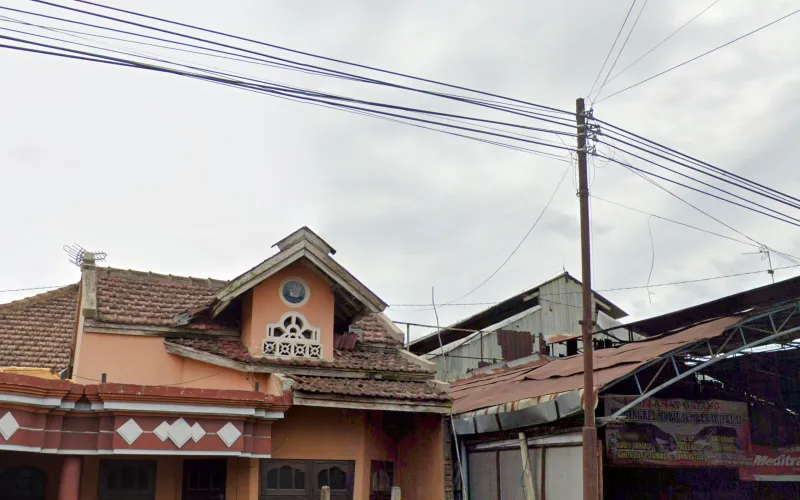

Roofs featuring an arrow-shaped extension protruding upwards are common in the eastern half of Java.
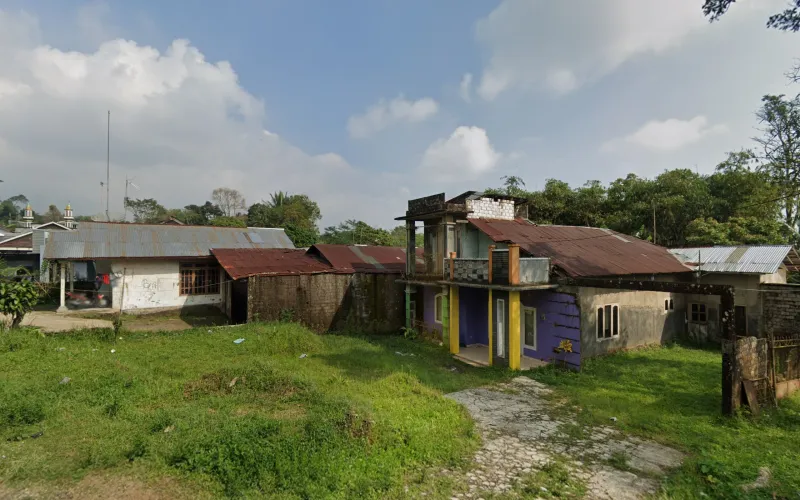

Although Java is well-known for its tiled roofs, communities featuring heavy or predominant use of metal roofs can be found in a number of mountainous and coastal areas on Java. Notable examples include the areas surrounding Mount Slamet (Central Java) and Mount Bromo (East Java).
Java, particularly the eastern part of the island, features several prominent traditional architectural styles. The most notable types are the Joglo, Limasan, and Double-Pitched-Roof types.
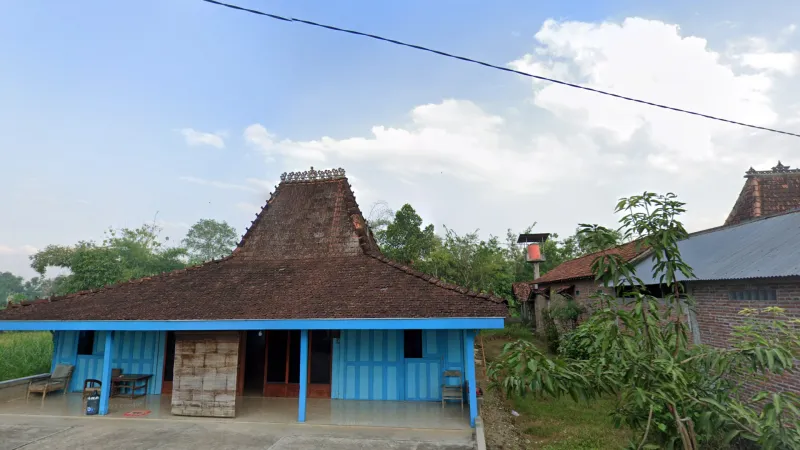

Joglo houses feature a steep ‘hat’ shaped roof surrounded by large flaps on all four sides.
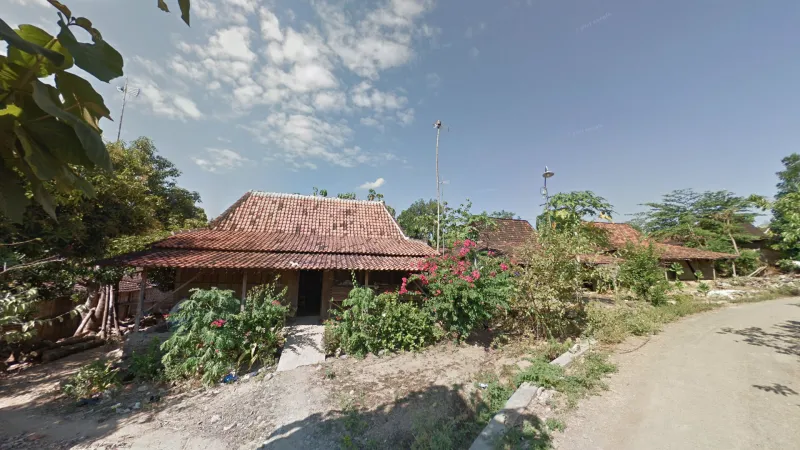

Limasan roofs also have a multi-angled roof structure, but unlike Joglo roofs, they are shallower and the flap is only present on two sides.
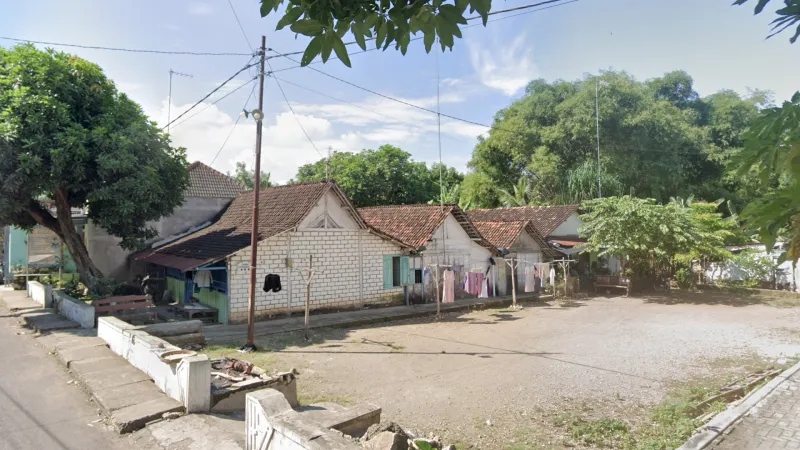

The simplest of the three roof types is the Double-Pitched-Roof. It is characterised by a multi-angled roof structure, but with only two different roof angles. Each roof surface is parallel to the long side of the house.
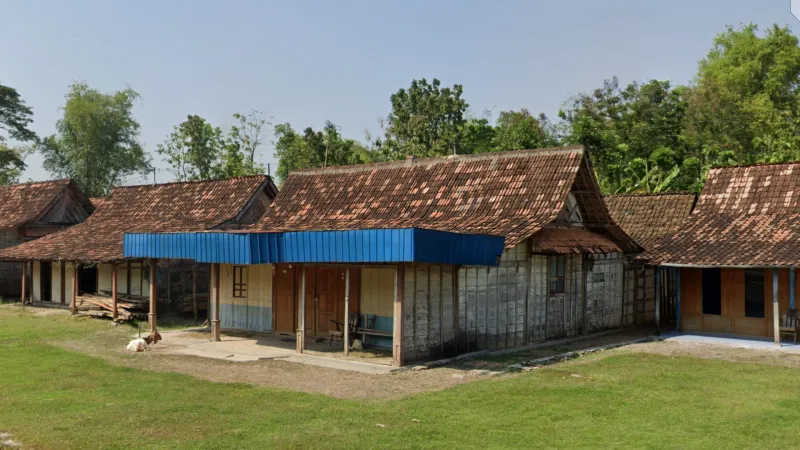

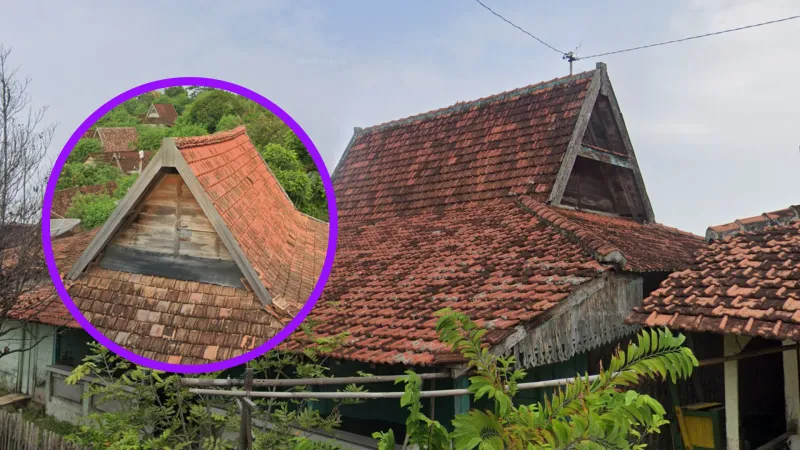

Rembang Regency is home to a unique traditional house known as the Joglo Bocokan. It is characterised by a Joglo base with gables on the sides, as opposed to slopes. A small transverse roof may or may not be present inside the gable.
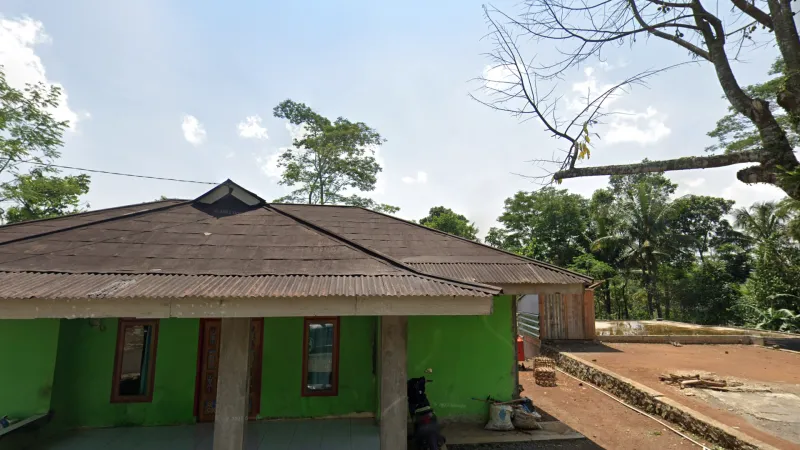

Flexible roof sheets are very common around Pulosari and Watoekoempoel in western Central Java, as well as in the villages south of Mount Lawu in the far eastern part of the province.
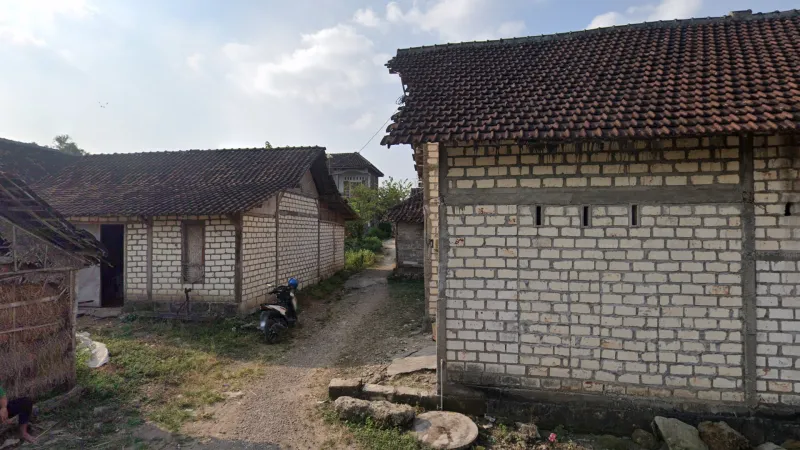

Limestone bricks are common in northern East Java, including Madura Island, reflecting the limestone geology of the area. The bricks are put together with thick grey mortar, creating a striking visual distinction.
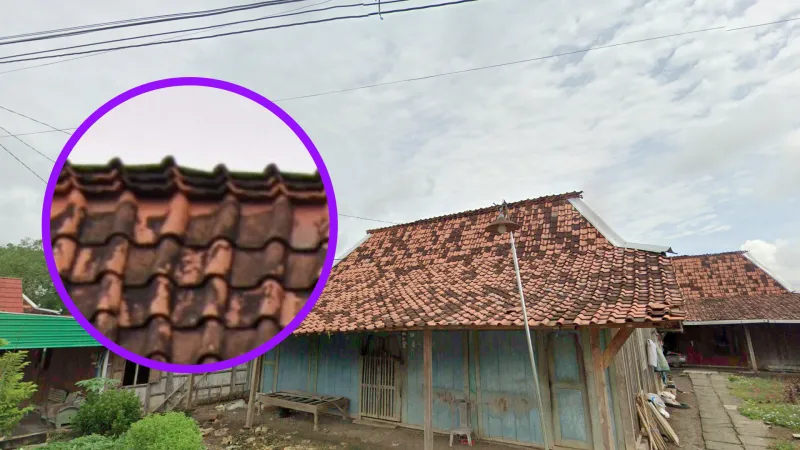

Ridges featuring multiple stacked roof tiles are particularly common in the eastern part of Central Java. You will also spot this feature in some areas of East Java.
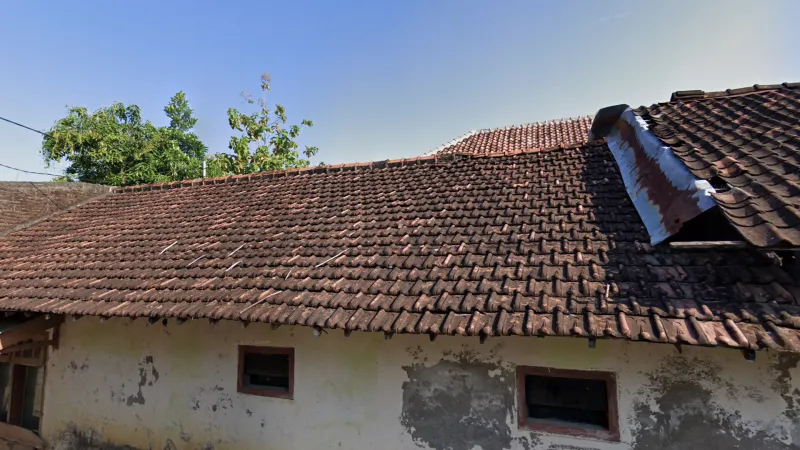

Roof tiles with this staggered, alternating pattern can be found throughout Java, but are most common in East Java and adjacent parts of Central Java.
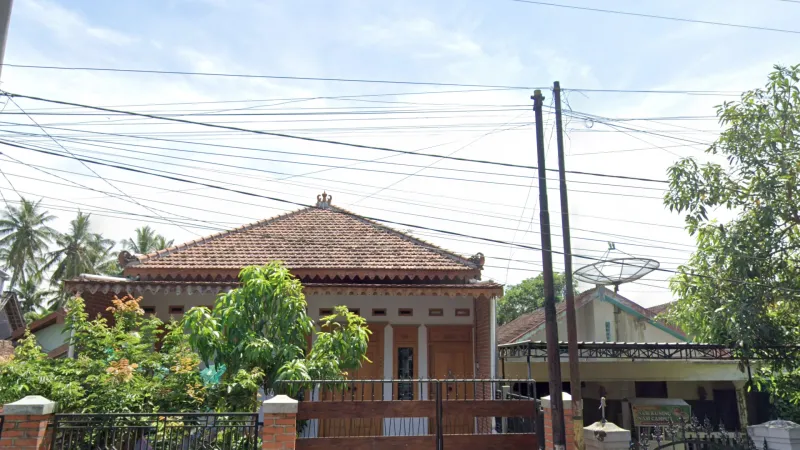

Diverse roof ornaments are a common sight throughout East Java as well as eastern Central Java. These roof ornaments mostly feature winged or curled shapes and animal motifs, located at the ends and peaks of roof ridges.
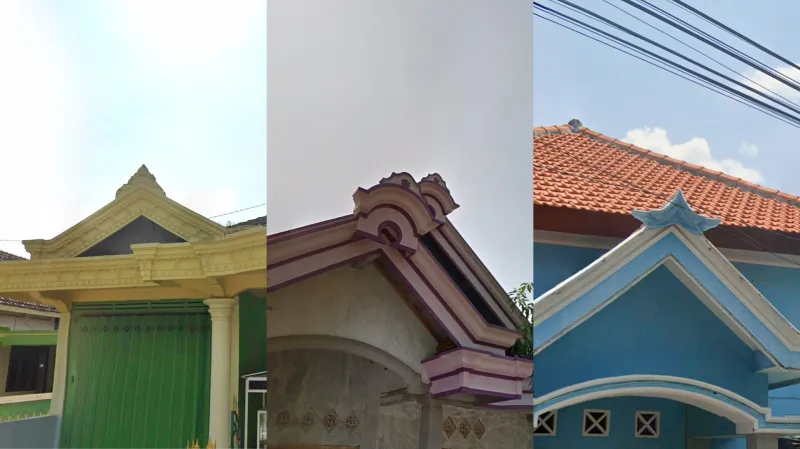

Various styles of thick, baroque-style ornately-decorated rooftops can be found in East Java.Ornate rooftops featuring these semicircular openings, usually disconnected at the bottom, can be found in western East Java.Ornate rooftops featuring these tripoint designs are further localised within western East Java. They often, but not always, also feature the semicircular openings noted above.
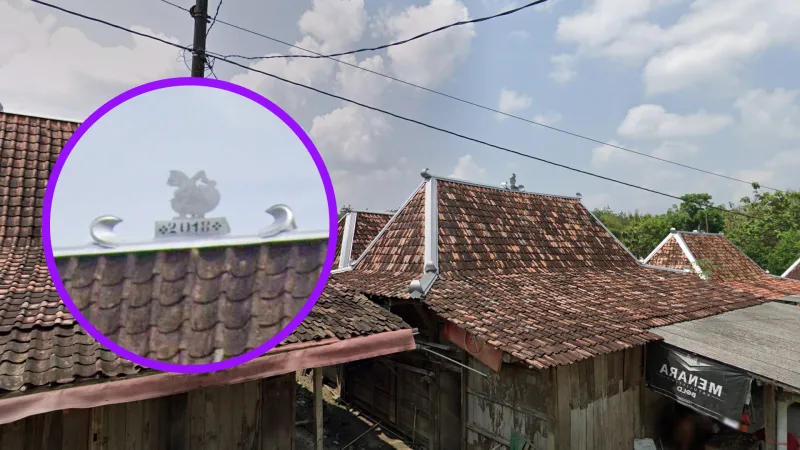

Thin metal sheets with curled ends spanning the roof ridges are a common sight across most of eastern Central Java. They also frequently feature a central ornament displaying the year of construction.
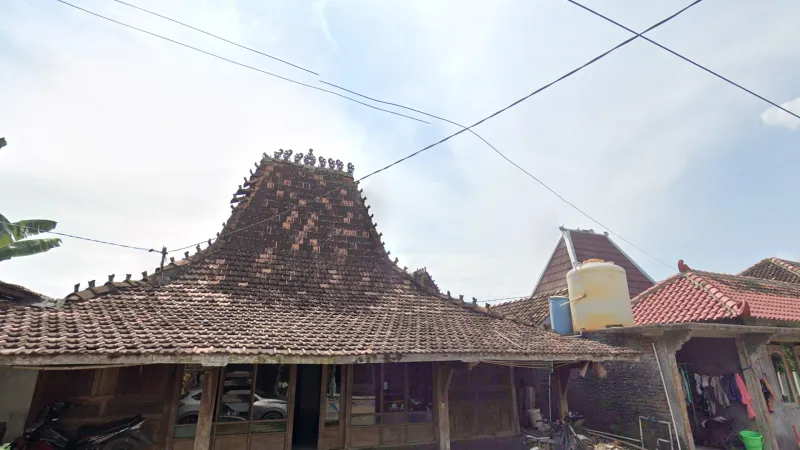

Small tooth-like embellishments and filigree motifs along the ridge and edges of the roof are common in the regencies of Jepara, Kudus and Pati. Rare examples also exist further south.
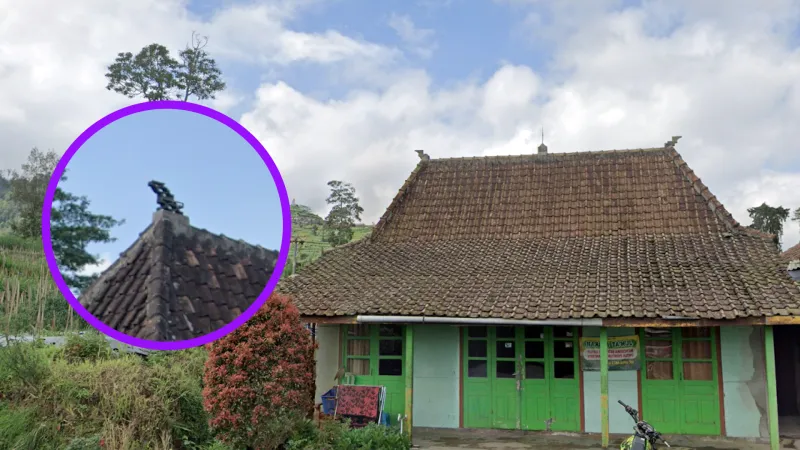

Around Mount Merbabu (just north of Yogyakarta) the Mount Merbabu zi8gzag wings occur. Small, wing-like structures, almost always in a zigzag pattern, adorn the ends of roof ridges.
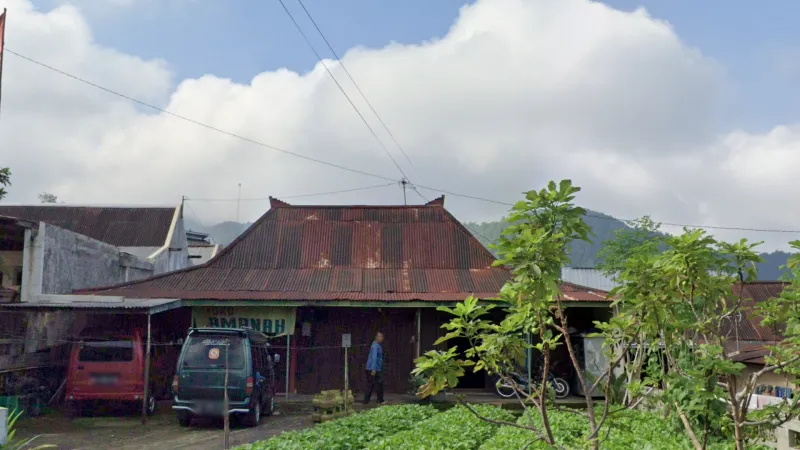

South-west of Mount Lawu, located in eastern Central Java, metal triangles with jagged edges can be seen adorning the end of roof ridges on corrugated metal rooftops.
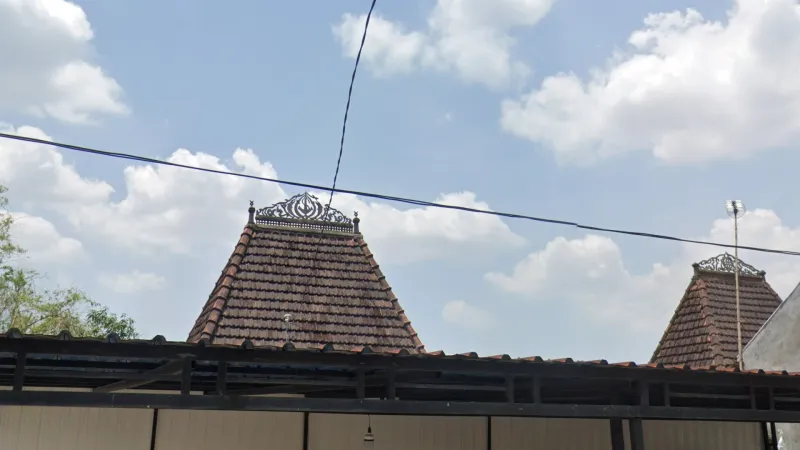

Highly decorated metal or concrete triangles are seen spanning the entire ridges of roofs in Pati and Rembang regencies.
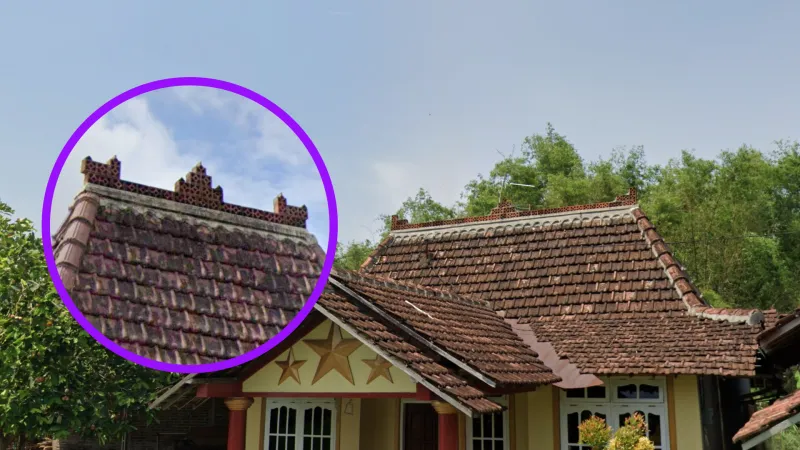

In a similar area, you will find roof ridges spanned by perforated bricks.
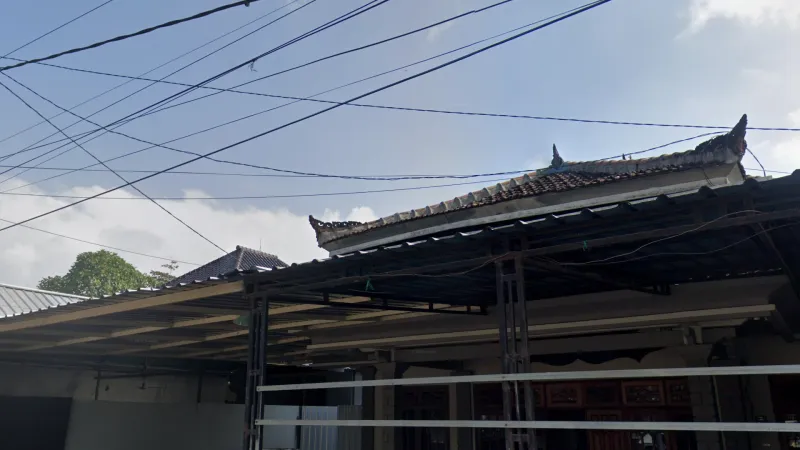

These distinctive Balinese-style roof ornaments, consisting of long flat wing shapes with curled ends can be found in the far eastern end of Java.
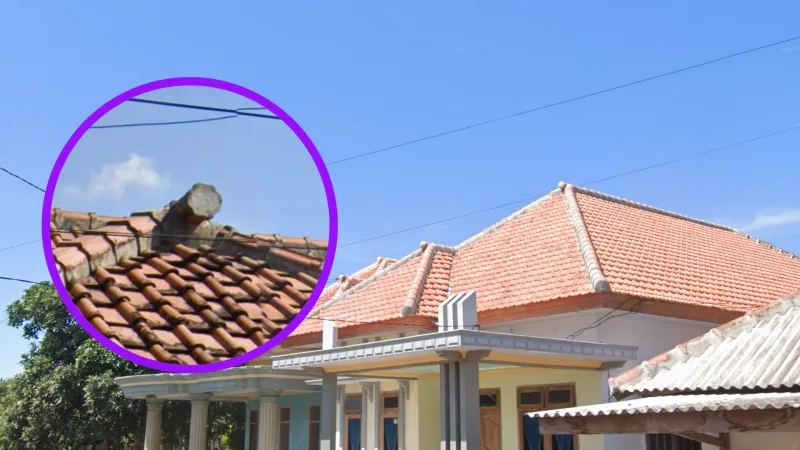

In East Java, ridge ends often stick out a small distance past the end of the roof itself. This can be very subtle, but in the right lighting it can sometimes be identified by the presence of a small shadow underneath the ridge end.
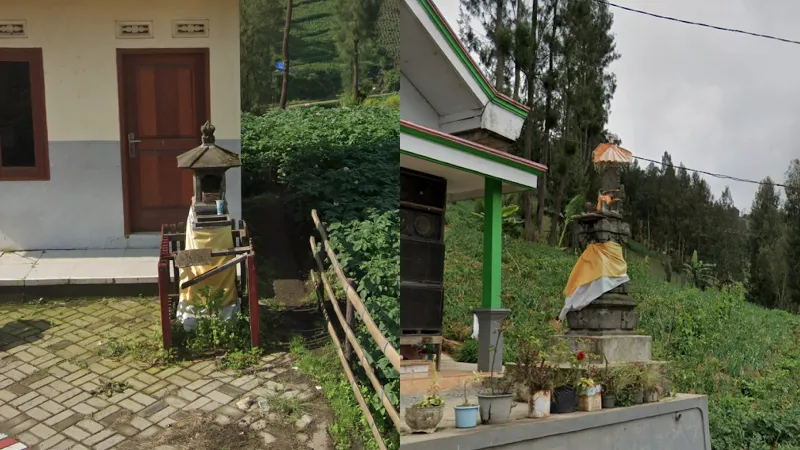

The area around Mount Bromo, especially along its northern face surrounding Wonokitri, is home to the Tenggerese - the last Hindu-majority people in Java. The region features many Hindu design elements, the most distinct being these small shrines (Pelinggih) which are often found at intersections or in front of homes. The region can be differentiated from Bali by the very mountainous setting with lots of mountain casuarina (she-oak) trees.
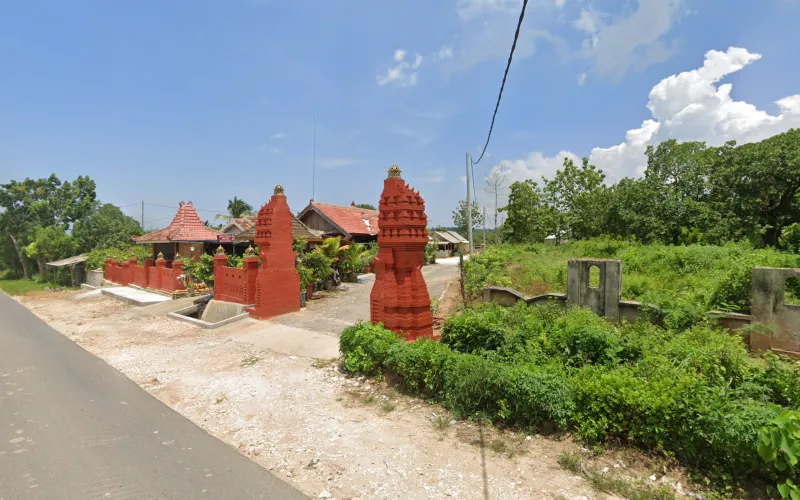

Candi Bentar or “split gates” appear like a single structure split into two and are vestiges of Hinduism on Java. The sides facing each other are plain while the outsides may be highly ornate. They may be red brick or painted. They can be found at historic sites across Java but are most common in East Java.
Madura Island
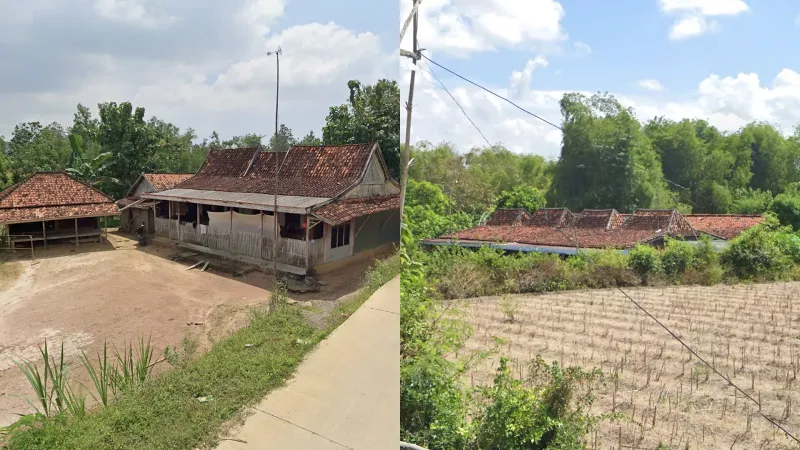

Traditional Madurese settlements, called Tanèyan Lanjhang, consist of two or more buildings arranged around a rectangular courtyard. The main building often joins two or more identical units together.
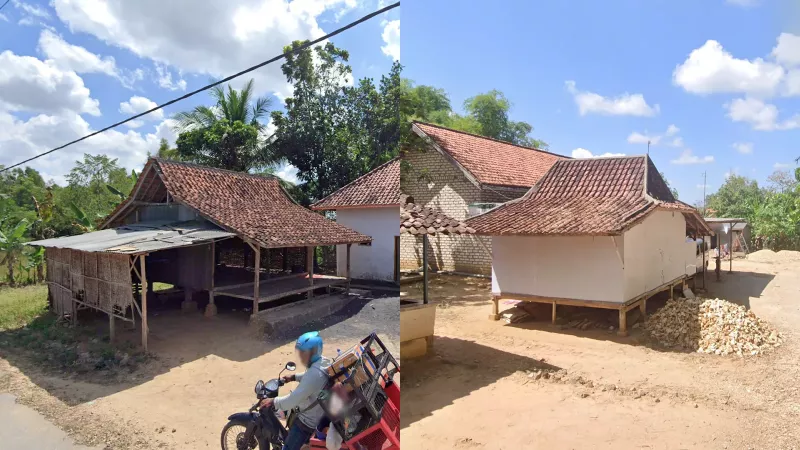

Small stilt houses with Limasan roofs are often found near traditional Madurese settlements. These stilts sometimes rest on stone foundations.
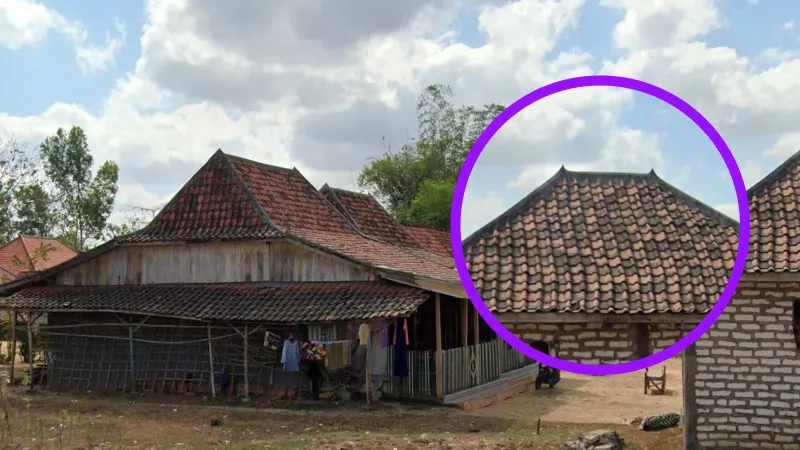

Roof ridges made out of smooth cement are quite common on Madura, especially on Limasan-style roofs. Some roofs on Madura feature these stubby concrete spikes on each end of the rooftop.
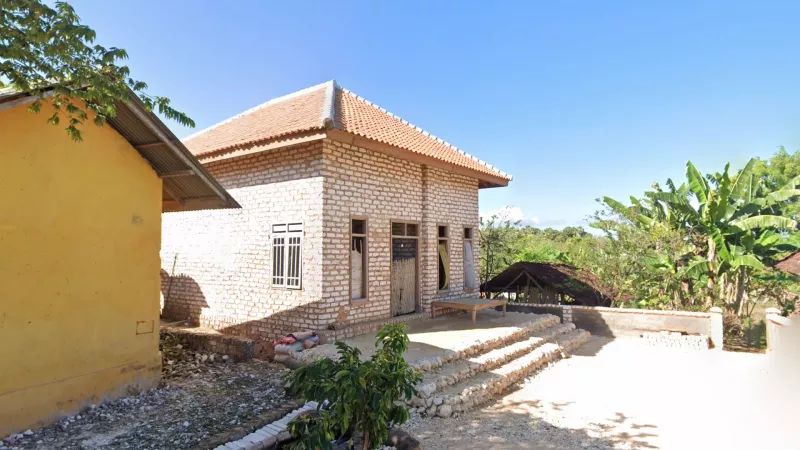

In the eastern part of Madura Island, houses feature walls made of white bricks and thick red mortar instead of grey, reflecting the local geology.
Bawean Island
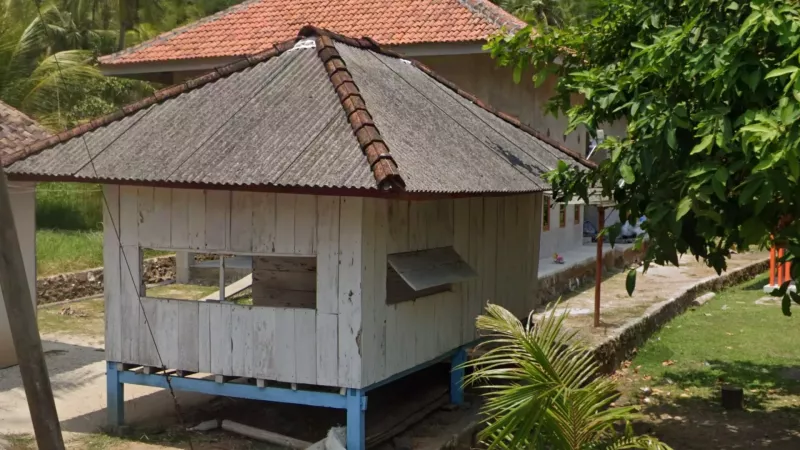

Roofs similar to those found on Bangka Island are very common. These typically consist of fibre cement sheets and reddish tiles lining the edges. The second type of roof that is also frequently found is the fully tiled Javanese roof.
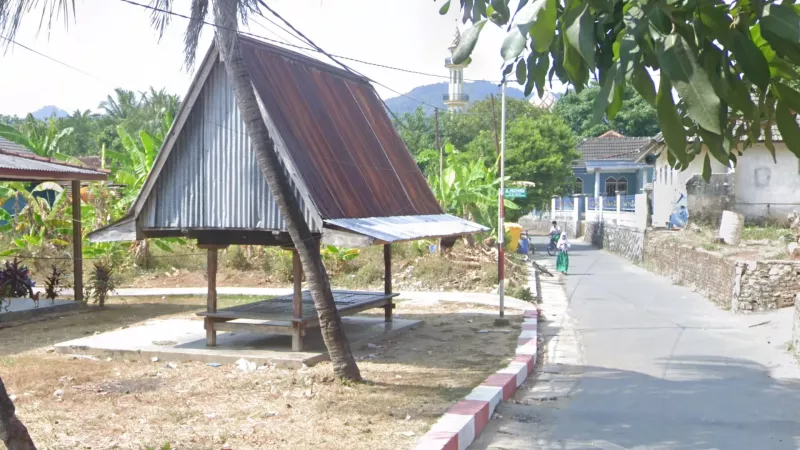

Dhurung Bawean is a traditional architectural structure on the Indonesian island of Bawean, which serves as a lumbung (storehouse) for harvests and as an outdoor gathering place for social activities and guests. It is characterised by an unusually large roof structure supported by wooden pillars.
Infrastructure
Java
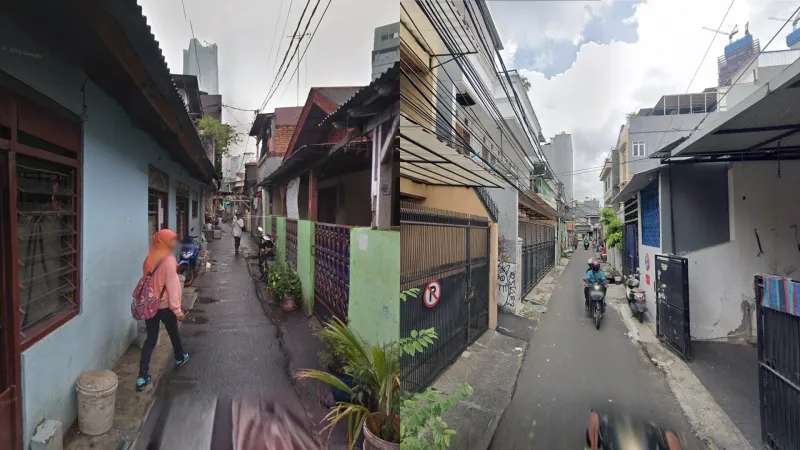

Jakarta has many narrow alleys where pedestrians, motorcycles and cars travel. Sometimes you can see skyscrapers in the distance.
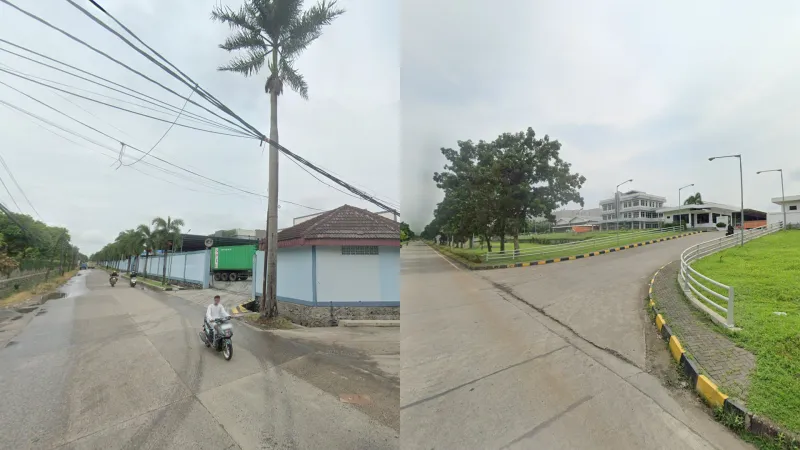

A lot of industrial parks can be found near the outskirts of Jakarta Metropolitan Area.
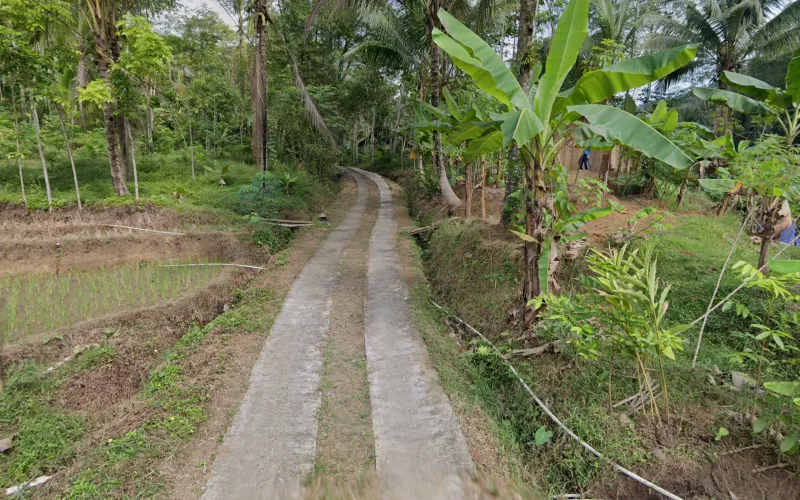

This distinctive road type, characterised by two strips of concrete, is highly typical in Central Java, especially in the areas surrounding Surakarta and Klaten. While its presence extends into adjacent parts of West and East Java, Central Java remains the region where it is most frequently encountered.
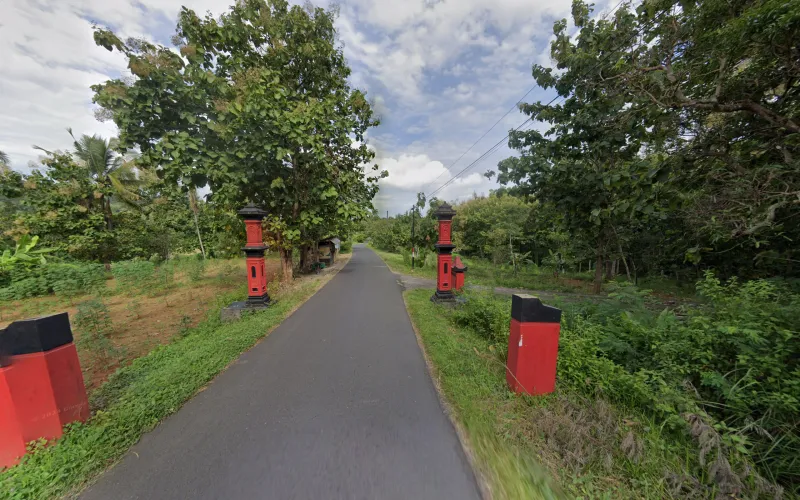

Roads flanked by these standalone decorative entrance pillars are common in East Java, eastern Central Java, and Yogyakarta. These may mark the entrance to a property or village.
Java, Madura Island & Bawean Island
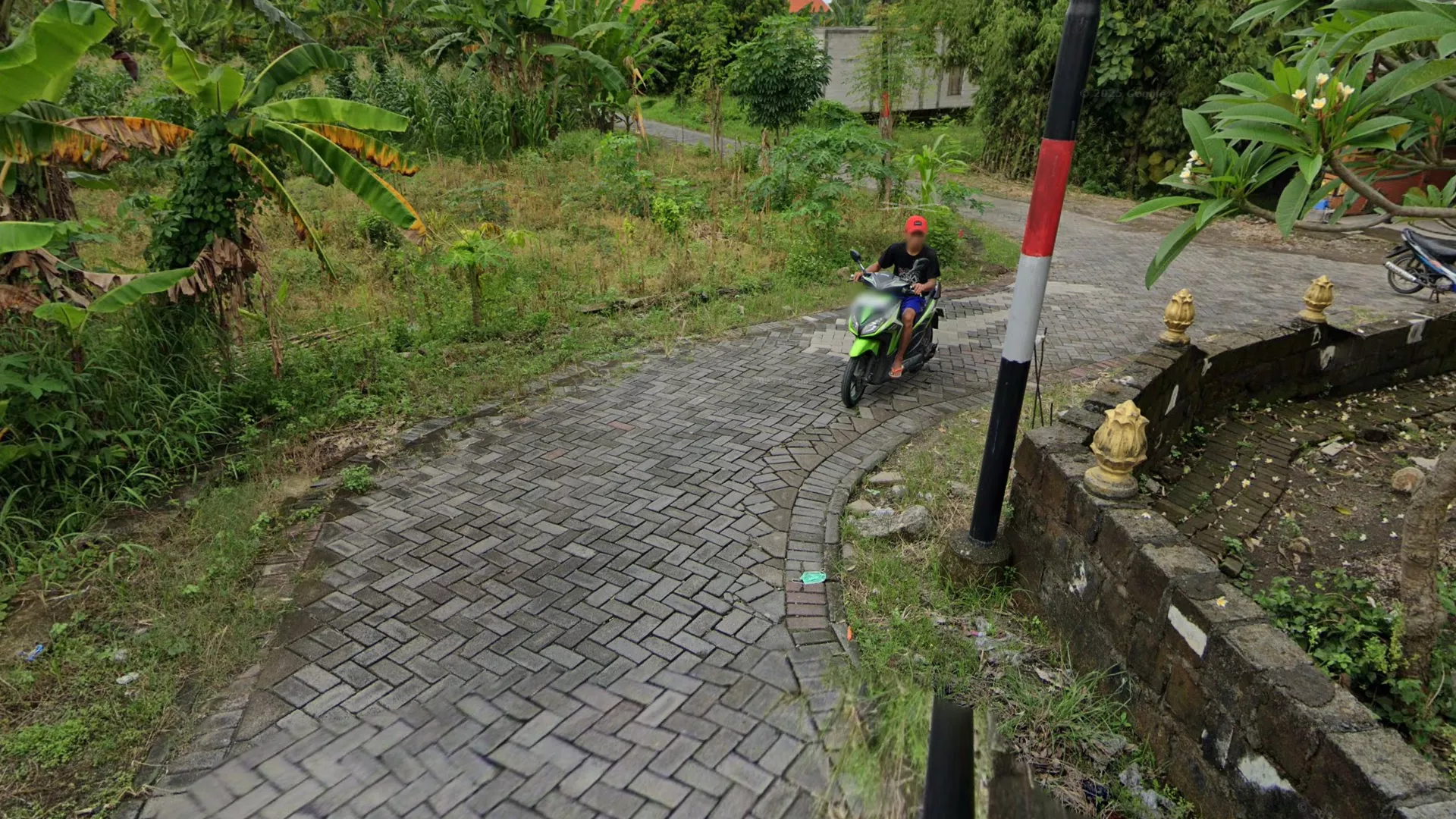

In East Java, particularly near Surabaya, roads frequently feature a herringbone pattern formed with diagonally laid bricks. While most common here, this brick pattern is rarely found in other Javanese provinces. Surabaya pavement can also be found on Bawean Island and Madura Island.
Bawean Island
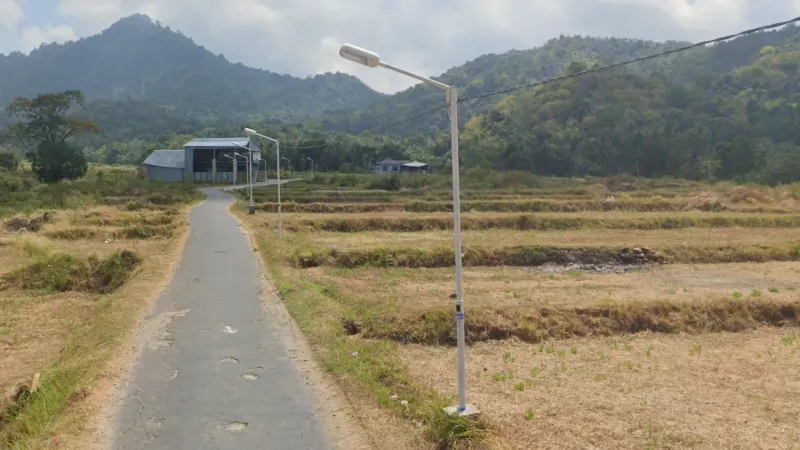

These easily recognisable, modern-looking white streetlamps can be found all over the island.