
General

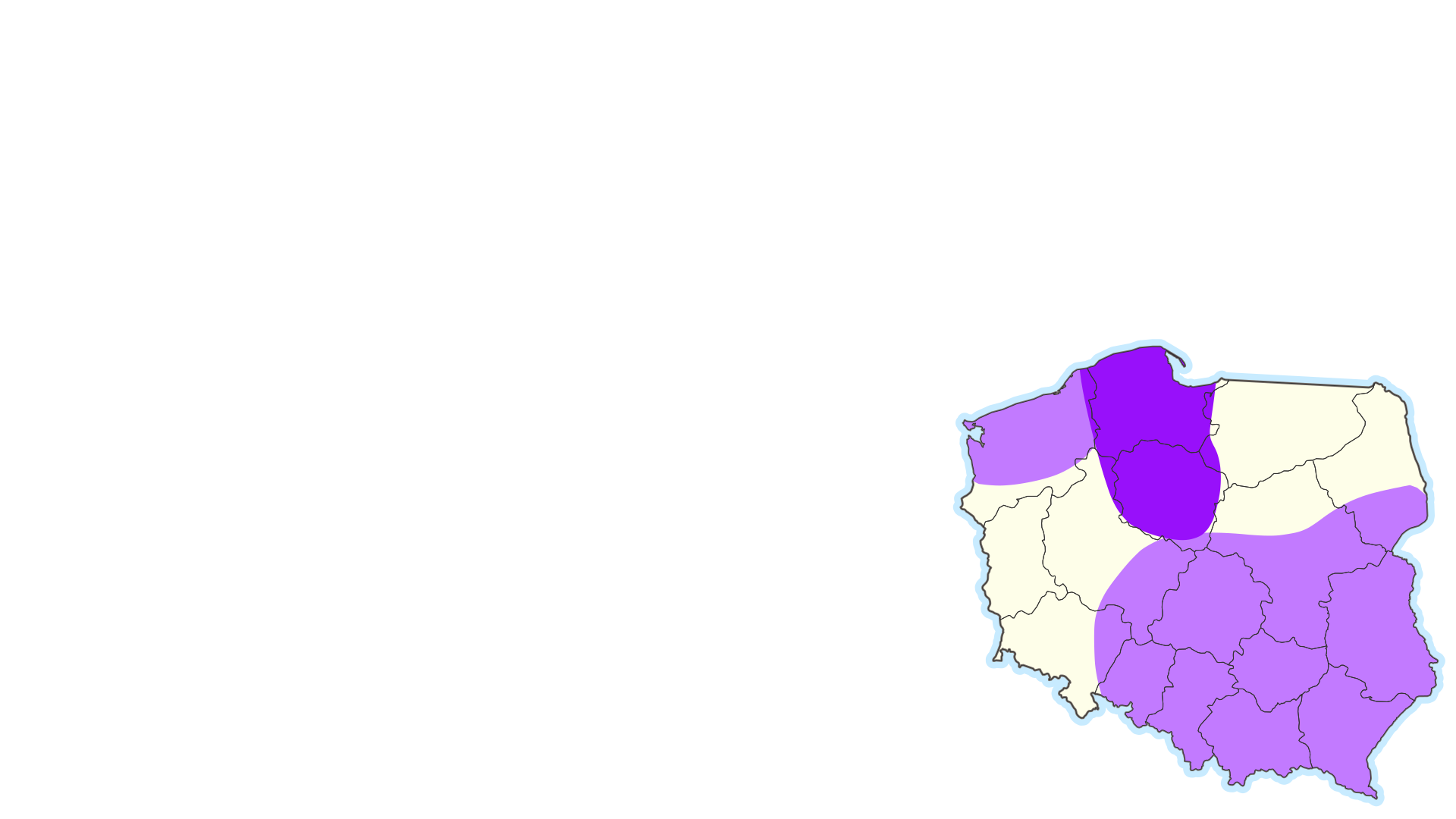
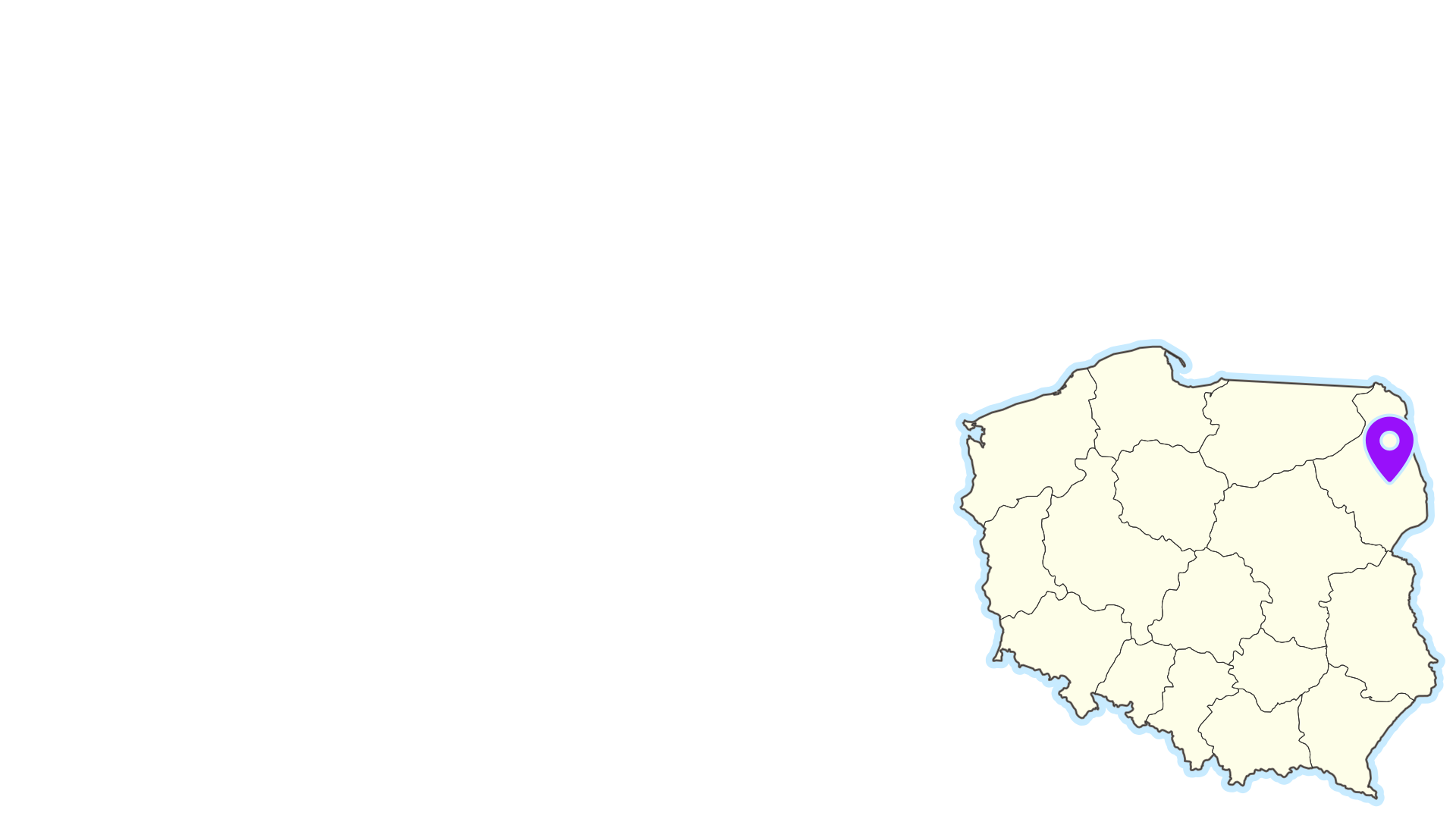
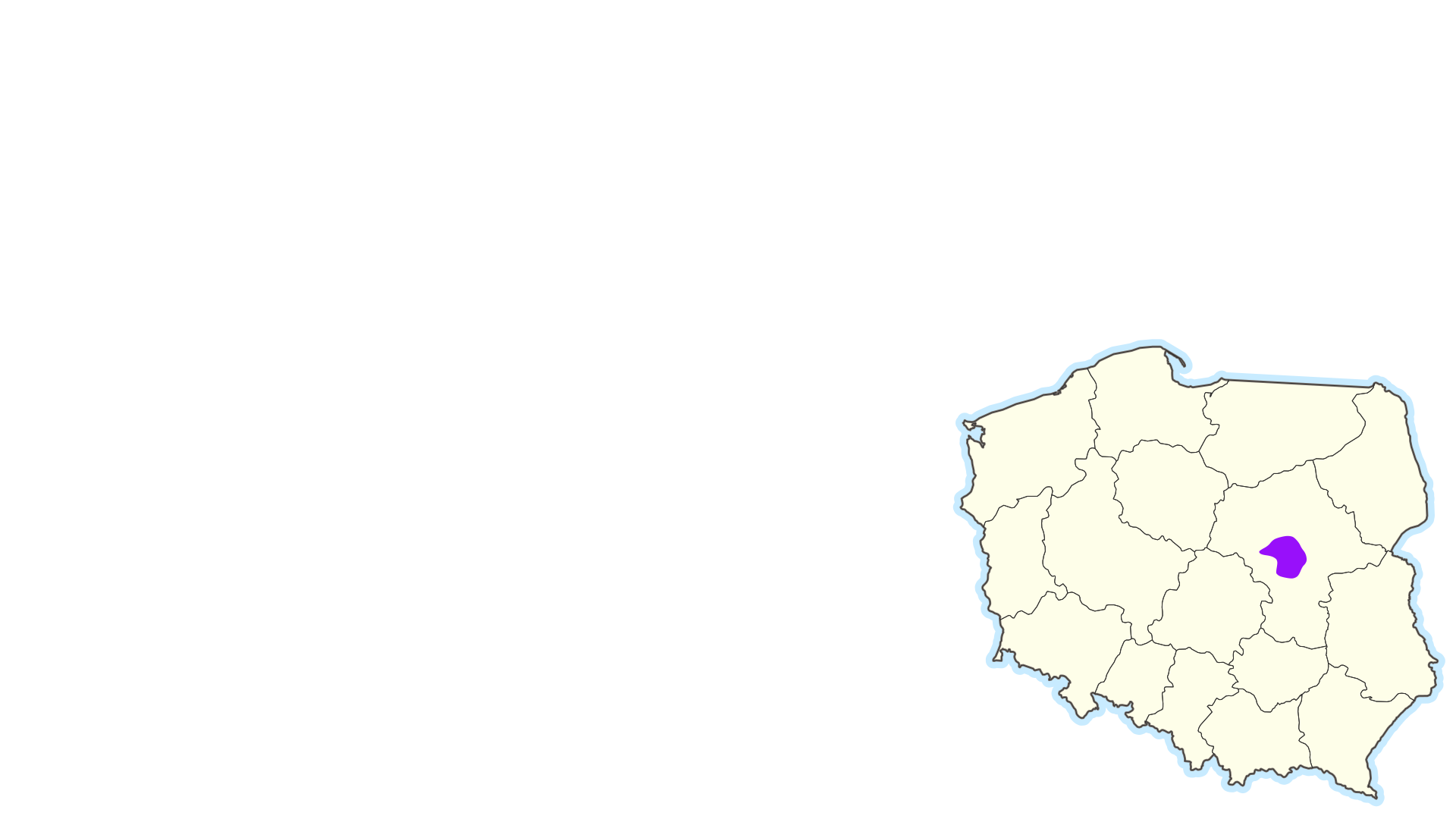
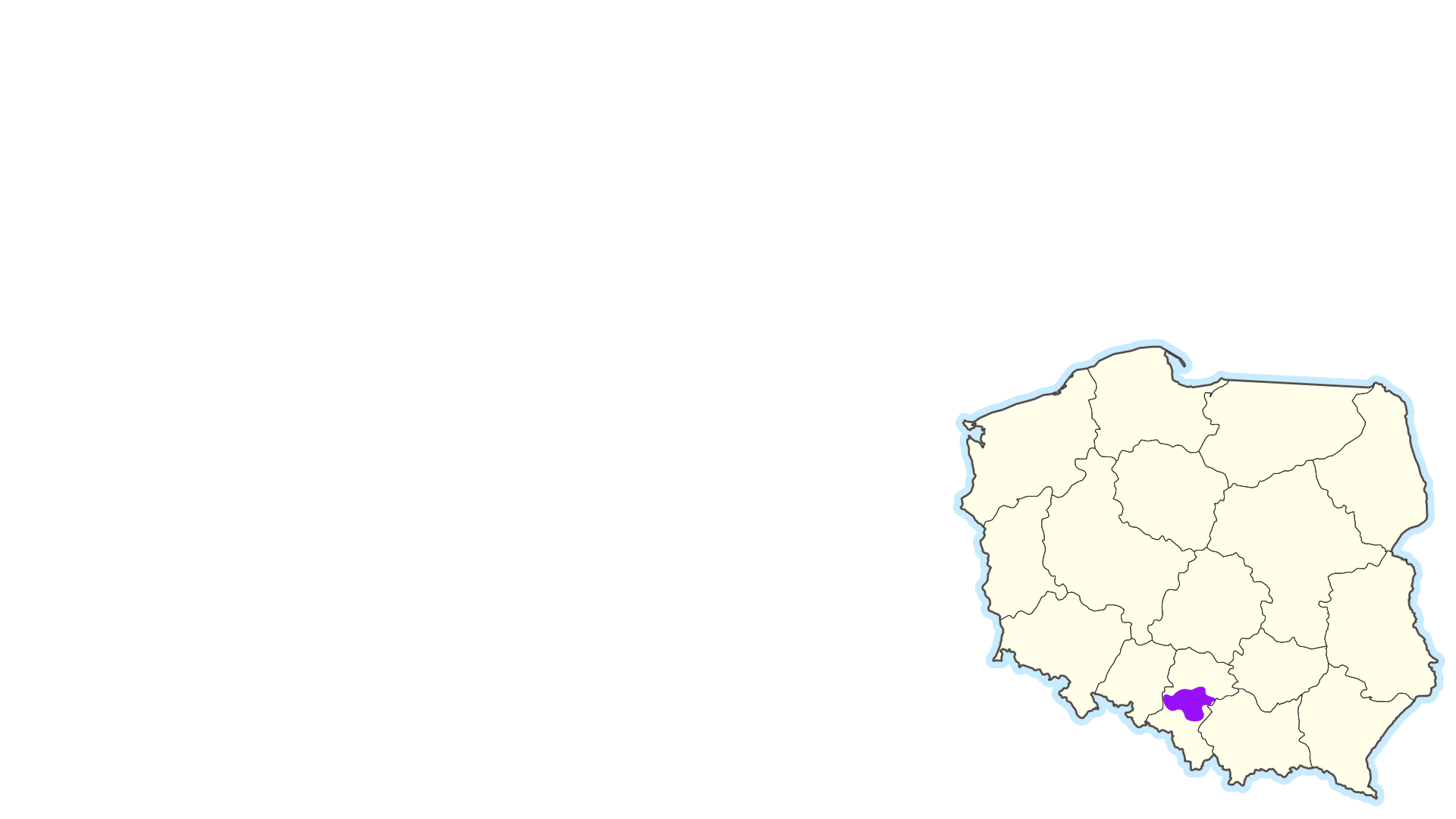
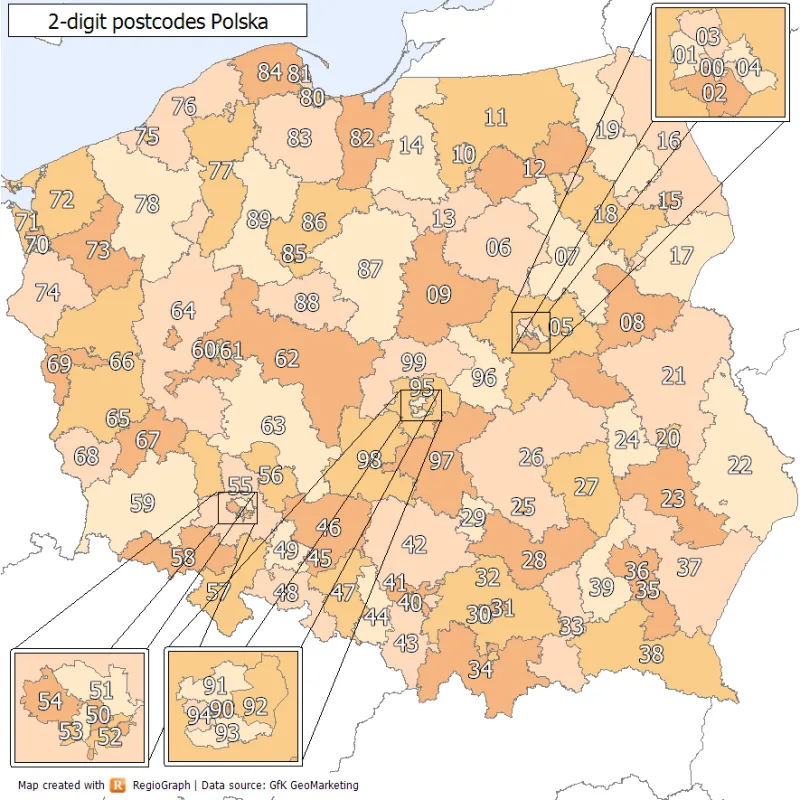
Postcodes, commonly found on business advertisements, follow a standard XX-XXX pattern with the first two digits providing information about the region.


The pattern for the first digit starts from Warsaw at 0 and then goes north and clockwise around the country before coming back down south to end in Łódź at 9.


X0 is always a major city (e.g. 60 is Poznań) while X5 is usually a smaller, but still significant, city in the region (e.g. 65 is Zielona Góra). The X1-X4 postcodes go clockwise around the X0 city starting from the north, while the X6-X9 postcodes do the same around the X5 city. The only exception to this is for Warsaw, Łódź and Wrocław, where X0-X4 are within the city boundaries.
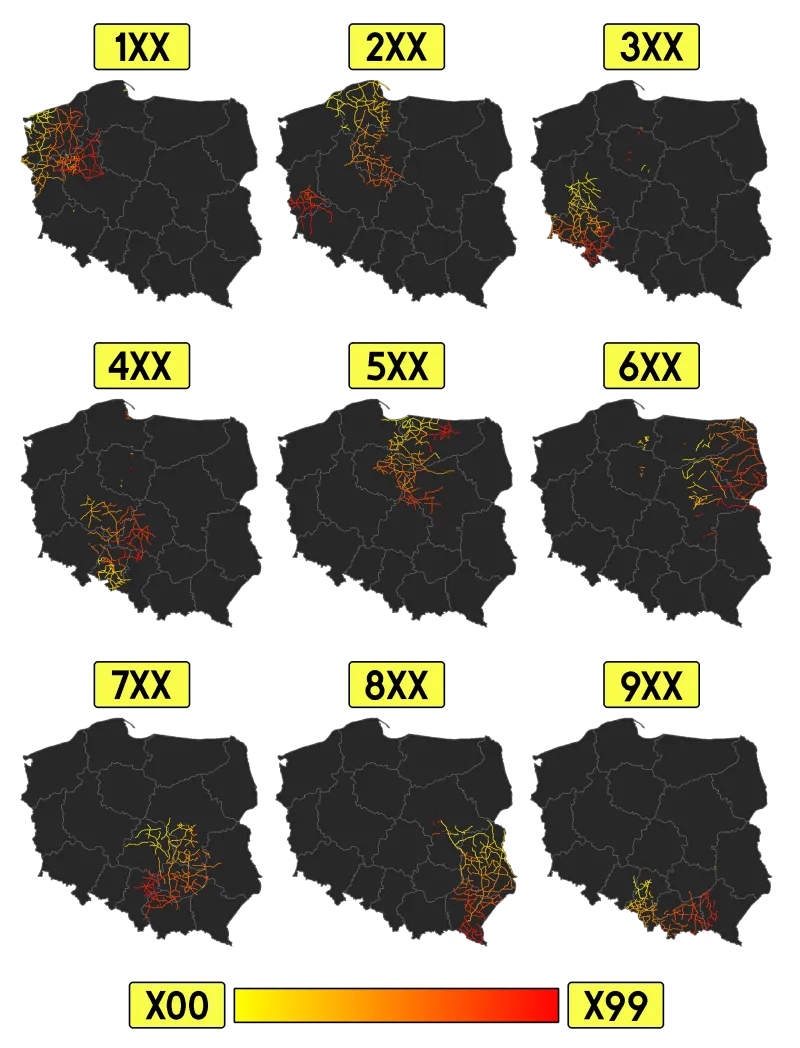
There are several types of roads in Poland:
  • Standard roads are not labelled on the map. This is the only road type that almost never uses bollards.
  • Voivodeship roads have a three digit number shown in a yellow box on the map.
  • National roads have a two digit number shown in a red box on the map.
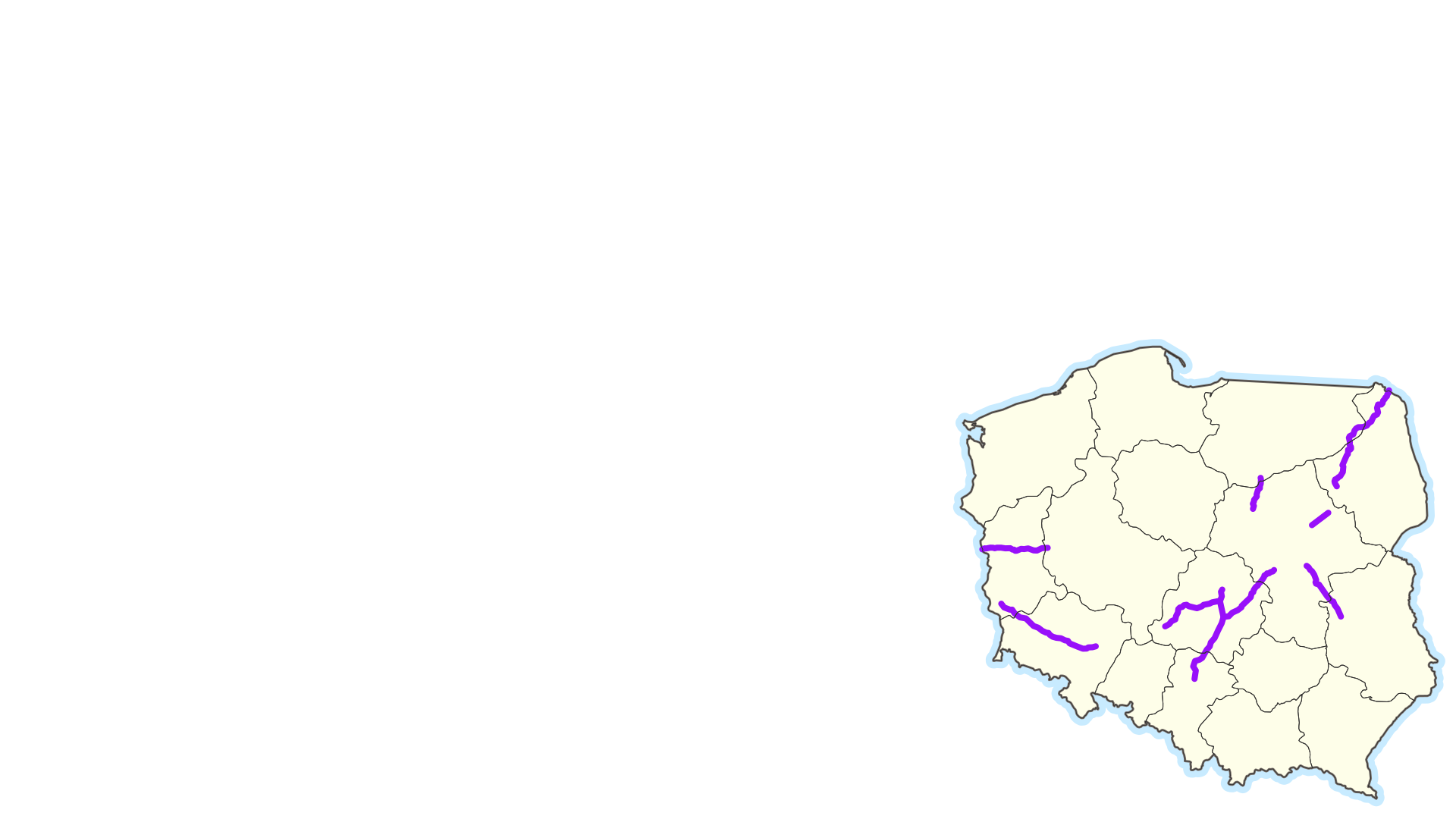
  • Expressways and Highways either have a letter and single digit shown in a red box or a green European route E-road icon on the map.
Roads are more likely to be divided as you go down the list, with expressways and highways almost always being divided. The road number and coloured box can sometimes be seen on bollards on that road.
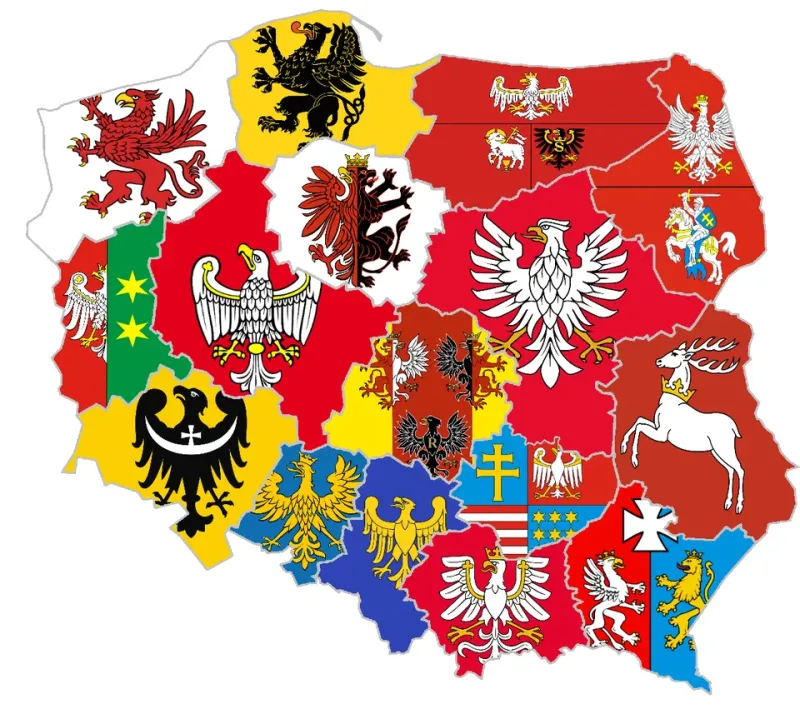
The coats of arms of voivodeships can sometimes be seen on information boards as well as in other places. You can view all of them here.
Landscape

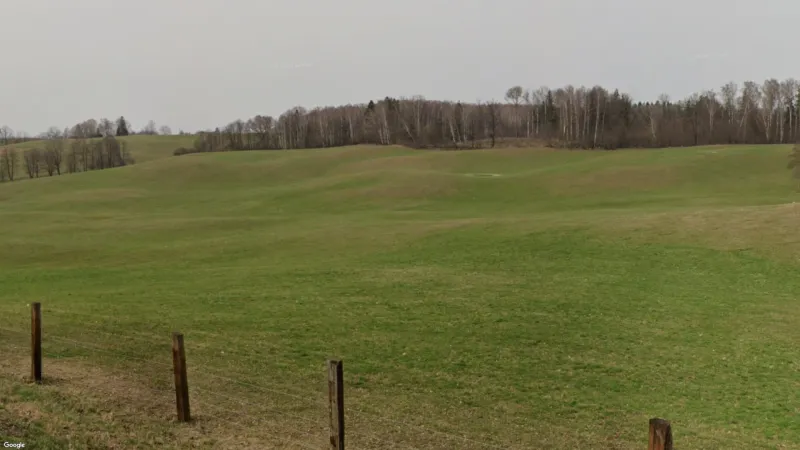
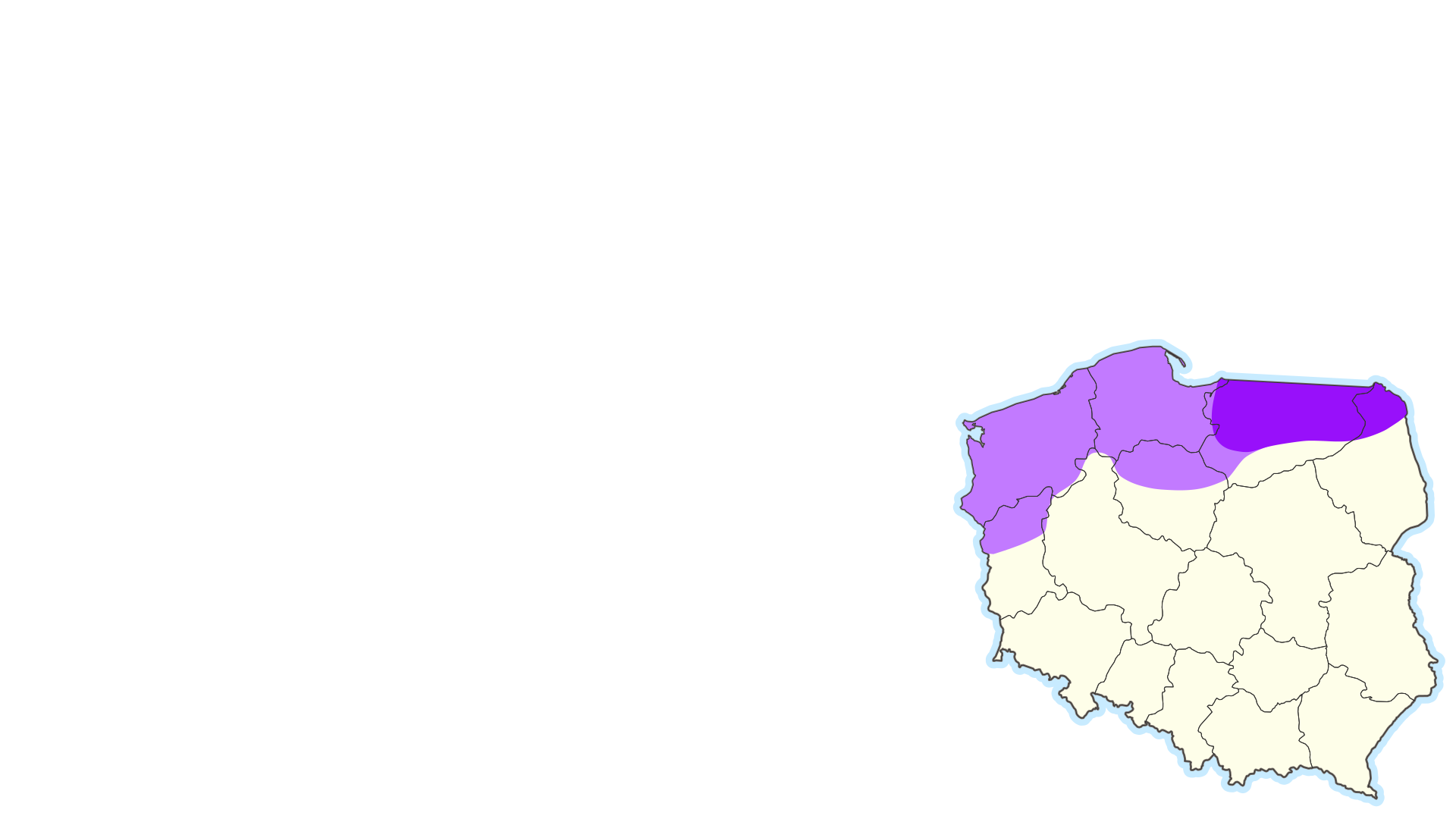
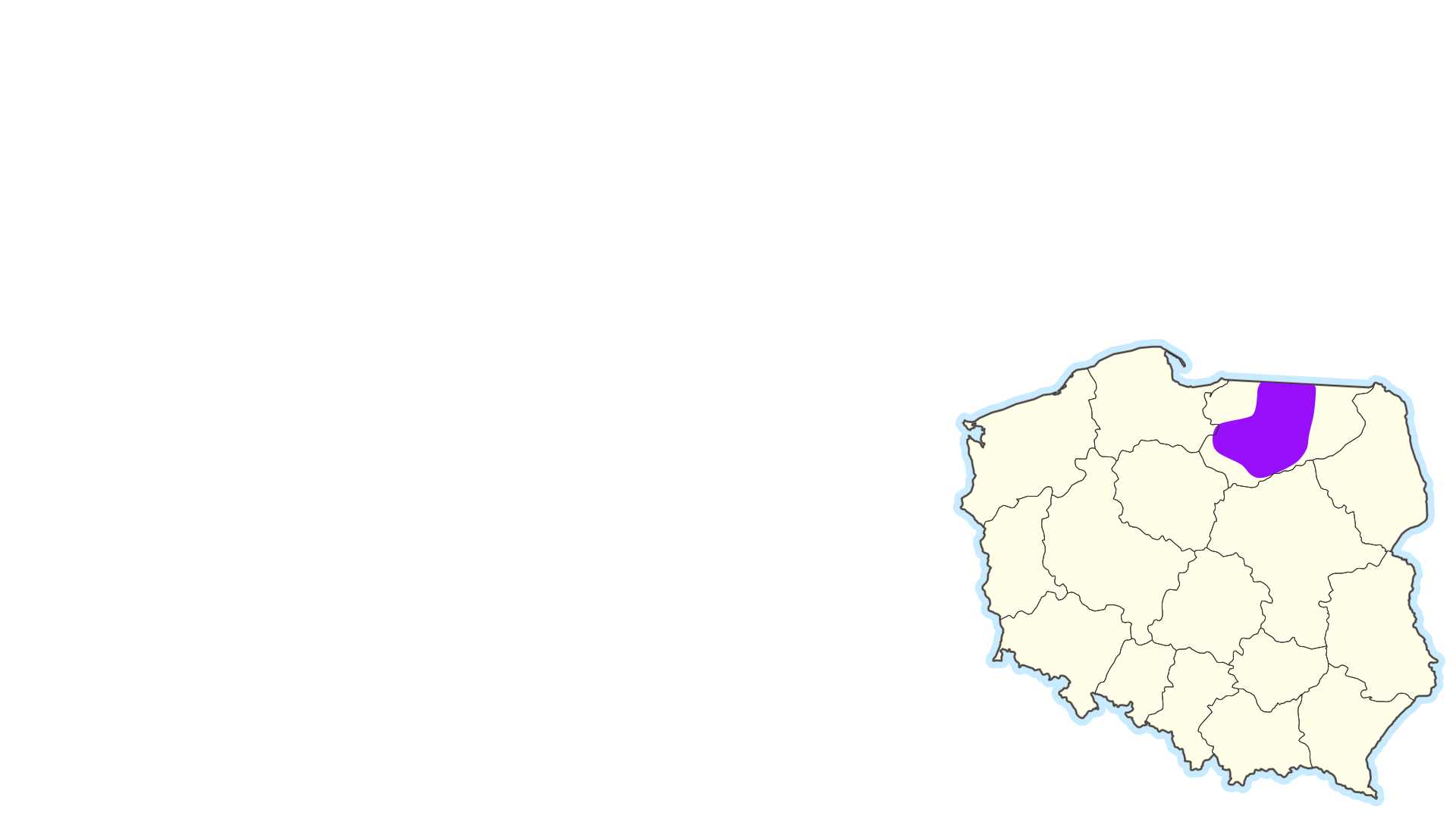
A landscape of small, bumpy hills and open farmland is a common sight all across northern Poland and is often particularly prominent towards the northeast. Unlike in some other areas of the country, the farmland won’t be divided into smaller plots.This region is also visibly less populated than many hilly areas in southern Poland. In some areas, you may also find small copses and ponds in low-lying parts of the landscape. These ponds and especially bumpy terrain are most common towards the east of this area.
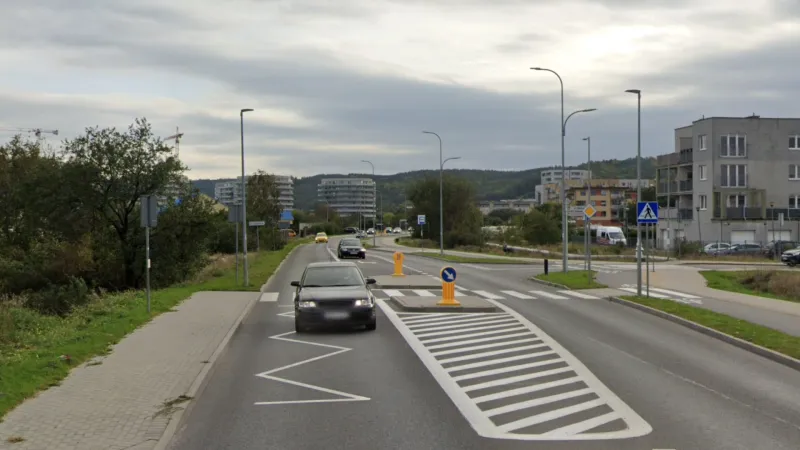
The Tricity area of Pomeranian Voivodeship can often be recognised by the low, dark green ridges rising abruptly above a relatively flat, mostly urban landscape.
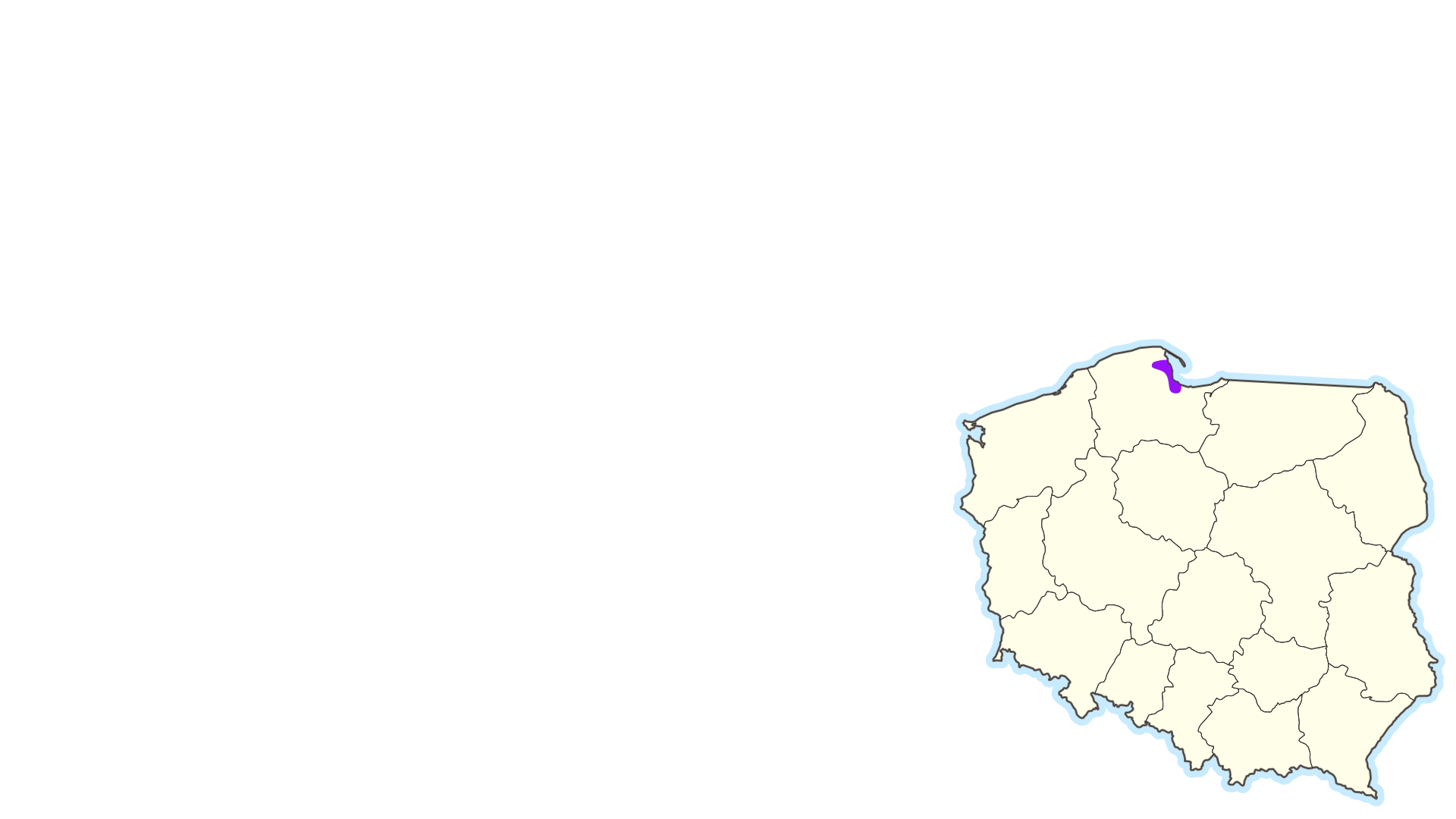
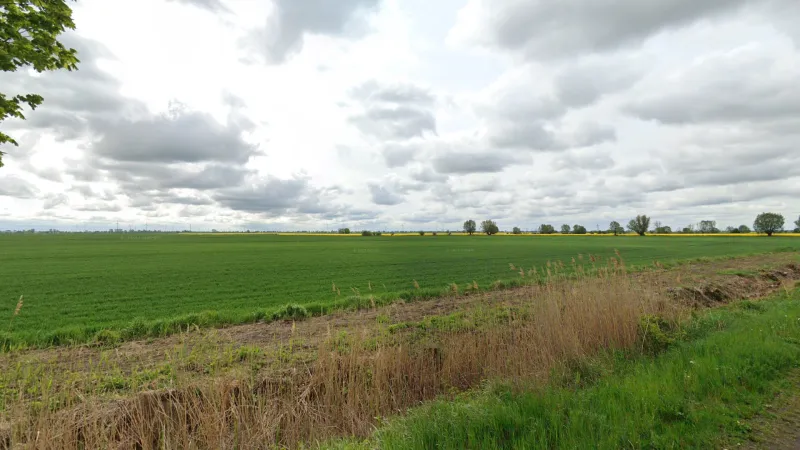
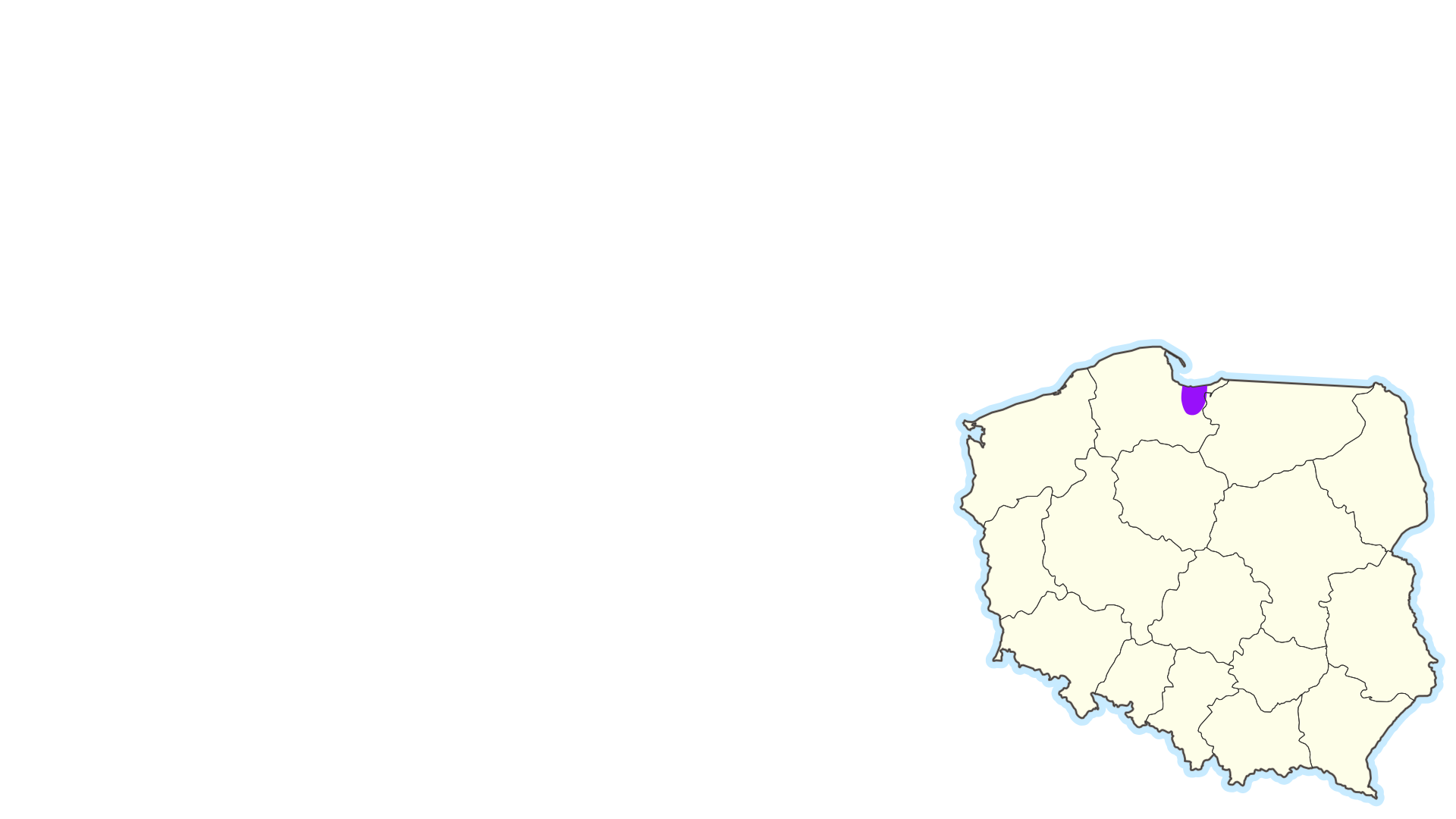
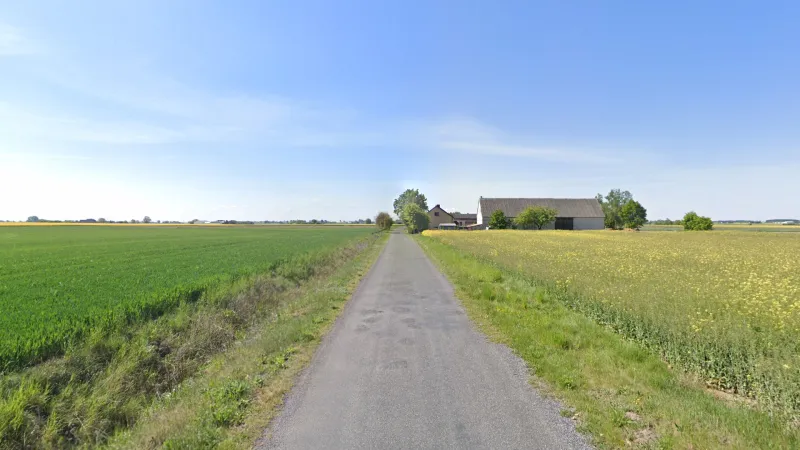
The Vistula River Delta is the flattest part of Poland, characterised by an unforested, agricultural landscape with canals running across the fields. Various wetland plants, such as reeds and willows are also common in the area.
Note: Some river valleys in other parts of the country may look strikingly similar.
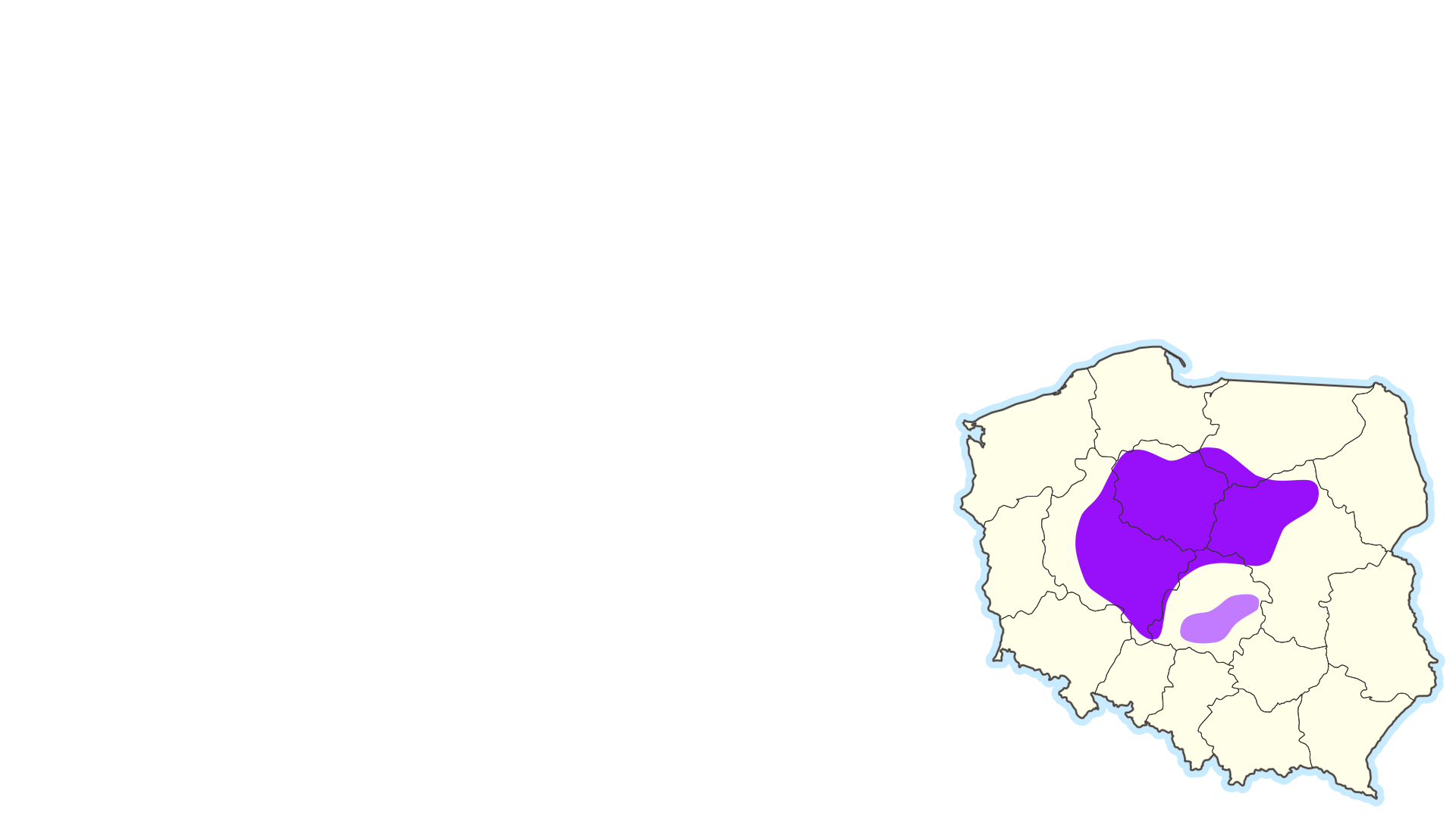
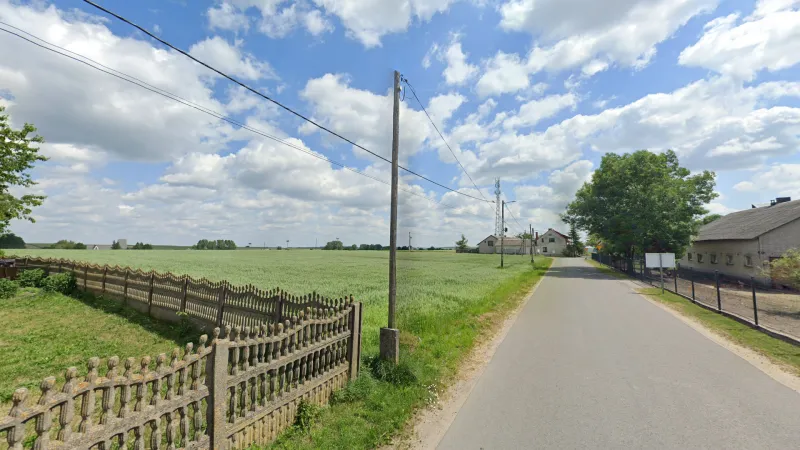
While not unique, a relatively flat and open agricultural landscape with minimal tree cover is particularly common in these parts of central Poland. You will also often see straight and narrow roads without roadlines in this area. In contrast, other flat regions of Poland tend to be visibly more forested.
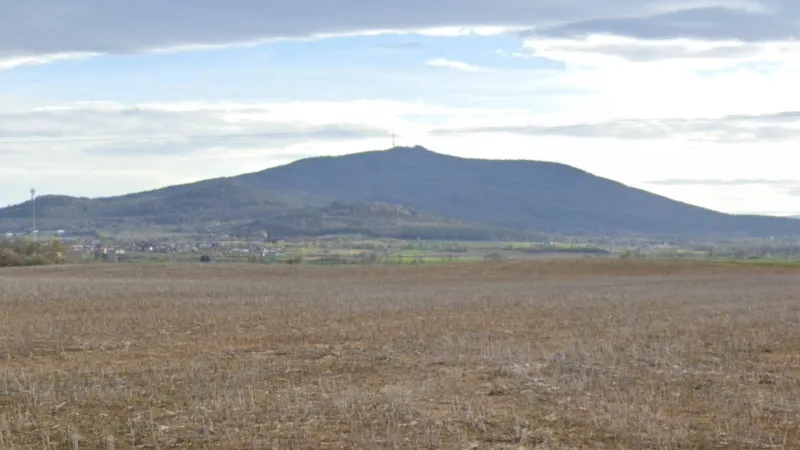
Ślęża is an isolated peak with a radio tower on top located southwest of Wrocław. It is surrounded by an open, slightly hilly and very agricultural landscape and is often easily visible from a distance.
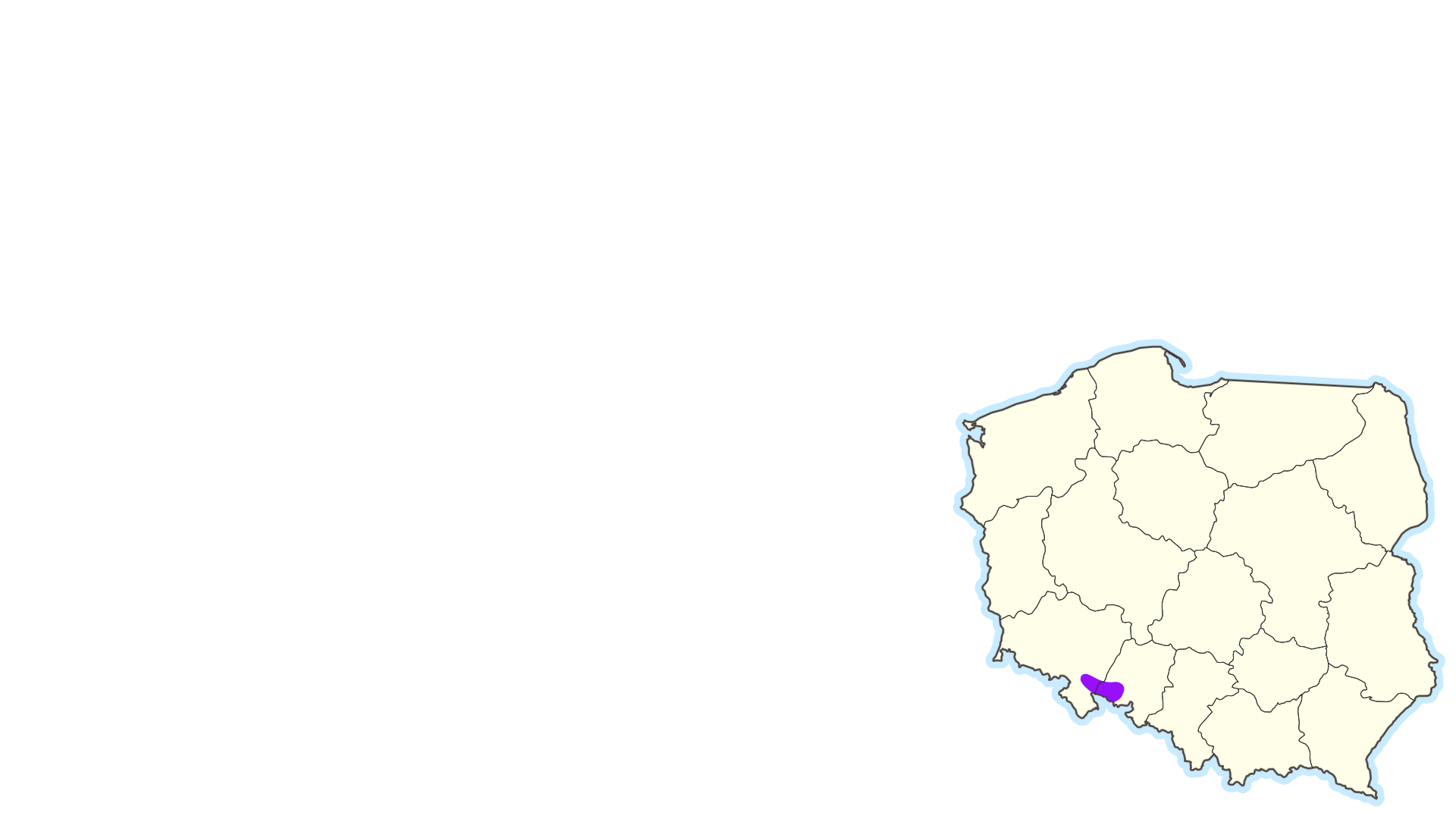
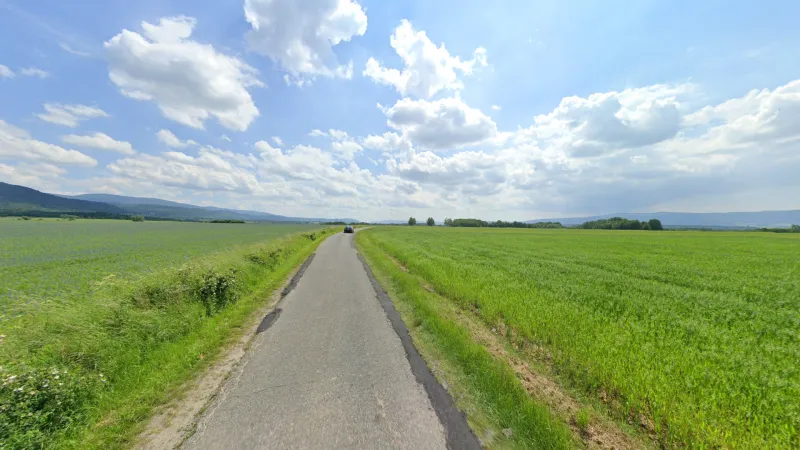
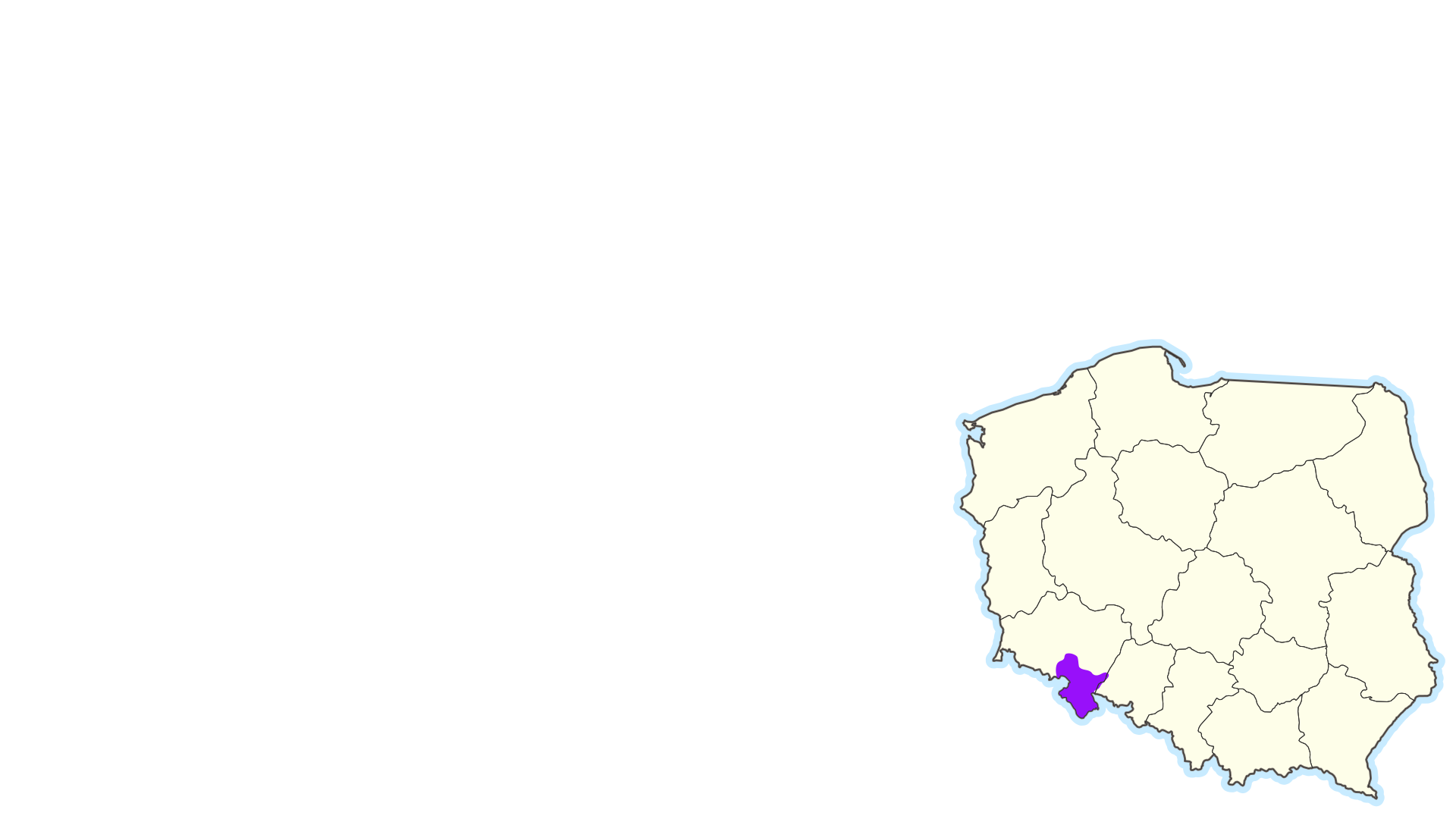
Near the city of Nysa in Opole Voivodeship, a large SE-NW ridge can be seen to the south in a landscape that is otherwise either fairly flat or only slightly hilly.

Note: Similar ridges can be found elsewhere in the south, however the surrounding landscape will usually be significantly hillier.
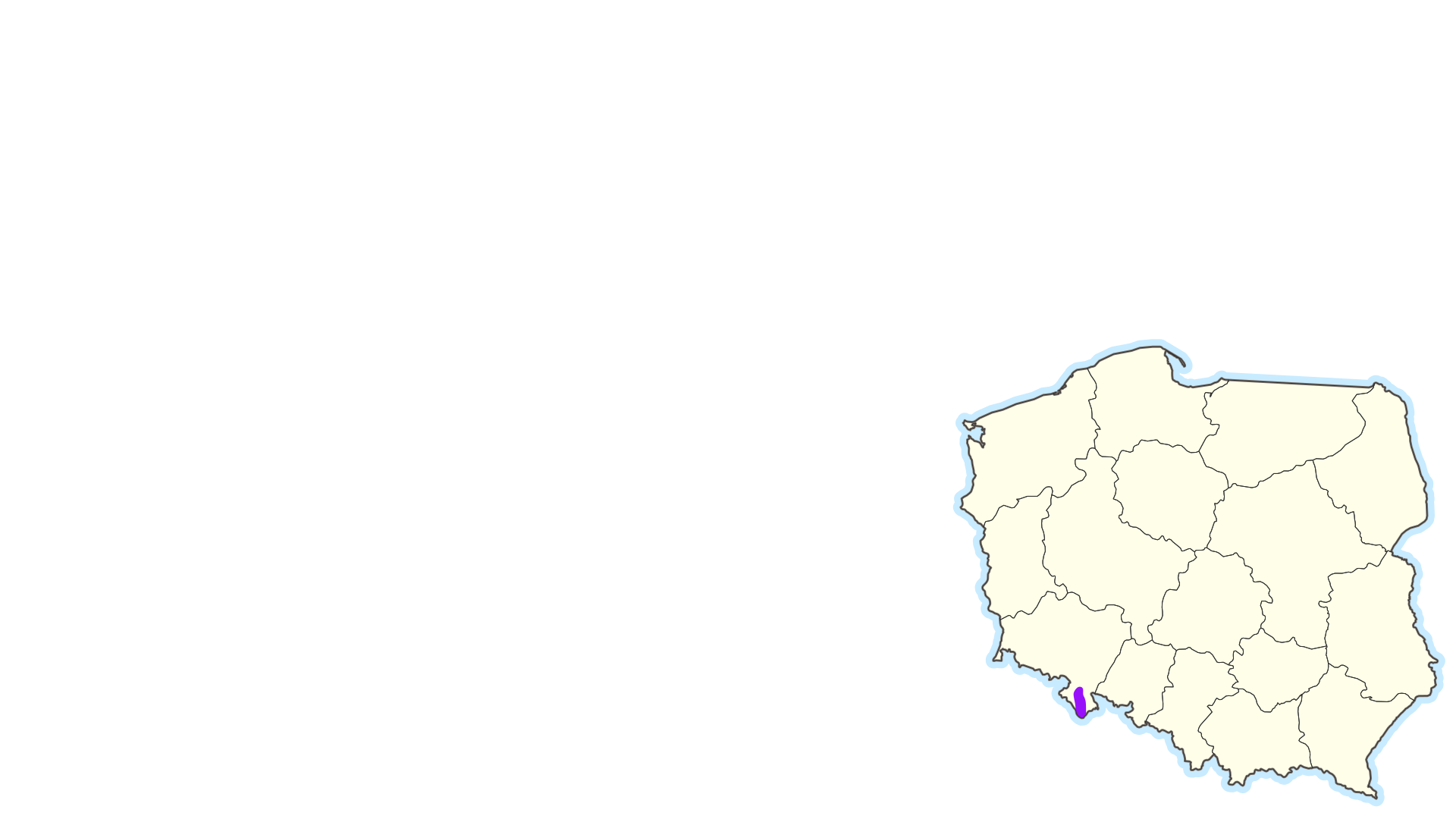
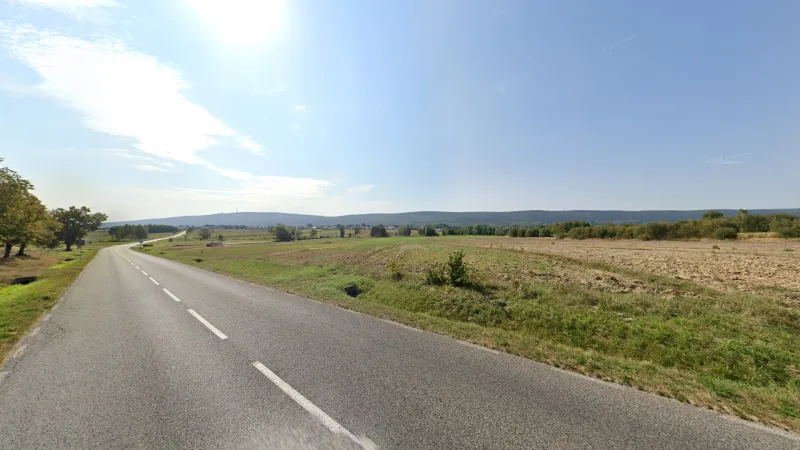
Just to the south, you can see the Kłodzko Valley. It is a large SE-NW valley; surrounded by densely forested mountains, it’s an area that is significantly less forested and more agricultural.
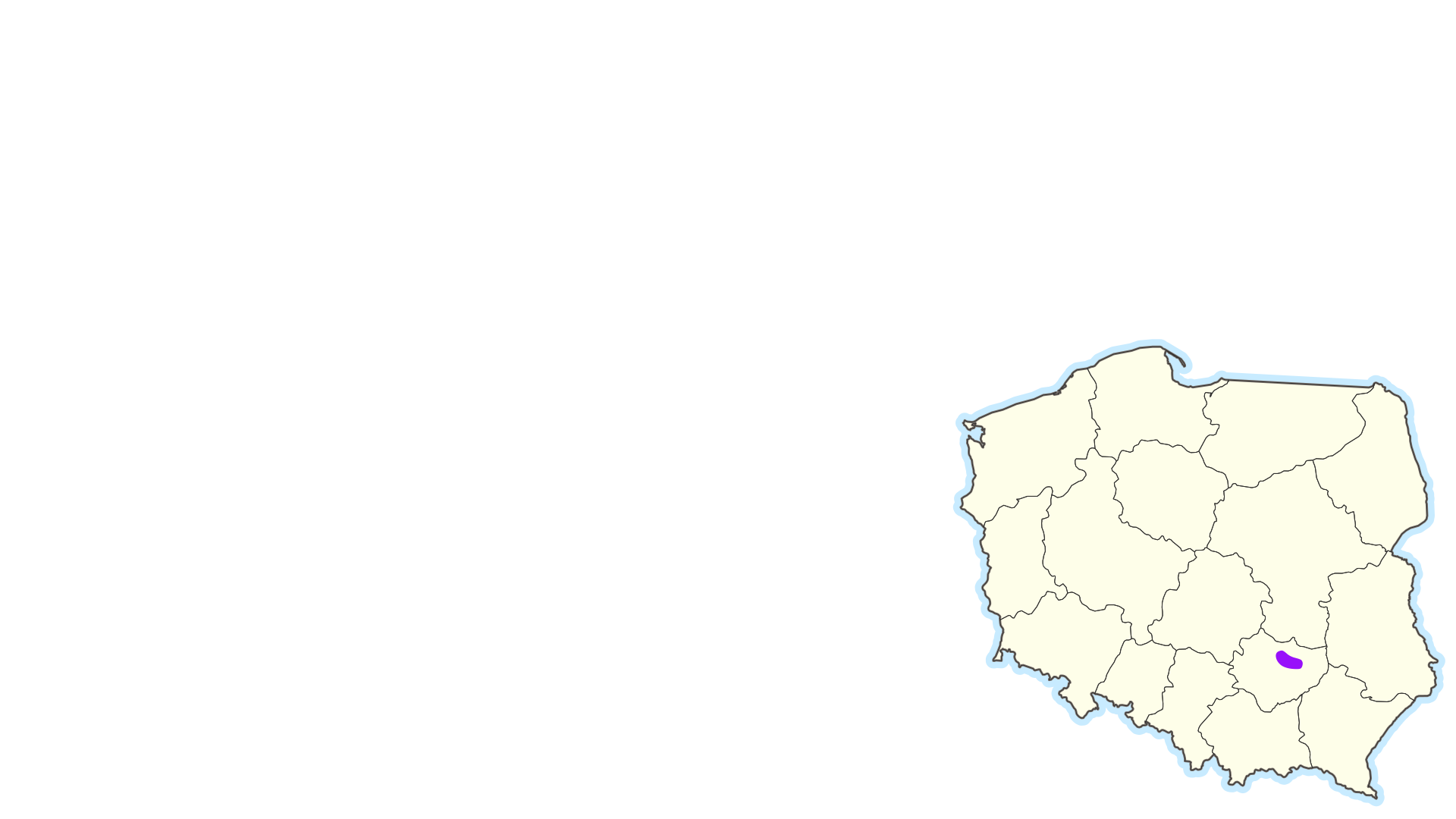
The Świętokrzyskie Mountains are a low forested E-W mountain range located directly east of Kielce. They are characterised by an elongated shape and gentle peaks. Additionally, a TV tower can be seen on top of one of these peaks in the easternmost section of the range.
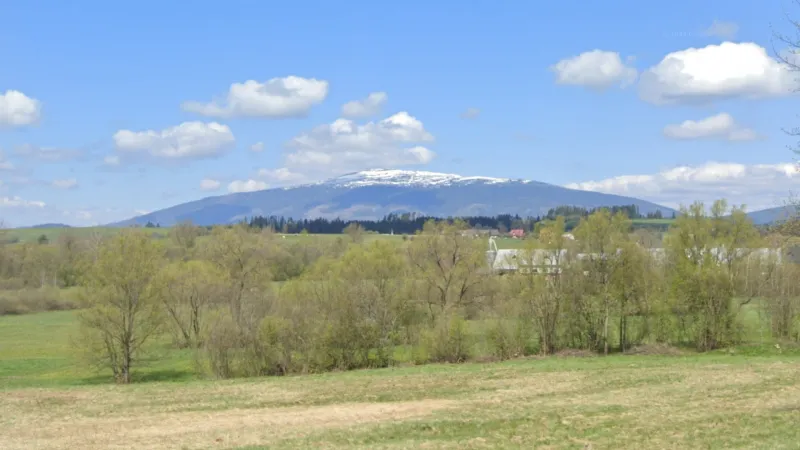
Babia Góra is the tallest mountain in Poland outside the Tatra Mountains. Located on the border with Slovakia, in southwest Lesser Poland Voivodeship, it can be recognised by its broad dome-like shape and often snow-covered peak. It is particularly easily visible from the open valley to its southeast.
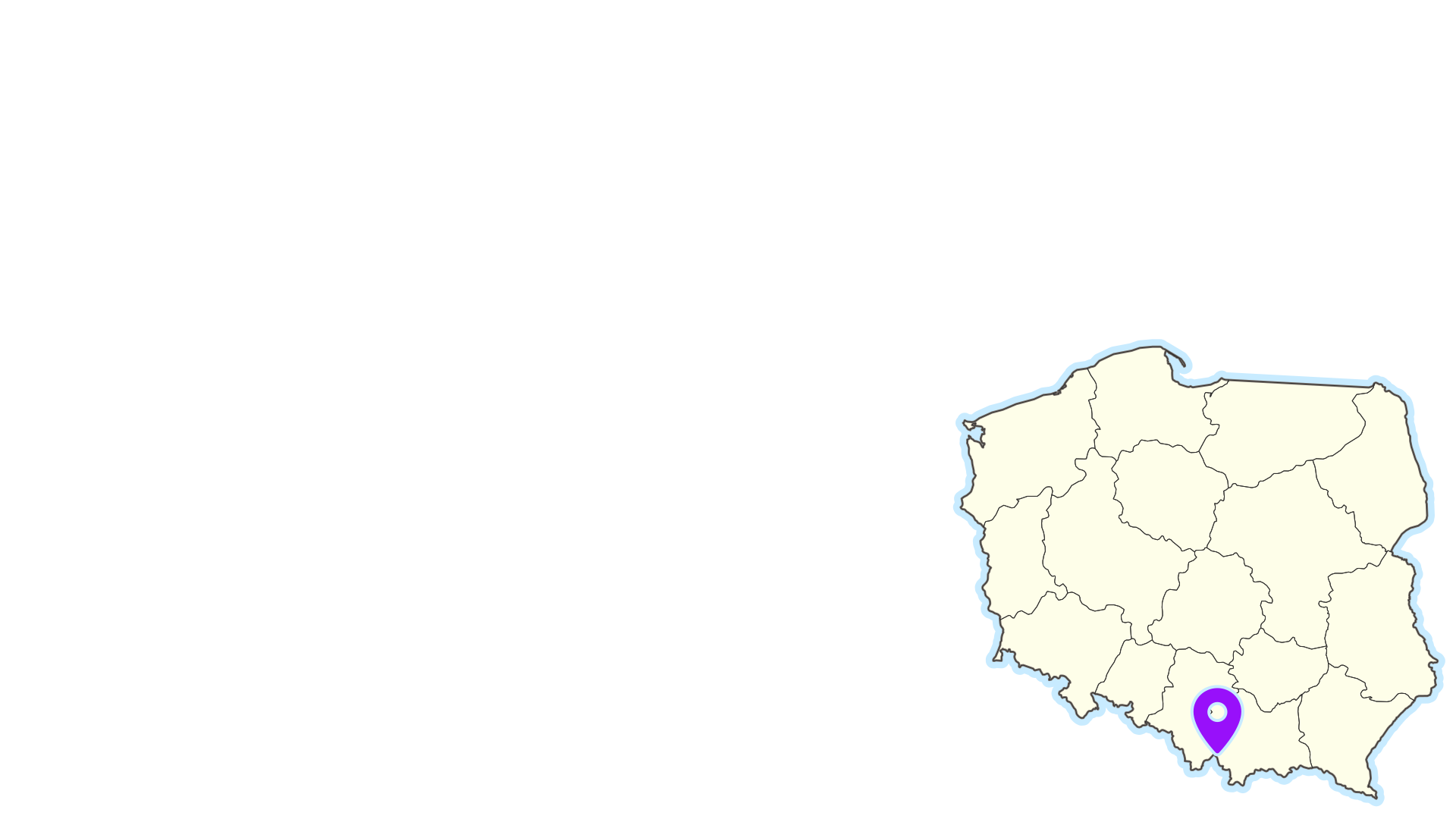
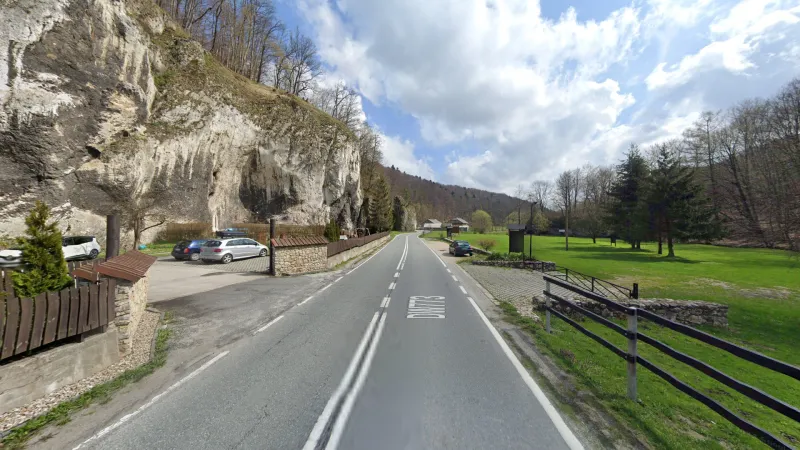
This small area surrounding the Ojców National Park in Lesser Poland Voivodeship can be recognised by its hilly landscape with exposed limestone cliffs.
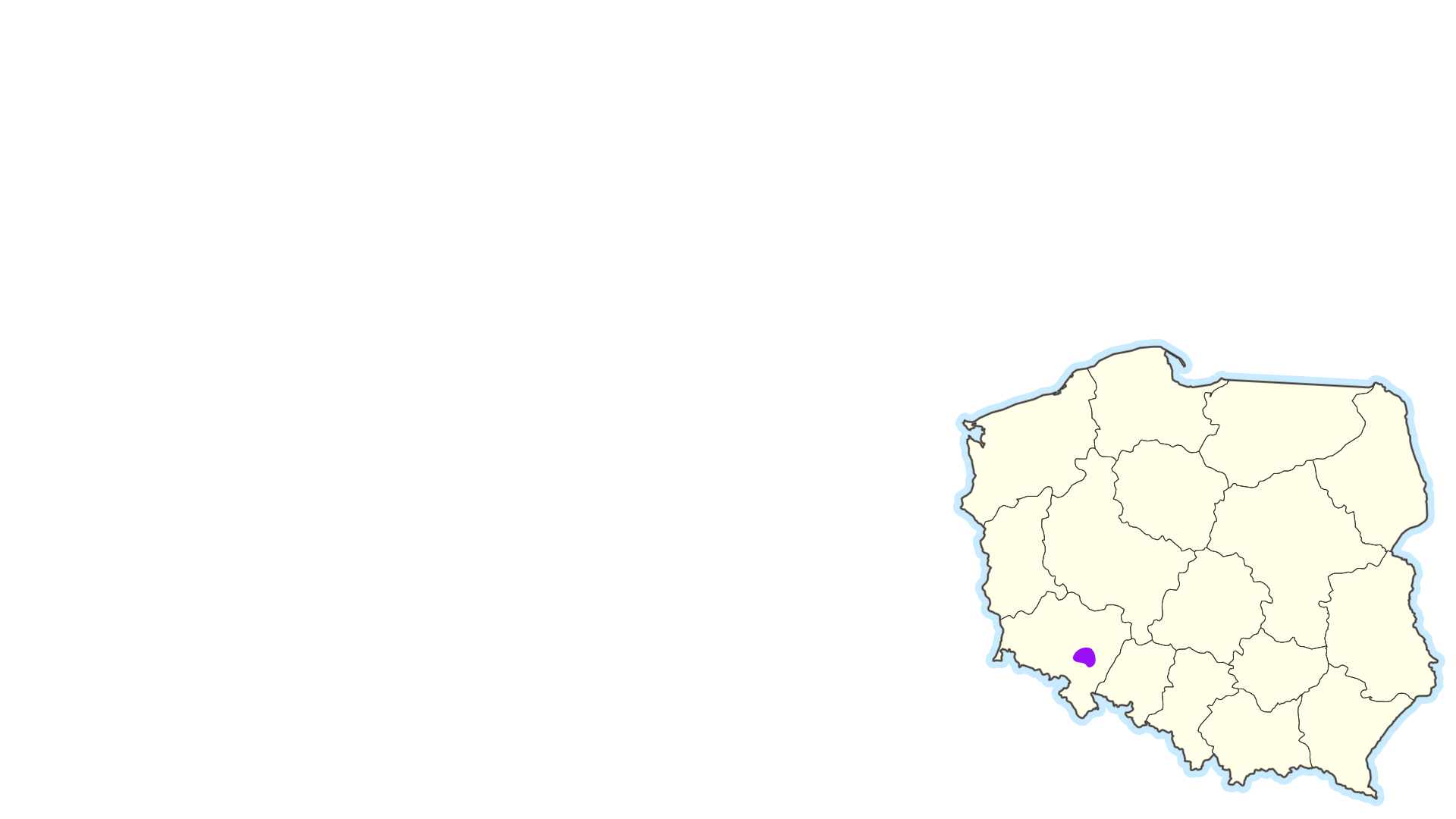
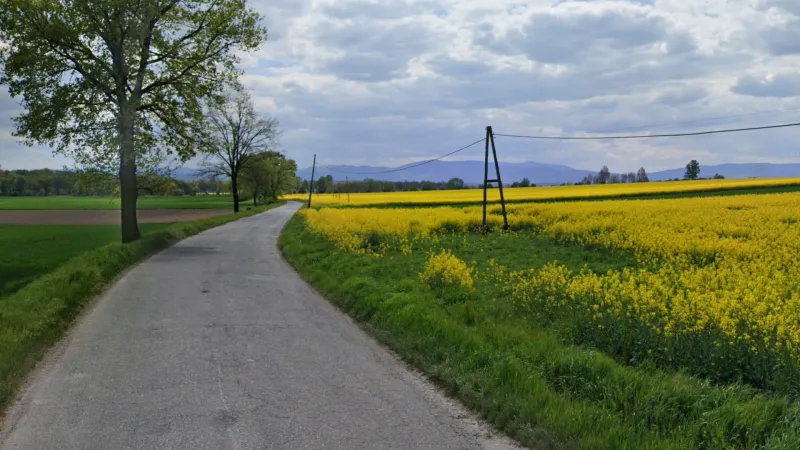
The agricultural plains around the cities of Wrocław and Inowrocław have unusually dark soil often with a dark grey hue.
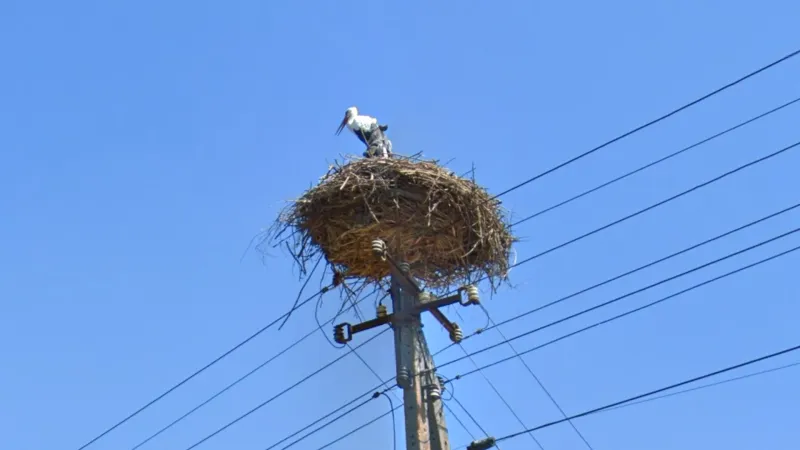
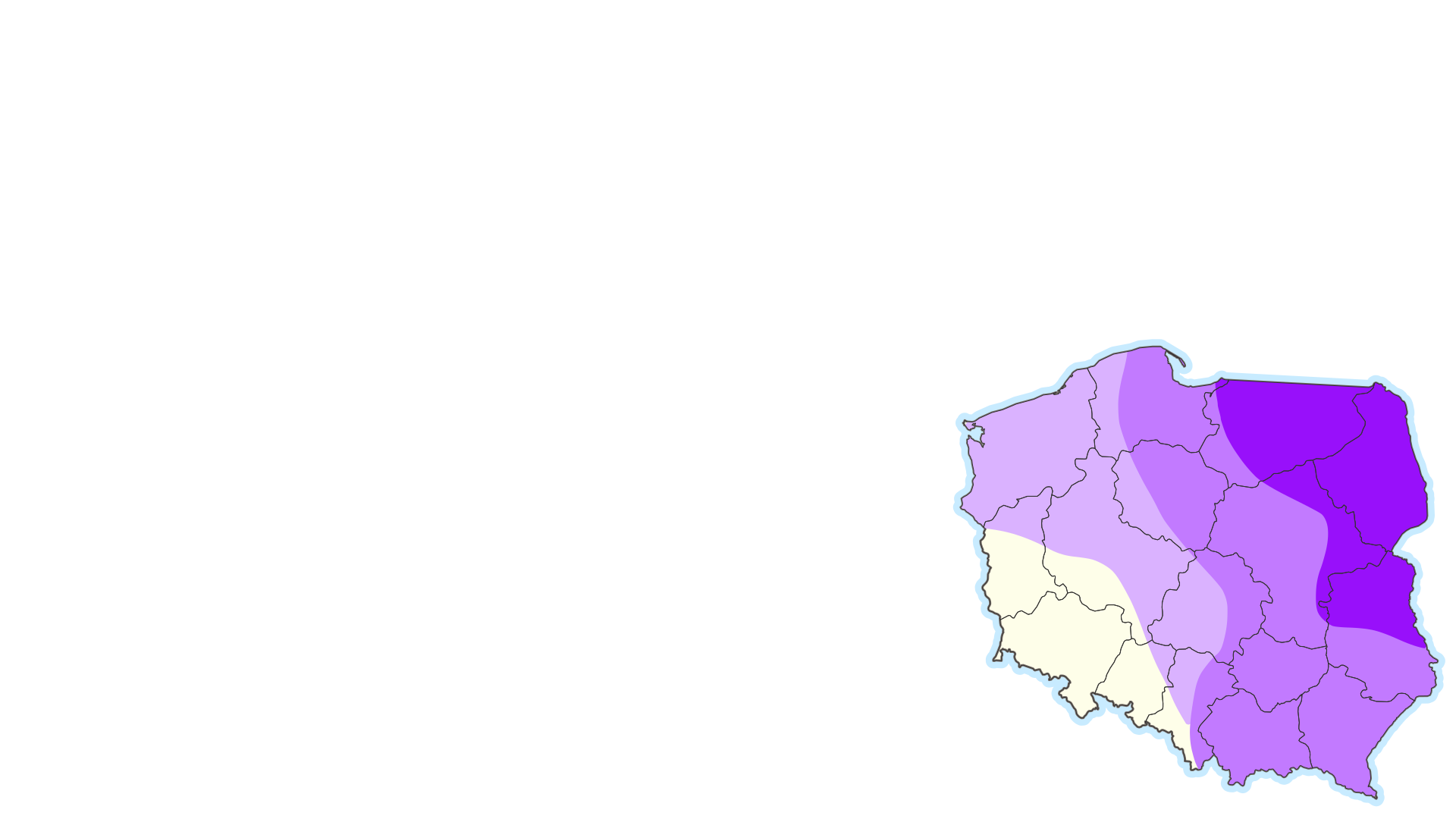
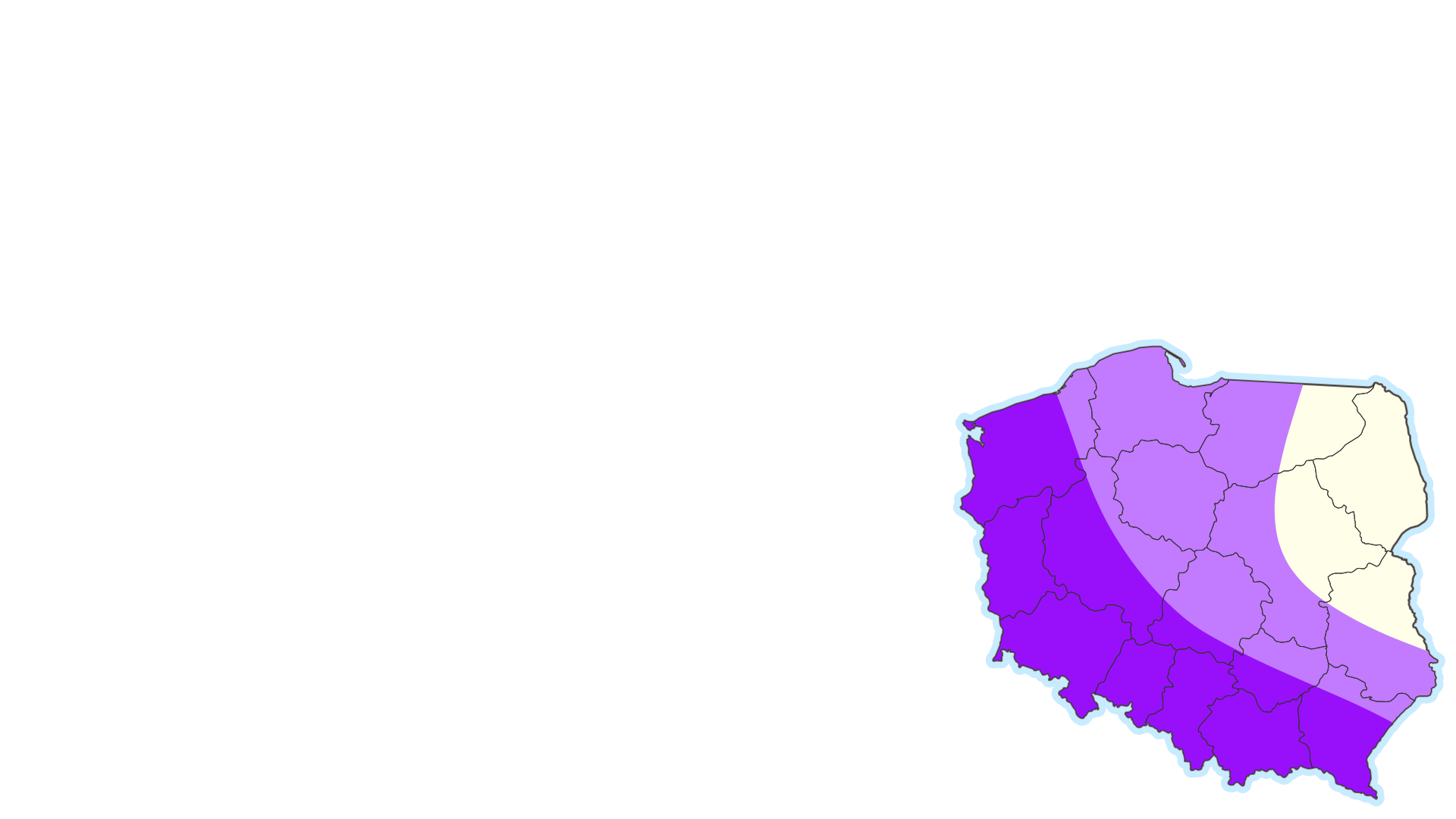
Stork nests, most commonly seen on top of electricity poles, can be seen anywhere but are most common in the northeast and become gradually less common the more southwest you go.

Vegetation

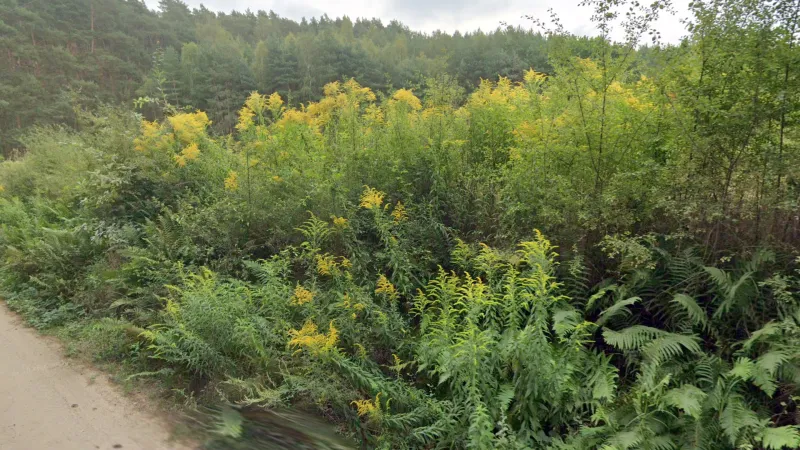
Tall yellow flowers called goldenrod (Solidago sp.) are found most commonly in the south of the country.
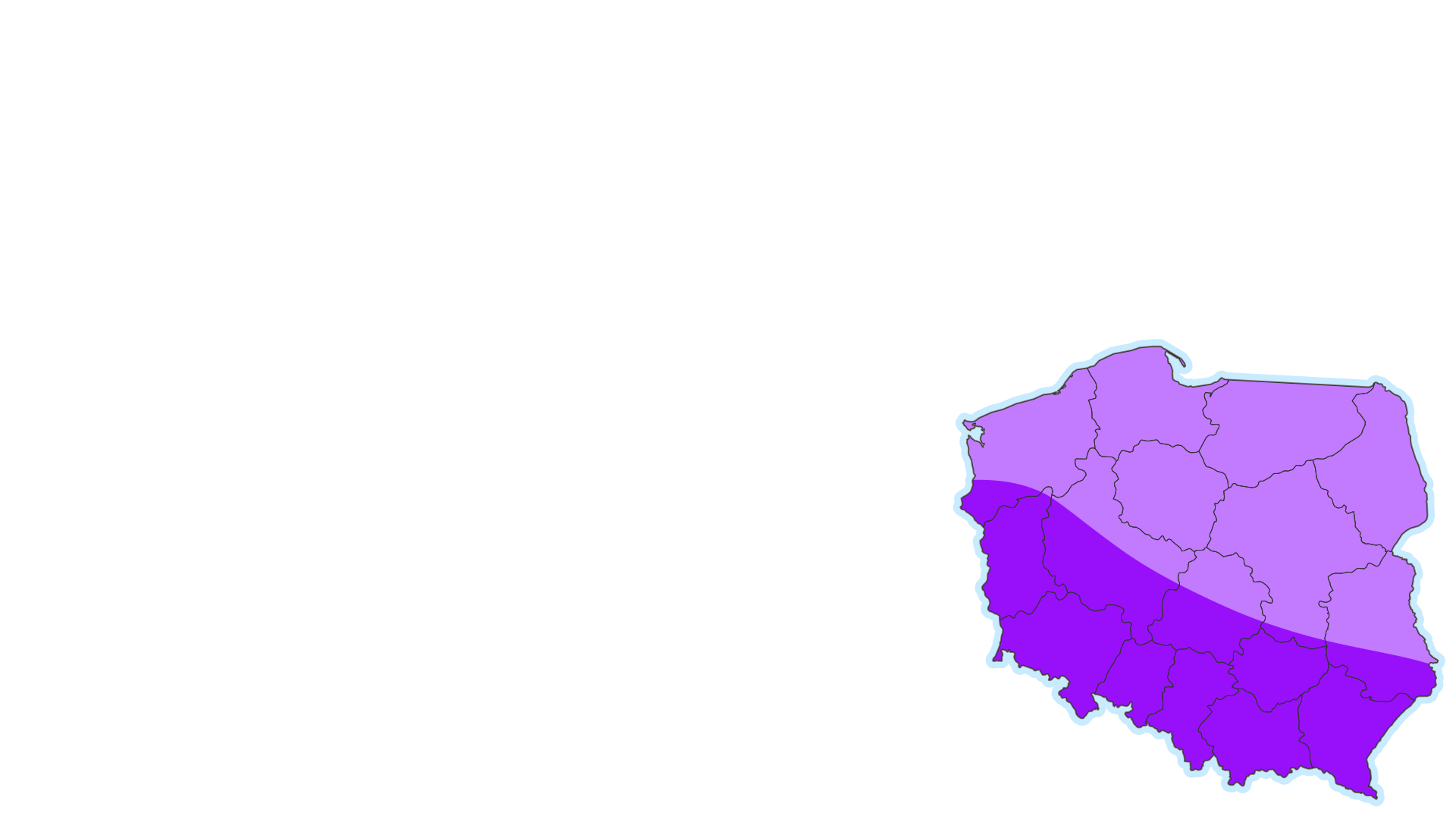
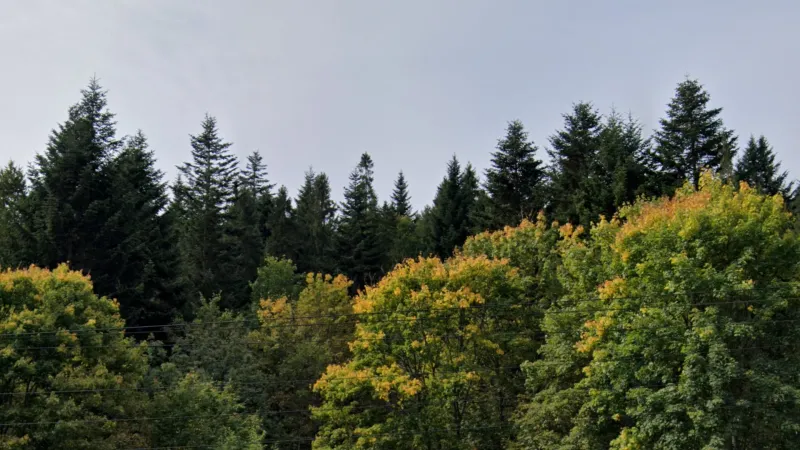
Firs (Abies alba) can be difficult to tell apart from other conifers, but their most notable characteristic is their flat branches that create a fractal pattern when viewed from underneath. This branching structure differs from that of spruces, which have secondary branches drooping down from the primary branch. Firs are found in the south of the country and particularly the southeast.
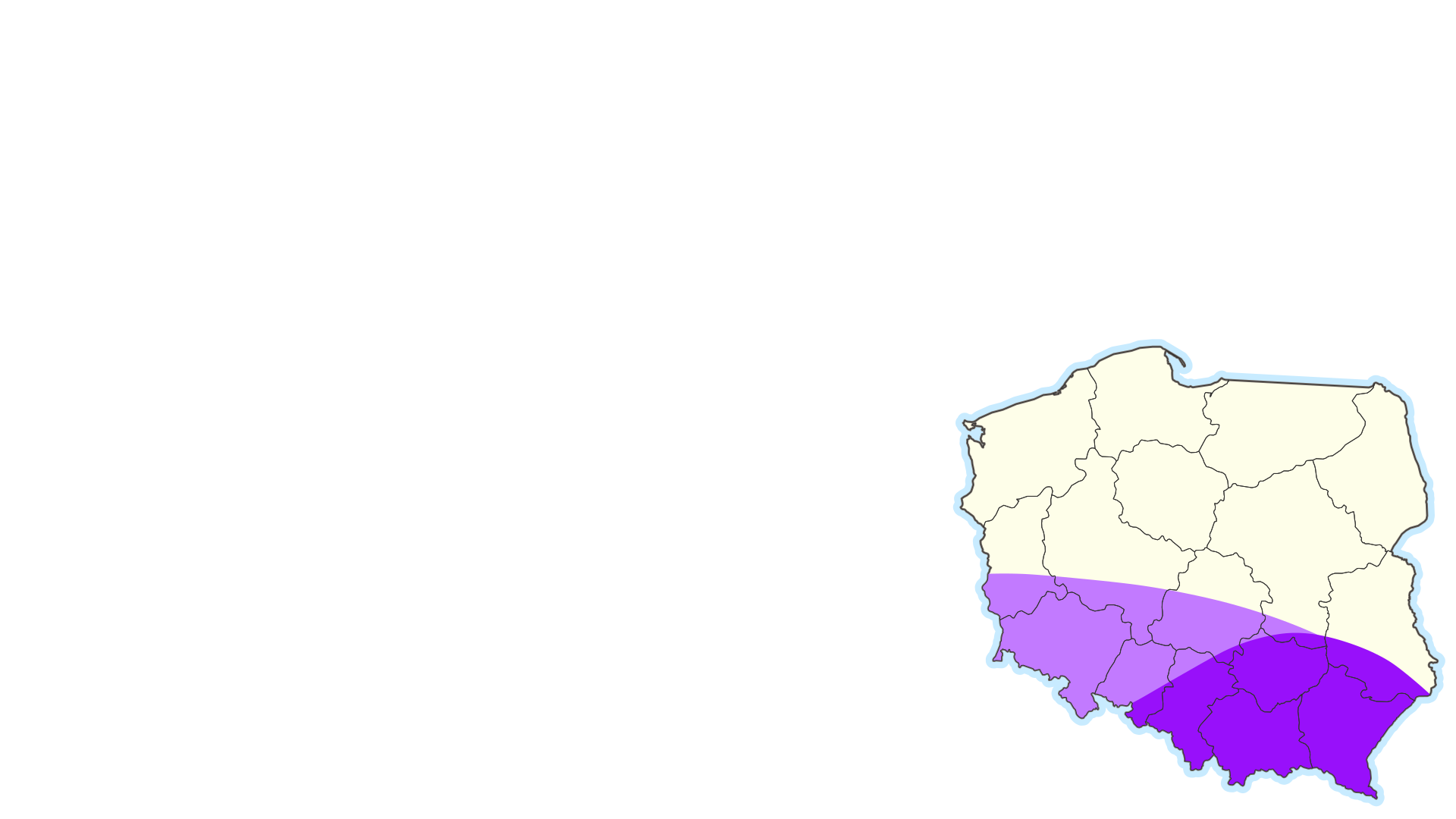
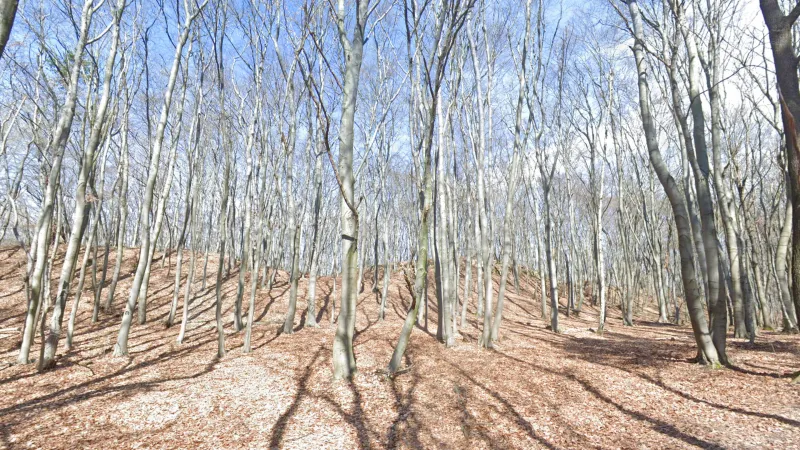
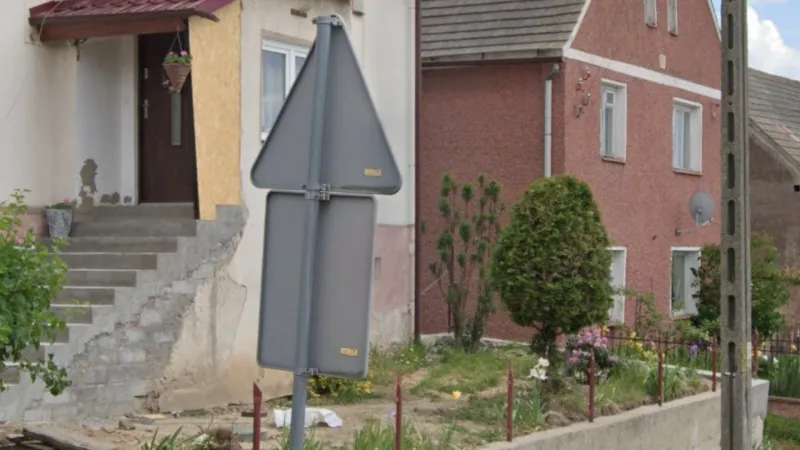
Beech trees (Fagus sylvatica) are recognisable by their smooth bark and are found predominantly in the south and west of the country. This is particularly the case for large forests of beeches.
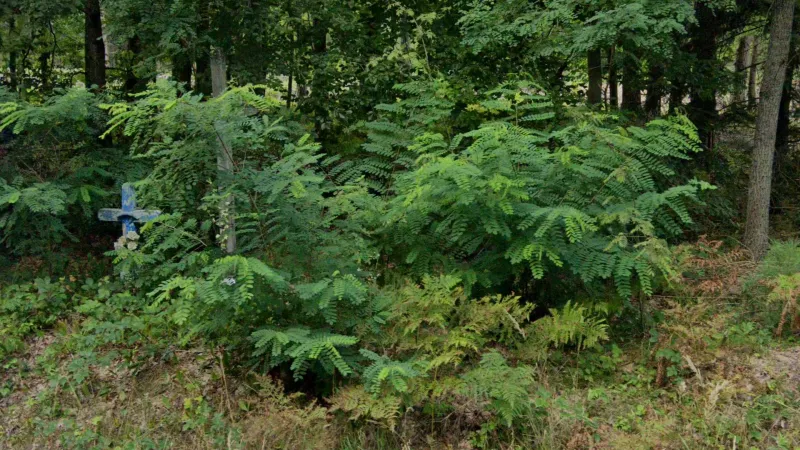
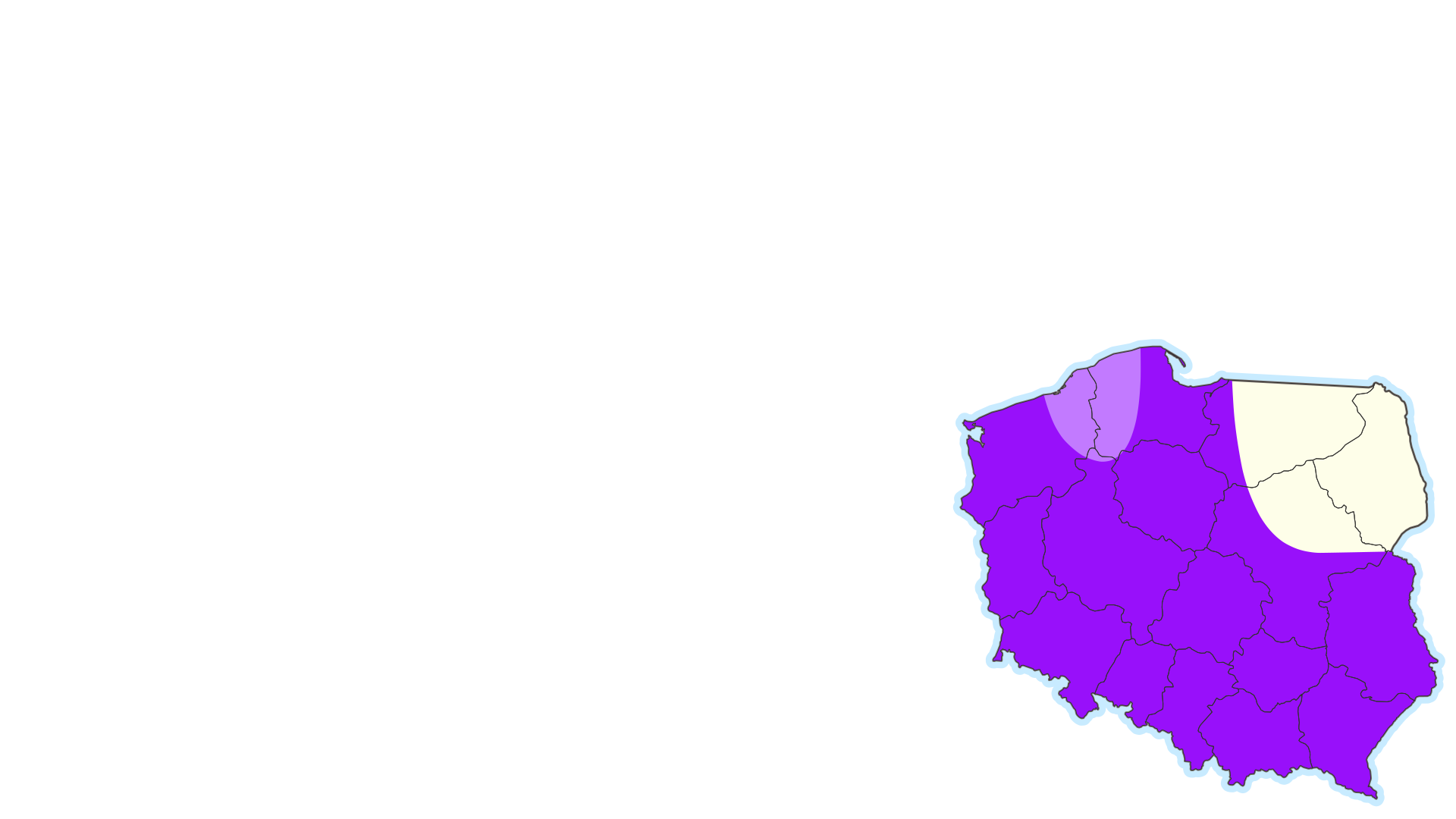
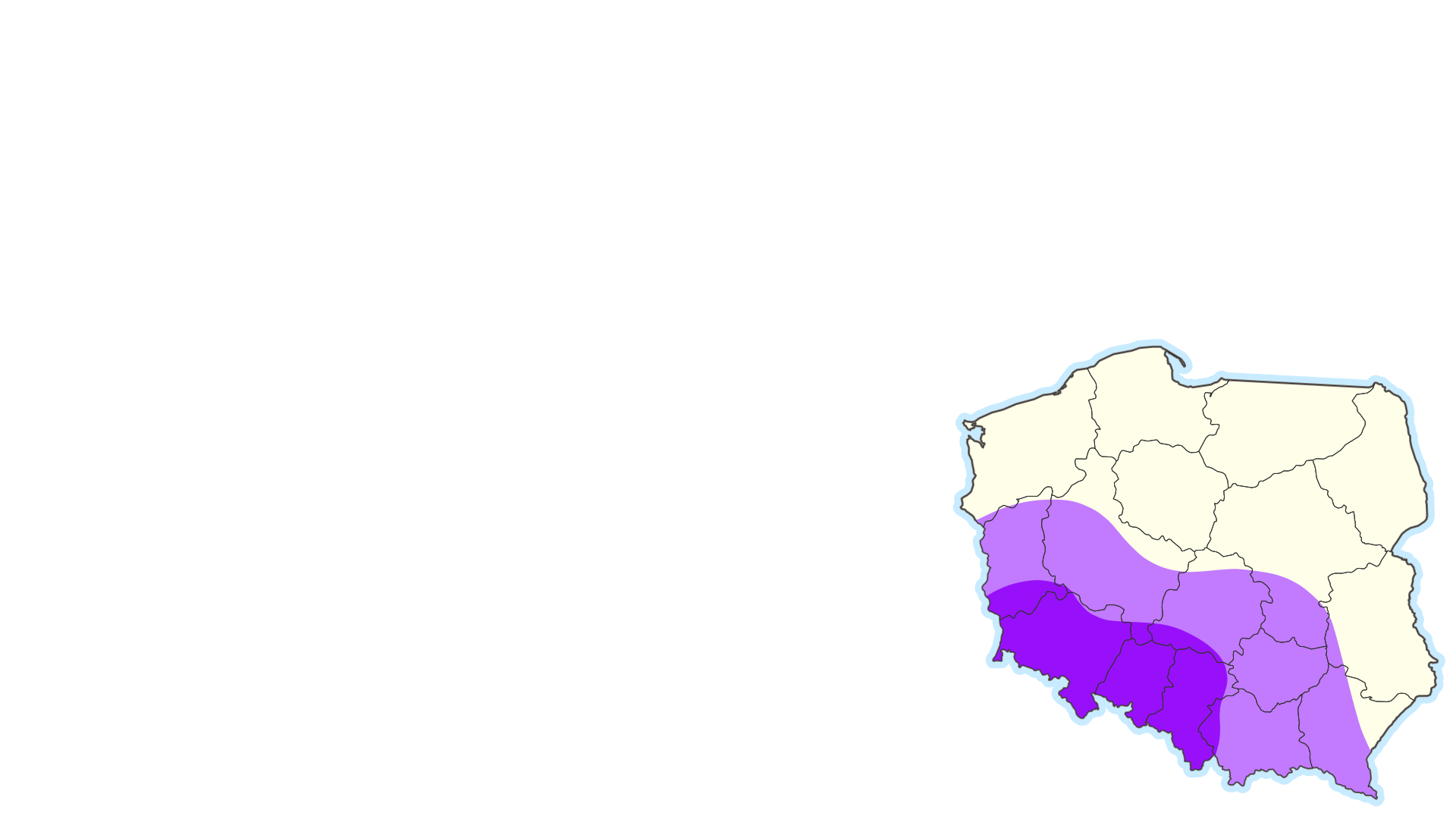
Black locust (Robinia pseudoacacia) can be recognised by its unique feather-like (pinnate) leaves. It is found throughout much of the country but notably absent in the northeast.
Agriculture

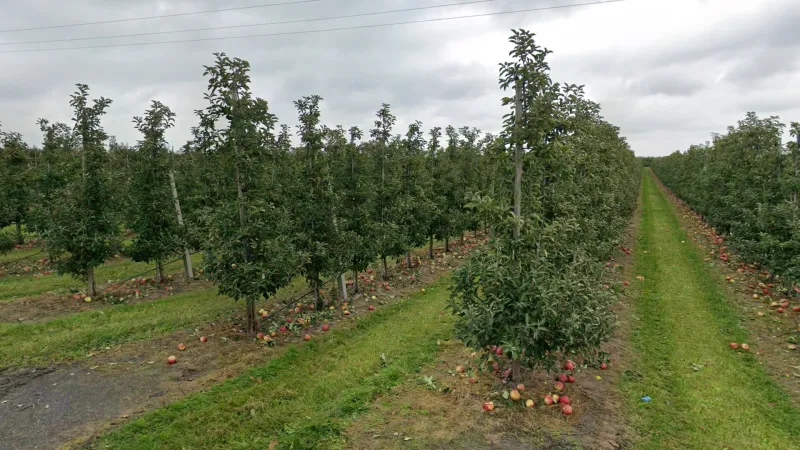
Orchards are by far most common around Grójec and Sandomierz. Those two areas can often be distinguished by their landscape: Grójec is usually more flat, while Sandomierz tends to be more hilly.
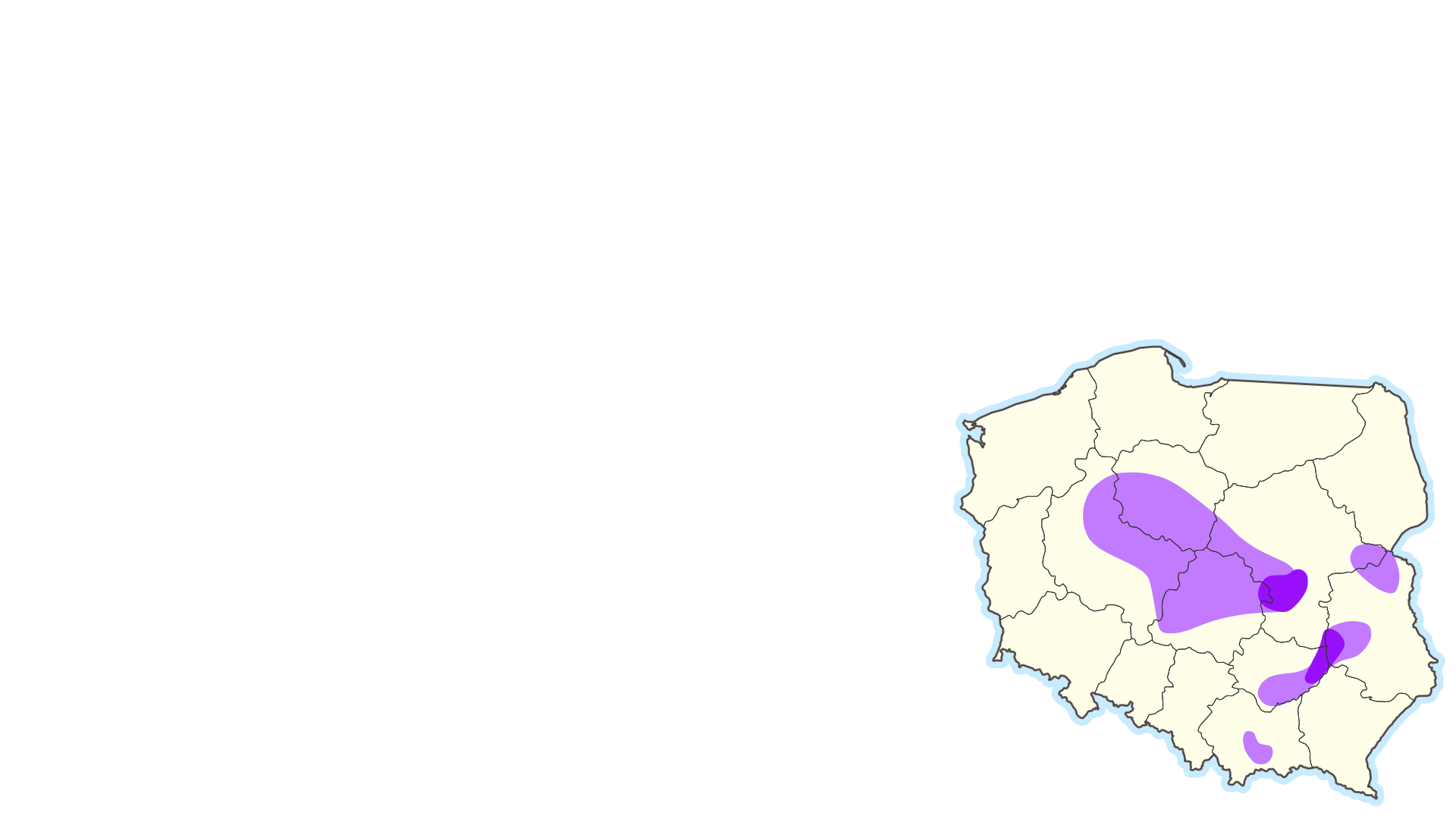
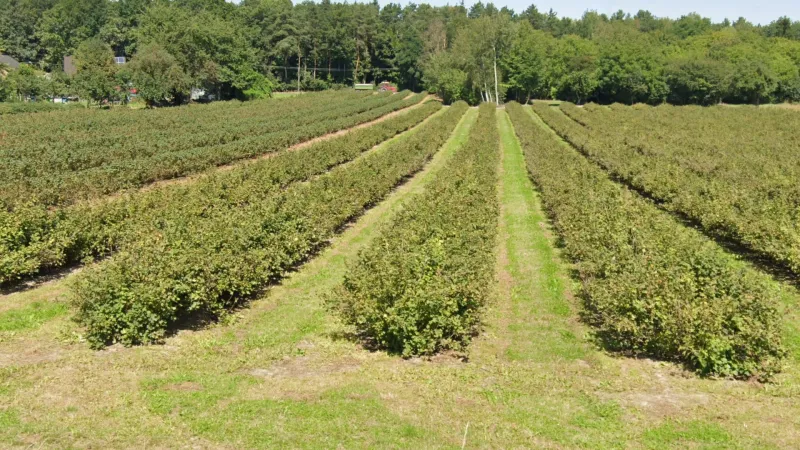
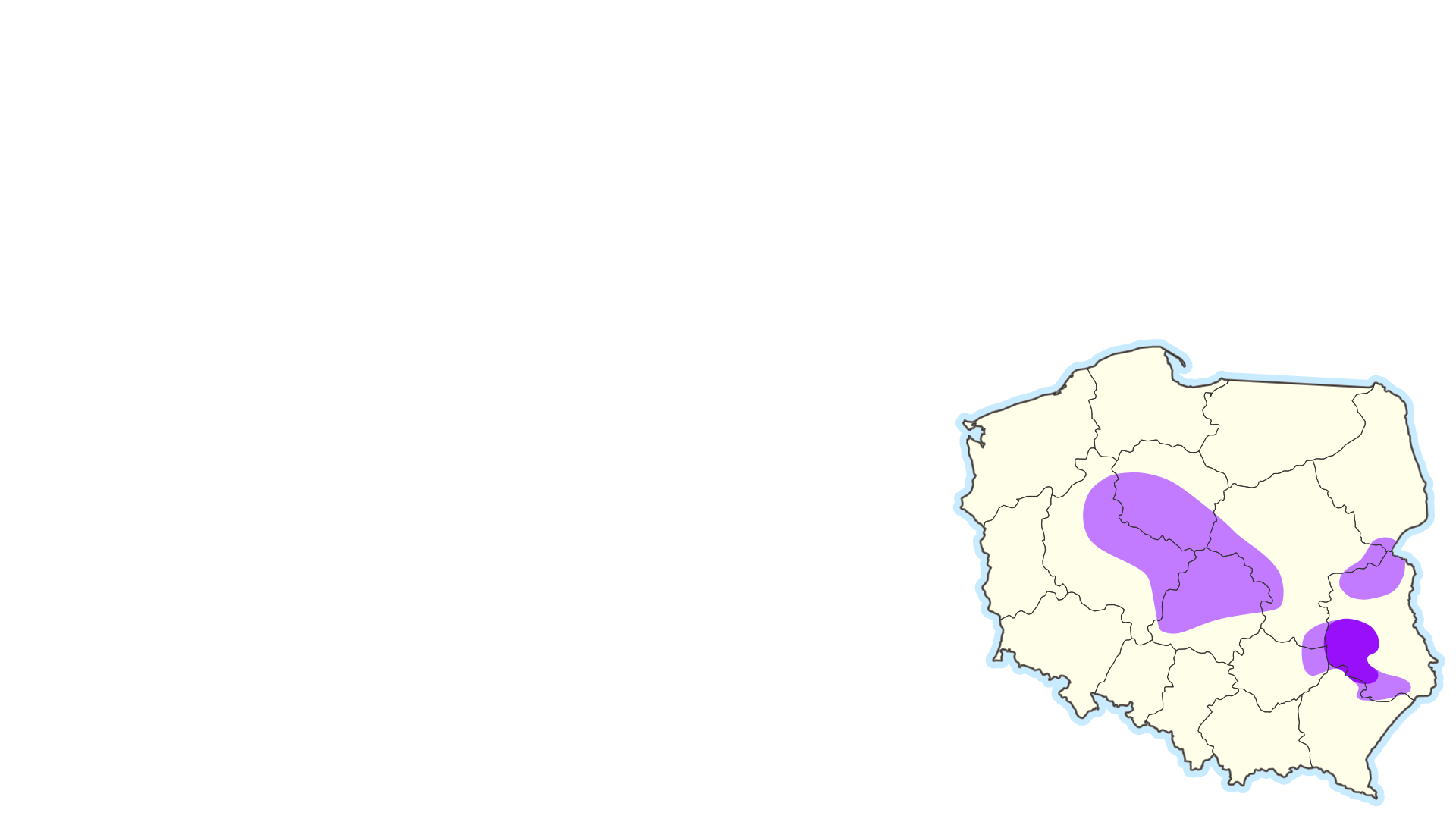
Rows of berry bushes are most commonly seen in Lublin Voivodeship and, to a lesser degree, across central Poland.
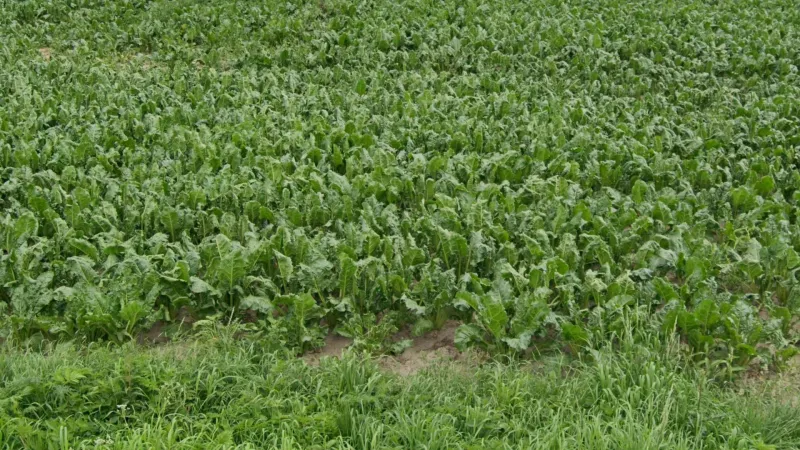
Sugar beet can be recognised by its radiating long and wavy leaves growing directly out of the ground. It can be found in the areas shown on the map.

Note: Be careful not to confuse it with plants such as potatoes which have significantly smaller leaves or with young corn which has visible stems.
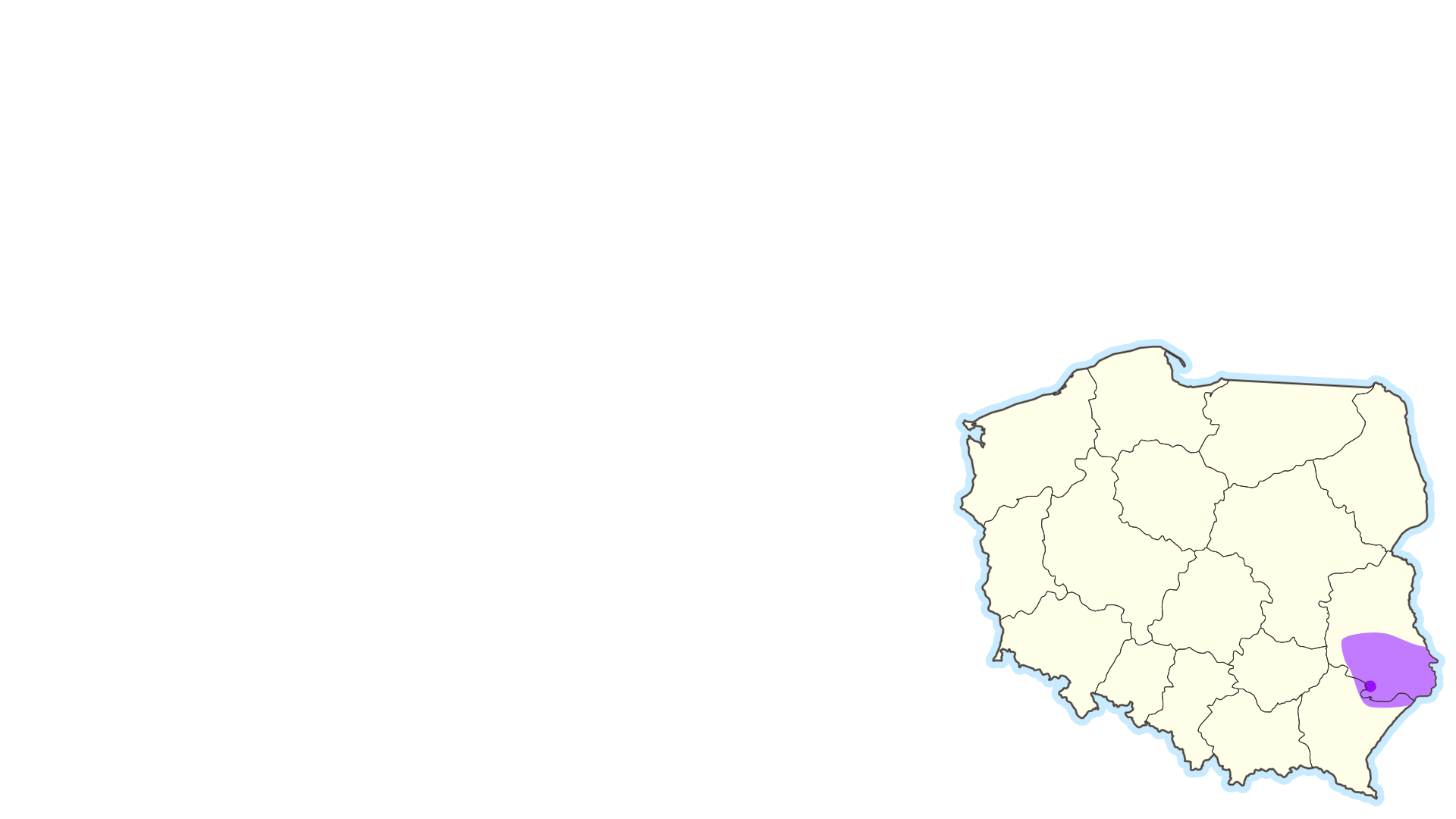
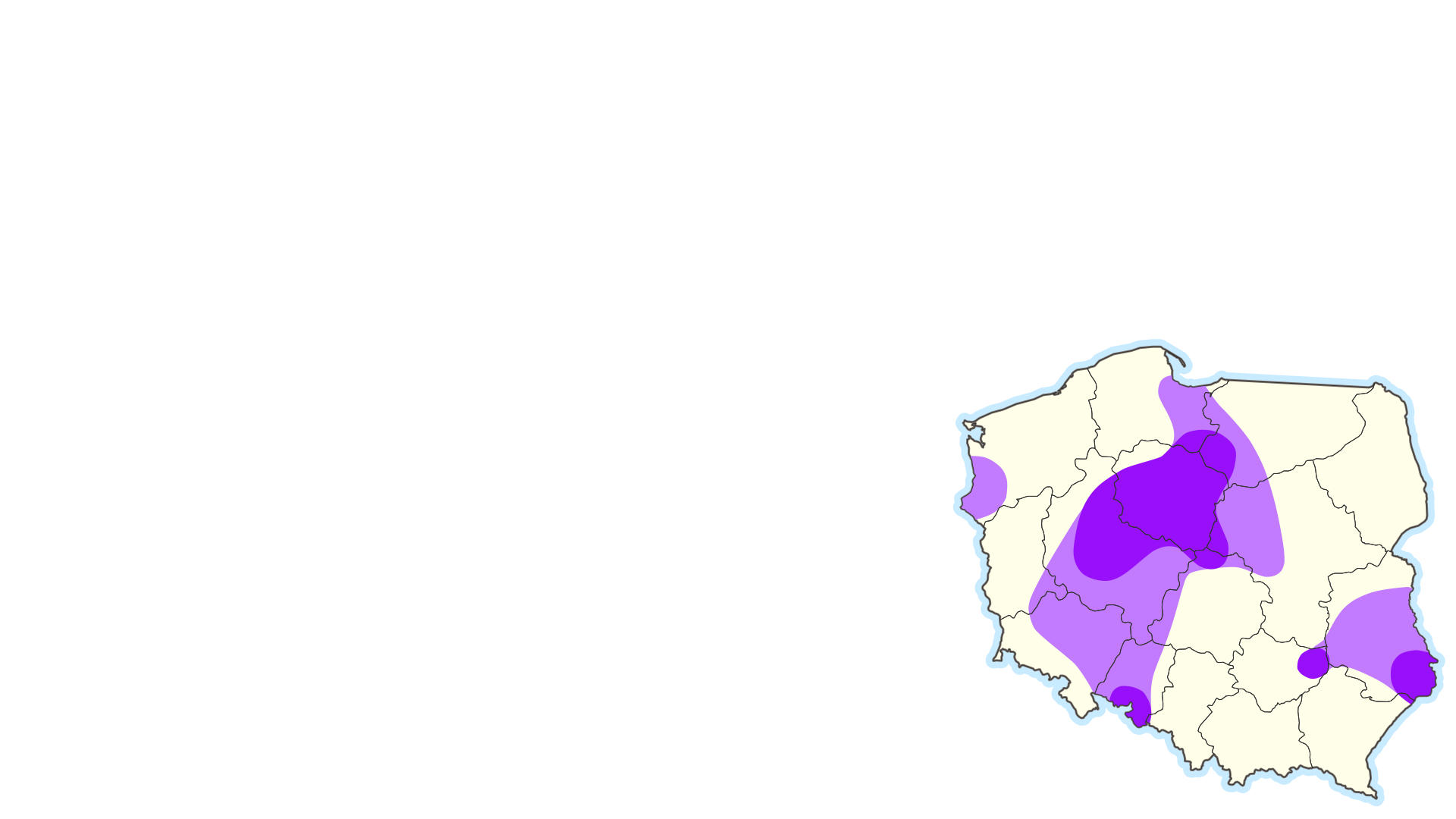
Tobacco is grown mainly in southern Lublin Voivodeship, particularly in Biłgoraj Powiat and surrounding areas.
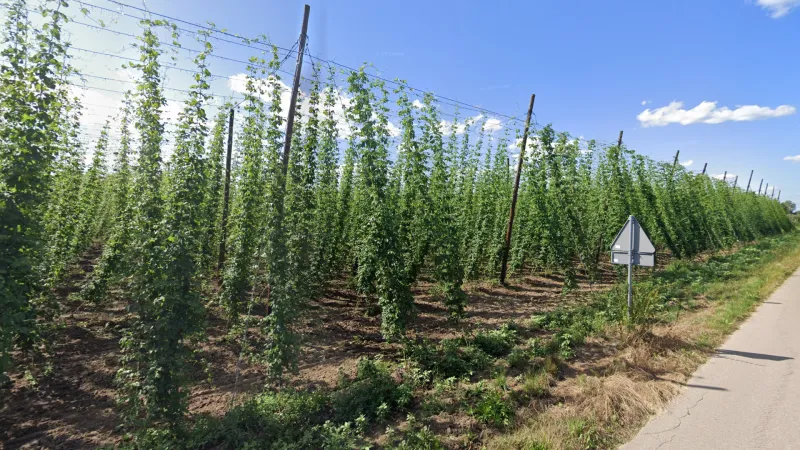
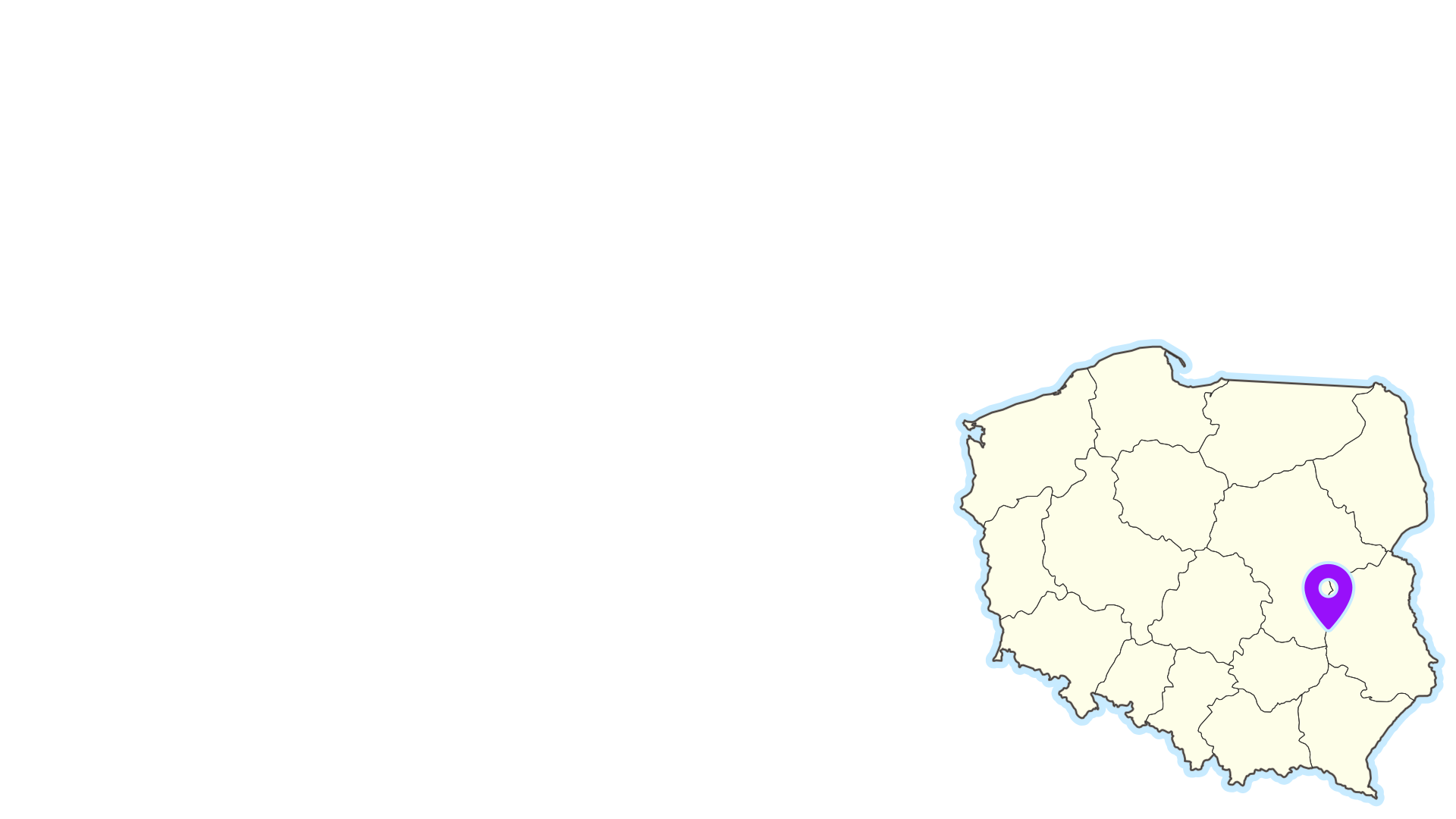
Over half of all hops in Poland are grown near the town of Wilków with much of the remainder grown in surrounding areas.

Architecture

Houses with wide horizontal ‘attic’ windows are commonly found in eastern Poland.
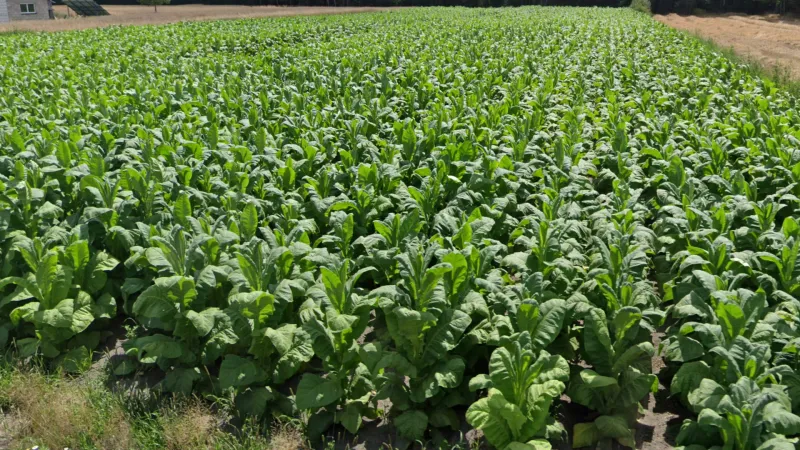
Houses with three small windows, one in each corner of the gable, are most commonly found in southwest Poland and to a lesser extent in the rest of western and northern Poland. These windows, while usually rectangular, can also be other shapes, such as circles, semicircles or triangles.

Roof Shapes

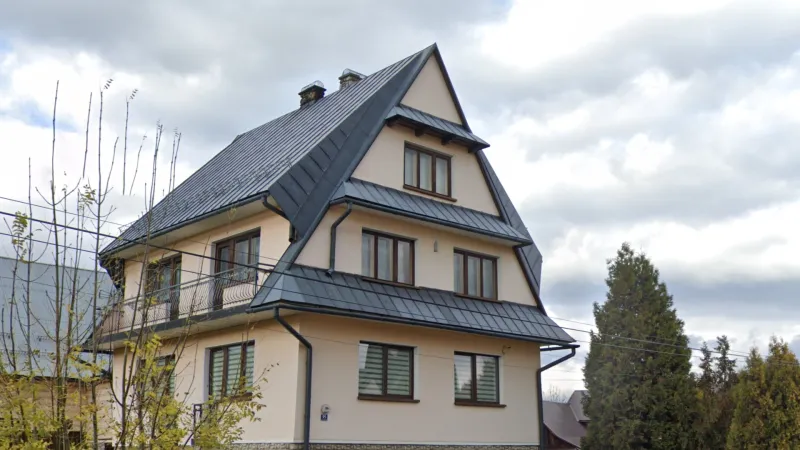
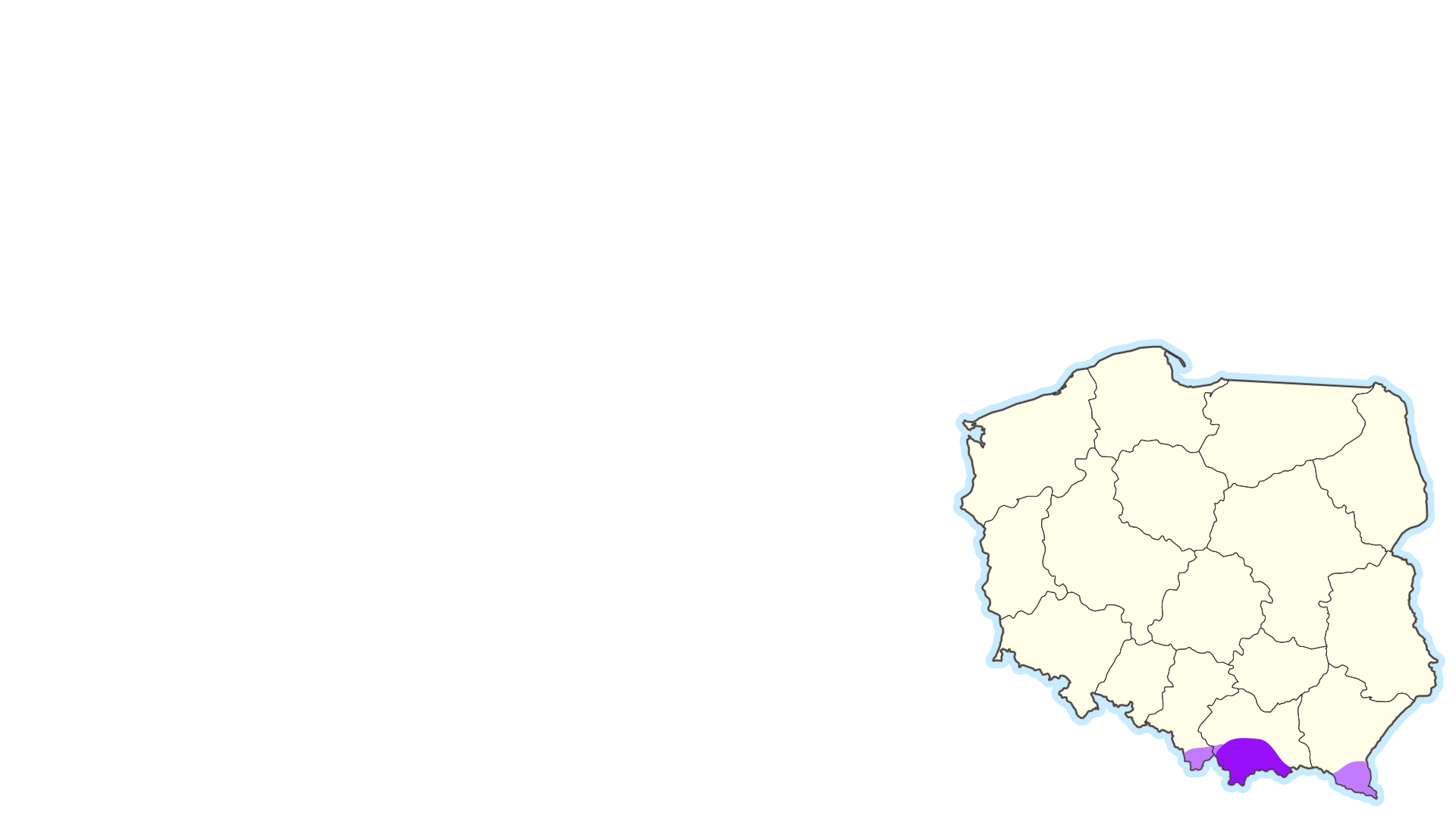
Houses with steep roofs and multiple shorter roofs or balconies on the gable side are commonly found in the hills of southern Lesser Poland Voivodeship, in parts of southern Silesian Voivodeship and less frequently in the southern tip of Podkarpackie Voivodeship.
Simple rectangular houses with a single short roof on the gable side can be found in the southeast and far east of Poland.
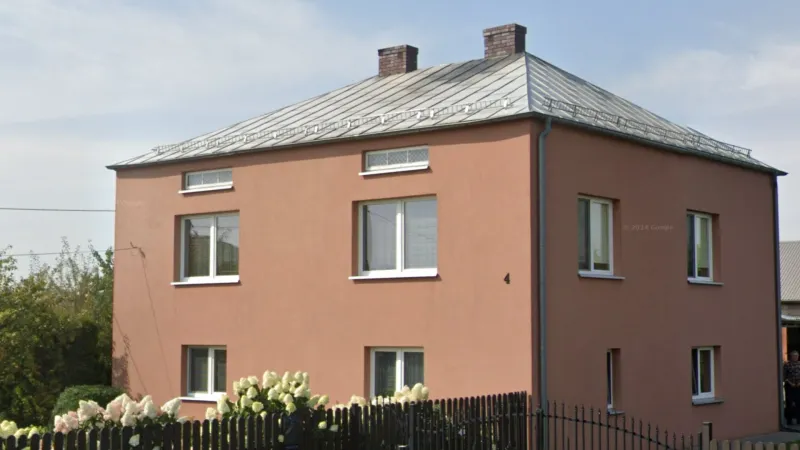
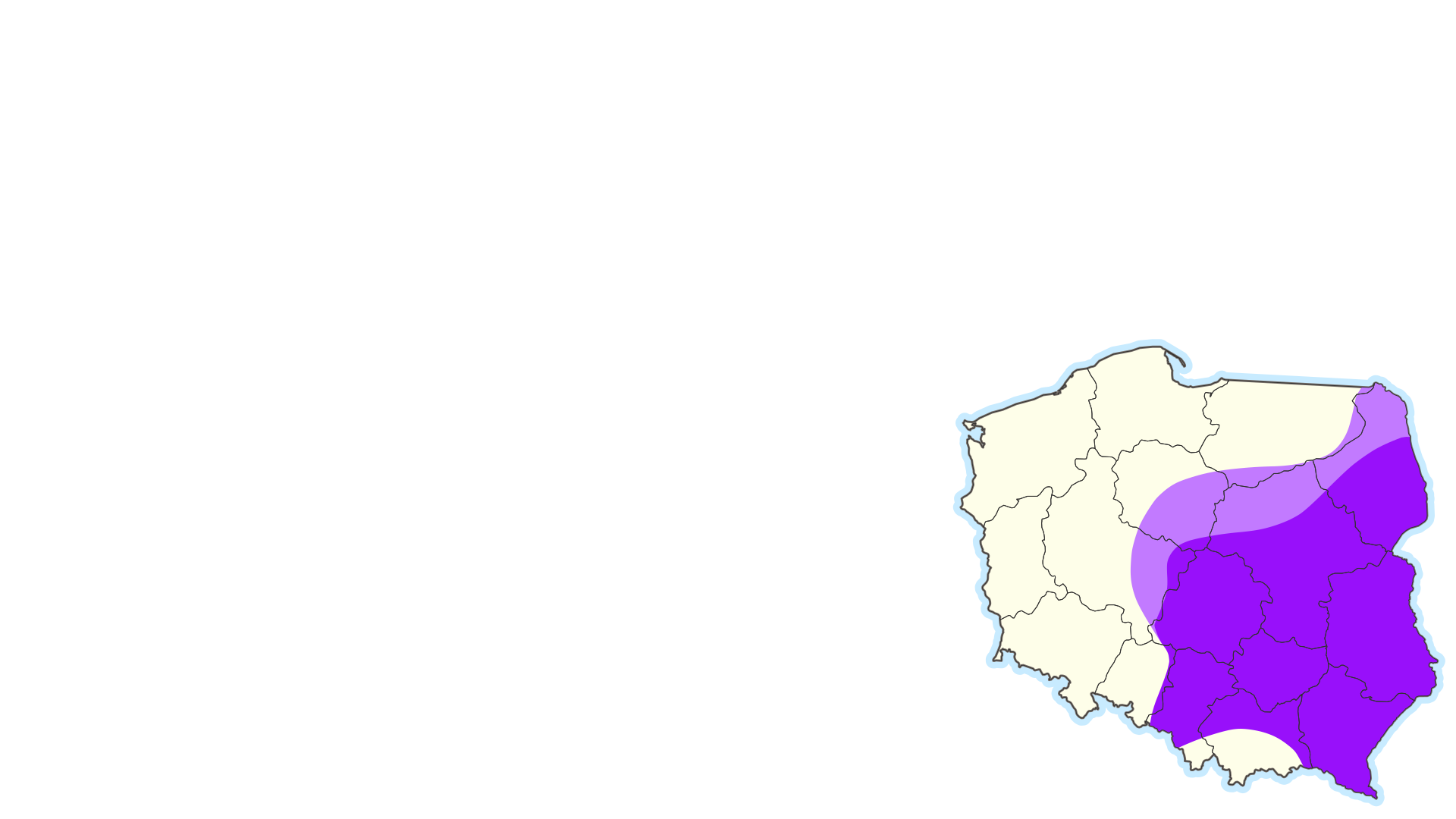
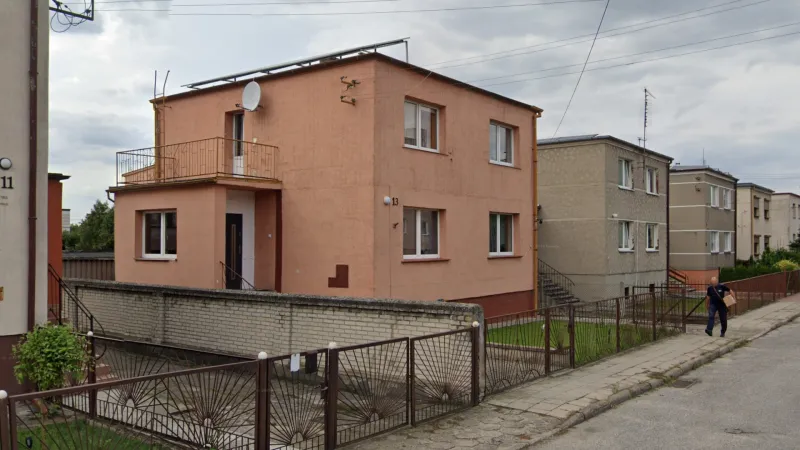
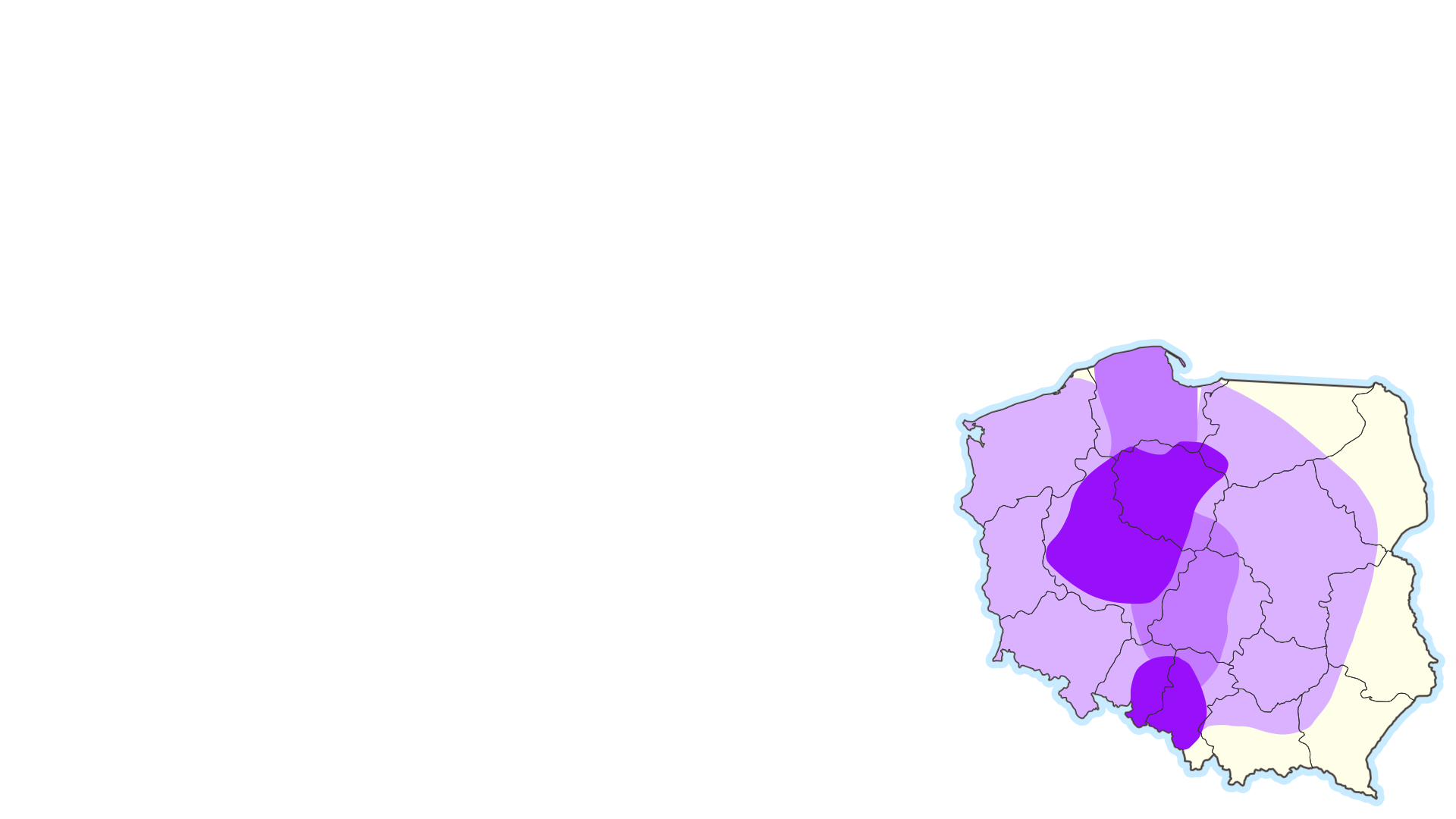
Boxy single-family communist-era houses with flat roofs can be found all throughout Poland. However, they are particularly common in the areas marked on the map.

Roof Materials

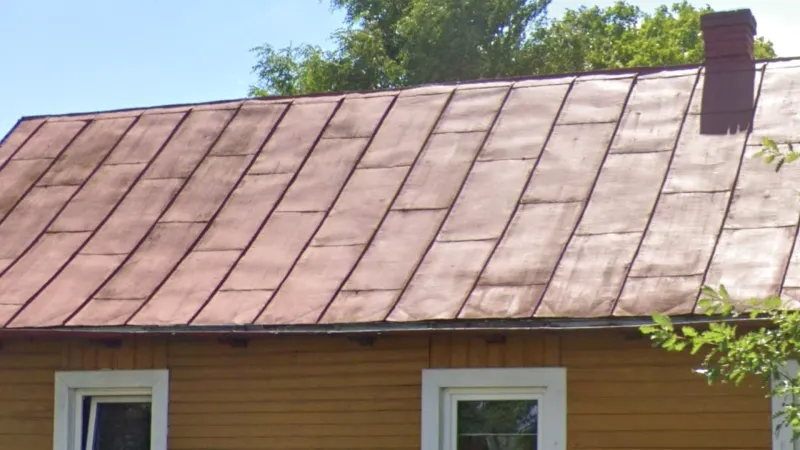
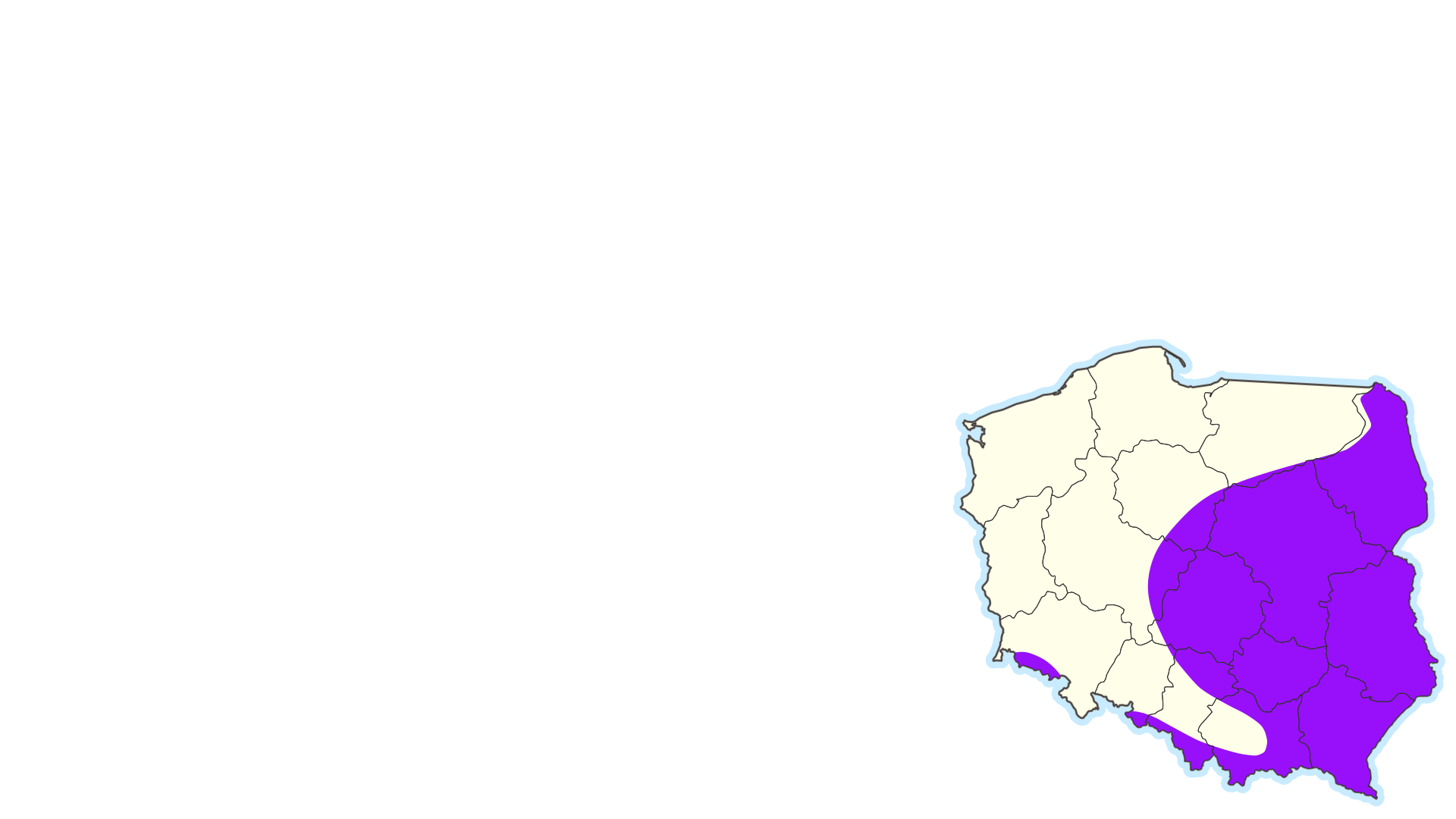
Roofs covered with large metal panels, usually with alternating horizontal connections, are indicative of eastern Poland.
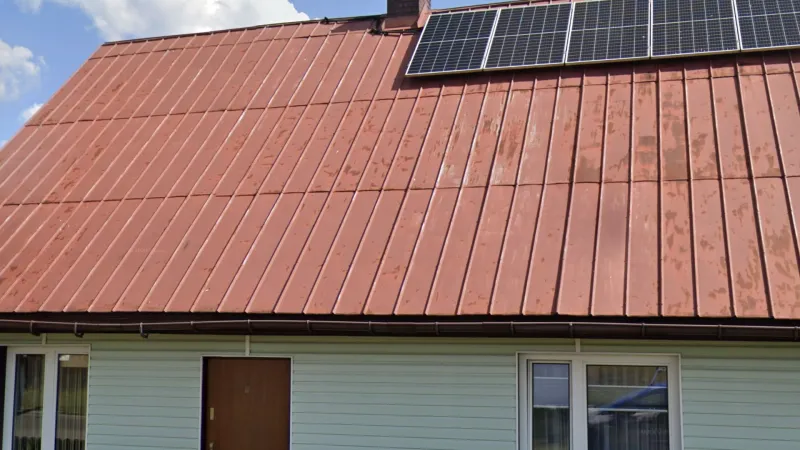
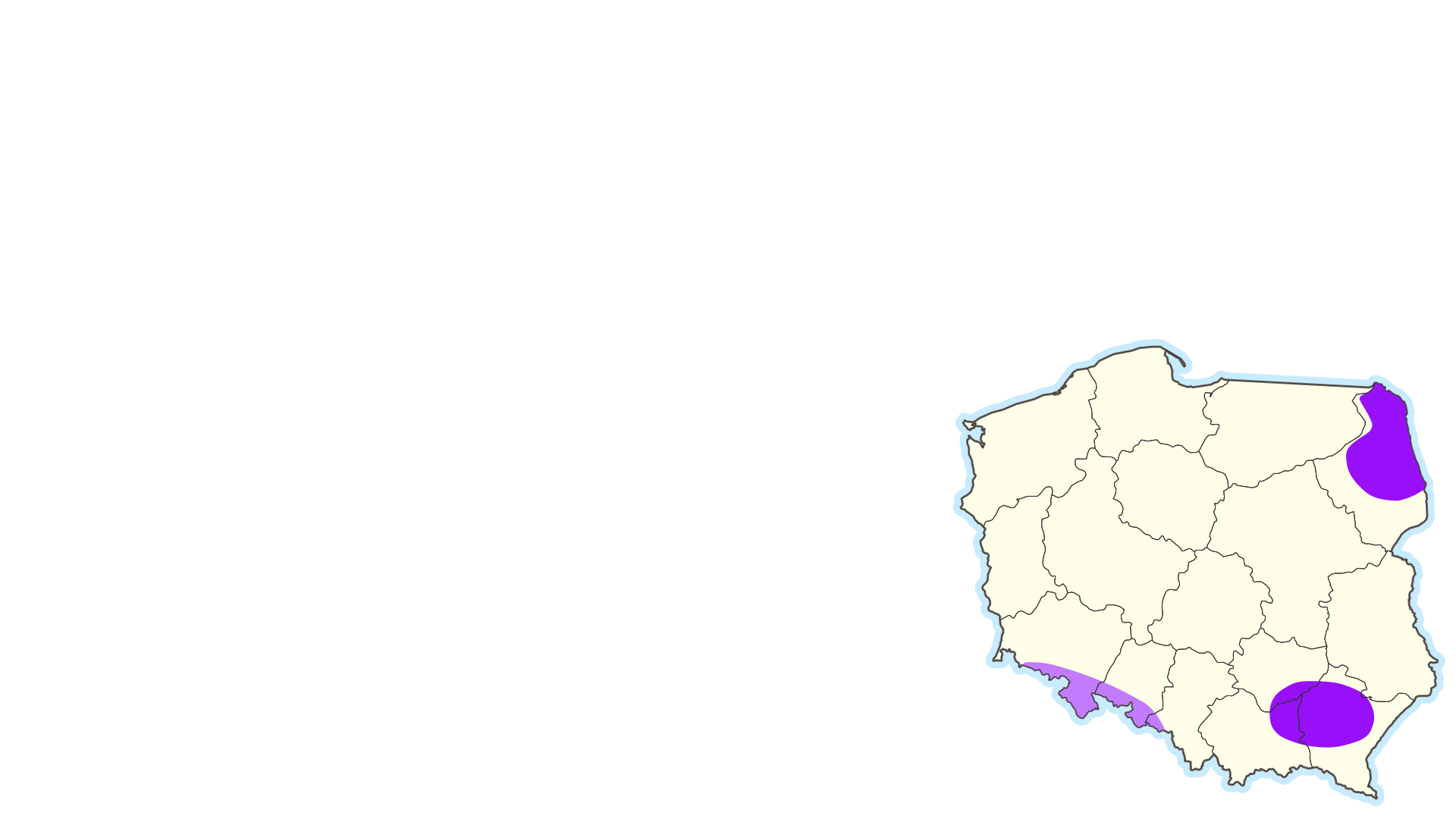
These metal roof sheets with widely spaced corrugations, usually with aligned horizontal connections, can rarely be seen throughout Poland. However, they are by far most common in the areas shown on the map.
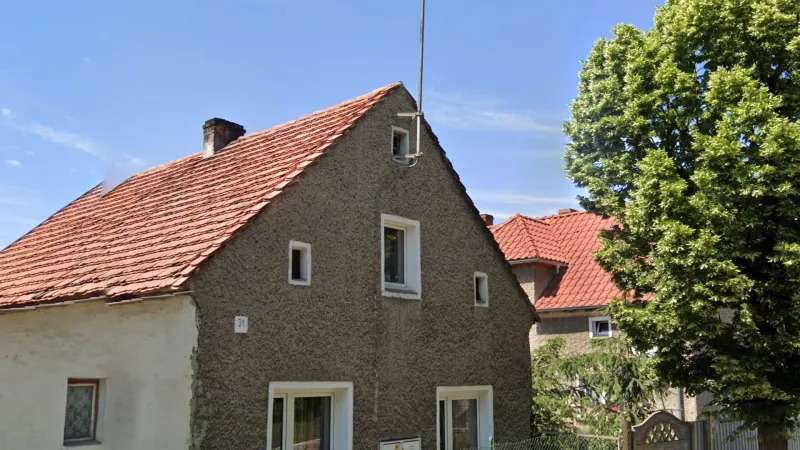
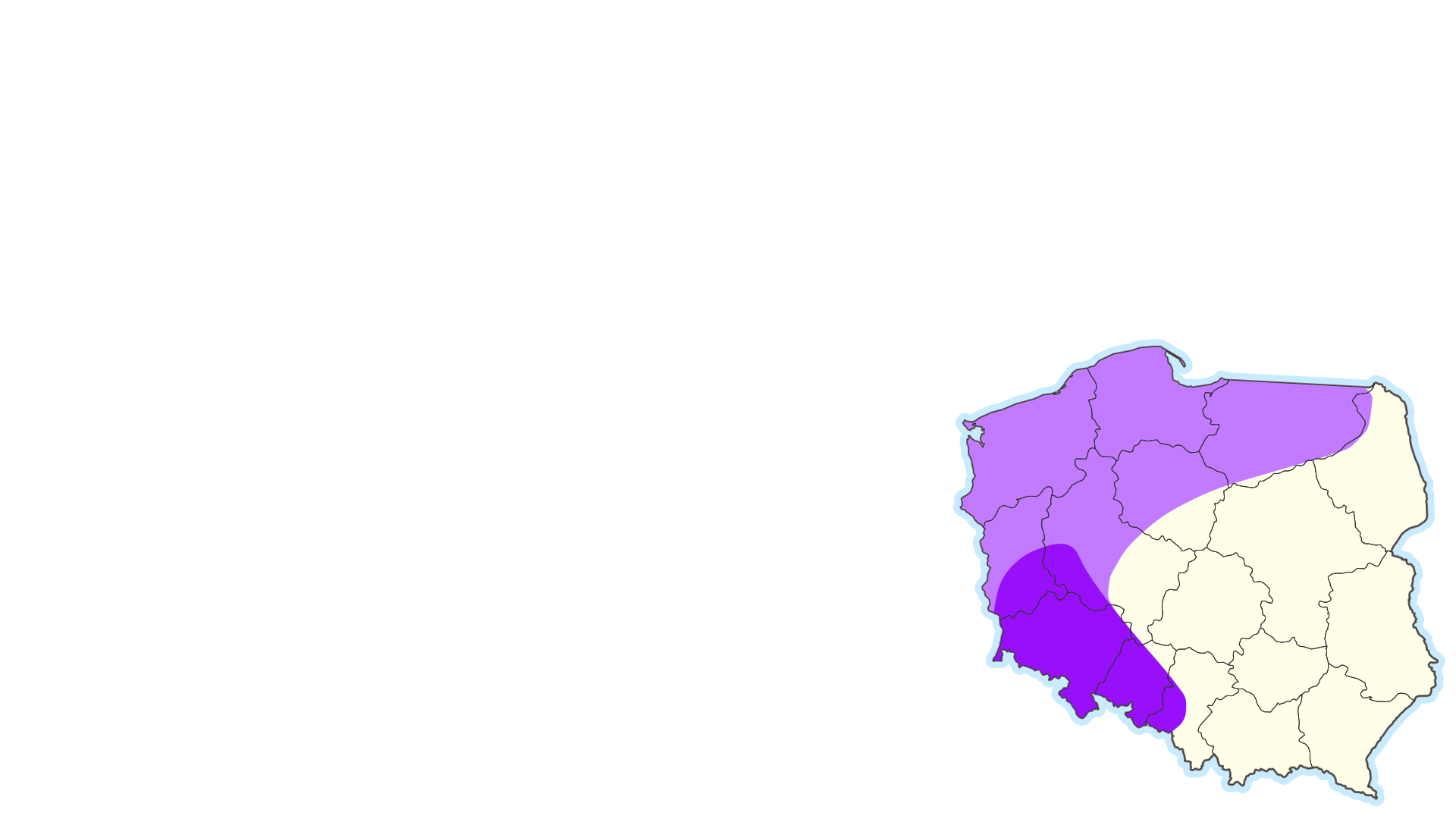
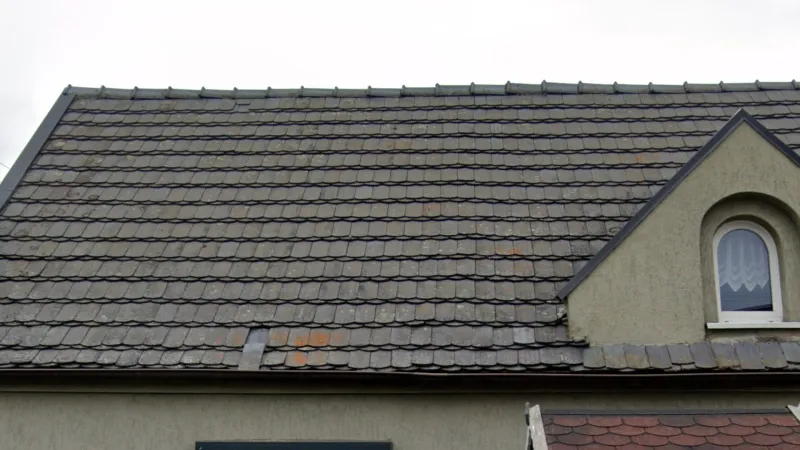
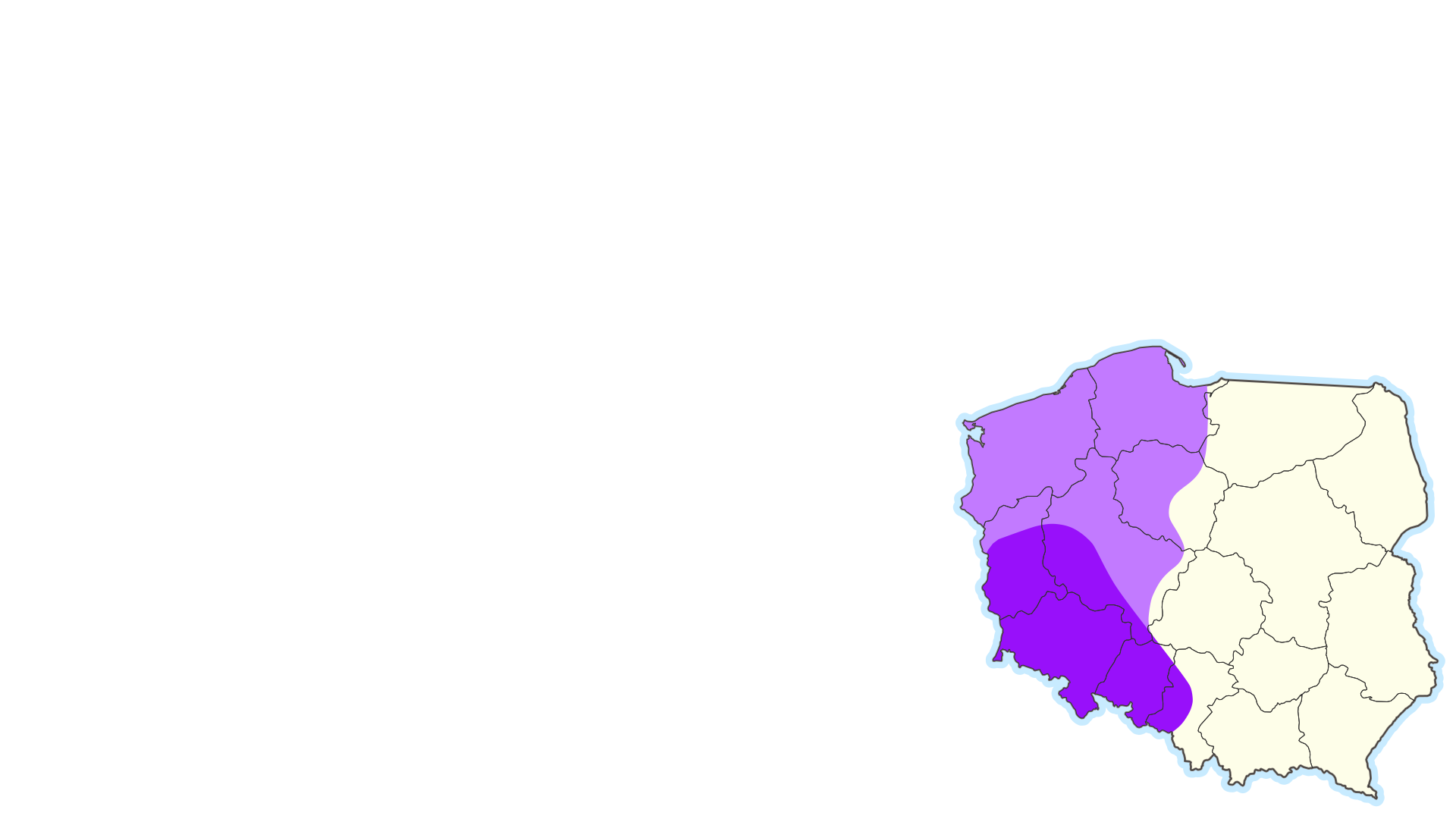
Flat roof tiles with rounded bottom edges and a second layer of tiles peeking out underneath can be seen on many older buildings in western Poland and are especially common in the southwest.
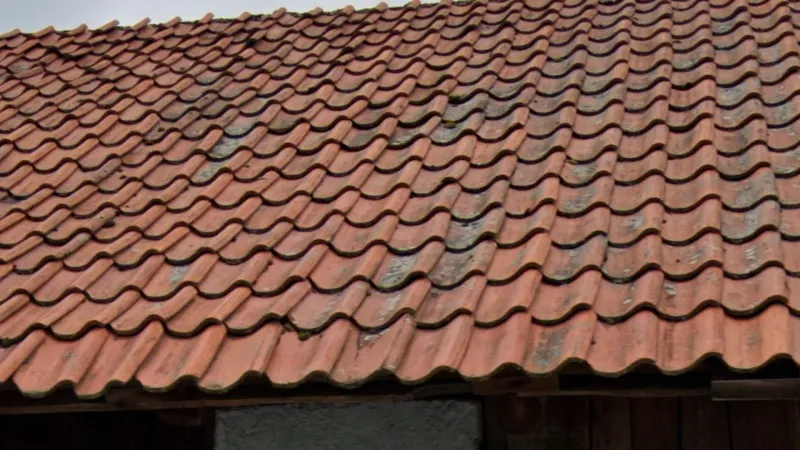
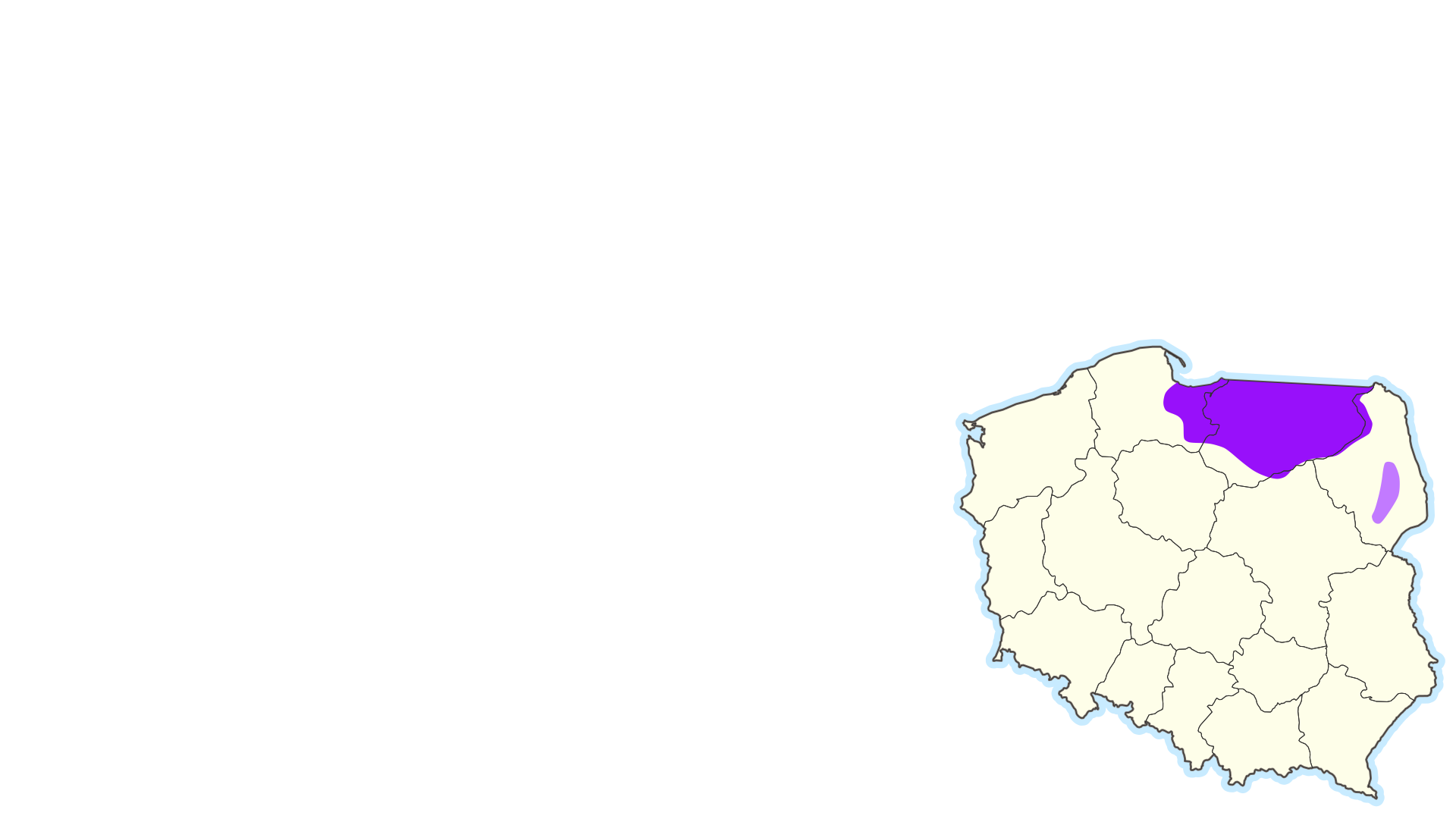
Traditional S-shaped roof tiles, often in poor condition and with visible discolourations, are commonly found in most of Warmian-Masurian Voivodeship, nearby areas and near the city of Białystok.
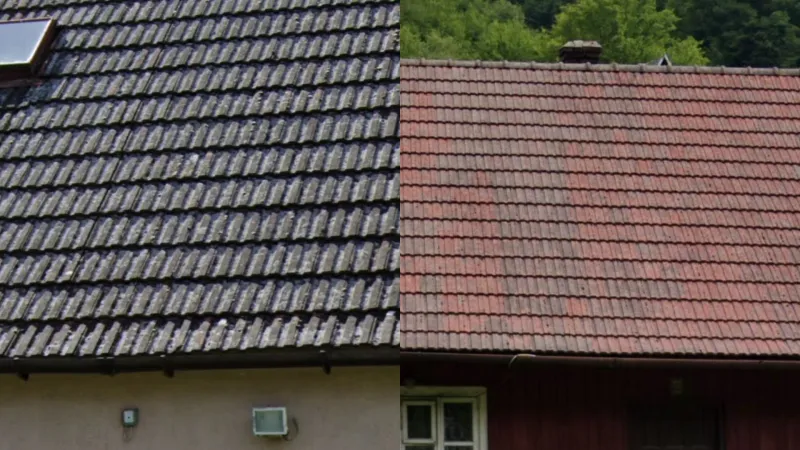
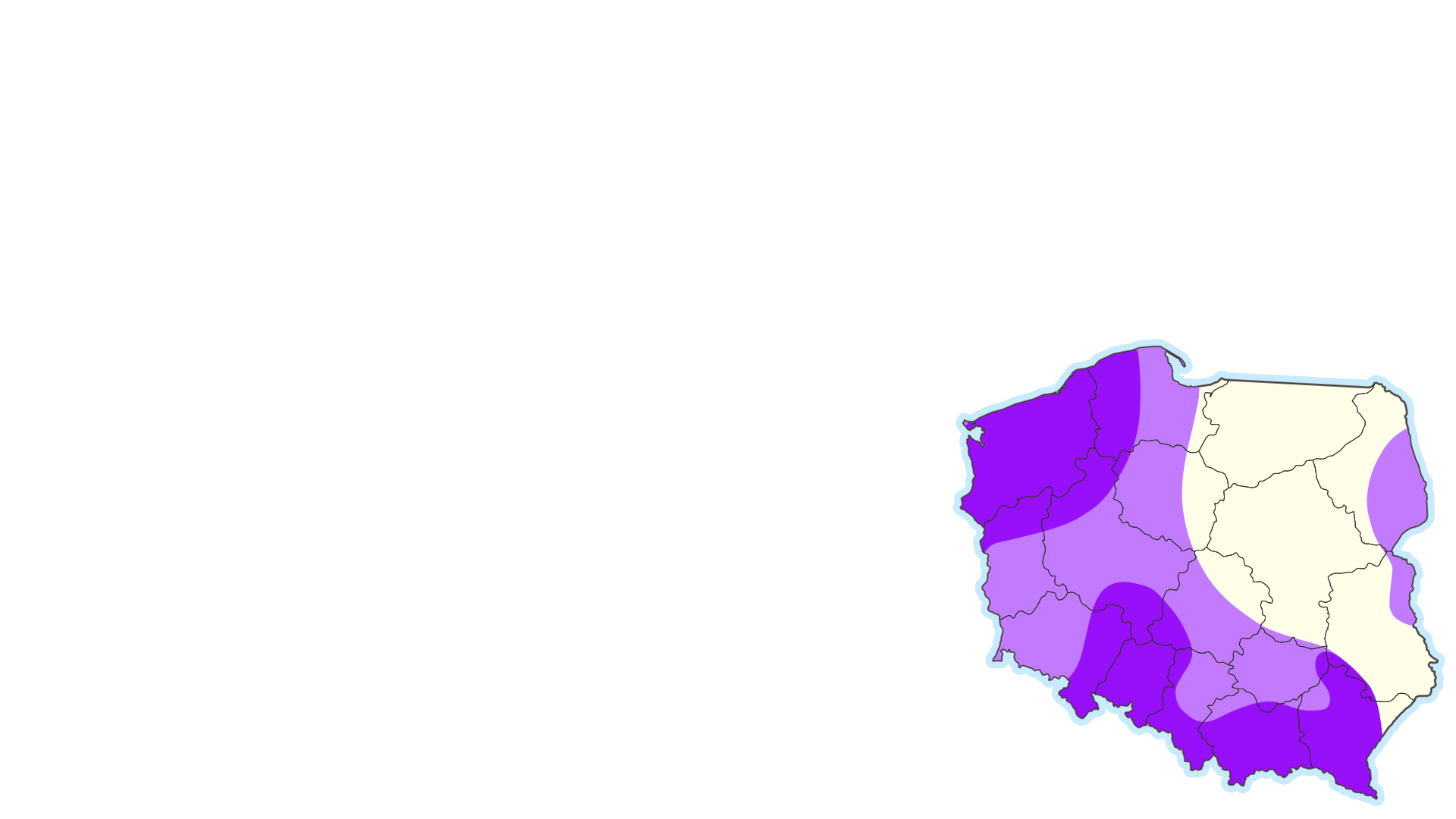
Roofs with short, ‘corrugated’ ceramic or concrete tiles like these are commonly found on older buildings in the western and southern parts of Poland and, to a lesser extent, in the far east of the country.
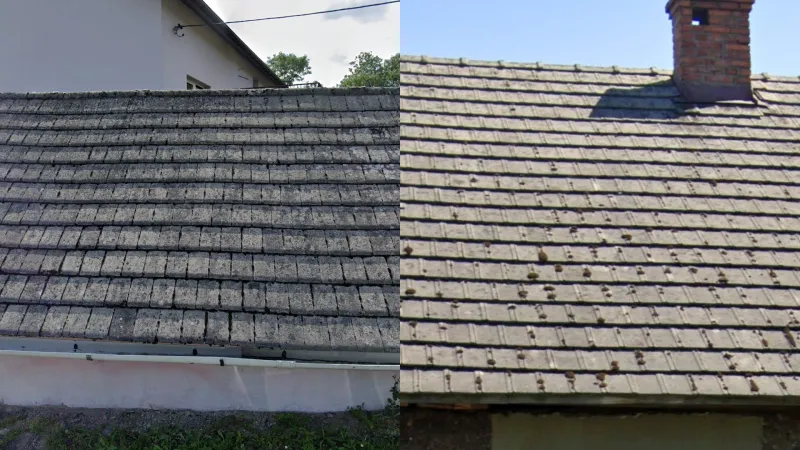
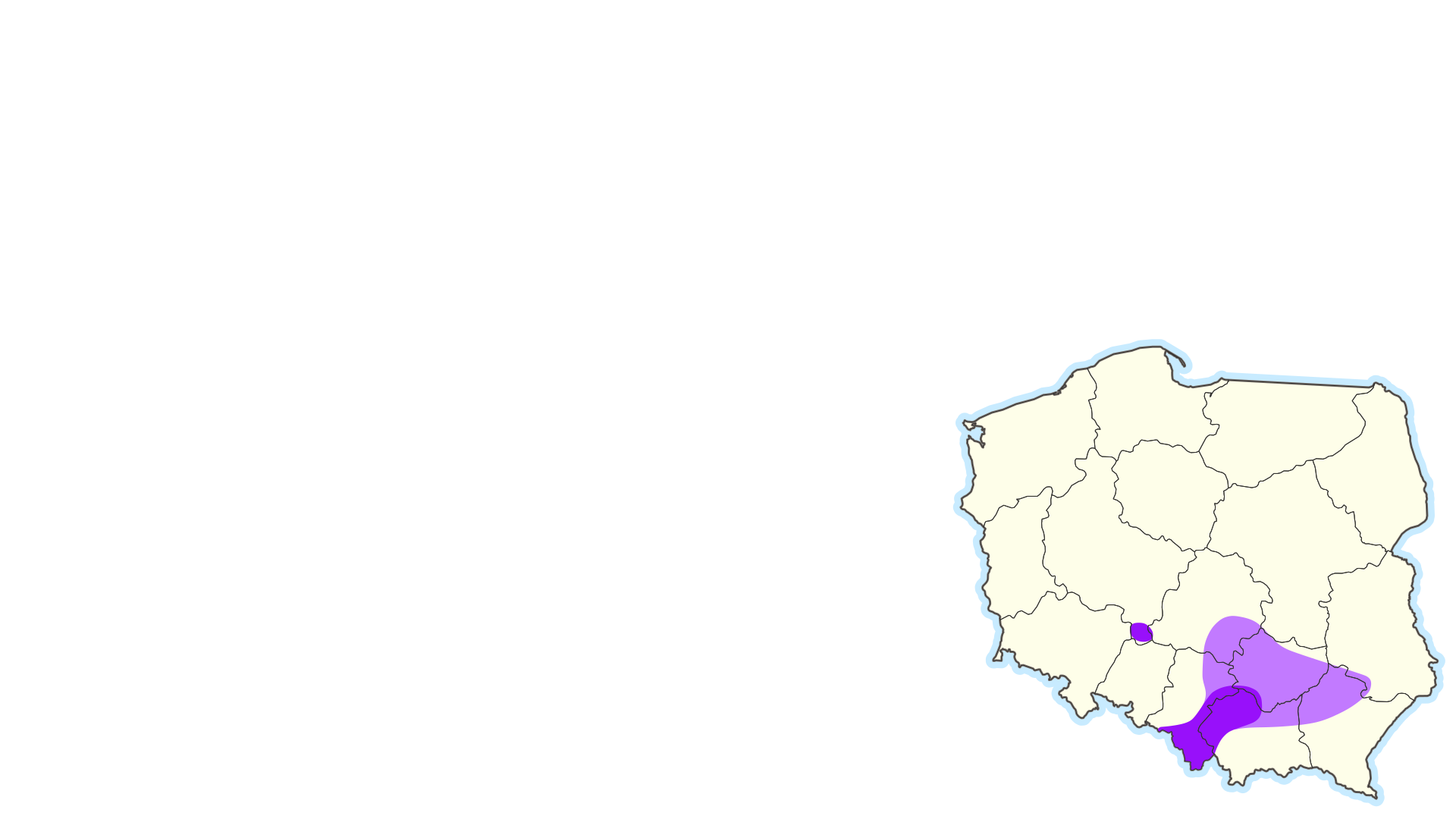
Older plain grey square tiles can sometimes be found in central-southern Poland. This does not include more contemporary tiles which can be found elsewhere.
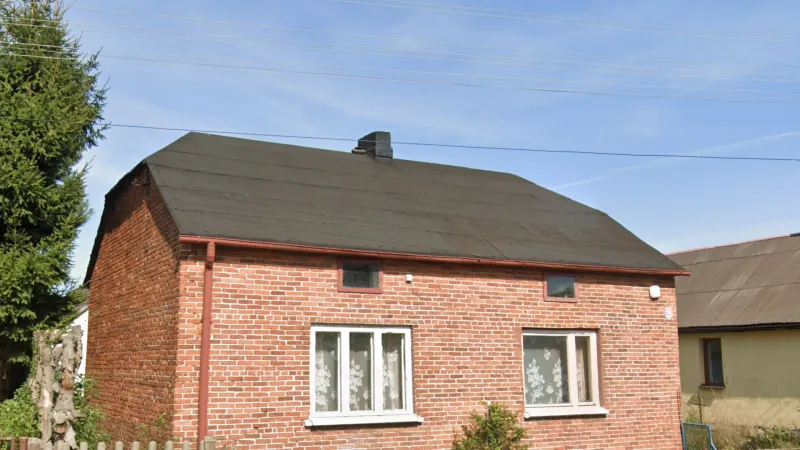
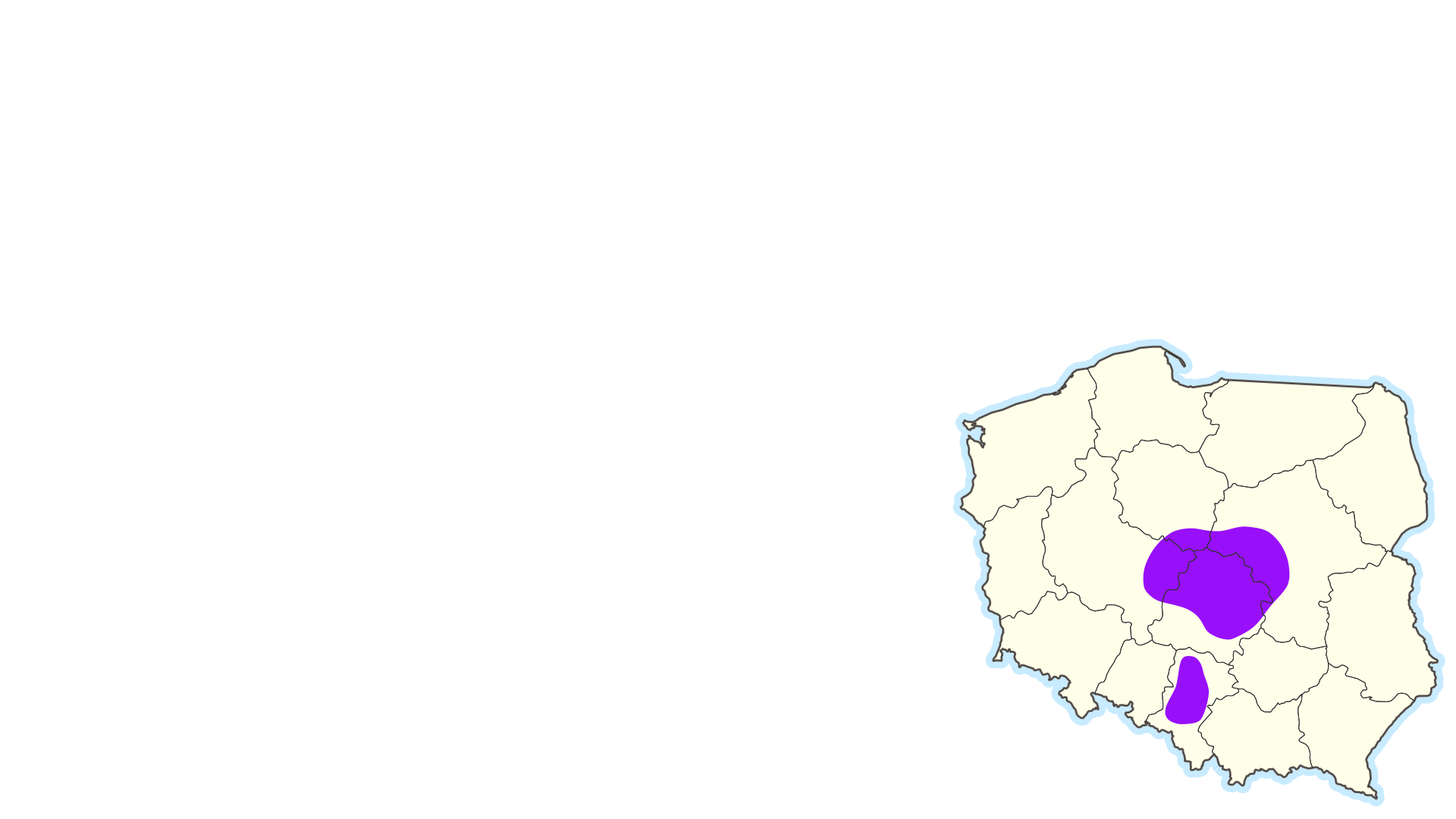
Buildings in central Poland and Silesian Voivodeship will often have their roofs covered with plain black or grey roofing felt, giving them a very smooth appearance.

Note: Throughout Poland, buildings which are unfinished or still under construction may sometimes also have exposed roofing felt.
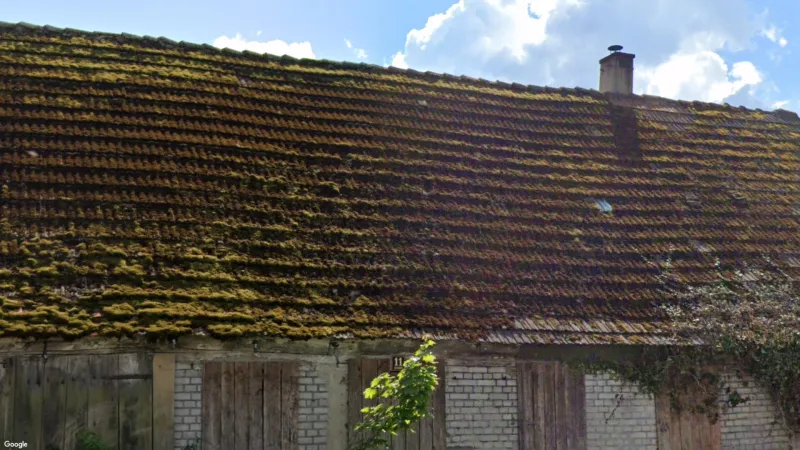
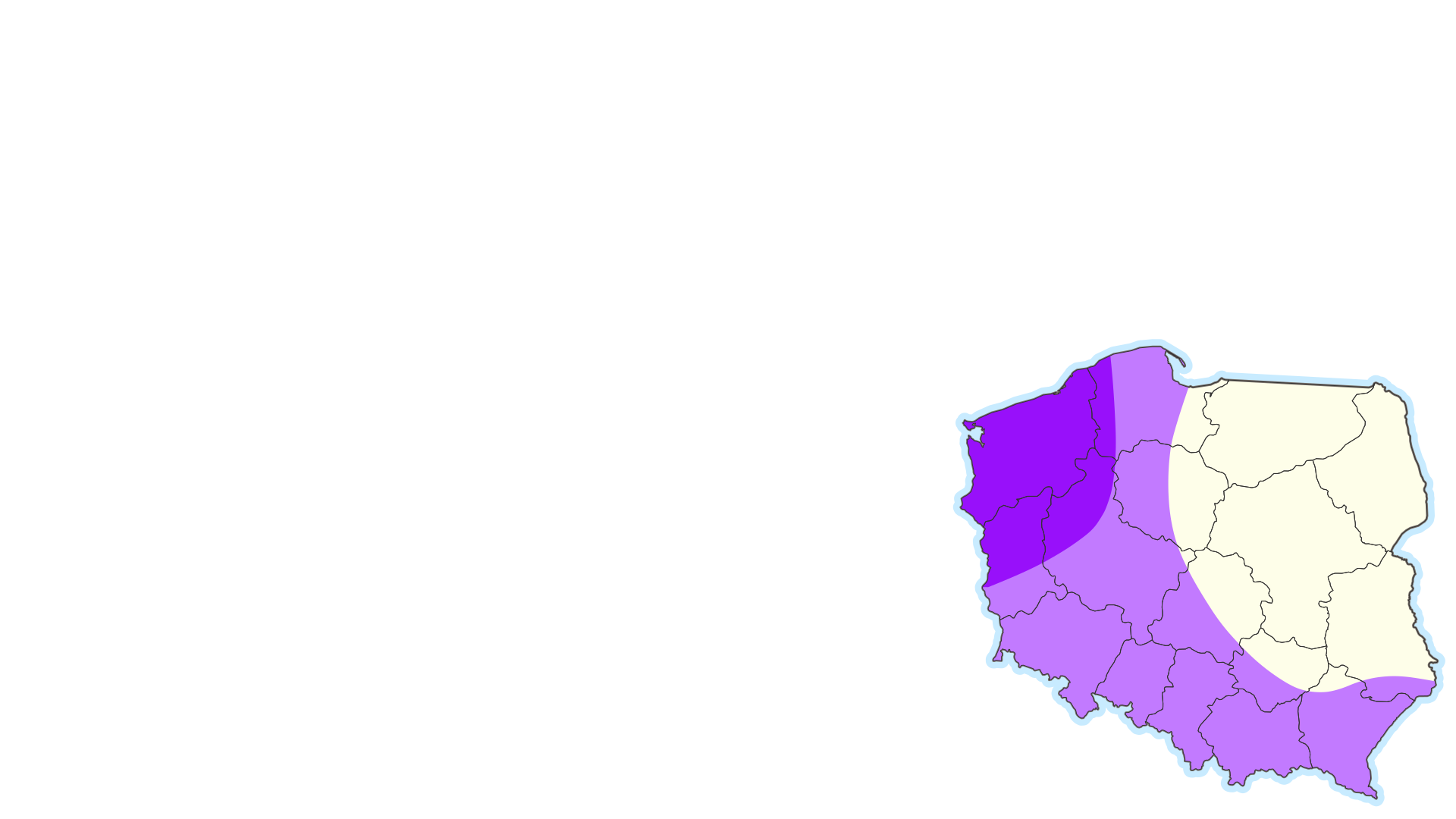
In northwestern Poland, you will find a higher density of roofs overgrown with dark green or brown moss than anywhere else in the country. However, isolated examples of such roofs can be found throughout the country.

General

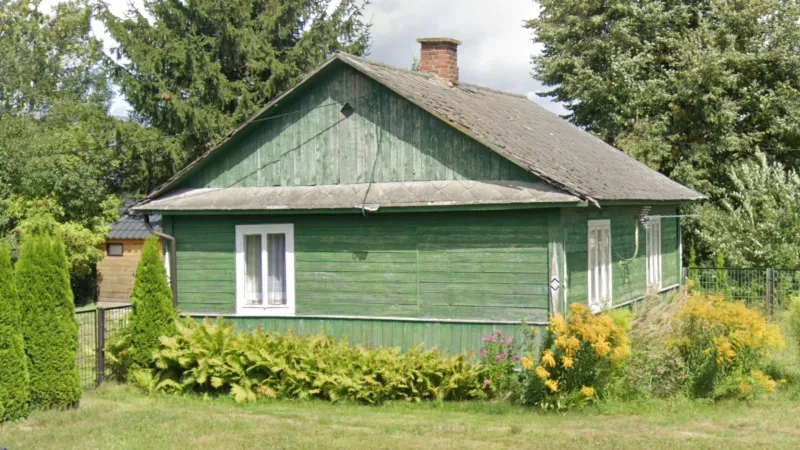
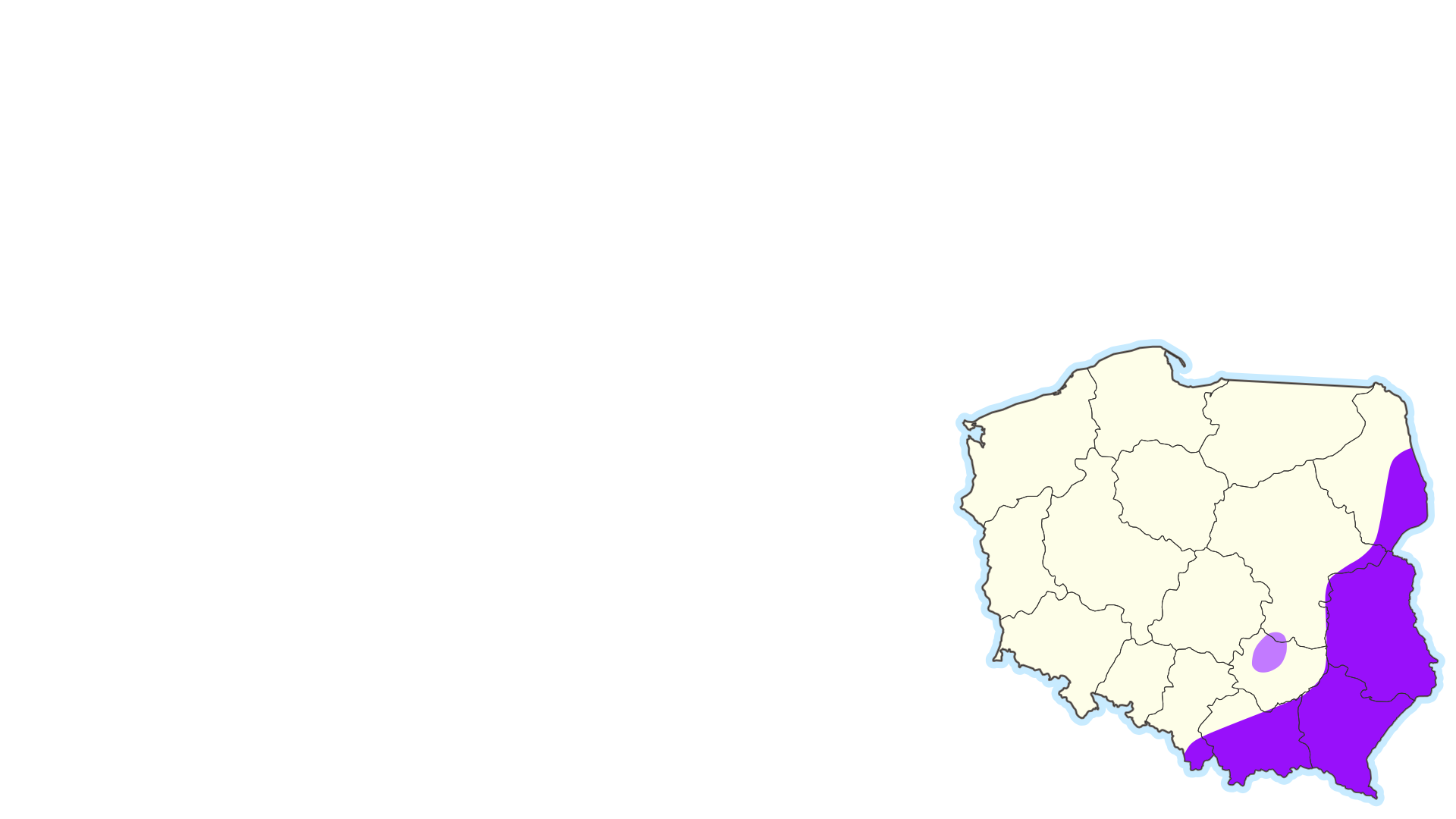
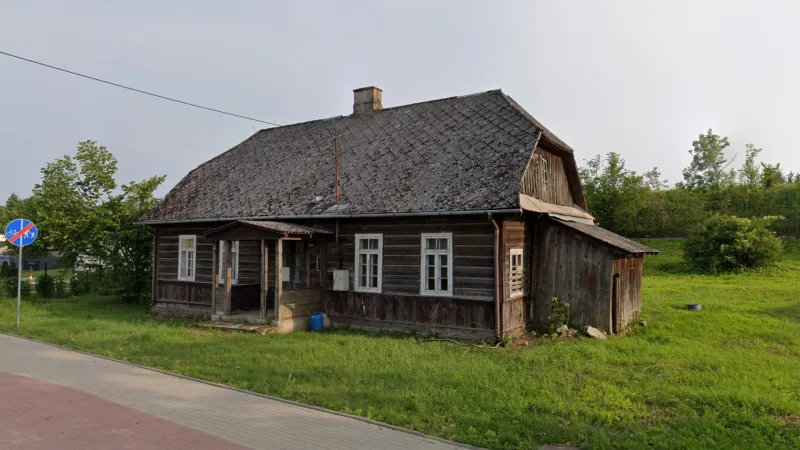
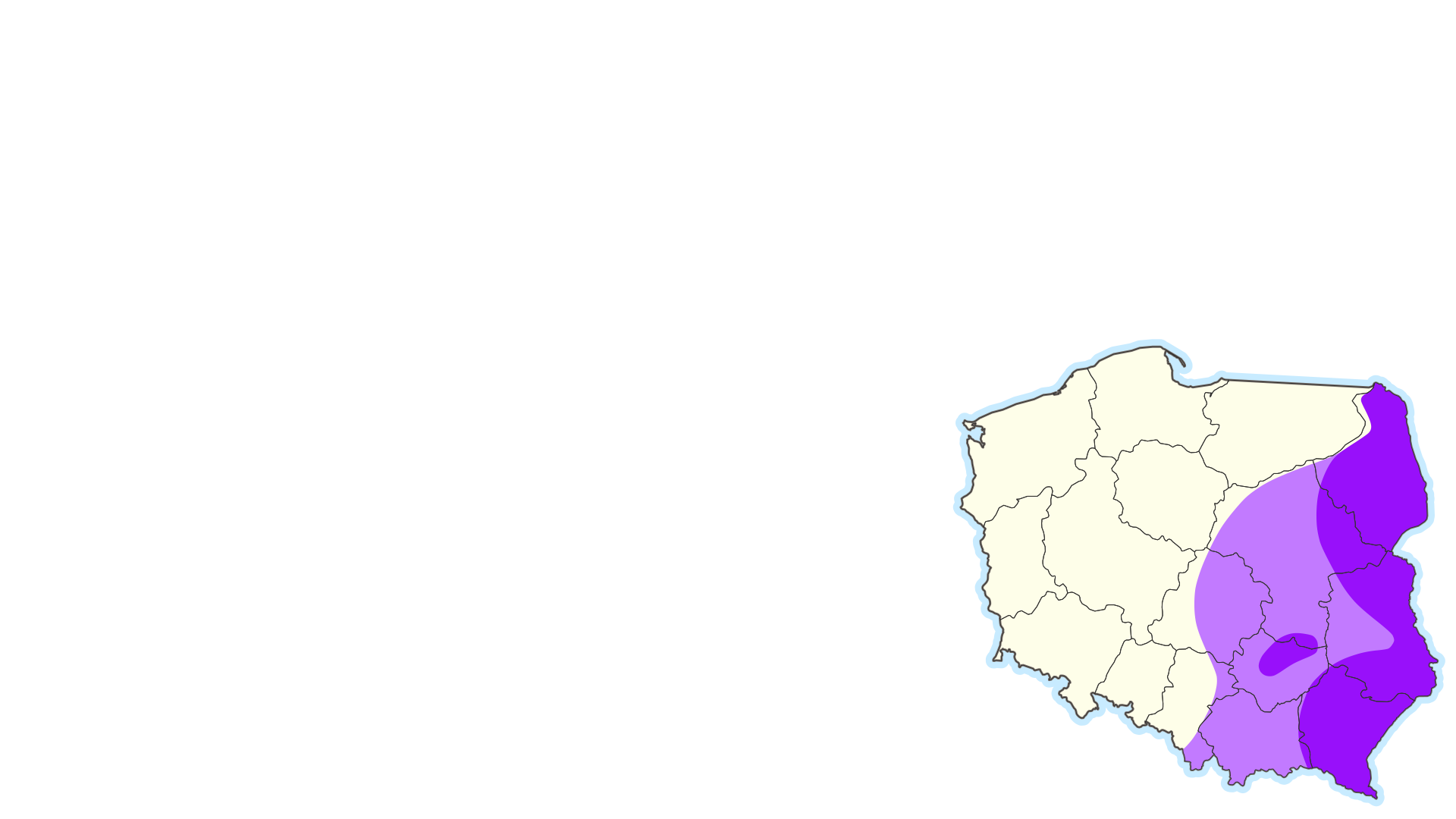
Traditional wooden houses can sometimes be seen in eastern Poland and are particularly common in the far east of the country.
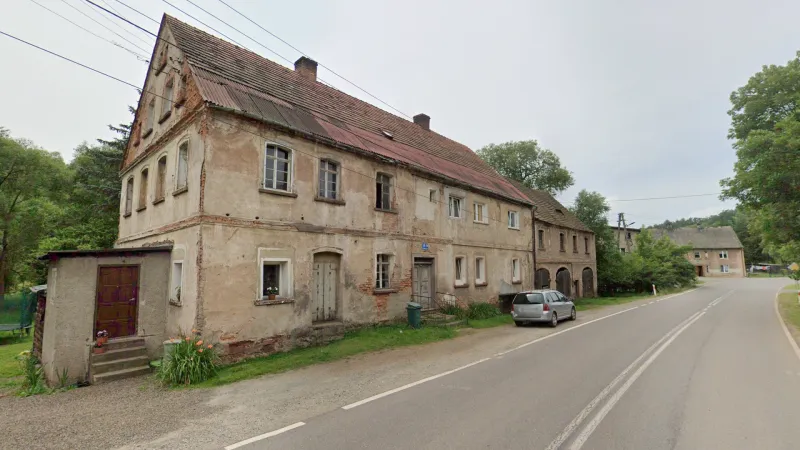
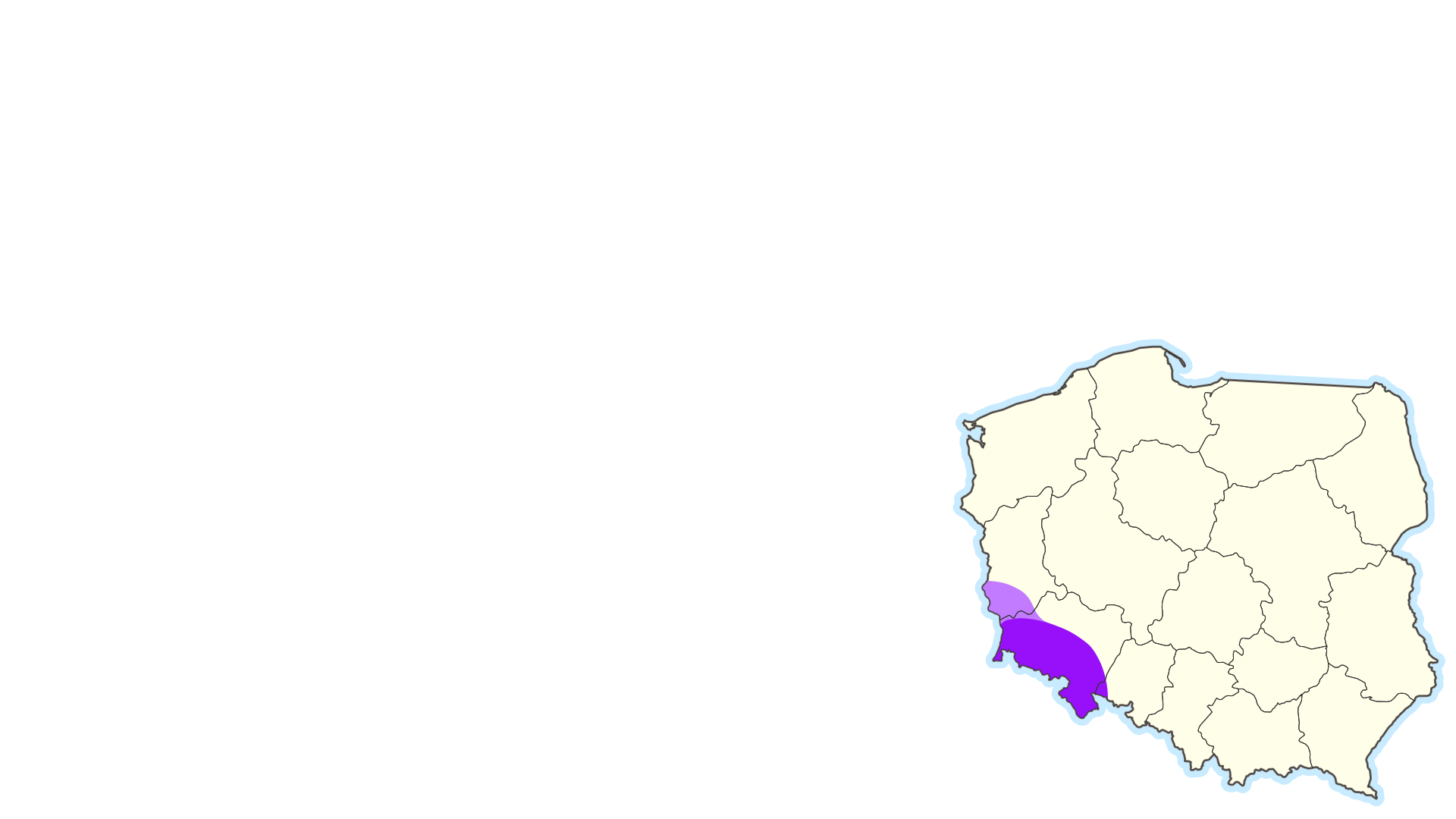
Old multi-storey residential buildings, reminiscent of German architecture and usually with plaster walls, are a common sight in many rural areas of Lower Silesia, often outnumbering smaller single-family houses.
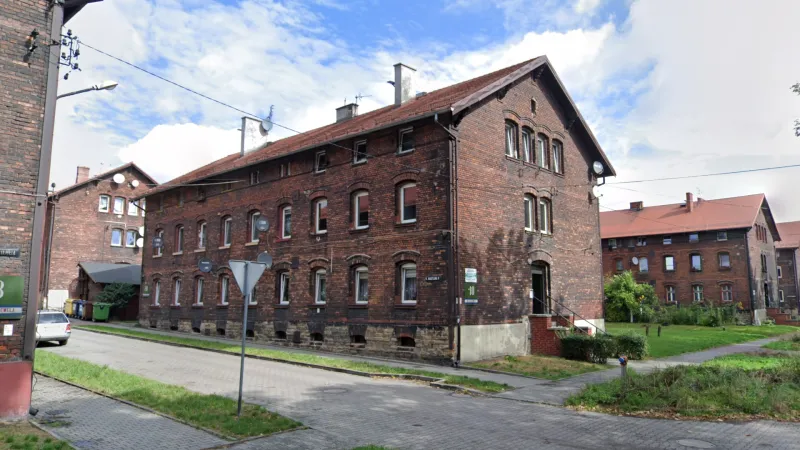
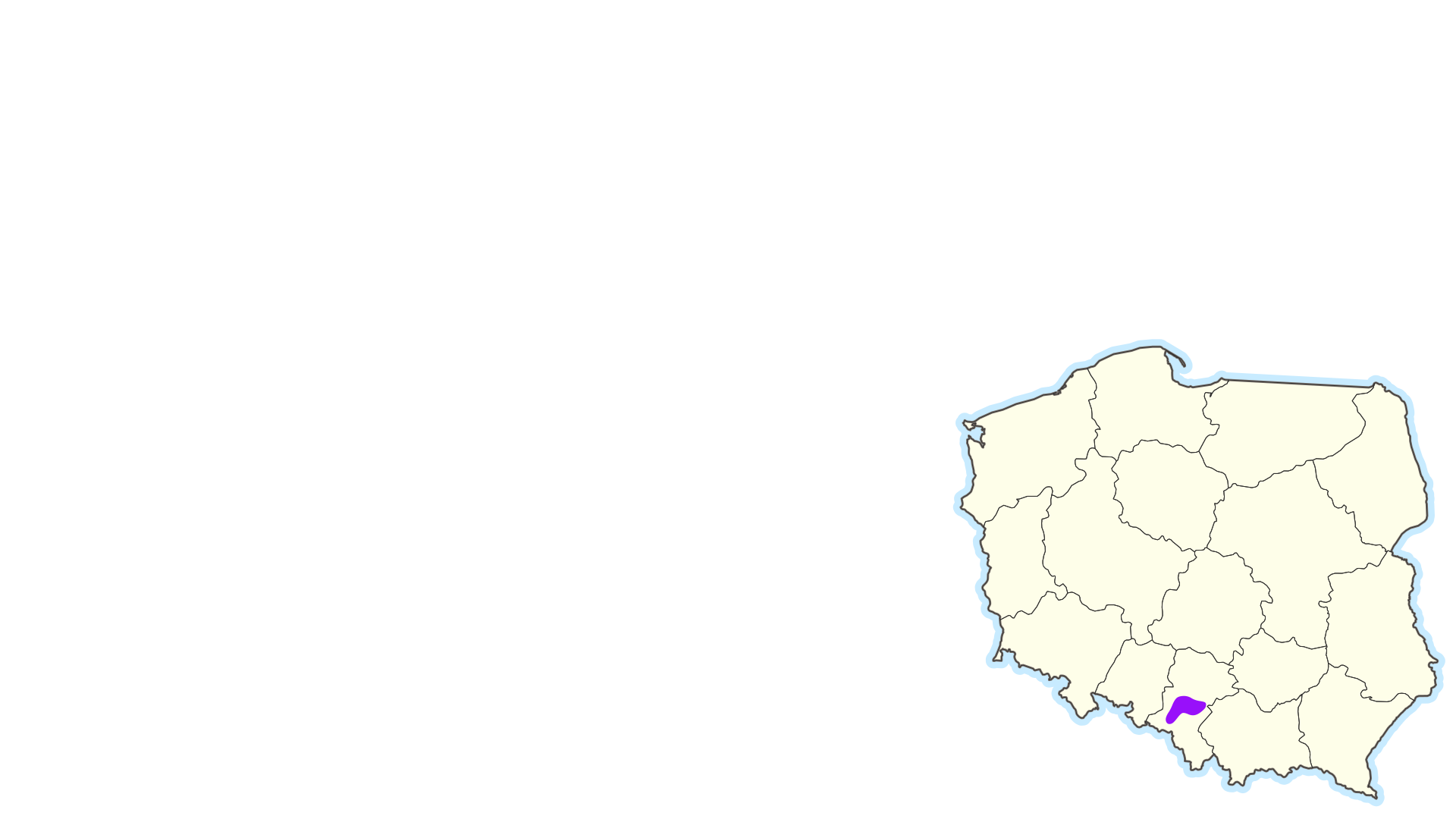
Large old multi-storey residential buildings known as ‘familoks’, recognisable by their exposed dark brick walls can be seen in some urban areas of Upper Silesia. They will sometimes also have red window ledges and surrounds.
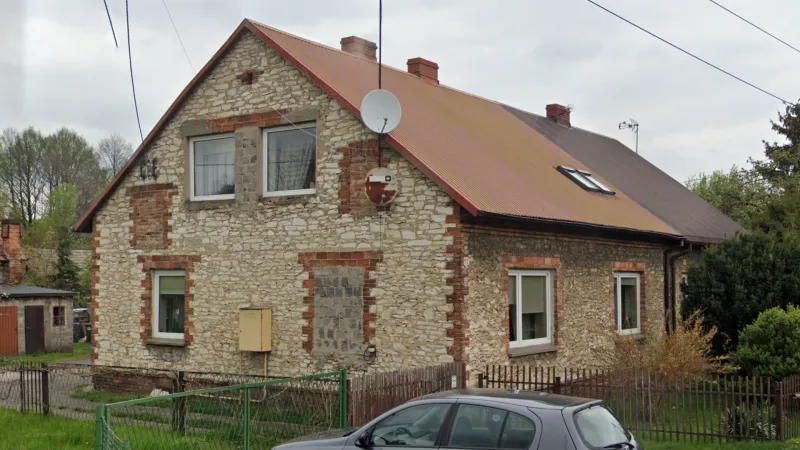
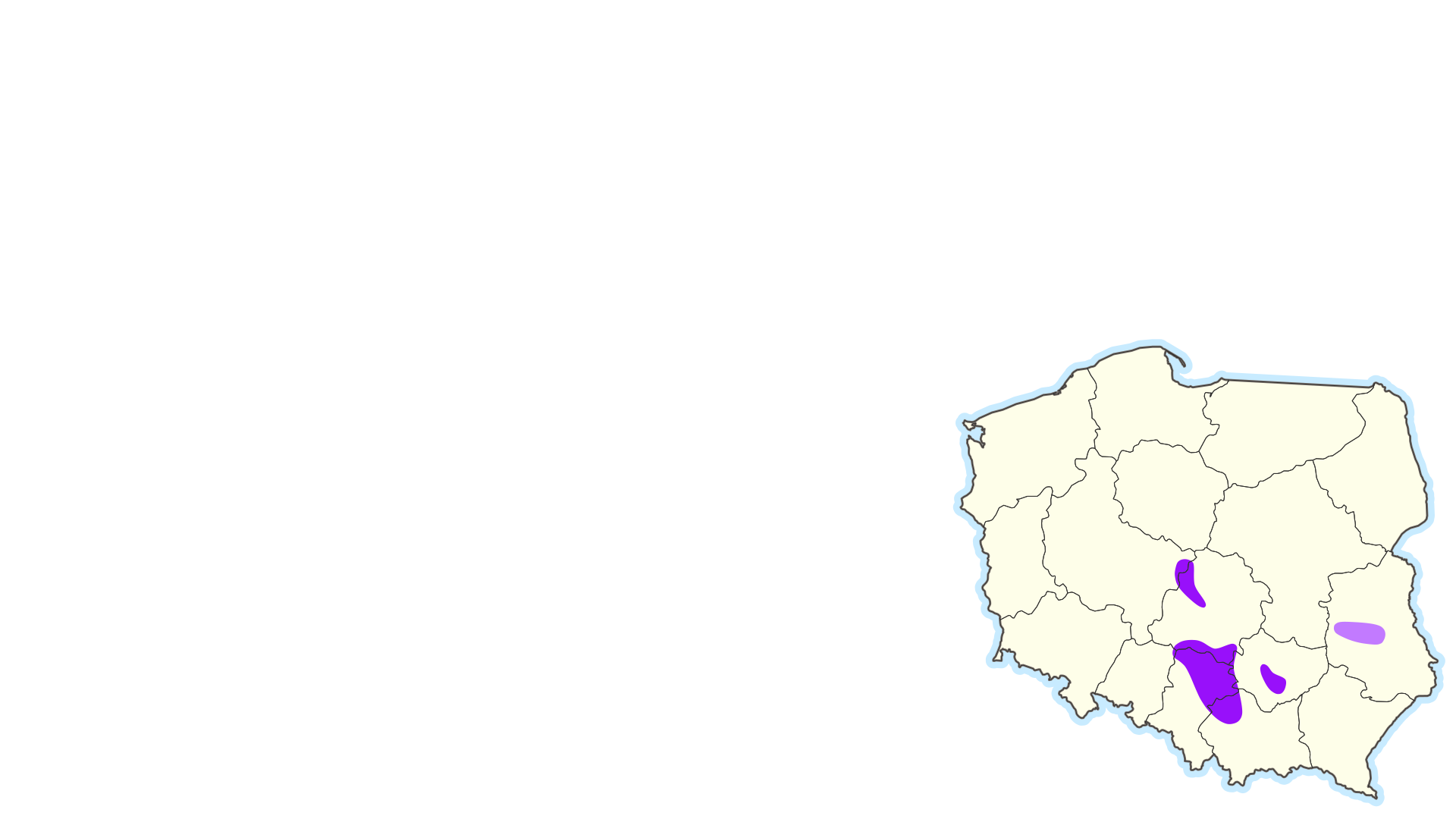
Houses with walls made out of irregular, small limestone bricks can be found in the areas shown on the map. They will often have brick quoining around the edges of walls, windows and doors.

Infrastructure

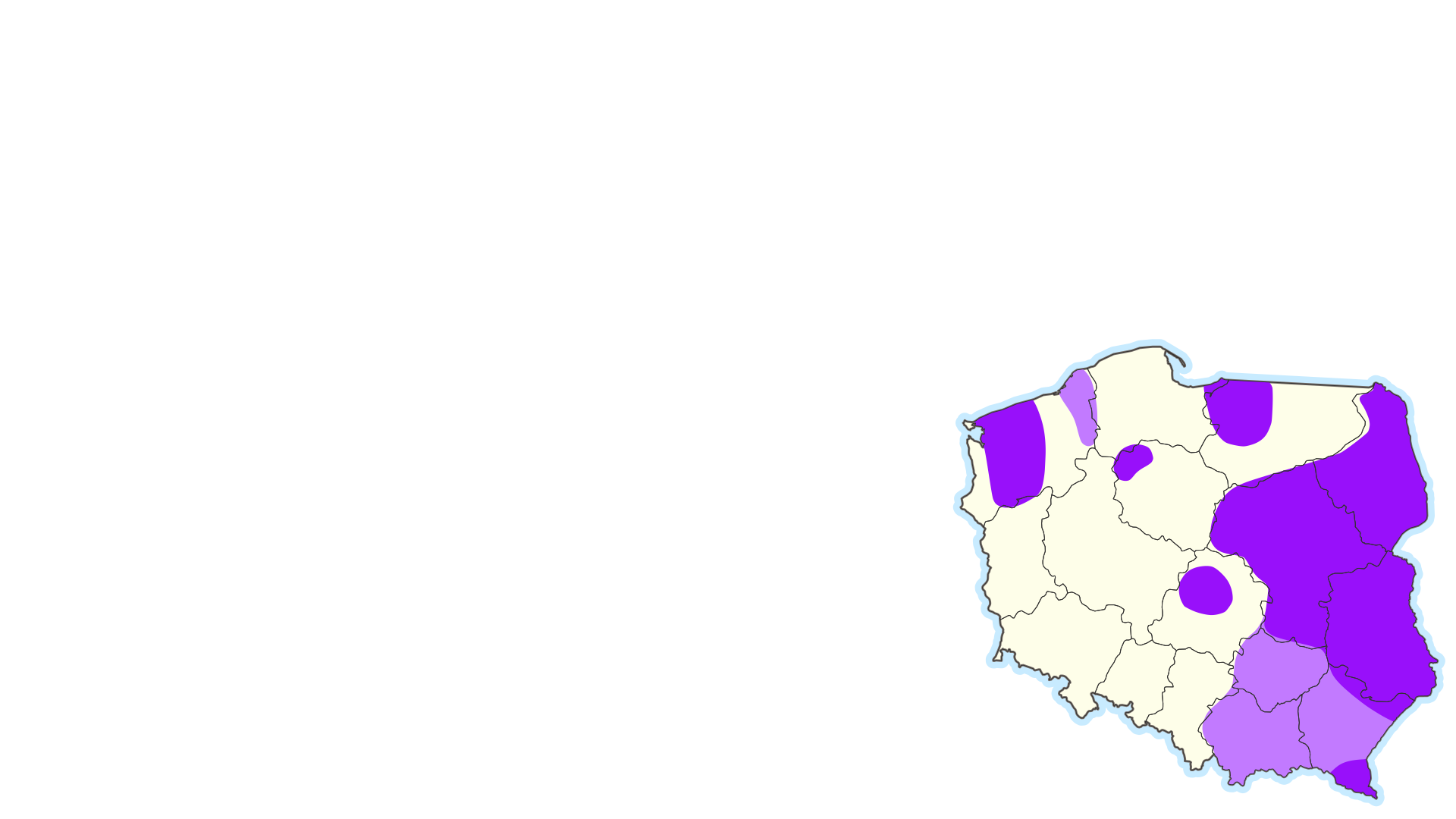
Flat bollards are common in the areas shown on the map and rare elsewhere, although regular bollards can be found everywhere. Note that this distribution only applies to voivodeship and smaller roads and not to highways.
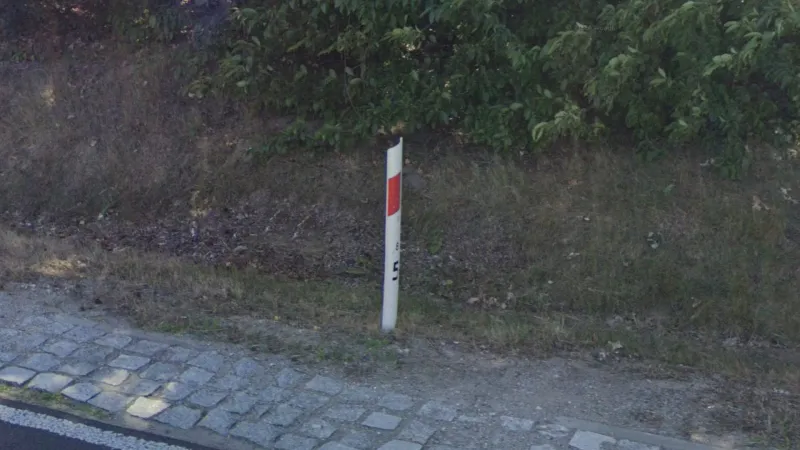
Numbers written on Polish bollards are usually written in two rows with a large number in the top row and a small number in the bottom row.

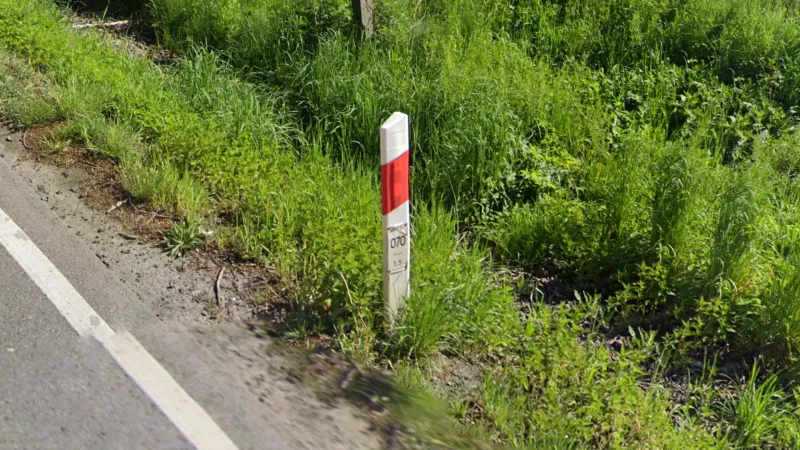
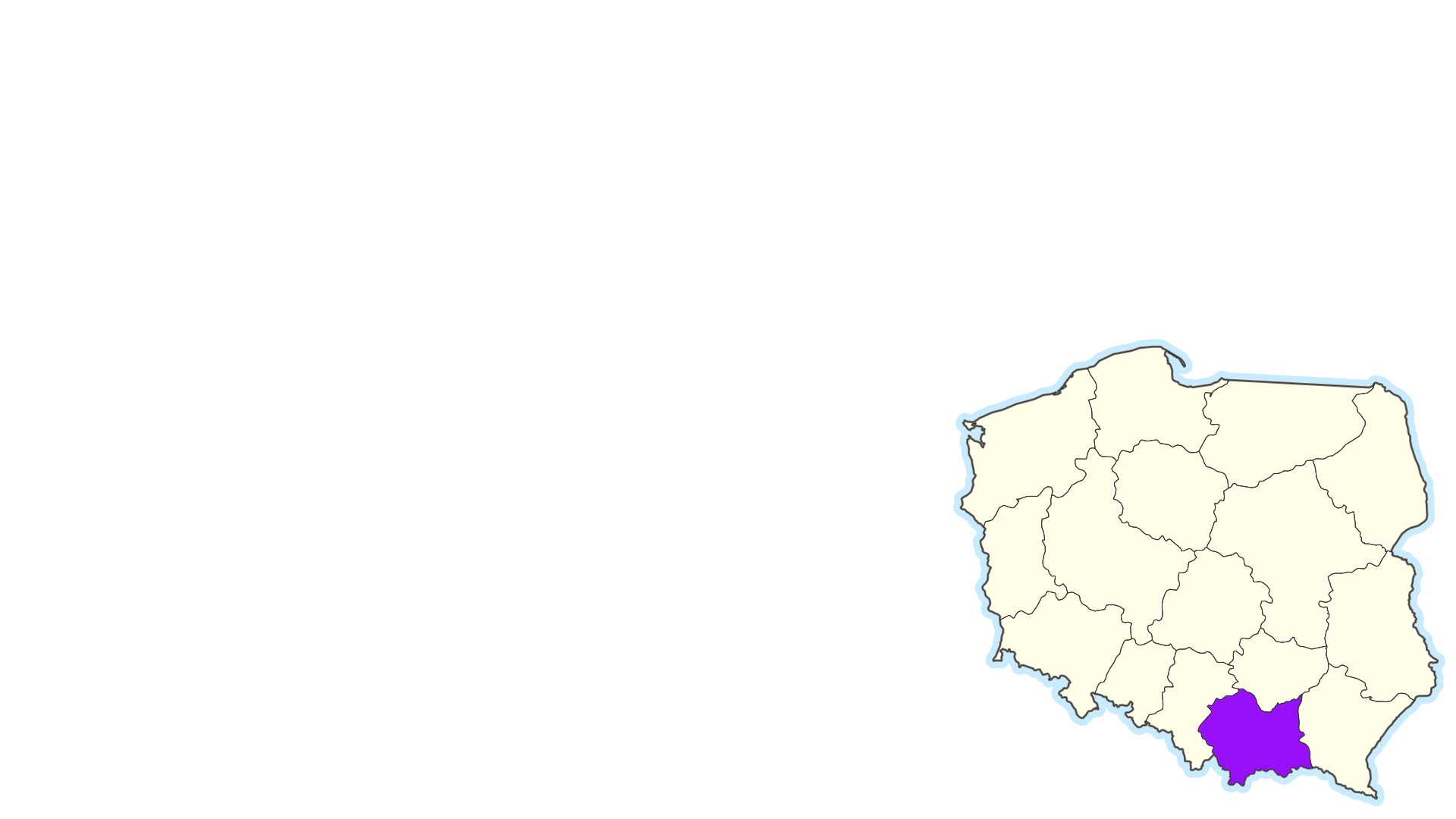
However on voivodeship roads in Lesser Poland Voivodeship, the bollards have two rows of small numbers with one row containing a decimal (written using a comma for the decimal point). These numbers will usually be written on a small plaque.
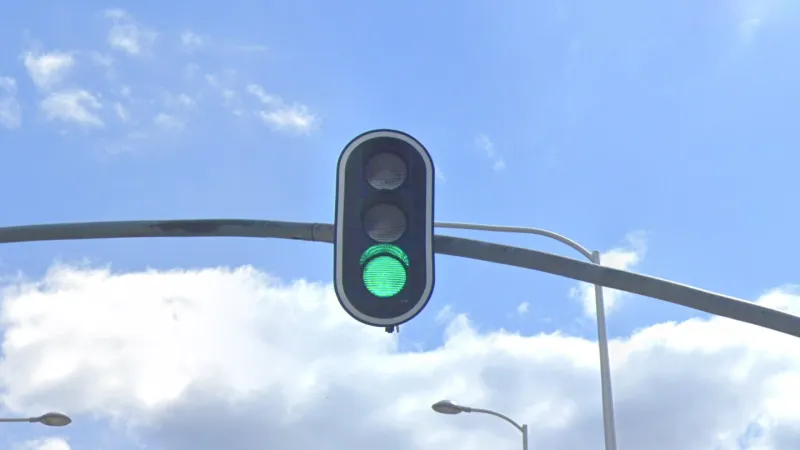
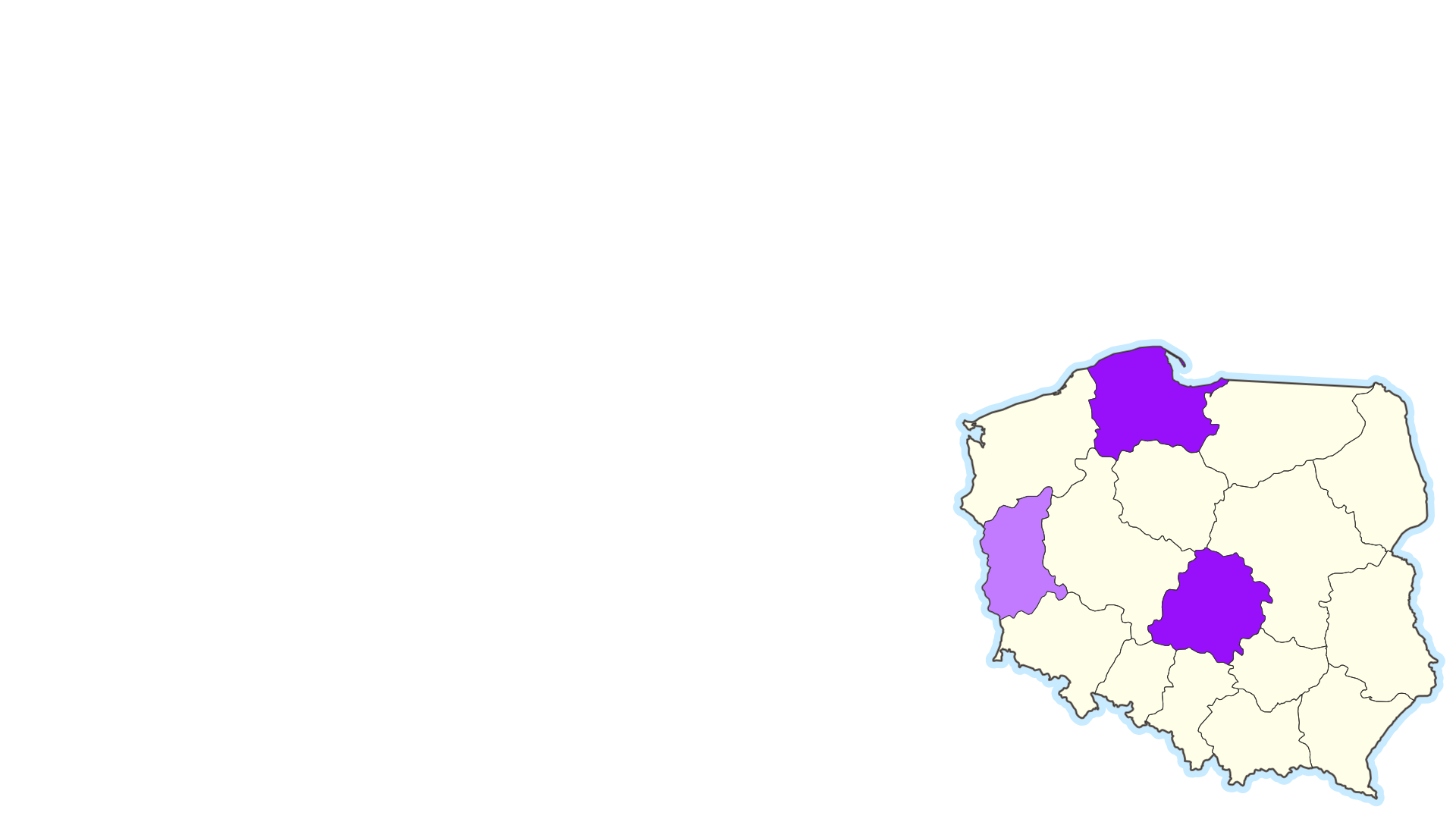
Overhead traffic lights with a rounded frame (as opposed to a more rectangular frame which is used throughout the country) are a good clue for Pomeranian, Łódź and, to a lesser extent, Lubusz voivodeships.
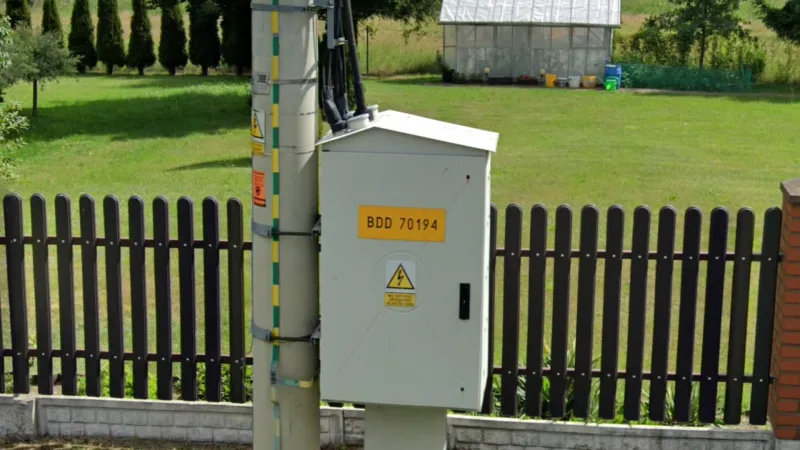
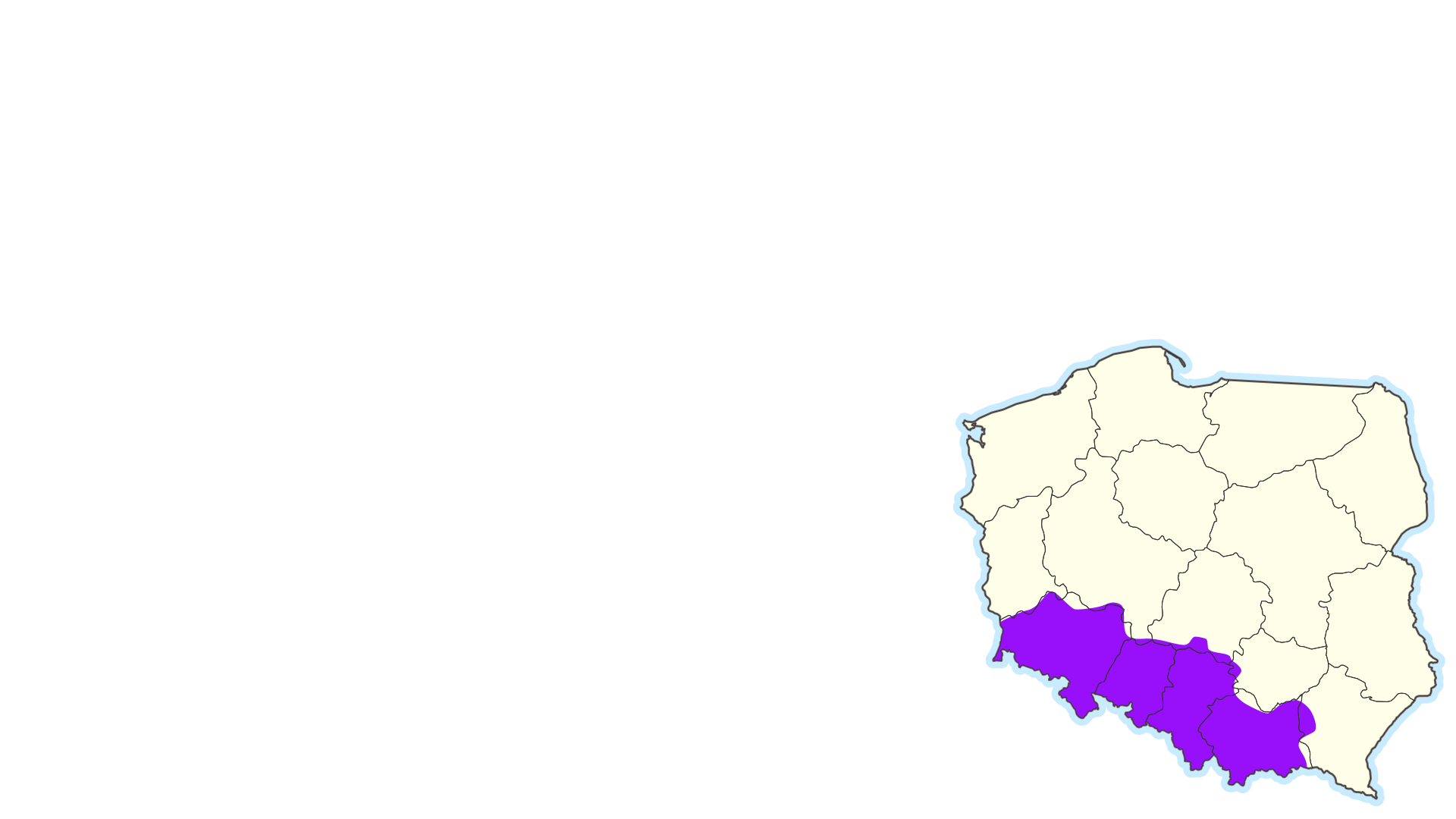
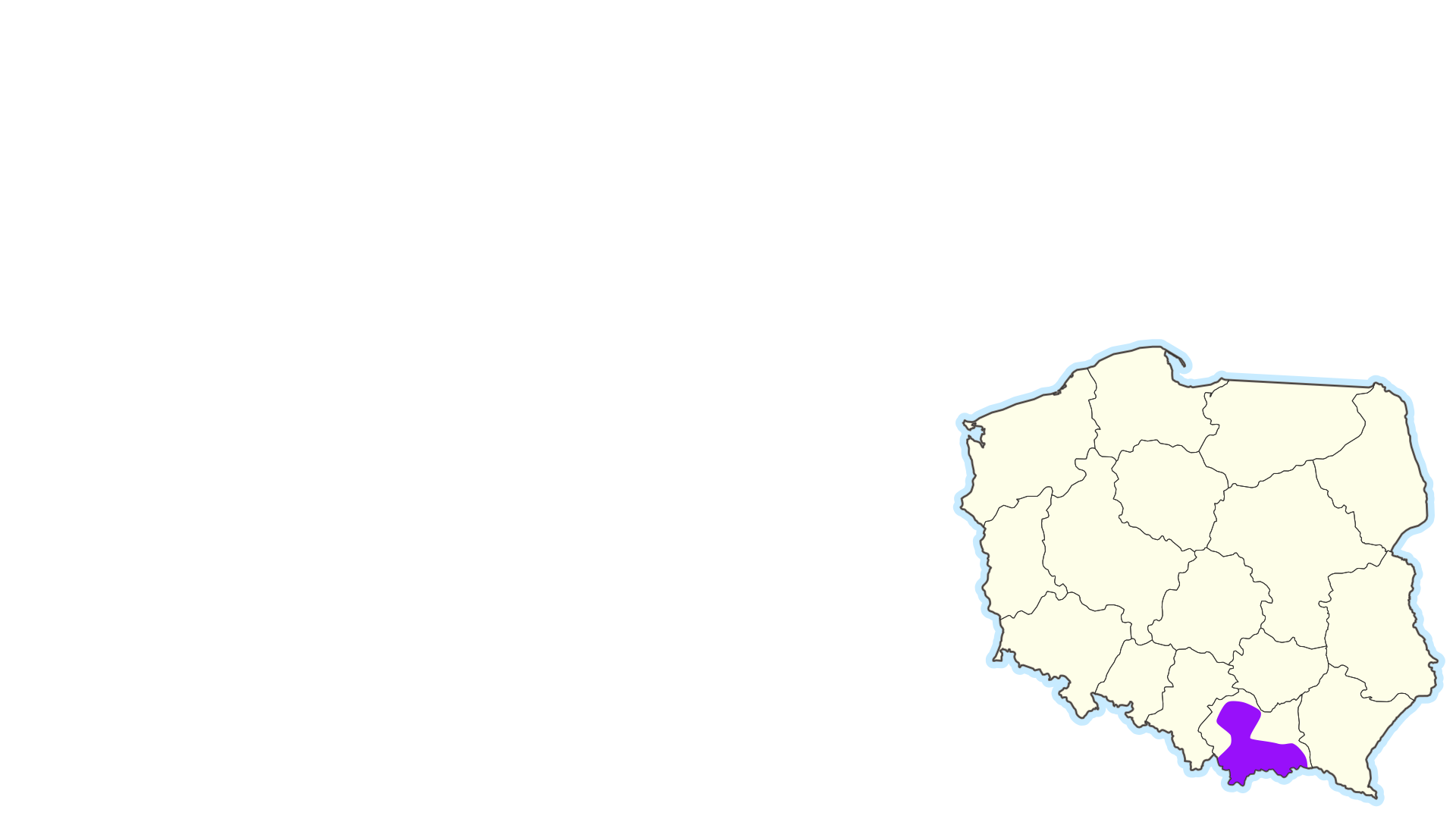
Yellow markers with three letter codes can be seen on some elements of energy infrastructure, such as utility poles and transformer stations, in southern and southwest Poland.
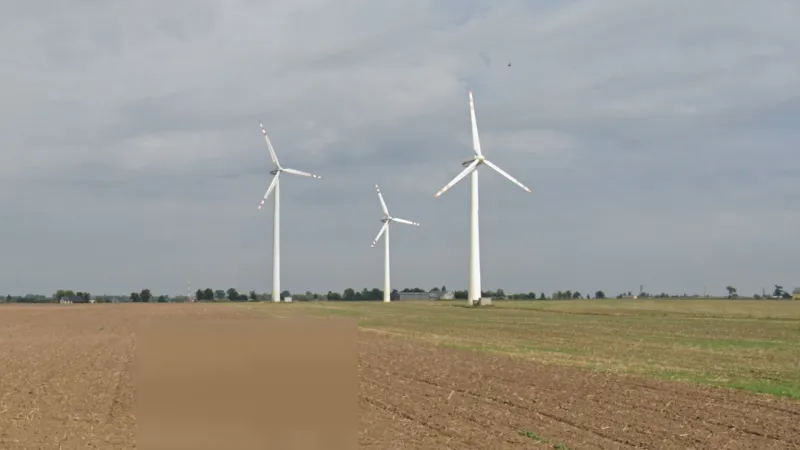
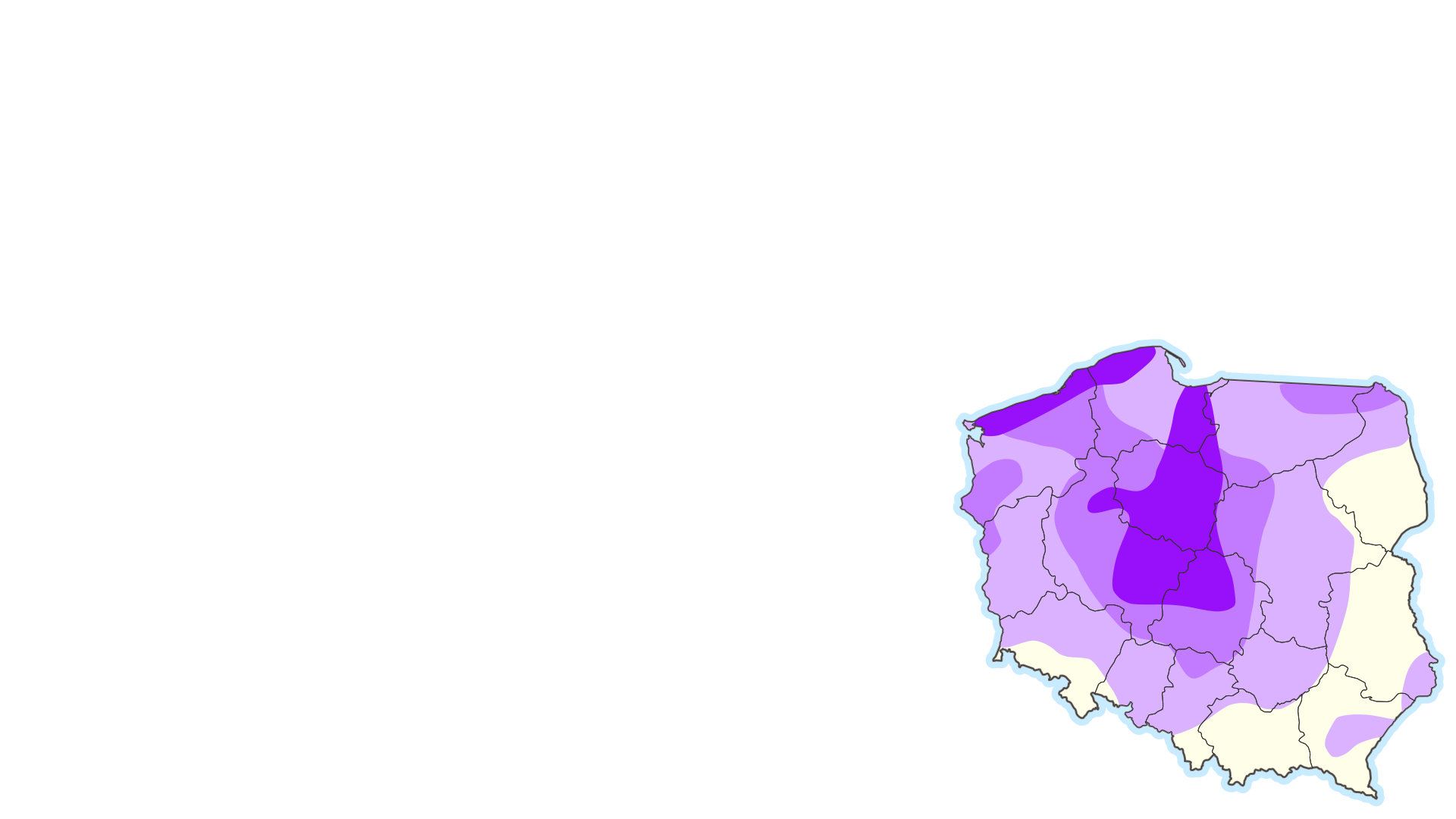
Wind turbines can be found throughout Poland, but are generally most common around the centre of the country and along the coastline.

Signs

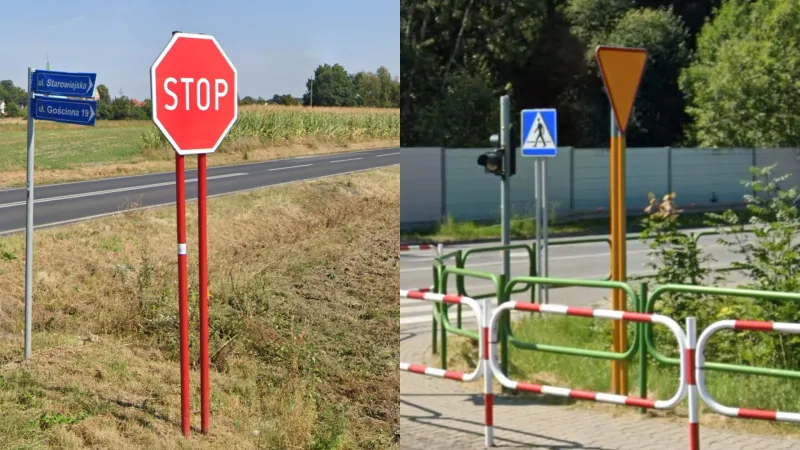
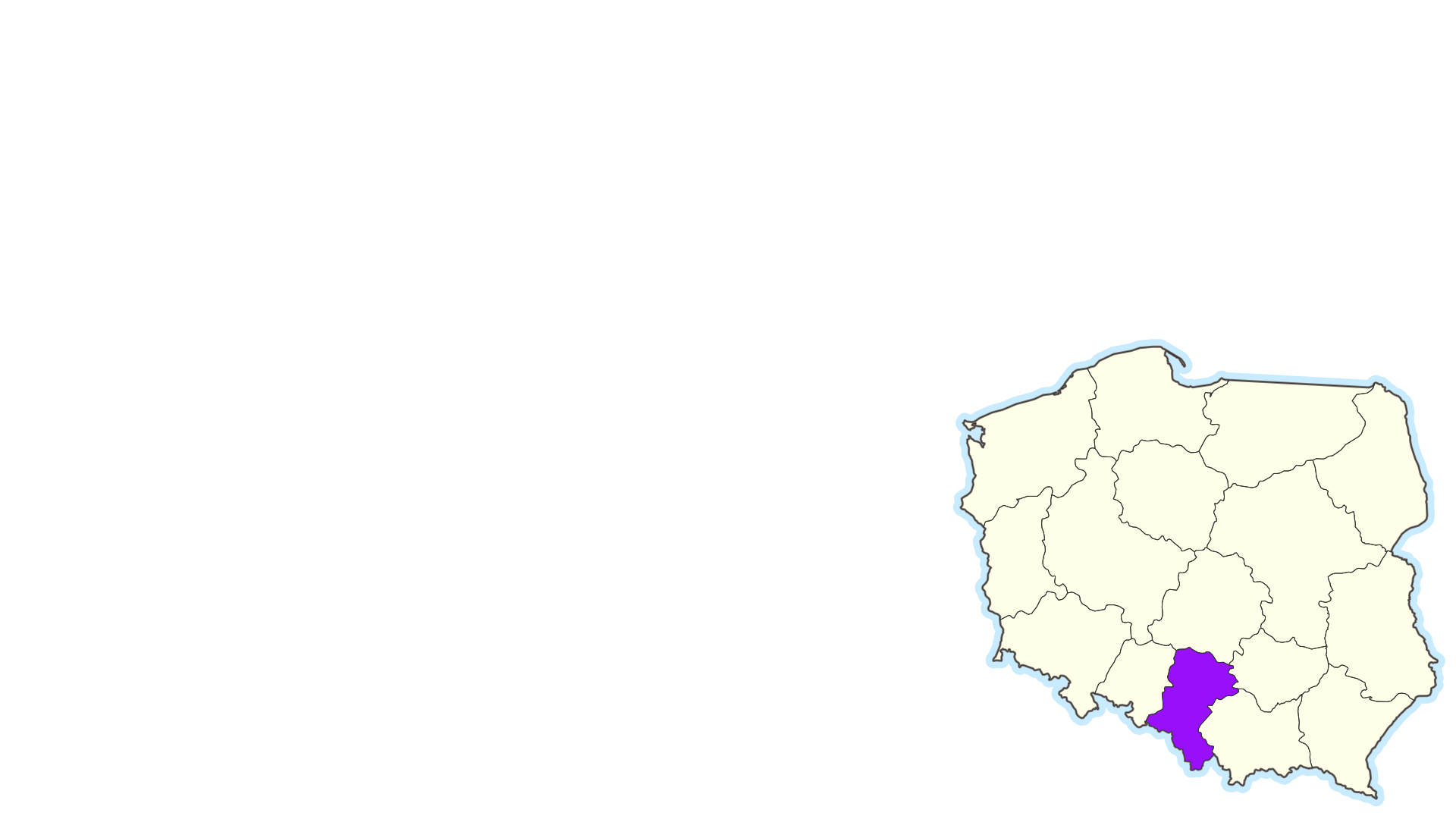
Road signs with two colourful signposts are commonly found in Silesian Voivodeship. These will usually be red for stop signs, yellow for give way signs and white for pedestrian crossing signs.
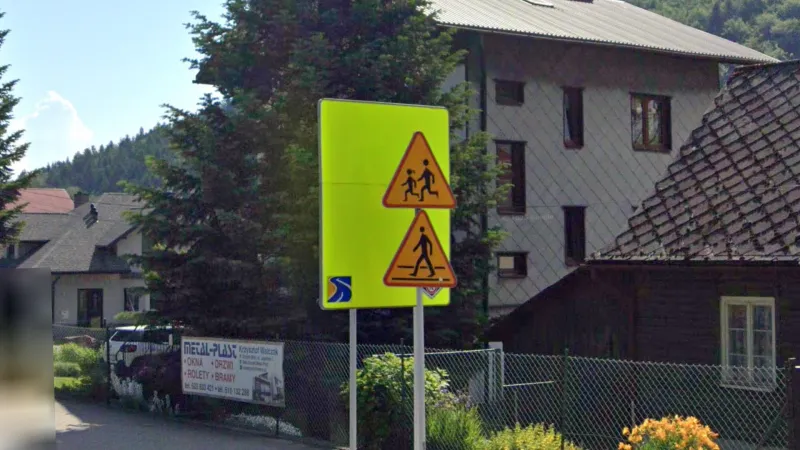
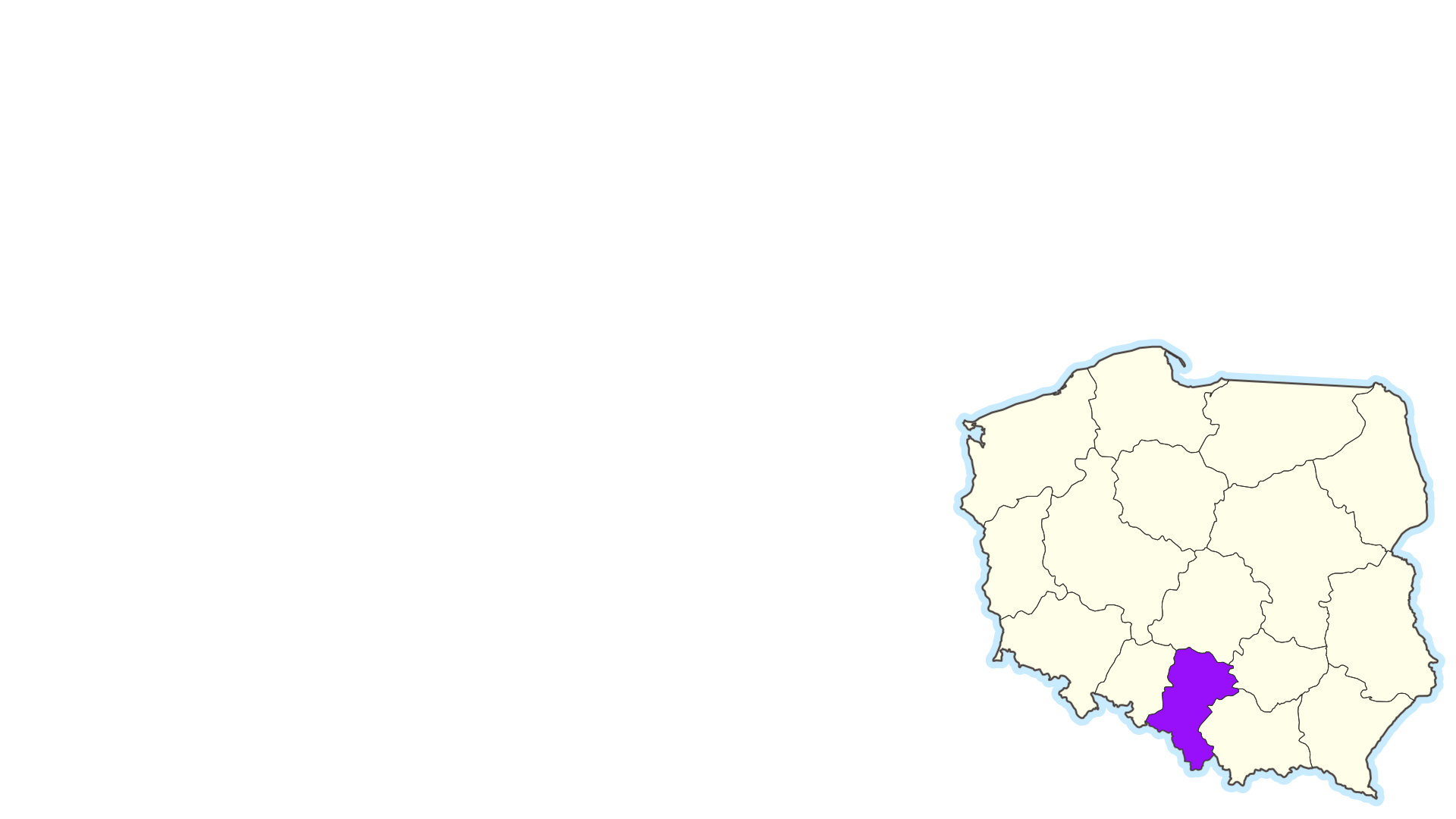
A large reflective board with a curvy road logo in the bottom left corner, can rarely be seen behind some road signs in the Silesian Voivodeship.
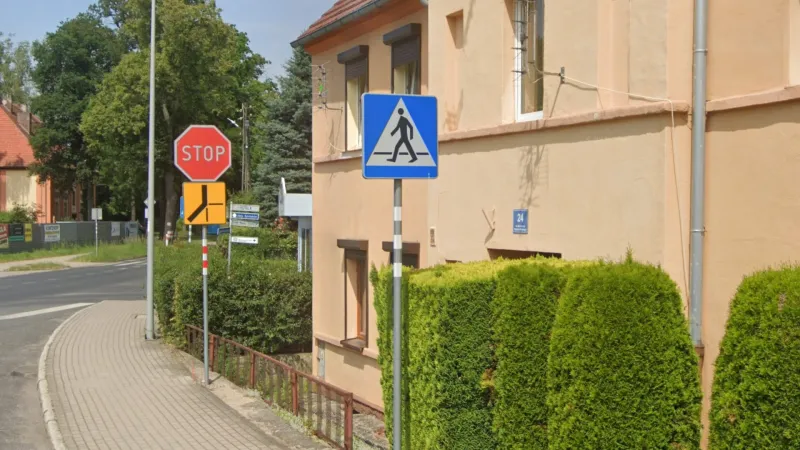
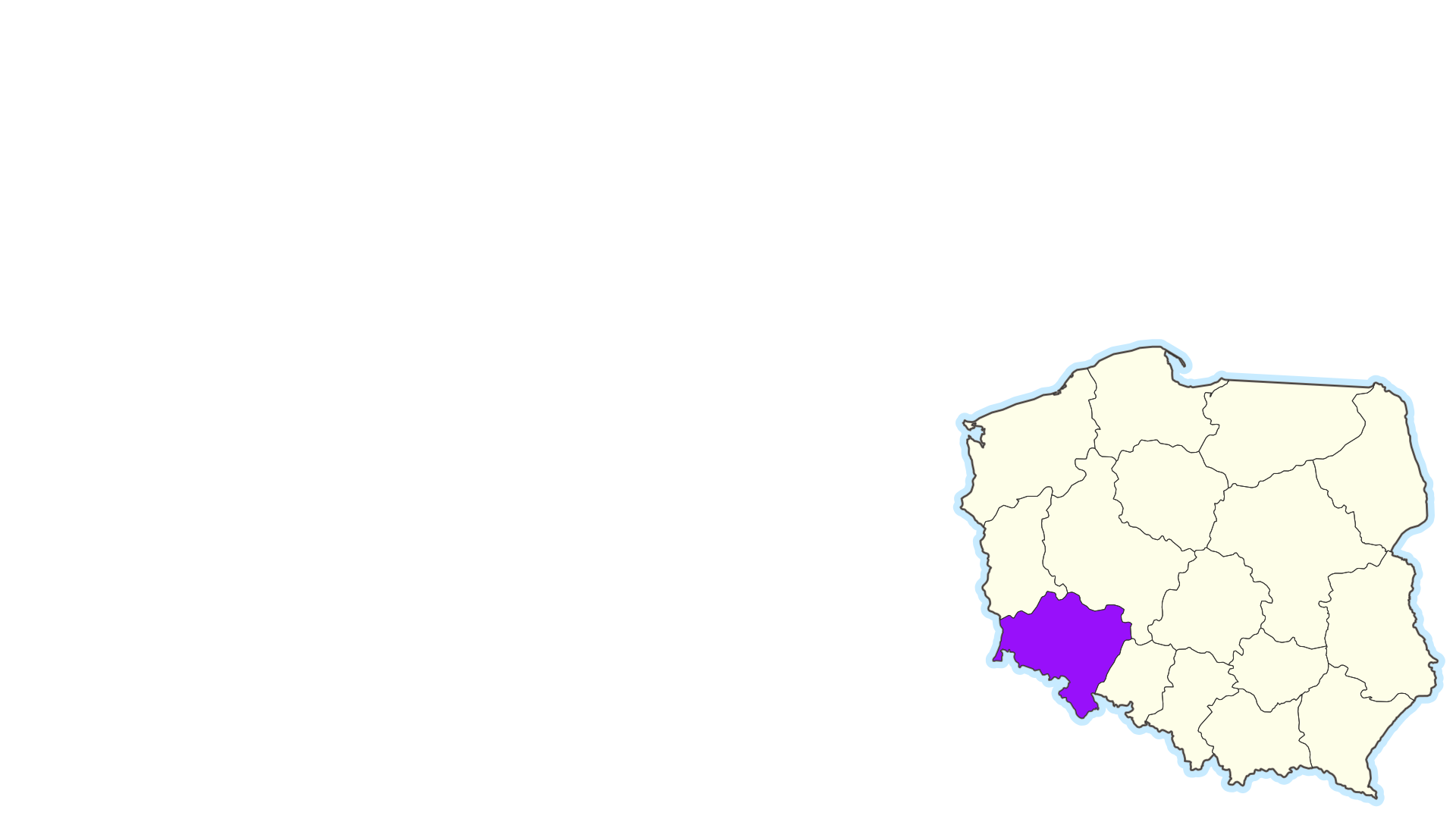
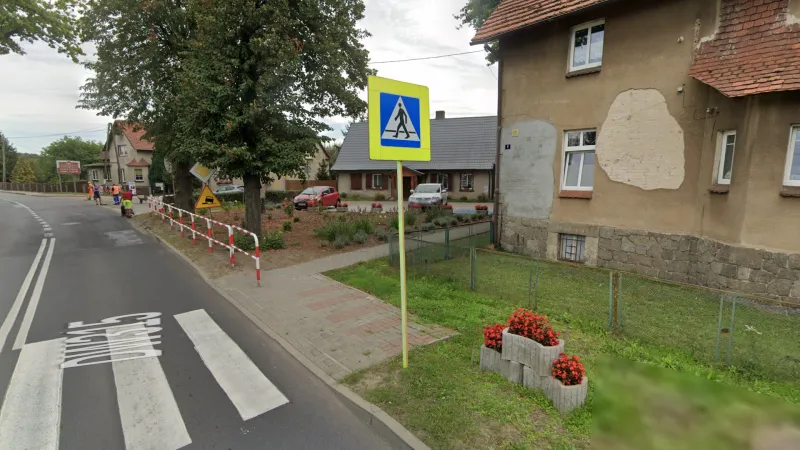
Pedestrian crossing signs with three white stripes on the signpost are found exclusively in Lower Silesian Voivodeship. Stop signs will additionally have two red stripes in between the white ones.
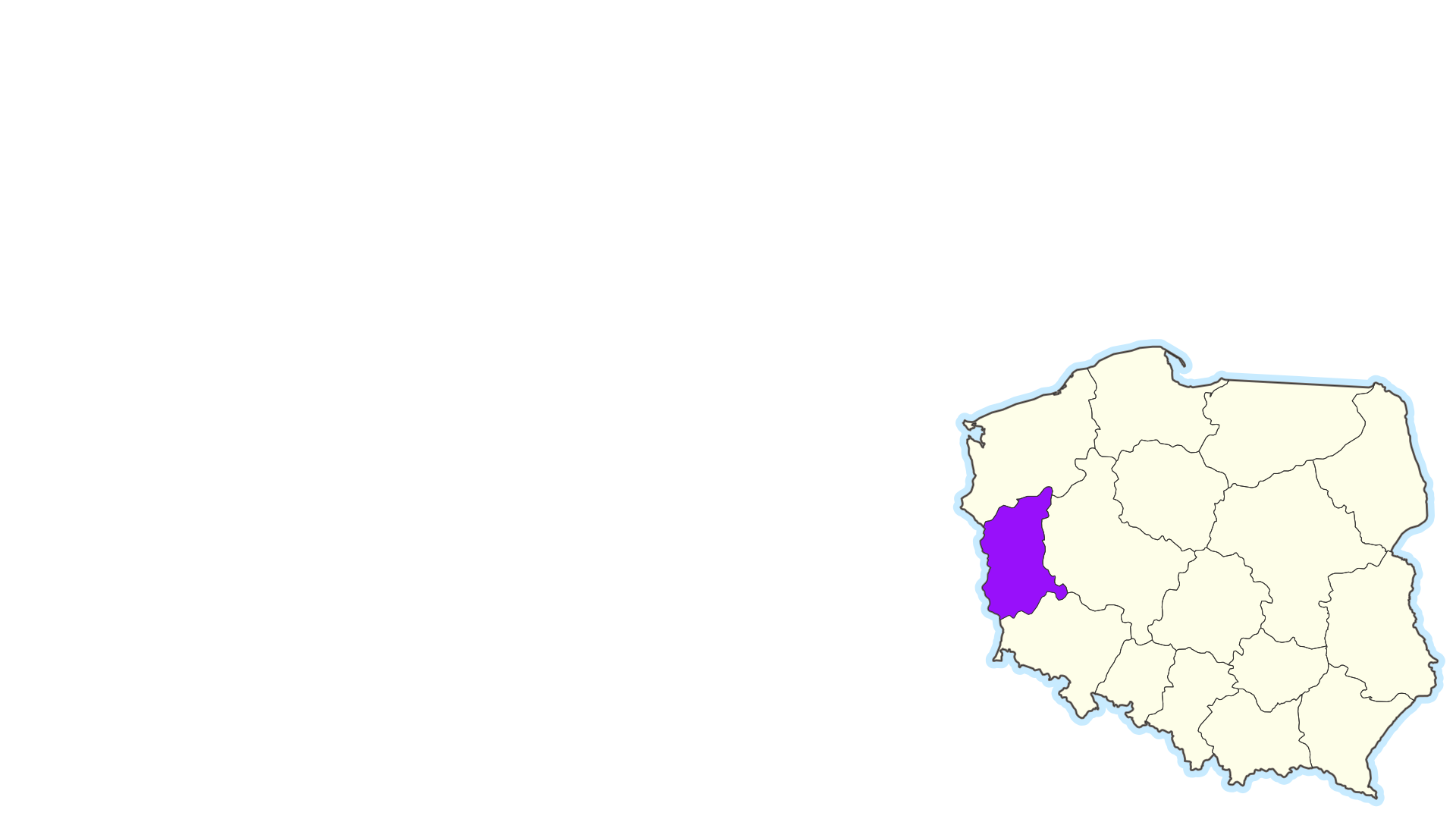
These lime green signposts, while very rare, are only found in Lubusz Voivodeship.

Note that the reflective shield found around most of these signs is by itself not unique to the area and can be found elsewhere.
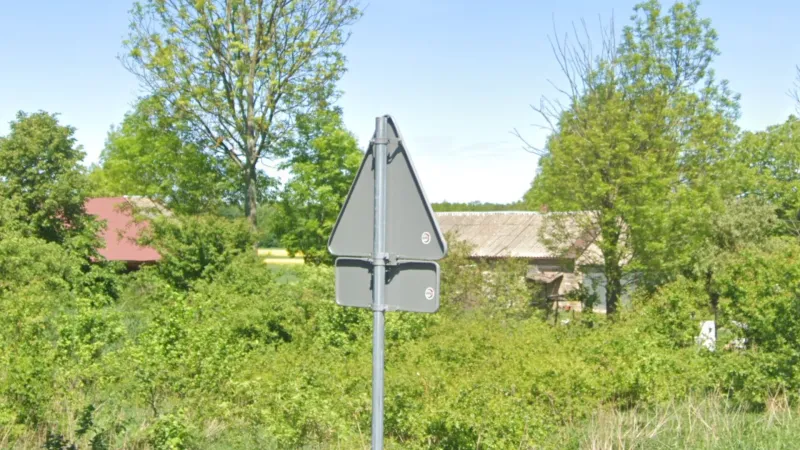
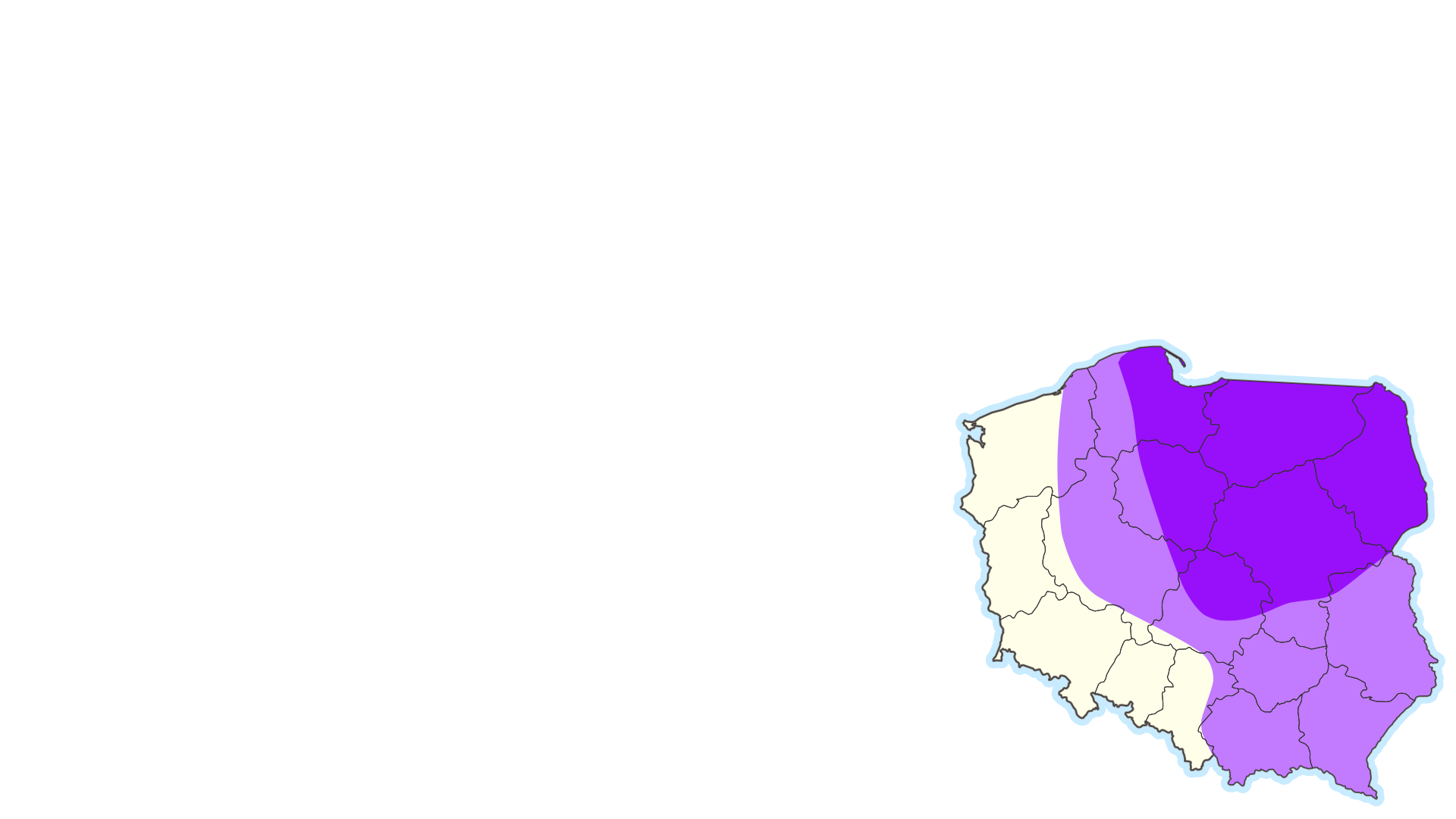
A white, circular sticker on the back of a road sign is mostly seen in the northeastern voivodeships.
Street signs with noticeably long yellow sign back stickers are largely found in southwestern Poland.

Utility Poles

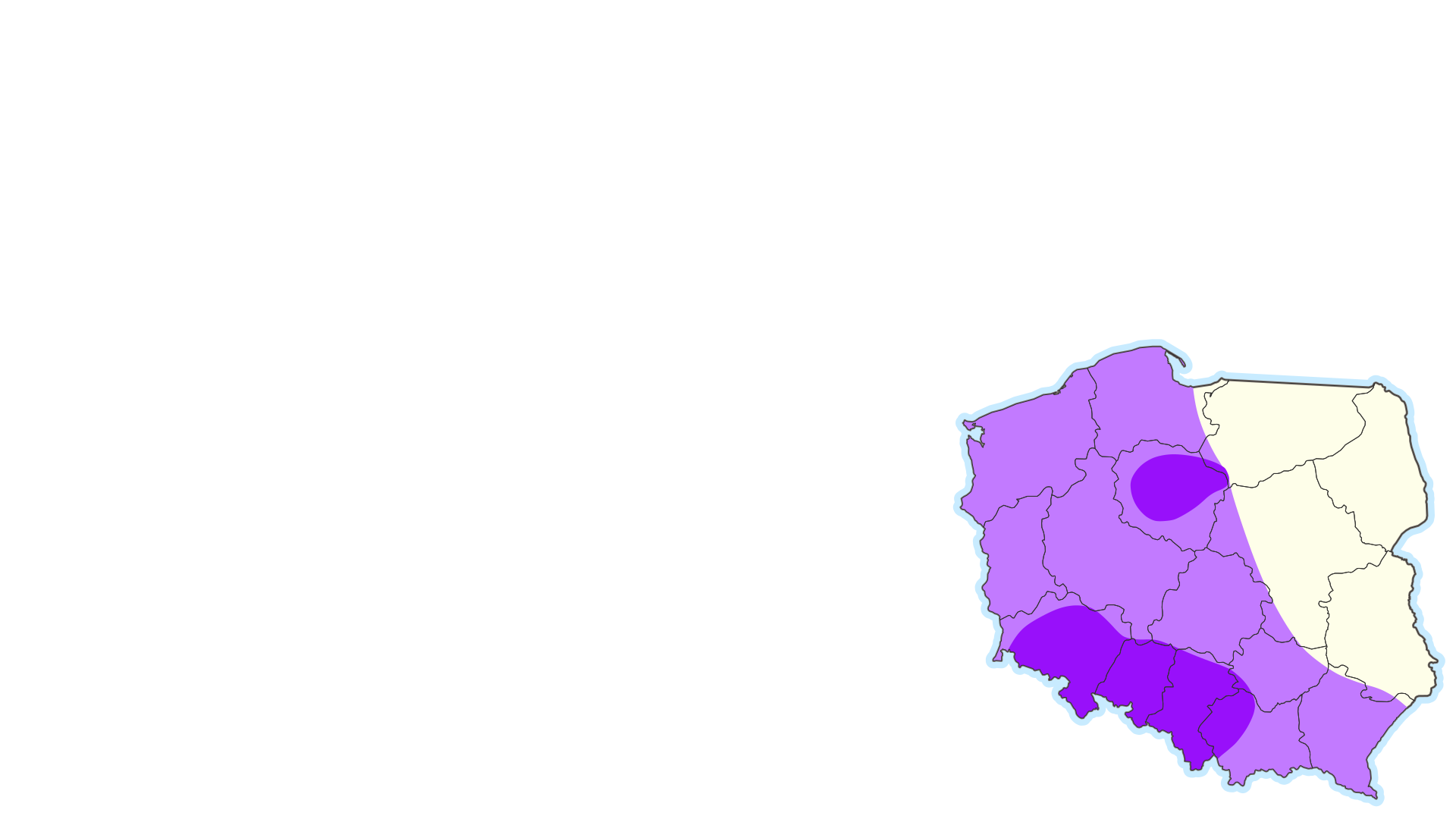
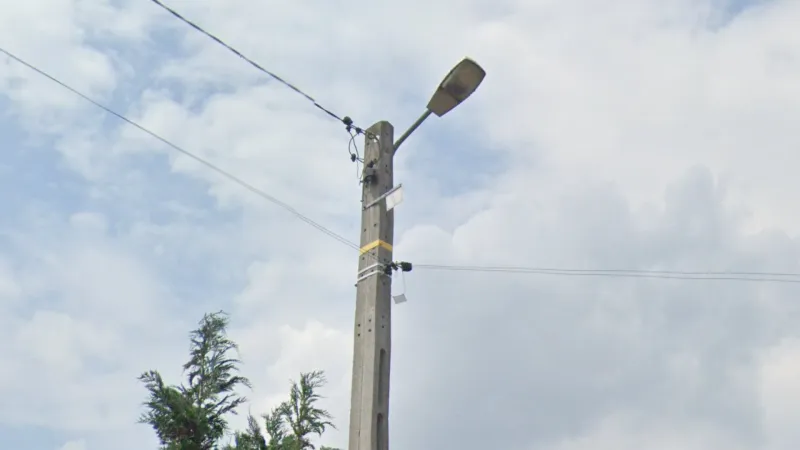
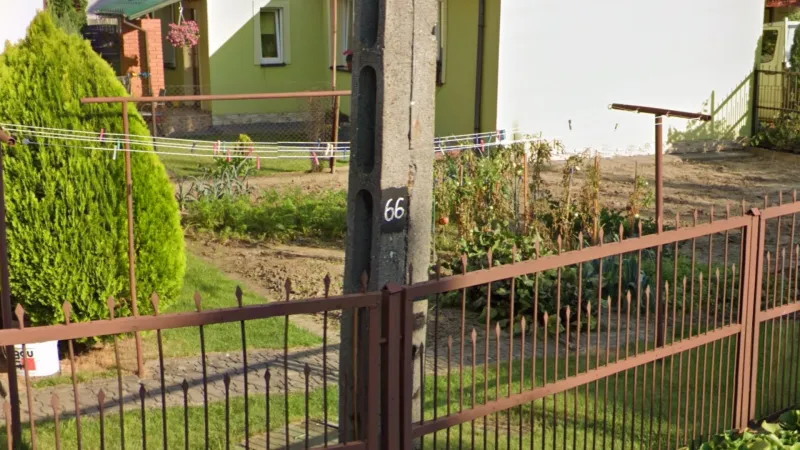
Wooden utility poles with a concrete block at the base can be found throughout much of Poland. However they are noticeably most common in the southwest as well as in Kuyavian-Pomeranian Voivodeship.
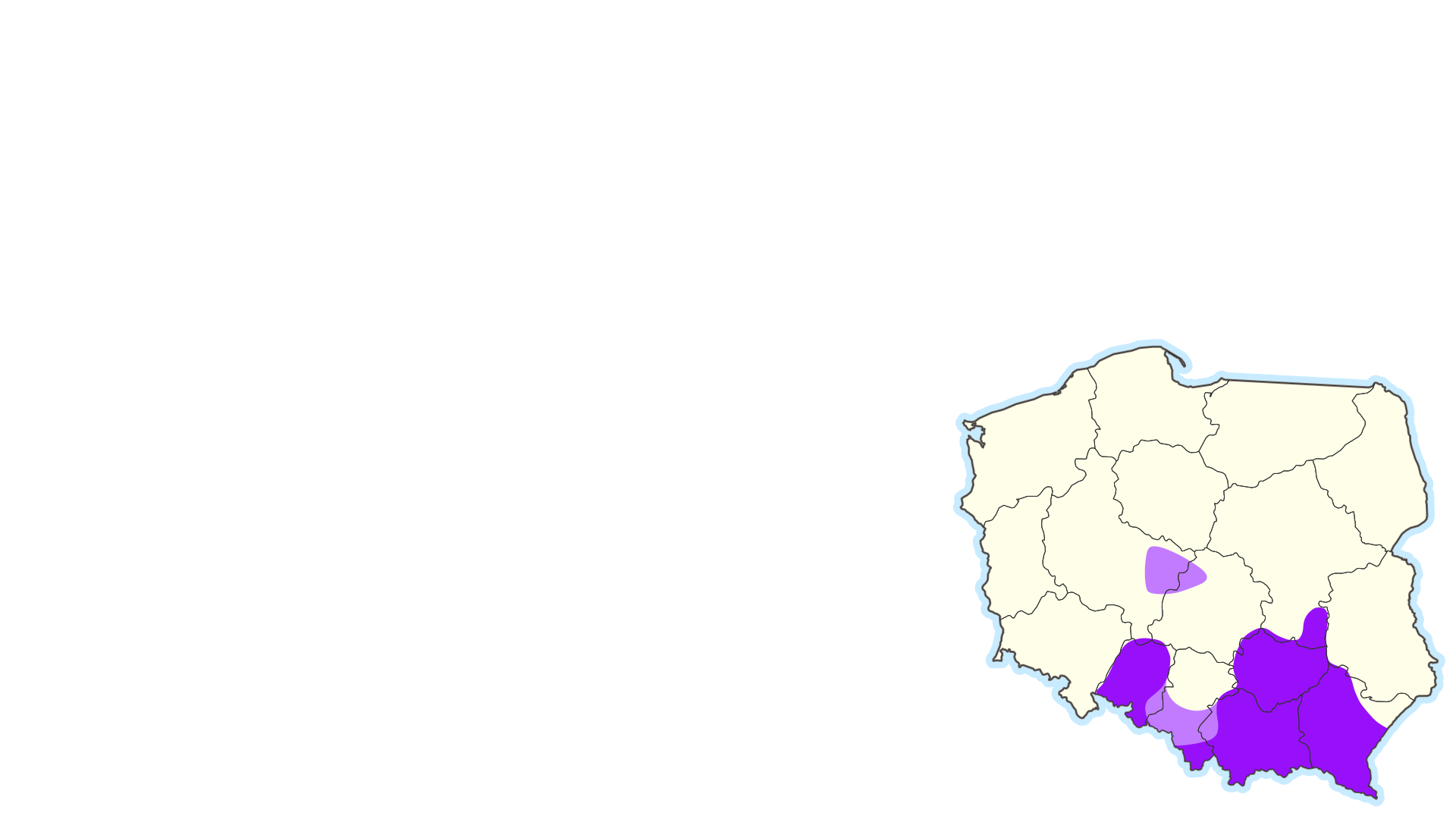
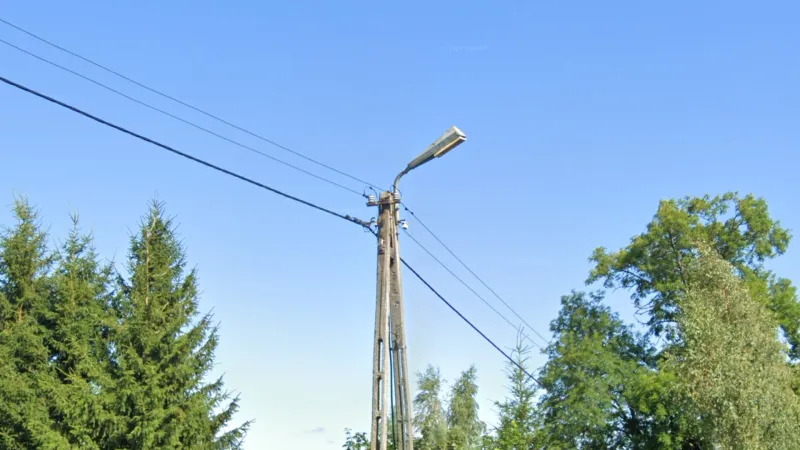
Yellow stripes (indicating fibre-optic cables) are found near the top of some poles in southern Poland particularly in the areas shown on the map.
Power lines with two or three thin wires above a single thicker wire can often be seen in urban areas around Olsztyn.
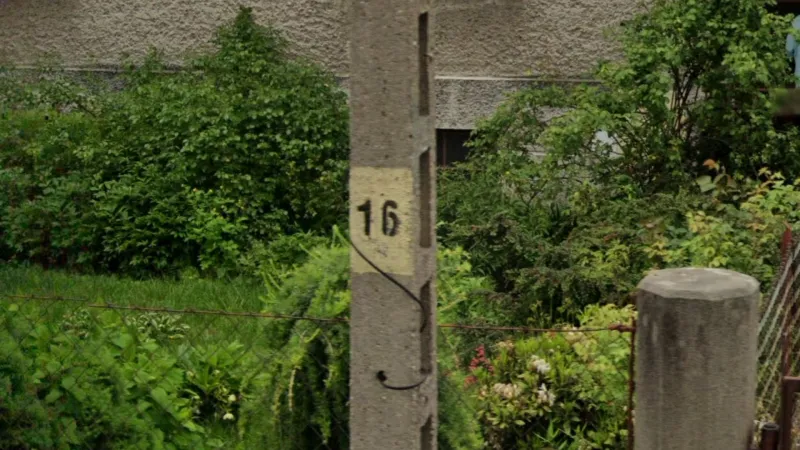
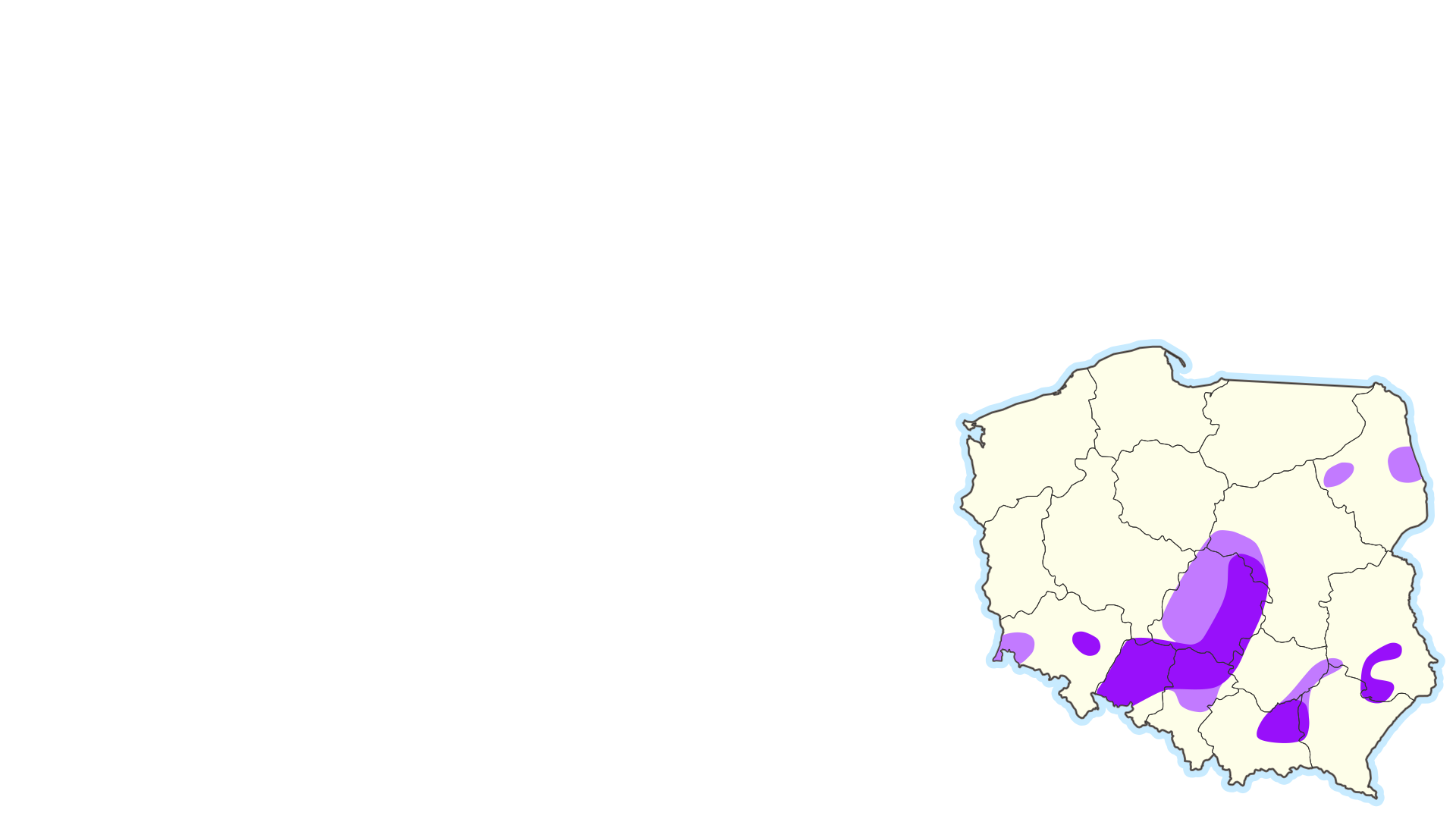
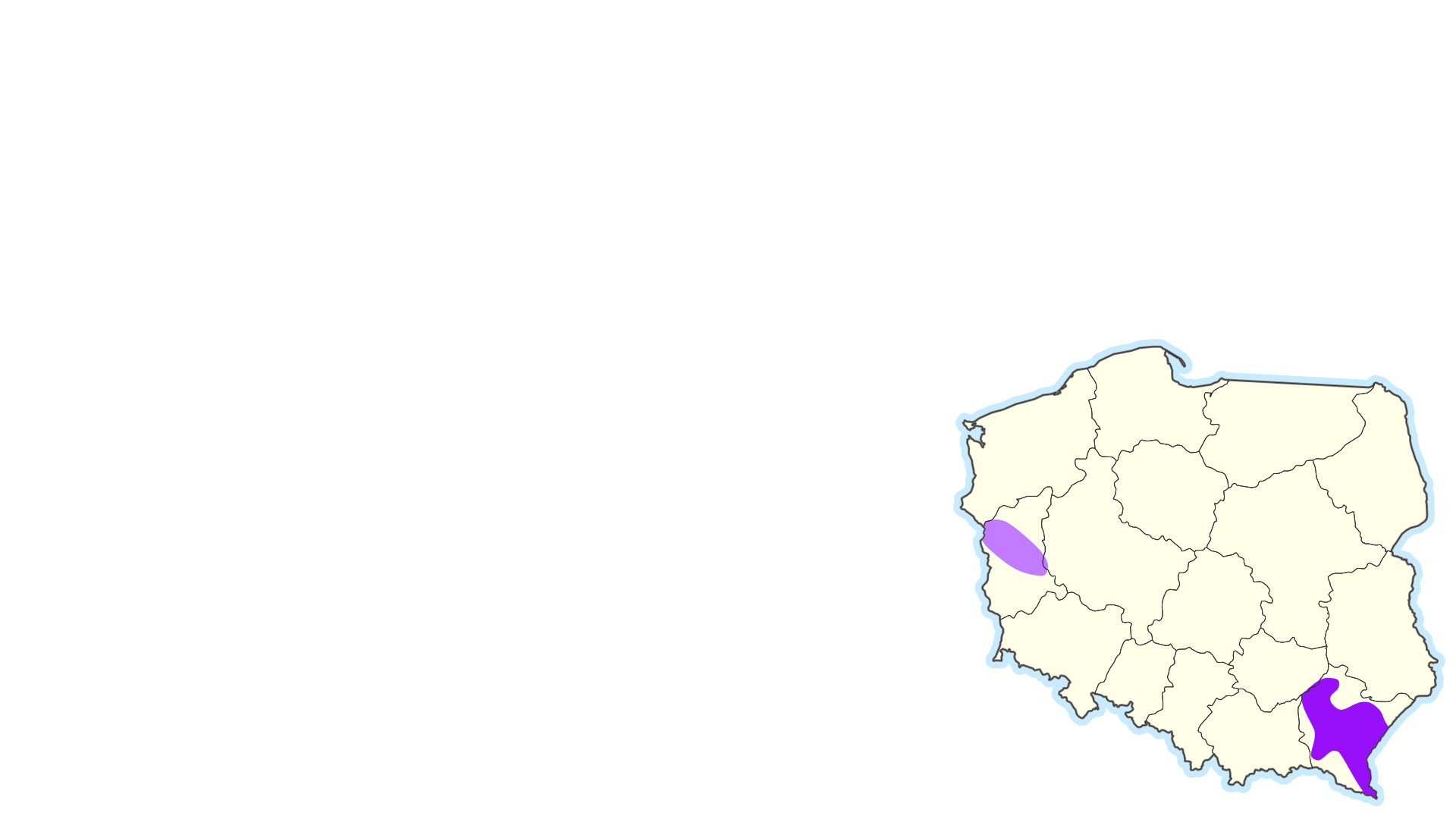
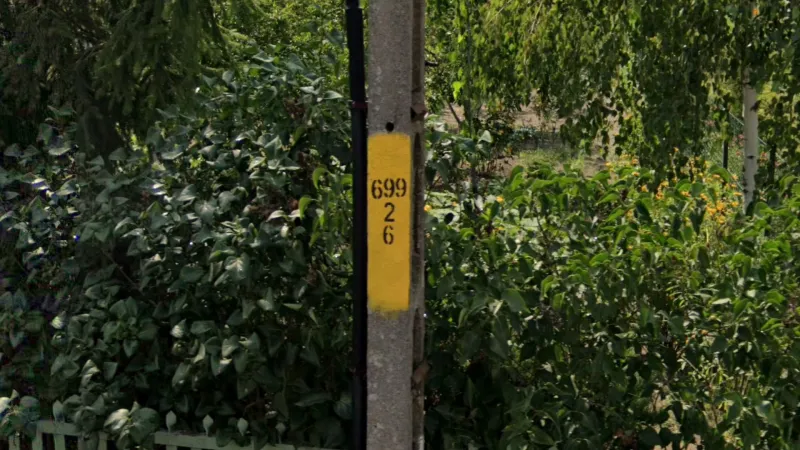
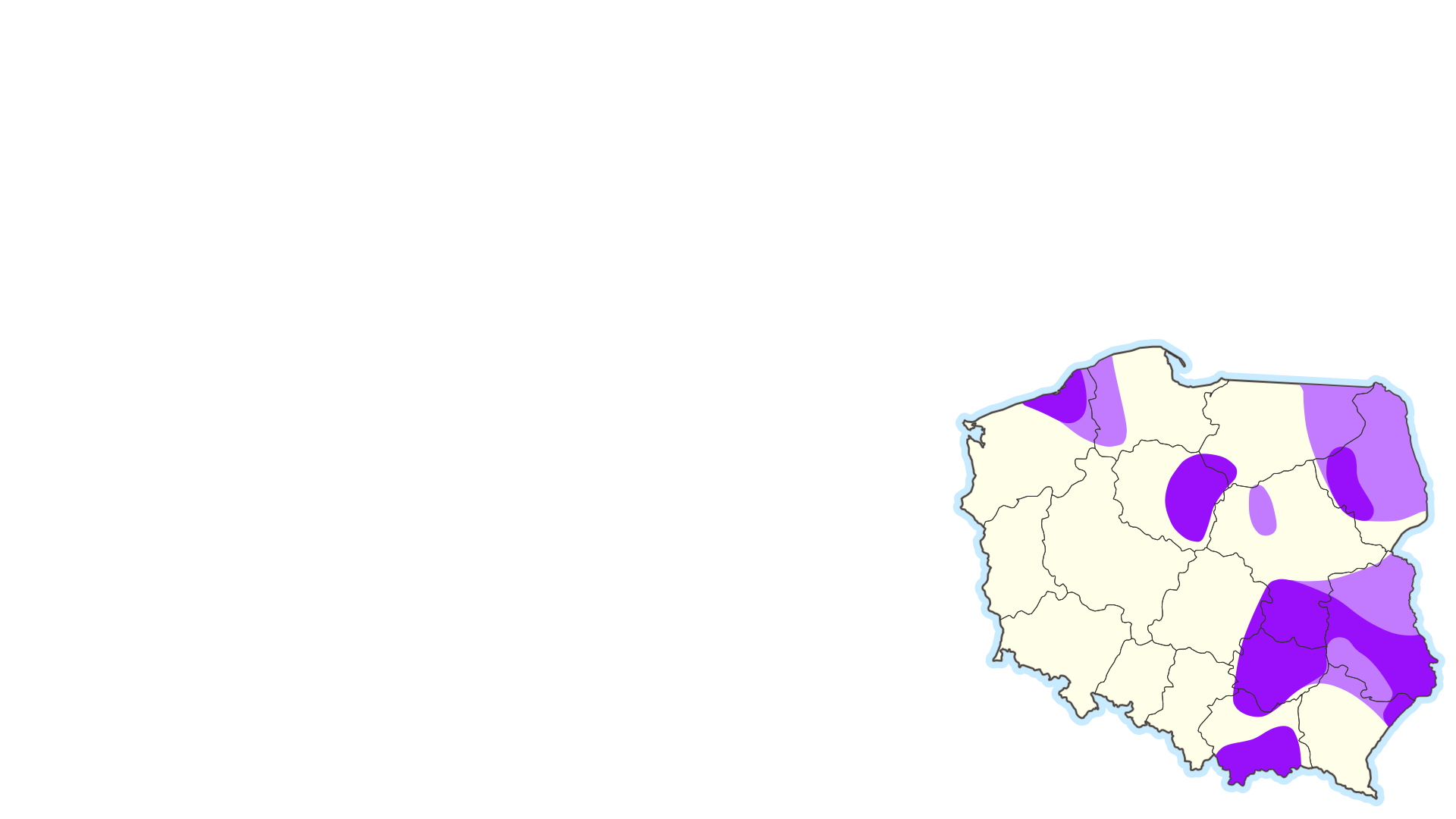
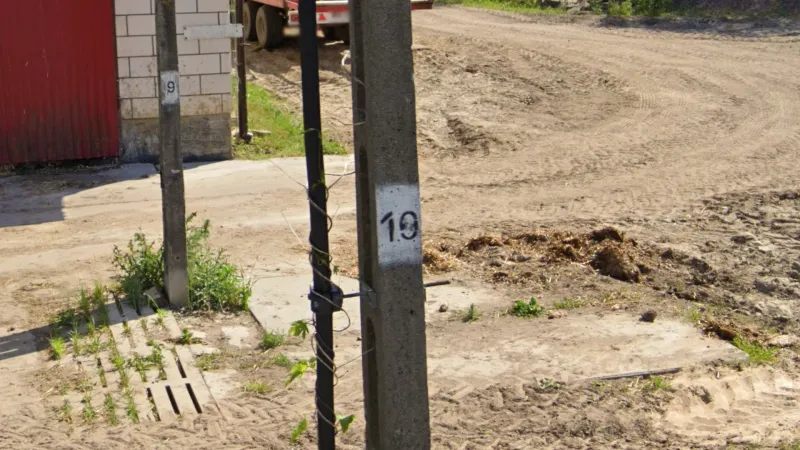
Yellow pole markers with a single row of text can be found on utility poles in many different regions of the country, but are by far most common in the areas shown on the map.

Note: You may sometimes encounter pole markers with an additional slash symbol followed by some numbers on a line below. These still count as a single row of text when the numbers are not aligned.
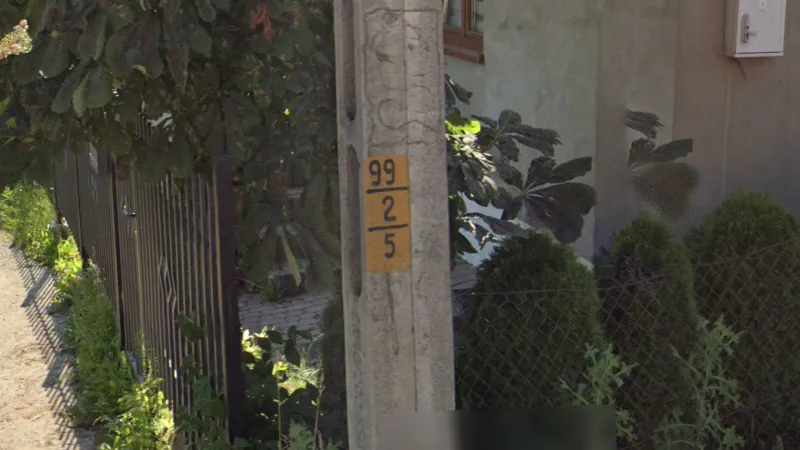
Yellow pole markers with two or more rows of text separated by horizontal lines are most commonly found on utility poles in Podkarpackie Voivodeship but can rarely be found elsewhere in Poland.
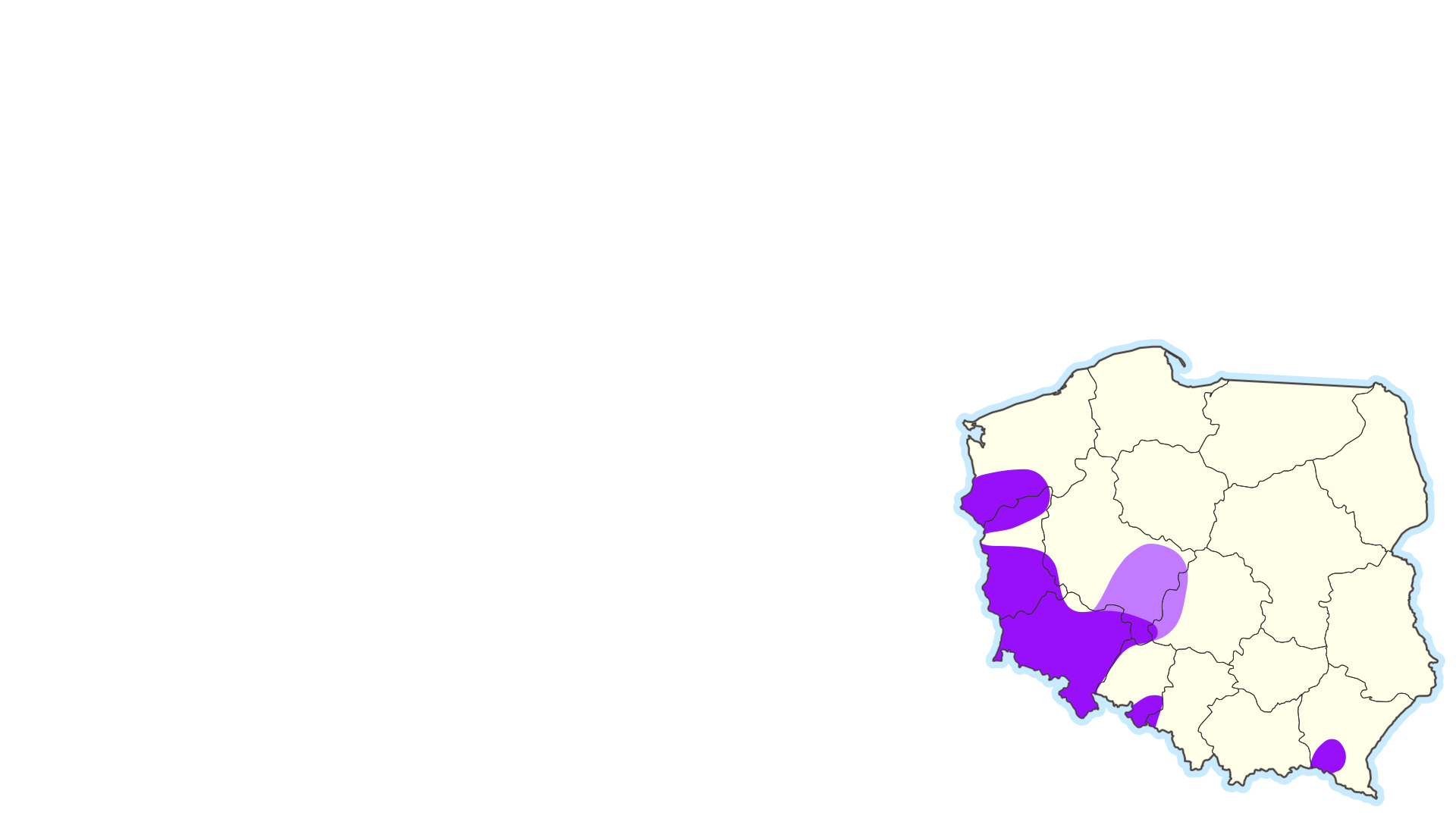
Yellow pole markers with two or more rows of text but no horizontal lines are commonly found on utility poles in west and southwest Poland.
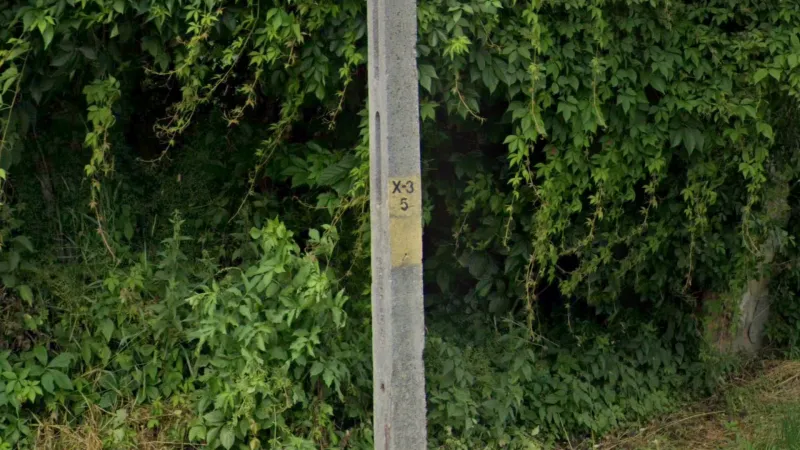
Yellow pole markers with a top row consisting of ‘X-’ followed by a number are exclusively found on utility poles in southern Lower Silesian Voivodeship.
Black pole markers with a single row of text are by far most common on utility poles in southeast Poland, but can also be found in some areas of northern Poland and rarely in other parts of the country.
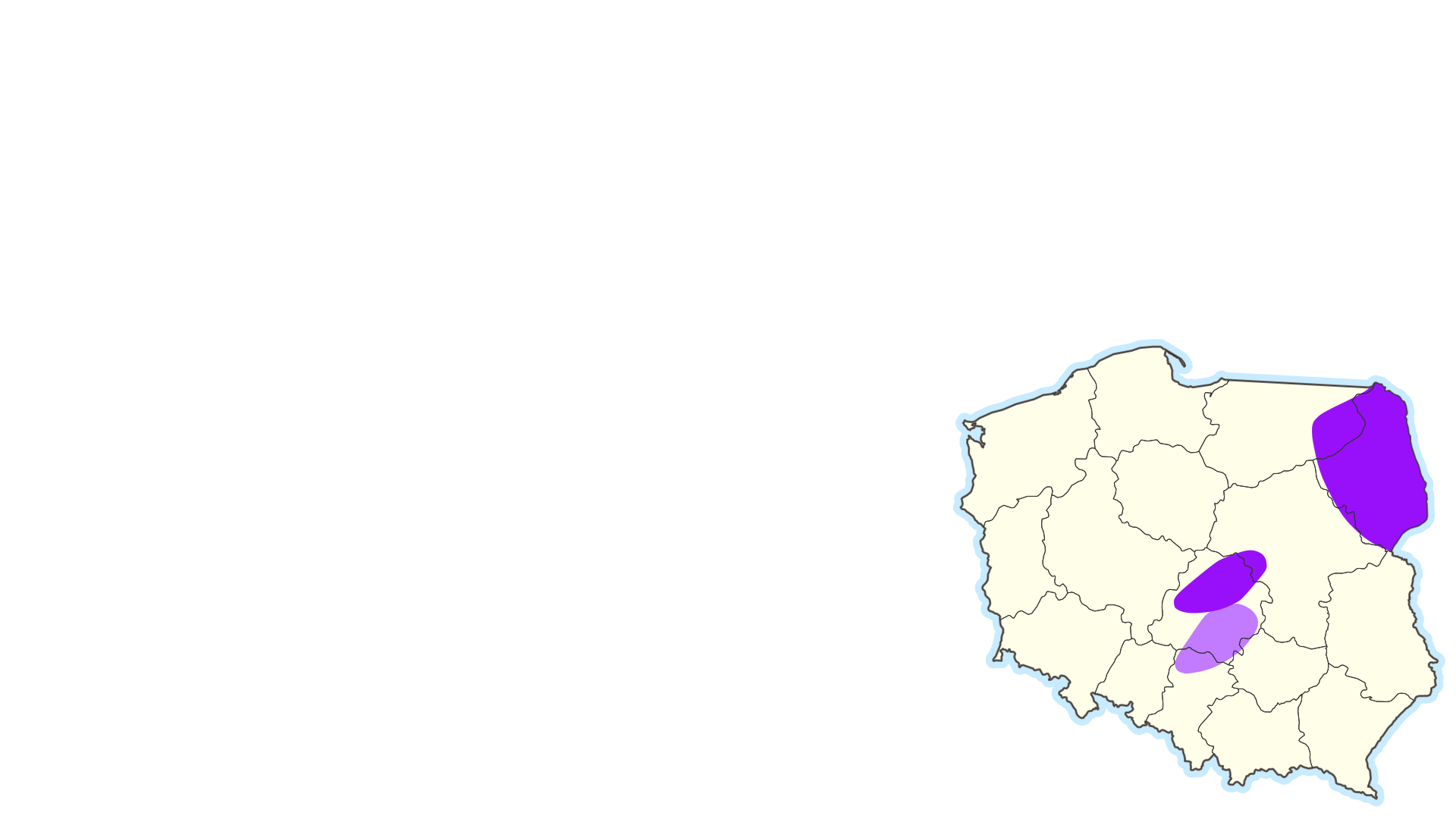
White pole markers with a single row of text are very common on utility poles in Podlaskie Voivodeship and somewhat common in Łódź Voivodeship. However you can rarely spot them elsewhere in the country.
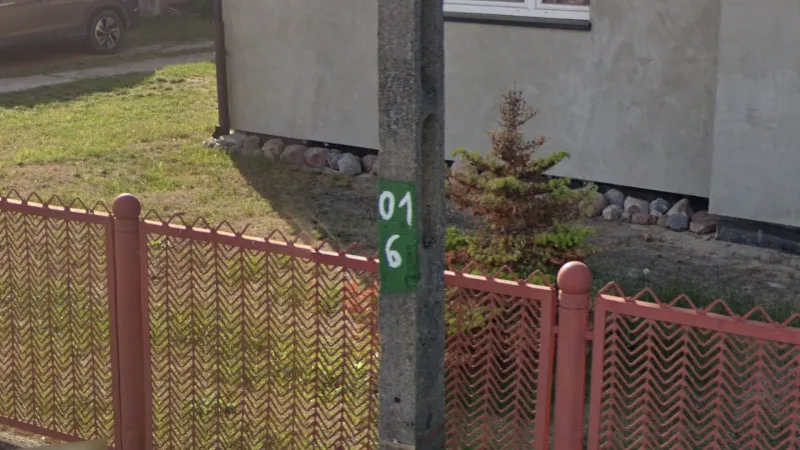
Green pole markers with two or three rows of numbers and no horizontal lines are commonly found on utility poles around the town of Turek.
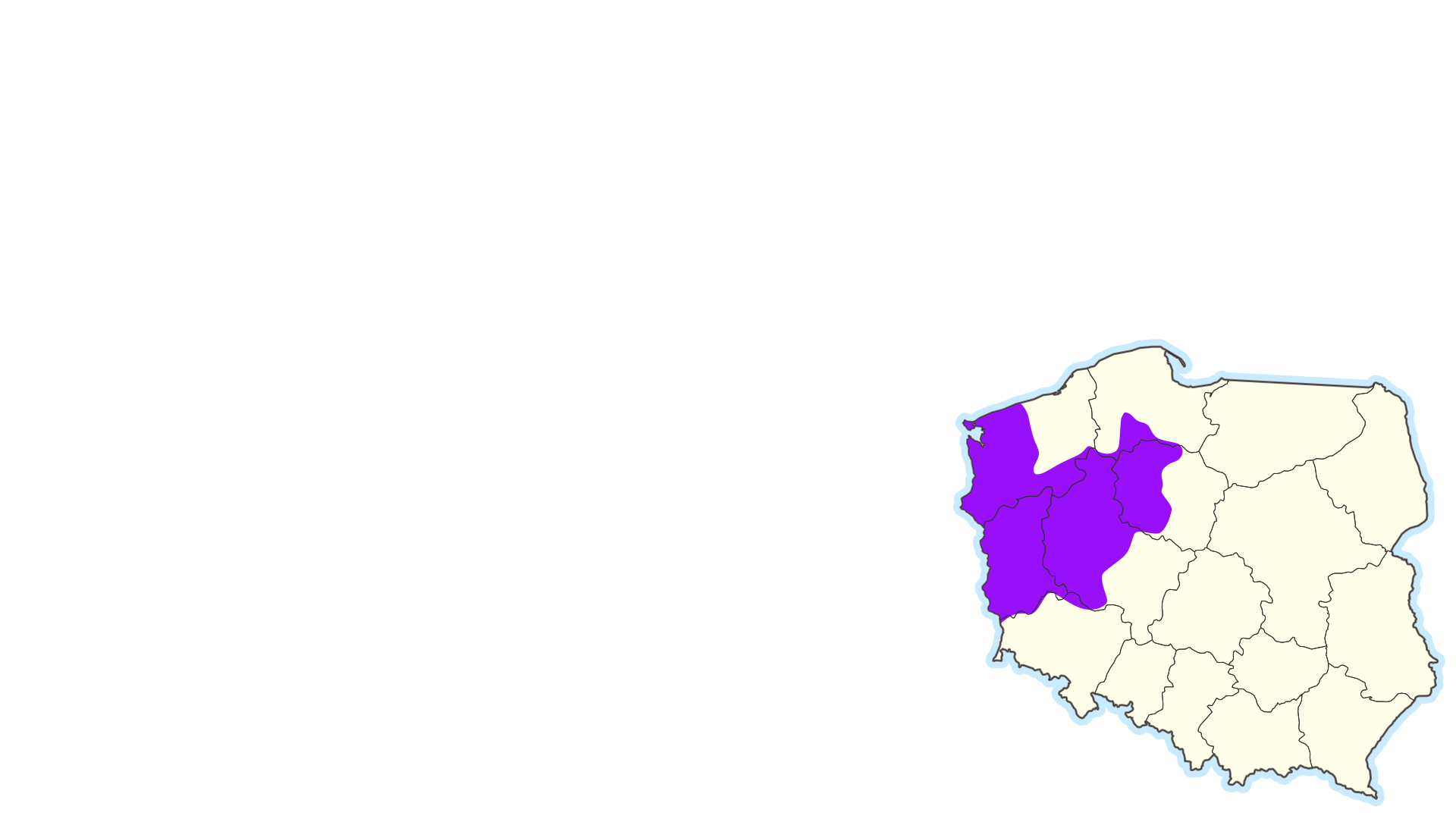
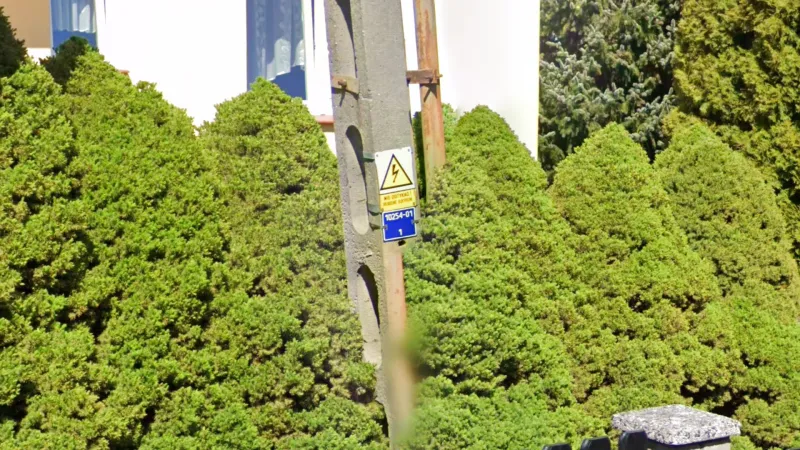
Small blue pole markers with two short rows of text split by a white horizontal line can rarely be seen on utility poles in northwestern Poland and are exclusive to the area on the map.
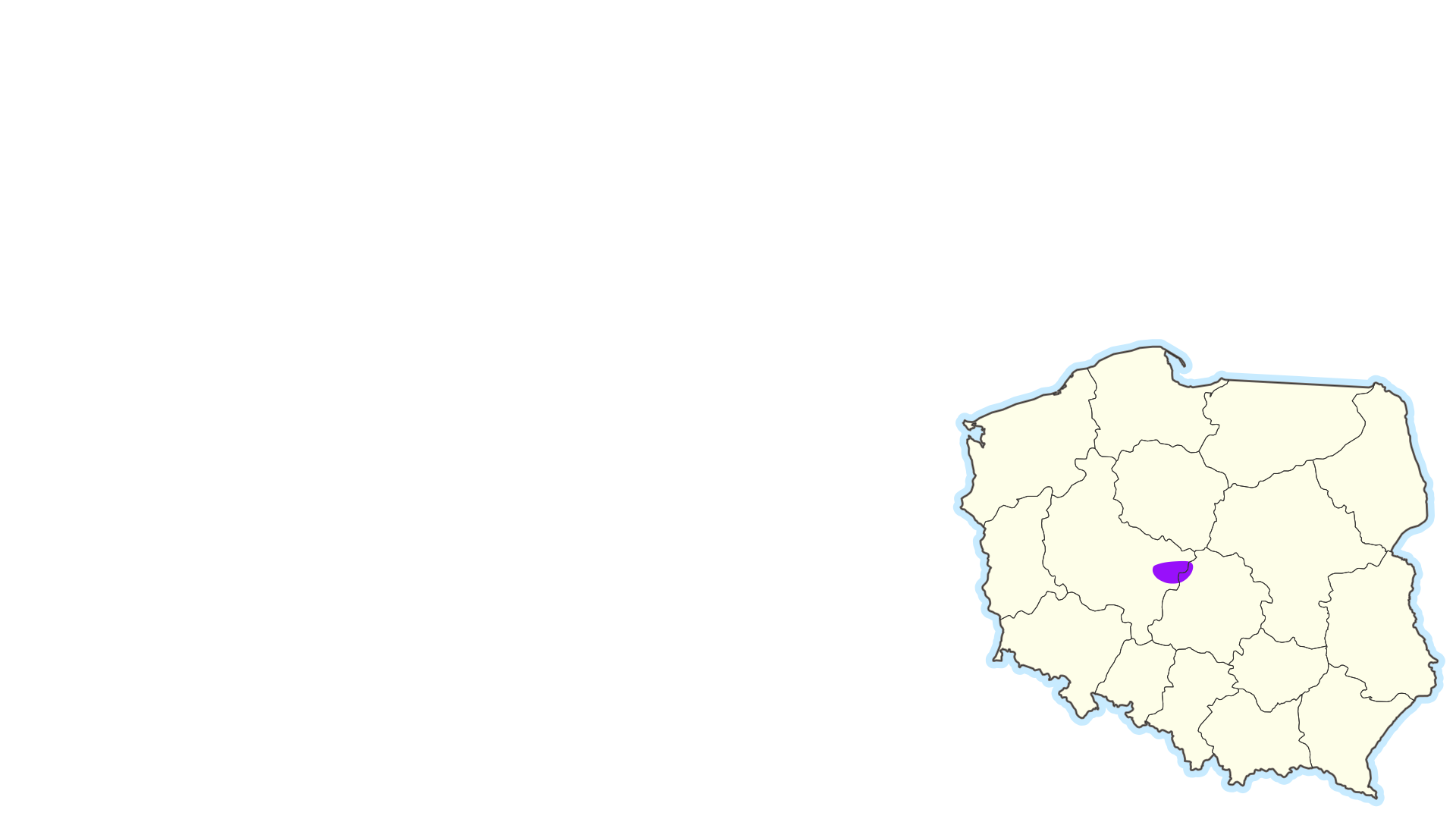
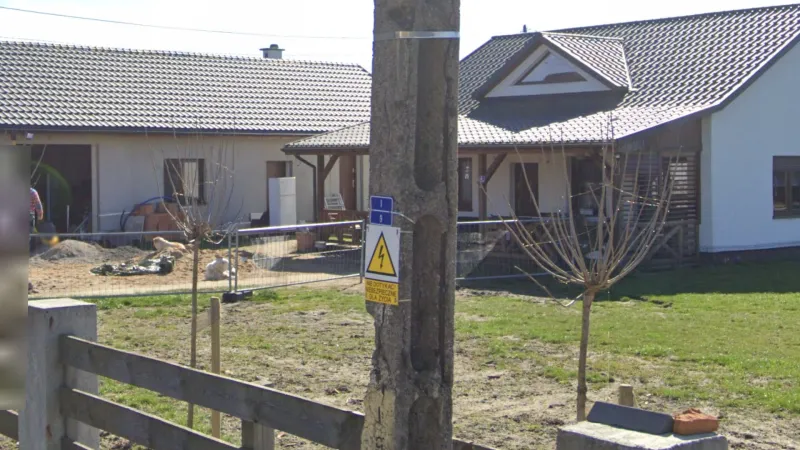
Blue horizontal markers with a long row of text at the top and one or two shorter rows of text at the bottom are only found on utility poles in areas marked on the map.
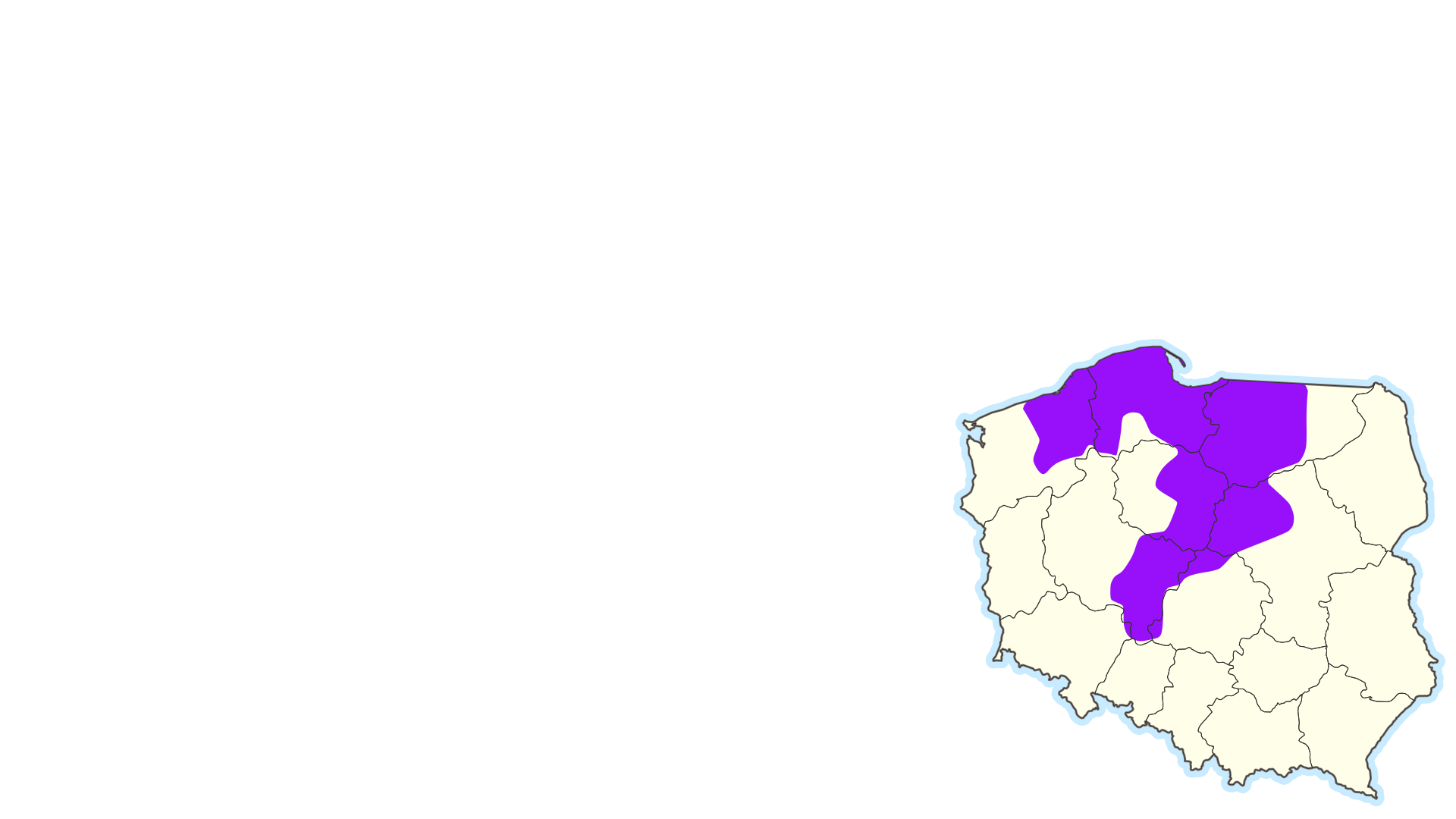
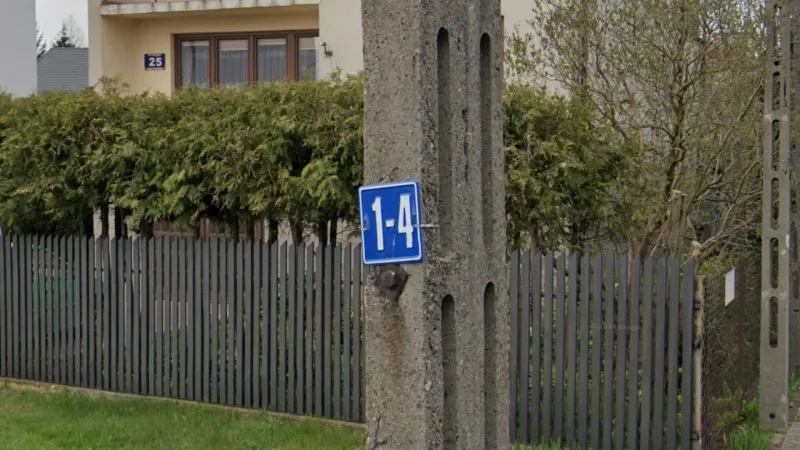
Blue square pole markers with digits, often separated by a dash or dot, can be seen on utility poles directly east of Warsaw.

Electrical Boxes

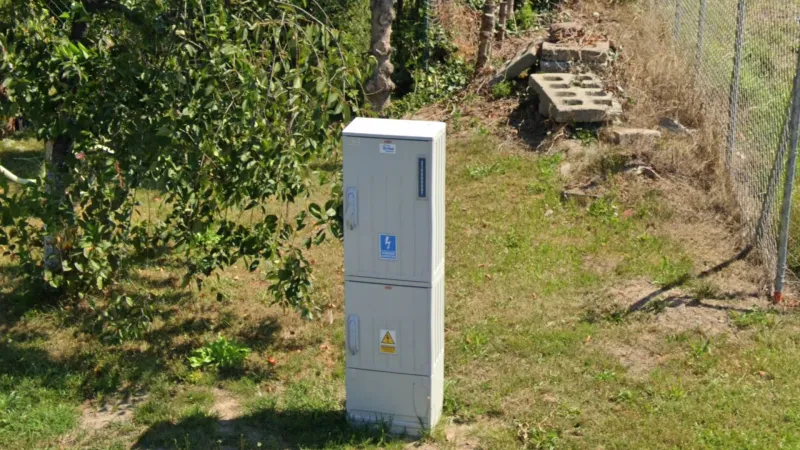
Electrical boxes with vertical marker slots are only found in northwest Poland. Many of them will also feature an ‘Enea’ logo sticker at the top. Blue lightning stickers, while not exclusive to this region, can usually also be seen on these boxes and are relatively rare elsewhere in the country.
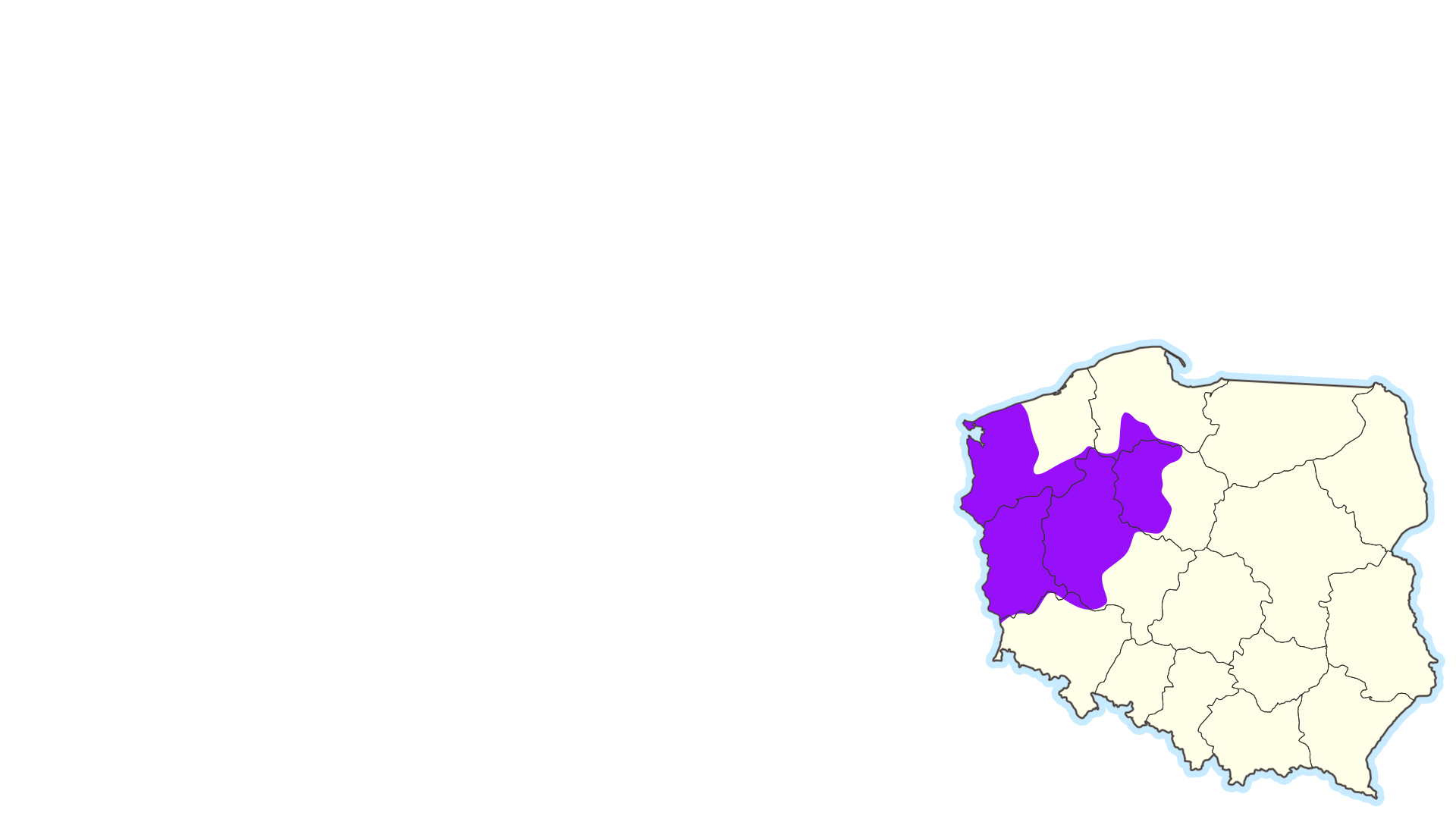
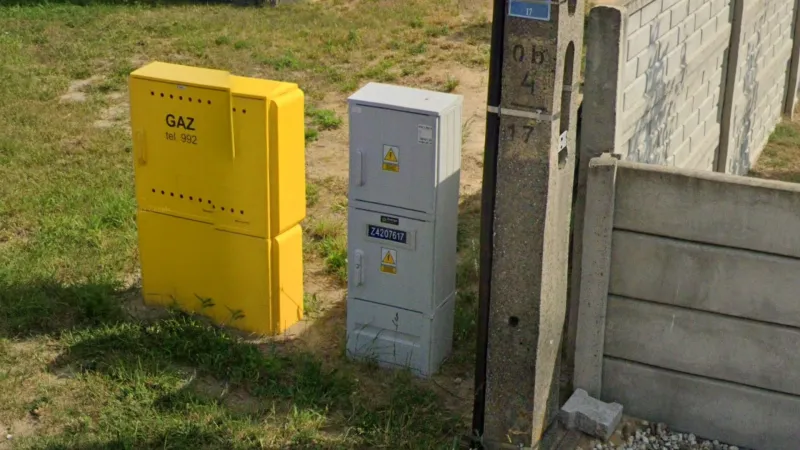
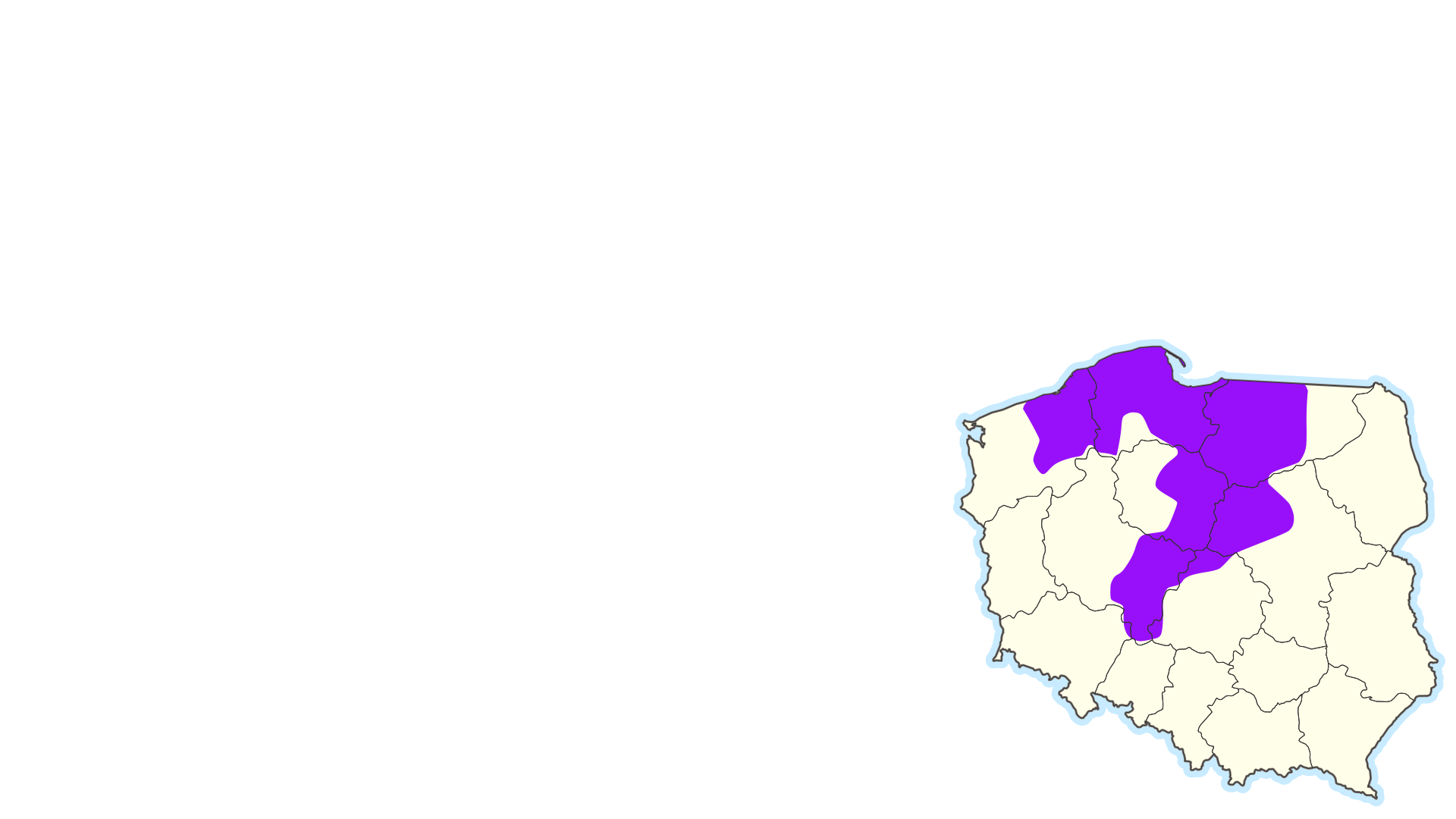
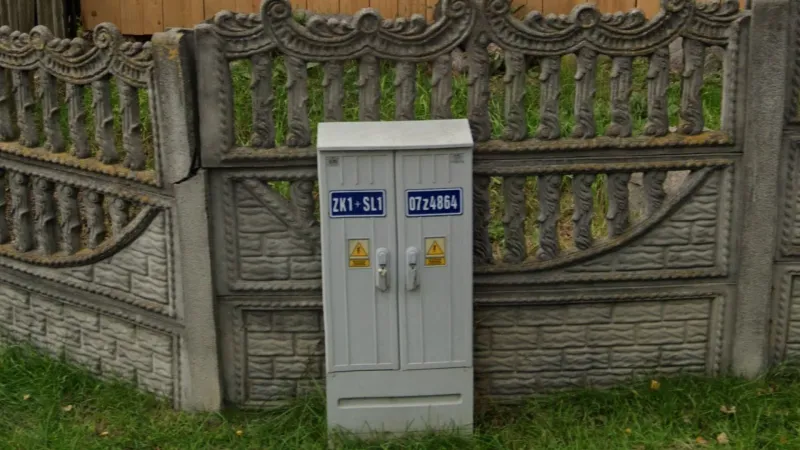
Electrical boxes with a dark blue marker in a horizontal slot, featuring the letter ‘Z’ followed by seven digits, are only found in central and northern Poland. The first digit after the ‘Z’ is also regional.
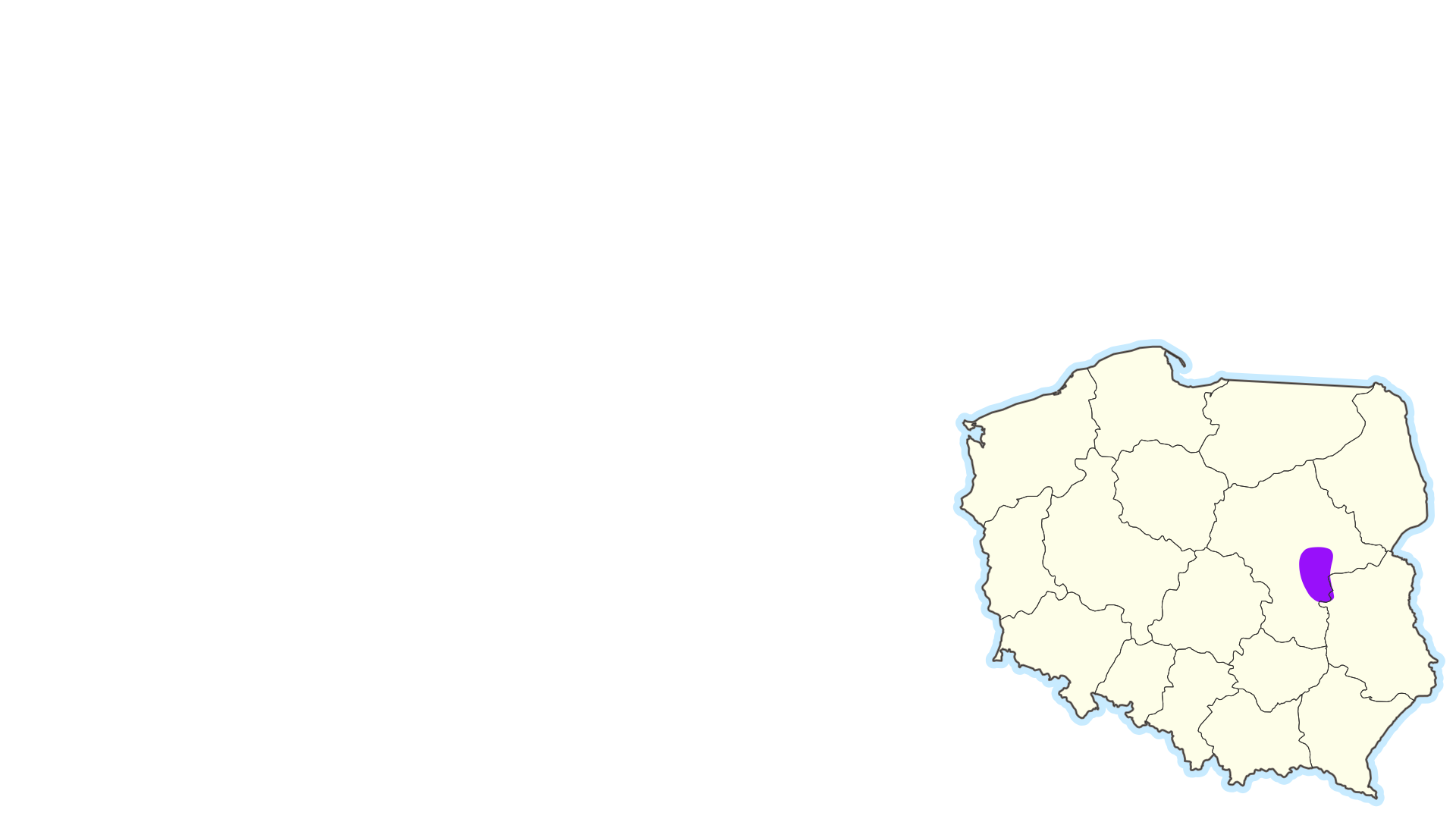
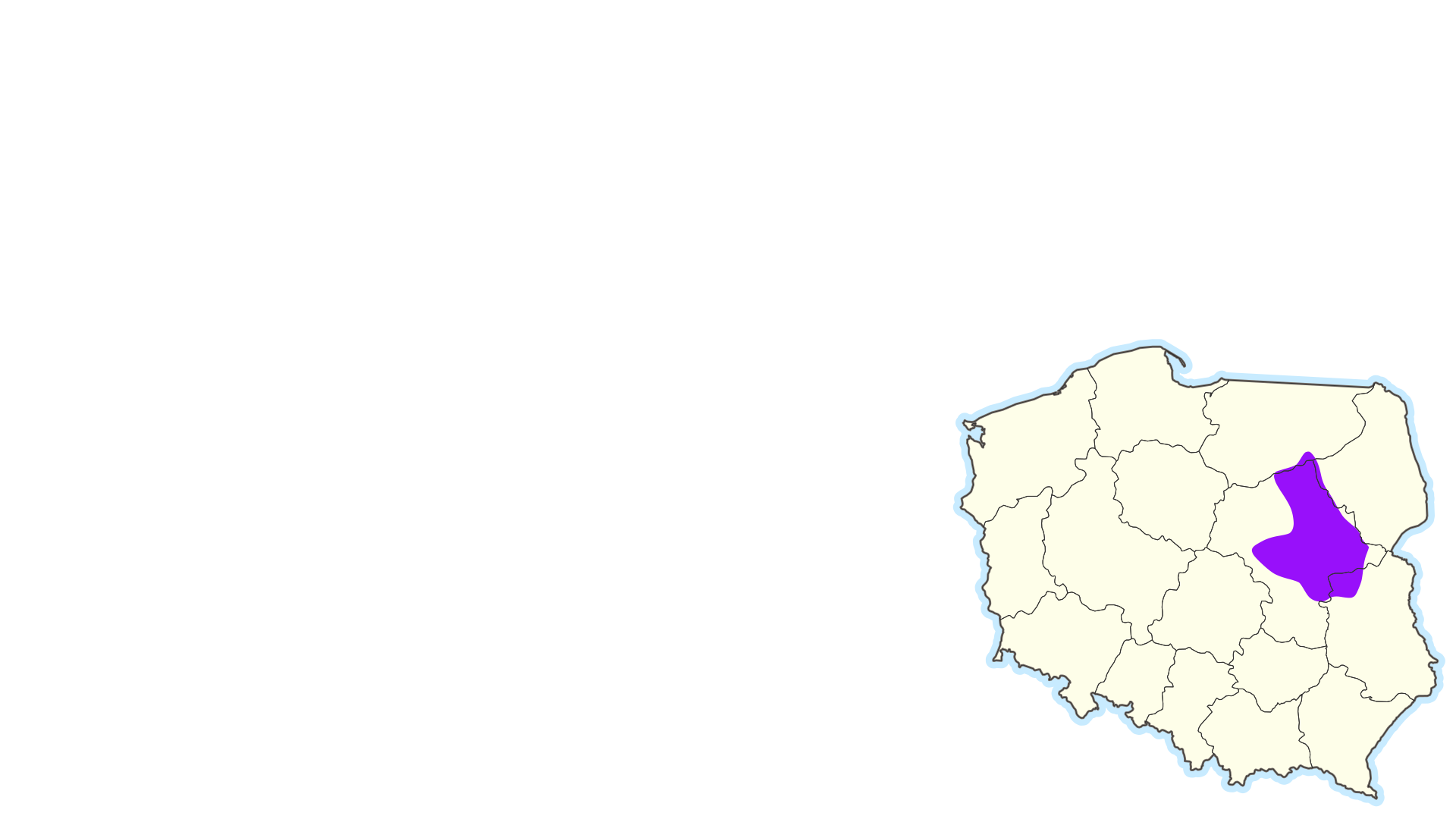
Electrical boxes with a horizontal blue marker with two digits followed by the letter ‘Z’ can be seen around Warsaw, in northeast Masovian Voivodeship and in some surrounding regions. The first two digits are also regional.
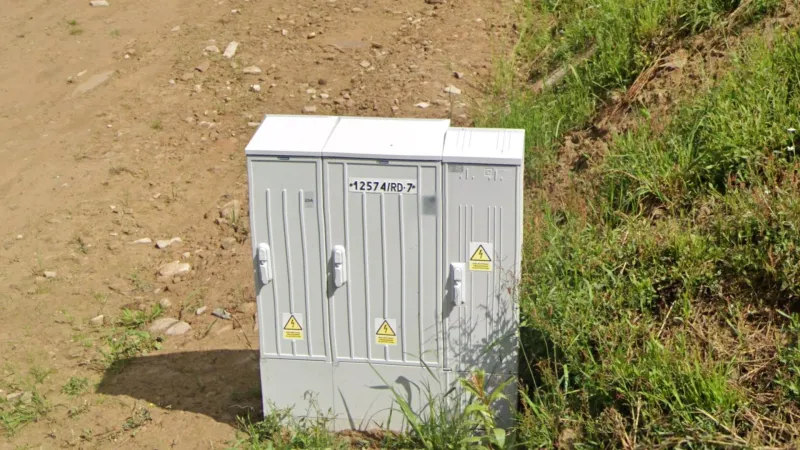
Electrical boxes in much of Lesser Poland will often use white markers ending with ‘/RD-’ followed by a single digit. These digits are also regional.
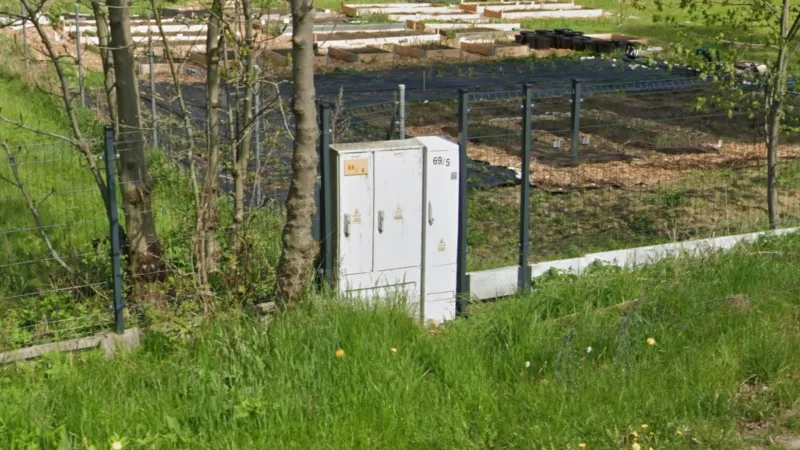
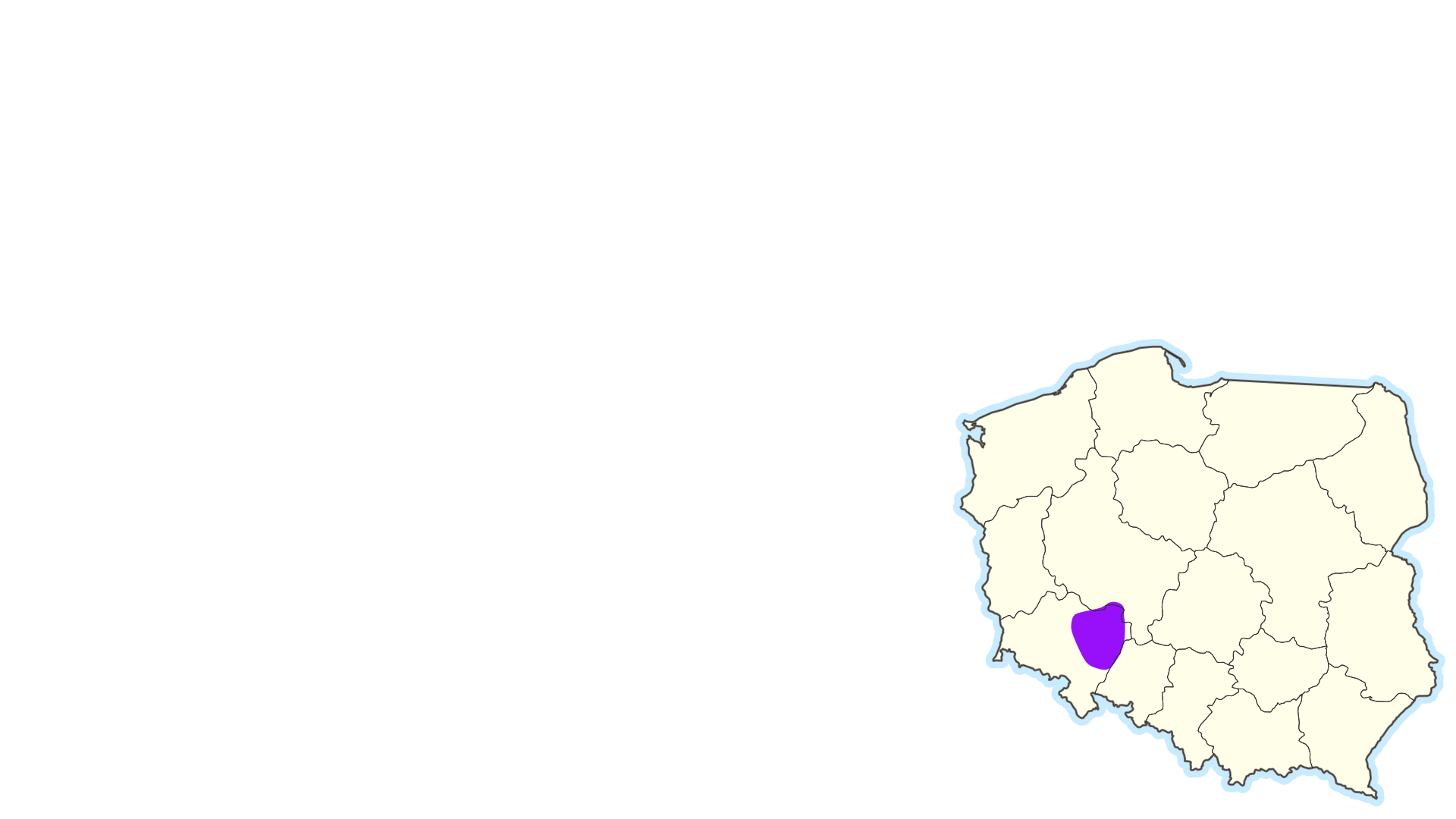
Electrical box markers, with one or two separate numbers of no more than three digits and usually written on a yellow or orange background, can be found in and around Wrocław.

Pavement

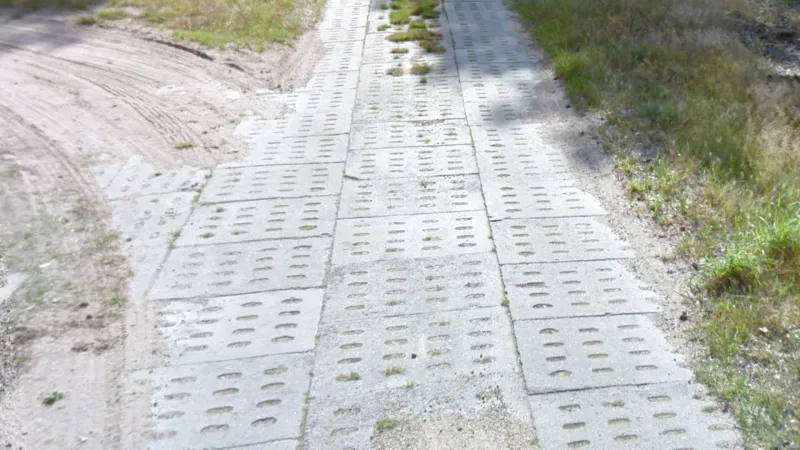
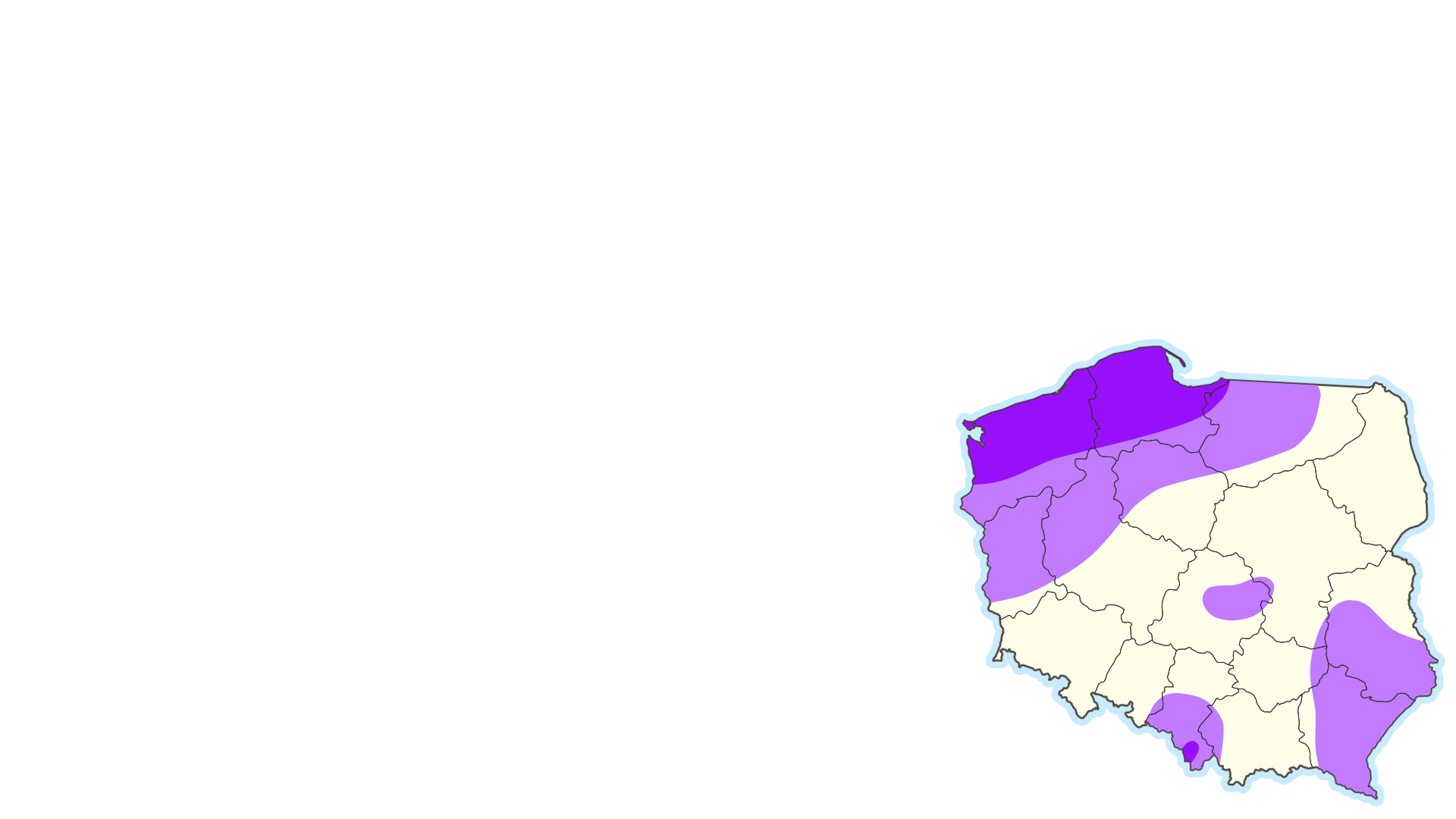
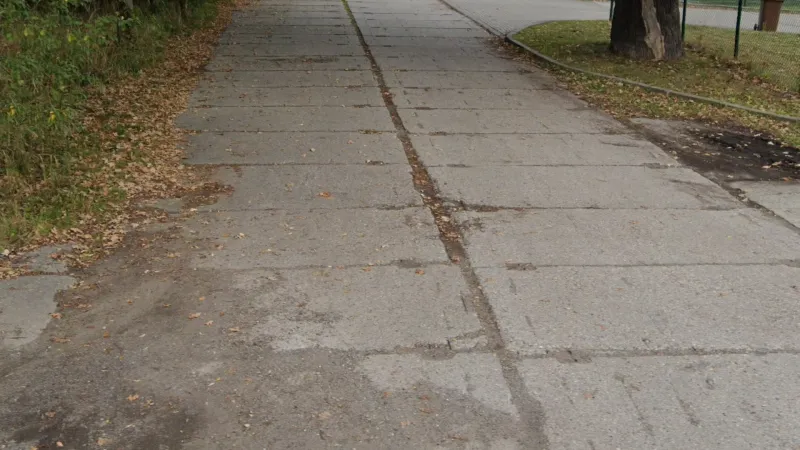
Pavement formed from concrete slabs with equally spaced elongated holes can be found in areas marked on the map.
In some border regions, you may sometimes find pavement made from long, rectangular concrete slabs.
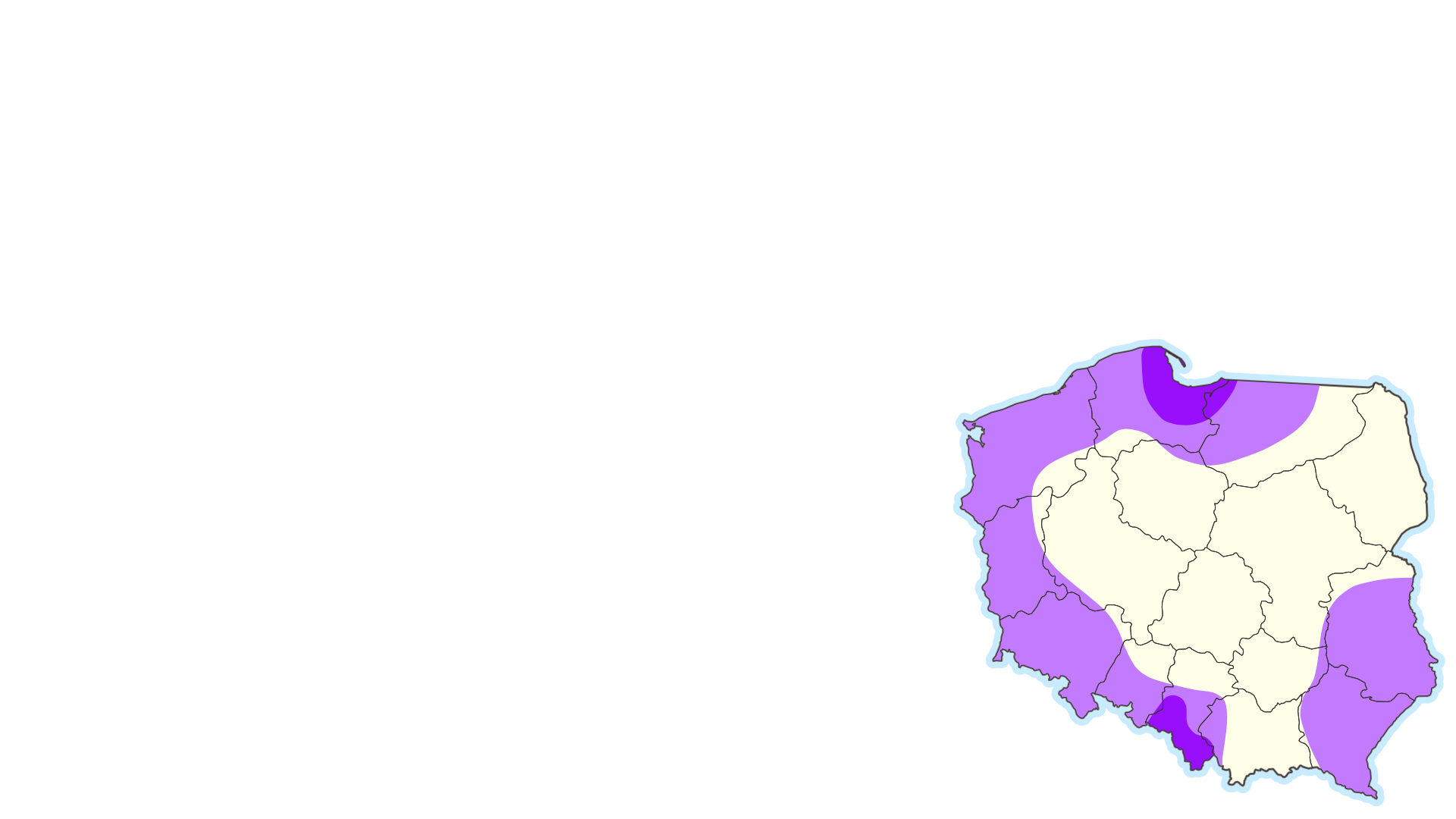
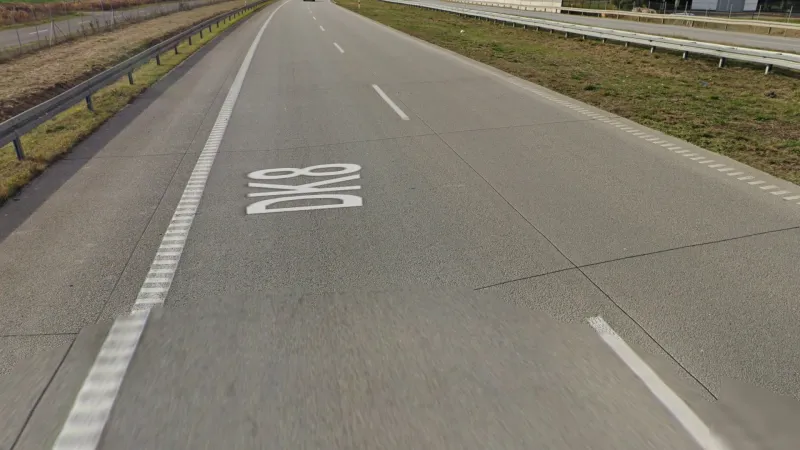
Poland has an extensive highway system. However divided highways with a road surface made from large blocks occur in a fairly limited number of places.

Barriers

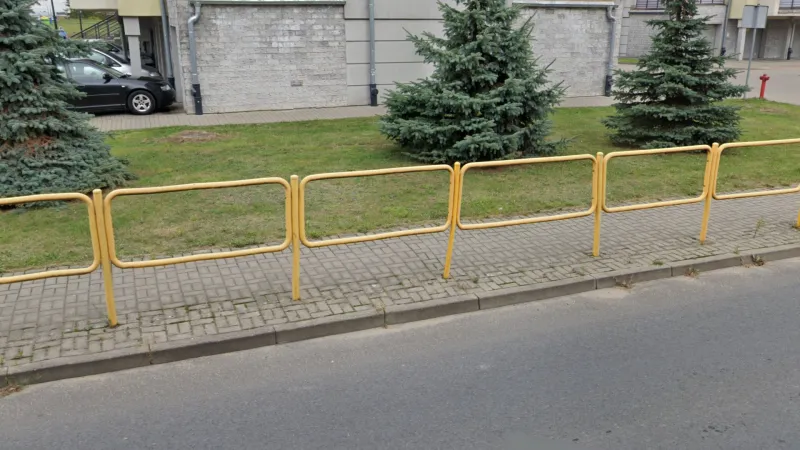
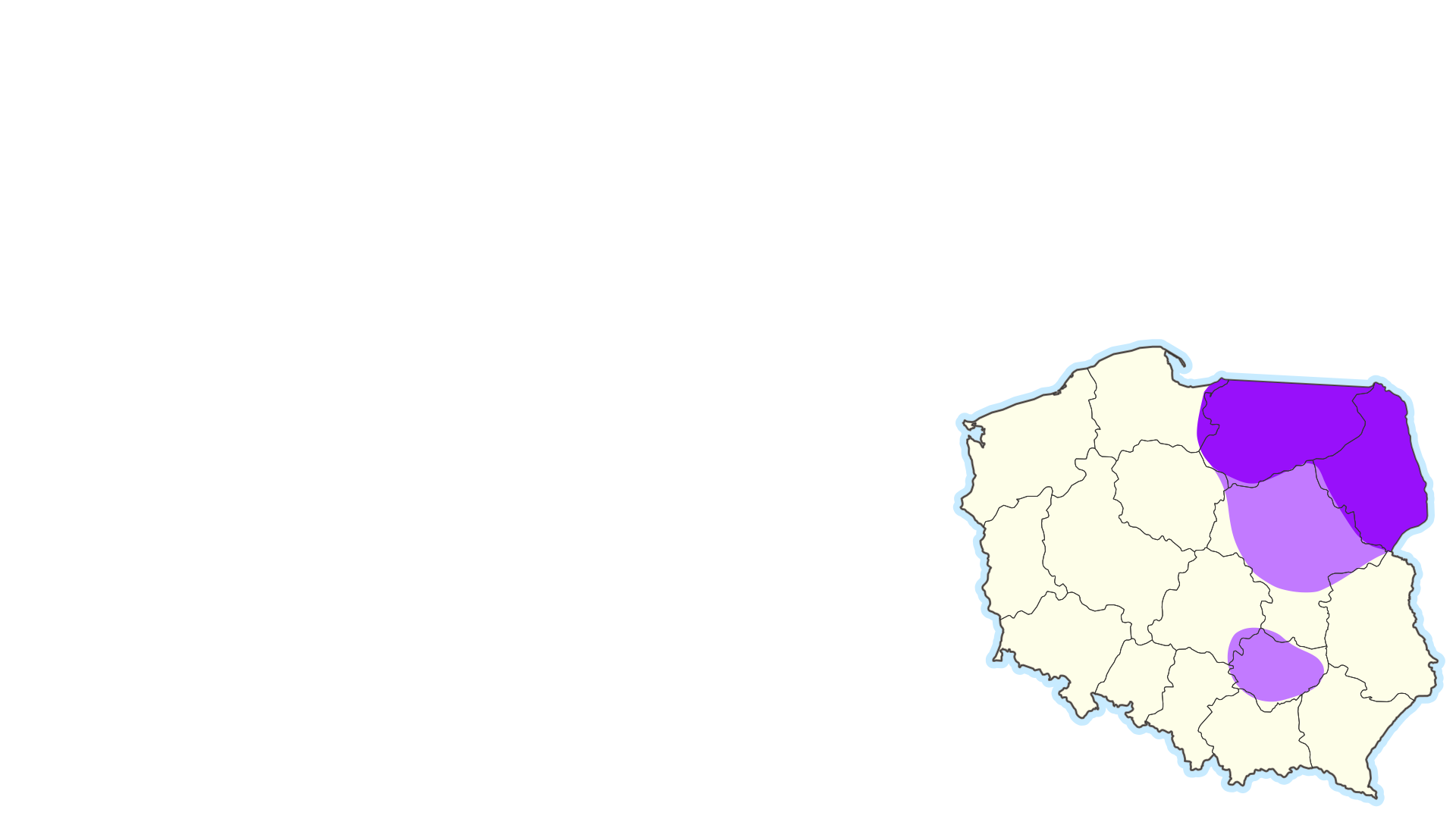
This specific style of yellow barrier, where the vertical posts are separate tubes from the ‘loops’, is common in Warmian-Masurian voivodeship, but can sometimes be seen all across the northeast of Poland. The exact shape of the ‘loop’ may vary slightly.

NOTE: There exists a very similar barrier with much wider ‘loops’, which while somewhat indicative of the northeast of the country, is not nearly as consistent.
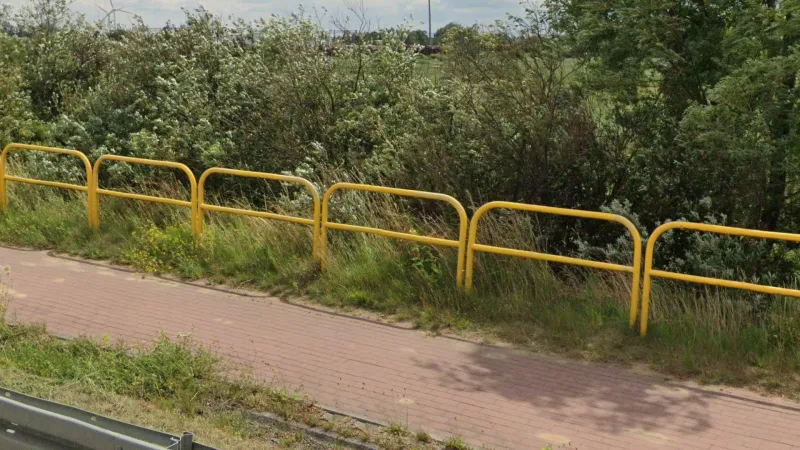
These yellow barriers, where each segment is made from a single piece of metal, are by far most common in Kuyavian-Pomeranian and Pomeranian voivodeships, but can occasionally be seen throughout the country.
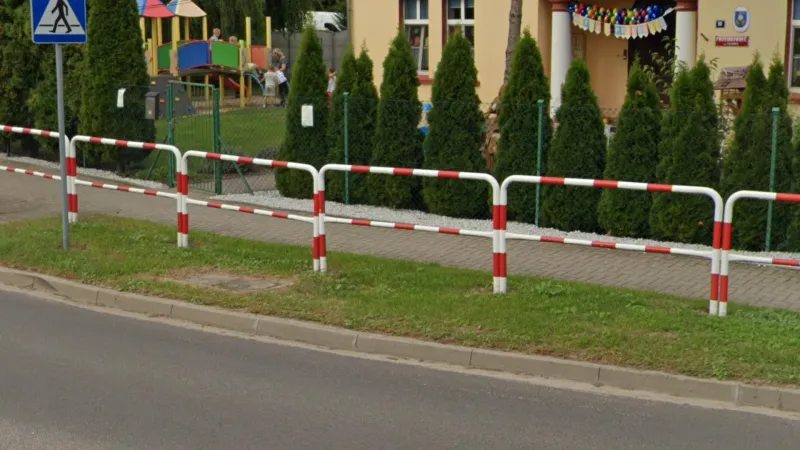
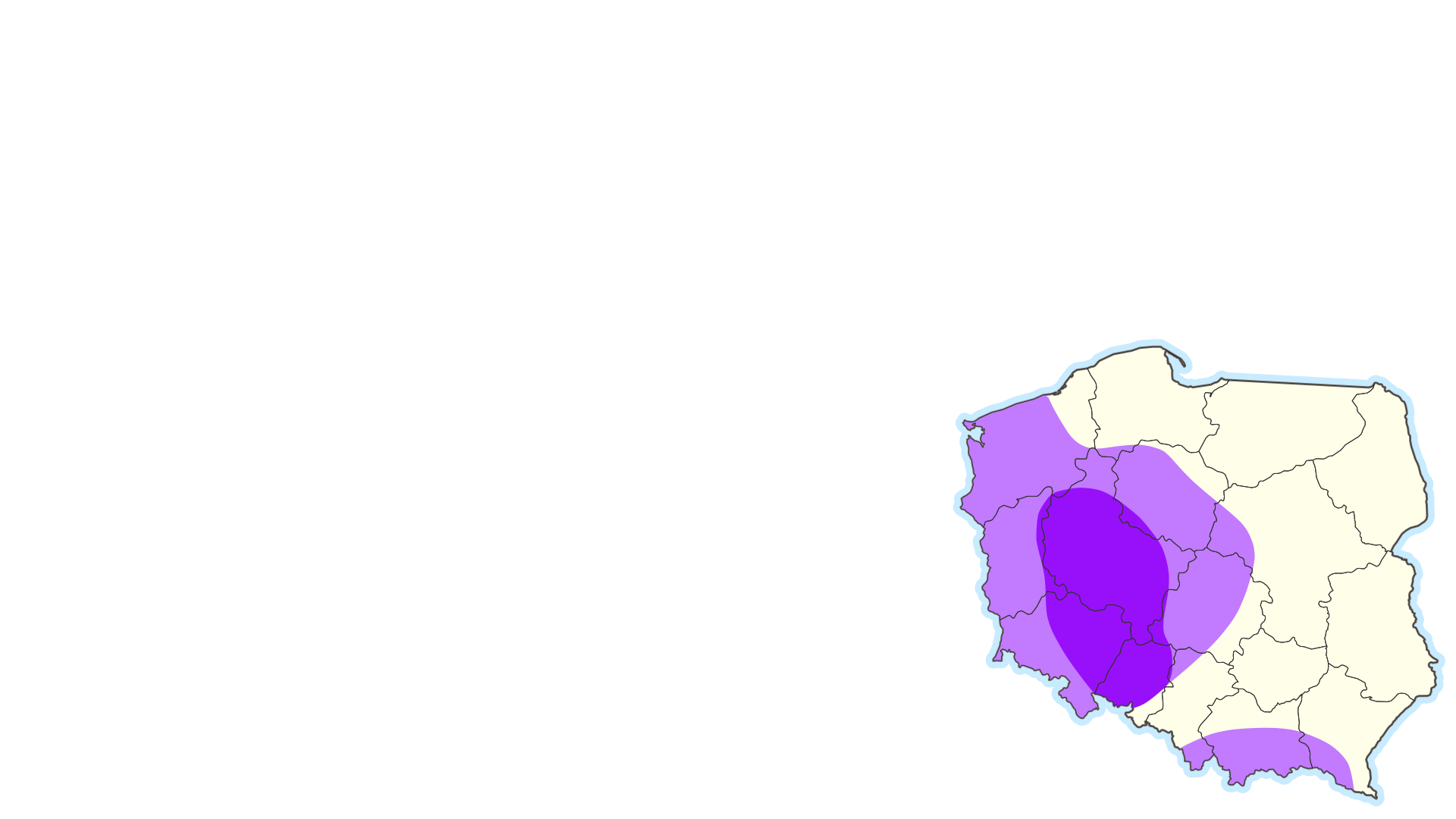
These white and red striped barriers, where each segment is made from a single piece of metal, are most commonly seen in this part of southwestern Poland, particularly Greater Poland voivodeship and bordering areas.
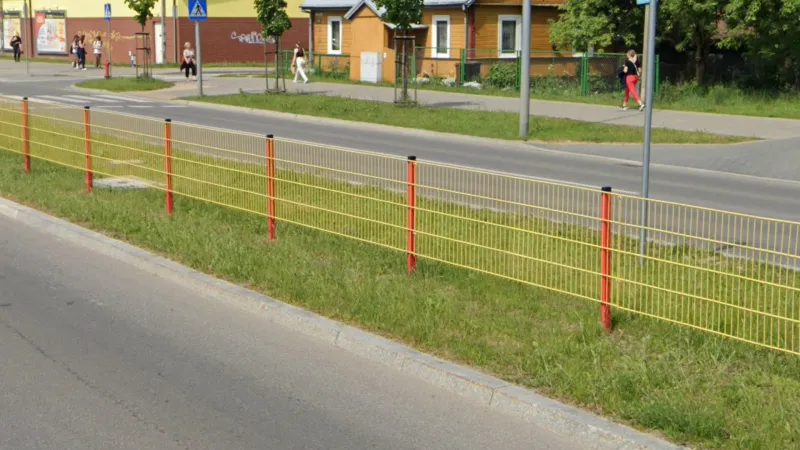
These red and yellow fences are commonly used as road dividers in the city of Białystok, but can also rarely be found in other towns within Podlaskie Voivodeship.

Bus Stops

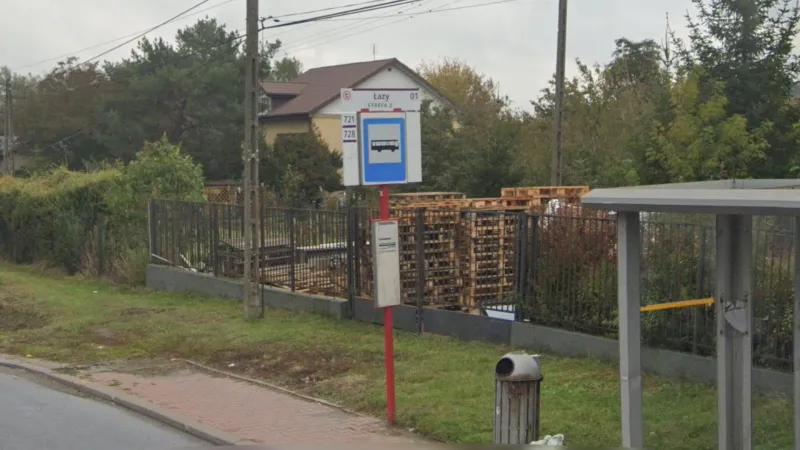
These bus stop signs, with a red signpost and a white shielding around the sign with bus route numbers, can be found in Warsaw and surrounding areas.
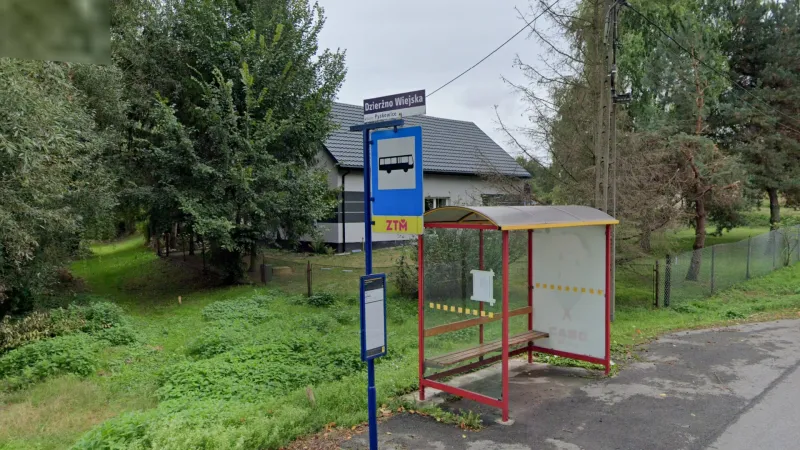
Two distinct bus stops sign designs can be found in the GZM Metropolis in Silesian Voivodeship:
  • An older design featuring a red ZTM logo on a yellow background below the sign.
  • A newer design recognisable from the black signpost topped by a black box with a white logo.
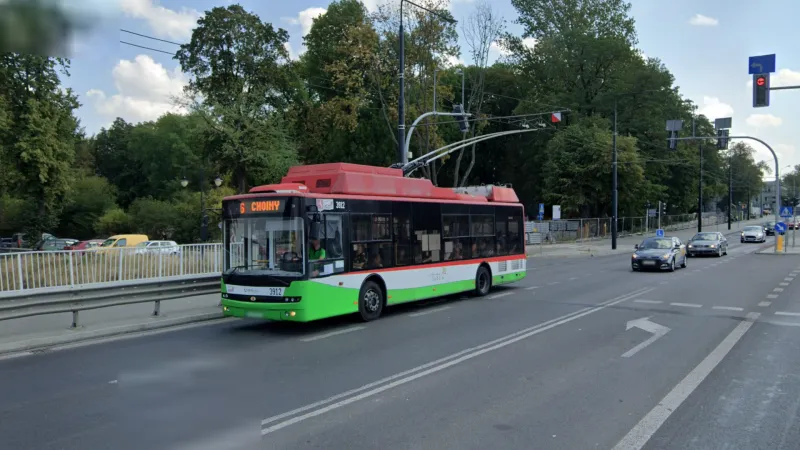
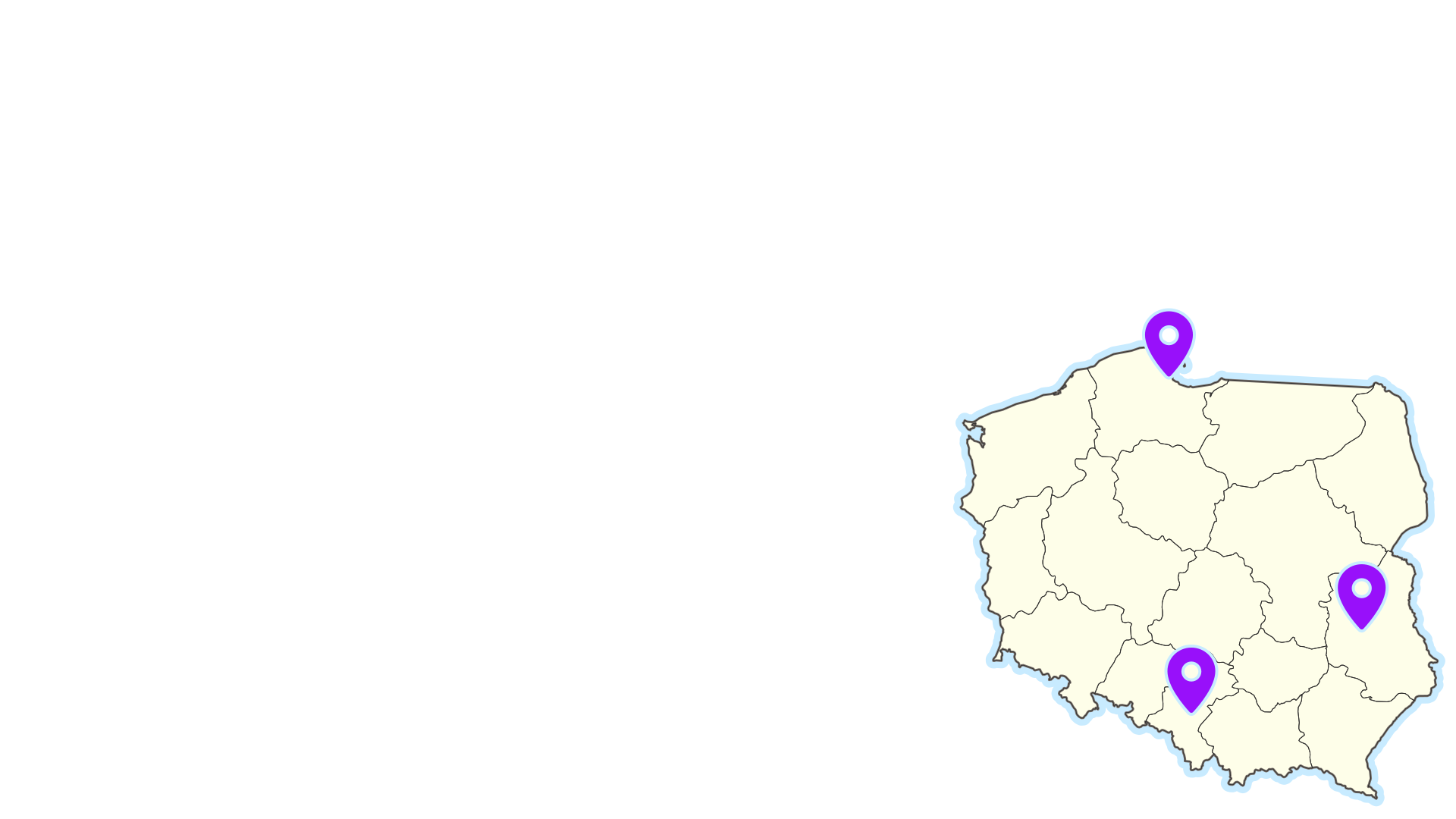
Trolleybuses, recognisable by their long poles connected to overhead wires, are only used in three areas. These each have a different design:
  • A red-white-green ‘Hungarian flag’ design in Lublin
  • A white-blue design in neighbouring Gdynia and Sopot
  • A yellow-green design in Tychy

Culture & Linguistics

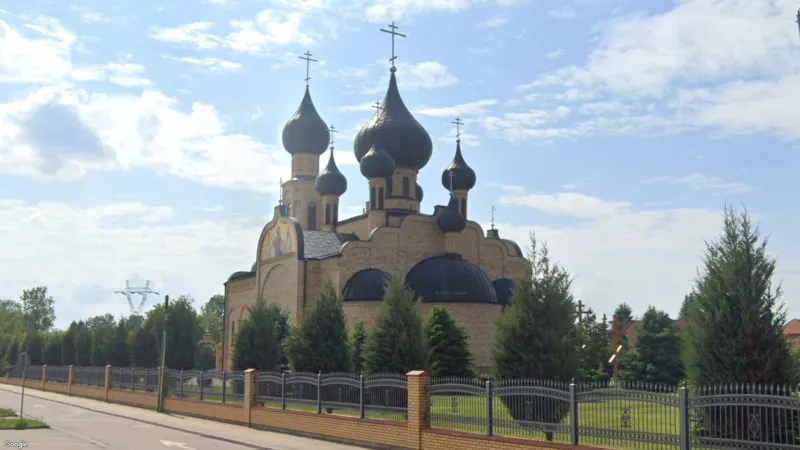
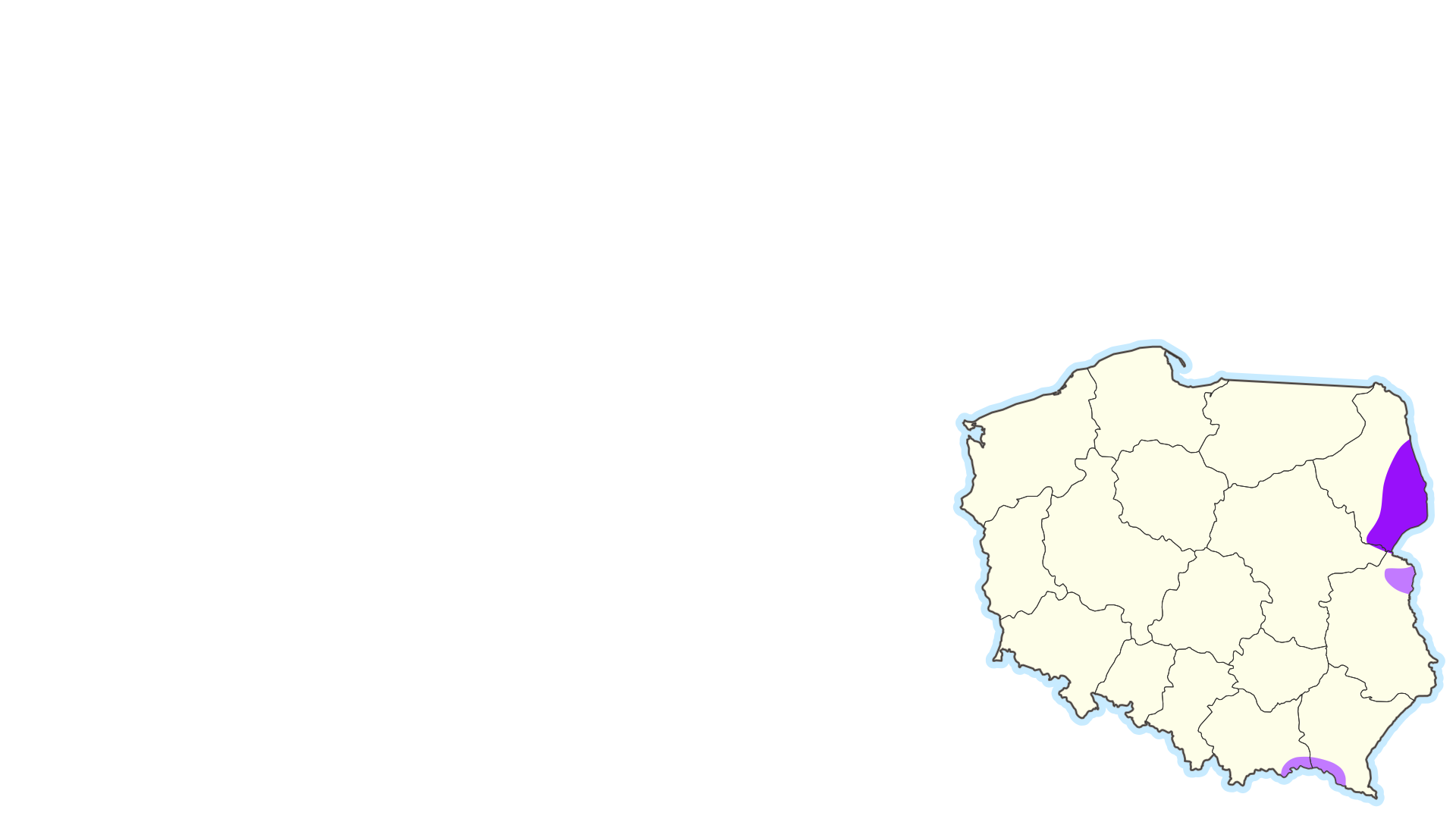
These parts of the far east of and southeast of the country have a significant Eastern Orthodox minority. Useful clues to recognise these areas include churches with onion-shaped domes and the Byzantine cross symbol.

Toponymy

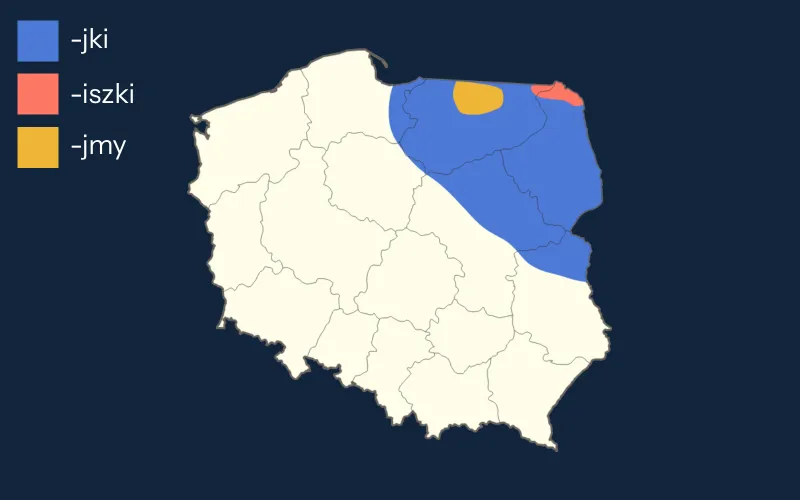
There are a handful of suffixes that are exclusive to the northeast of the country.
  • -jki’ is exclusive to the northeast generally
  • -jmy’ is exclusive to the former Old Prussian-speaking areas near the Kaliningrad border
  • -iszki’ is exclusive to ethnically Lithuanian areas on the Lithuanian border
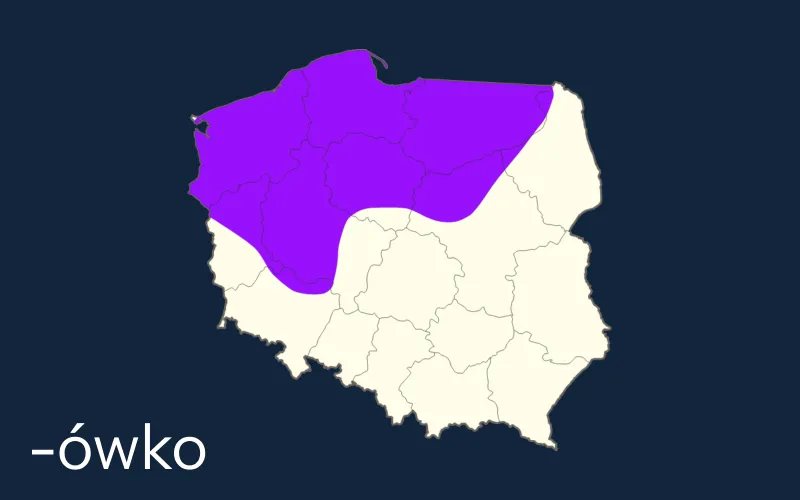
The suffix ‘-ówko’ is a very useful suffix that correlates similar with ‘-owo’ in the north, except that it is also absent in the far northeast.
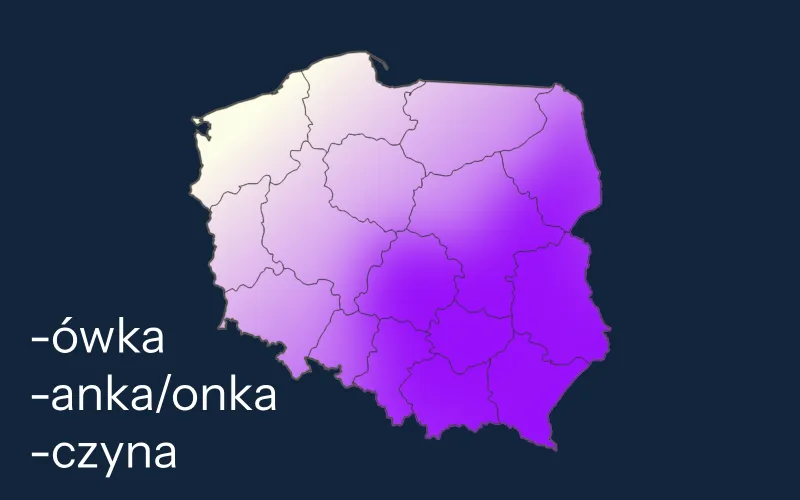
There are numerous suffixes that correlate roughly (although not perfectly) with the old imperial border that runs through the centre of the country. On the former Russian/Austro-Hungarian eastern side of this border, the suffixes ‘-ówka’, ‘-anka/onka’ and ‘-czany’ are far more common, although they are still present on the western, formerly Prussian side.
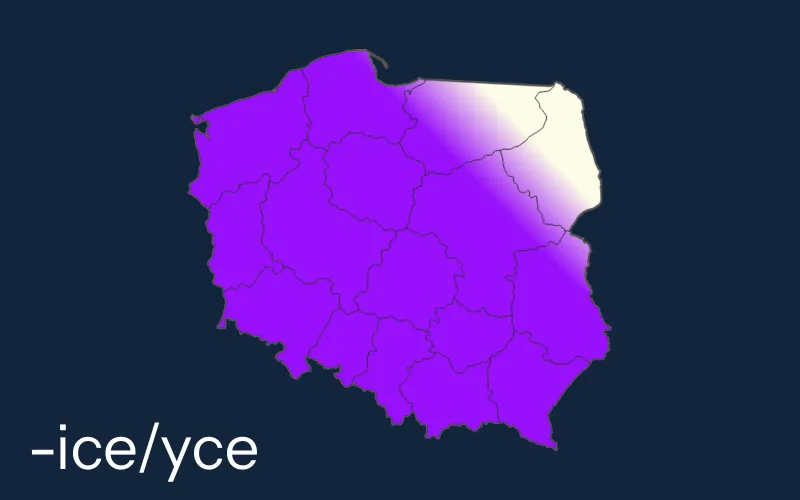
The suffix ‘-ice/yce’ is far less common in the northeast of the country.