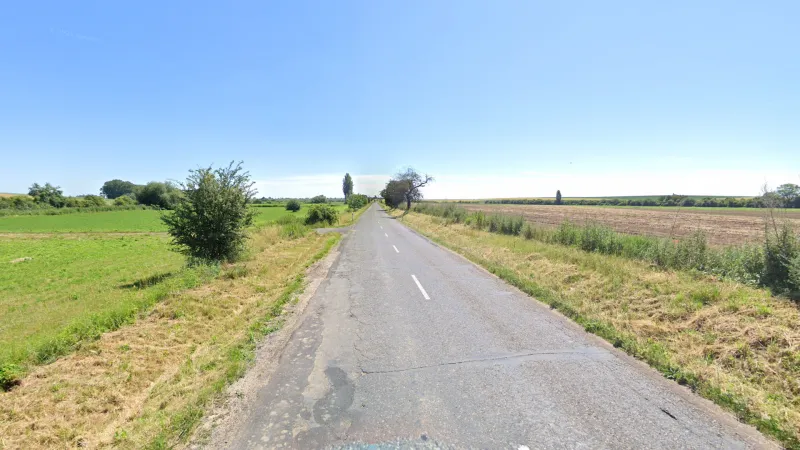
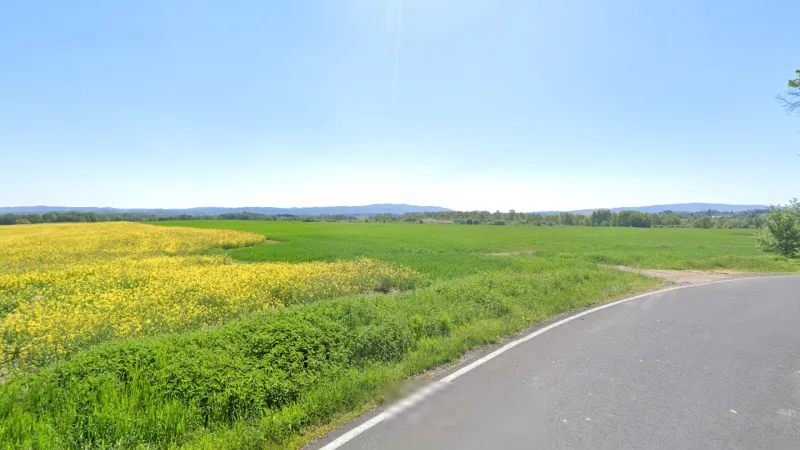
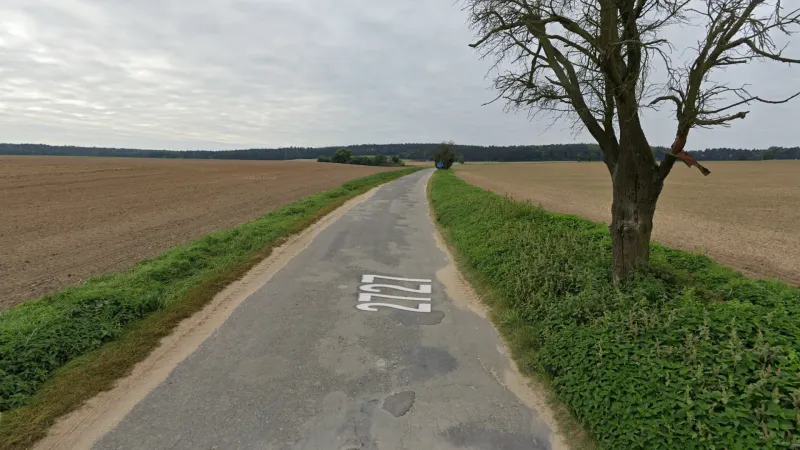
Much of the northern half of Bohemia (western Czech Republic) is covered by the Elbe valley. This area is more open, with very lightly undulating terrain and rows of small trees.
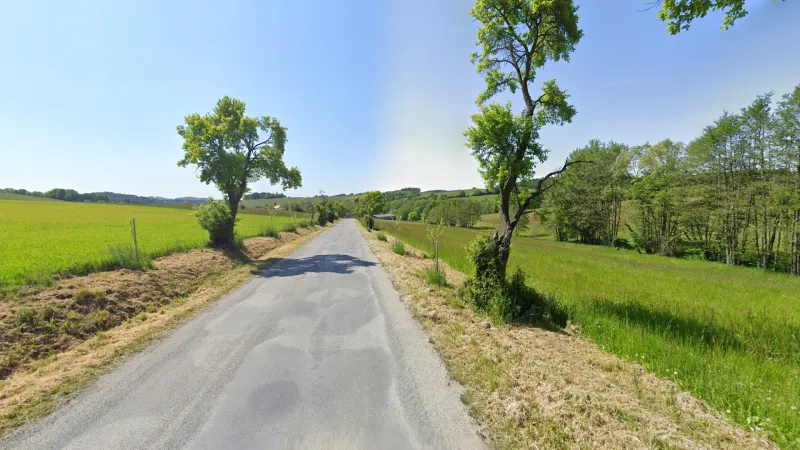
Southern Bohemia, meanwhile, has a more starkly undulating terrain and colder climate, with more numerous forests, often consisting of conifers.
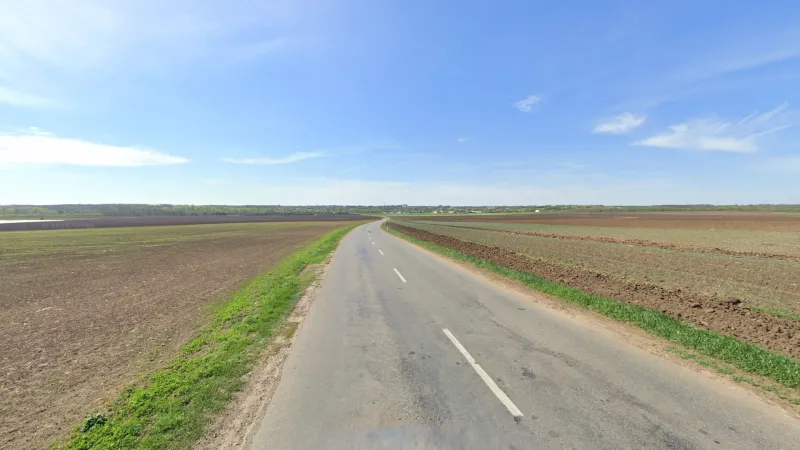
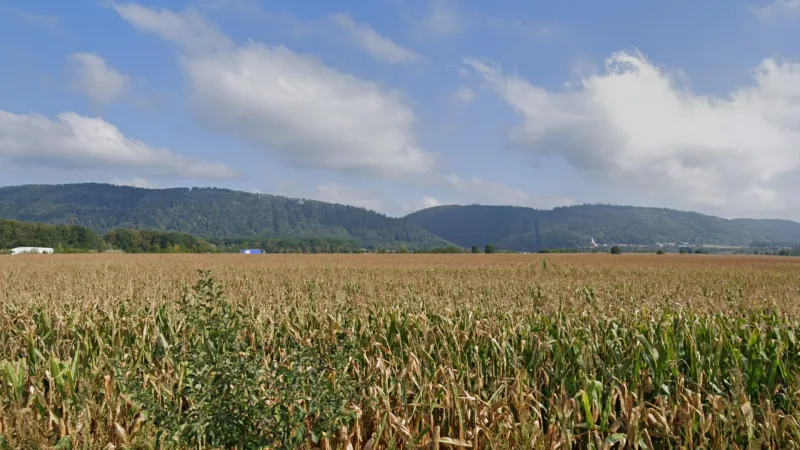
‘Moravia’ refers to the eastern half of the Czech Republic. Southern Moravia is the warmest part of the country and is also unique for being deadflat. Vineyards, sunflower fields, and to a lesser extent fruit orchards are often found here. This area is even flatter than northern Bohemia and tree rows are rarer.
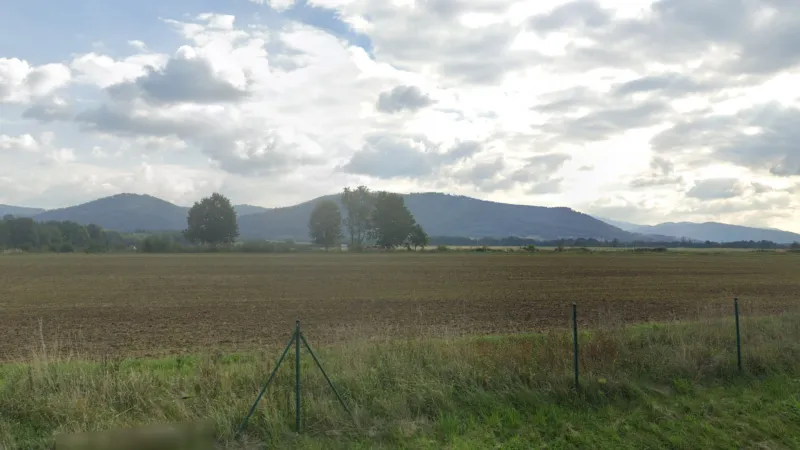
If you see a hill range to the south, you are most likely in the far east, south of Ostrava. Due to a more gradual gradient, you will not find such stark hills to your south when looking at the Bohemian Forest range in the southwest of the country.
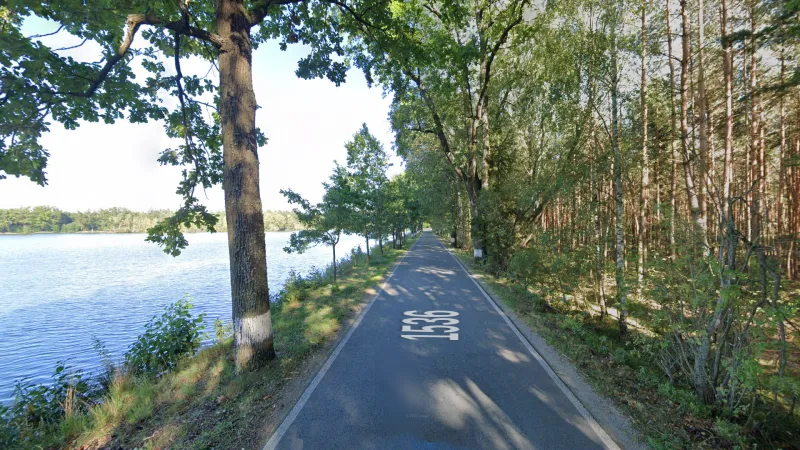
Peaceful lakeside roads, usually lined by trees, are common in South Bohemia, particularly around České Budějovice.
The area around the city of Cheb is an unexpectedly flat agricultural area in the gap between the Sumava and the Ore mountains. It is generally identifiable by the presence of a mid-sized ridge to the east or southeast, something not found in other flat areas.
There is a prominent, flat ridge along the Bečva river that runs northeast to southwest. Counterintuitively, this is a much more clear ridge than anything you would find along the German border, although it’s worth noting that in the event of a 50/50, the Bečva valley is flatter and less forested than the northwest.
Around Milovice just northeast of Prague, you can find relatively sandy soil with sand often visible along the roadsides.
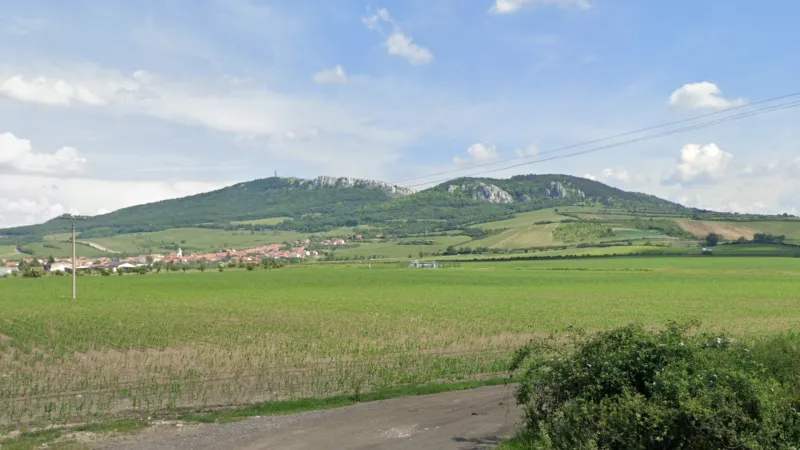
Děvín is a unique, isolated double hill with lots of exposed rock located in the southeast of the country. It is covered on the map by the Pálava Protected Landscape Area. Within the Pálava hills themselves you can find exposed karst hills accompanied by vineyards.
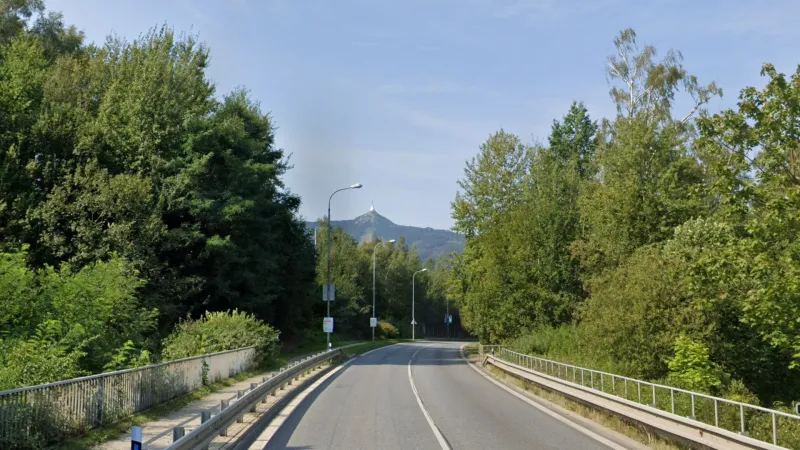
Ještěd Hill is a good way to identify the city of Liberec. It has an oddly triangular peak topped with a TV tower shaped like an upside-down funnel.
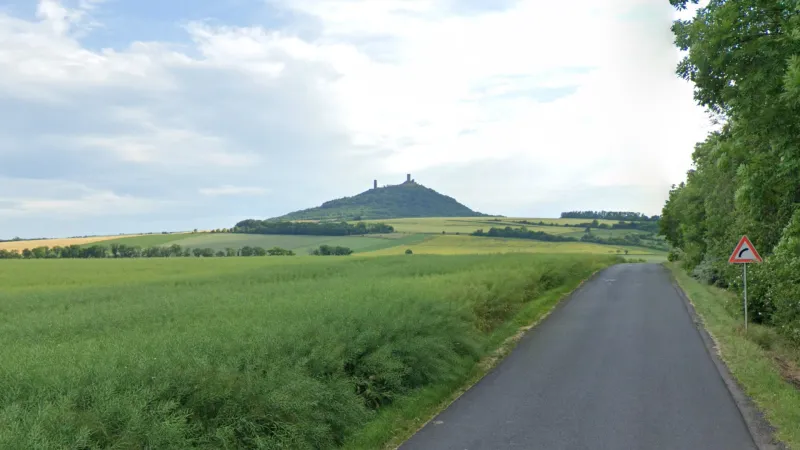
Out of all the volcanic cone mountains in northern Bohemia, Hazmburk is a southern outlier and the most distinctive, with a twin-towered castle on top that is visible for some distance.
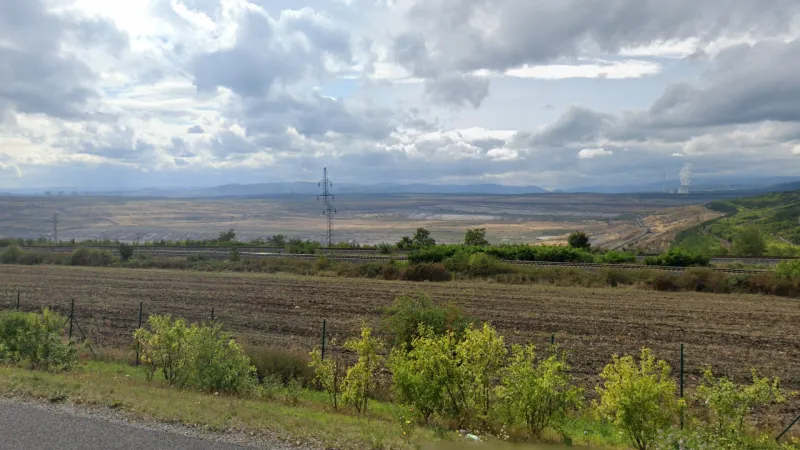
The mining industry in Czechia is heavily concentrated in the northwest in the Ústí nad Labem region, as well as around the city of Ostrava. Within some parts of Ostrava you can often find large pipes running through regular neighbourhoods.
Vegetation
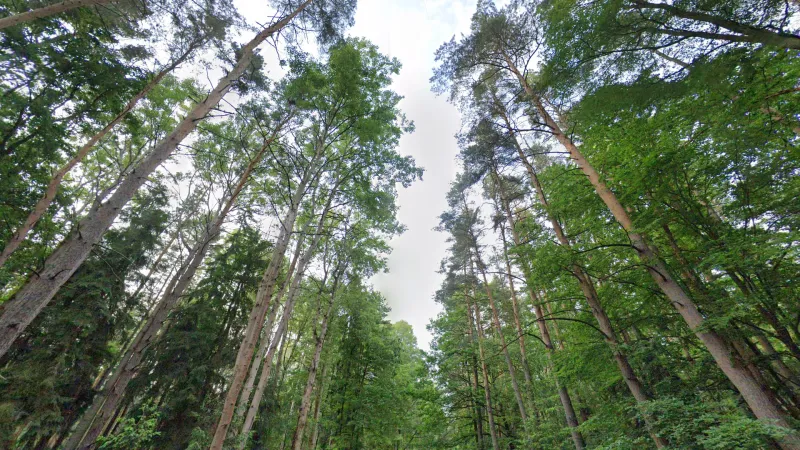
Pine forests are mostly limited to the western half of the country. Within a flat landscape however, there is one large Scots Pine forest in the southeast near Hodonín that is unique within the country (this forest can easily be confused with Polish forests).
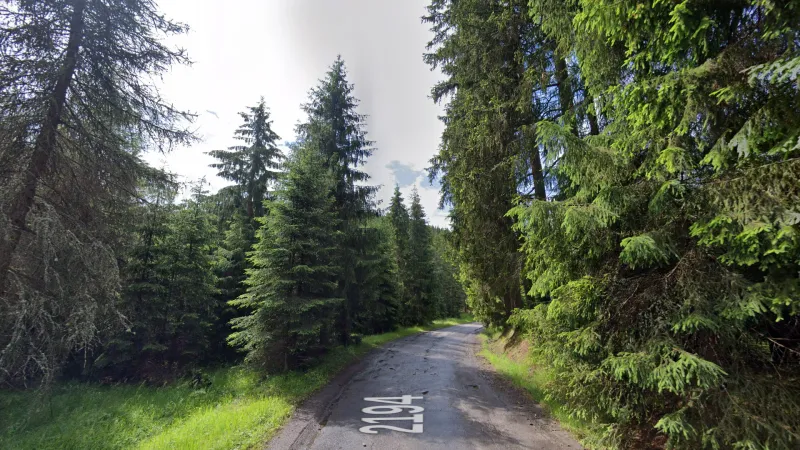
Spruce forests are mostly limited to high-altitude areas in mountain ranges along the borders of the country. In a more moderate hilly landscape, they are most common in Southern Bohemia.
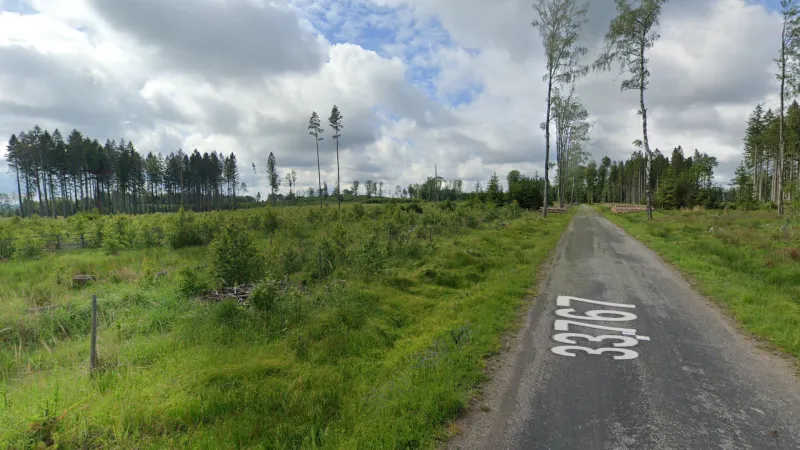
In Železné Hory Protected Landscape Area, it is common to find plots of deforested land or unusually sparse forests, caused largely by blight.
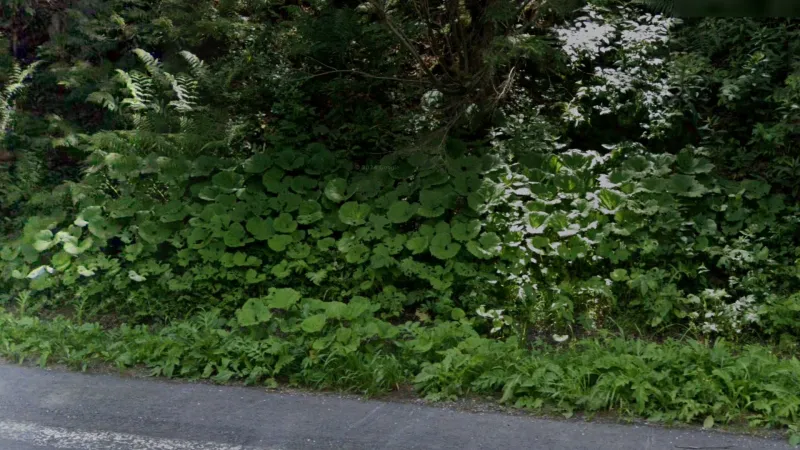
Butterbur grows most commonly in the more humid northern and eastern mountains of the country, helping to distinguish them from the western and southern highlands.
Agriculture
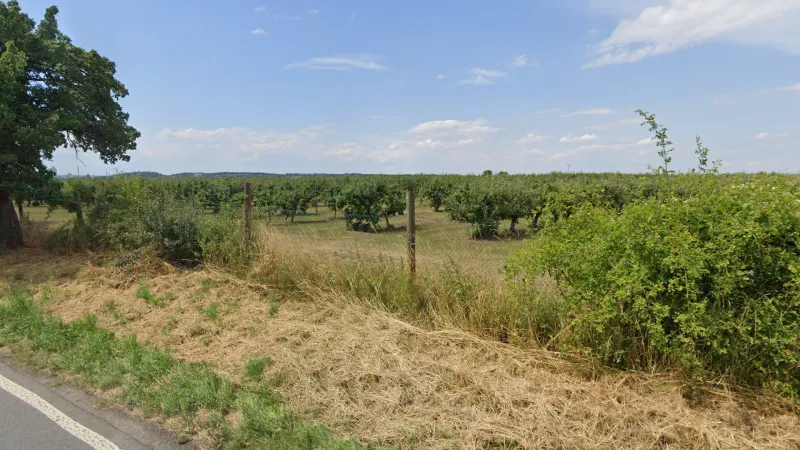
Orchards are most common just north of Prague, but can also be found rarely in the southeast.
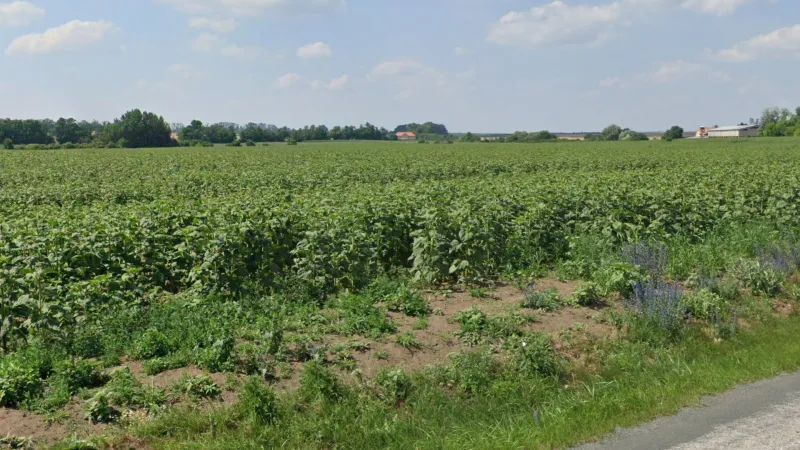
Sunflower production is mostly concentrated in the southeast of the country, with sunflower fields also rarely seen in the Hradec Králové region.
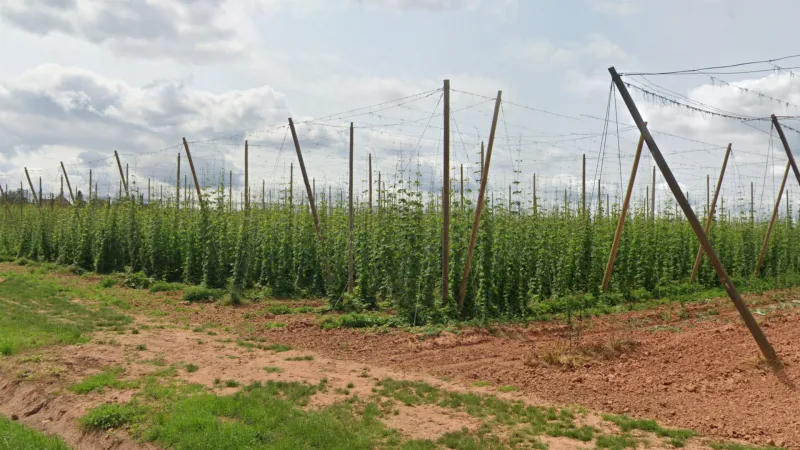
Hops plantations are found in the Ohře valley in the northwest, with some plantations found near Přerov in the east as well.
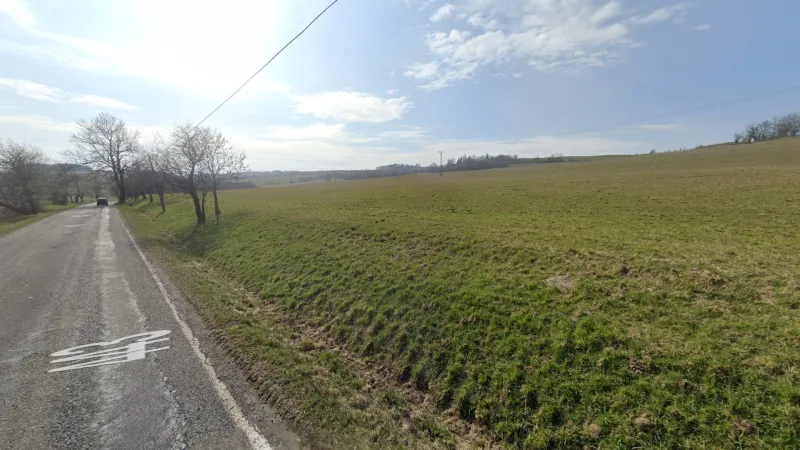
Large grassy fields used for animal grazing are largely found in the northeast of the country, predominantly in the Moravian-Silesian region.
Architecture
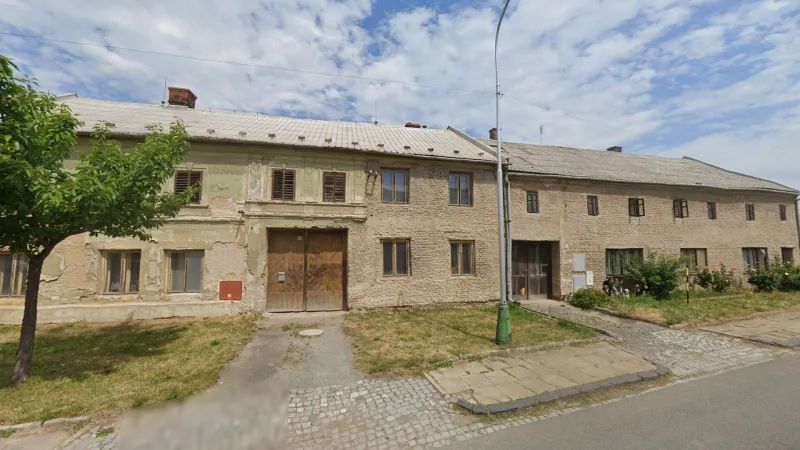
Houses made of unburnt adobe bricks, notable for their beige, messy appearance, are common around Brno and Olomouc in the Moravia region.
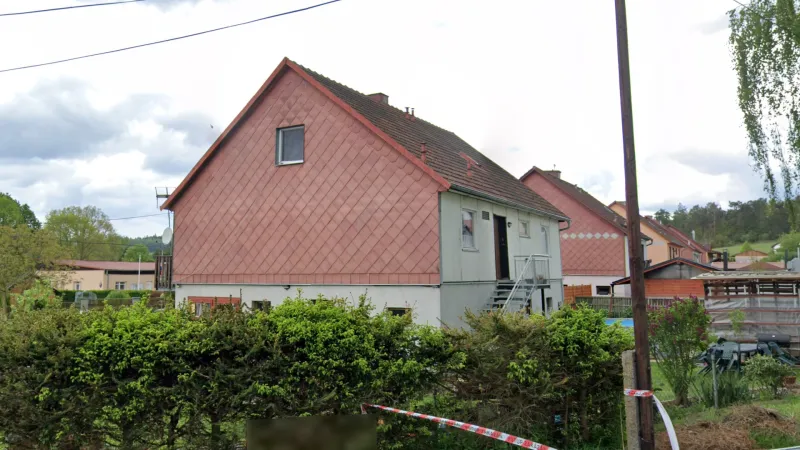
Houses with metal panel walls are more concentrated in the far-western hilly parts of the country, although this meta should be used cautiously as they can be found rarely across the country.
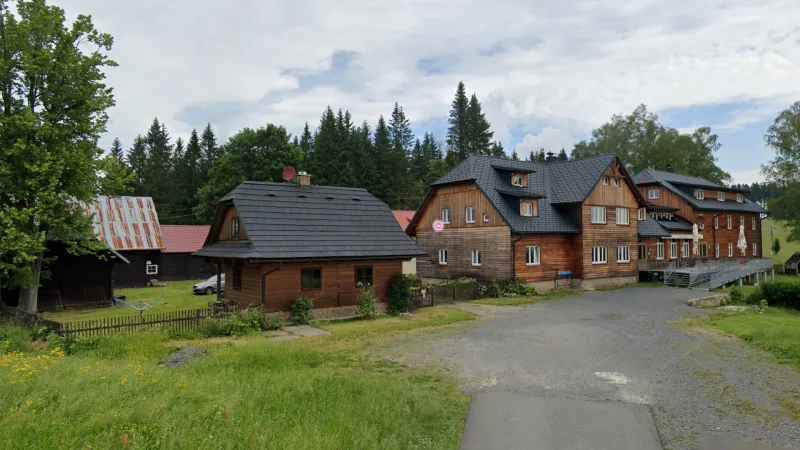
In the hilly parts of eastern Moravia you will frequently find all-wooden houses with dark wood walls and dark-tiled roofs.
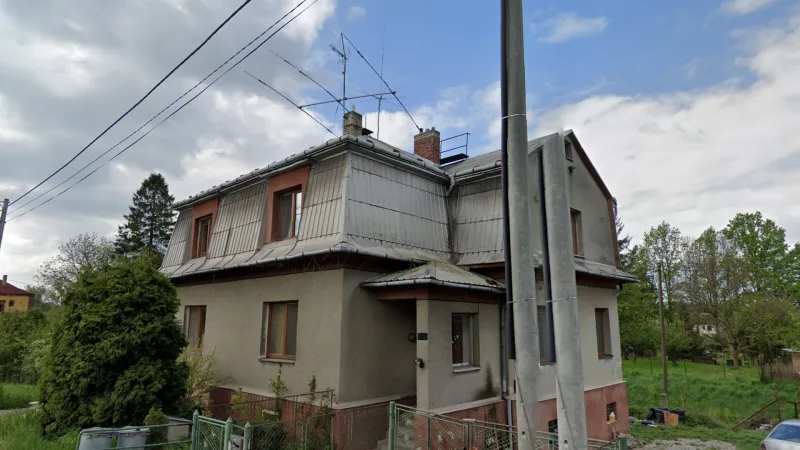
Metal roofs, particularly in this style with wide corrugations, are far more common in the east of the country, as well as certain northern mountainous areas.
‘Double Beavertail’ roof tiles, identified by the semi-circular bottom tile peaking out from under the top tile, are mostly found in the southwest.
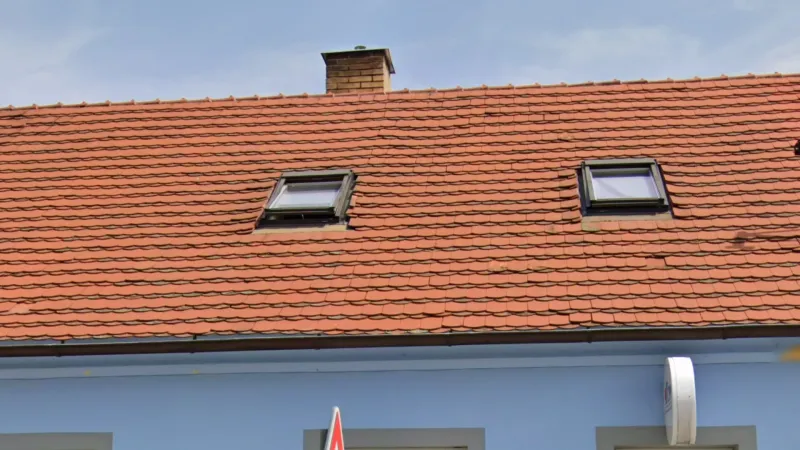
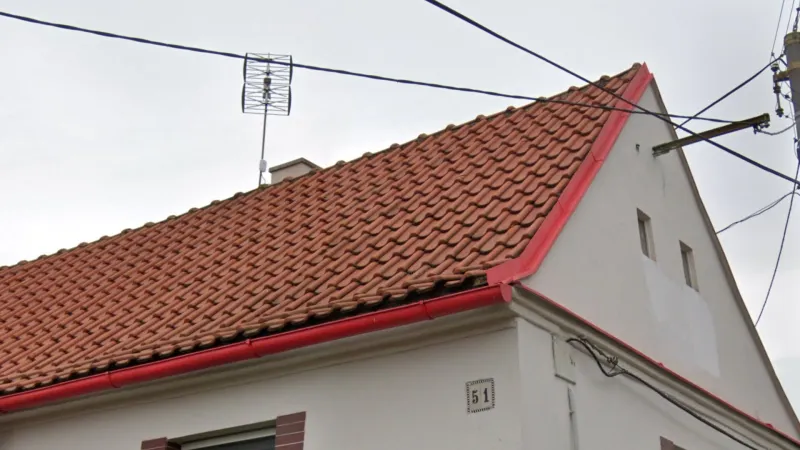
Pantiles and S-wave tiles, both types of ‘wavey’ tiles, are most common in Central Bohemia, and can generally be found throughout the west of the country. They are also rarely seen in Southern Moravia.
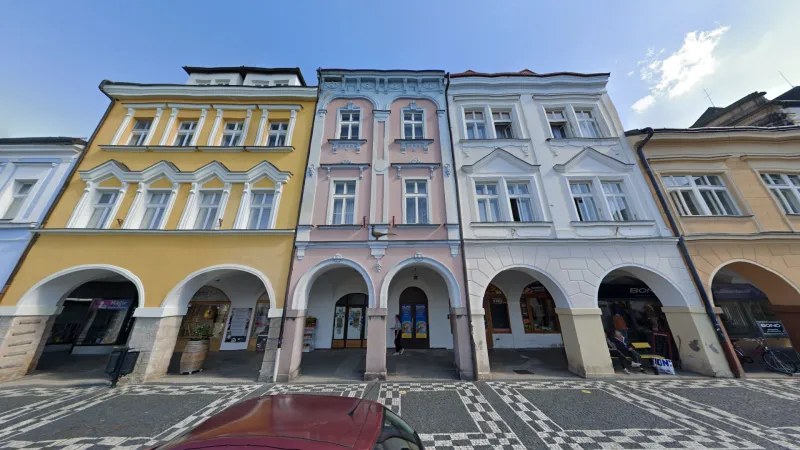
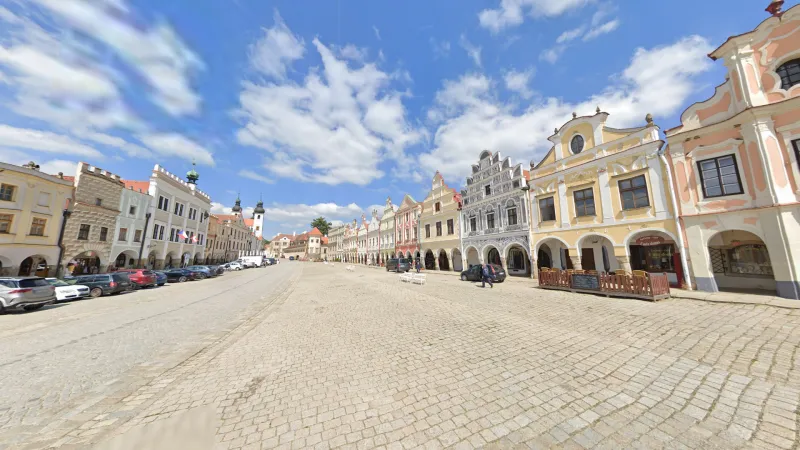
Most towns and cities nearer to the German and Austrian borders tend to have much more beautiful and well-preserved town centres surrounded by baroque architecture. These can generally be divided into a northern style and a southern style:
Northern Bohemia (the northwest) generally has much more ‘three-dimensional’, ornamental architecture with lots of statues, gargoyles, elaborate window frames and deeper joints between bricks. Porticoes are also more common here. Towards the eastern end of this area, around Hradec Kralove, portico pillars often jut out at a soft angle like a buttress.
Southern Bohemia (the southwest) is rich in unique architectural features, including creative roof gables, especially bulbous or castle-like gables. Painted-on bricks (as opposed to real 3D bricks) are also common, as well as elaborate painted frescoes in general (usually black-and-white but sometimes with colour as well).
Infrastructure
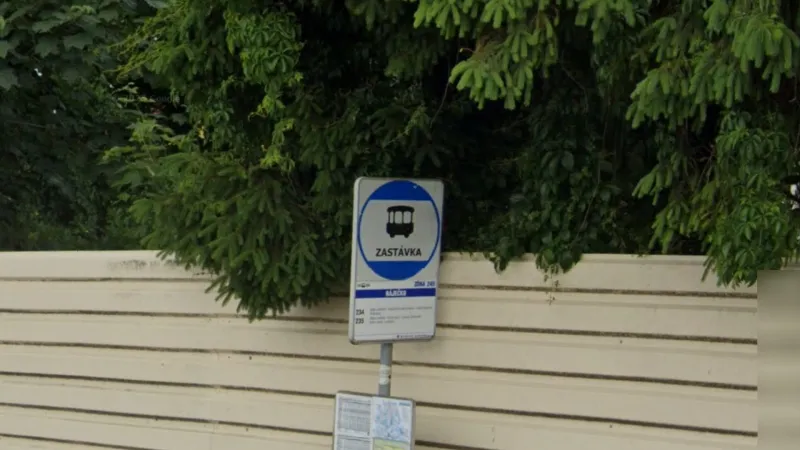
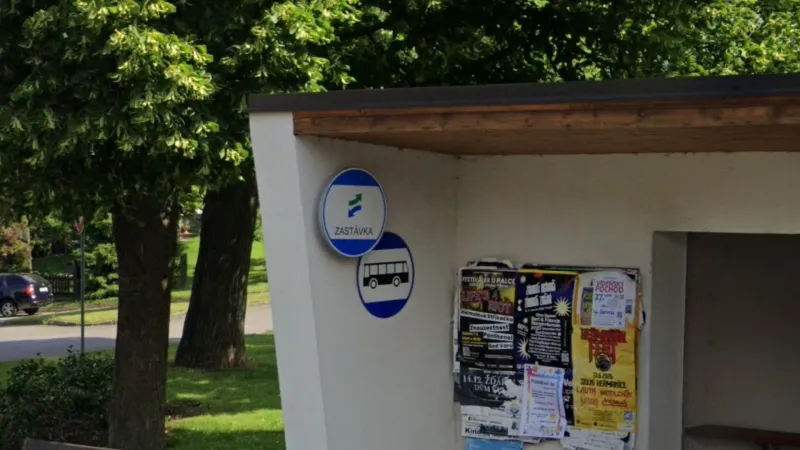
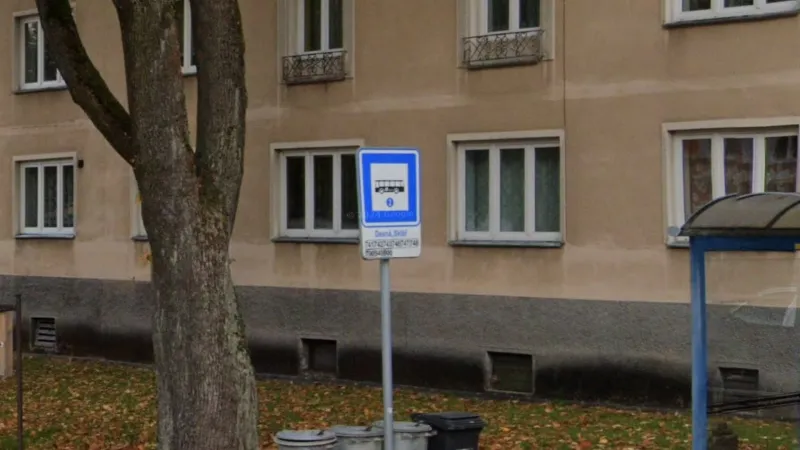
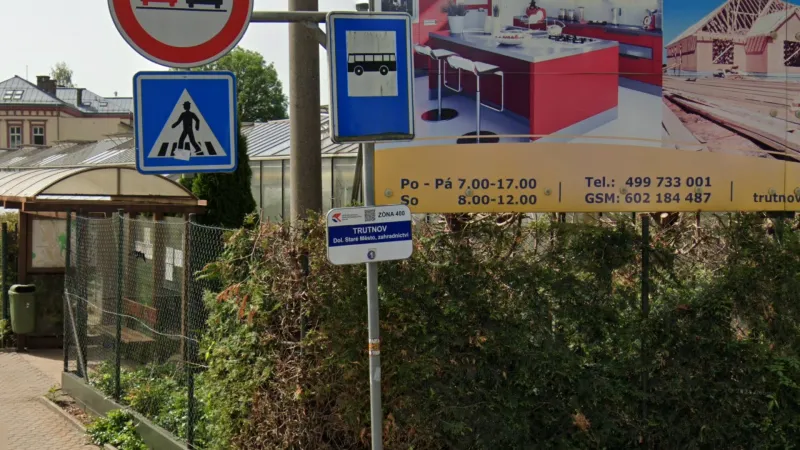
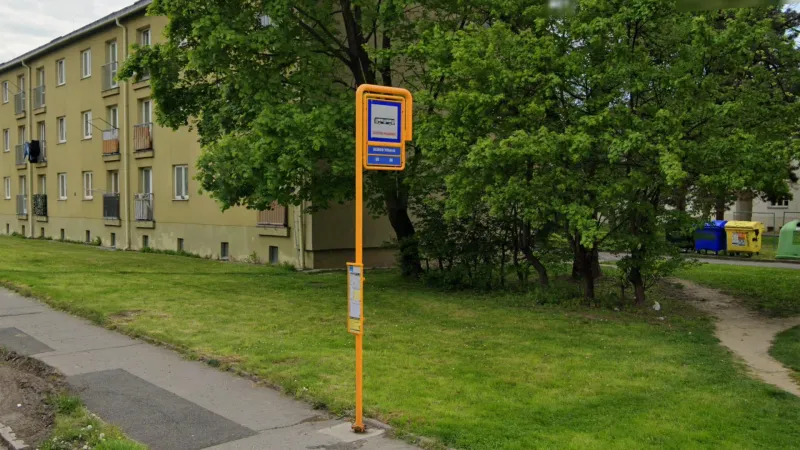
Bus Stops
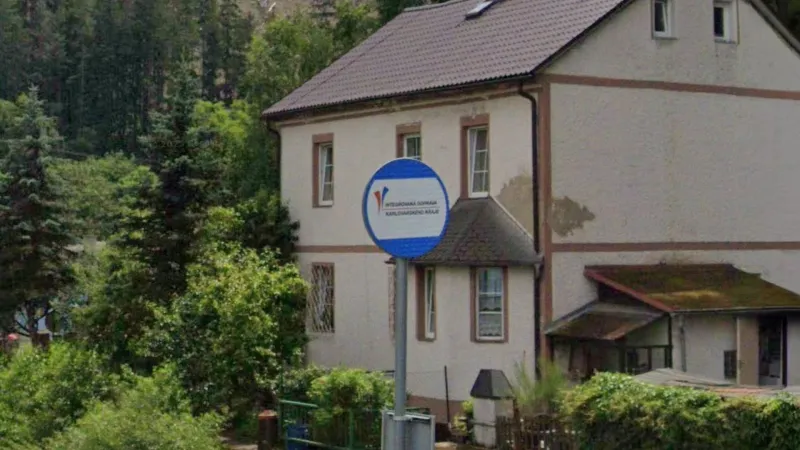
Bus stops in the Karlovy Vary region have an odd reflective coating, as well as a V-logo composed of a red and a blue stripe.
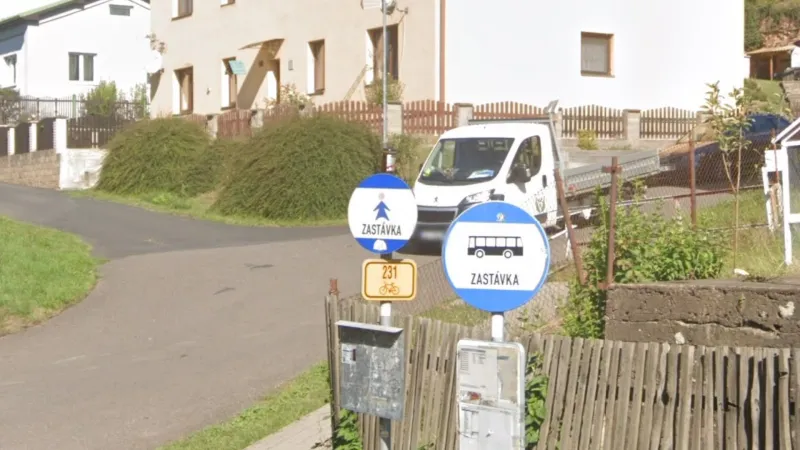
There are two unique bus stop sign designs in Ústí nad Labem region. The first is the ‘arrowman’, composed of a blue arrow with a pink ‘head’. The second is a normal bus stop logo but placed on a white rectangular background.
Plzeň bus stop signs have a unique logo composed of blue, green and yellow semi-circles.
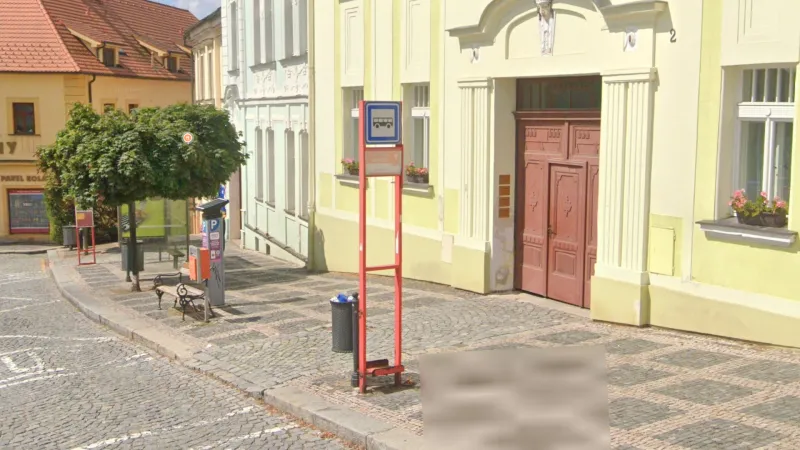
In Central Bohemia, bus stop signs are supported by a frame or pole that is painted red.
On South Moravian bus stop signs, the bus icon is oddly small, appearing ‘squeezed’.
Vysočina bus stop signs feature a simple logo consisting of a green and a blue arrow pointing in opposite directions.
In the Liberec region, bus stop signs have an extended white section below with route numbers, as well as a blue number sticker beneath the bus icon.
The Hradec Králové region has a unique secondary sign with a white-blue-white section and a red logo in the corner.
Large, squarish yellow frames are found in the Moravian-Silesian region. Note that circular yellow frames can be found elsewhere.
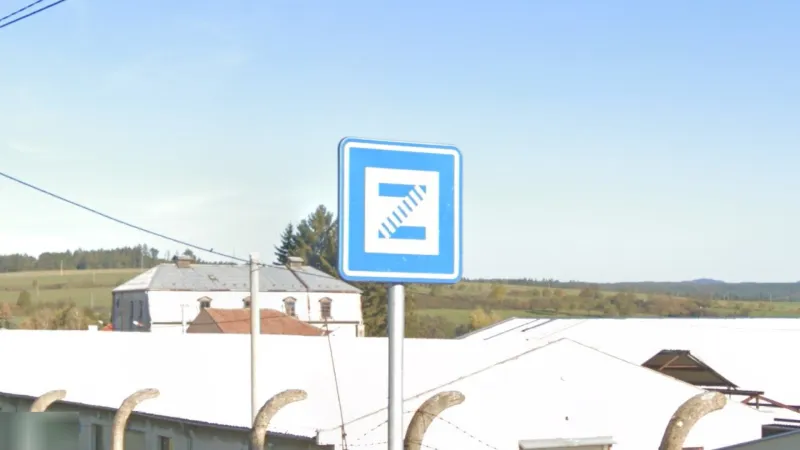
Zlín regional bus stops have a ‘Z’ logo on them.
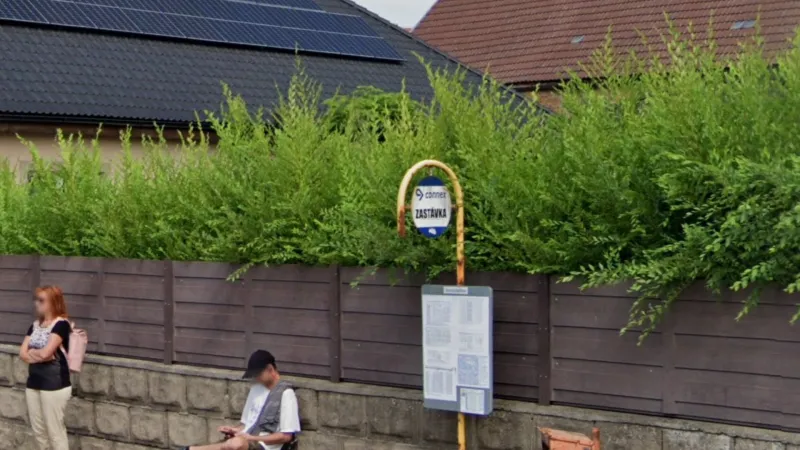
The transport company Connex operates in an area of central Czechia that comprises western Pardubice as well as adjacent parts of Hradec Králové and Vysočina regions.
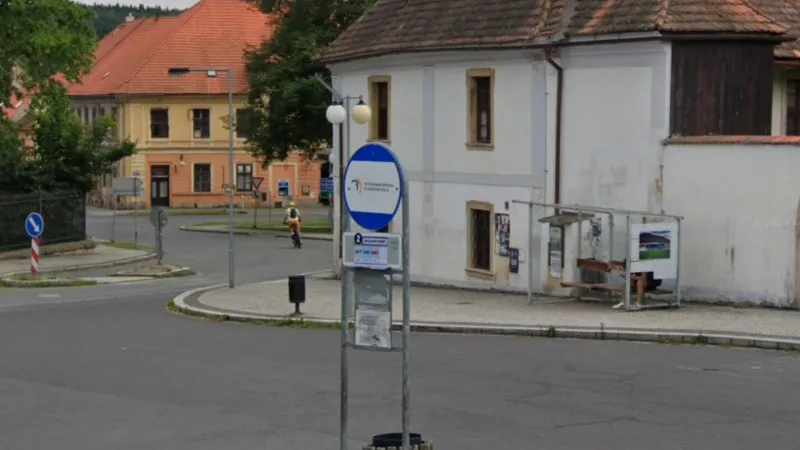
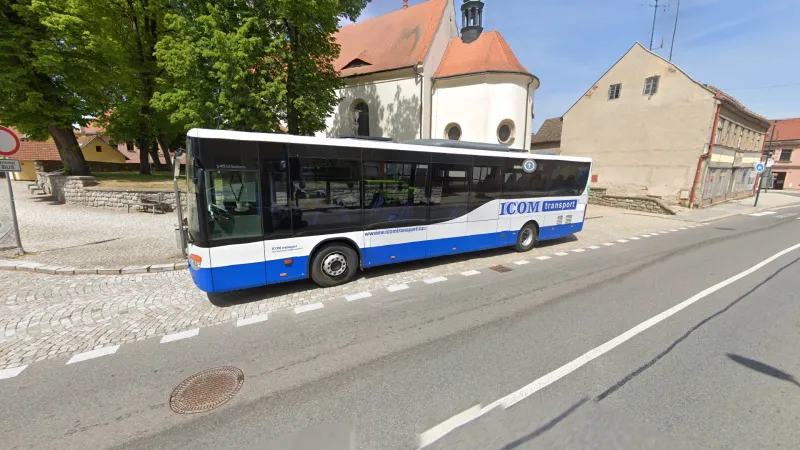
ICOM is a company that operates busses as well as petrol stations in Vysočina, leaking also into South Bohemia, Central Bohemia and Pardubice. The name itself doesn’t always appear on bus stop signs, however the blue font they use is very distinct. Note that the sign mentioned previously for Vysočina is increasingly common in newer coverage.
Railways
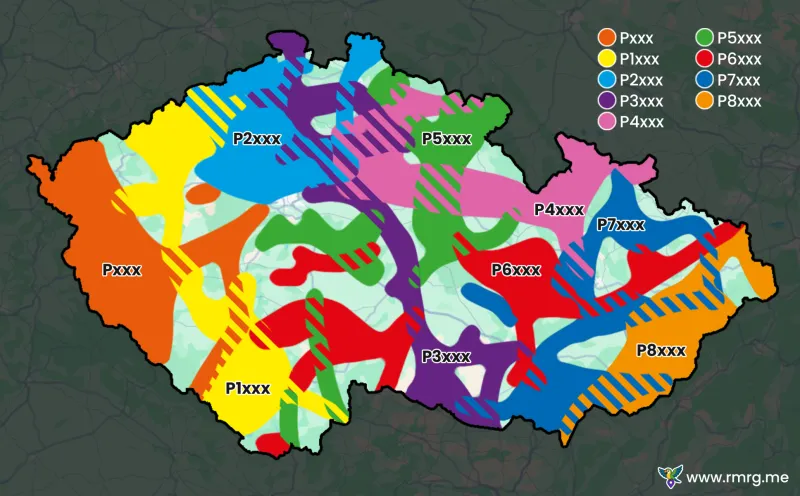
On the back of signs and/or control boxes at railway crossings, you will find a simple sticker with a code, always starting with ‘P’ and followed by a 3-4 digit number. The first digit of the number can be used to regionguess as follows (numbers starting with ‘9’ do not follow any pattern):
Energy Infrastructure
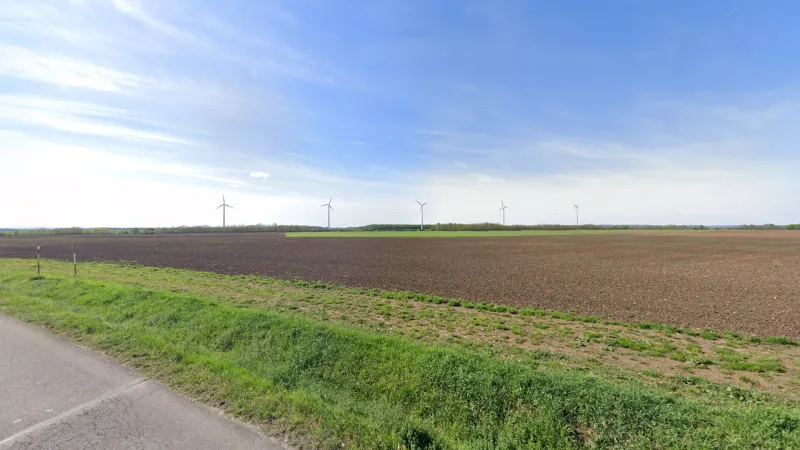
Wind farms are far more common in the east of the country, especially the northeast.
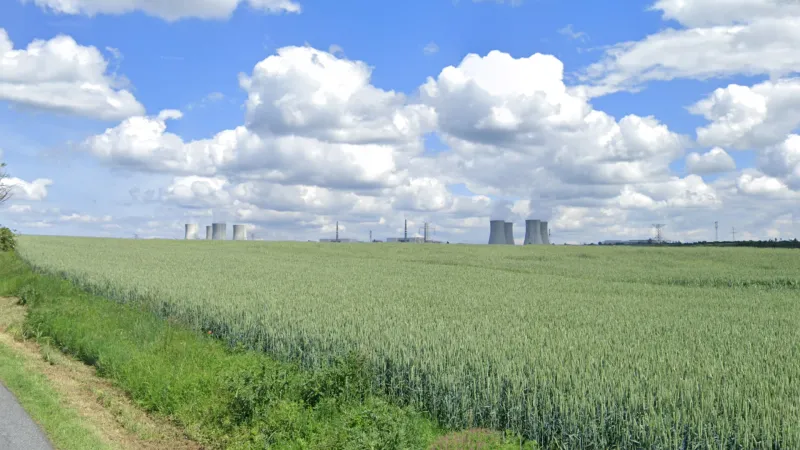
The Czech Republic’s primary energy source is nuclear power, generated at two plants in the south of the country - Temelín and Dukovany. Dukovany is larger with two sets of chimneys, whereas Temelín has only one set (each set includes four chimneys). Note that smaller, non-nuclear power plants with fewer than four chimneys can be found elsewhere.
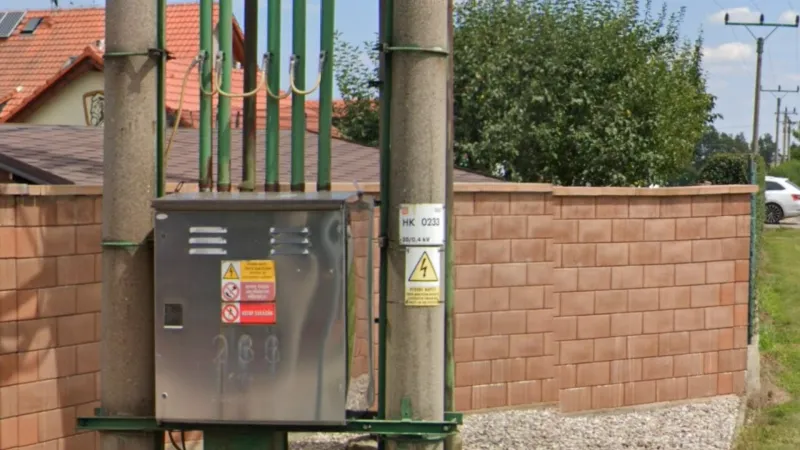
The electricity company ‘Skupina ČEZ’ operates in most of the country apart from the south. Their signs (found on electricity boxes and occasionally on pylons) feature 2-letter district abbreviations that can be used intuitively to narrow down the area (HK = Hradec Králové in the example loc). You can find a map of all the abbreviations here - note that some, particularly those around Prague, are not intuitive. An orange ‘E’ logo is also indicative of this company’s operating area.
Urban
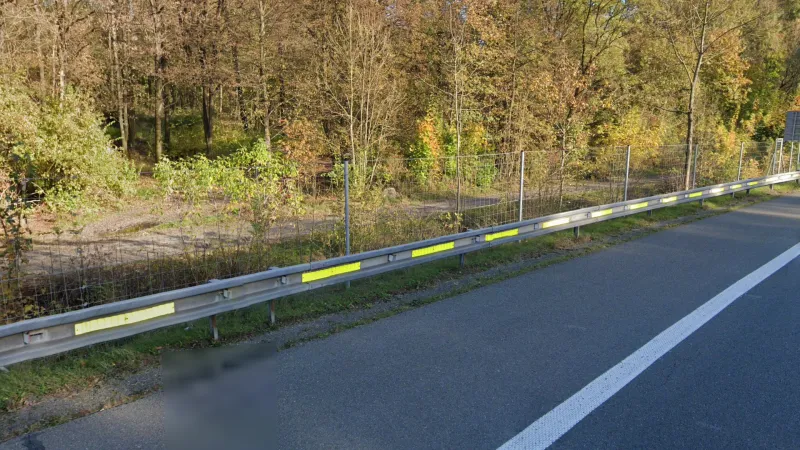
Bright yellow reflective bands can sometimes be found on guardrails, poles, trees, etc. in the Ostrava area.
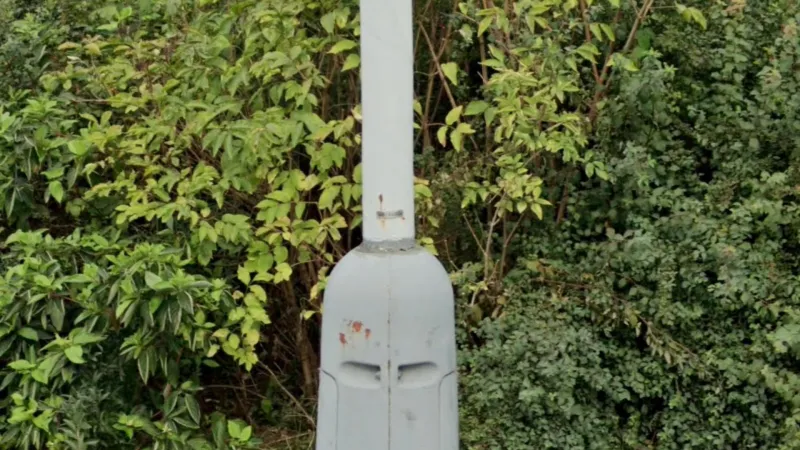
Pretty much all lampposts in Prague have a small numbered metal tag on them, something not found in other large cities.
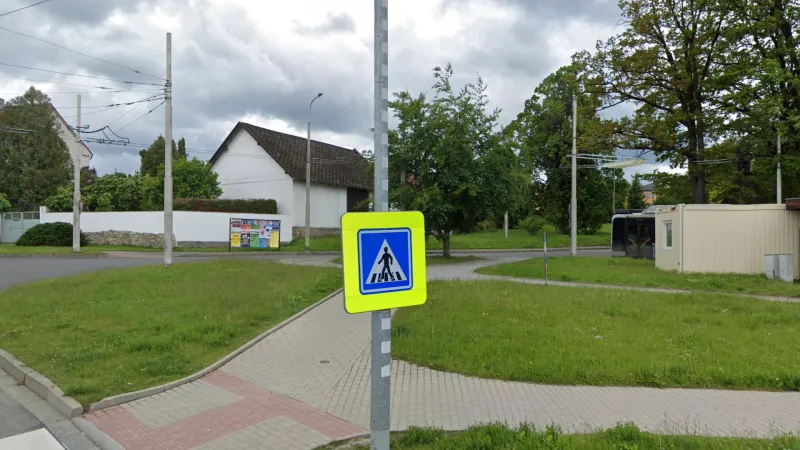
The city of Jihlava has unique white square markings on poles supporting pedestrian signs, creating a striped effect.
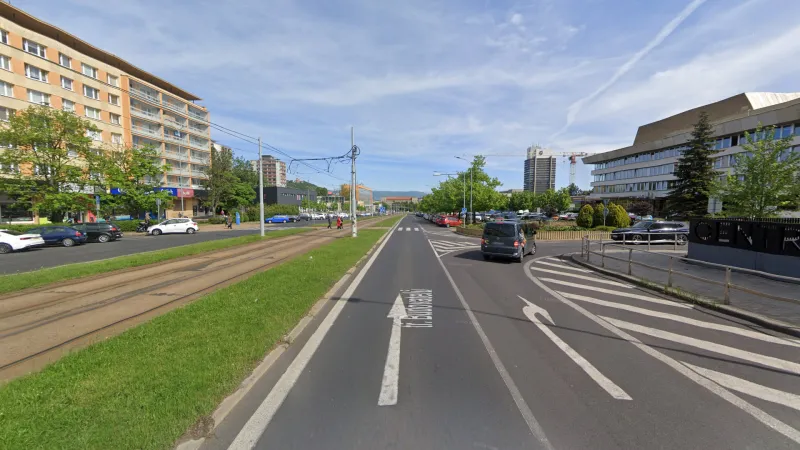
The city of Most, in the Ústí nad Labem region, is a mining town and planned city built during the communist era. Its urban layout is eerily similar to that of Russian cities, with wide avenues that include wide grassy berms, wide pedestrian lanes, and sometimes middle lanes for trams, coupled with Soviet architecture. The city is also hilly.
Bins
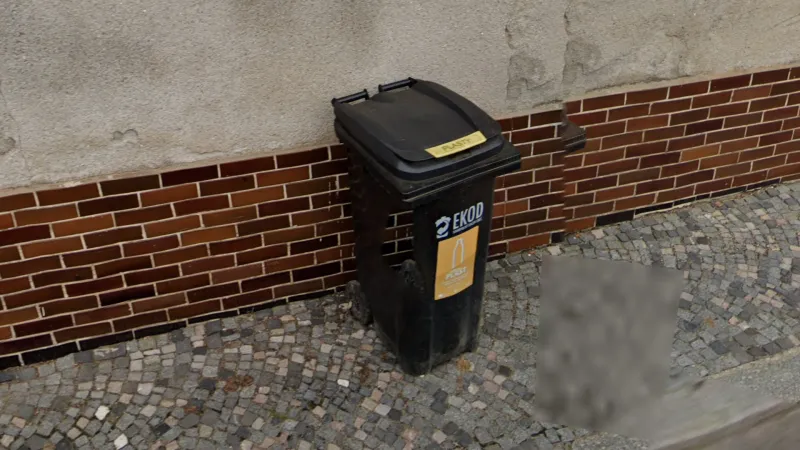
EKOD waste removal services only operate in the Liberec and Central Bohemian regions.
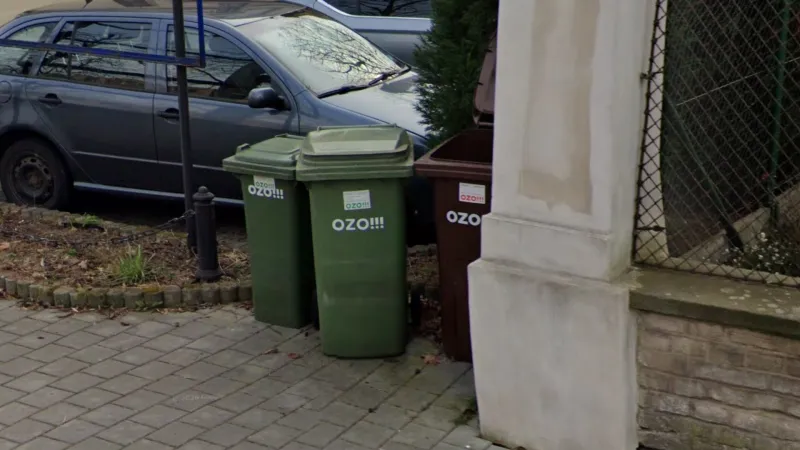
Ozo!!! bins are exclusive to the city of Ostrava.
Businesses
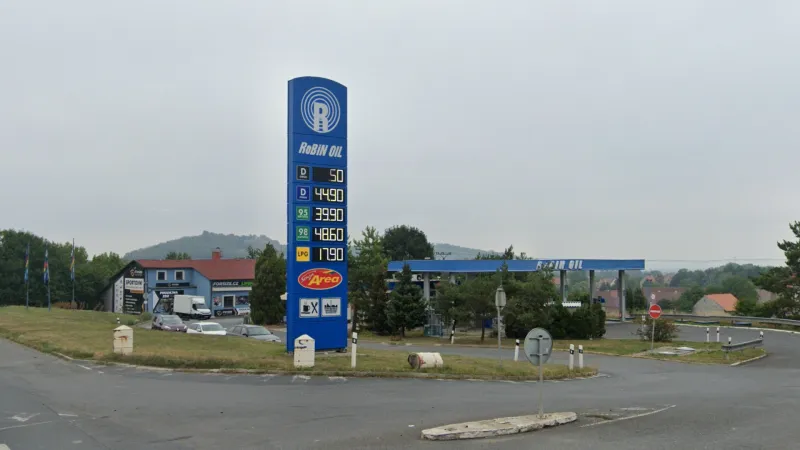
Robin Oil is a branch of petrol stations that mostly only operates in the west of the country.
Culture & Linguistics
General
The Czech Republic is one of the least religious countries in the world. Nonetheless, it still has a ‘bible belt’ stretching through most of Moravia (the southeast). Here it is common to find crosses or other religious iconography by the roadside.
Toponymy
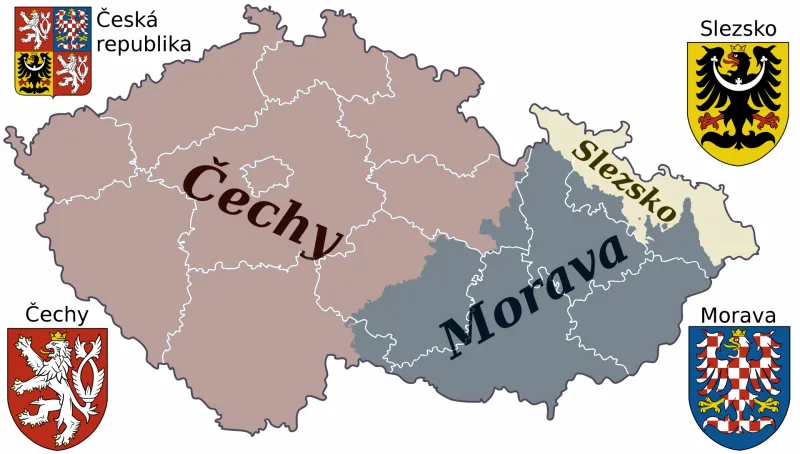
The Czech Republic is divided into three main cultural regions: Bohemia (Čechy), Moravia and Silesia. These are helpful to know as their names are often a component in town names, and can also appear in other random contexts. Note that the adjective form for ‘Čechy’ is ‘Český’ (or ‘Česká/České’ depending on gender).Examples: Česká Kamenice, Moravský Krumlov, Háj ve Slezsku
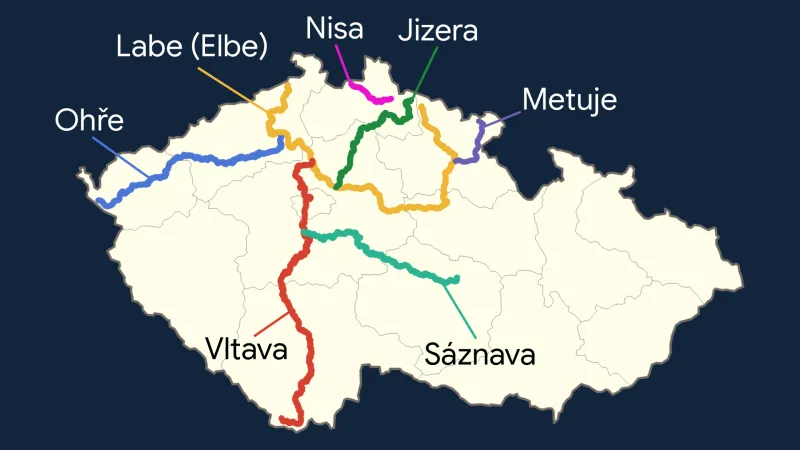
Just like French towns, Czech towns often contain the name of the local river, almost always after the preposition ‘nad’ (meaning ‘on’). This map shows the rivers that are most worth your time learning.Examples: Klášterec nad Ohří, Týnec nad Sázavou, Hrádek nad Nisou
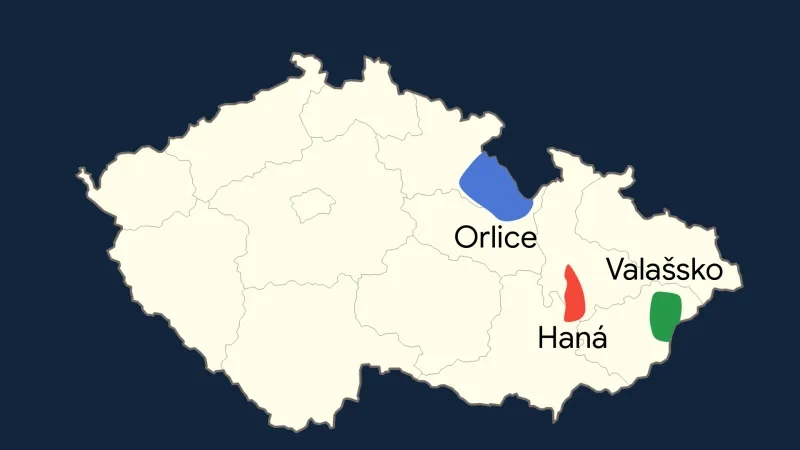
As well as the regions and rivers listed above, there are a couple other geographical/cultural subregions that are also worth learning. ‘Orlice’ includes the more common ‘Orlické hory’, referring to the mountain range (often shortened to ‘v O. h.’)Examples: Kralice na Hané, Valašská Polanka, Deštné v Orlických horách

![[CZ] Bcz_Idk avatar](https://cdn.discordapp.com/avatars/587316473404325898/8c4790d3df2a105cf5e0bd6d8b5550ba.png?size=128)
 Czech Republic