
Landscape
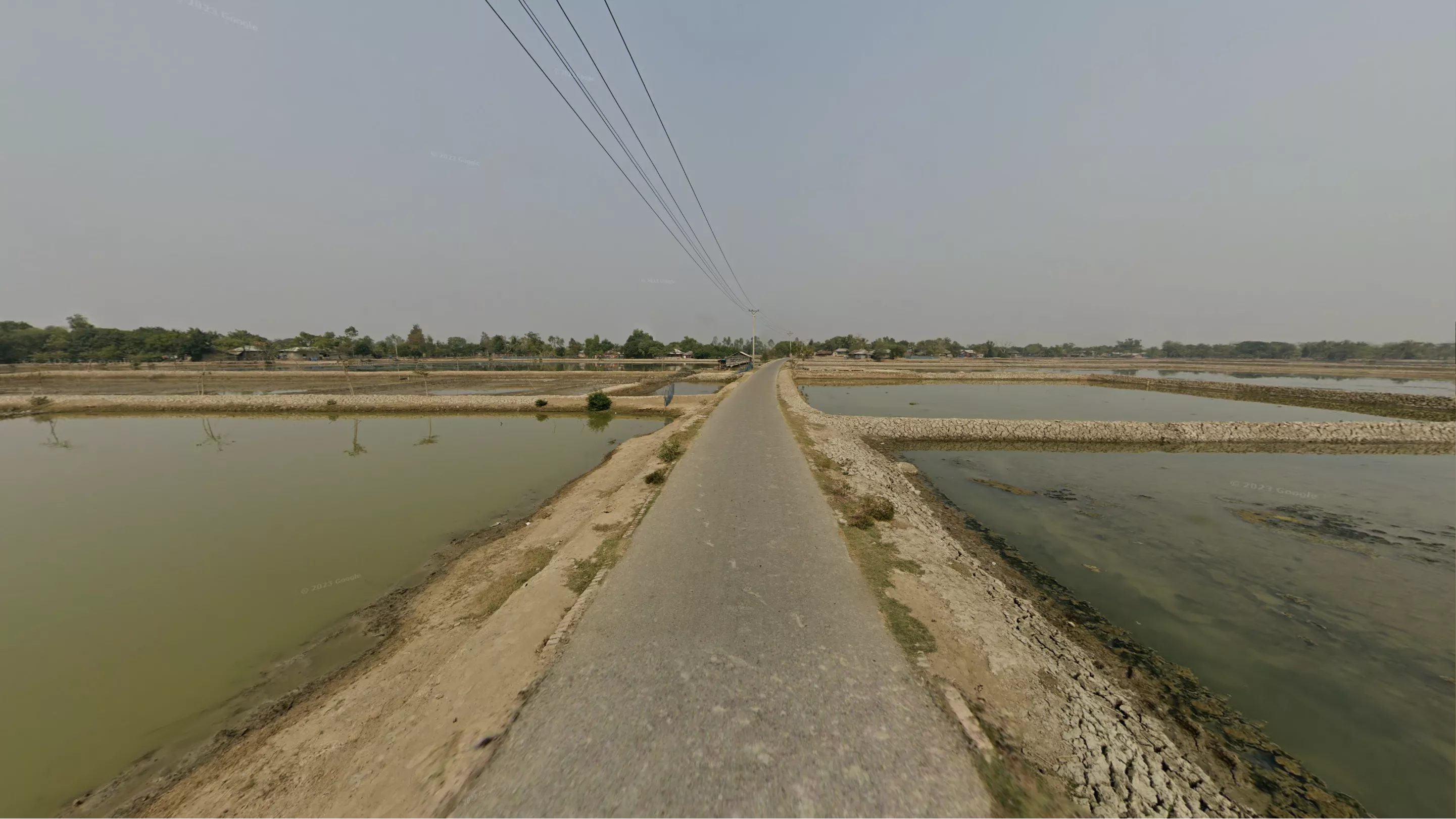
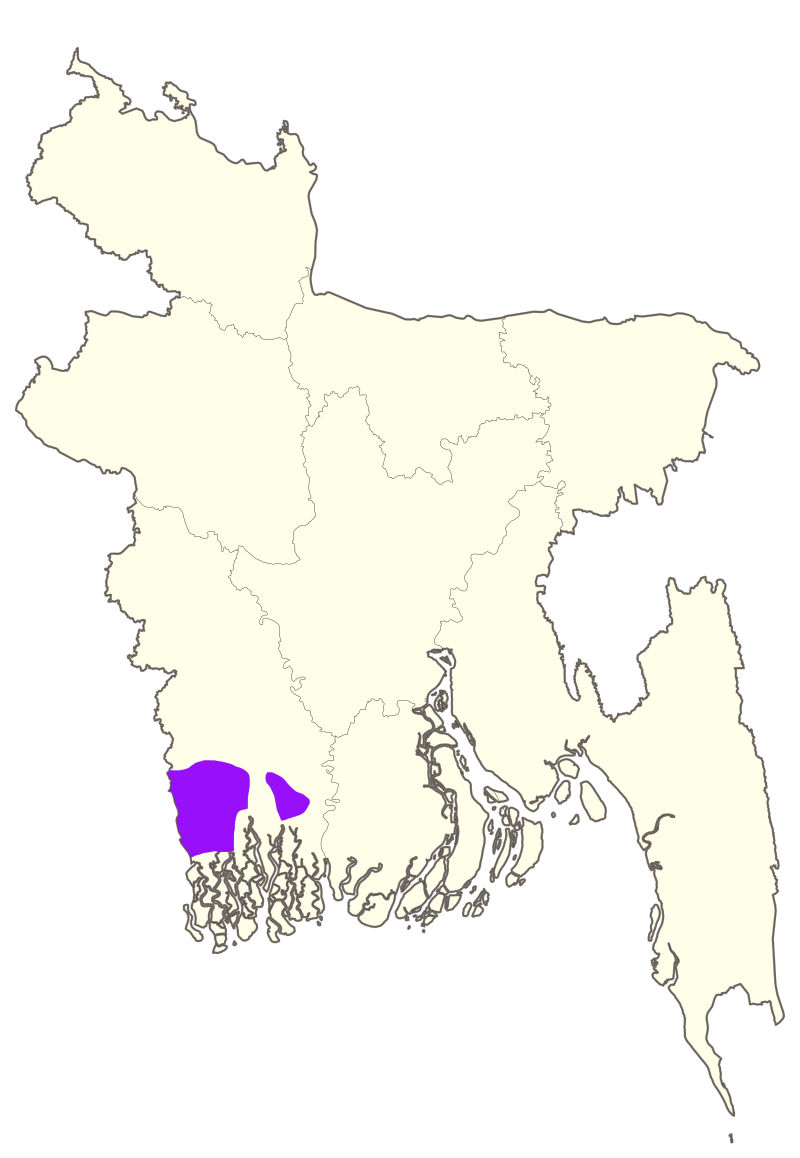
In the far south of Khulna Division, you will find a much more open landscape than most of Bangladesh, with roads typically running through artificial water plots of varying sizes.
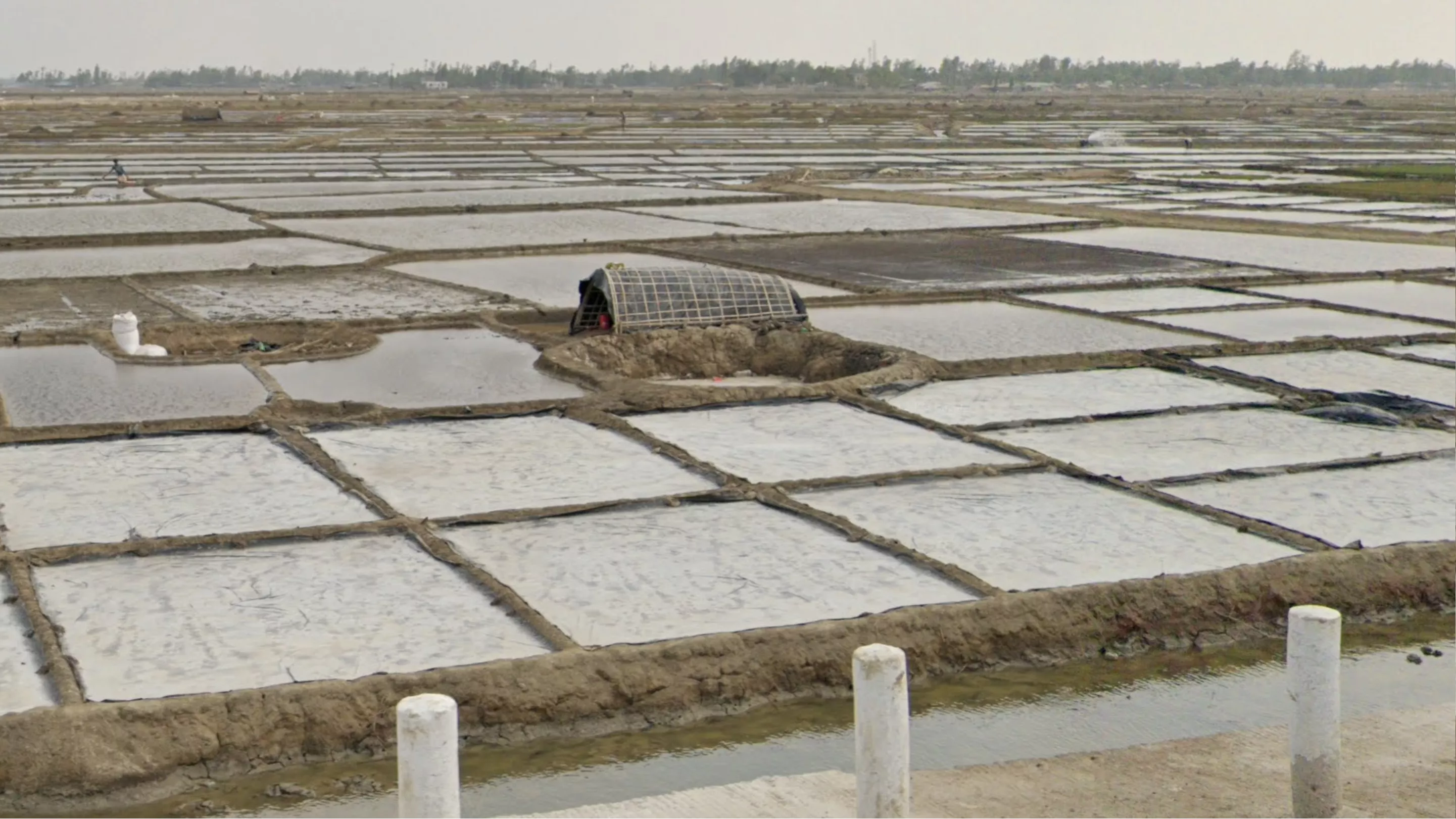
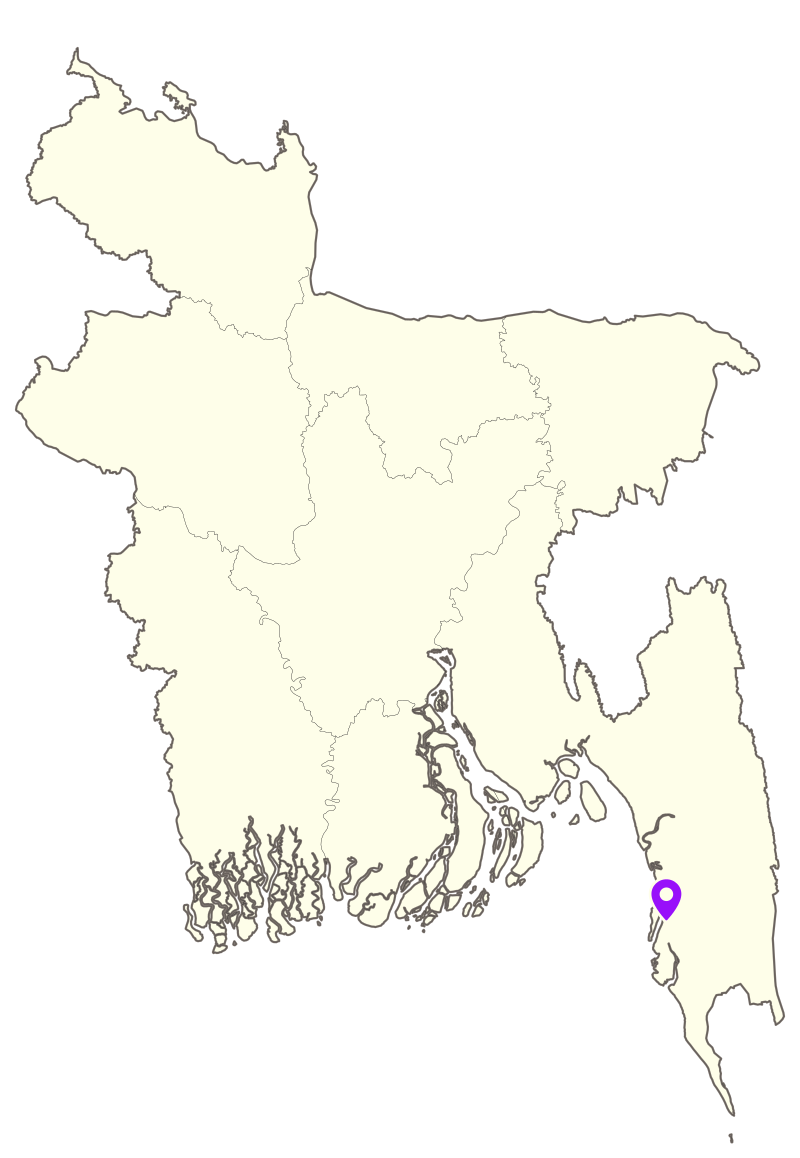
Salt evaporation ponds can be found near Pekua in Cox’s Bazar District.
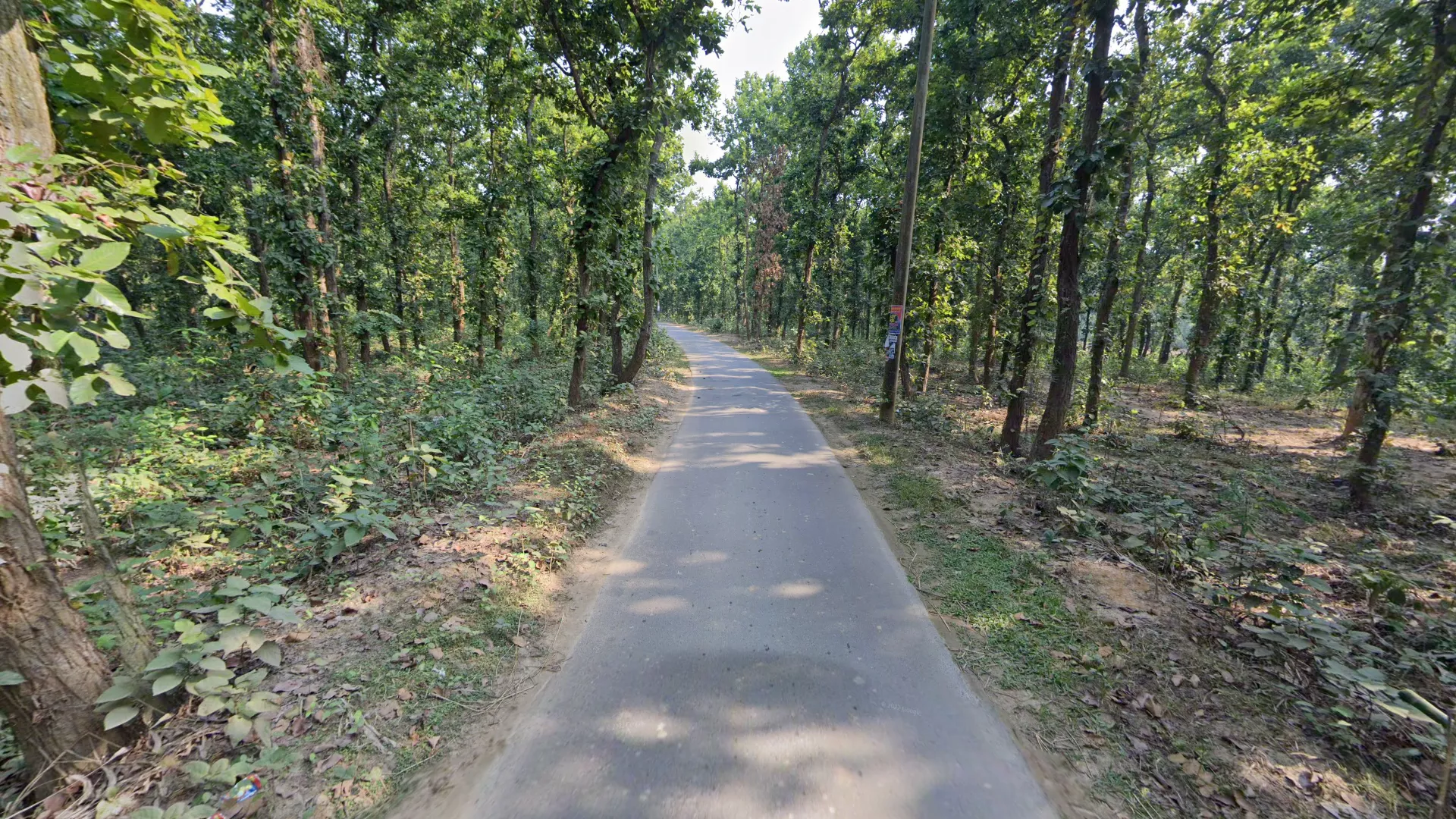
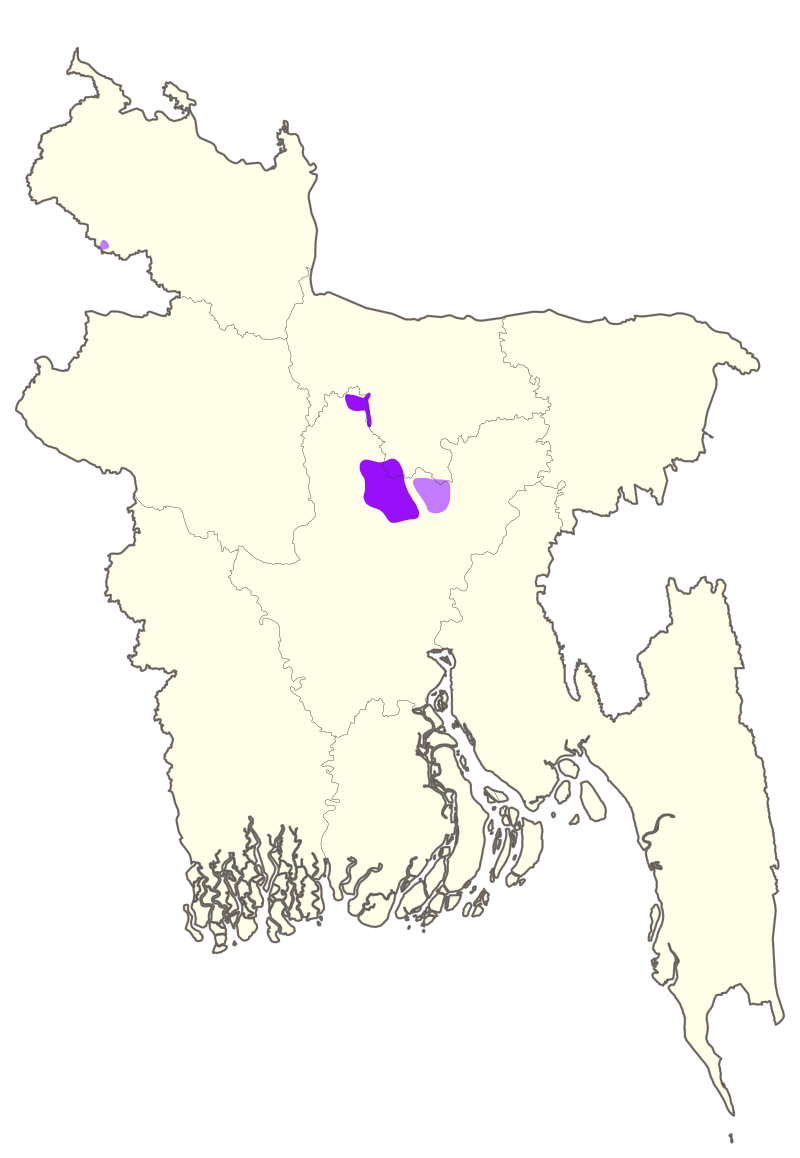
The Bengal plain has very few natural forests left, with most being found just north of Dhaka and in the far north of Dhaka Division. There is also a smaller forest near Dinajpur. These forests are composed of Sal trees (Shorea robusta).
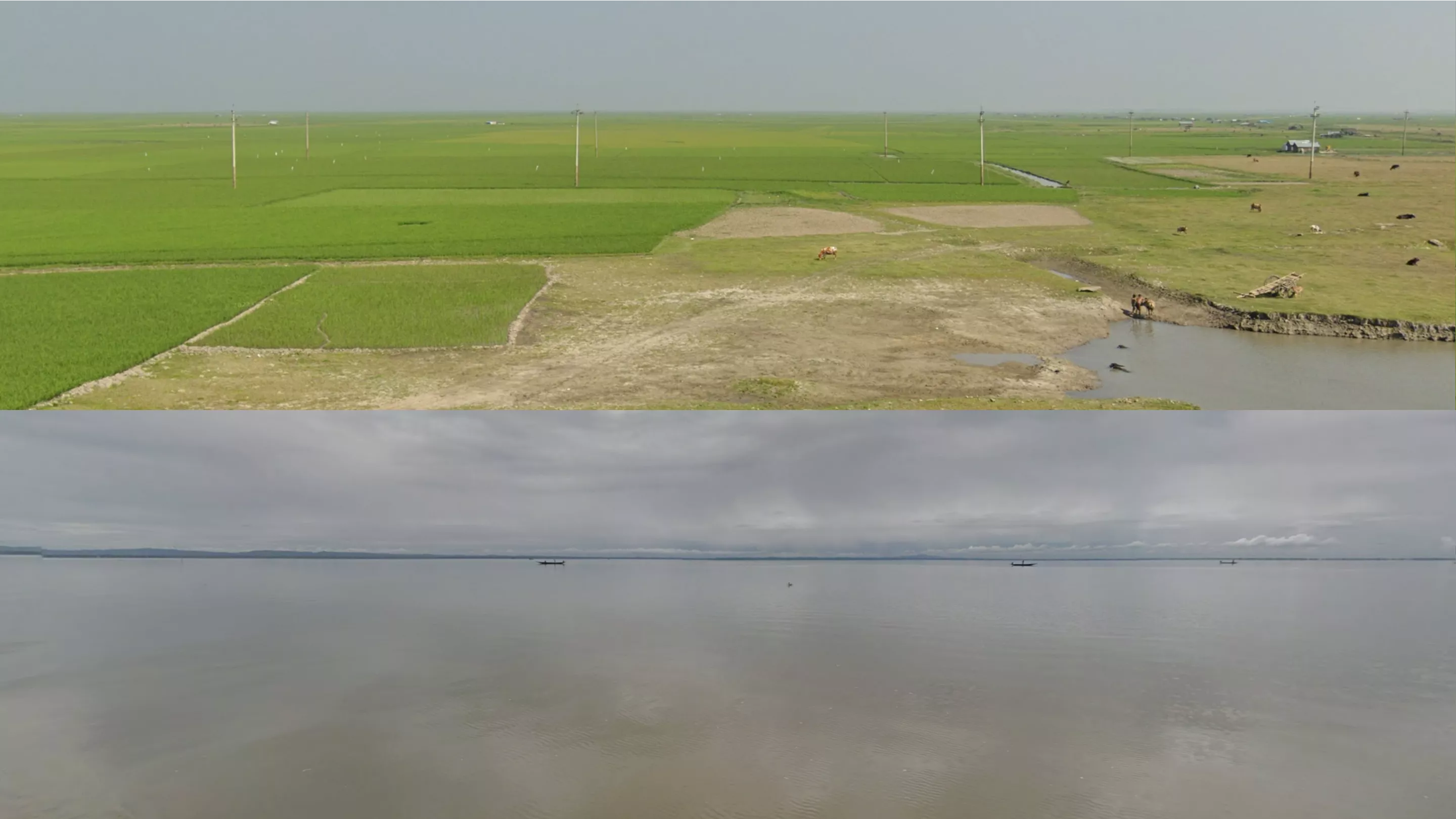
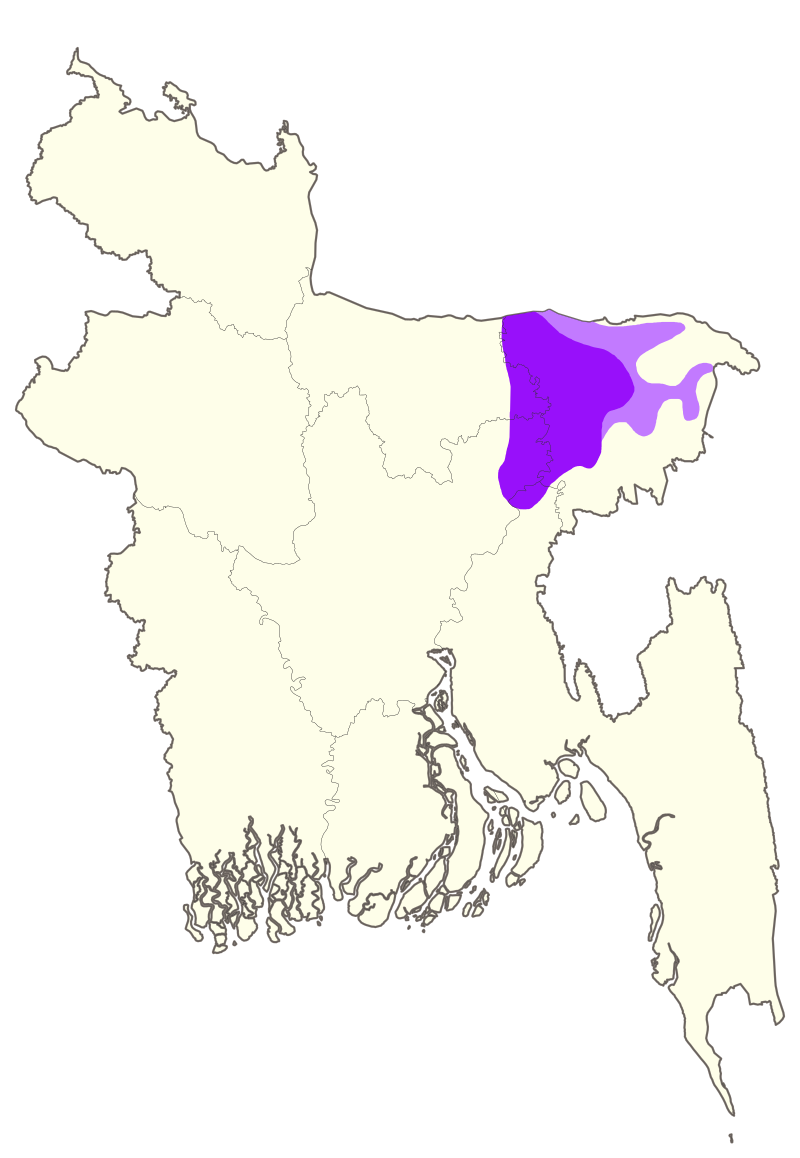
Large floodplains known as ‘haors’ make up much of the landscape of north-eastern Bangladesh. This area is known as the Haor Basin. In the dry season the floodplains resemble vast fields of rice or grasslands, often with almost nothing else in sight, while in the rainy season they get largely filled with water, giving the impression of large lakes.
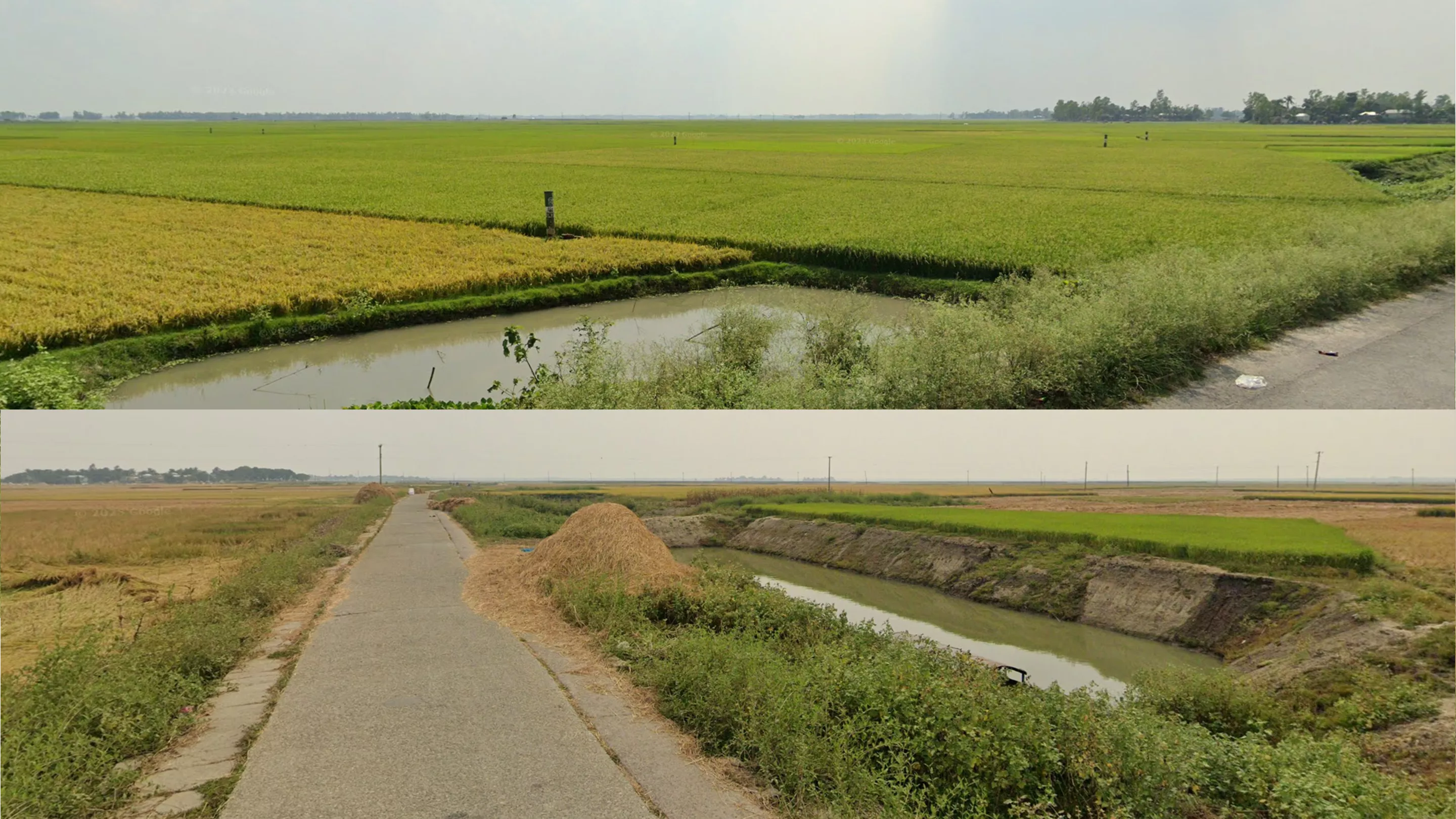
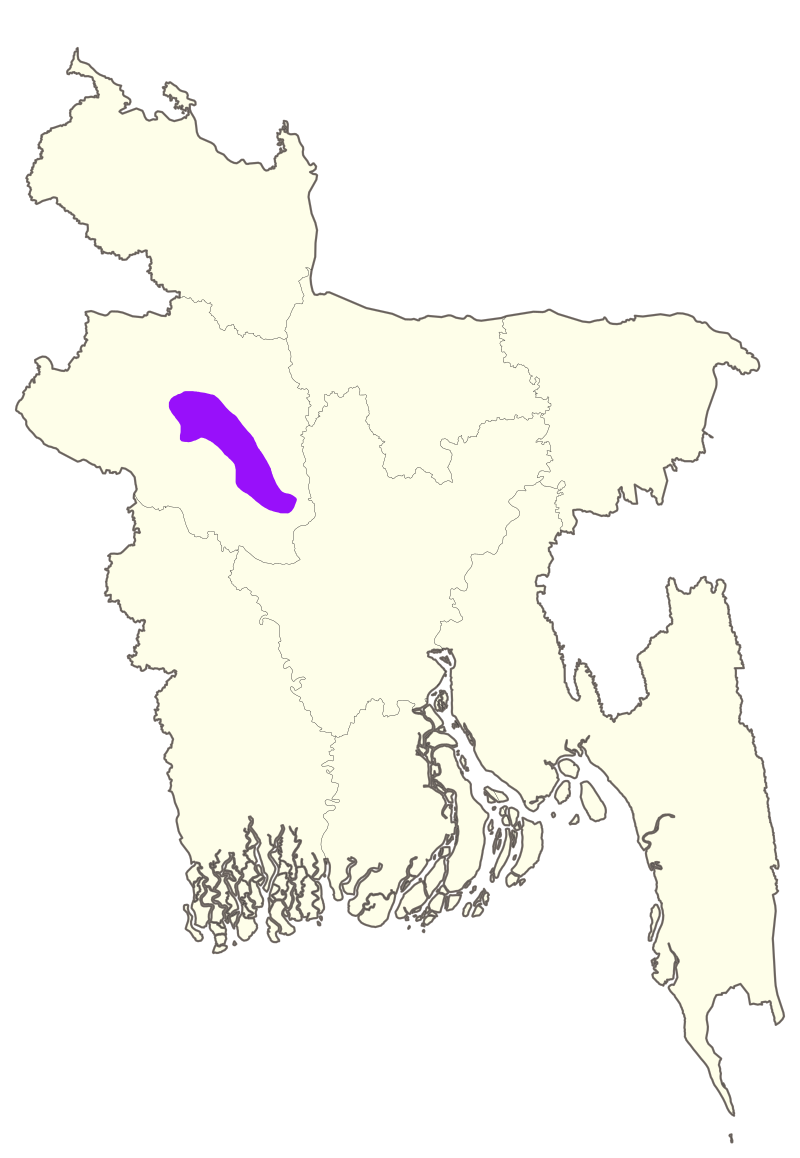
The Chalan Beel is the largest low-lying basin after the Haor Basin. While you won’t find large flooded areas here, you’ll generally have a much more expansive landscape than typical for the country, with few trees. In this area you will also commonly find artificial ponds and haystacks by the roadside.
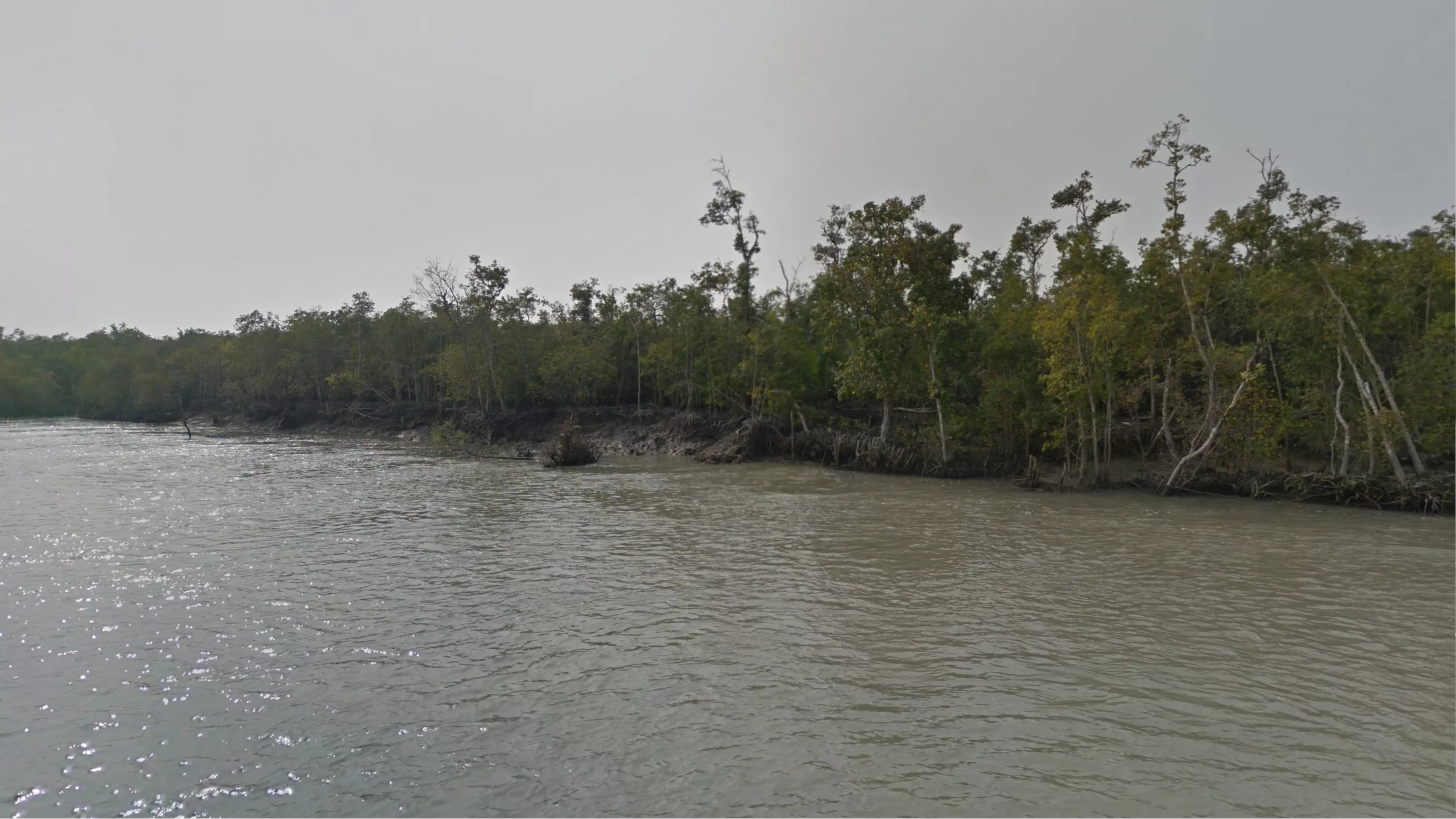
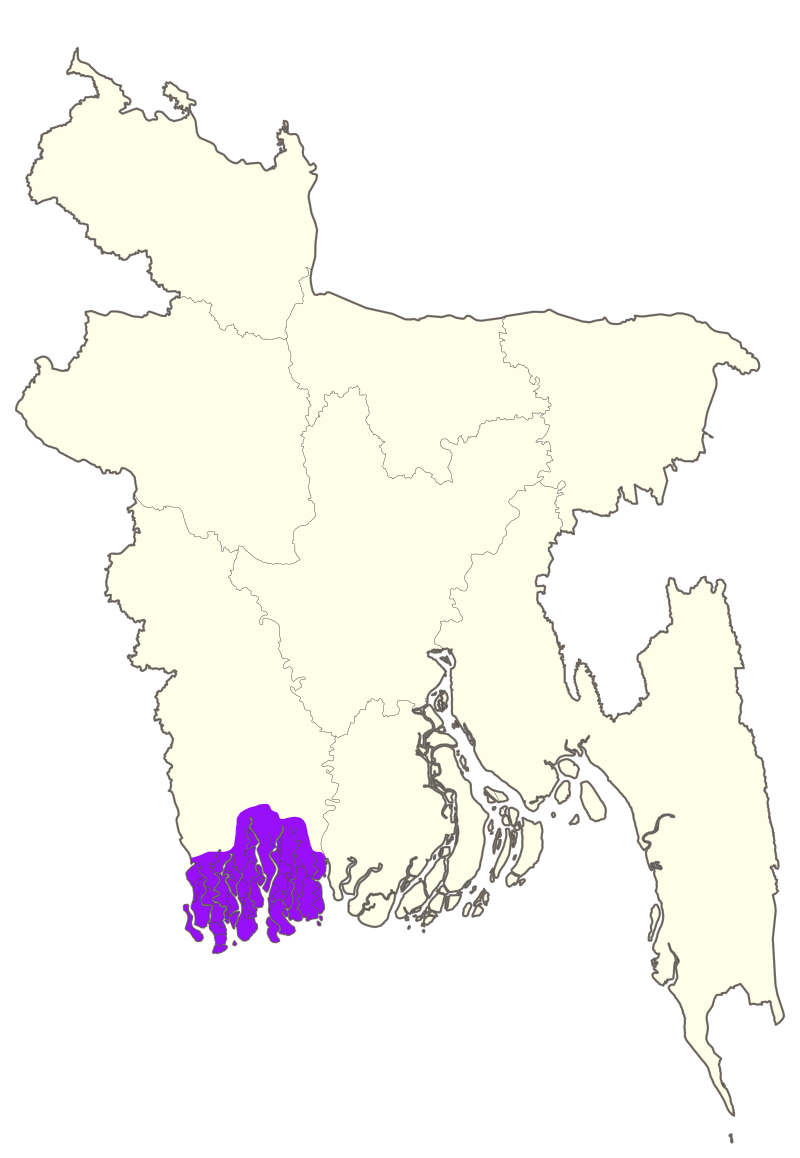
The Sundarbans, located in the south-west corner of the country, are the largest mangrove forest in the world. The area has extensive boat coverage. Mangroves with their recognisable roots are always visible on the shore.
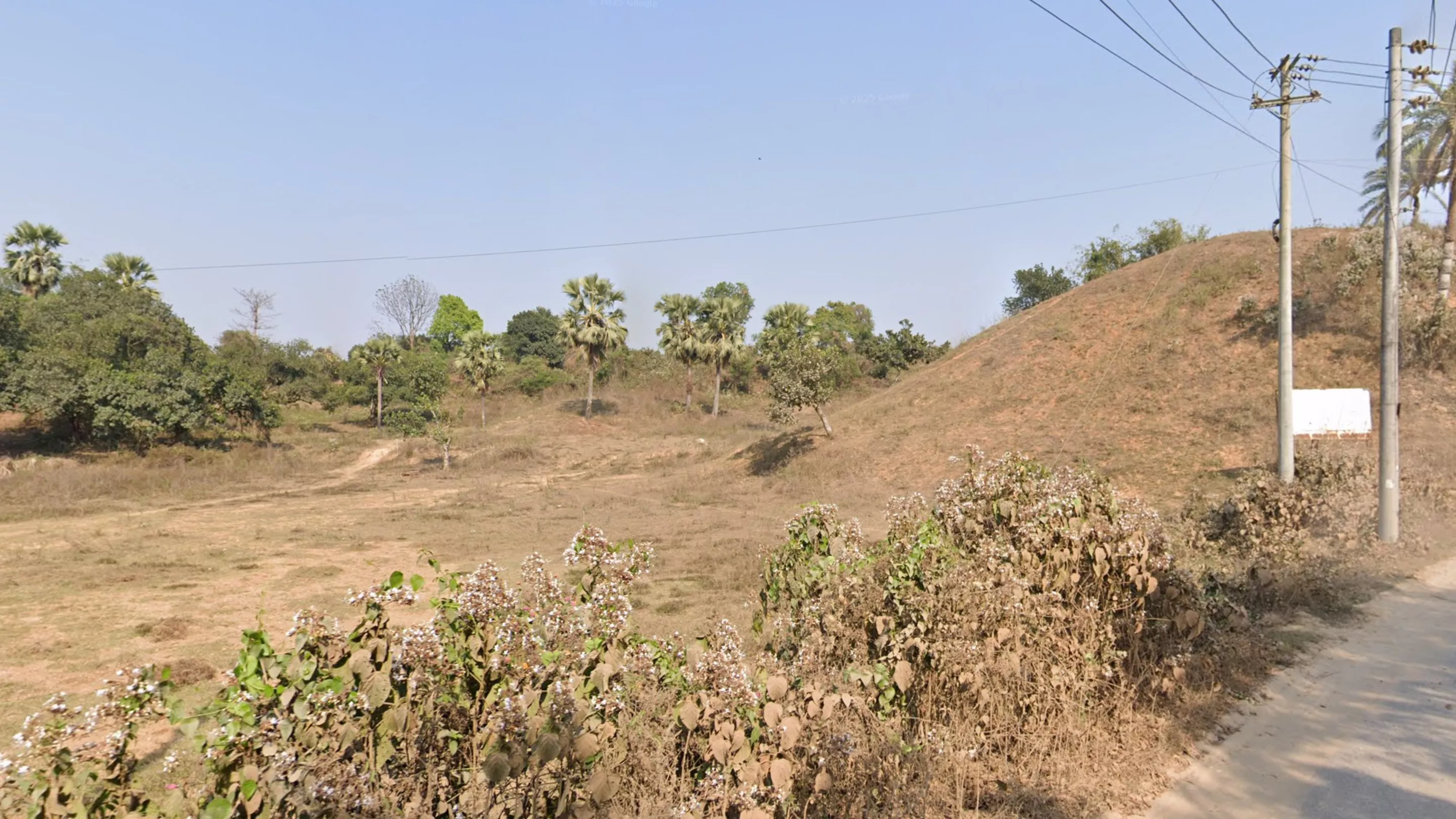
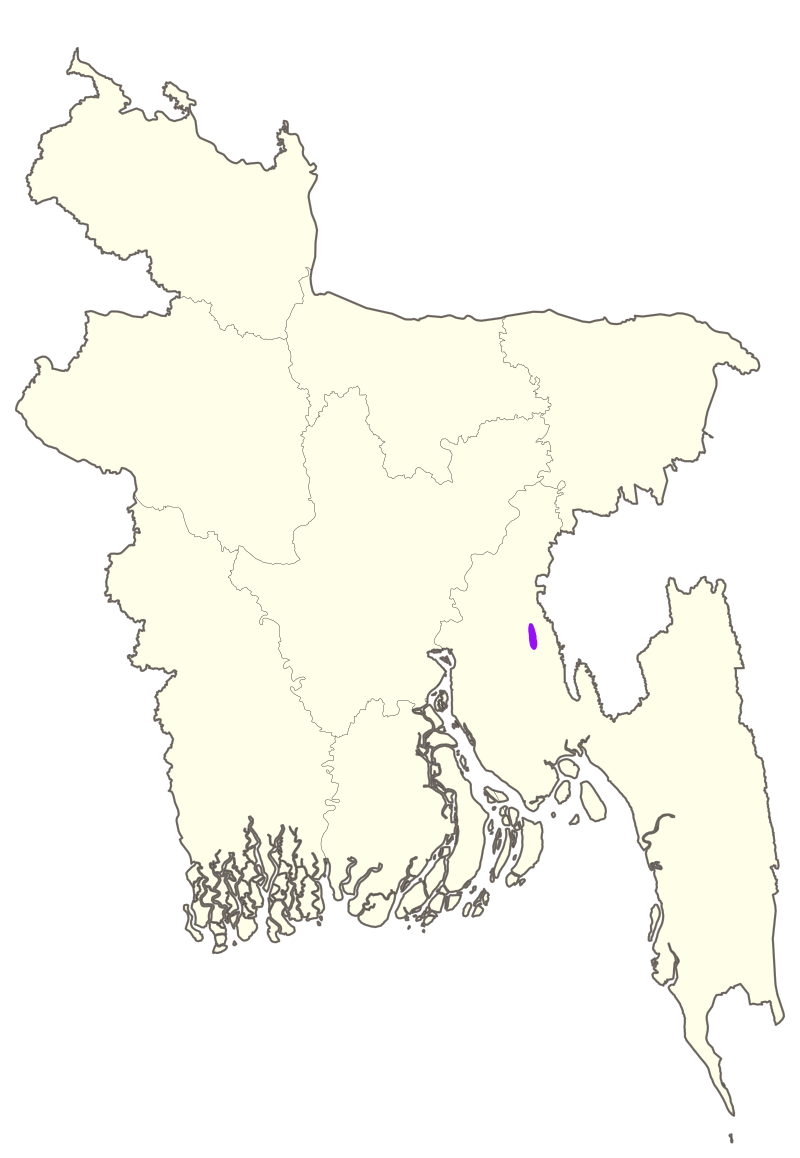
Apart from the Chittagong Hill Tracts and the Sylhet tea hills, Bangladesh is almost completely flat. The main other exception is a small N-S hill range just west of Cumilla, which can be distinguished from other hilly areas by the prevalence of Palmyra palms.
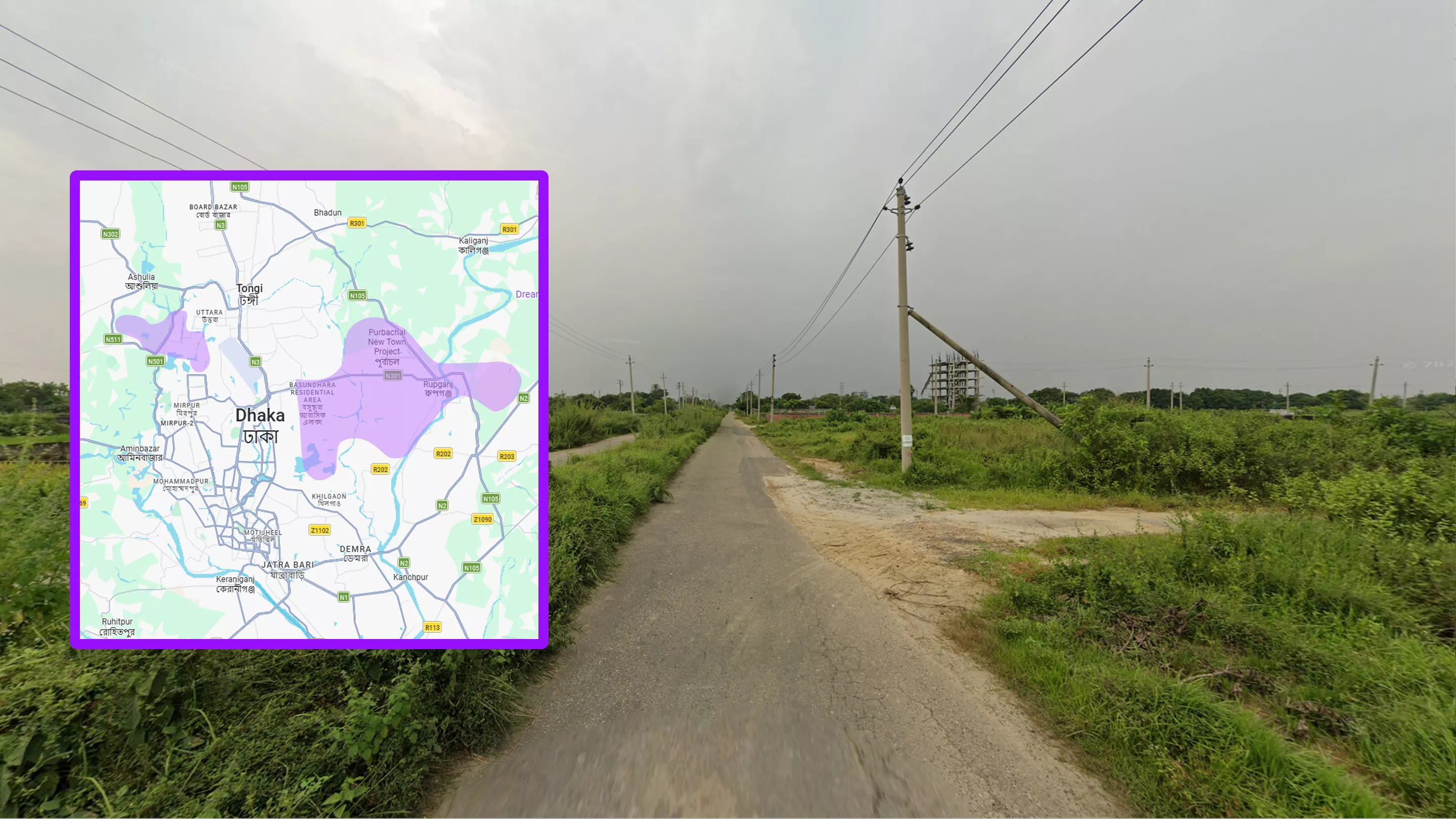
Around Dhaka, you can find areas designated for future large-scale urban development, recognisable by the open, non-agricultural landscape and roads arranged in a grid-like pattern. Fenced-off plots without any buildings and high-rise buildings under construction can also be seen in these areas.
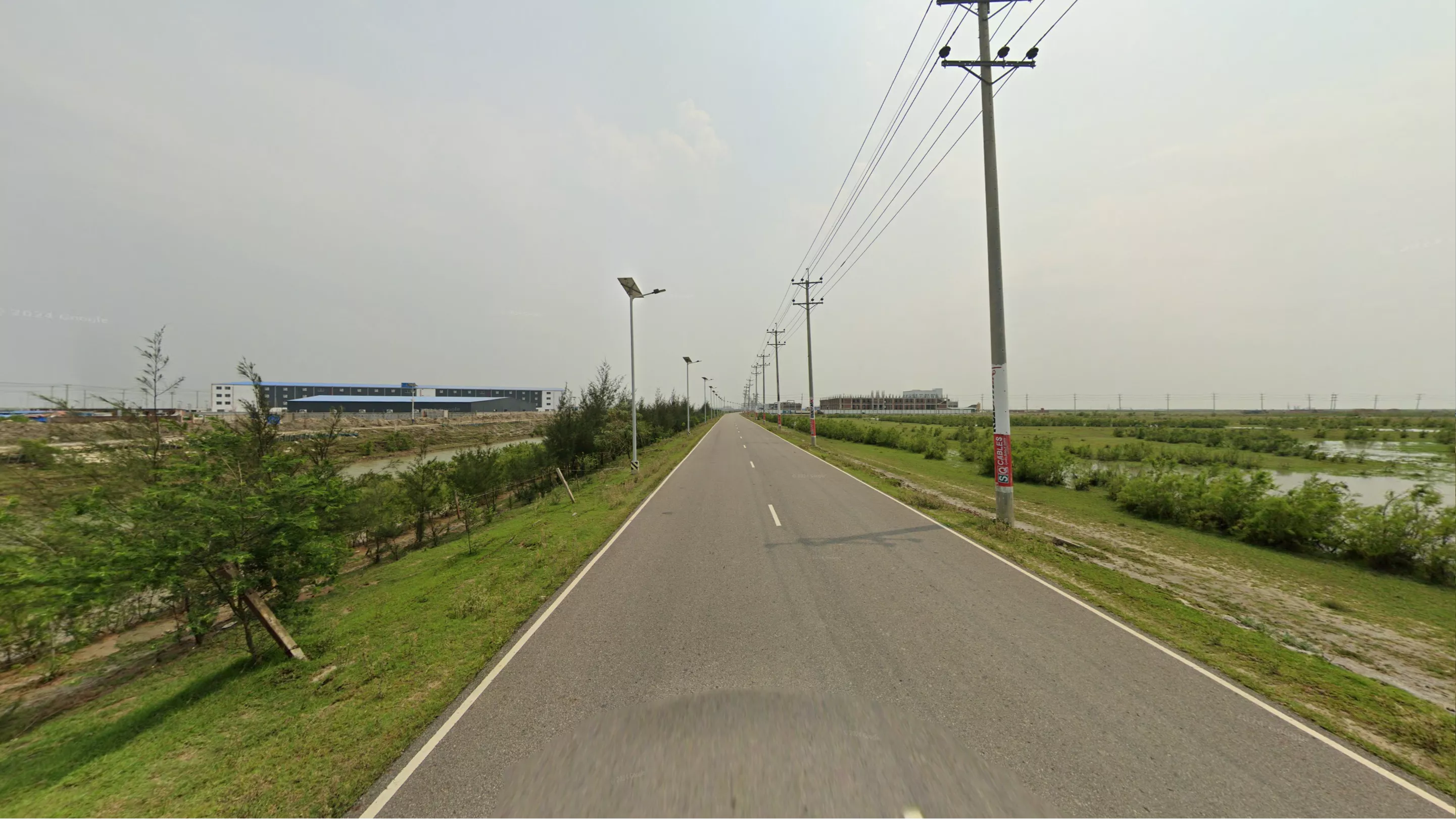
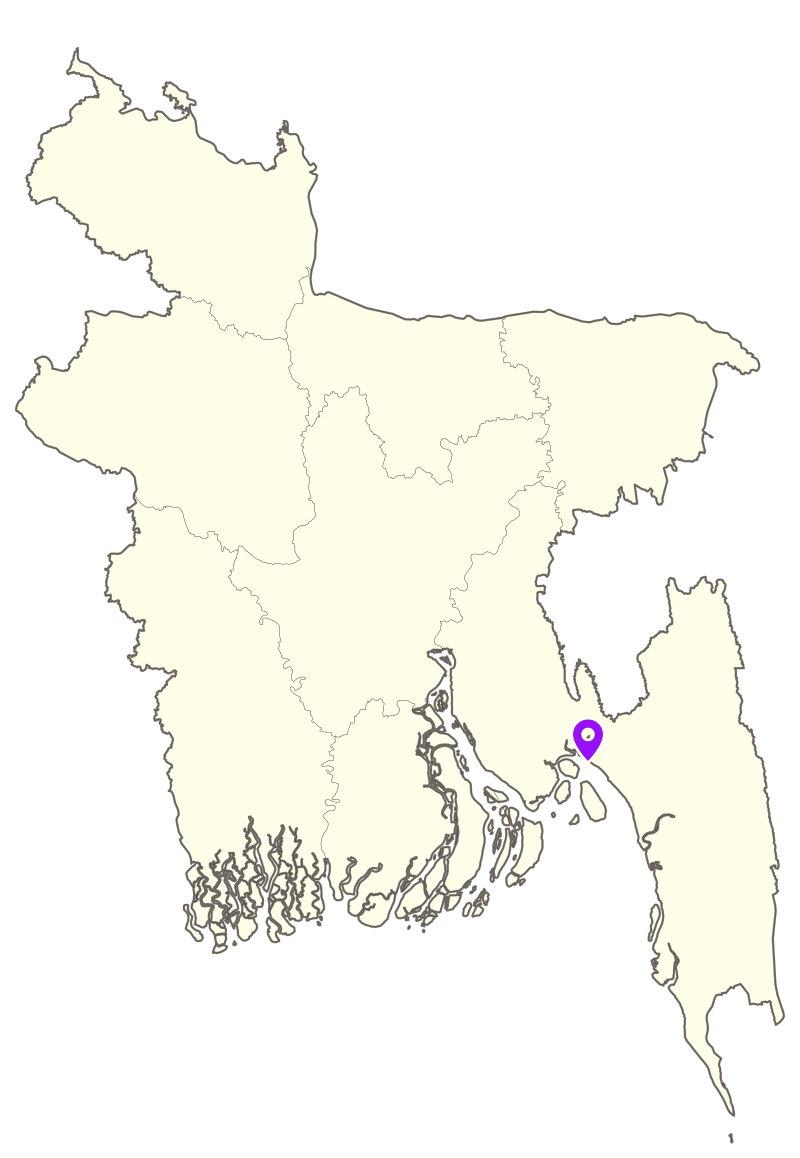
The Mirasharai Economic Zone, located on the coast south of Feni, can be recognised by vast stretches of unused open land with industrial buildings in the distance. Roads in this area will often be lined with beach she-oaks and utility poles covered in ads.
Agriculture
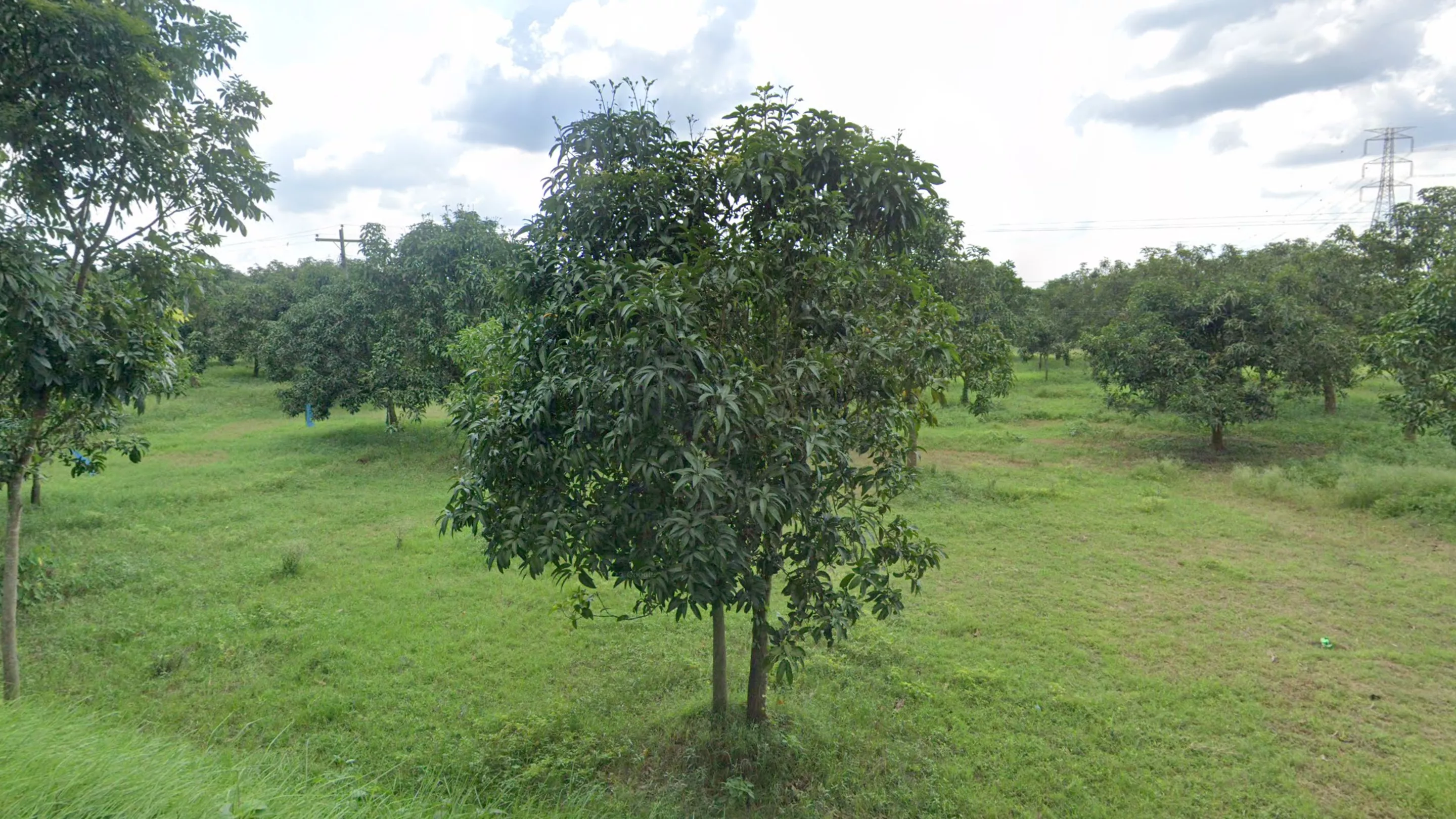
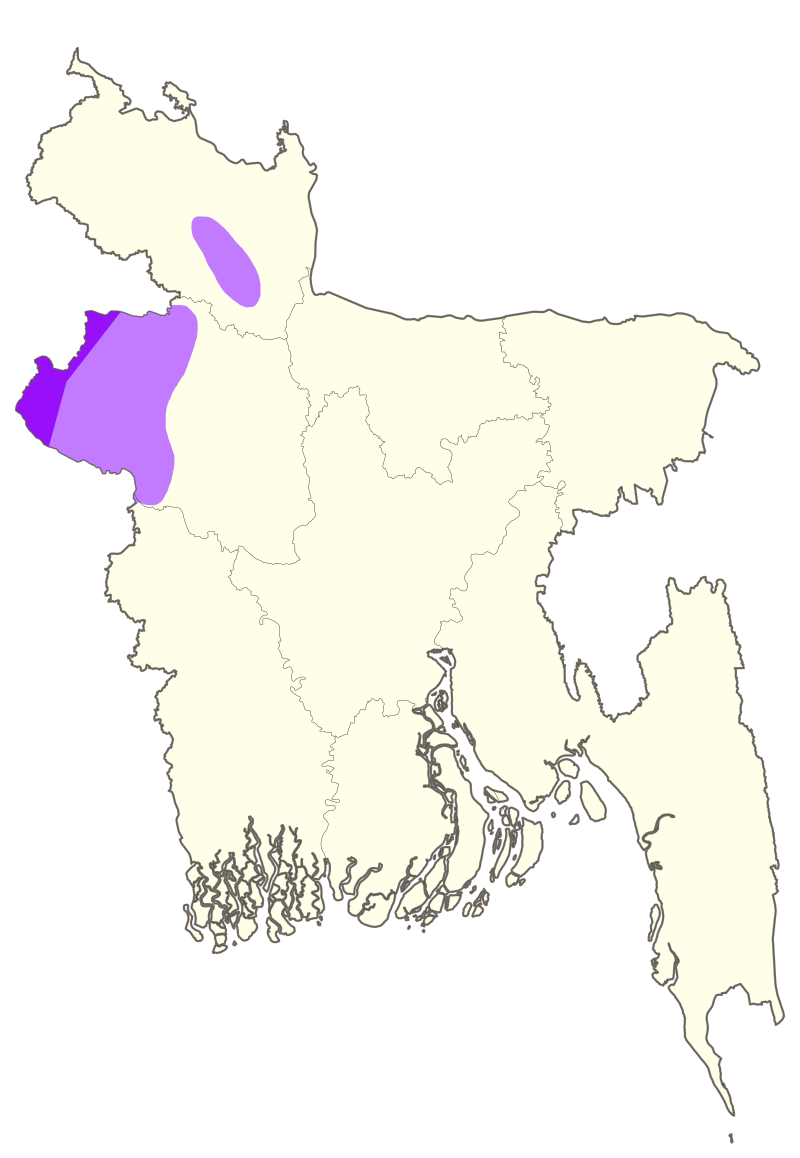
Mango plantations are overwhelmingly concentrated in the far west of Rajshahi Division. Even without their fruit, mango trees are recognisable by their dark green, spear-shaped leaves. The plantations typically consist of moderately spaced-out trees.
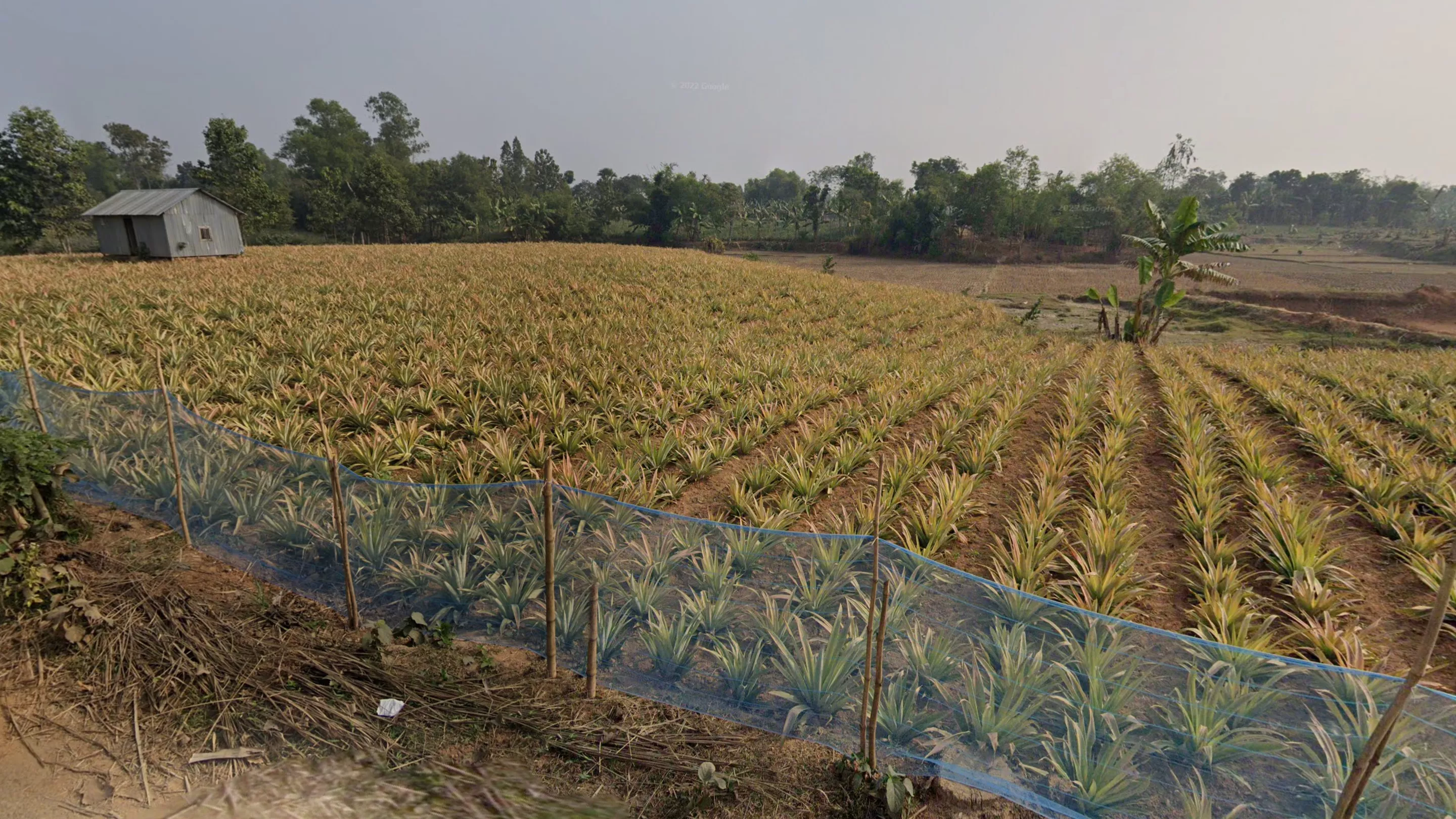
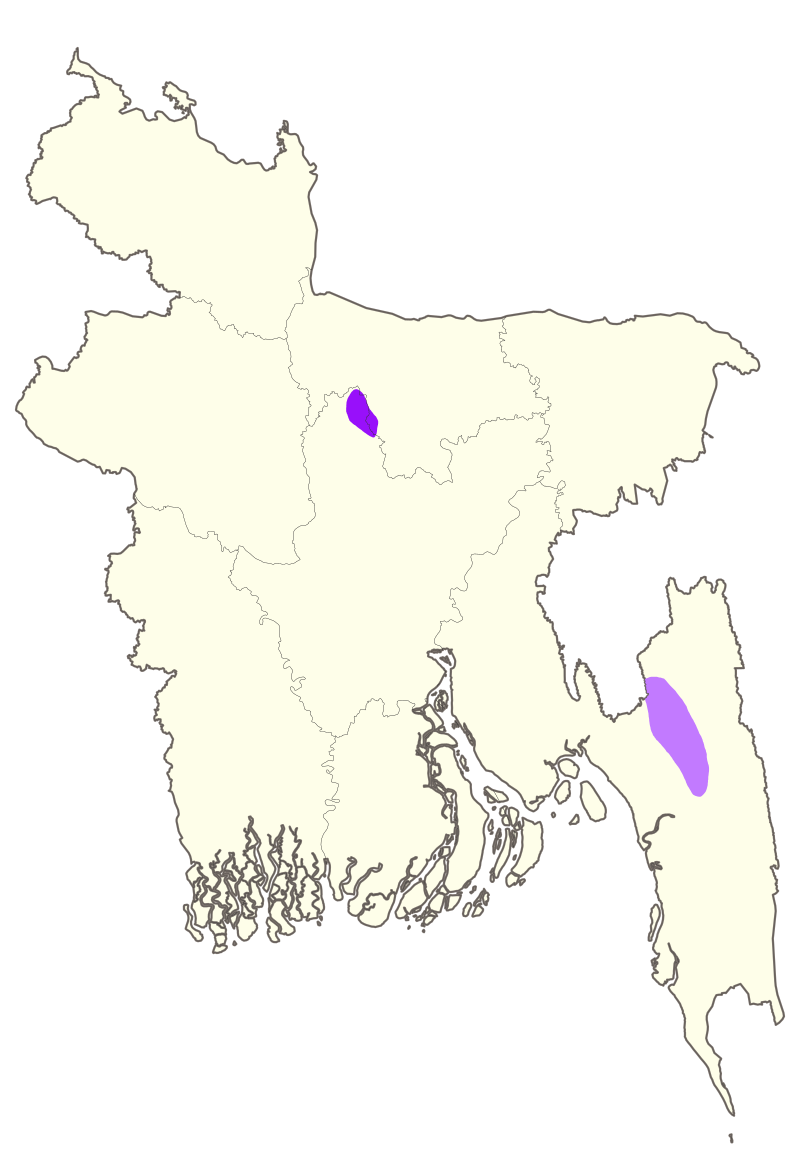
The majority of pineapple production in Bangladesh is found in Tangail District along the border with Mymensingh Division, in an area that is also characterised by slightly more orange soil than is typical for the country. Pineapple fields are easily recognisable by their rows of spiky leaf clusters. Pineapple plantations can also be found more rarely in the northern foothills of the Chittagong Hill Tracts.
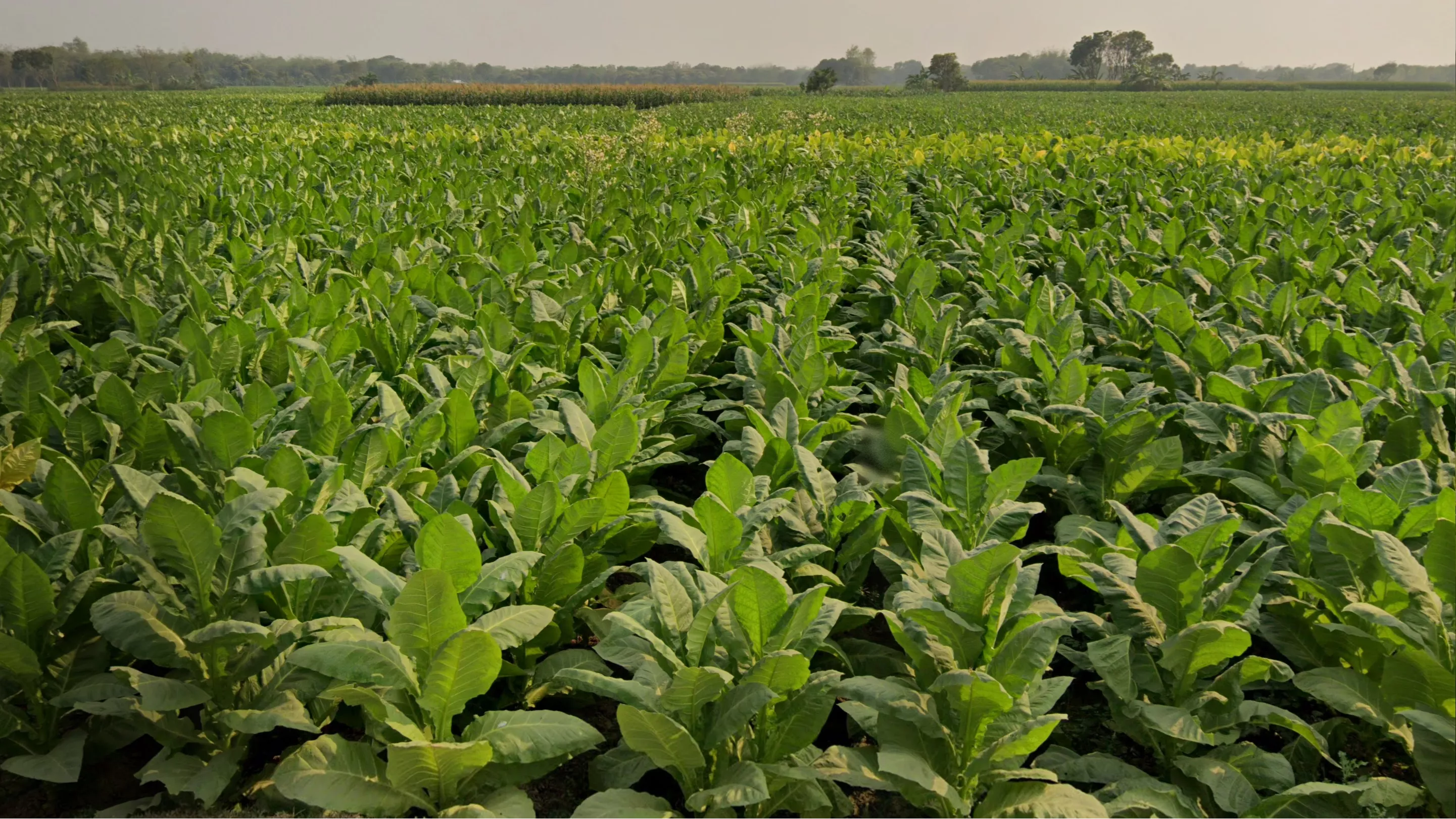
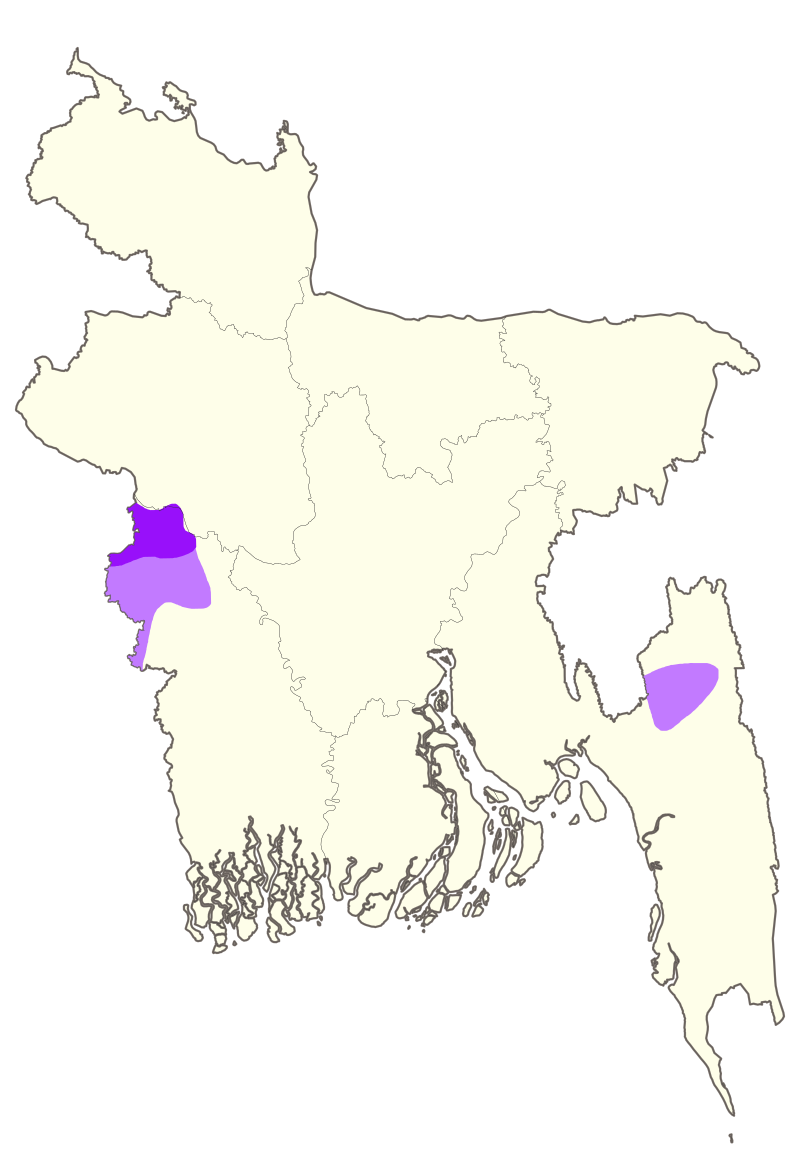
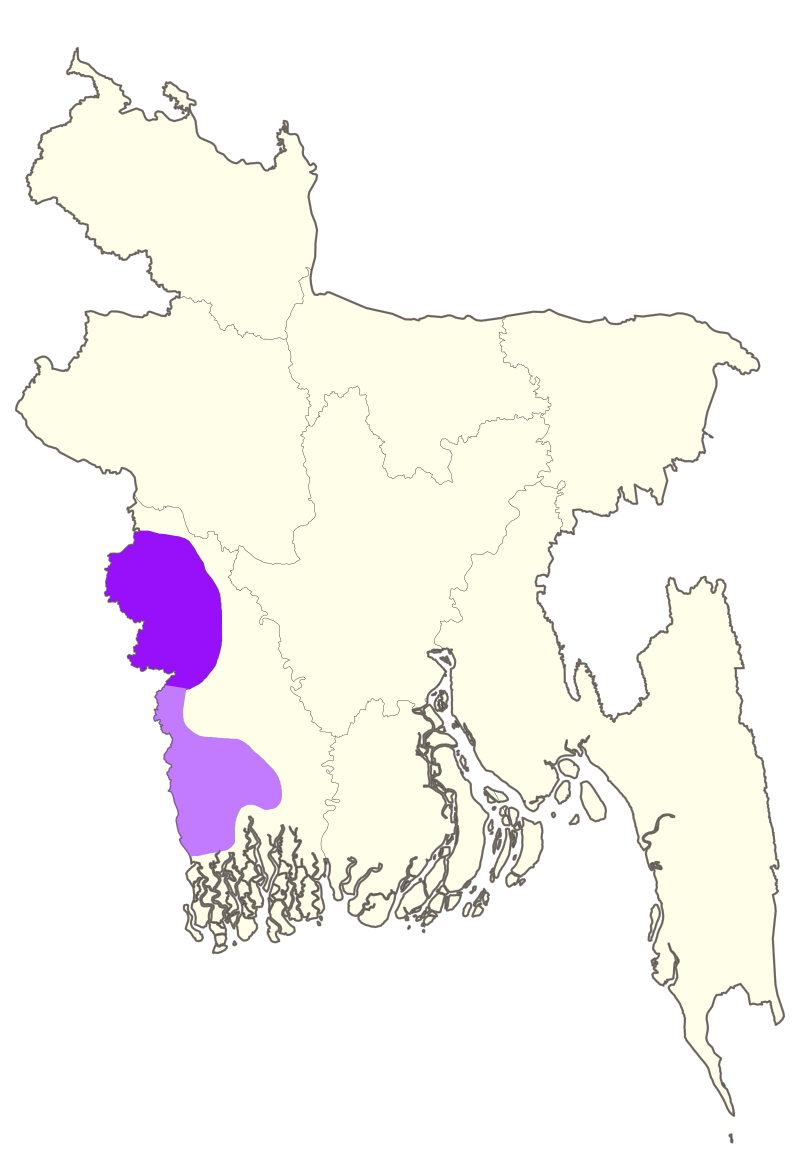
Tobacco is mostly grown along the south bank of the Padma River, with most production coming from Kushtia District. Some tobacco fields can be found in the far north however, and also rarely in the hills of Chittagong. Tobacco has large, thick, slightly pale leaves with visible veins.
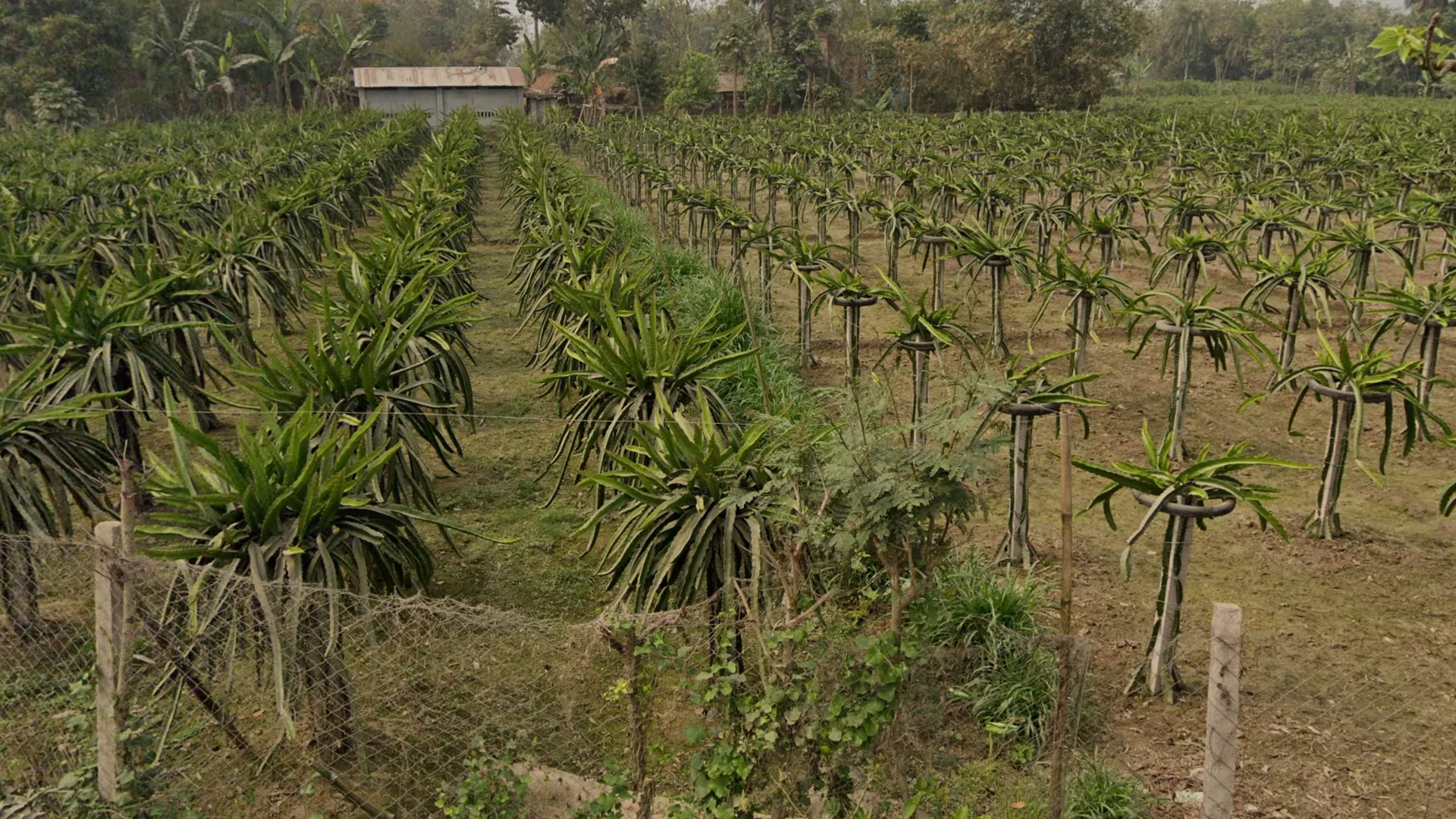
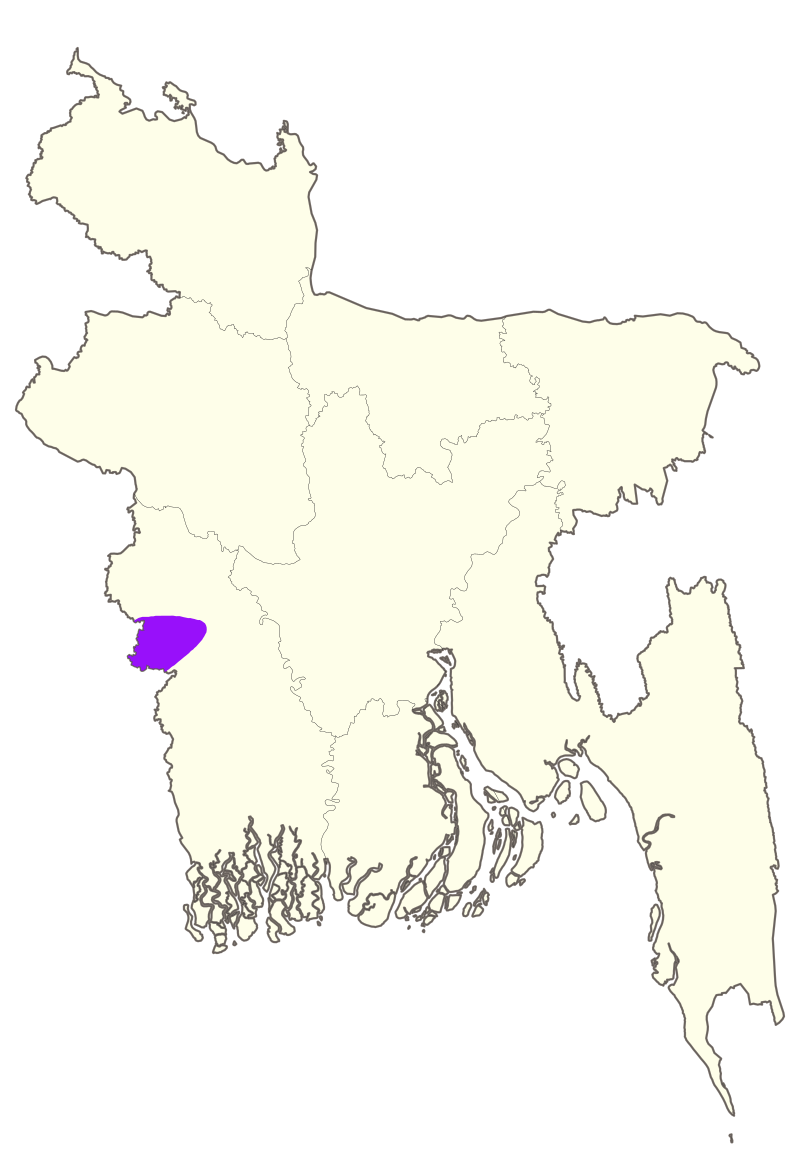
Dragon fruit plantations can rarely be seen in various parts of Bangladesh, however they are by far most common west of Kaliganj in Khulna Division.
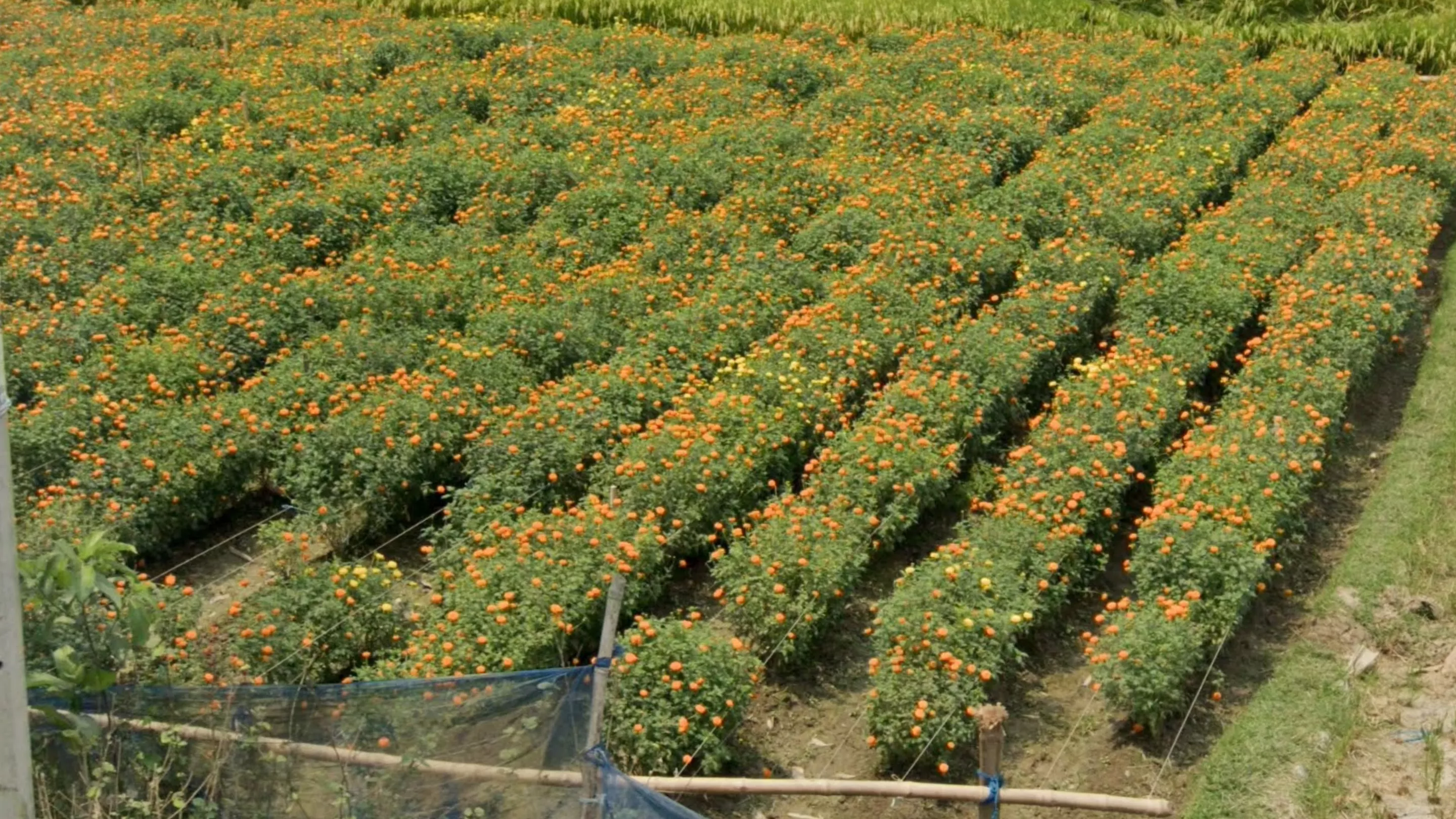
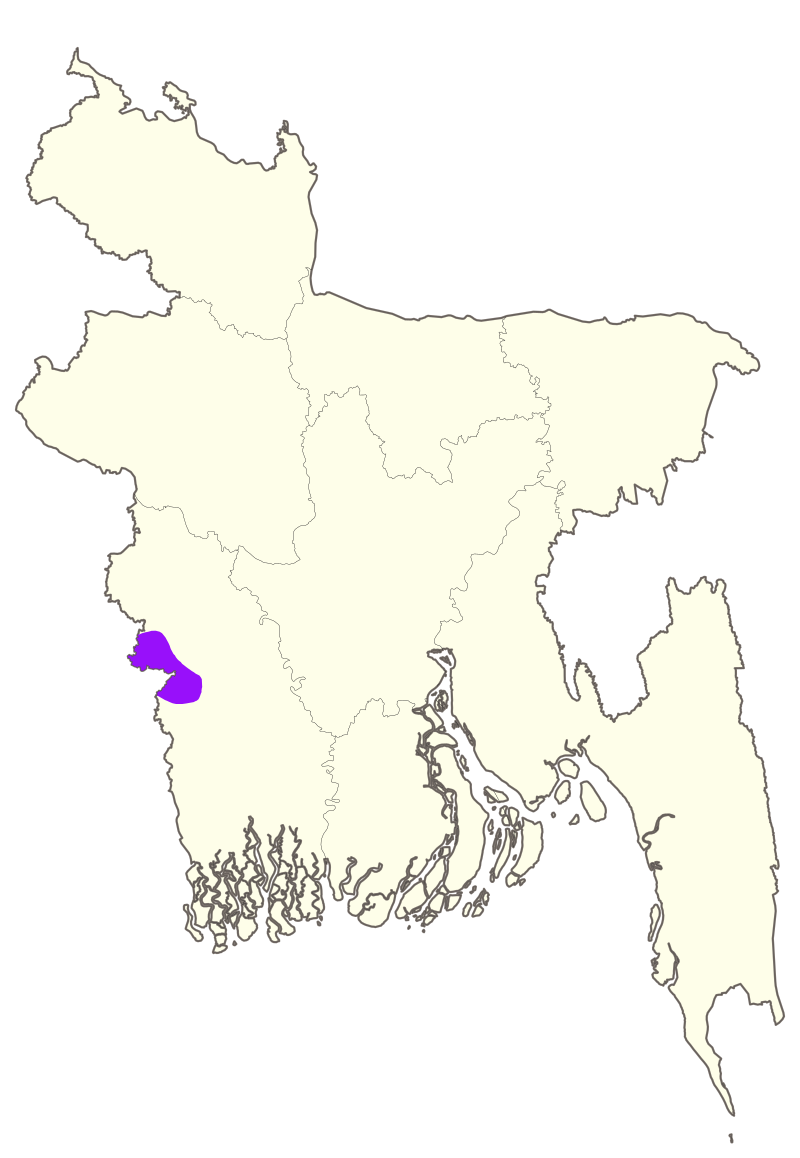
Marigold, easily recognisable by its vibrant orange and yellow flowers, while rare, is grown almost exclusively in Jashore and Jhenaidah districts in western Khulna Division.
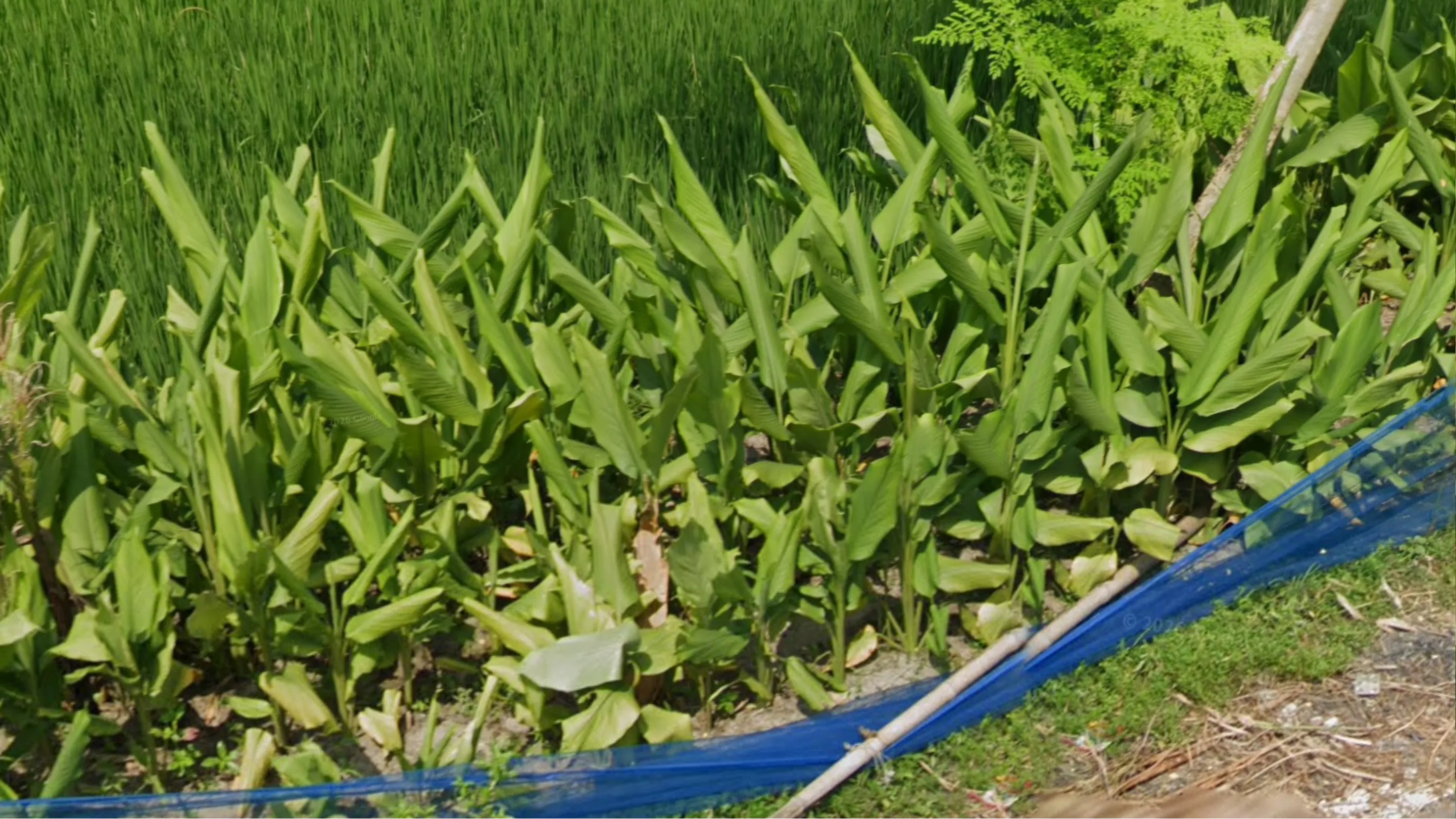
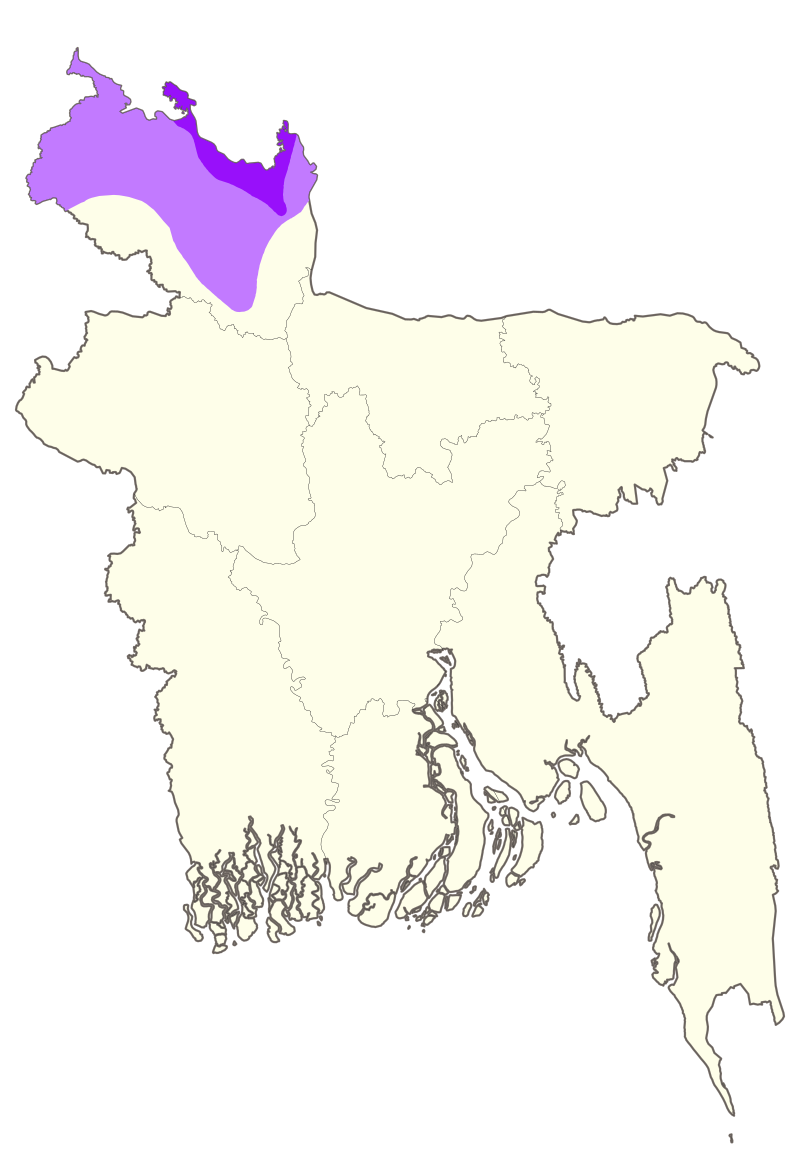
While Bangladesh is one of the leading turmeric producers, you almost never see turmeric fields on street view. However roadside clusters of turmeric are a good indicator for the very far north, particularly Lalmonirhat District. Turmeric leaves are long and papery, and often curl inwards along the spine.
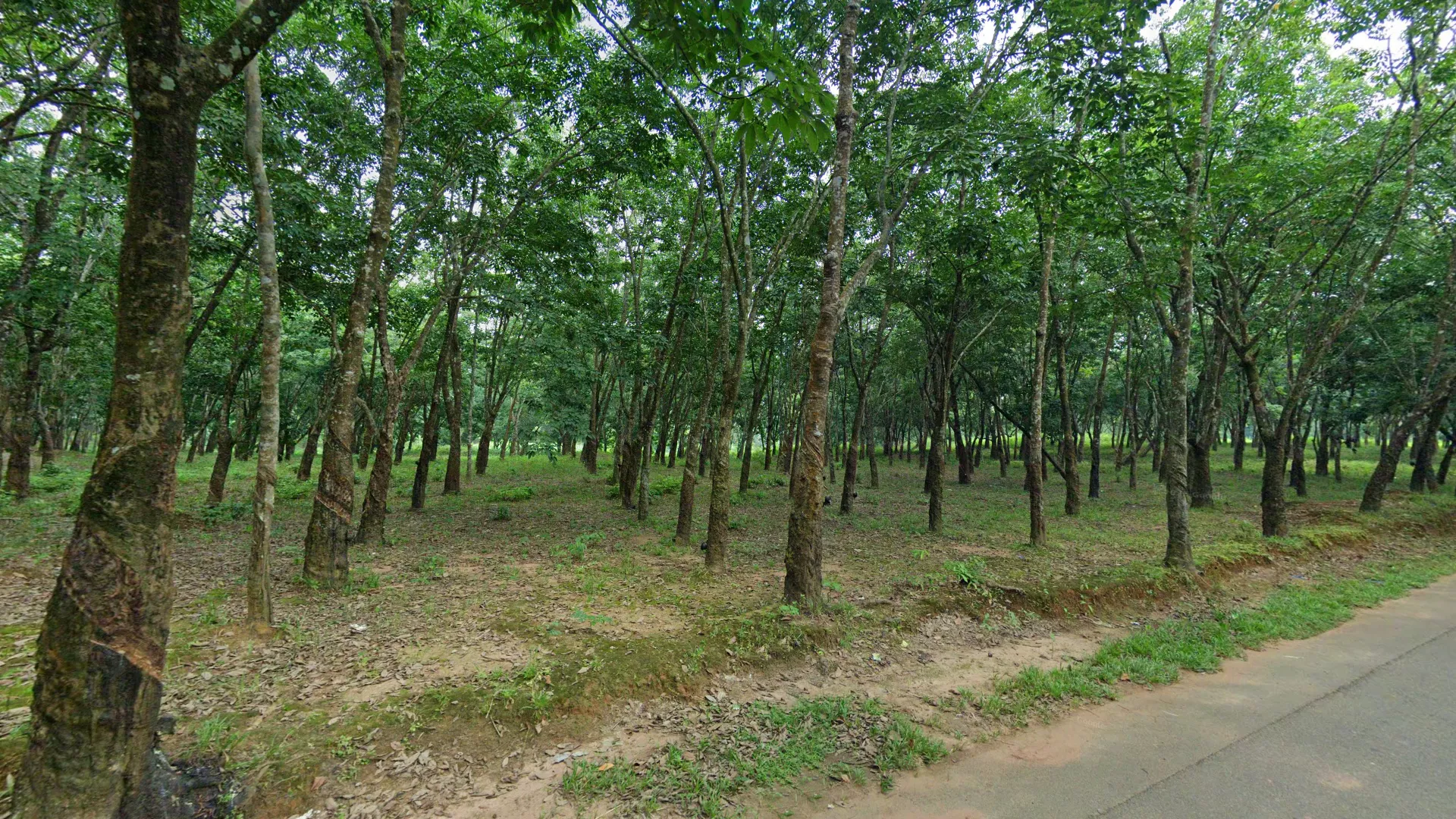
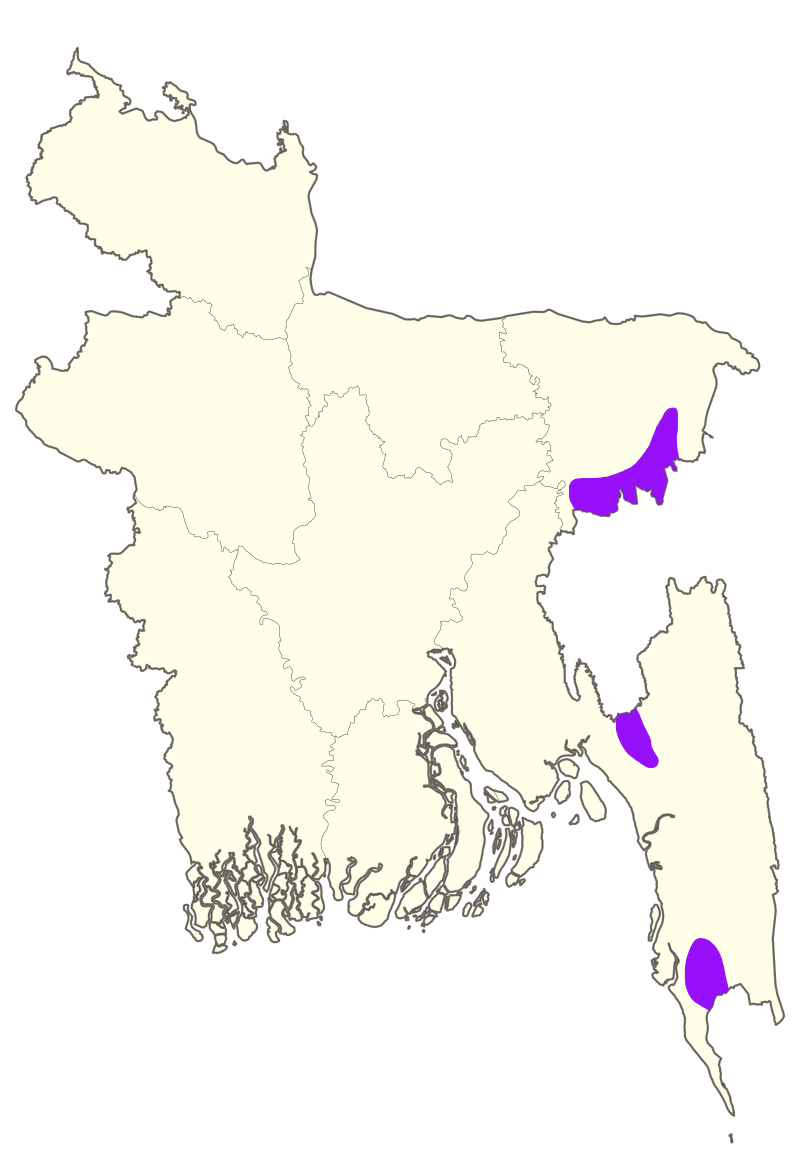
Within Bangladesh, rubber tree plantations can mostly be found in the south of Sylhet Division and the areas of Chittagong Division shown on the map.
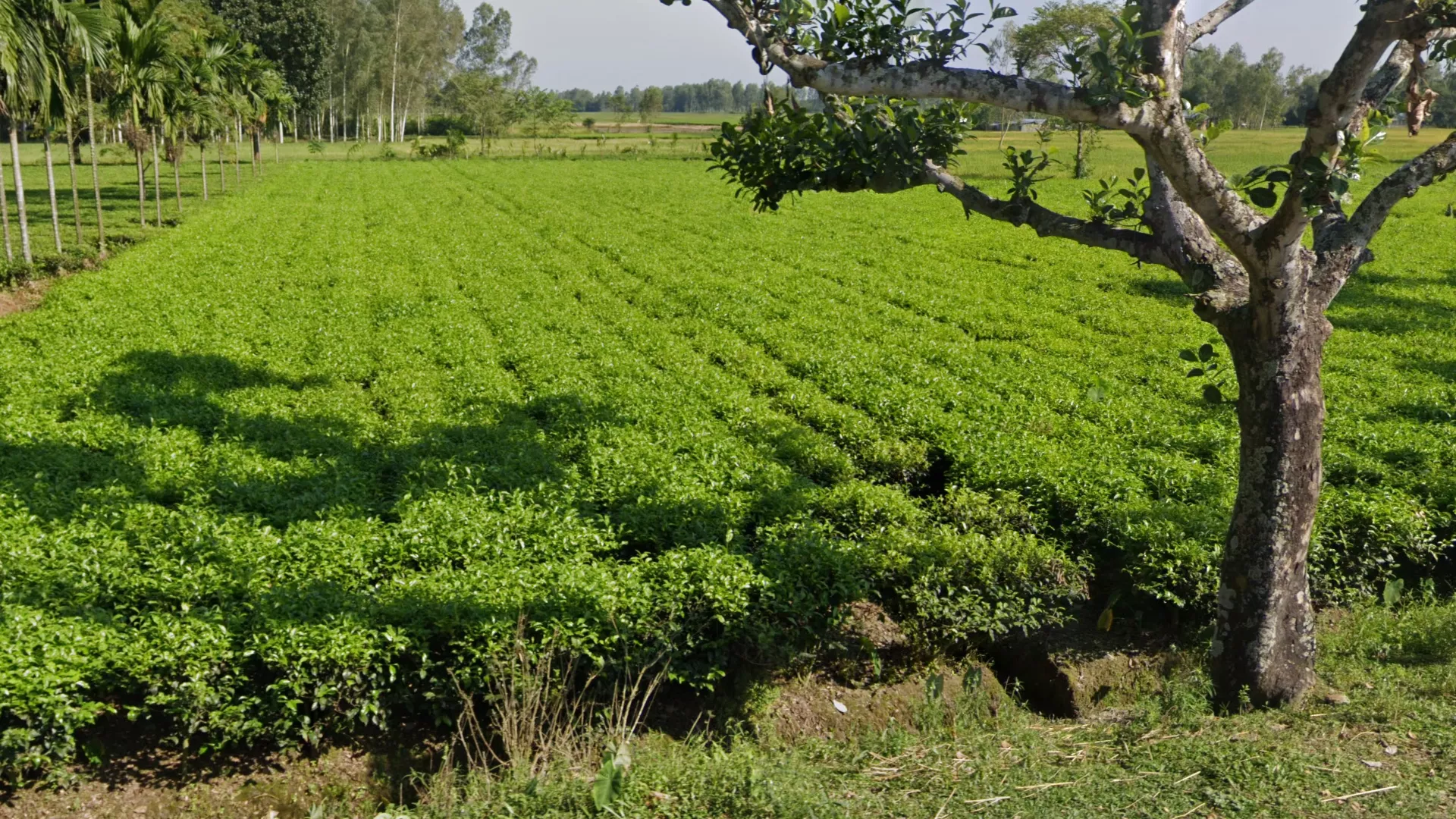
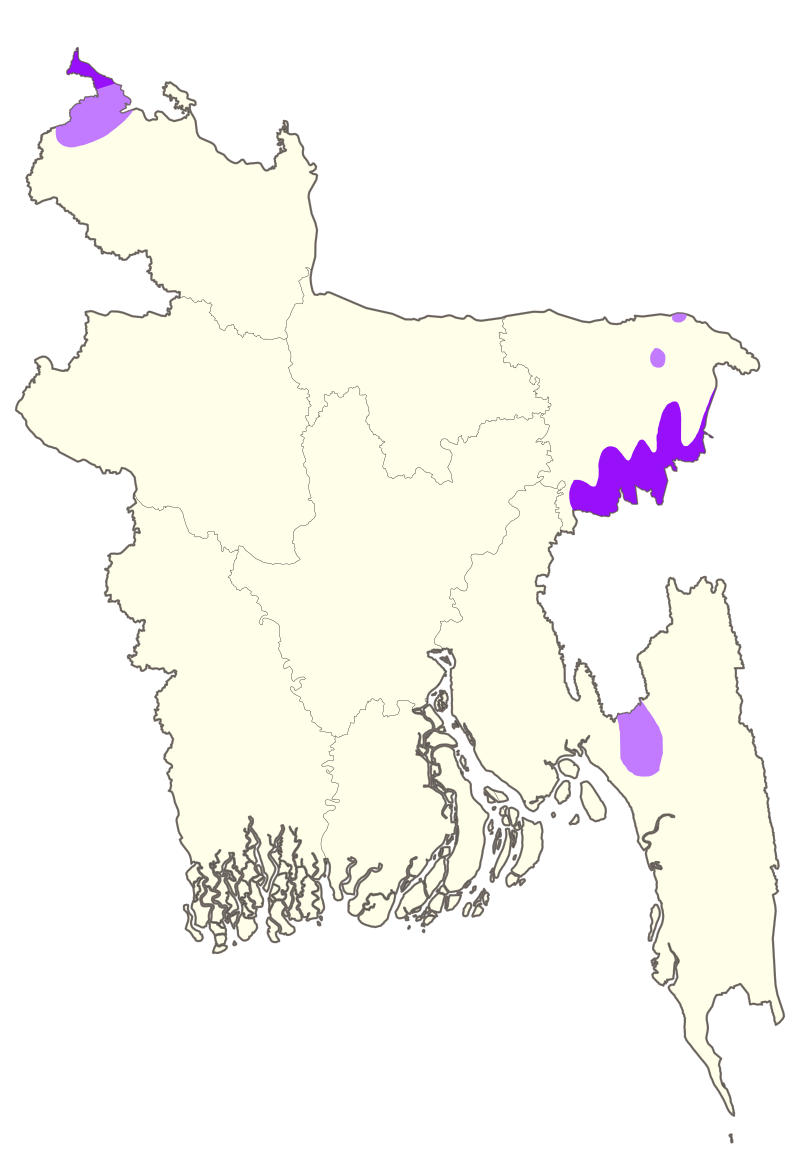
Within Bangladesh, tea is grown in three distinct areas. Tea is by far most common in the hilly areas of Sylhet Division along the border with Tripura. It can also be found in the hills south of Tripura in Chittagong Division and in the far north-west in Rangpur Division. In Rangpur Division, the tea plants blend in with a more typical Bengali landscape.
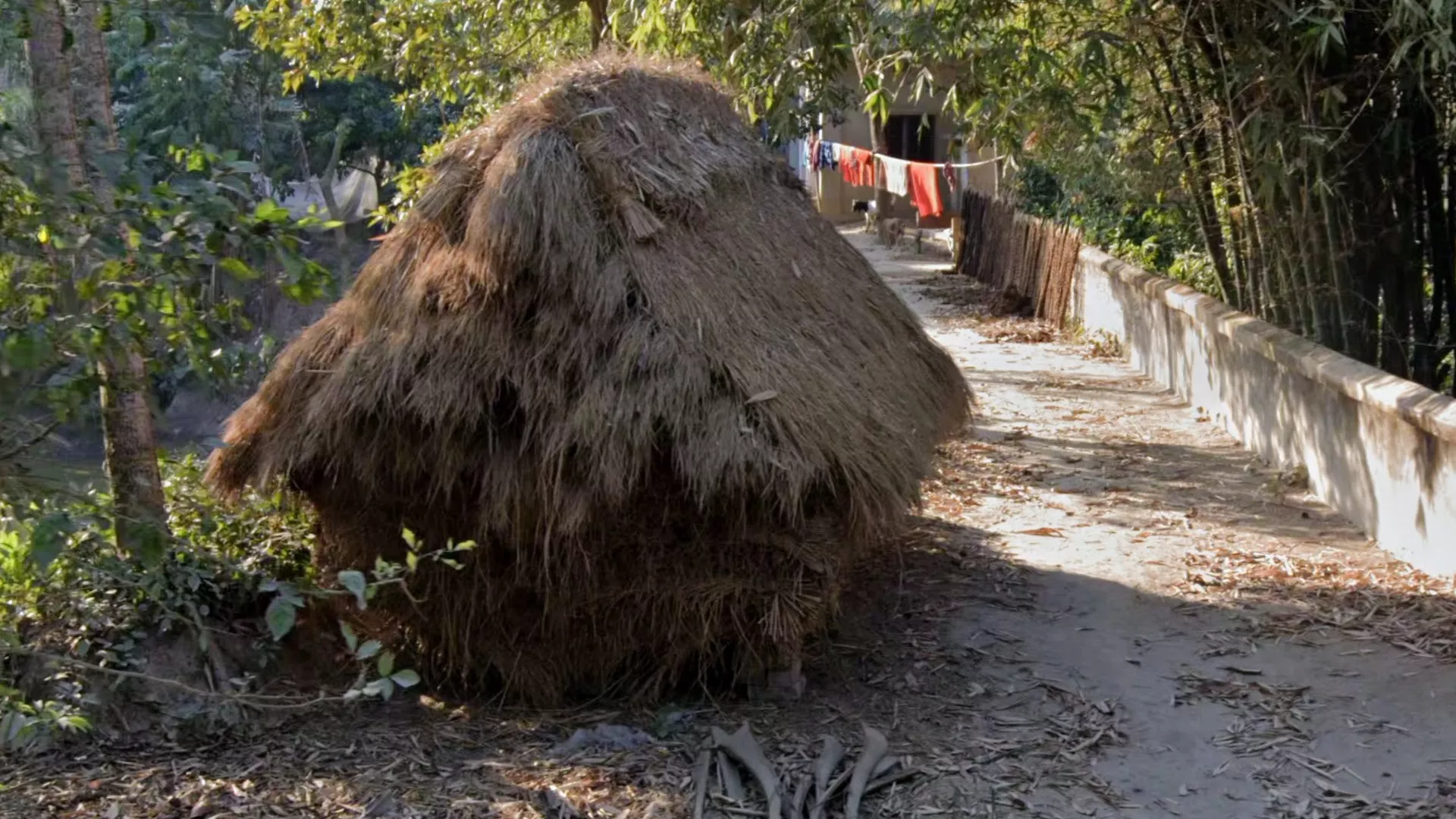
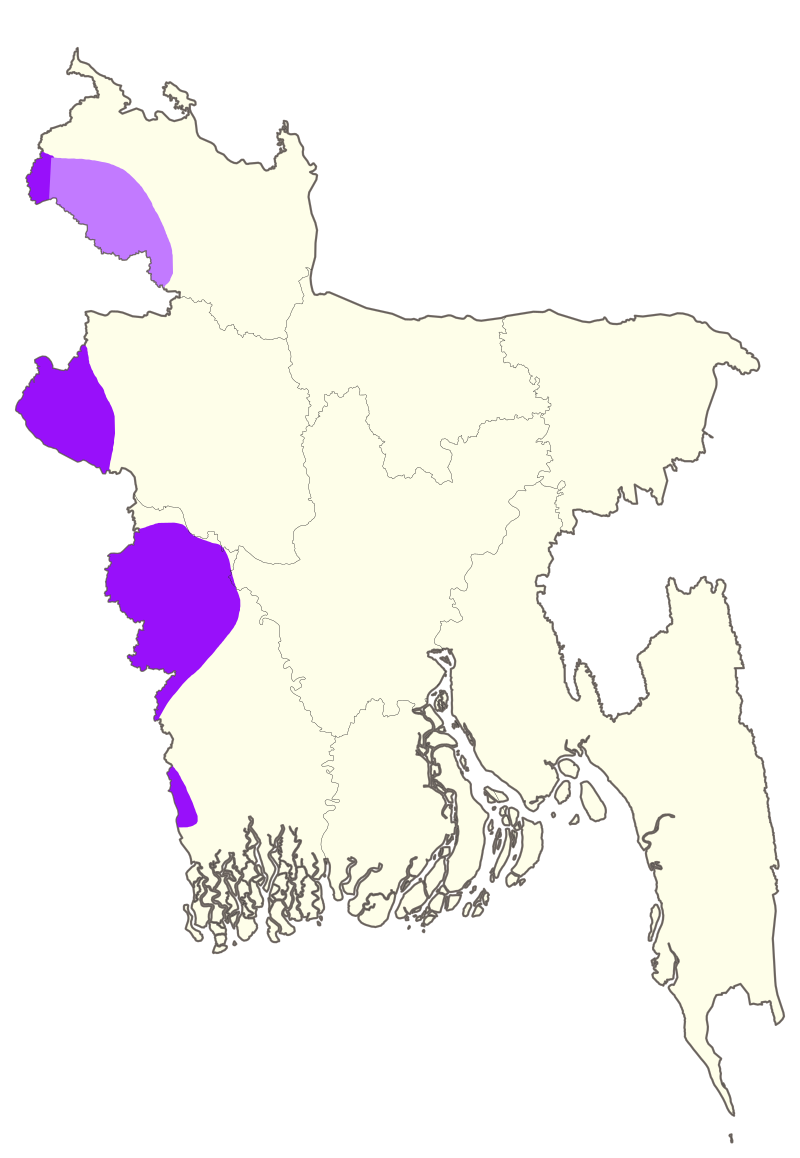
Hay stacks that are ‘house-shaped’ with a ridge are found along the whole length of the western border with India. In the rest of the country, hay stacks are typically dome or bulb-shaped, ending at a single point.
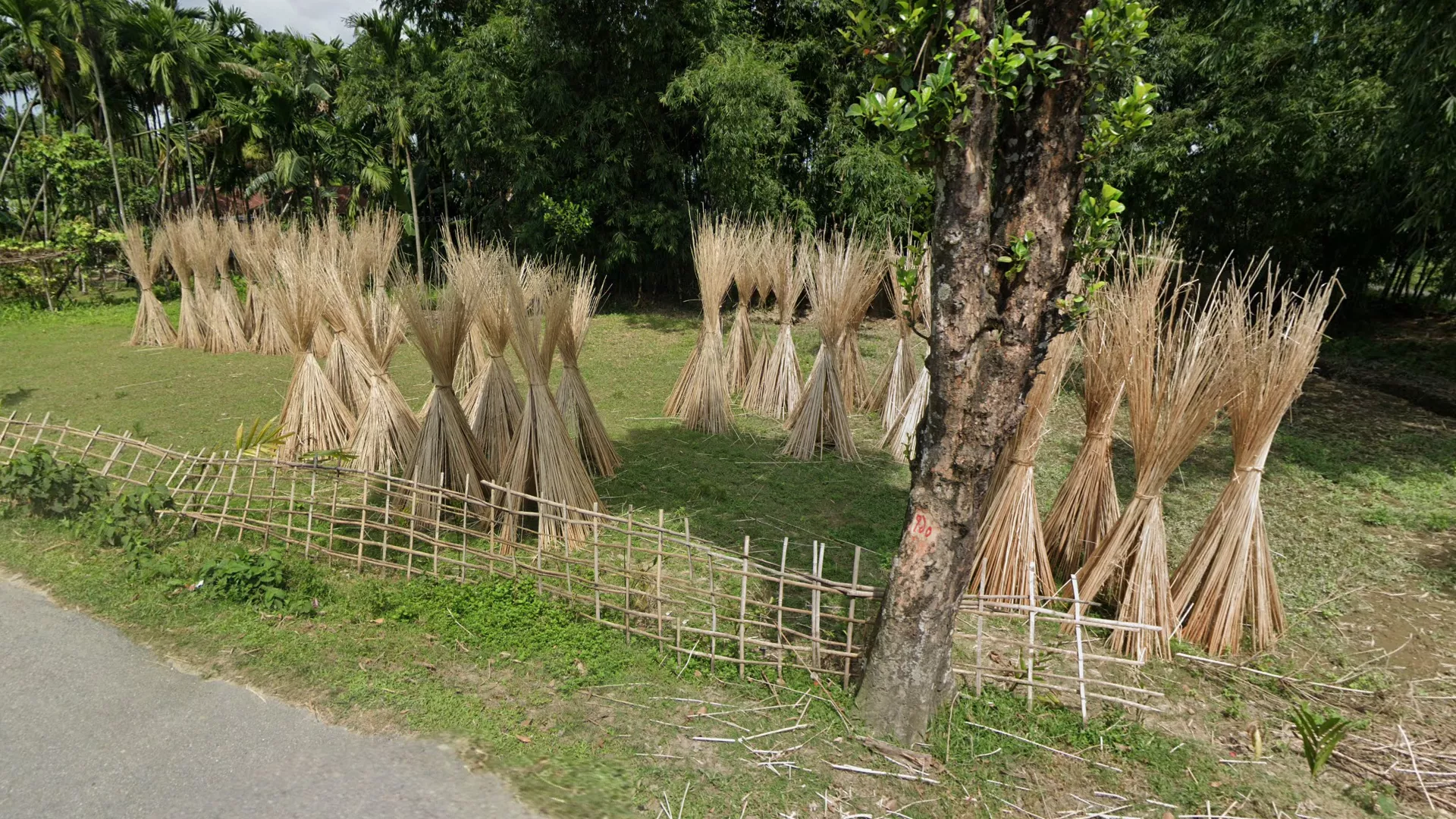
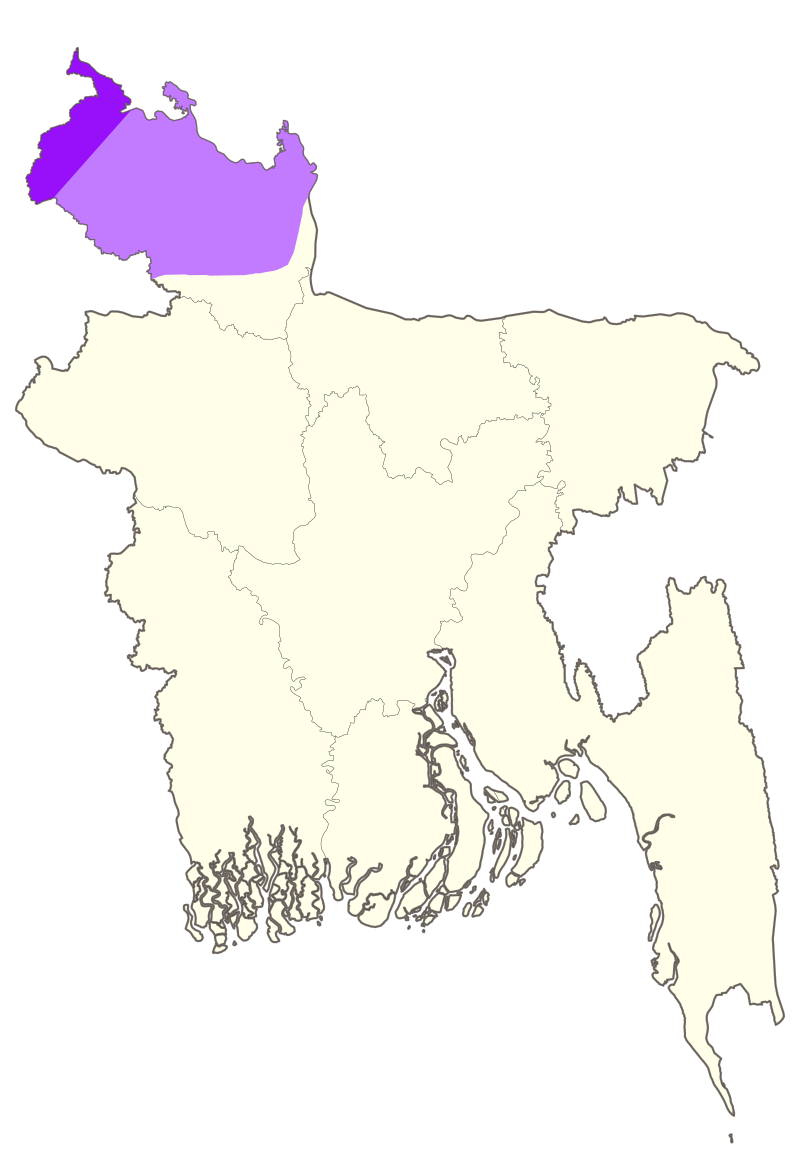
Neatly bound jute bundles with this hourglass-like shape are found in Rangpur Division.
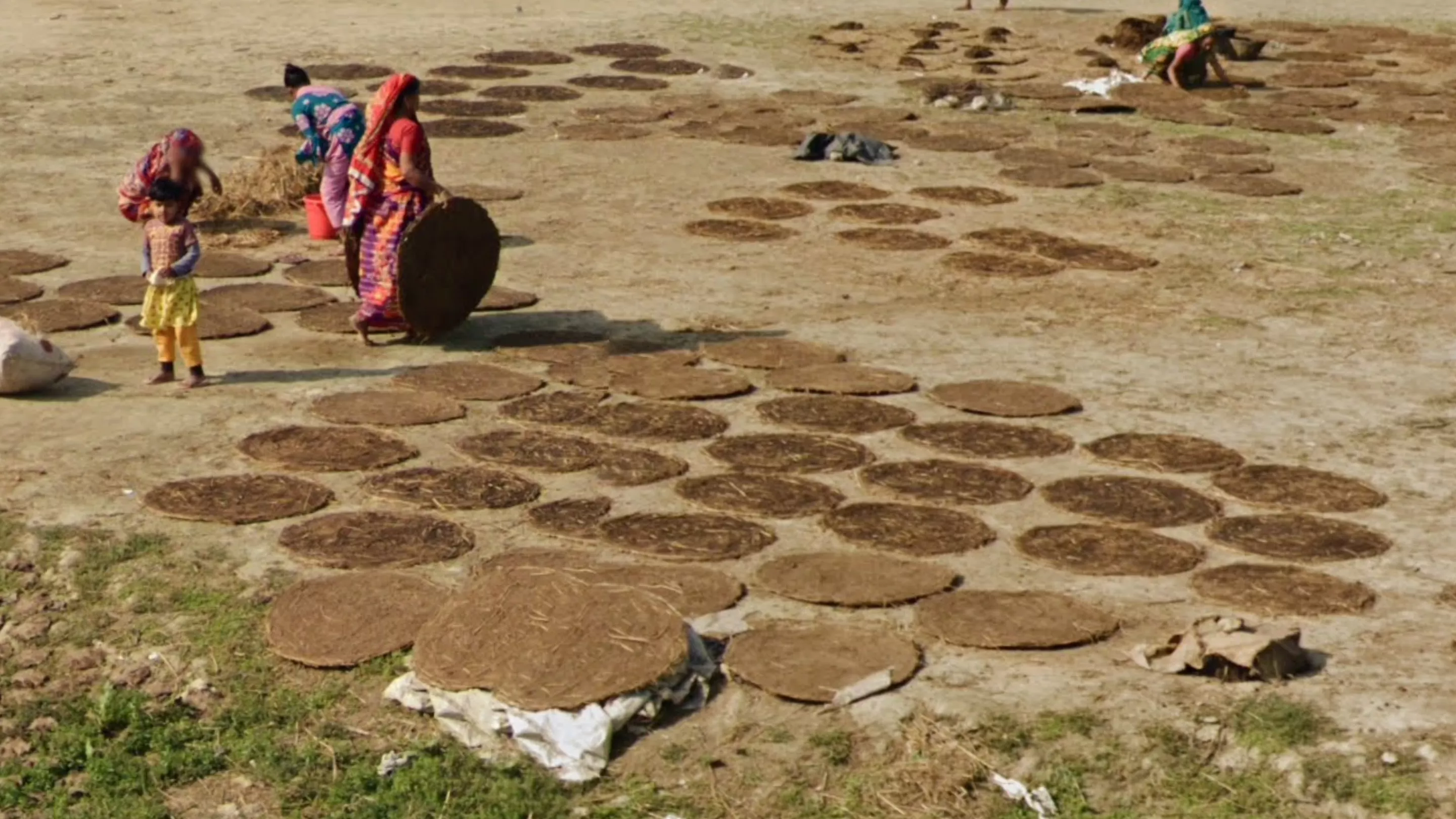
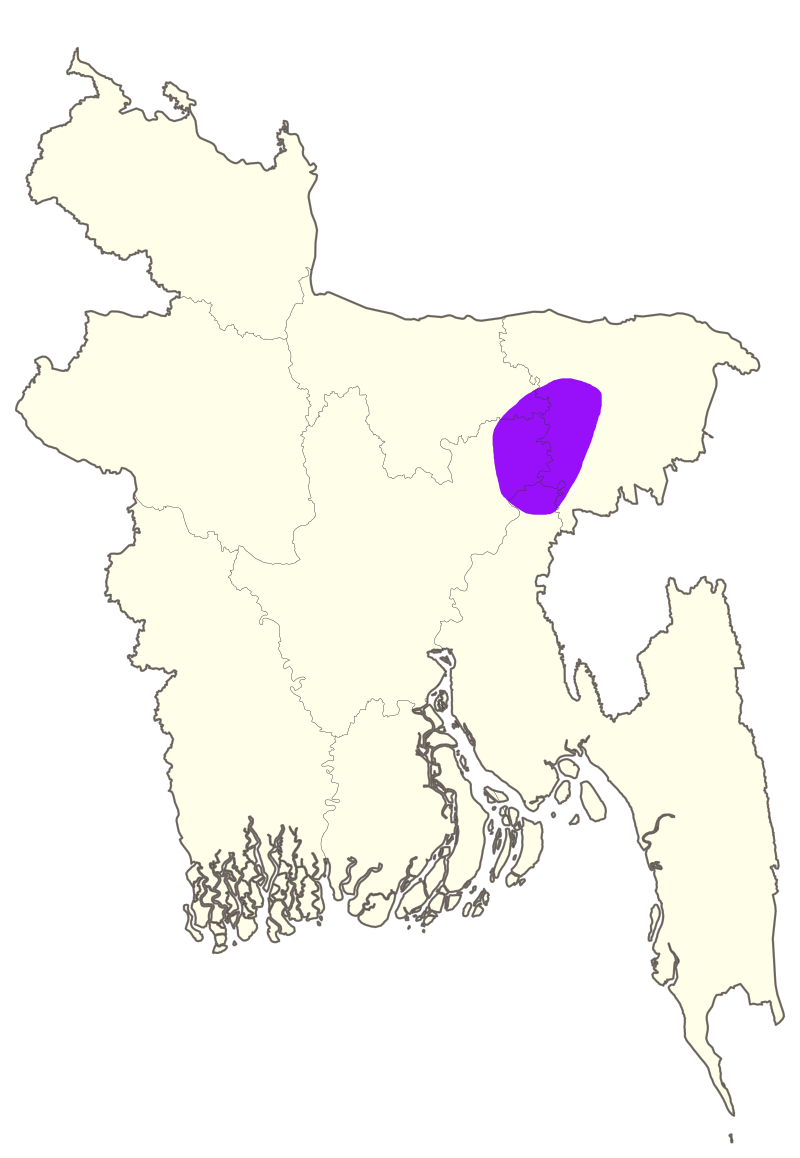
Dung ‘pizzas’ formed in the shape of large discs are often left to dry near settlements in the western Haor Basin.
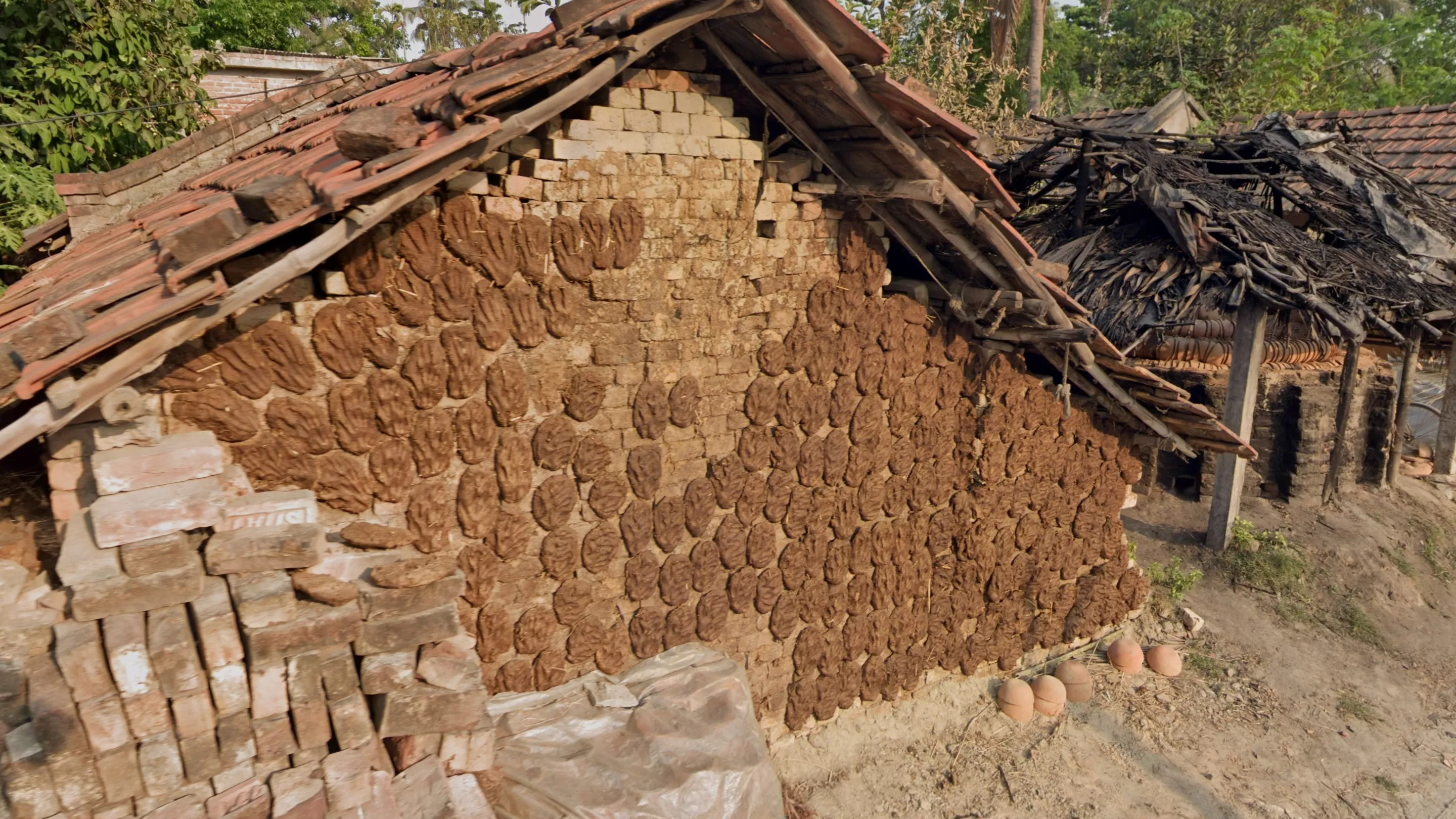
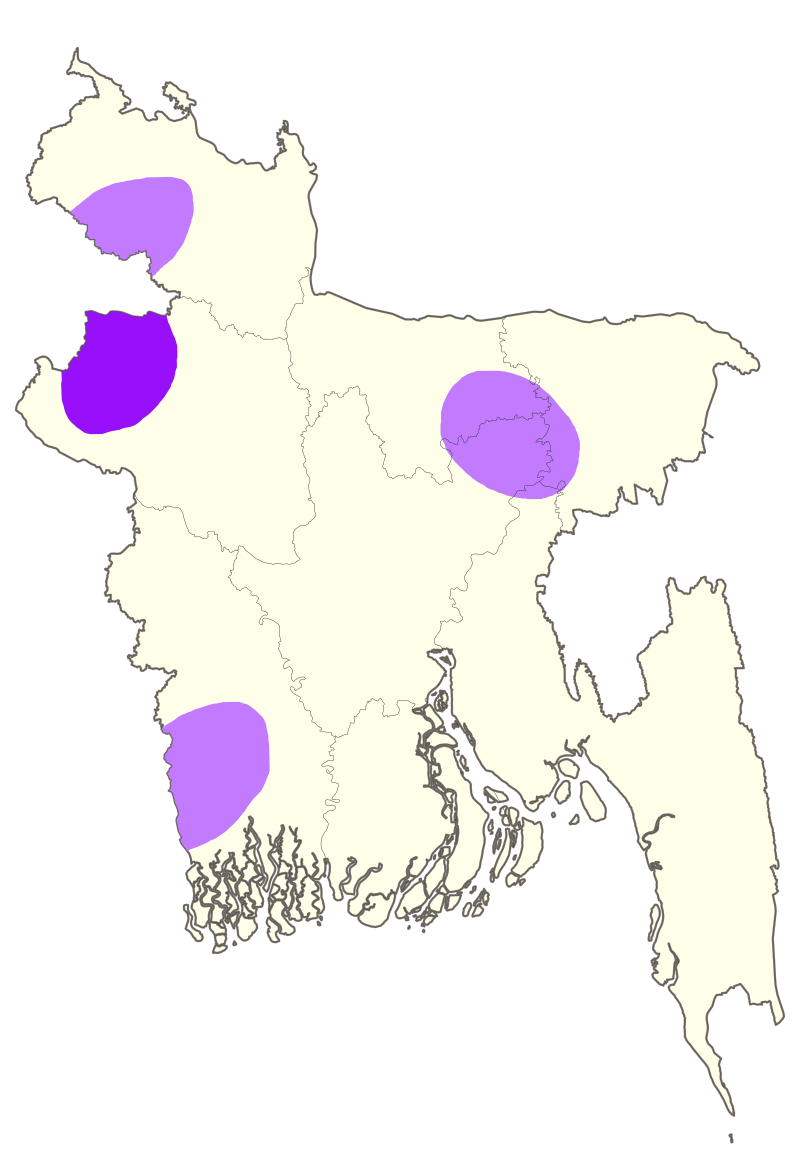
Smaller dung discs slapped onto walls or tree trunks to dry are generally more common in Rajshahi Division and southern Khulna Division, although are not a completely reliable indicator.
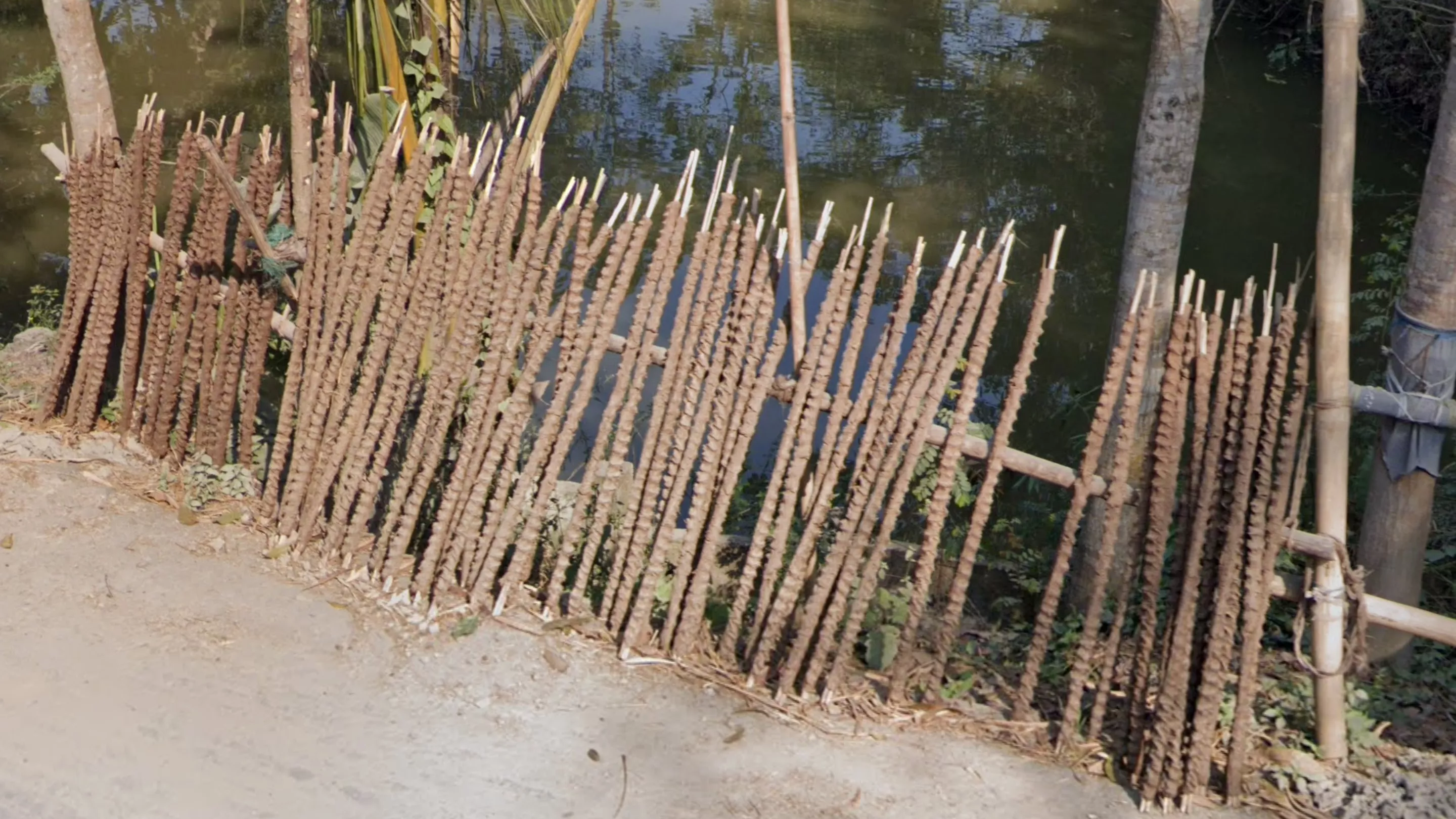
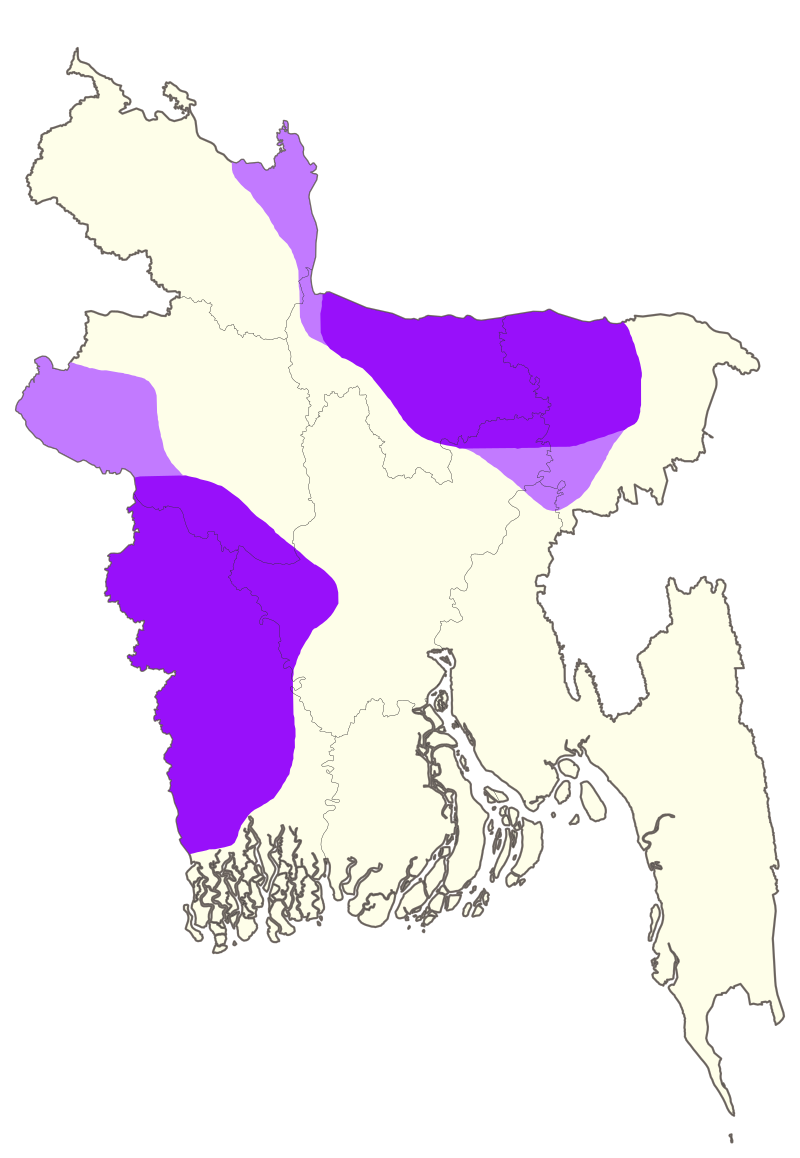
Dung ‘kebabs’ dried on sticks are commonly seen in two areas: in the south-west, especially Khulna Division, and in much of the central-north area of the country. They can also rarely be found in Barishal and northern Chittagong Division.
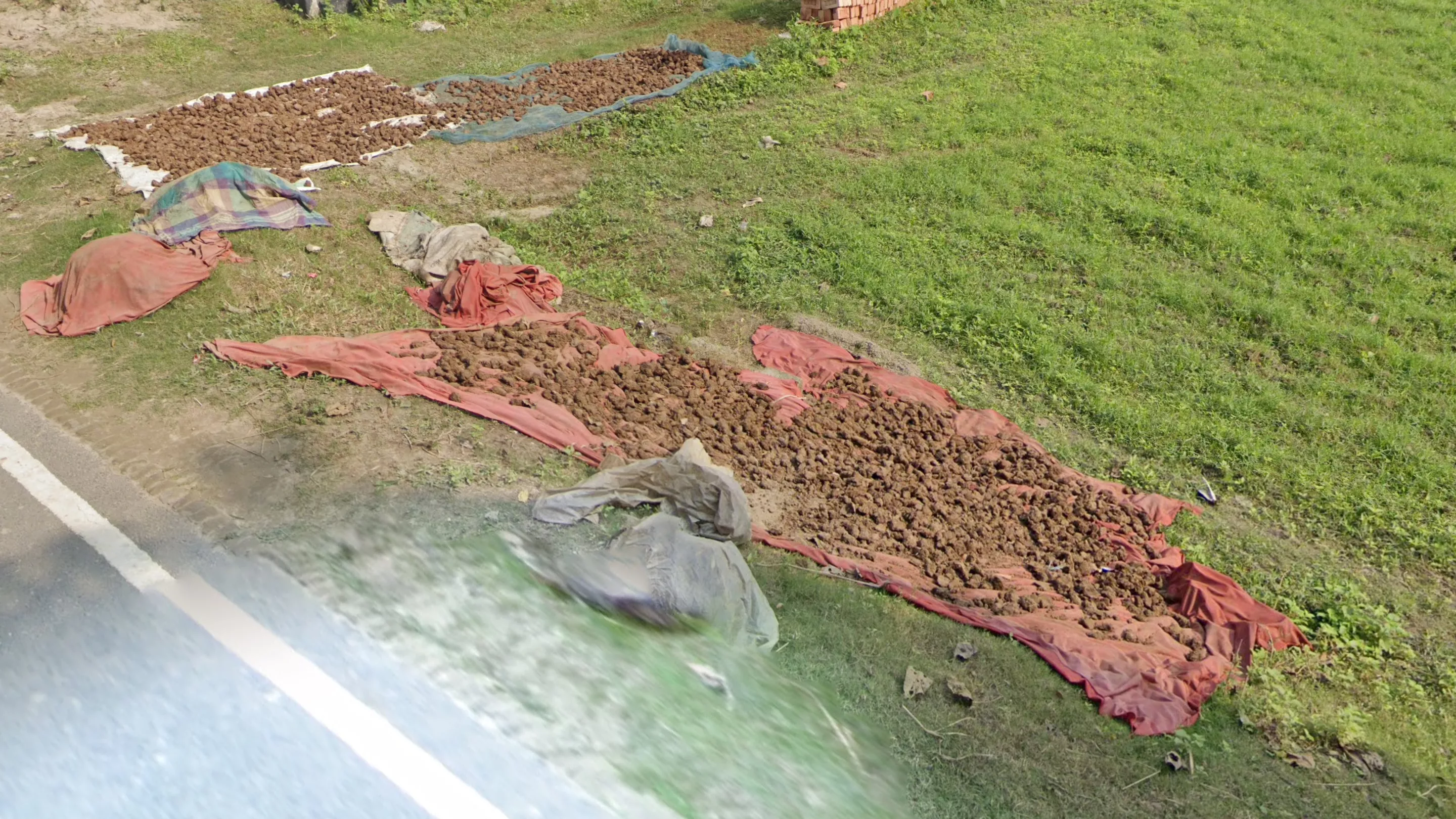
Dung being dried in messy piles often laid out on tarp or blankets is found in the central parts of the country.
Vegetation
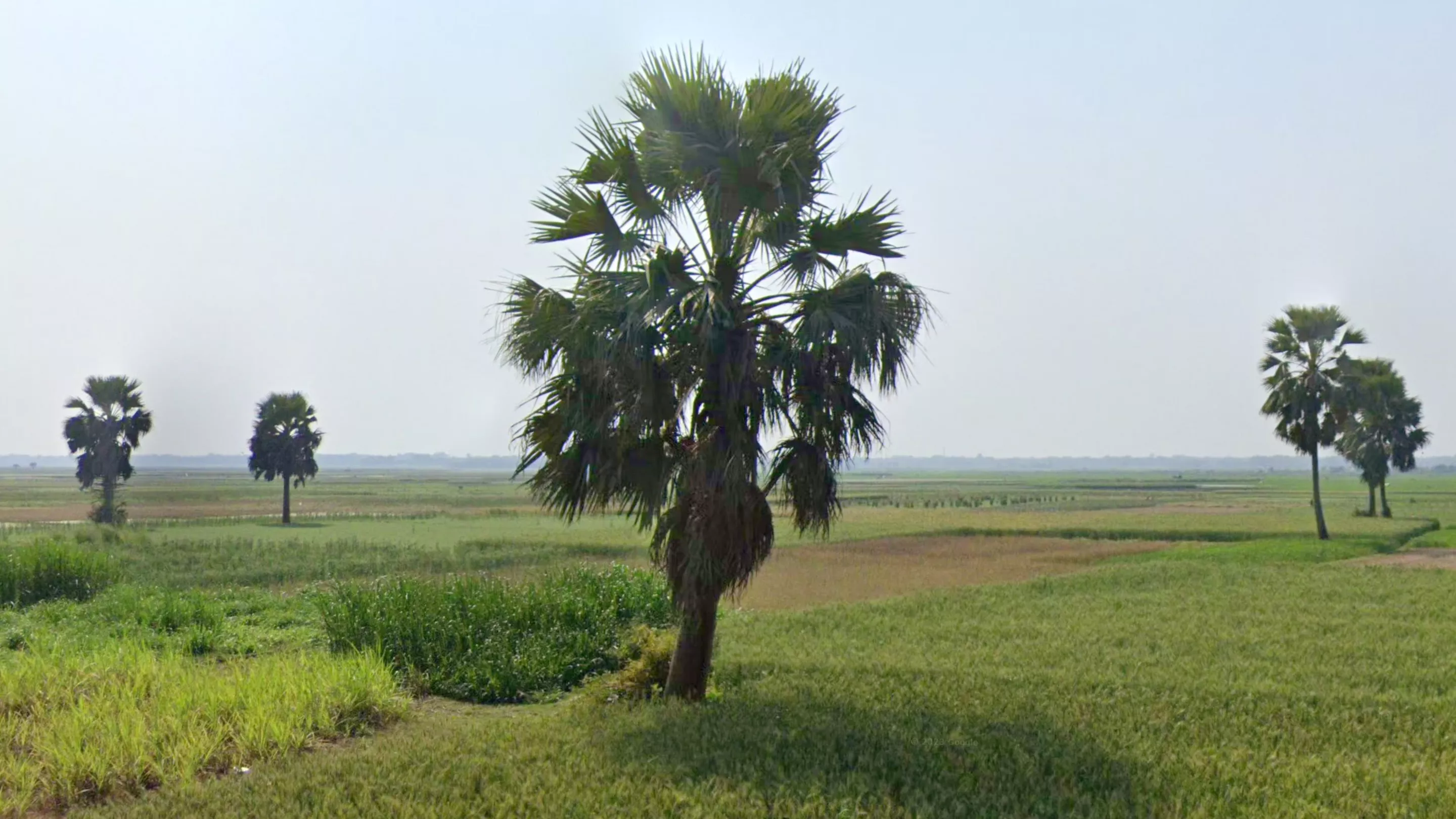
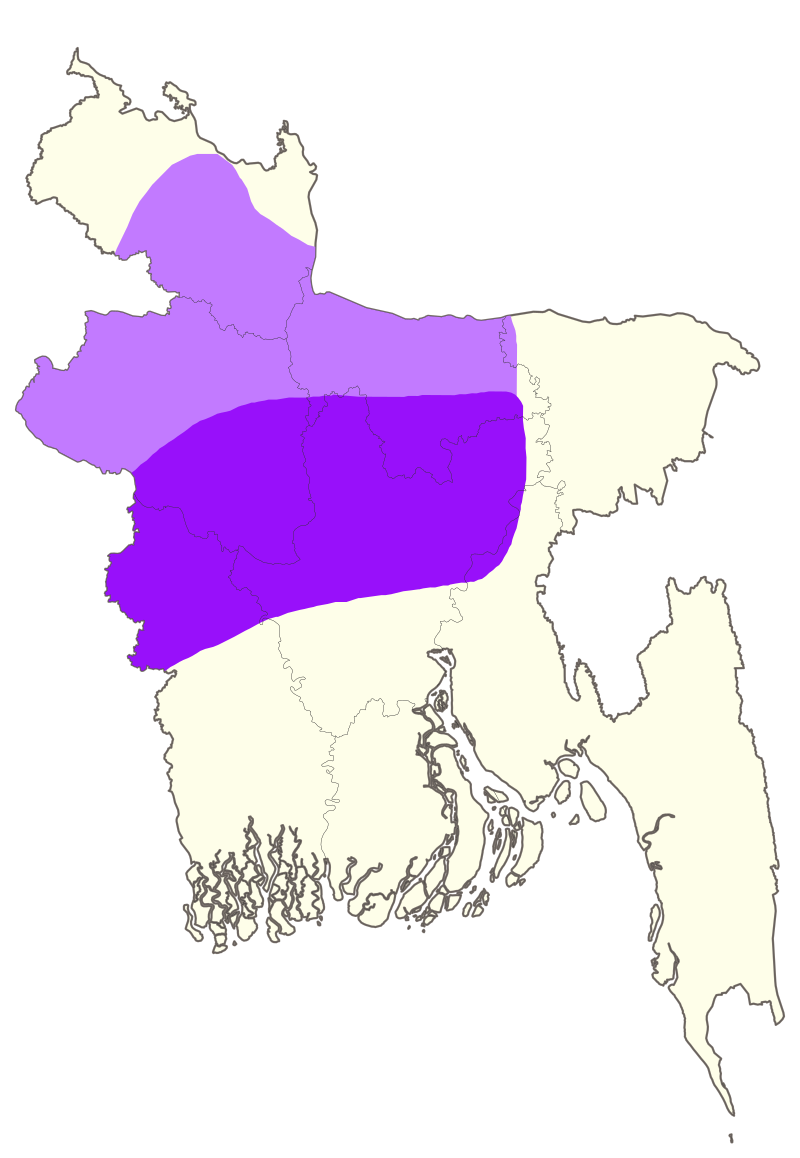
Palmyra palms (Borassus flabellifer), while common throughout most of Bangladesh, are notably absent in the north-east and far north of the country.
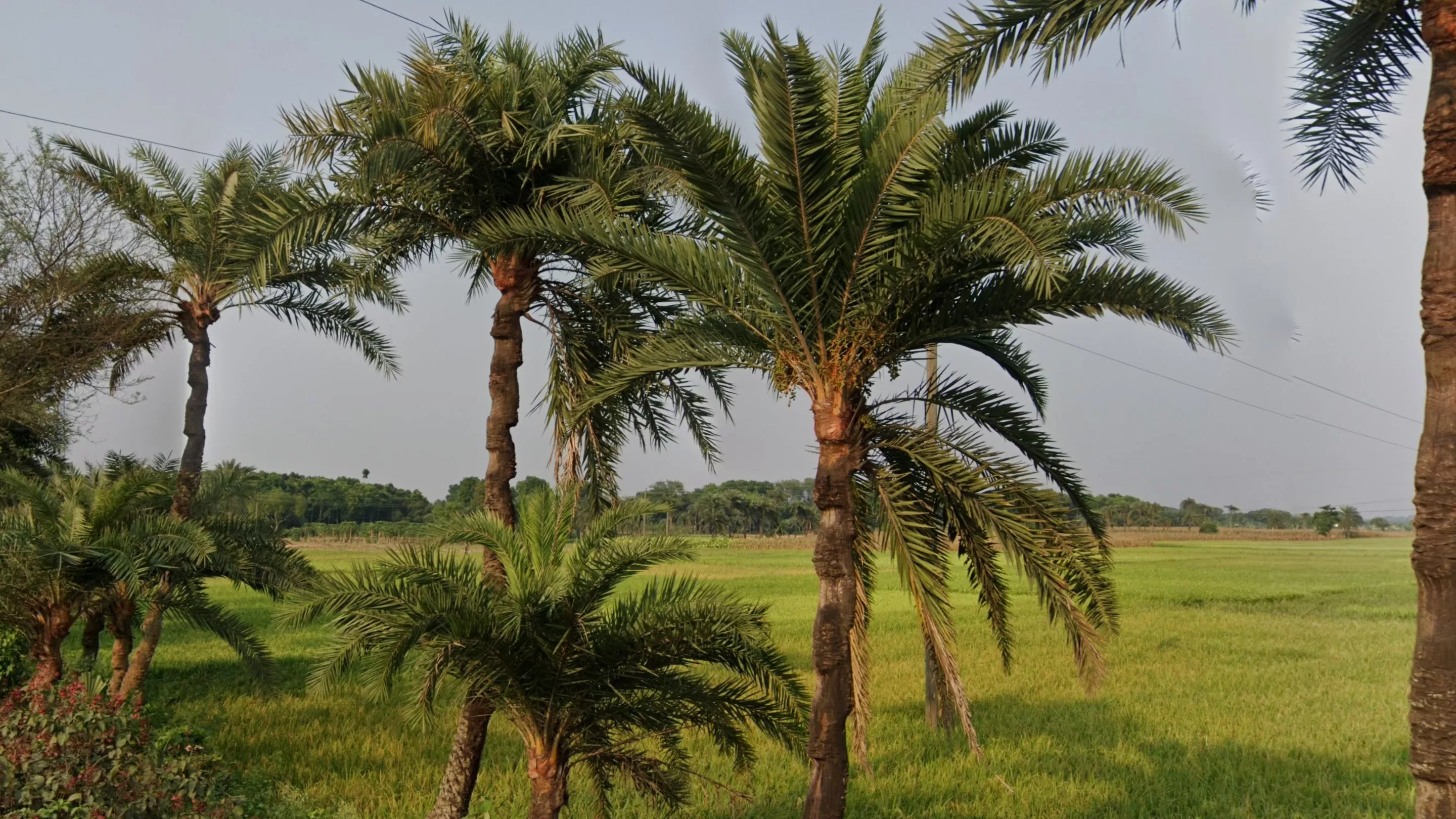
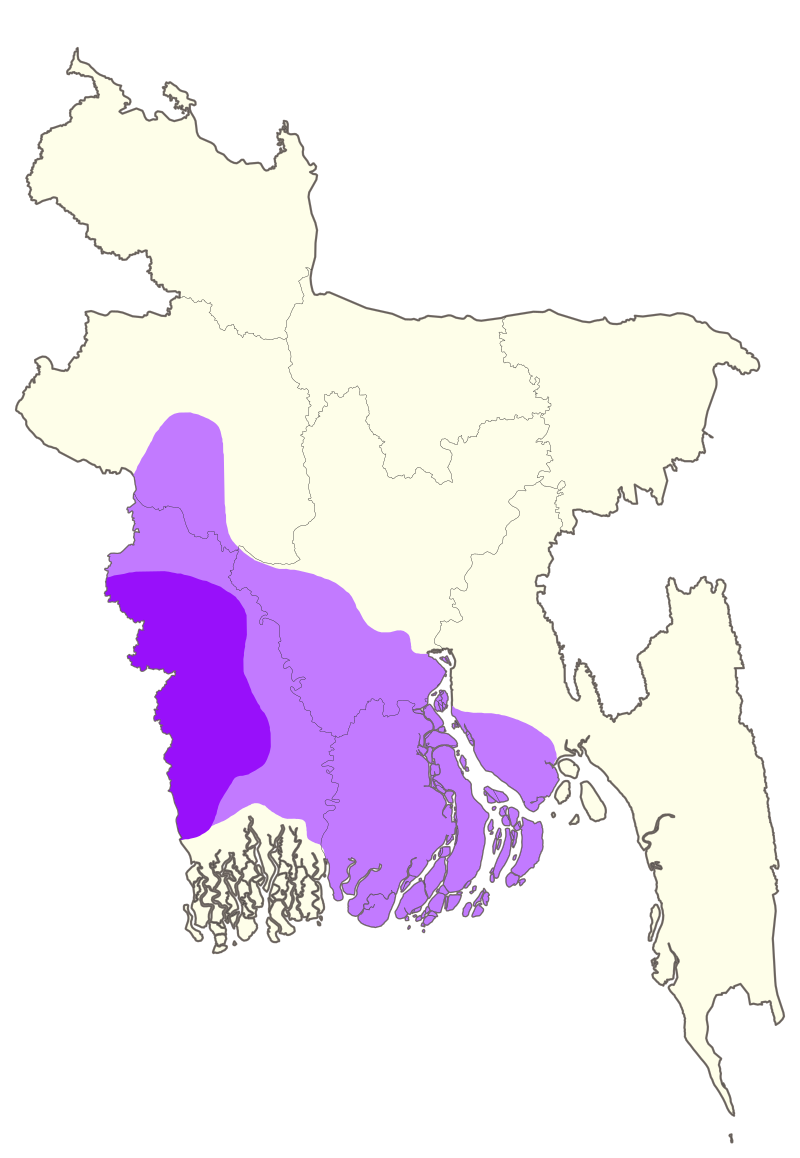
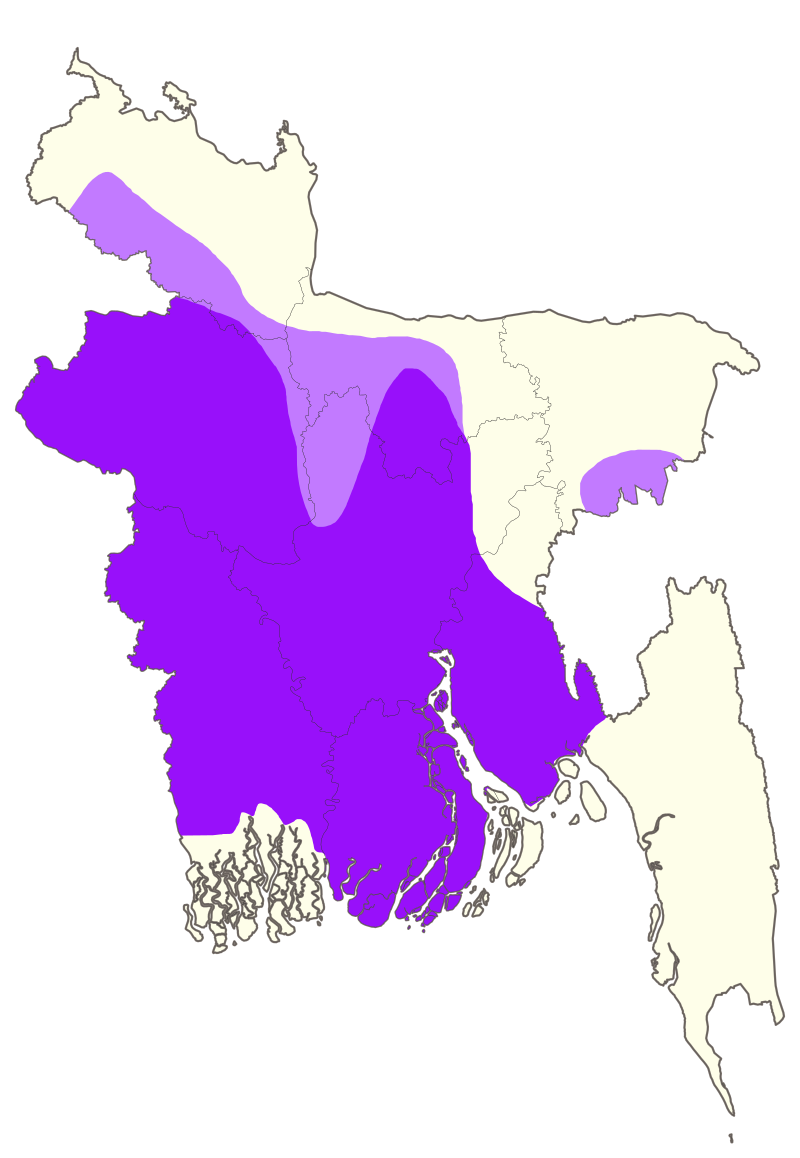
Date palms (Phoenix sylvestris) with this jagged trunk shape appear toward the south and west of Bangladesh, and are especially common in Khulna Division nearer to the Indian border.
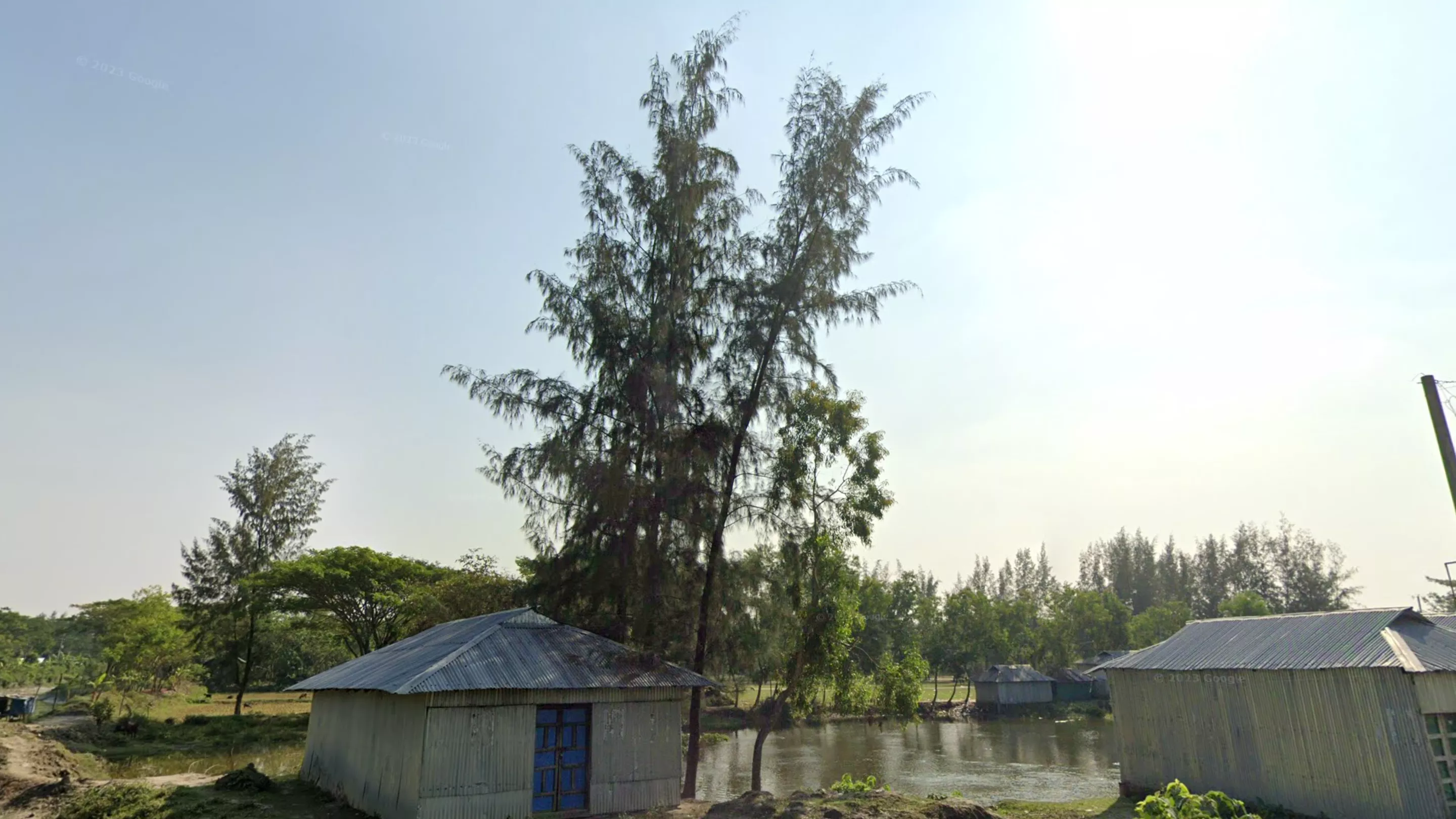
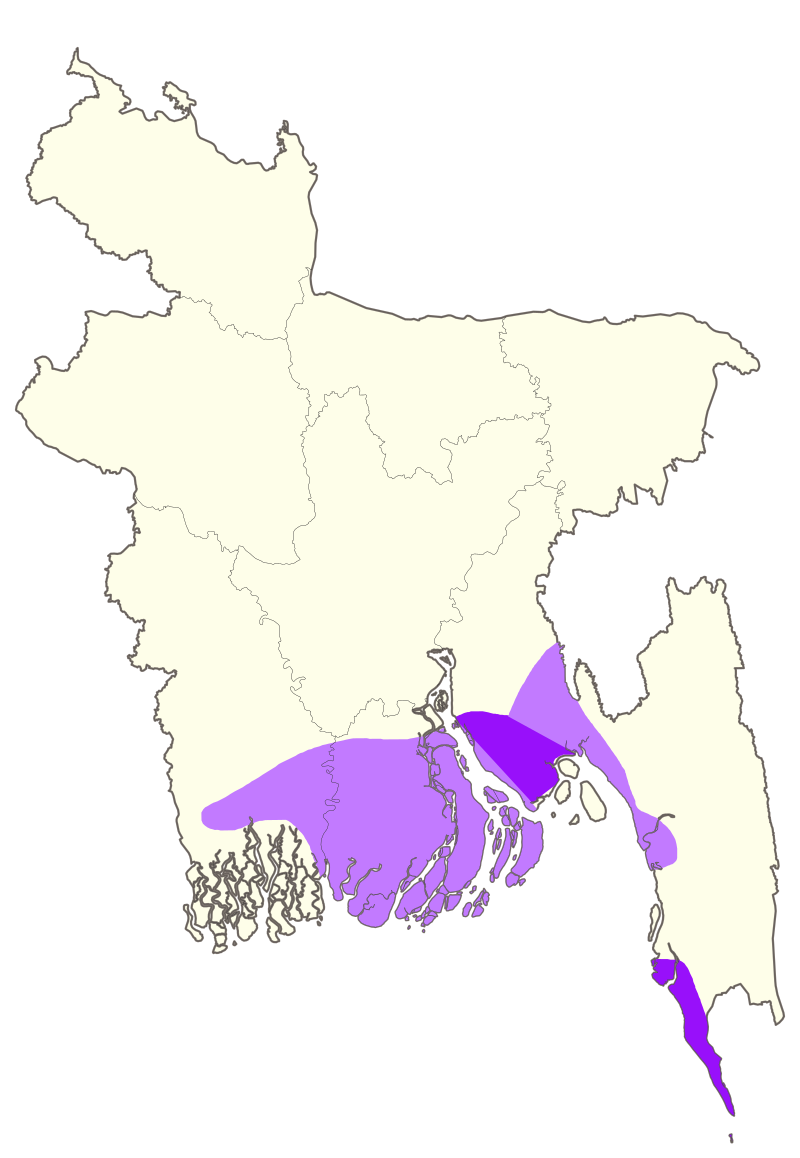
Beach she-oaks (Casuarina equisetifolia) are most commonly encountered in lowland Chittagong Division.
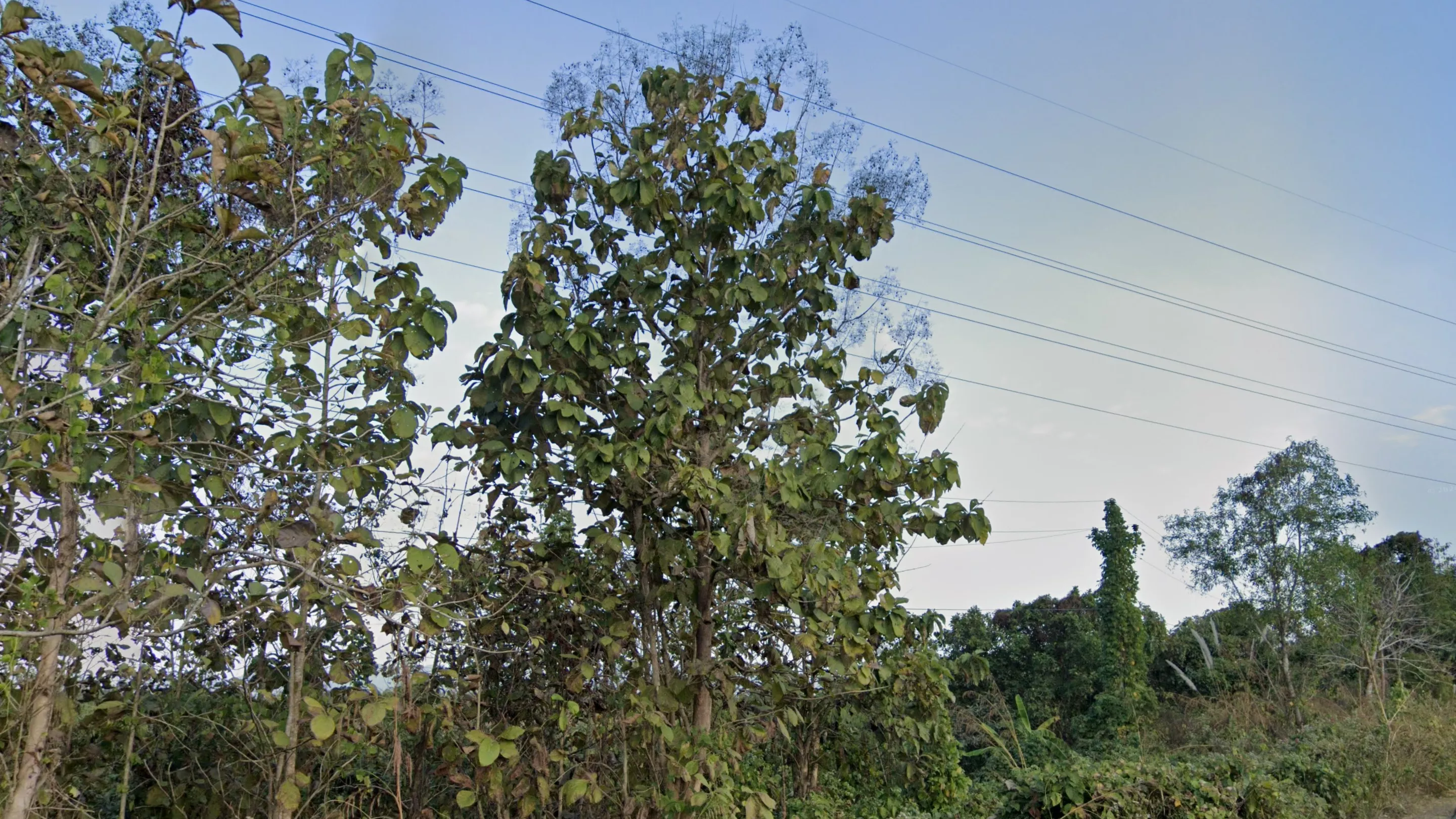
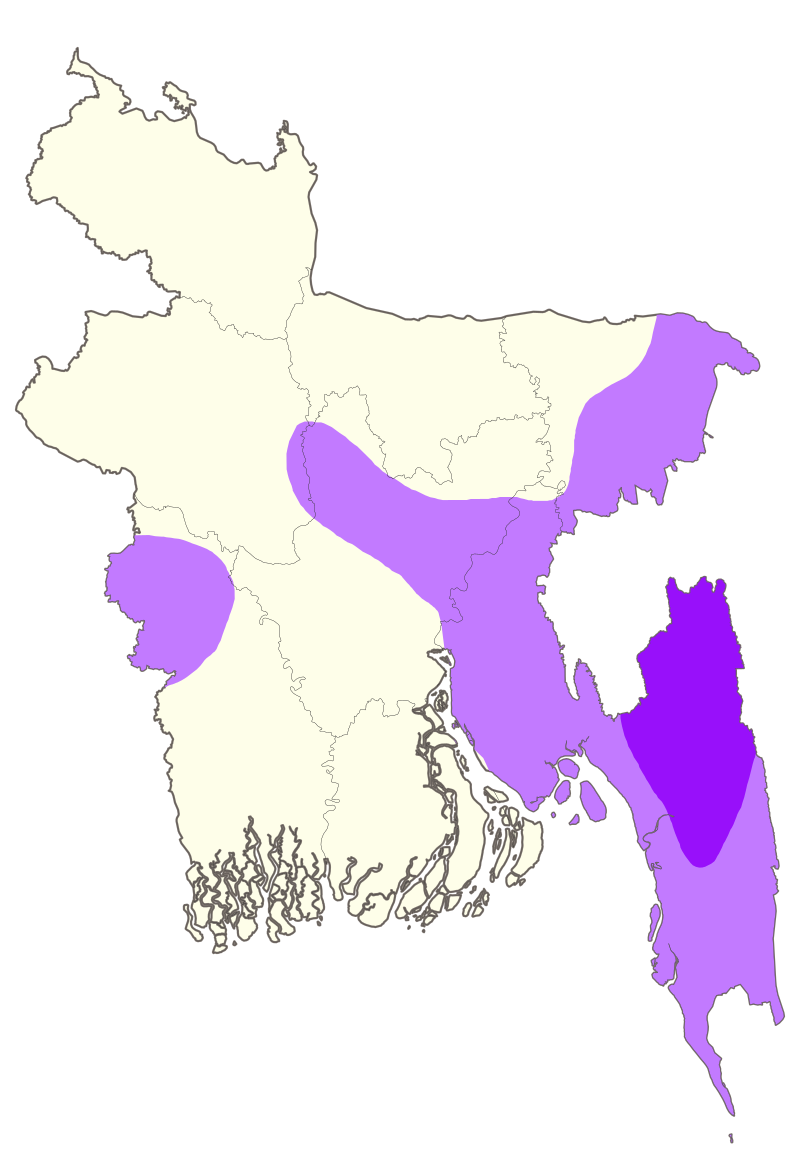
Within Bangladesh, teak (Tectona grandis) is grown mostly in the hilly parts of Chittagong and Sylhet Division, but can also be seen in the centre and west of the country. It can be recognised by its very large leaves and clustered flowers that are often visibly sticking out from the tree.
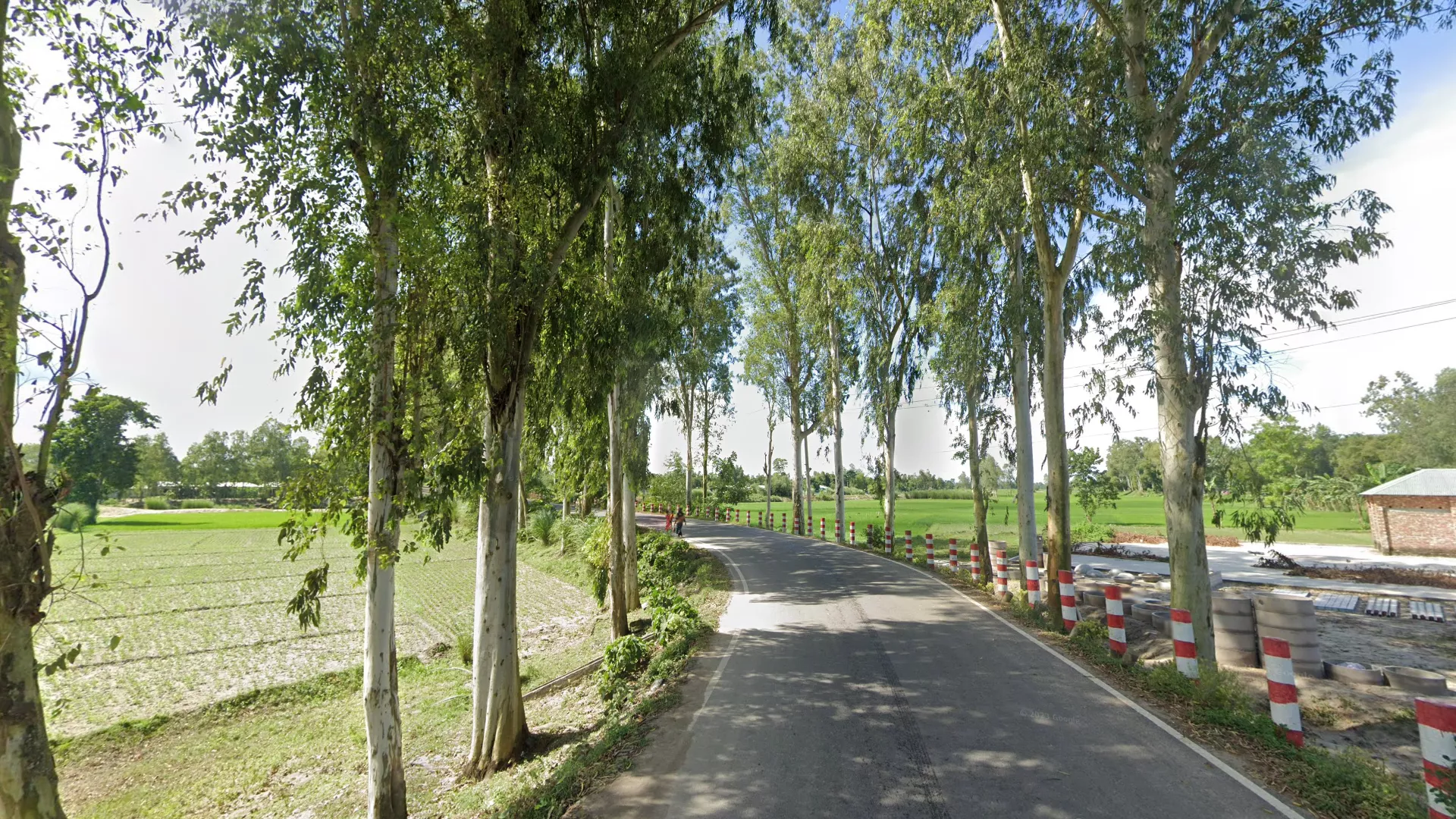
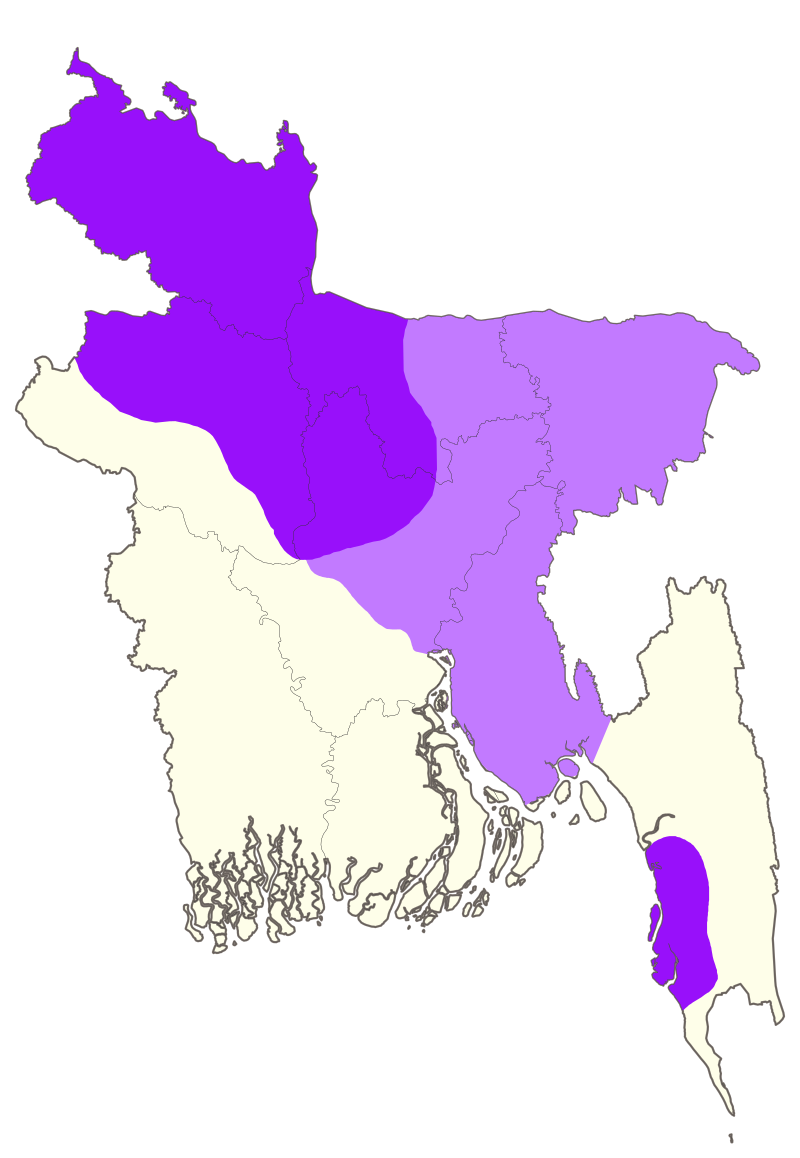
Eucalyptus trees appear across a wide area of Bangladesh. They are most associated with Rangpur Division, but are also prominent within the landscapes of several other regions of Bangladesh.
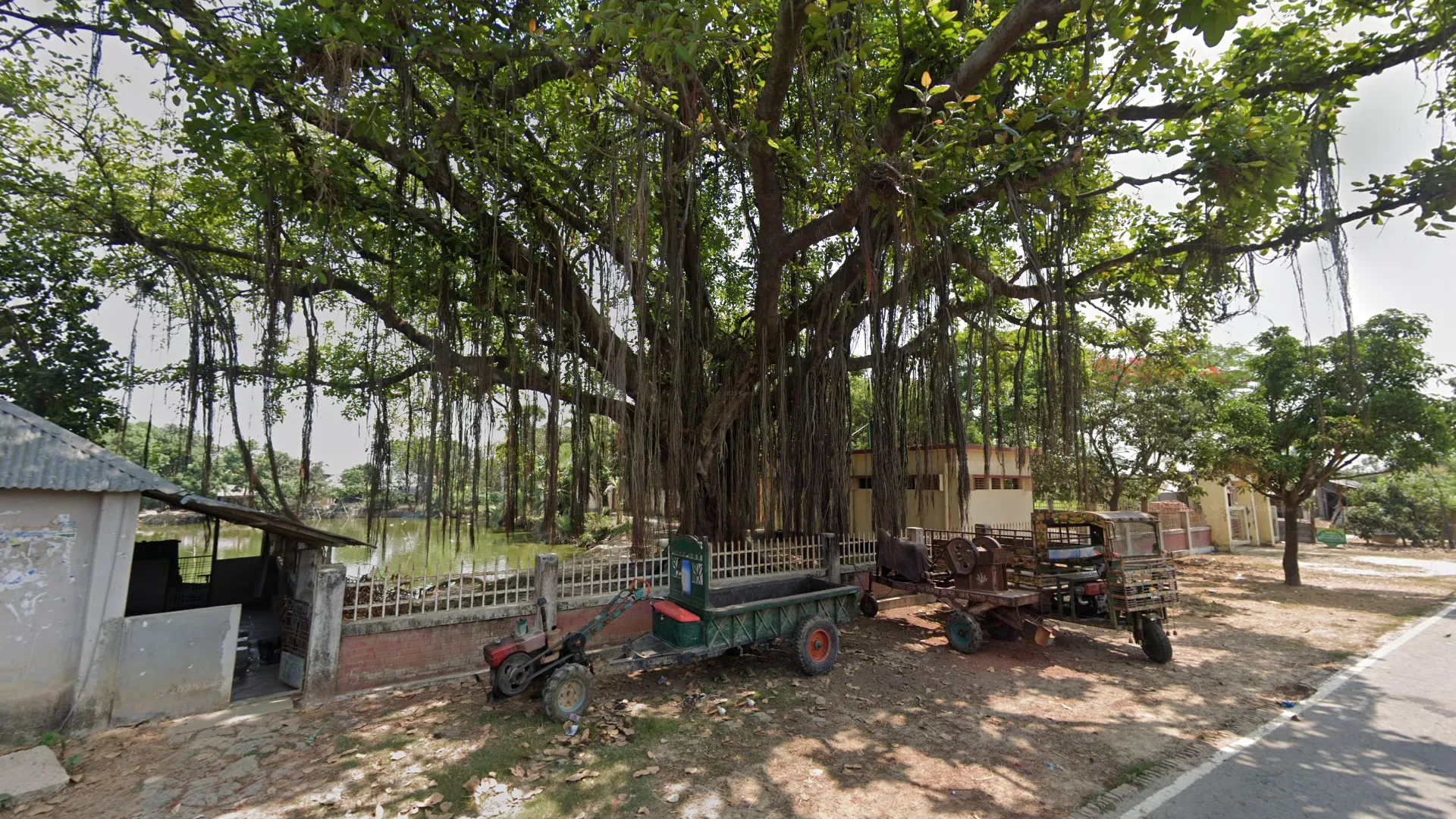
Banyan trees (Ficus benghalensis) can be found in all parts of Bangladesh. However, examples featuring sprawling branches and abundant visible aerial roots appear more commonly in western Bangladesh, especially Rajshahi and Rangpur divisions, and are rarer in the east.
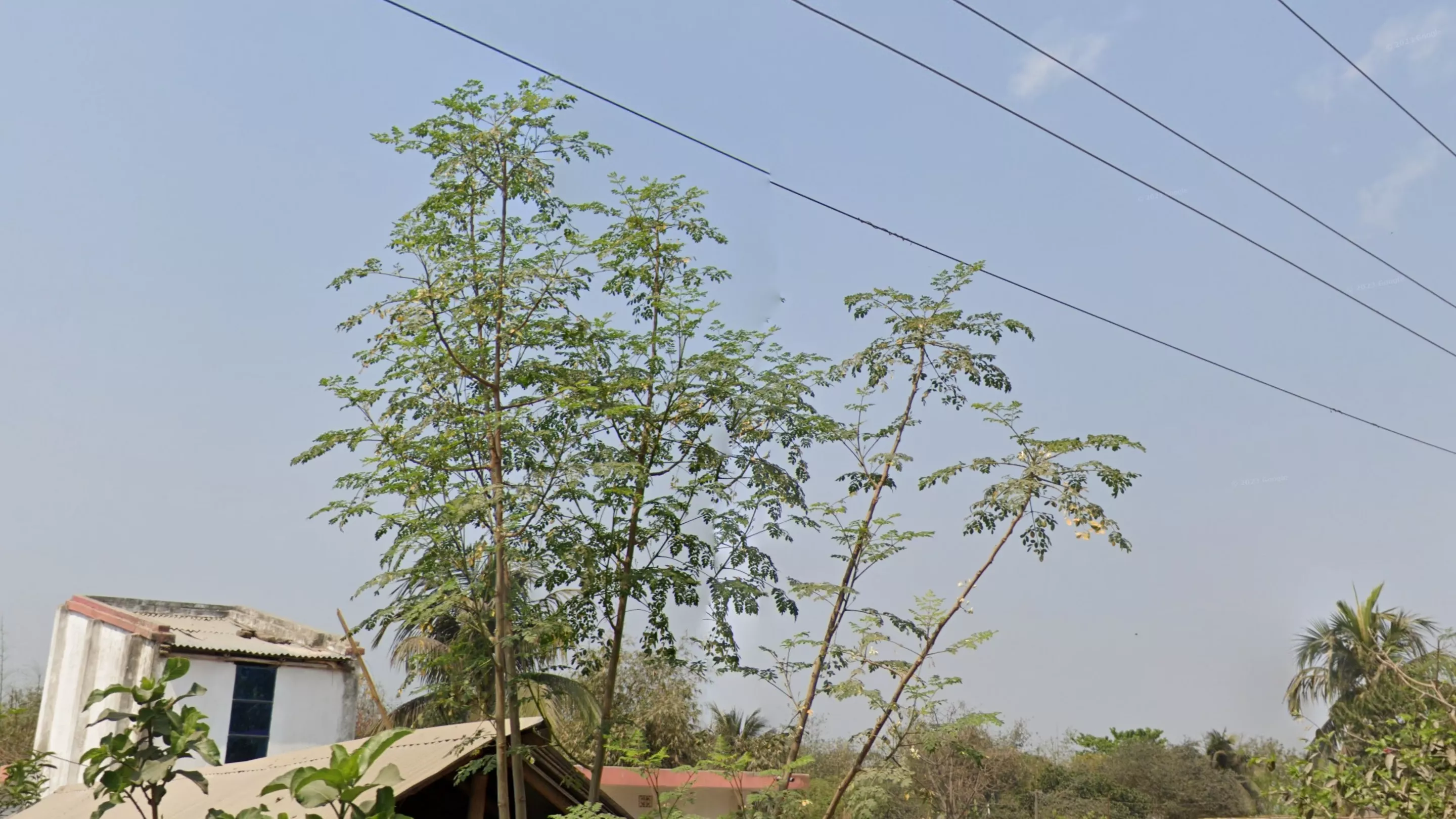
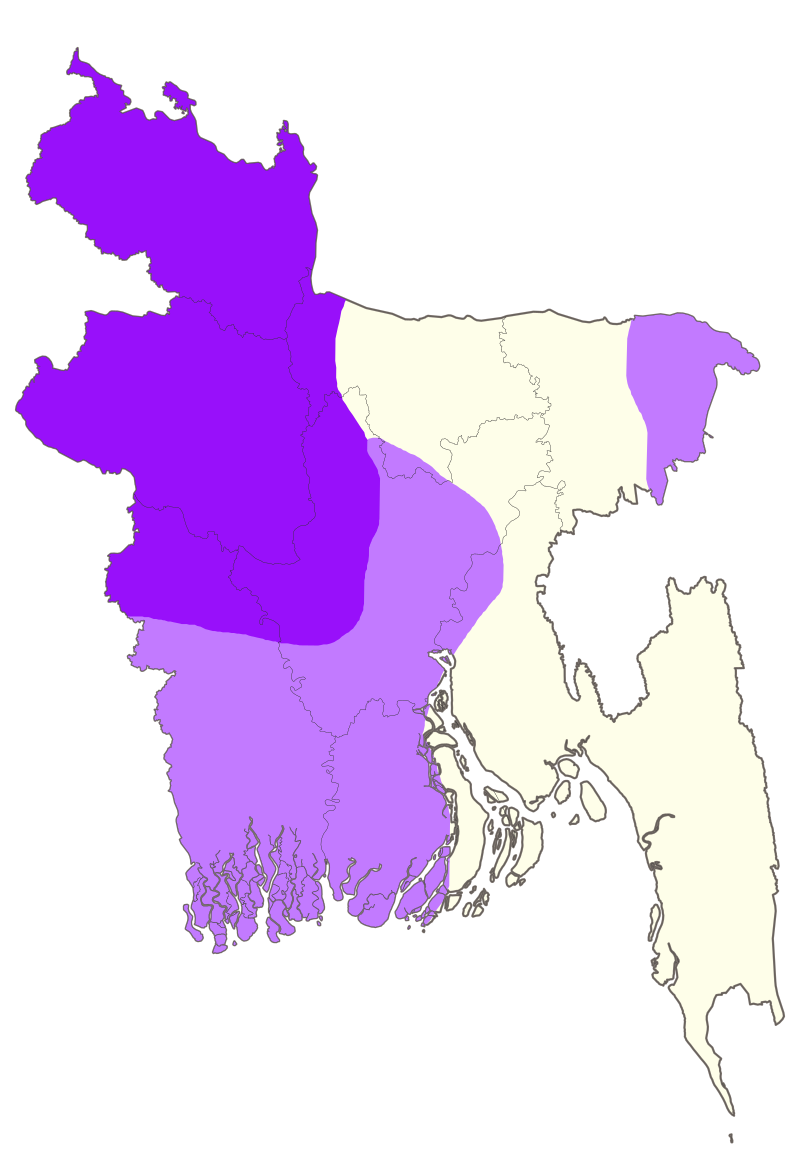
Moringa (Moringa oleifera) is a small to medium-sized tree that is most recognisable by its delicate fractal-like (tripinnate) leaves consisting of small lentil-shaped leaflets. It is mainly found in the west of the country.
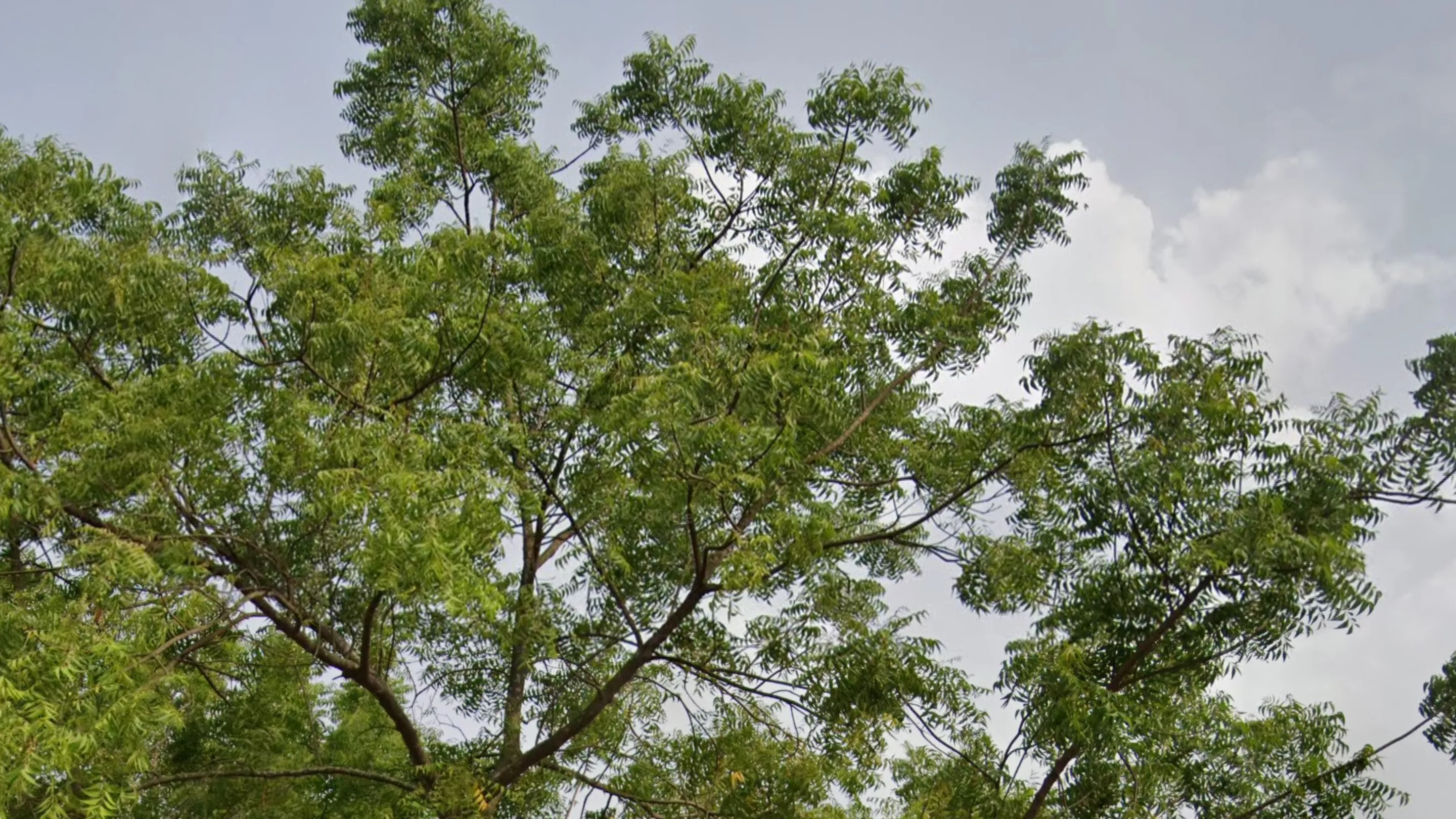
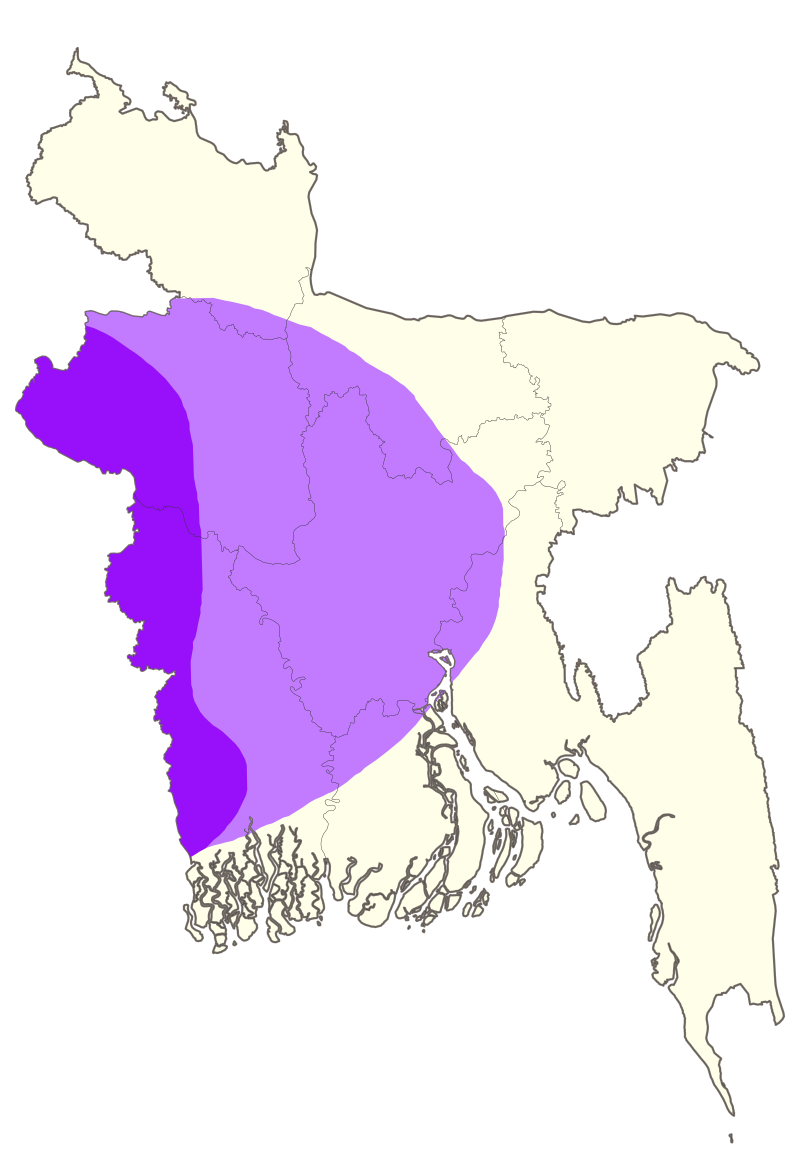
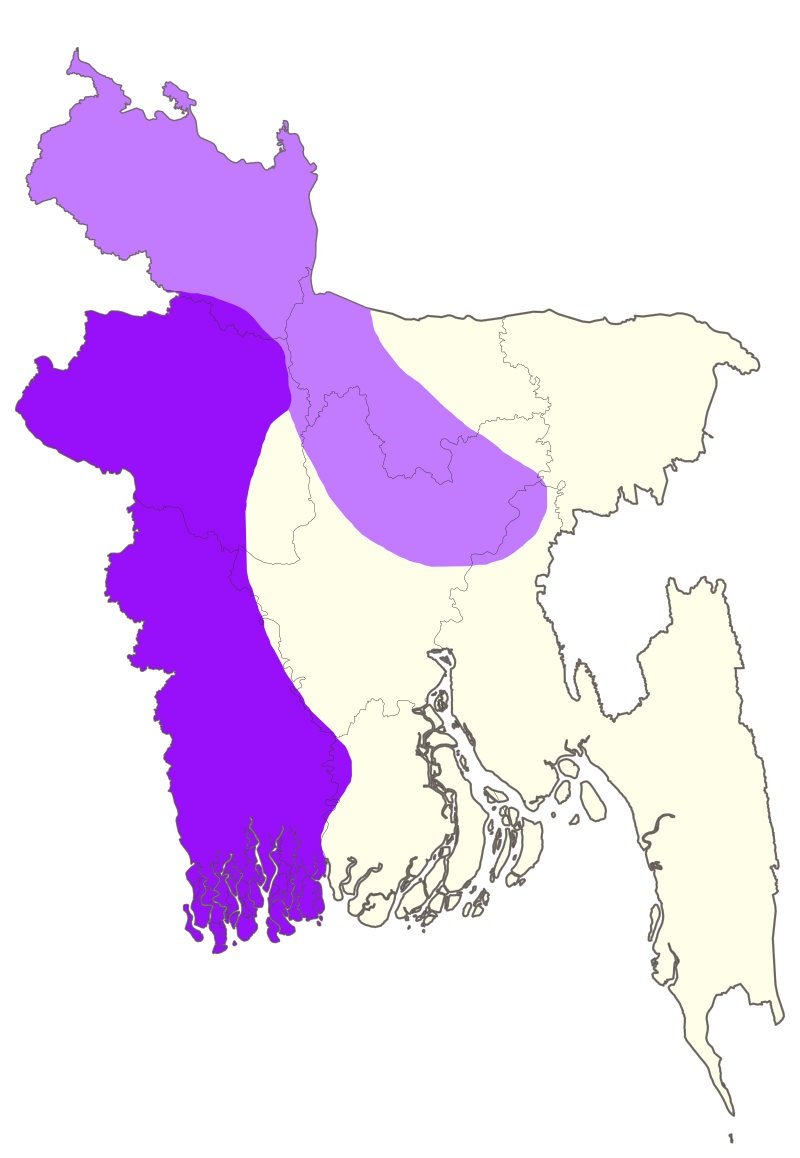
Neem (Azadirachta indica) is a medium to large tree recognisable by its subdivided (pinnate) leaves with small triangular leaflets. It can be confused with other trees with pinnate leaves (such as for example African tulip tree), but these other trees won’t have the characteristic small triangular leaflets that neem has. Neem is commonly found along the western border and secondarily around the middle of the country.
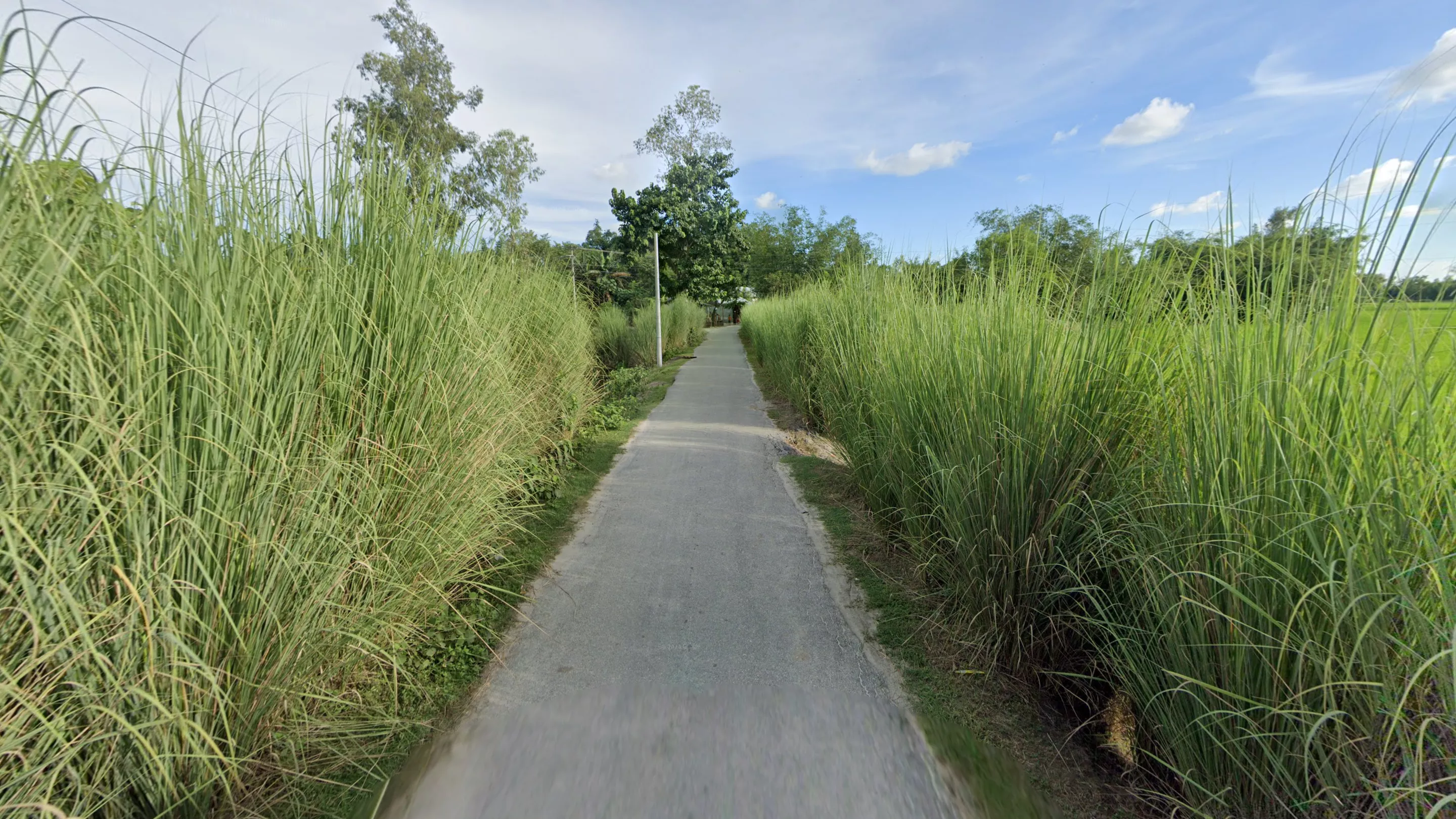
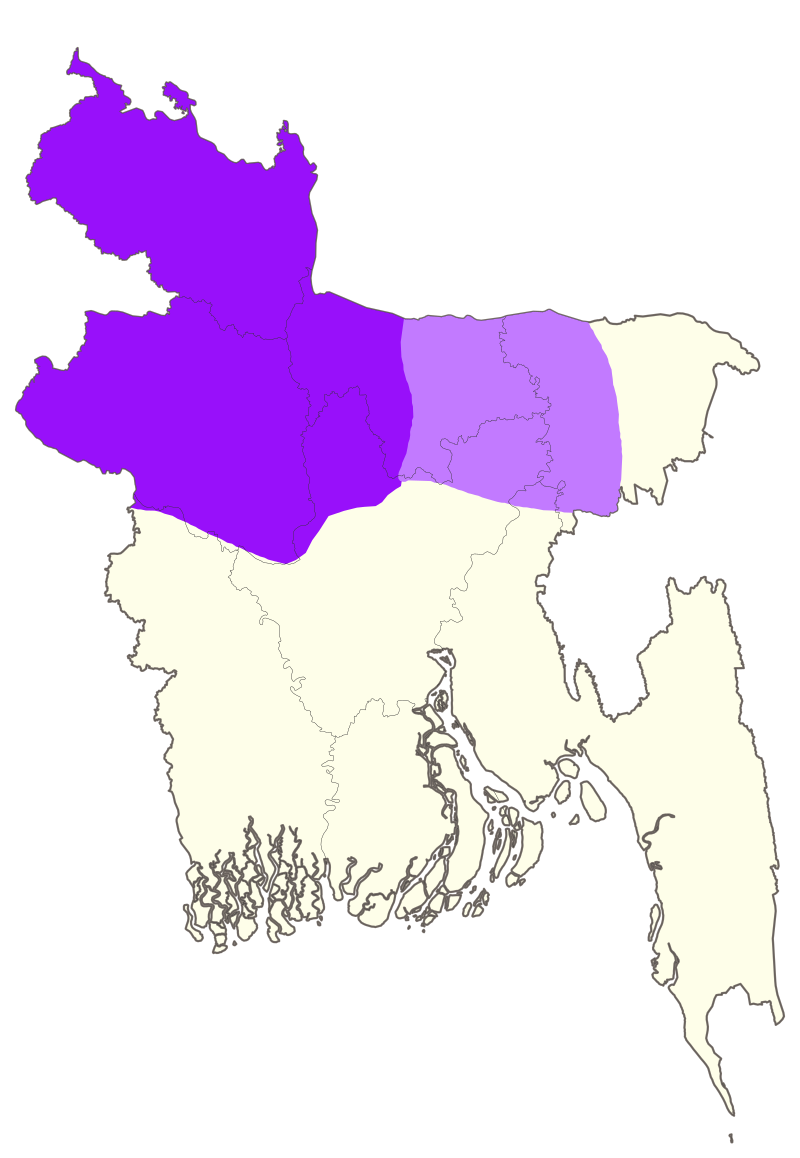
Roads lined with clumps of this tall, untufted grass are characteristic of Rajshahi and Rangpur divisions. They also appear occasionally in Mymensingh and northern Dhaka divisions. This particular grass species is known as ‘Vetiver’ (Chrysopogon zizanioides).
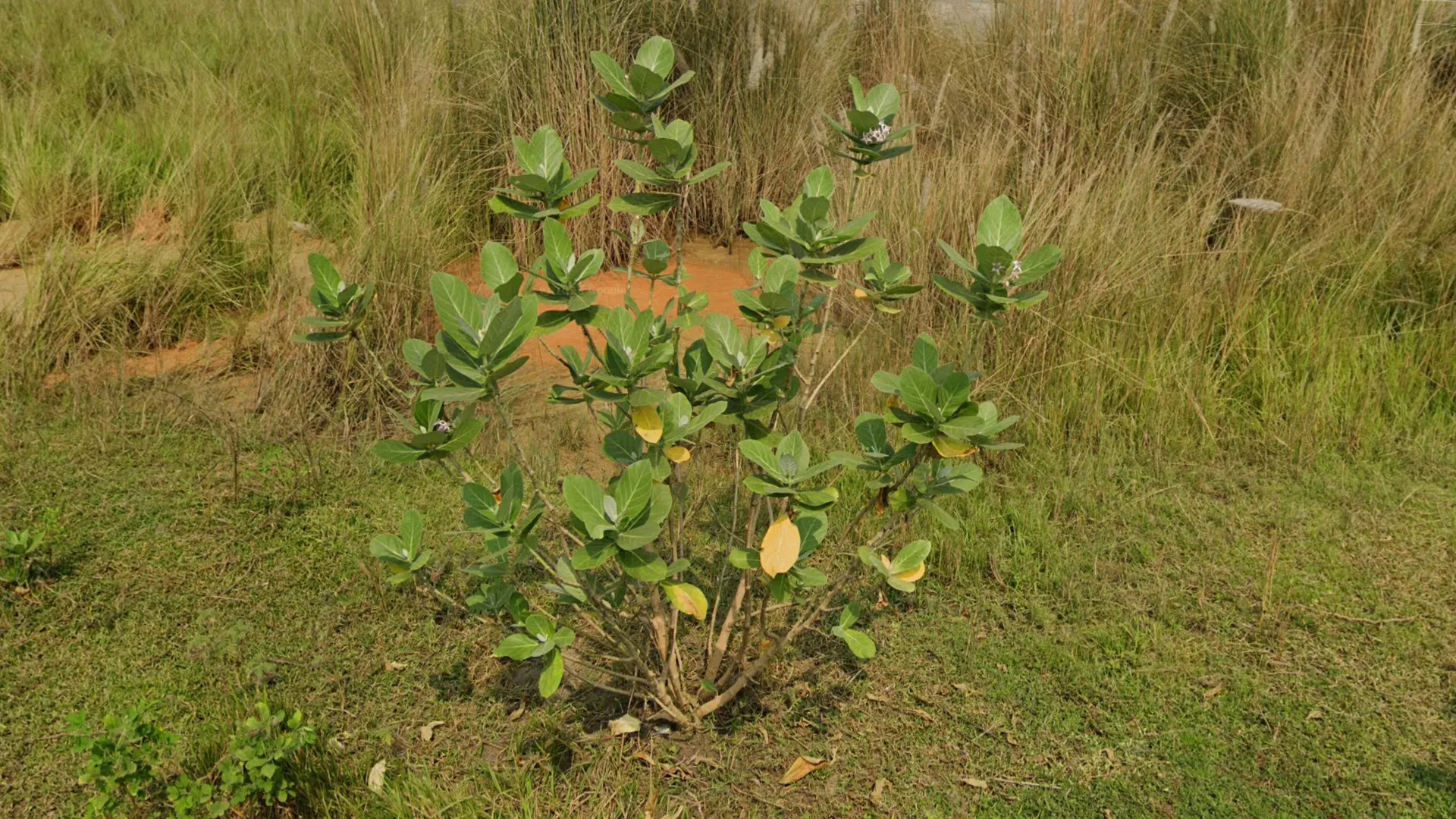
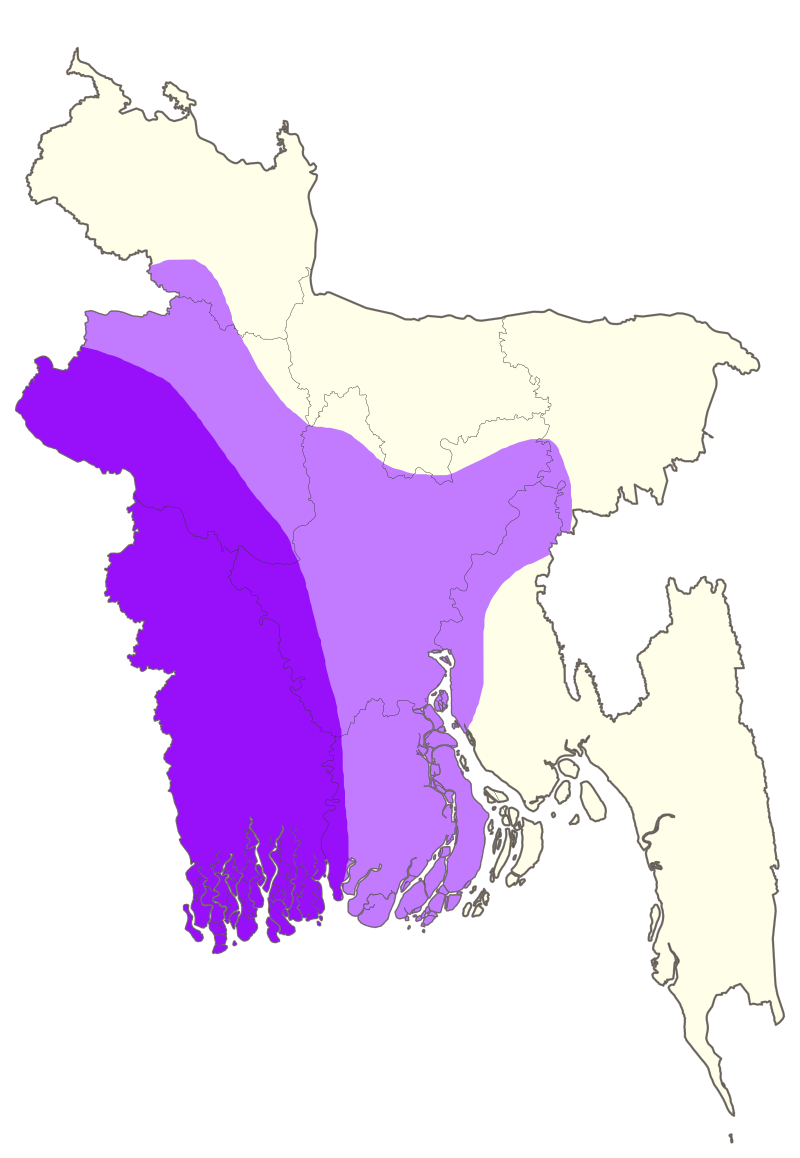
Giant milkweed (Calotropis gigantea) is a small shrub with thick oval leaves and pale flowers. It can mainly be found in the south-west of Bangladesh.
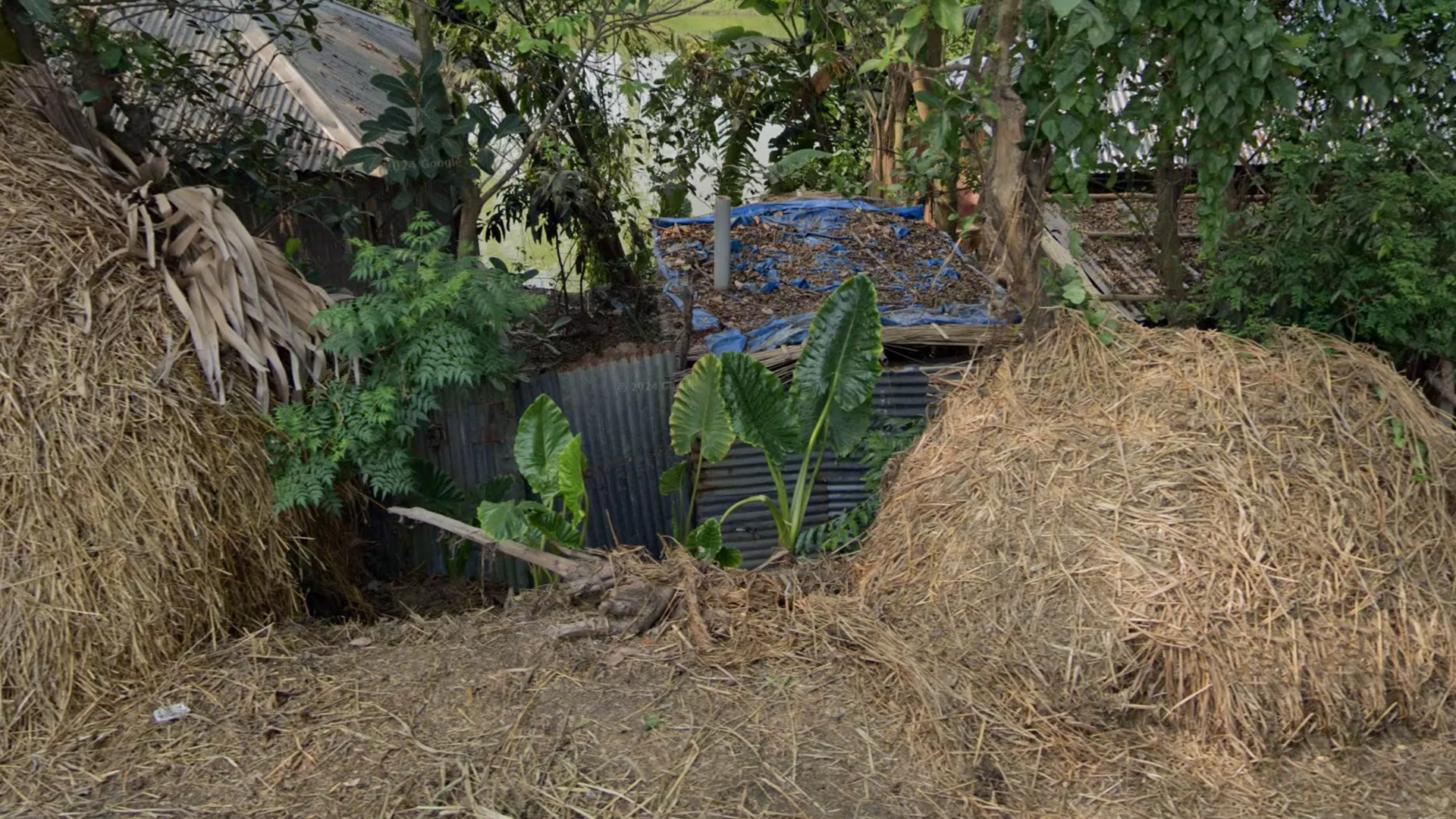
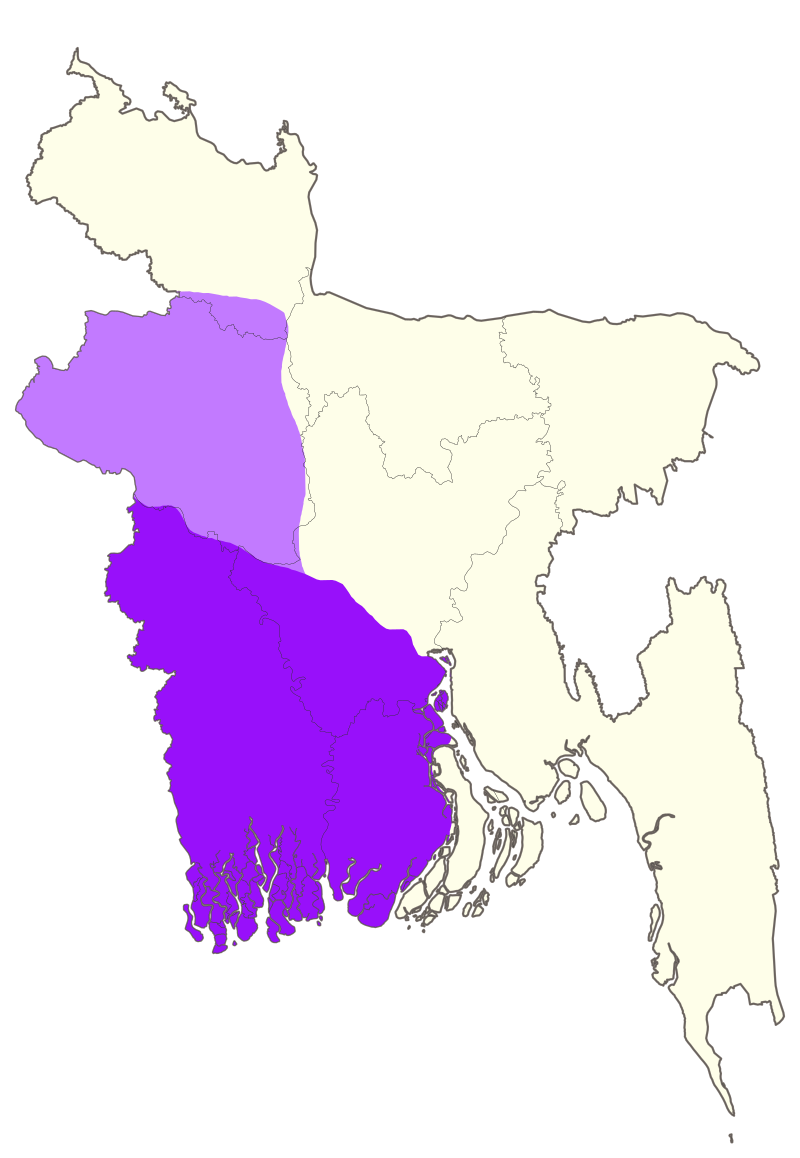
Giant taro (Alocasia macrorrhizos) is easily recognised by its large upward-pointing arrow-shaped leaves and can be seen most often in the south-west of the country.
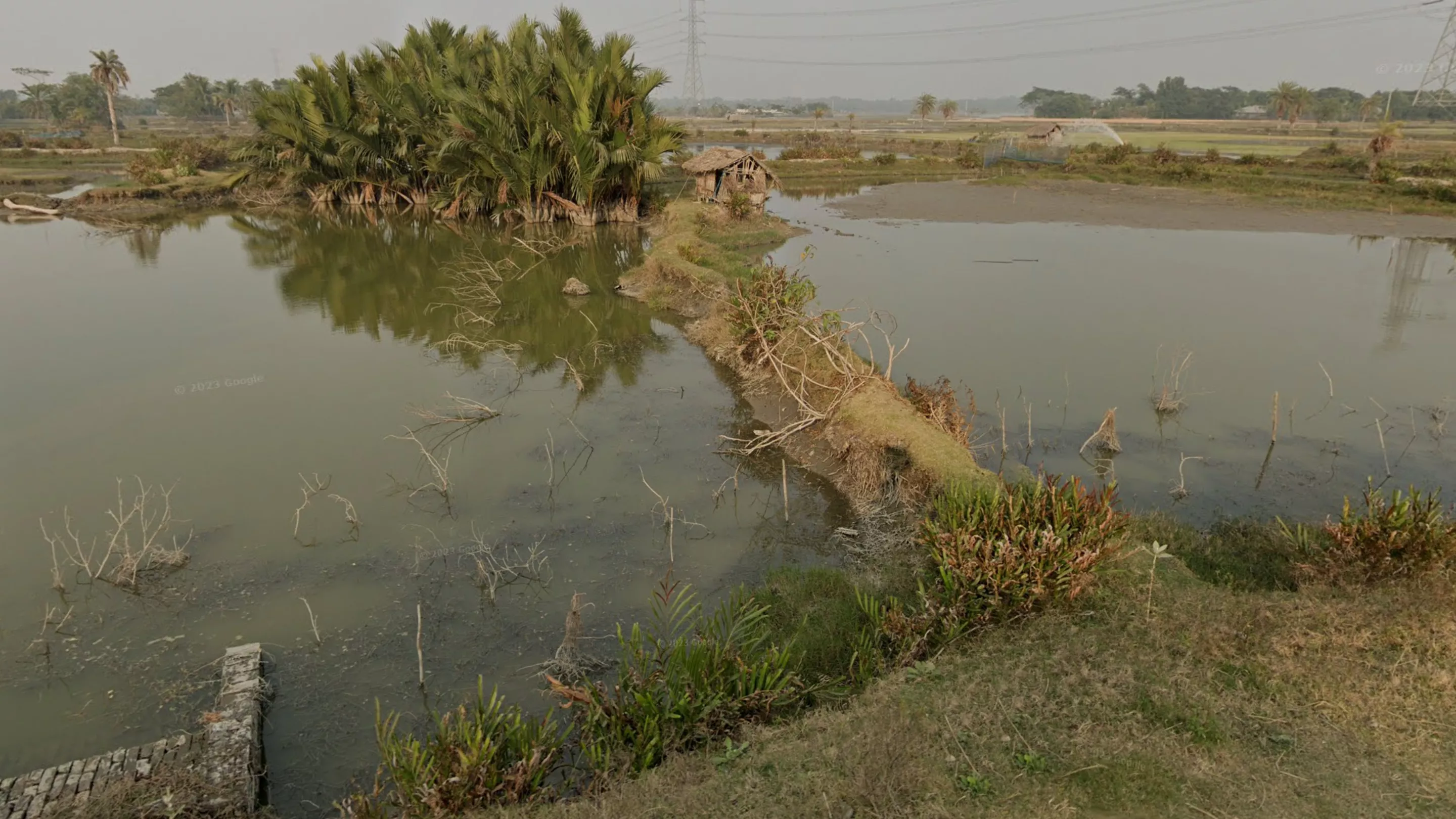
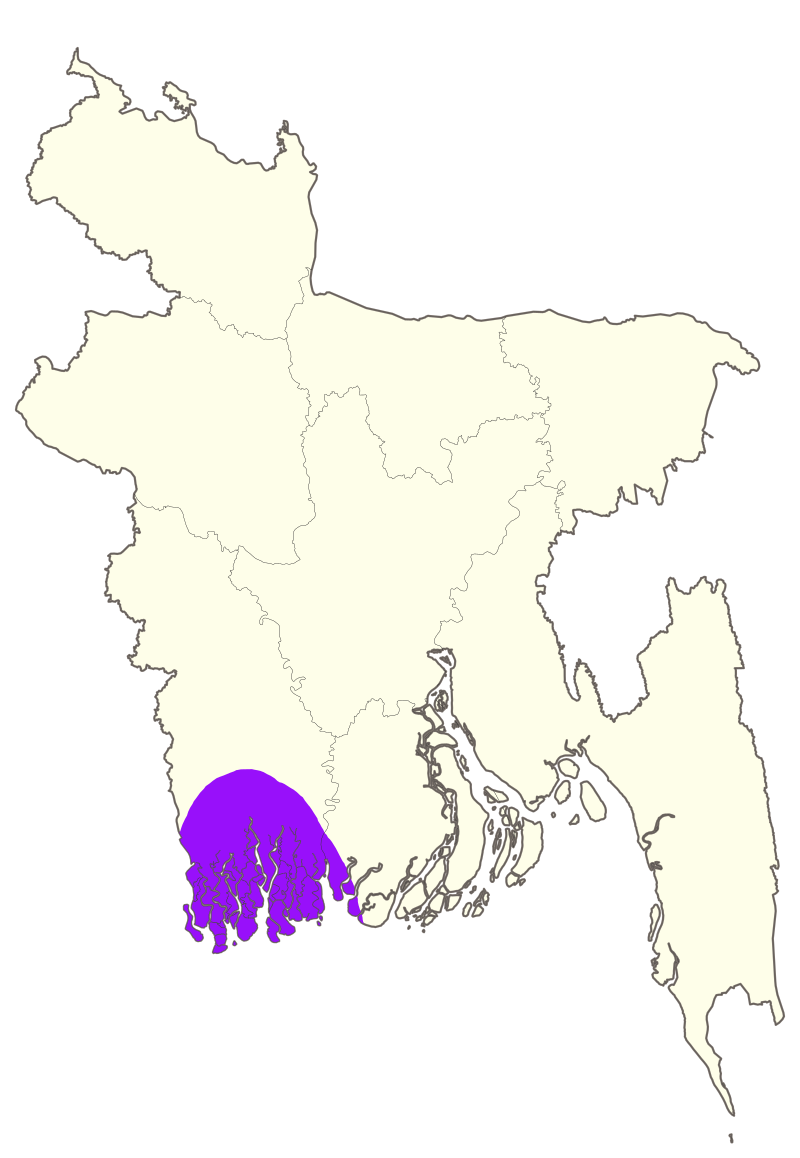
Mangrove vegetation, such as mangrove ferns (Acrostichum aureum) and less commonly mangrove palms (Nypa fruticans), can sometimes be seen growing in parts of Barishal Division and Khulna Division closest to the Sundarbans.
Architecture
Wood Frames
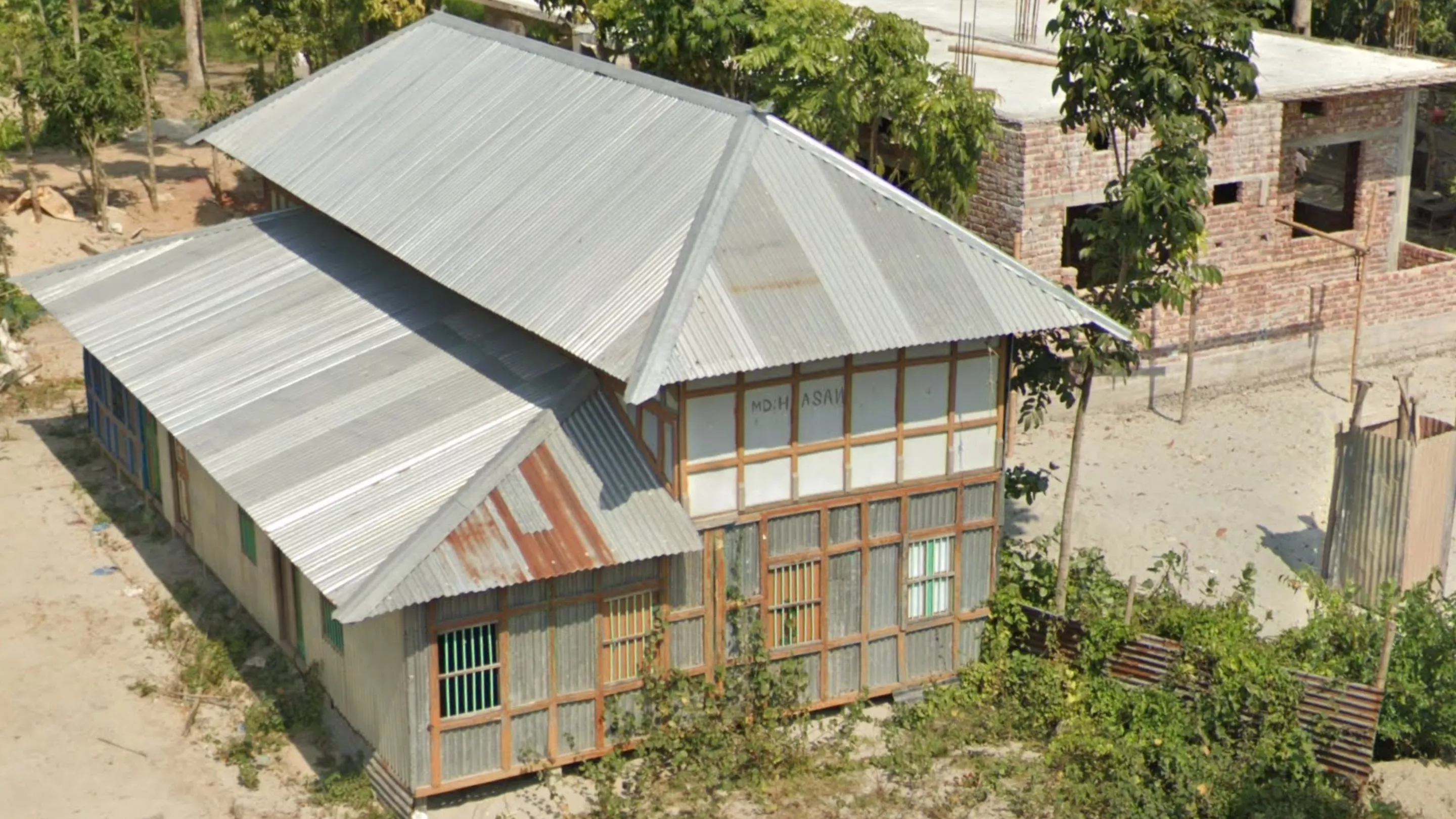
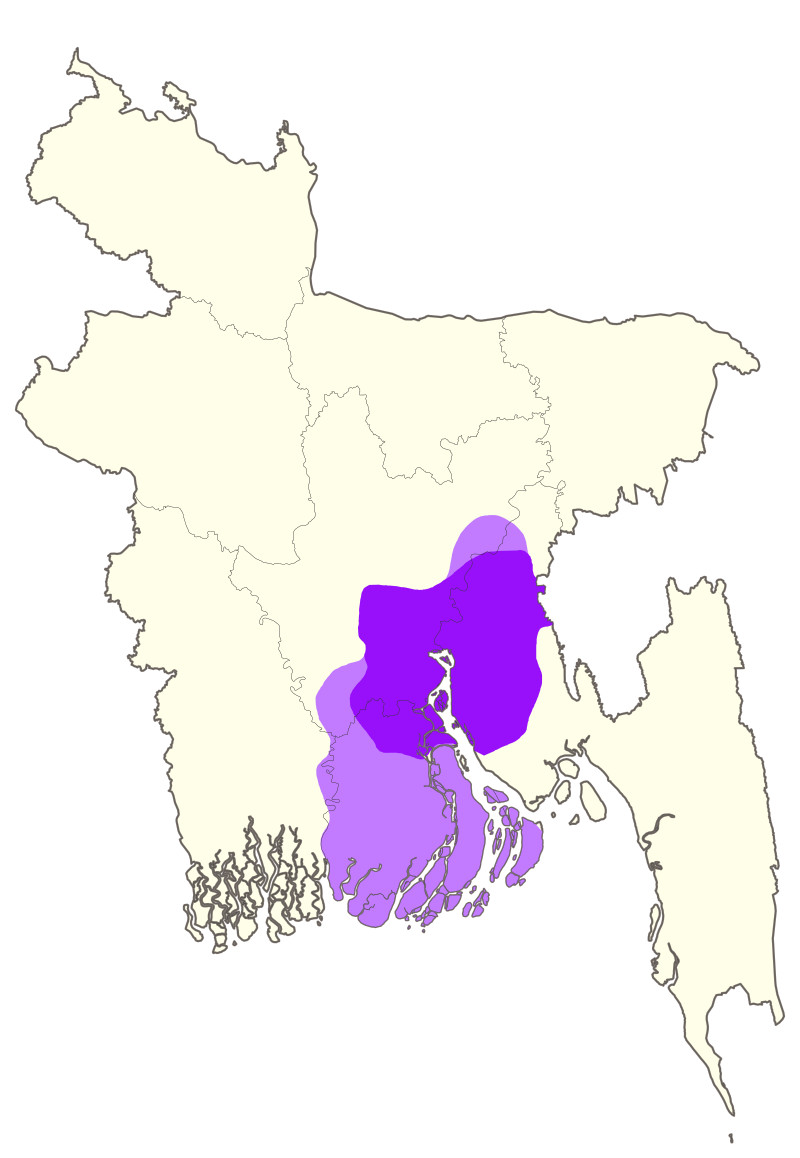
Walls covered with exterior wooden frames, usually in a grid (or staggered grid) pattern, can be found commonly in southern Dhaka Division, Barishal Division, and north-western Chittagong Division.
Various styles of these wood frame houses, explained below, can further narrow down your guess.
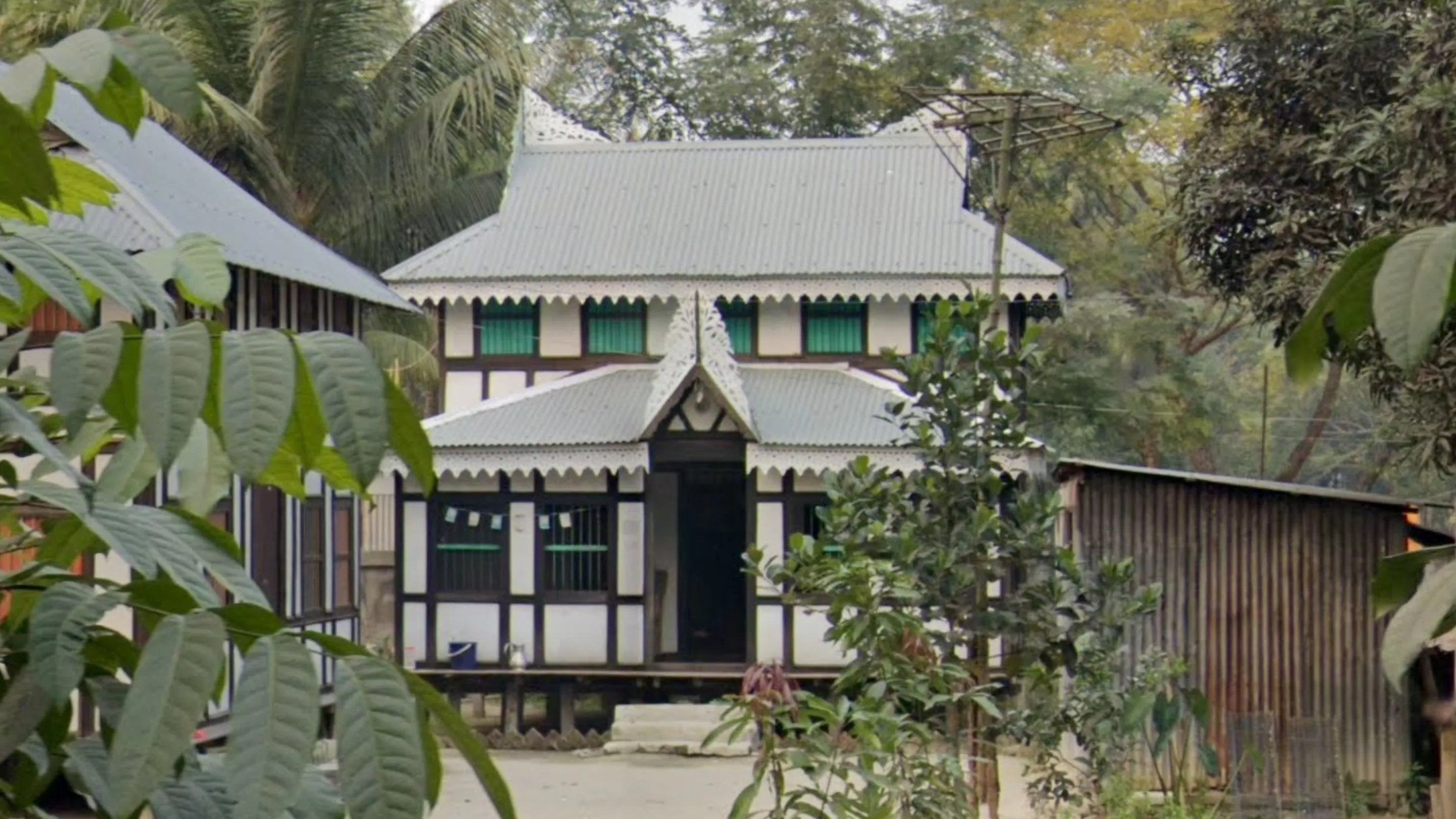
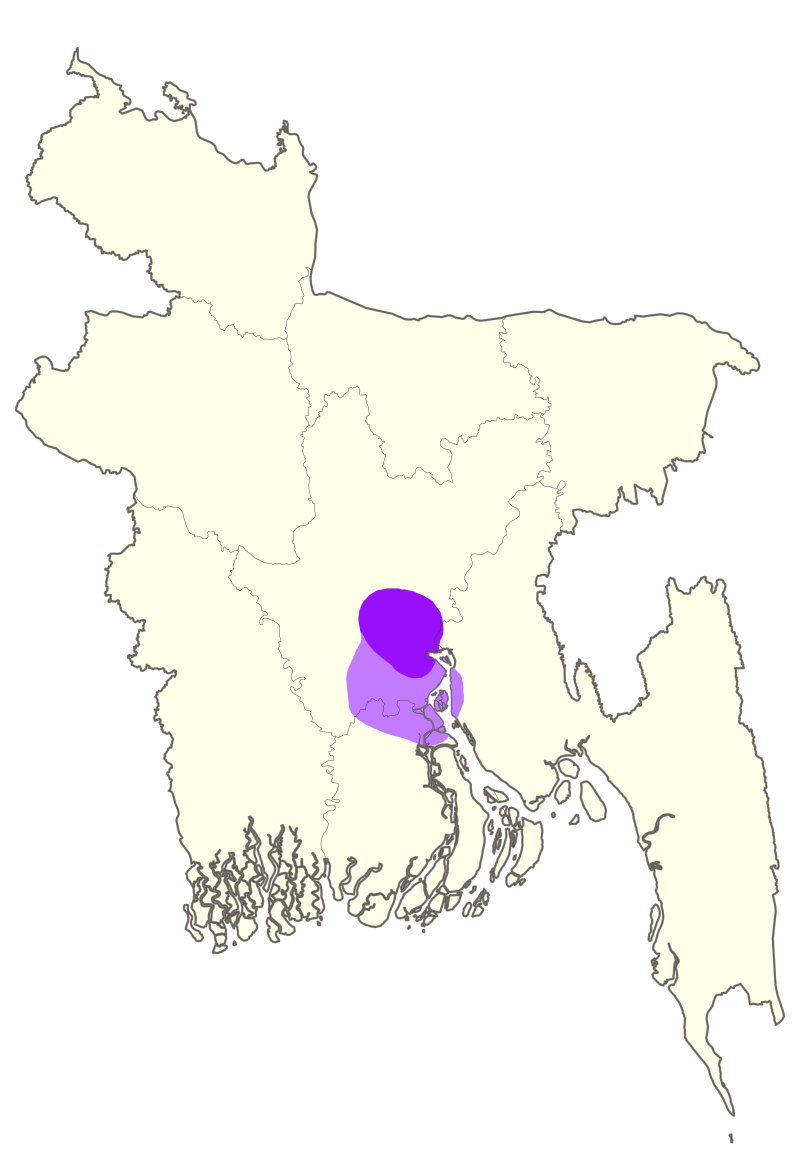
Wood frame houses composed of exclusively solid-white, non-metallic panels are concentrated mainly in the area between Narayanganj and the Padma River.
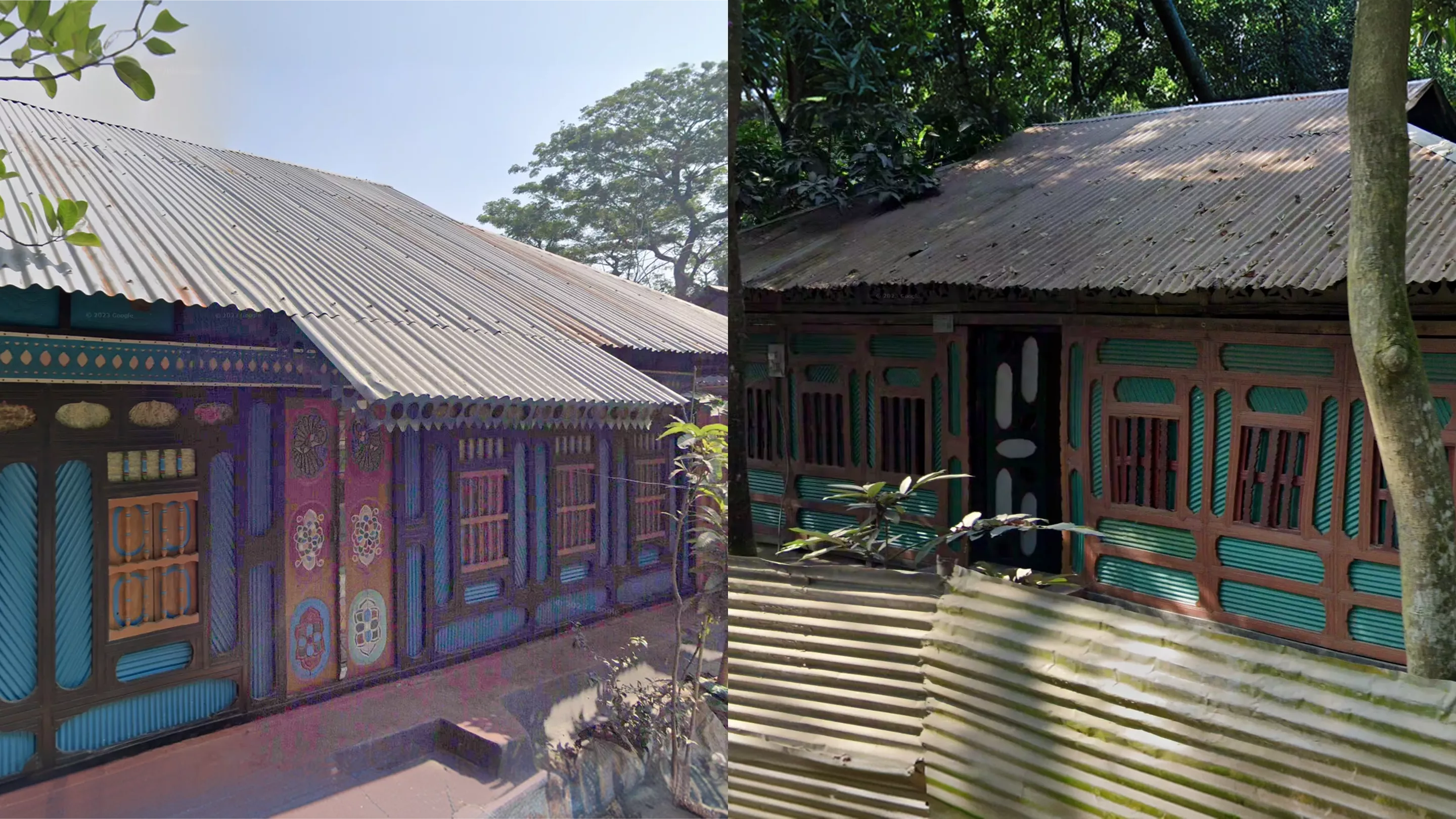
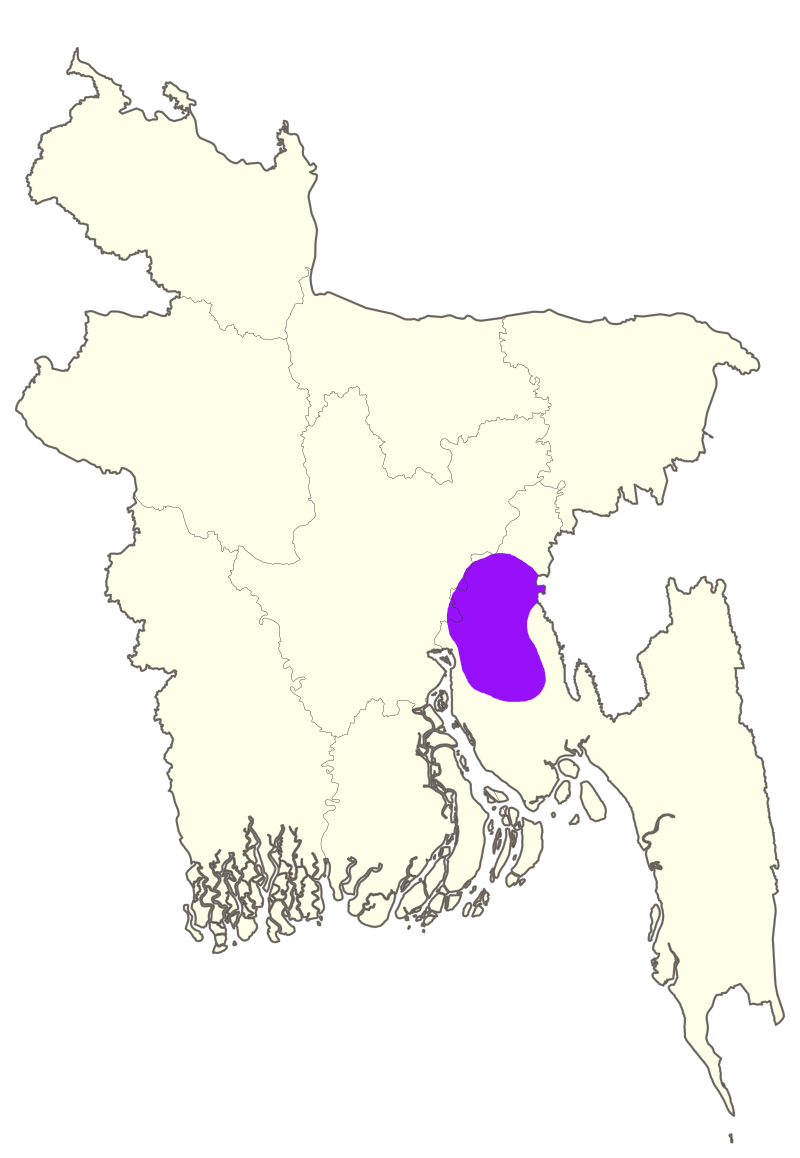
Wood frame houses in north-western Chittagong Division vary dramatically and display design elements not commonly found in other divisions. These include:
- painted metal panels with diagonally-oriented corrugation
- wood frames with rounded edges, and
- friezes with floral designs under the eaves with a ‘carved’ look
Note that the friezes should not be confused with the floral wallpaper friezes that can be found throughout the country.
- painted metal panels with diagonally-oriented corrugation
- wood frames with rounded edges, and
- friezes with floral designs under the eaves with a ‘carved’ look
Note that the friezes should not be confused with the floral wallpaper friezes that can be found throughout the country.
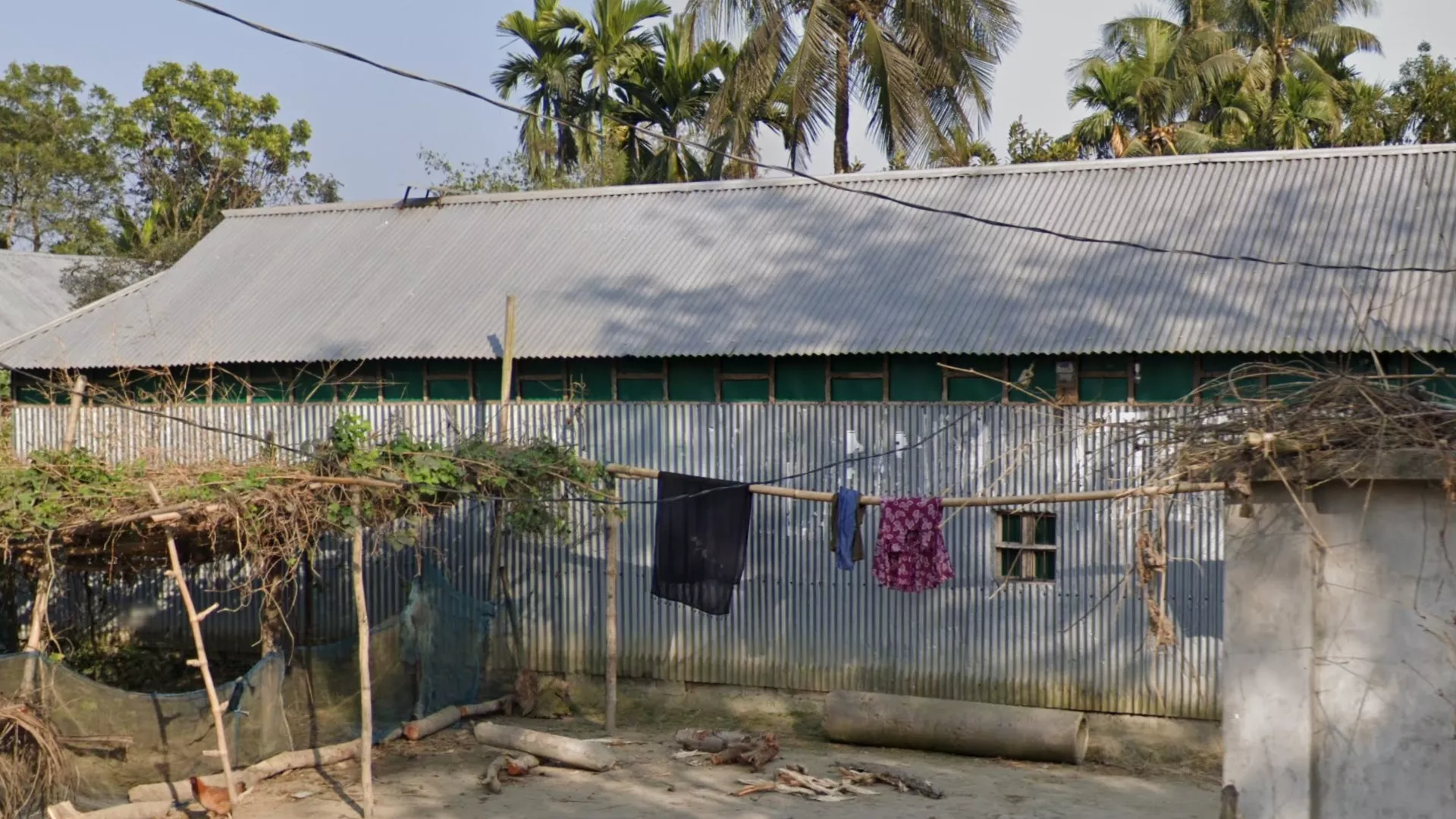
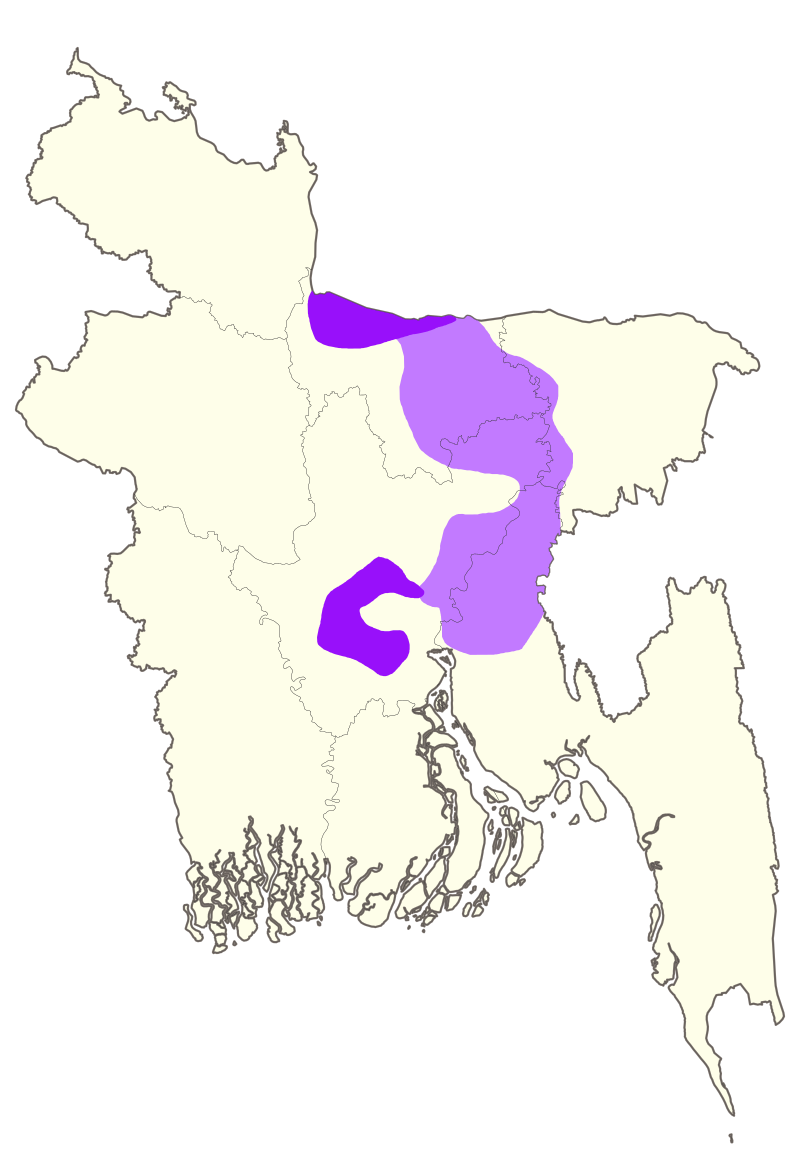
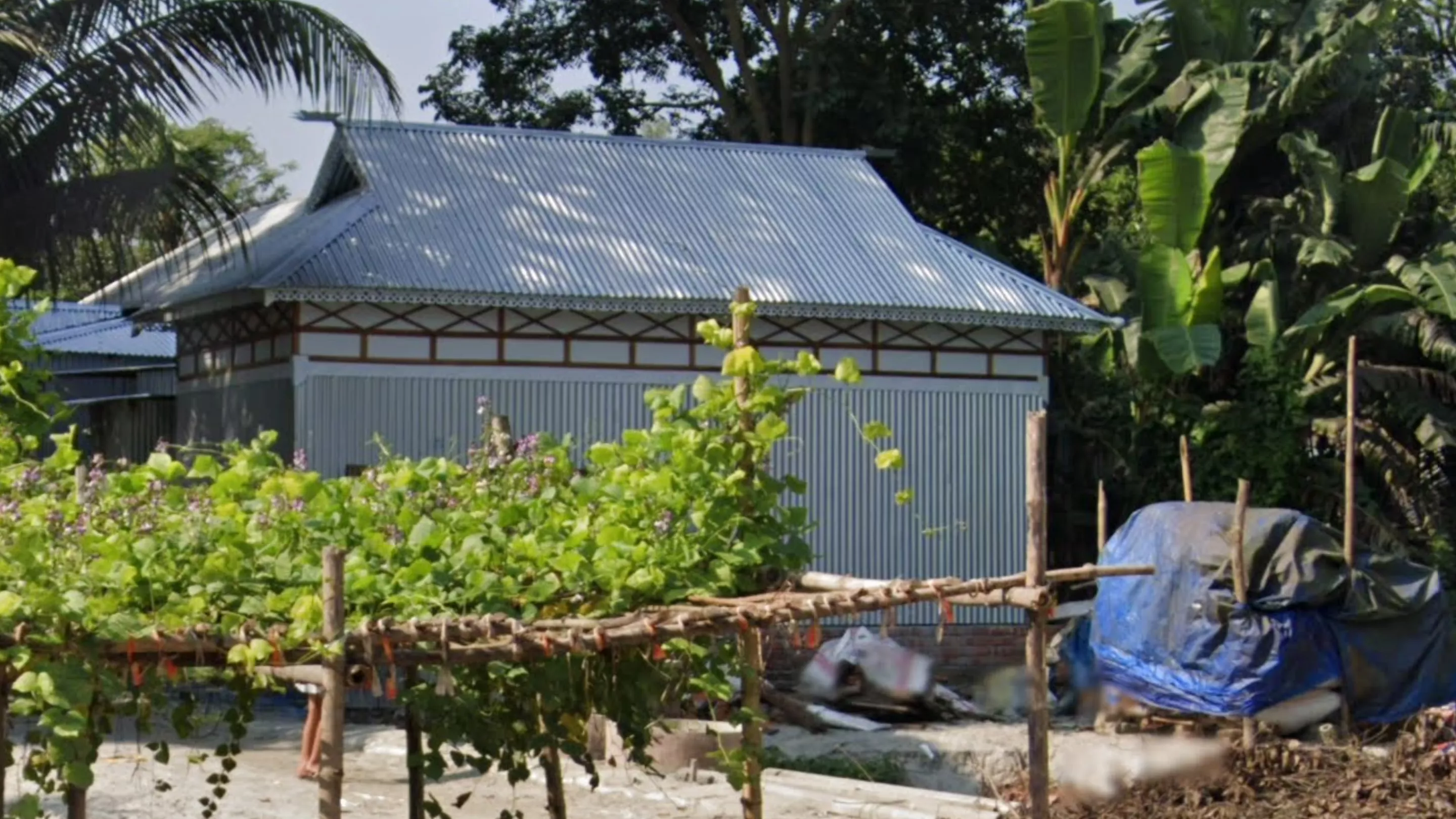
In Mymensingh Division you will not see entire walls with exterior wood framing, but it is still somewhat common to see a narrow row or two of wooden frames along the top edge of walls. This design can also be found in Dhaka Division and north-western Chittagong Division.
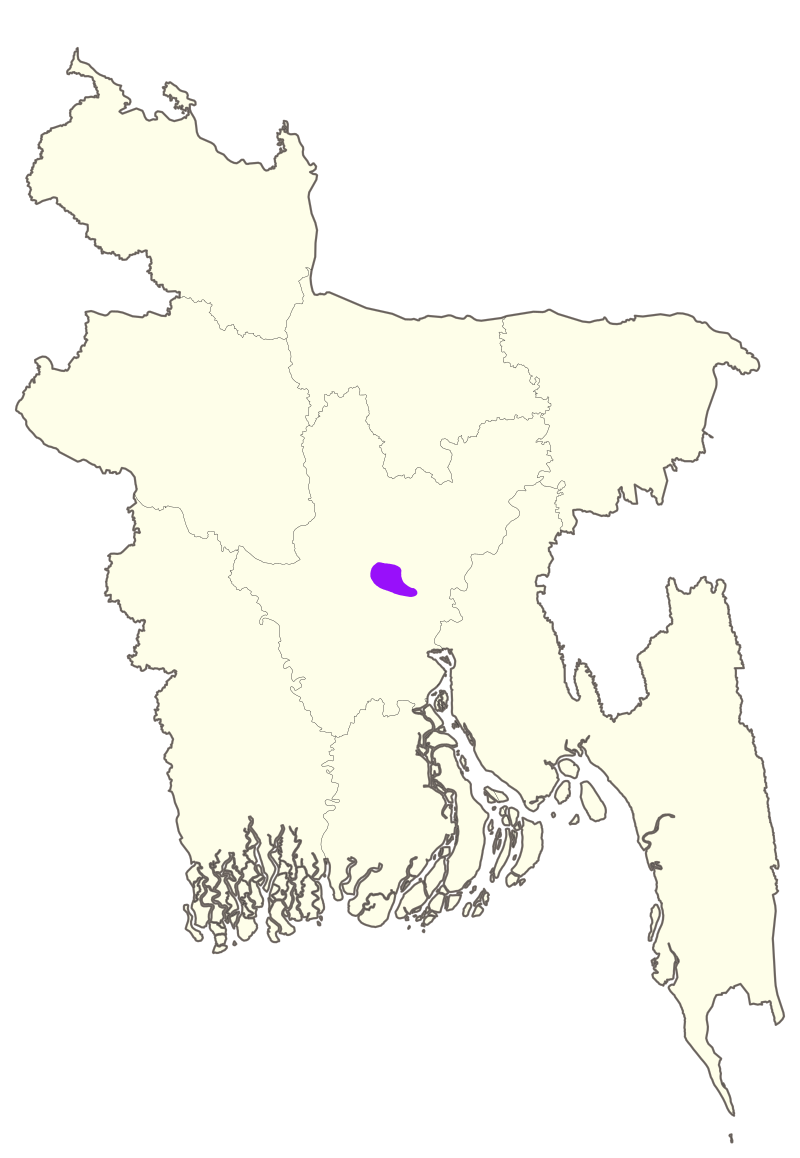
To the west of the city of Dhaka, south of Savar, you may find houses with a row of X-shaped frames along the top of the outer wall.
Clay Houses
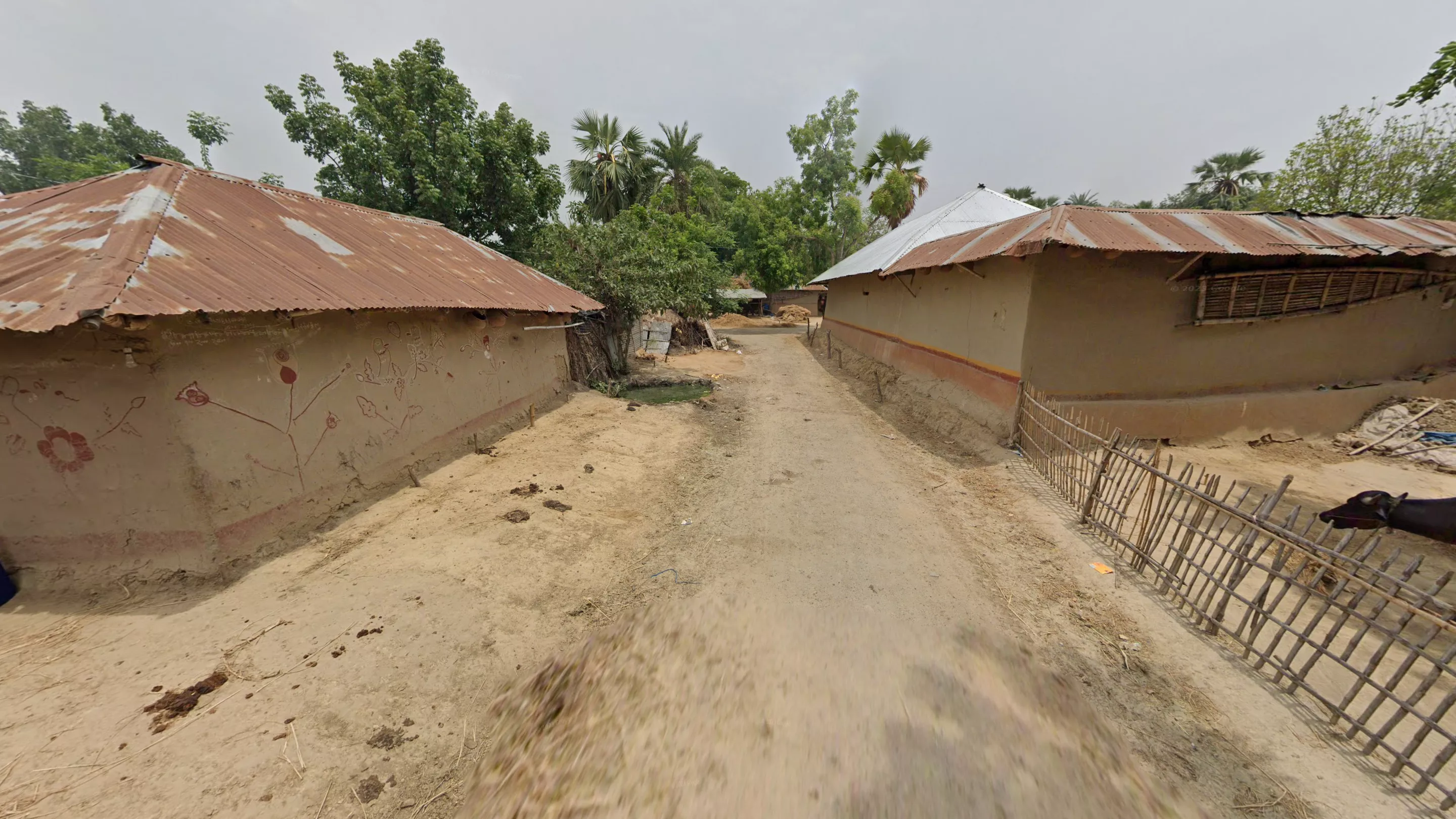
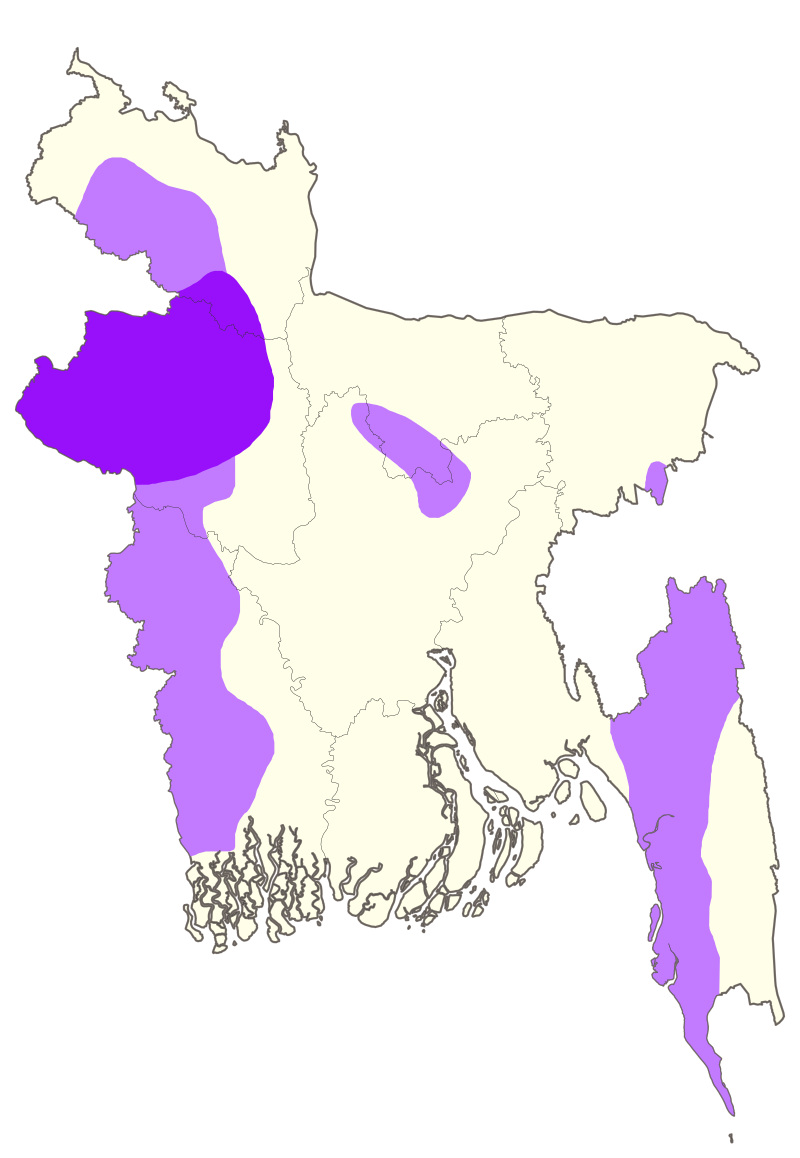
Houses made of clay or mud appear in many parts of Bangladesh, but are most heavily concentrated within Rajshahi Division and along the western border with India.
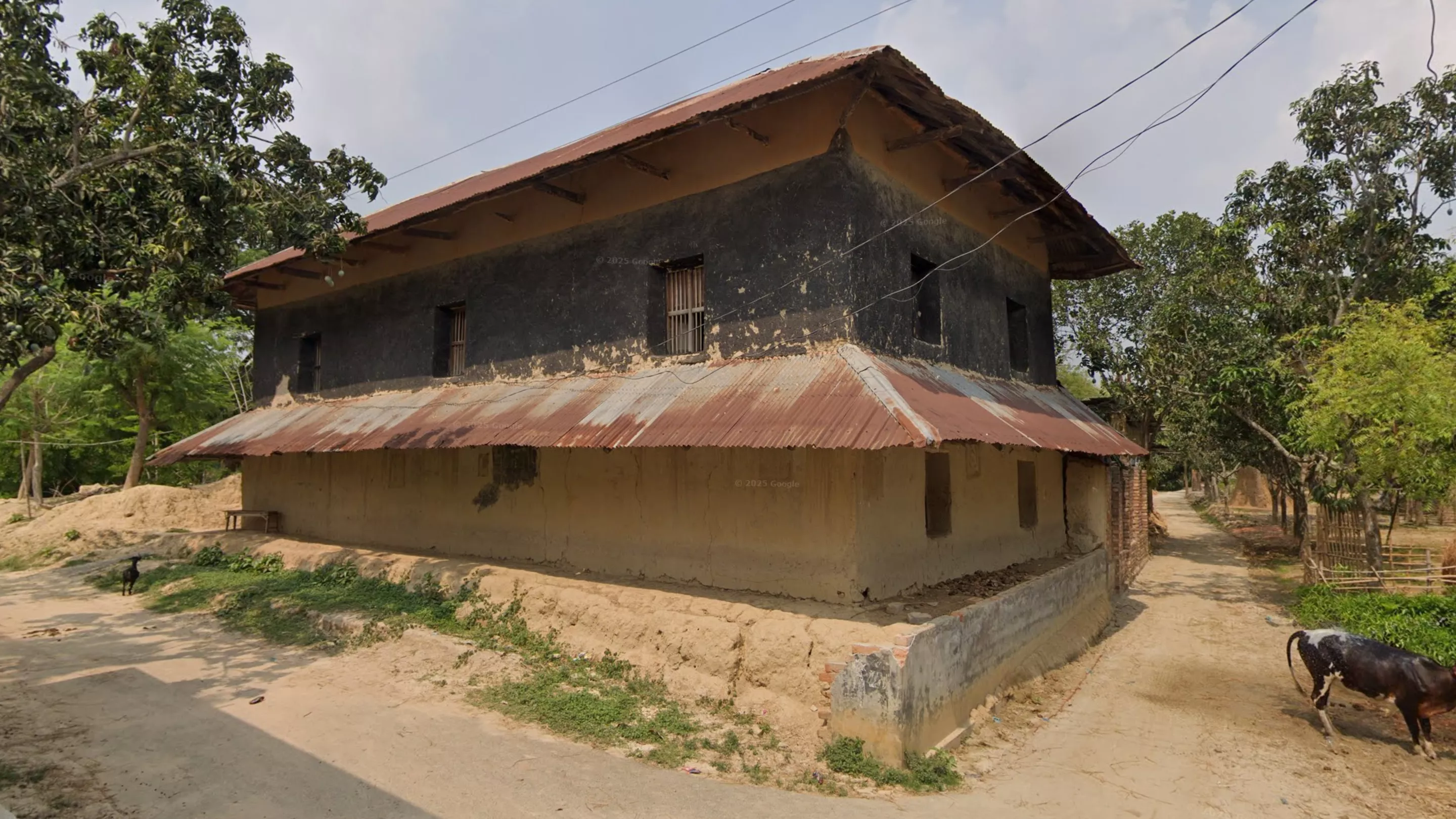
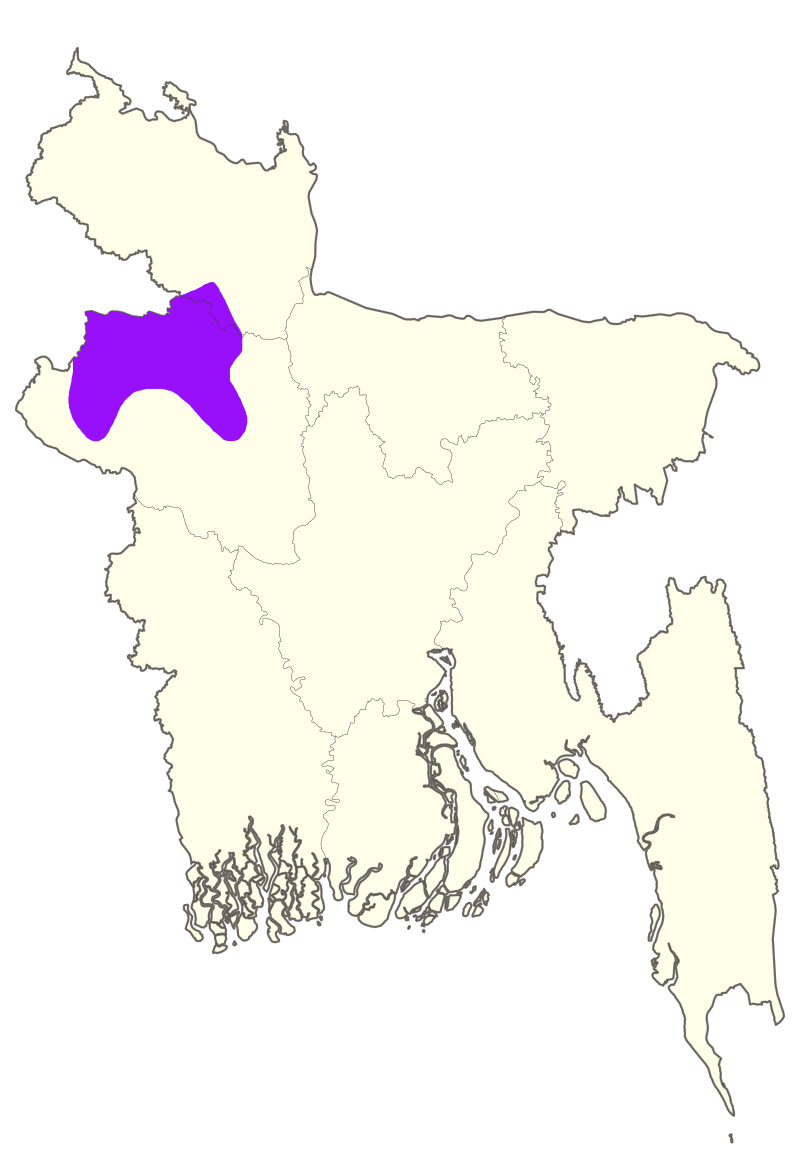
Tall, multistorey clay houses are nearly exclusive to this large portion of Rajshahi Division.
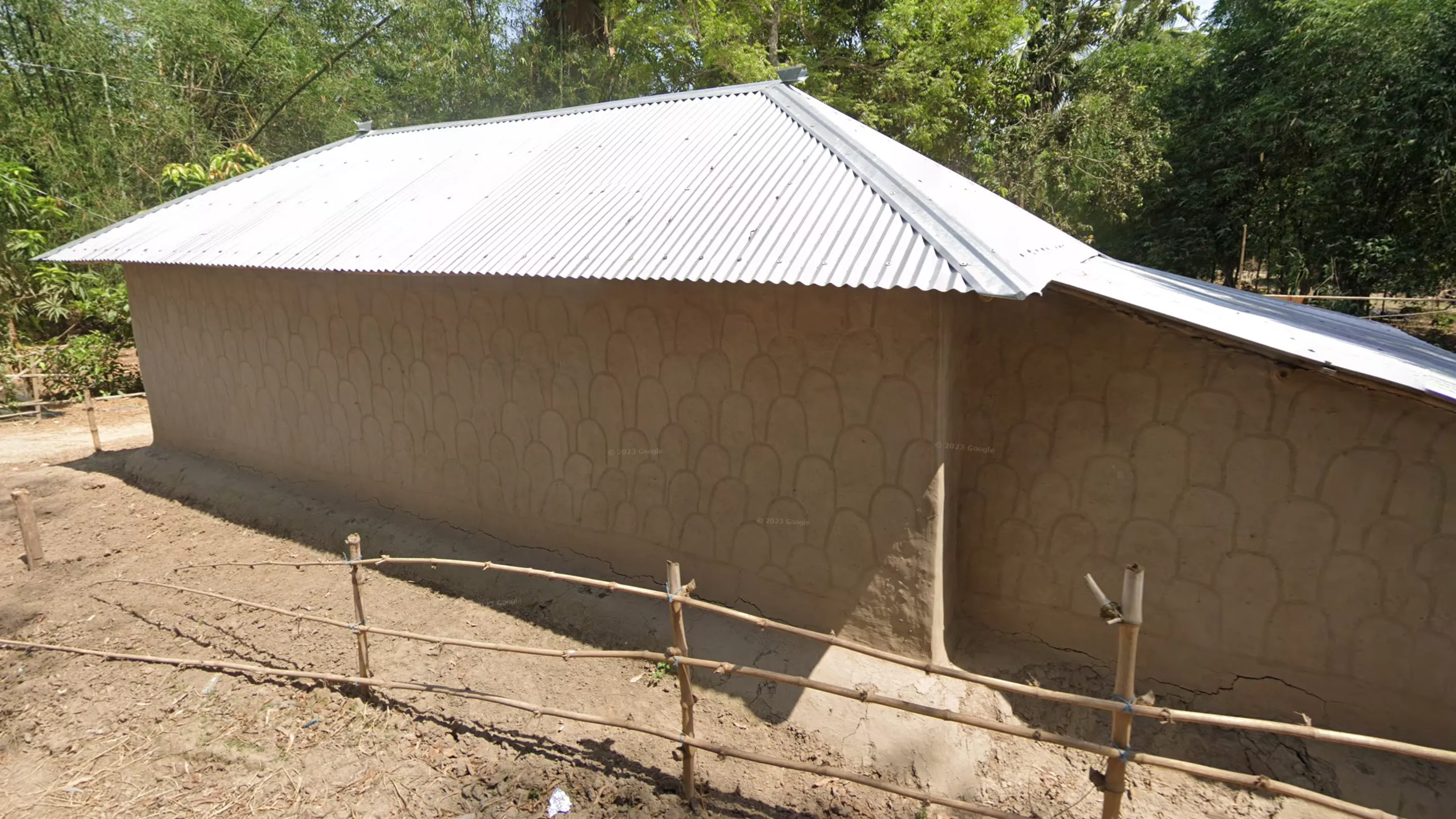
Many of the clay houses in the area south of Bogura are scored with decorative lines, often in arch, scallop, or grid shapes.
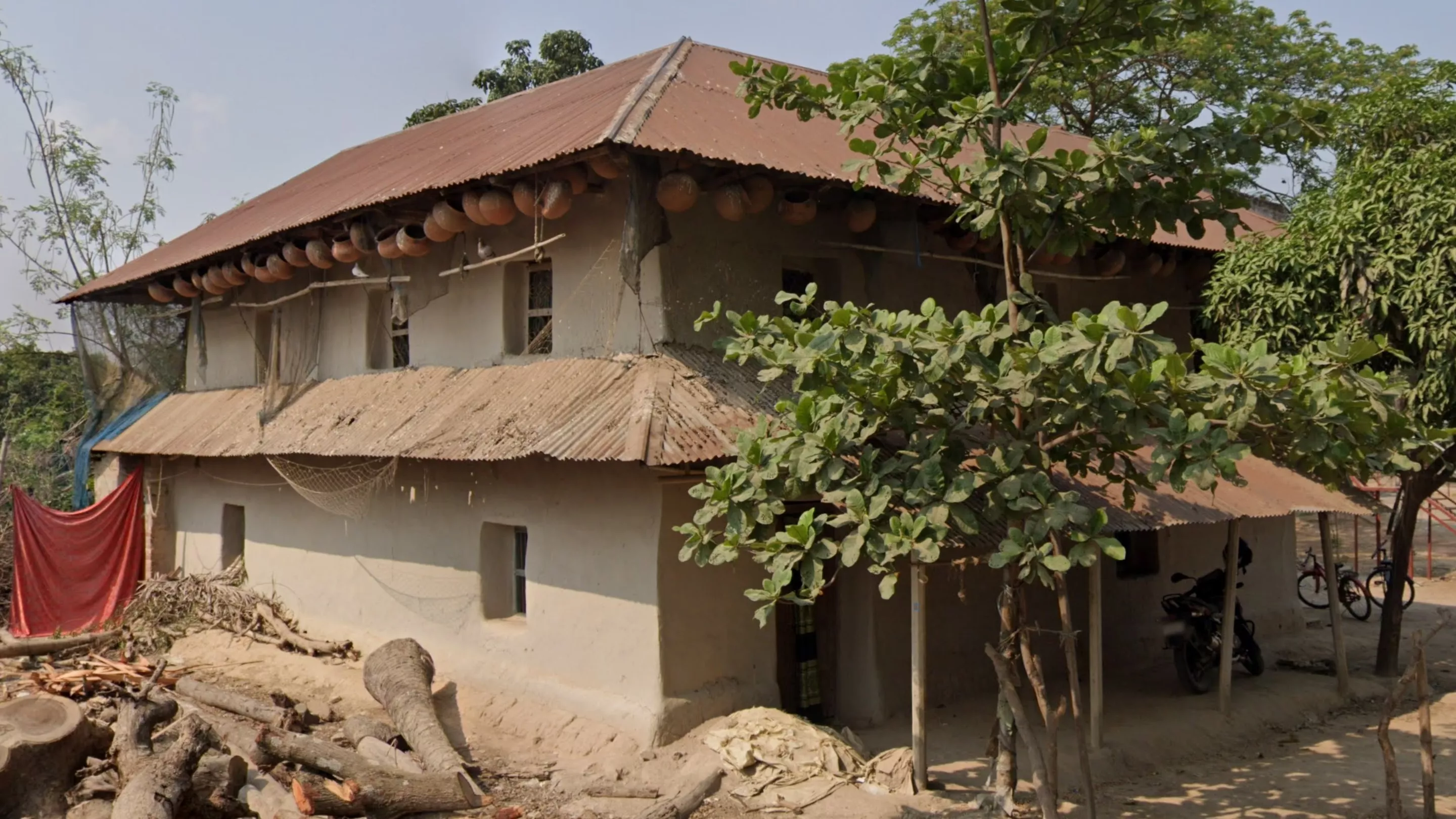
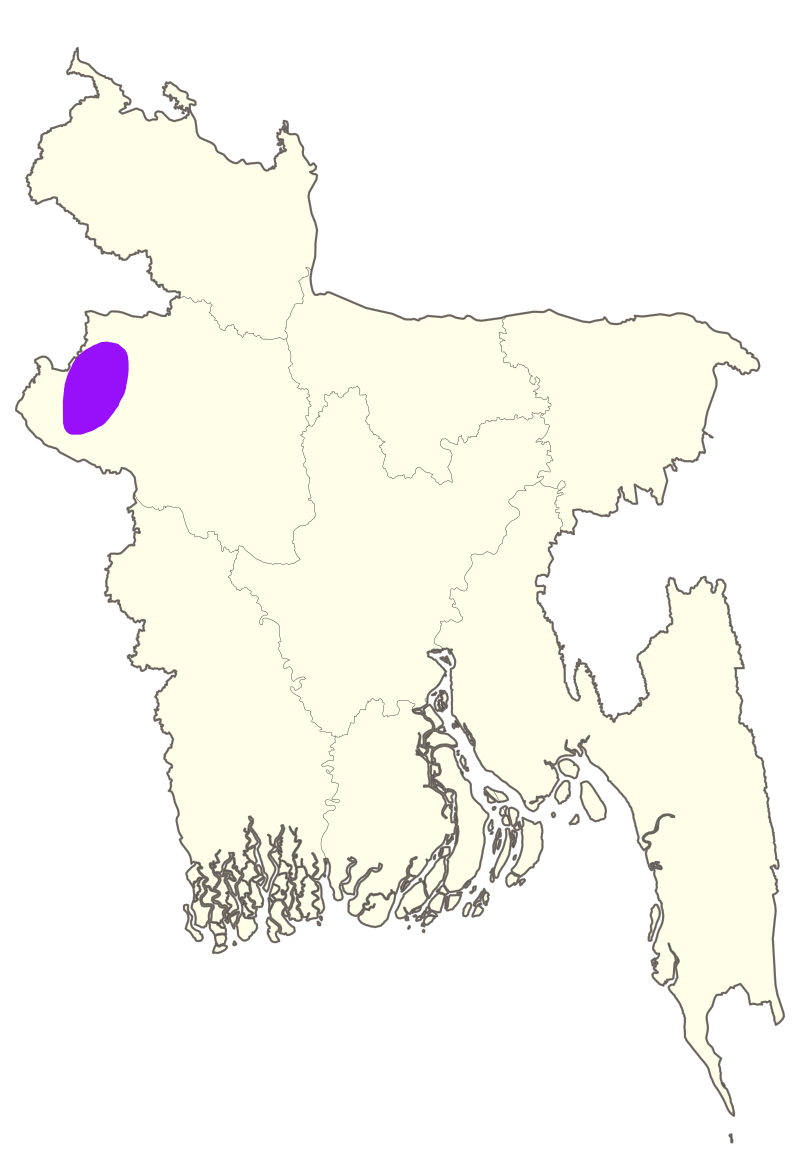
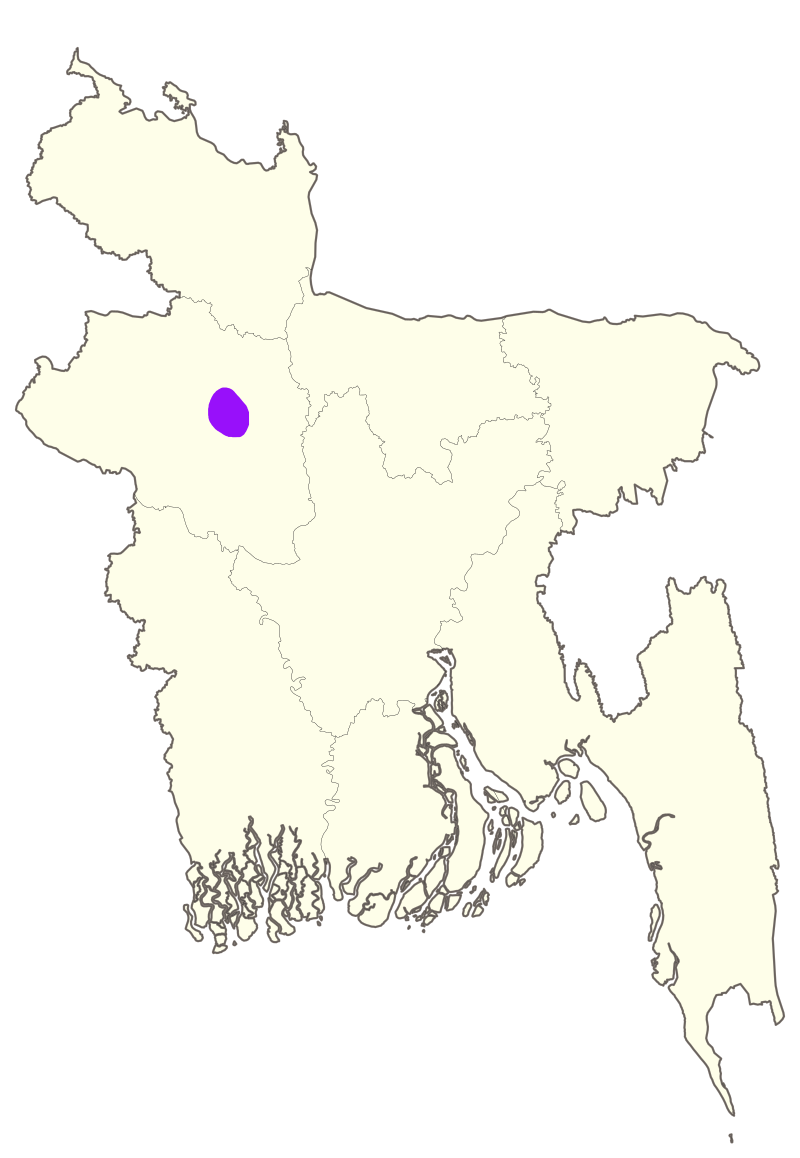
In the far west of Rajshahi Division, you can sometimes find rows of clay pots hanging from the eaves of houses for pigeons to nest in.
Barishal
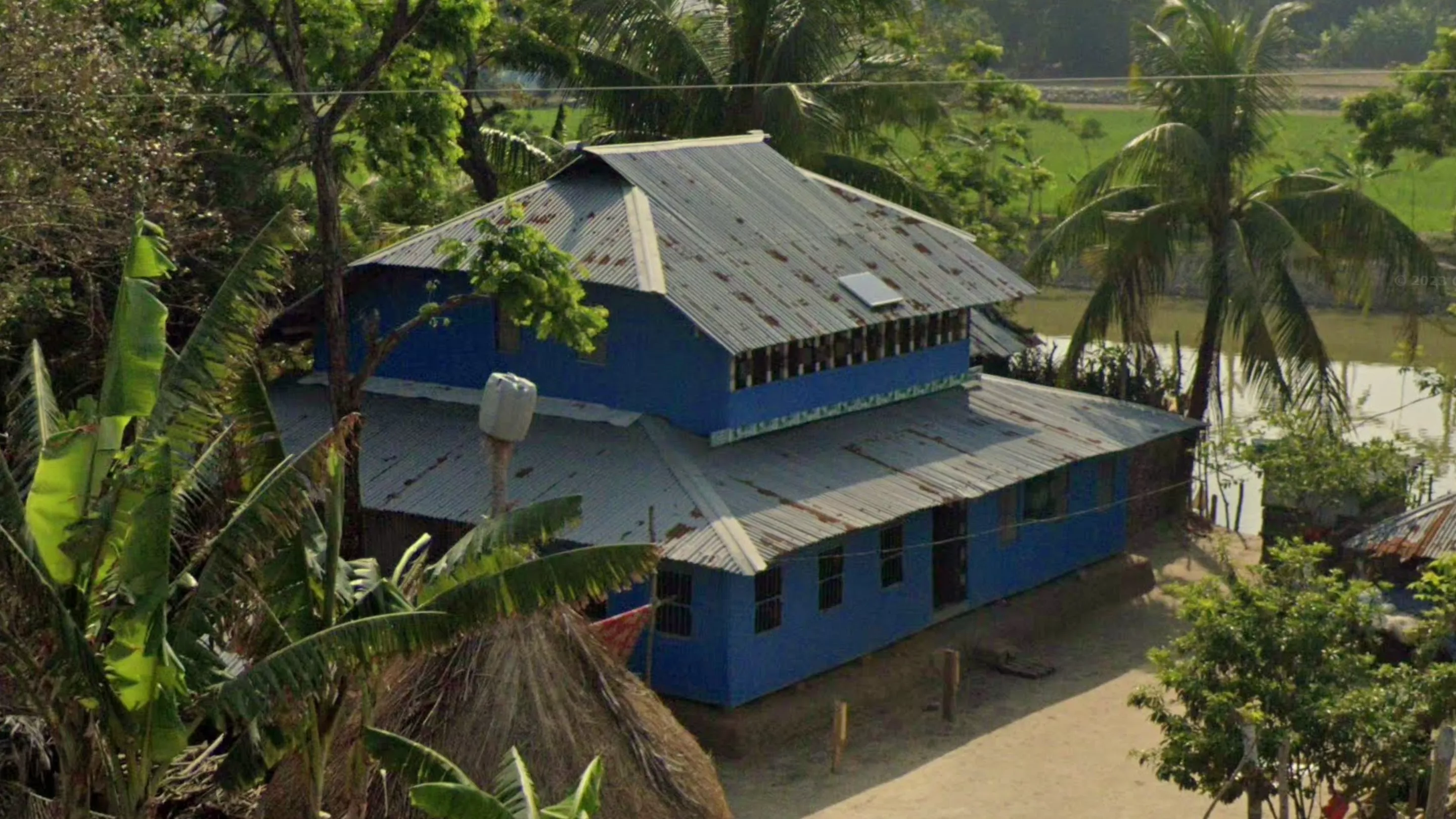
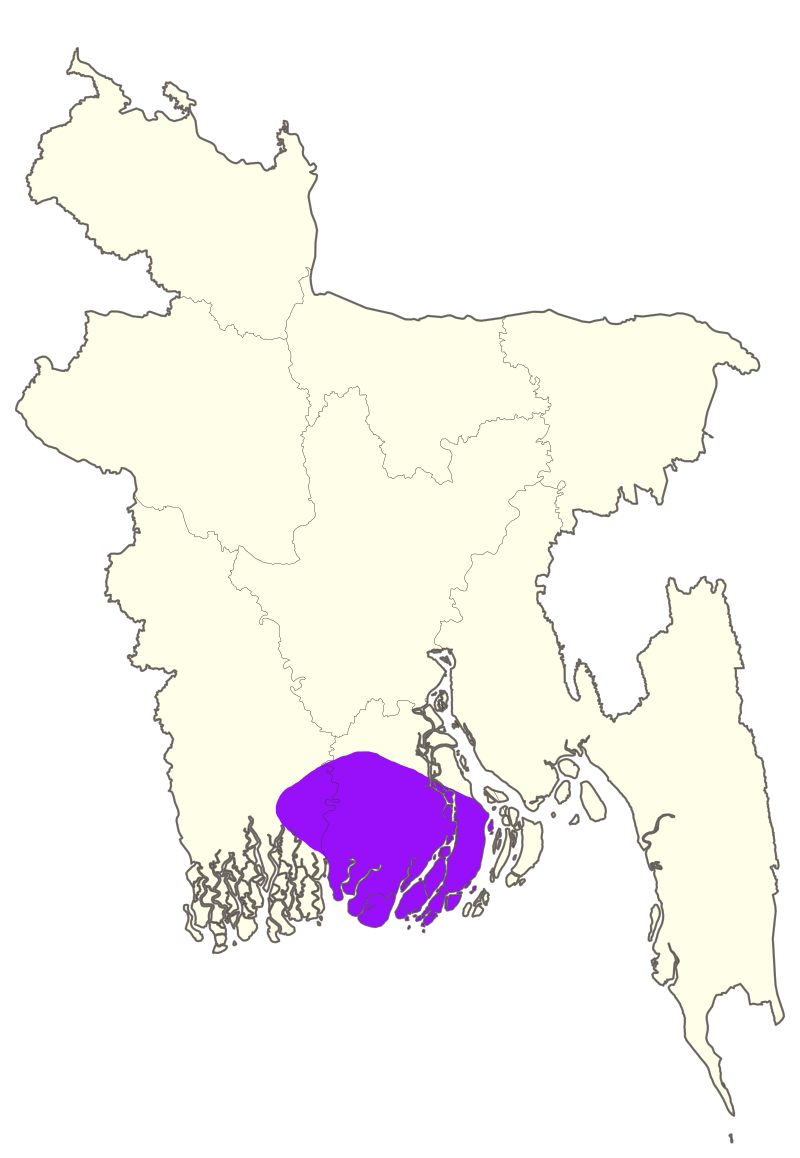
Some two-storey houses in or near Barishal Division have this characteristic tiered shape, featuring two separate roof levels with a narrower top floor and a wider bottom floor.
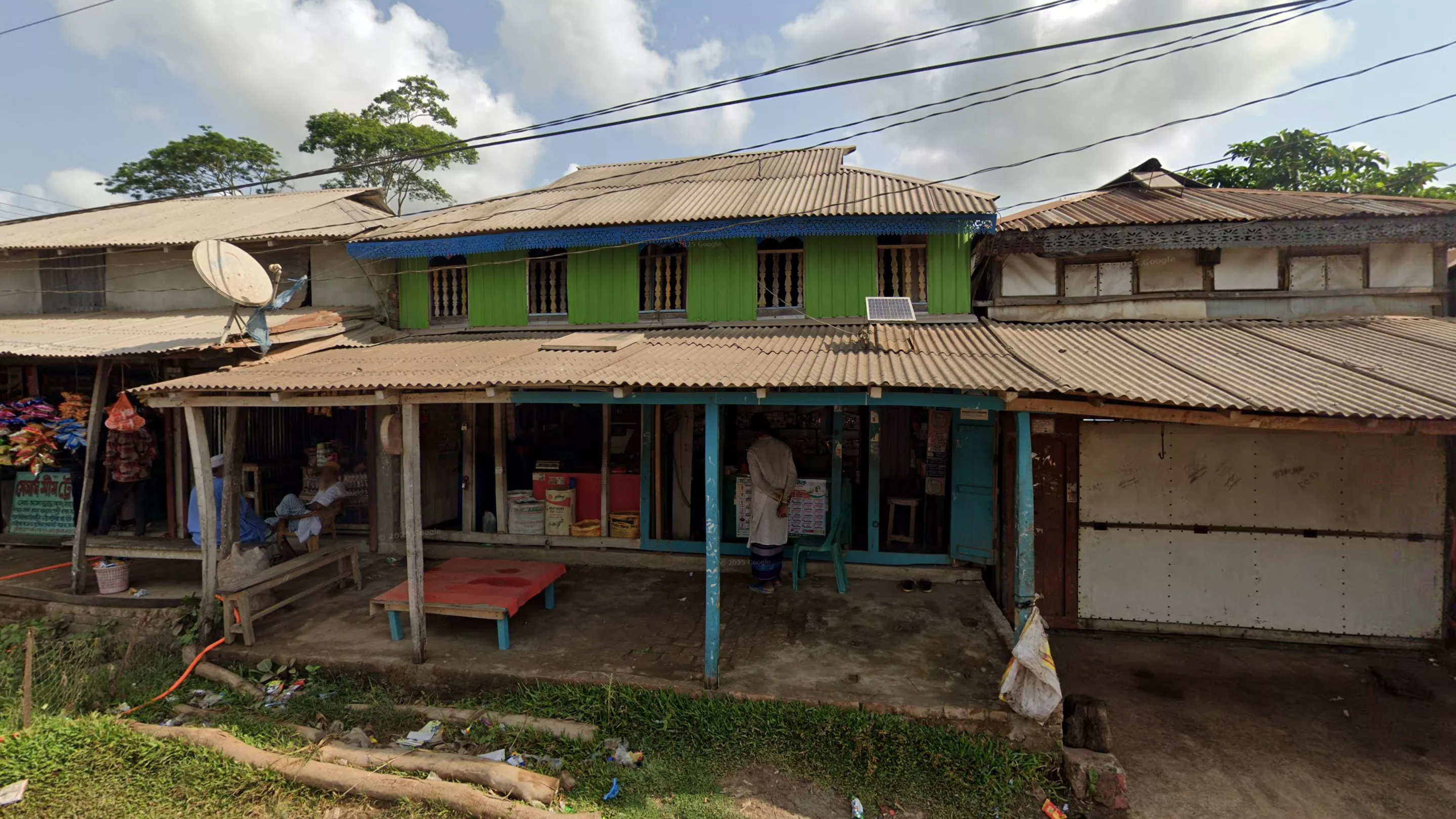
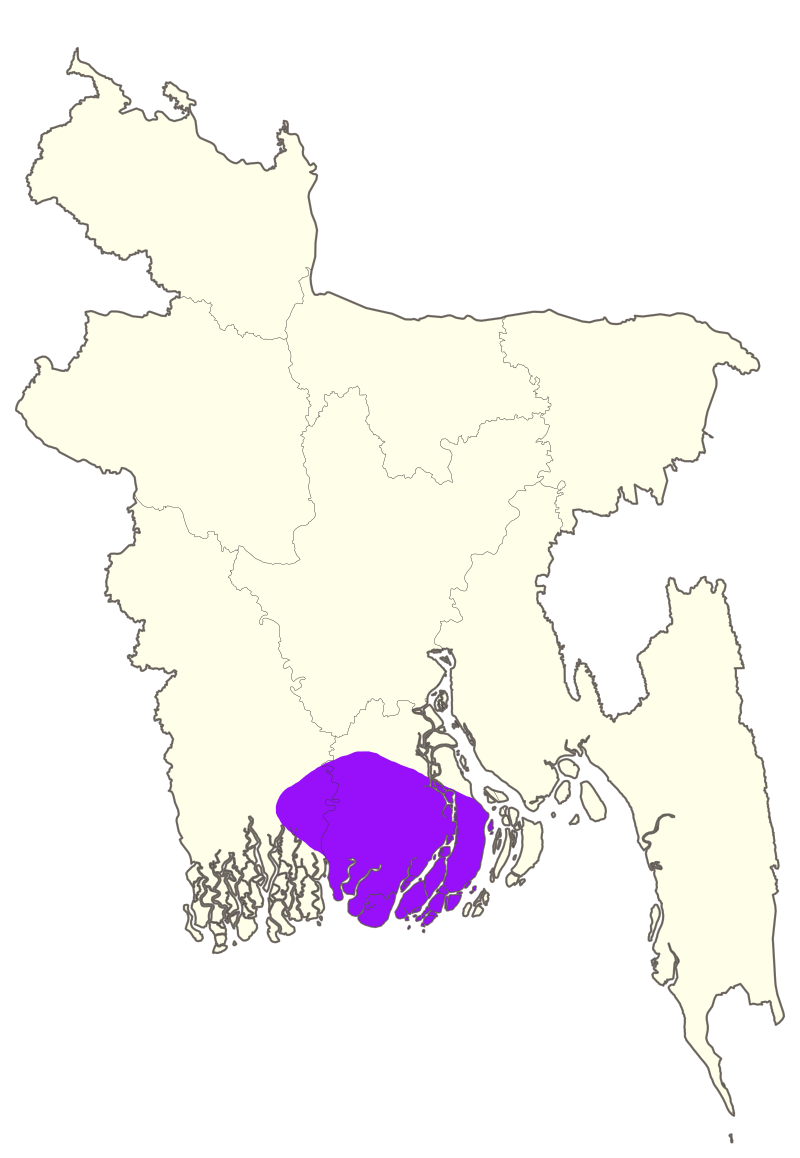
Shophouses in Barishal Division are often characterised by a two-storey structure with a roof extending over a storefront on the bottom. The wall of the upper storey often has a wood frame and if there are windows, they may have metal shutters or blinds.
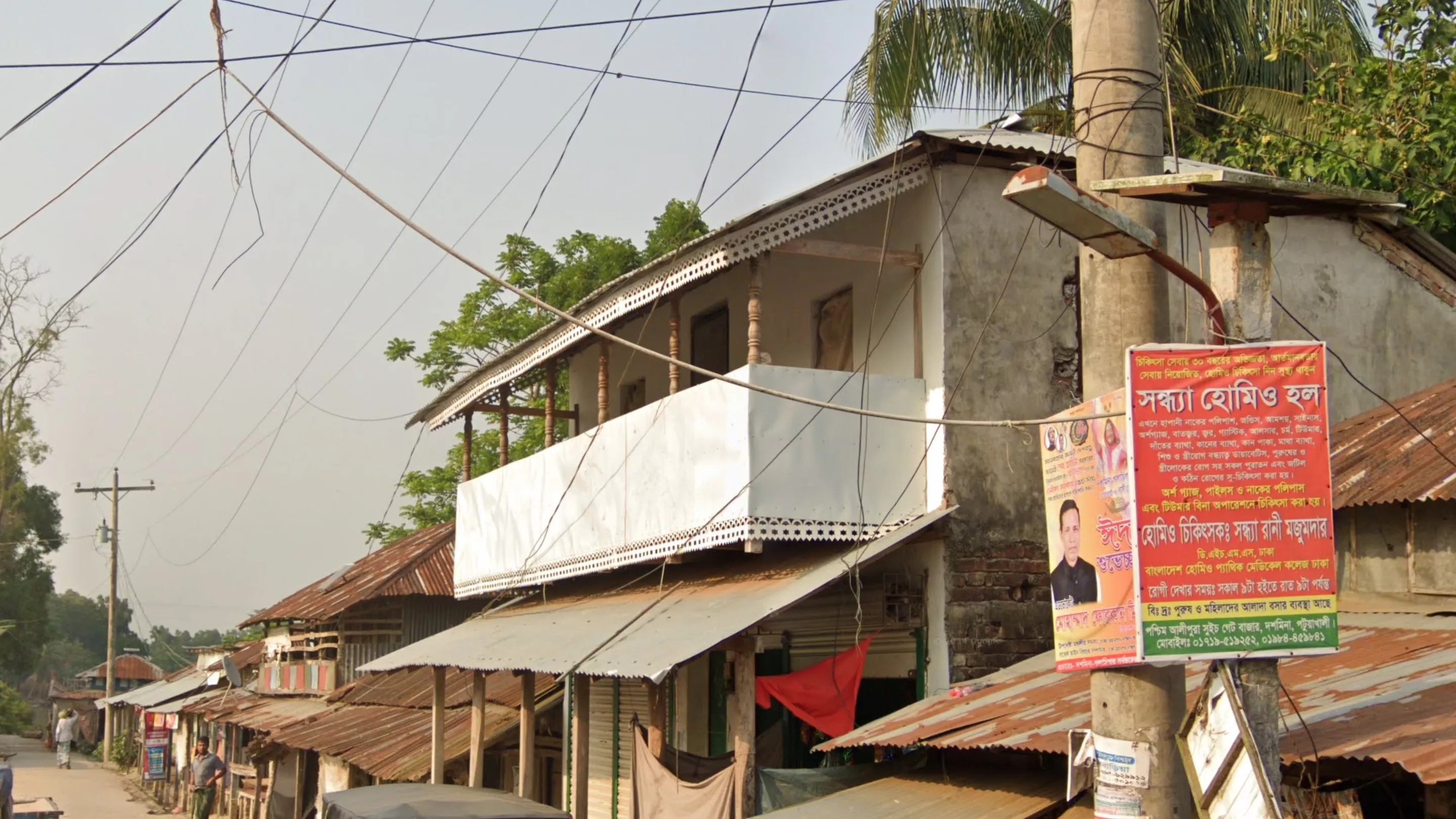
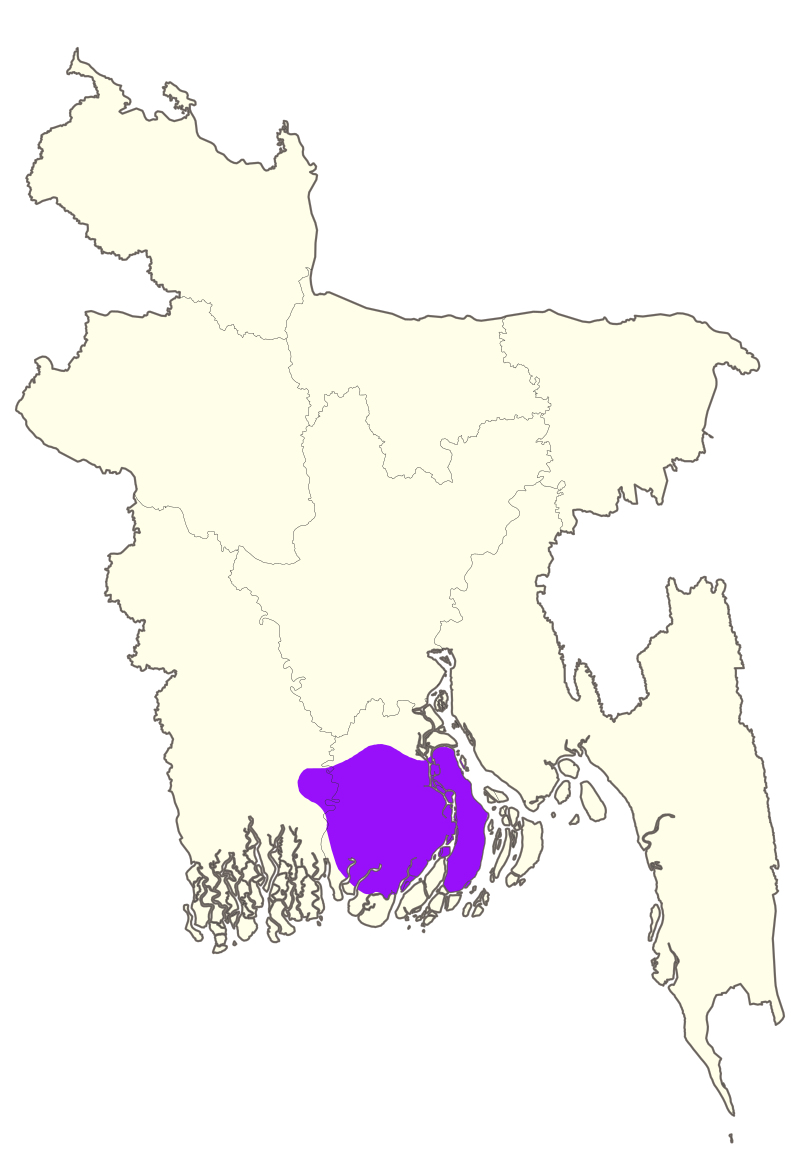
Slightly makeshift balconies made out of wood, scrap metal or plastic (as opposed to brick or concrete) can sometimes be seen attached to facades of buildings in Barishal Division.
Roof Features
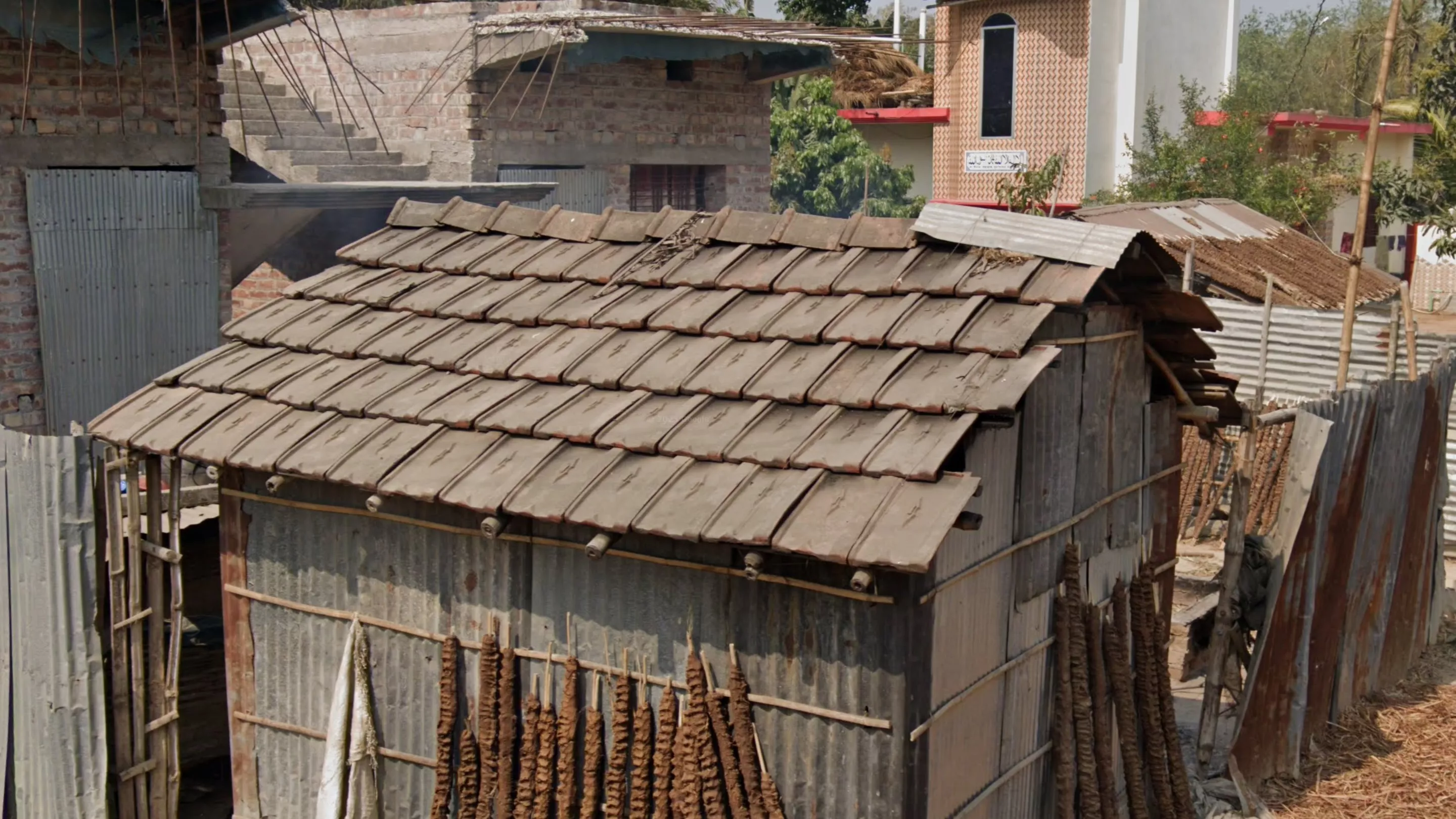
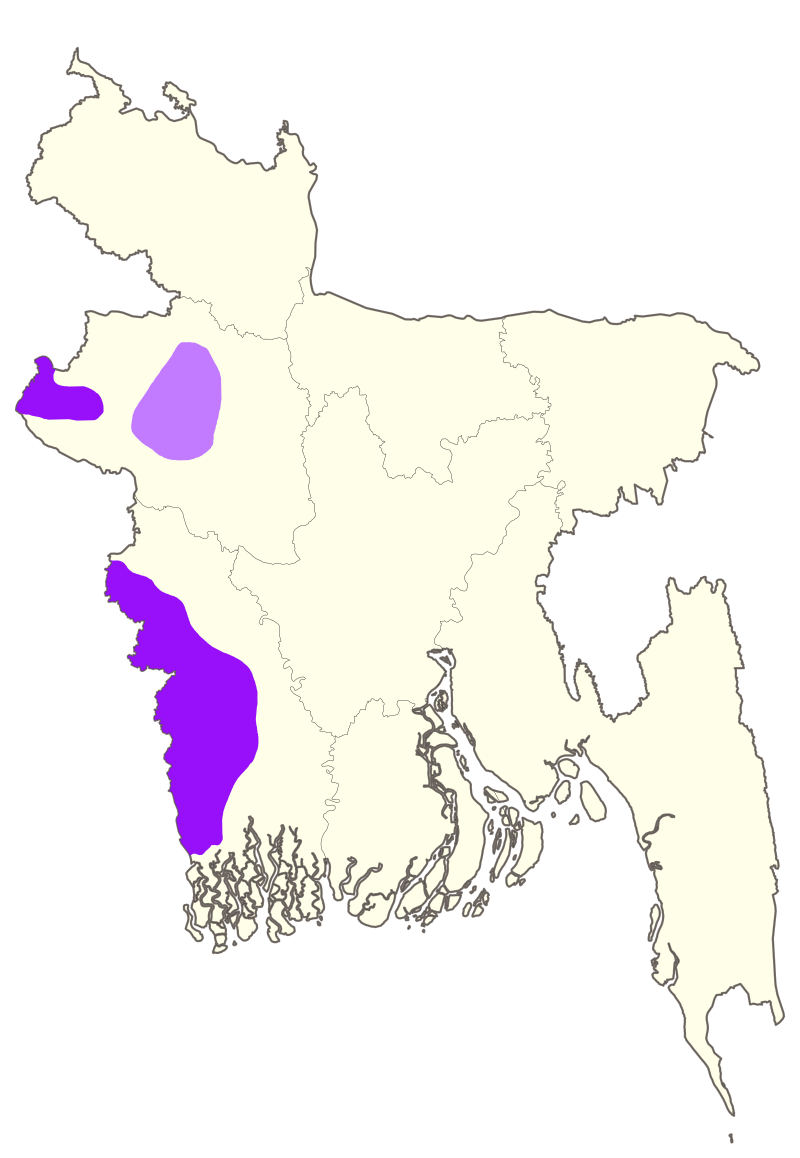
Roofs covered with clay tiles can often be seen in western Khulna Division, but also in some areas of Rajshahi Division.
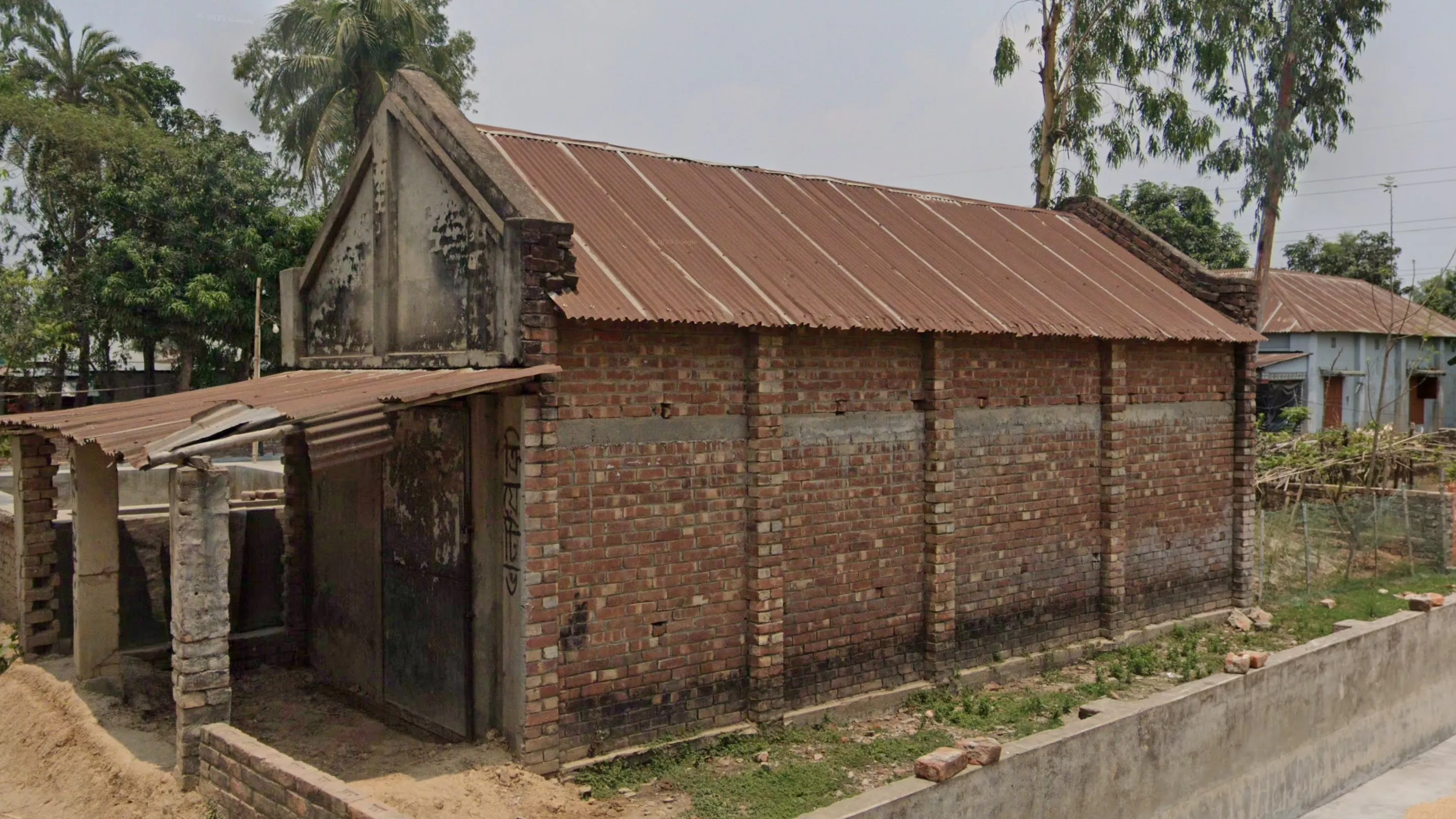
Houses with raised, stone roof edges, higher than the sheets or tiles of the roof, are most common in western Rajshahi Division but can also be found in Khulna Division.
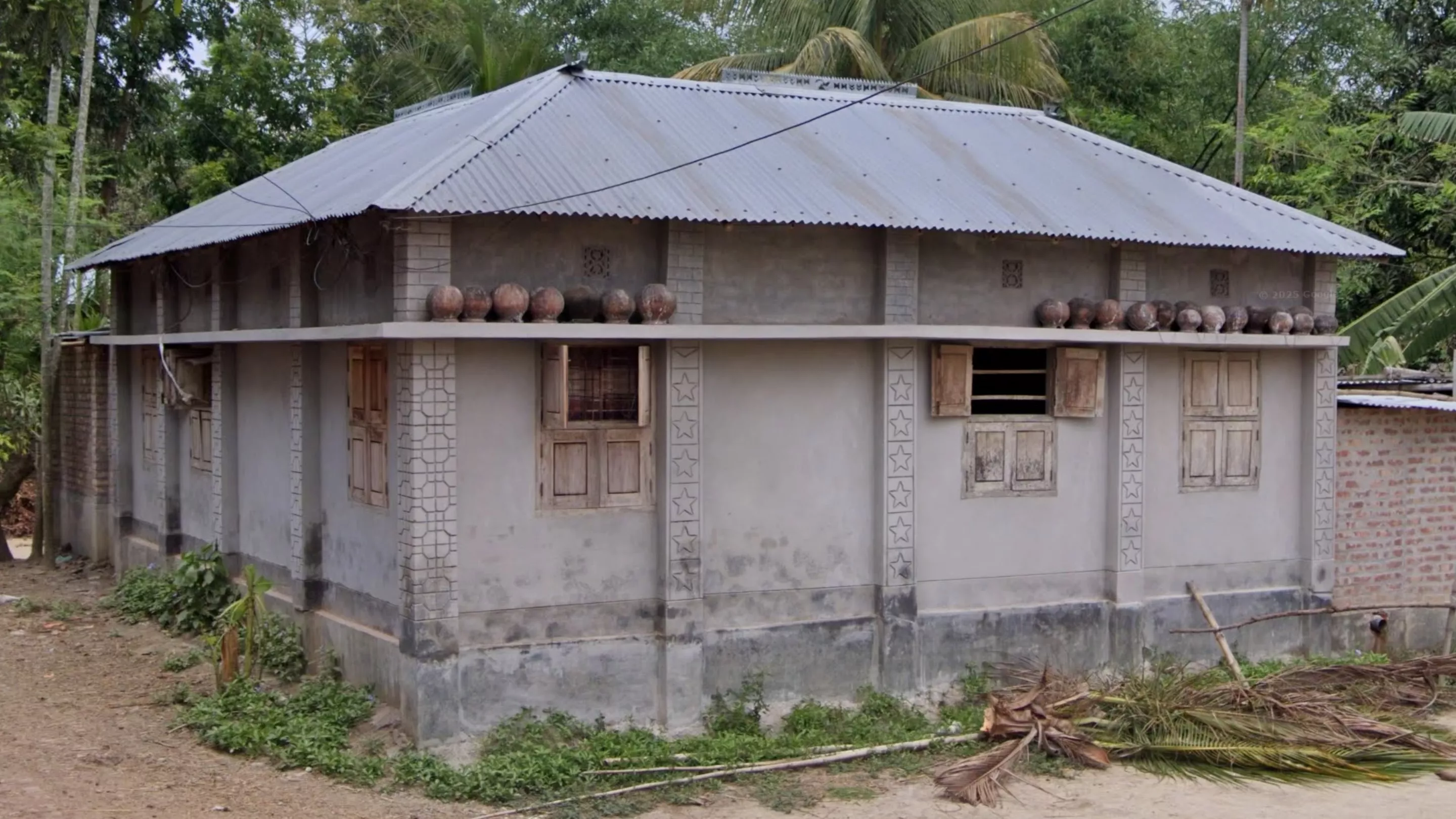
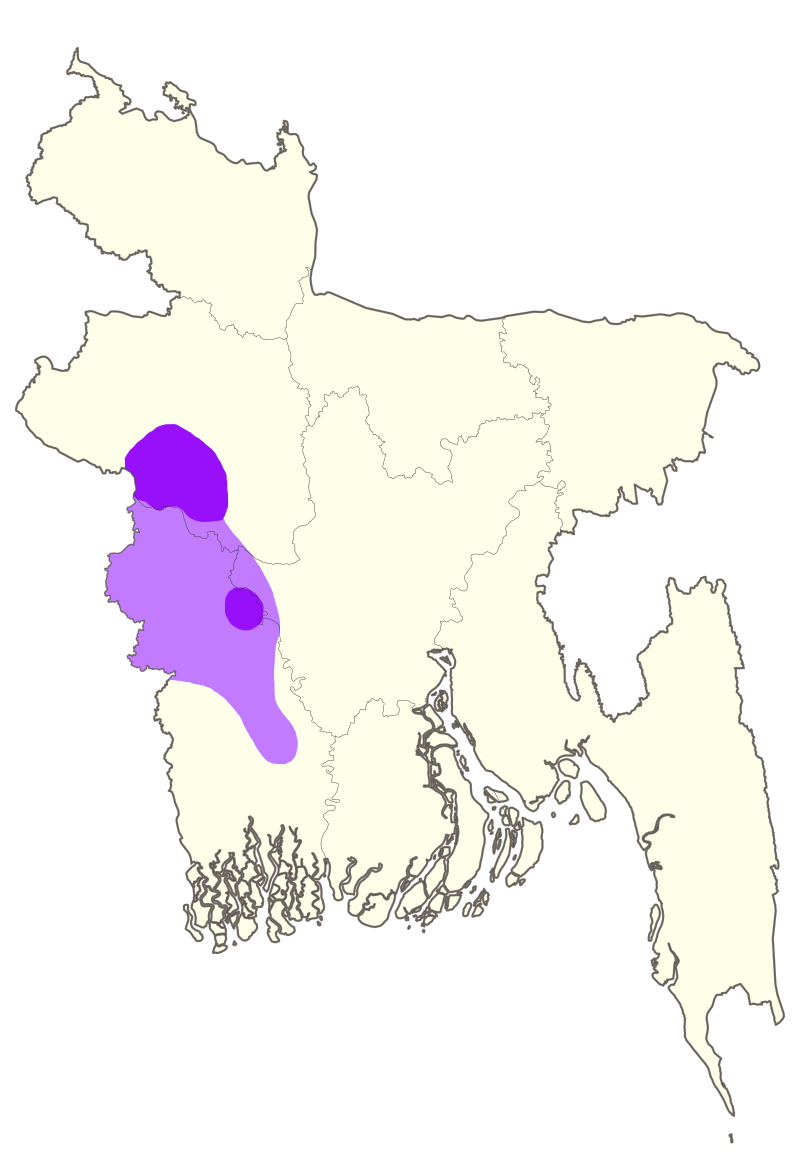
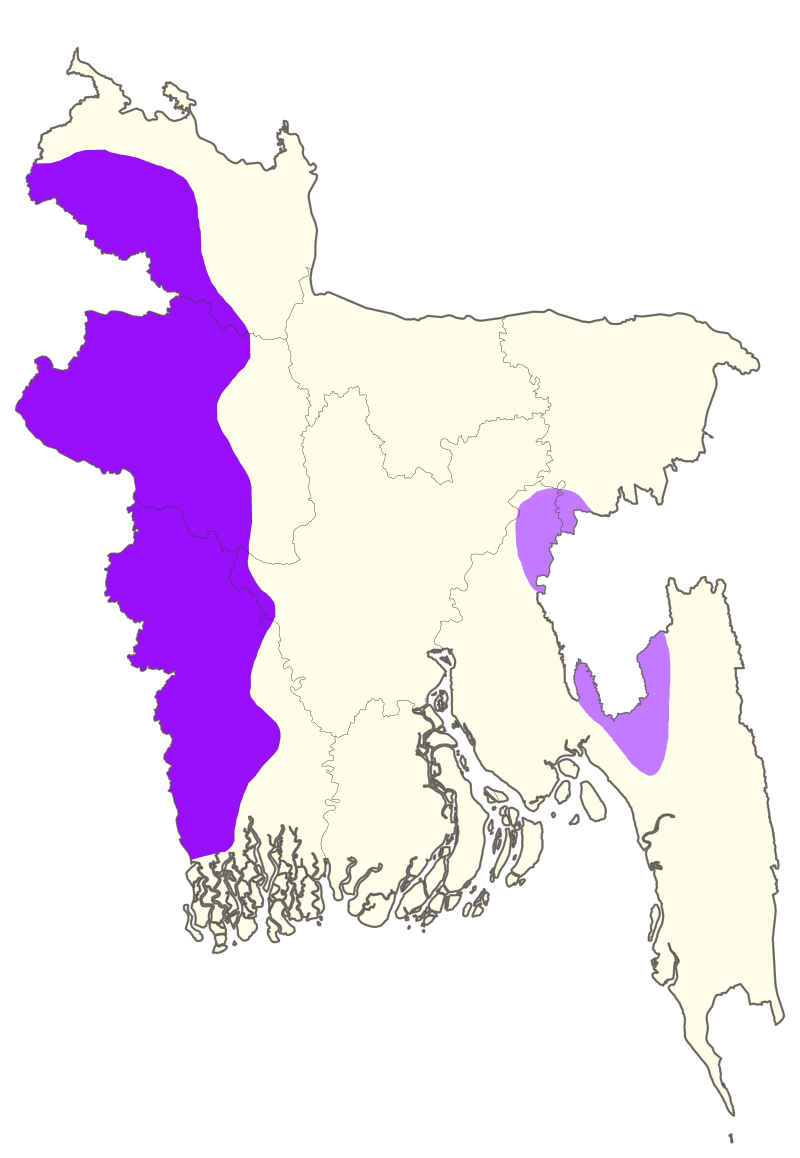
Houses with protruding concrete ledges, right above the window line and around most of the building, are common in central-western Bangladesh. Items, such as pots and dried crops, can sometimes be seen stored on top of them.
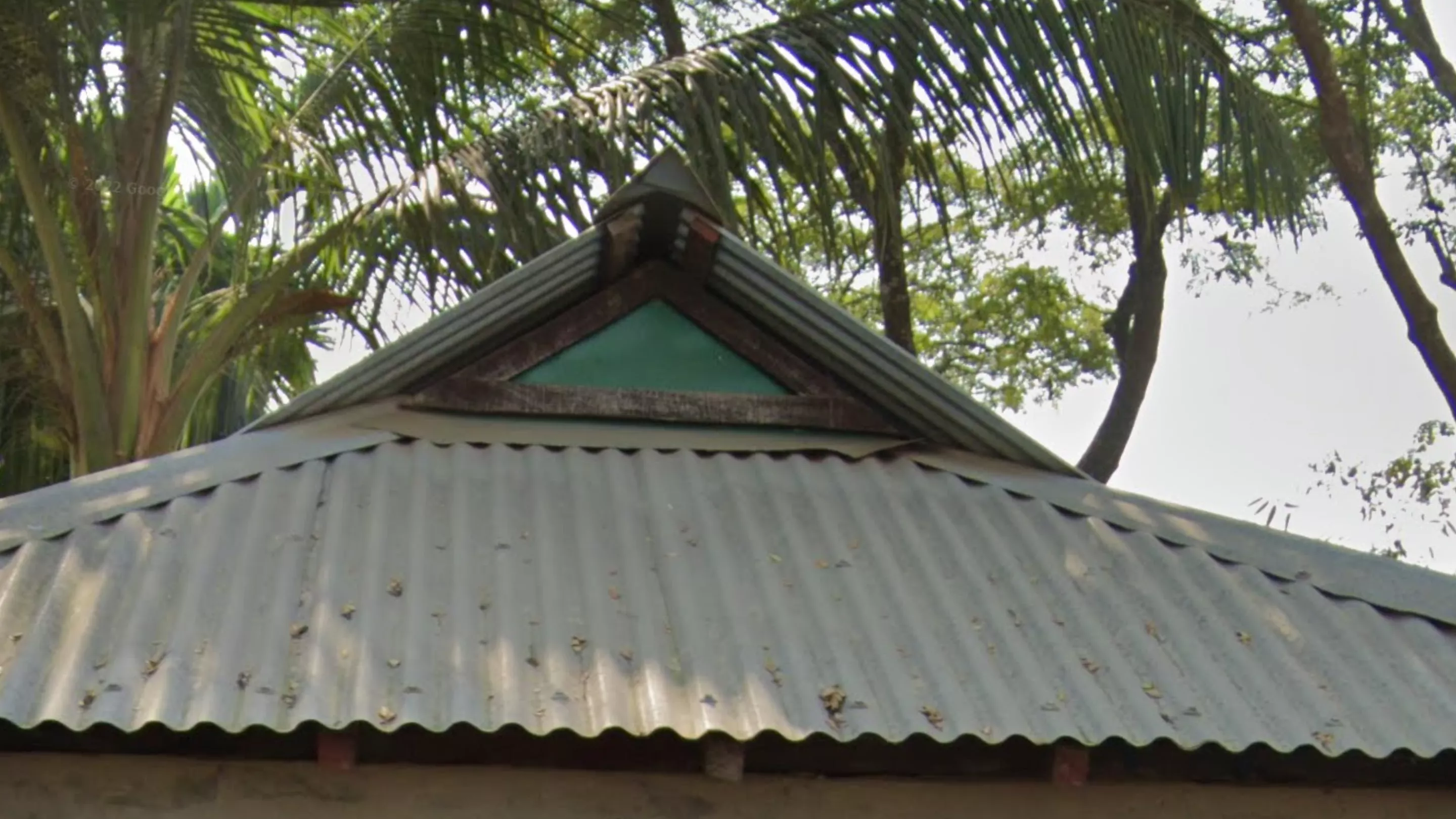
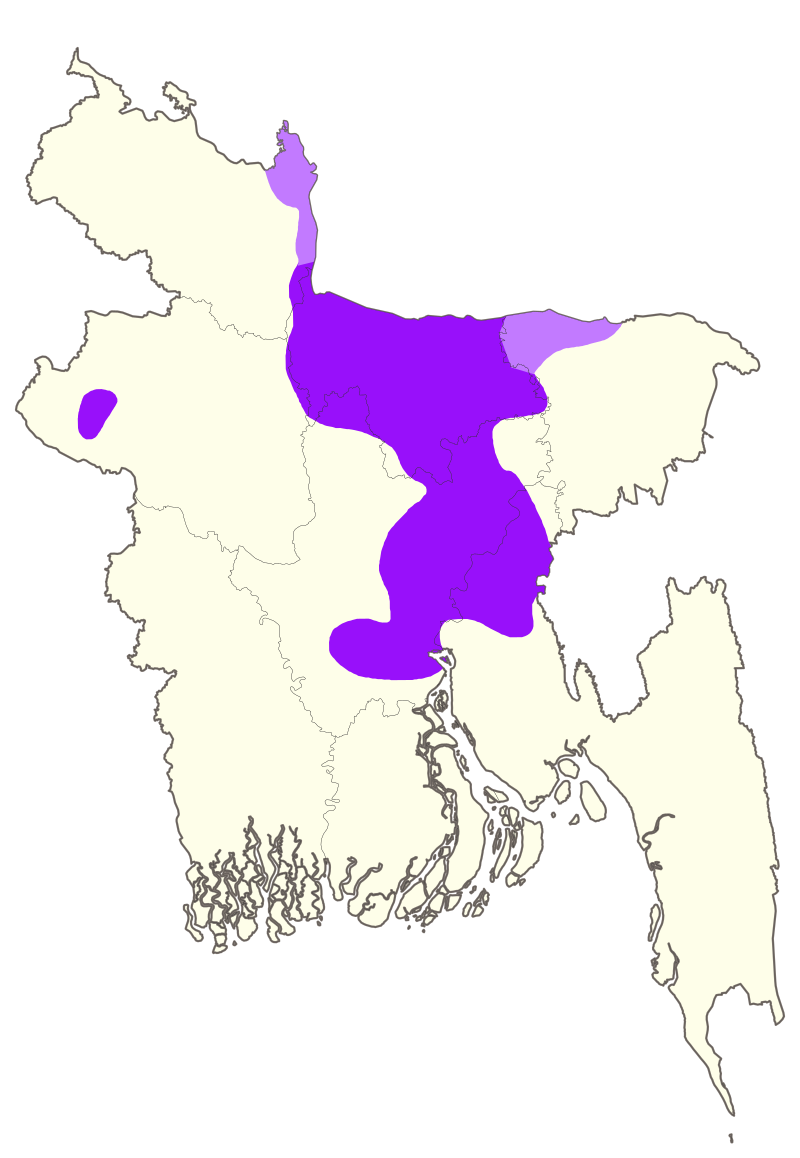
Triangular frames bordering the small triangular gable can be found in central and central-northern Bangladesh, as well as in a small area in western Rajshahi District.
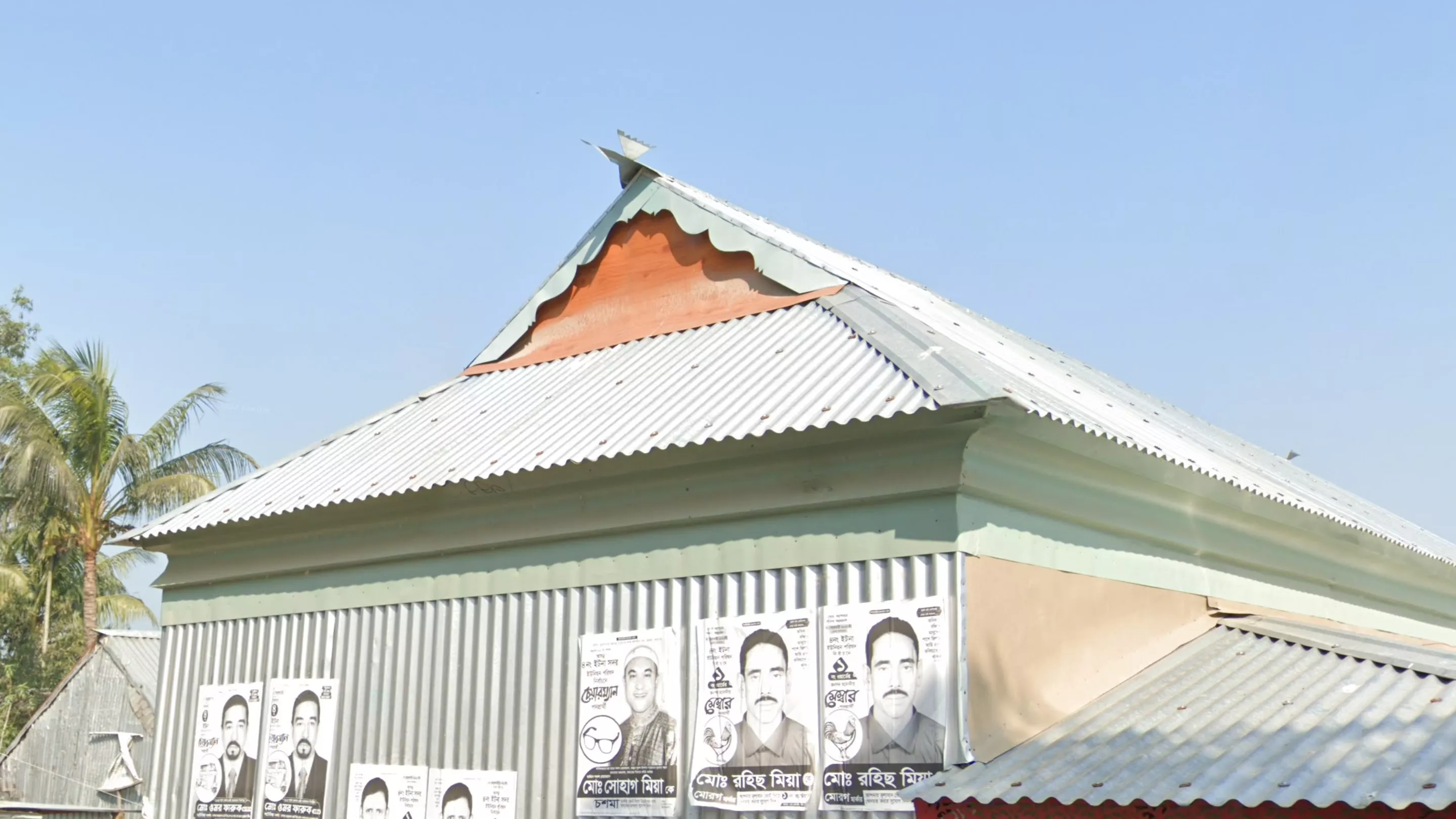
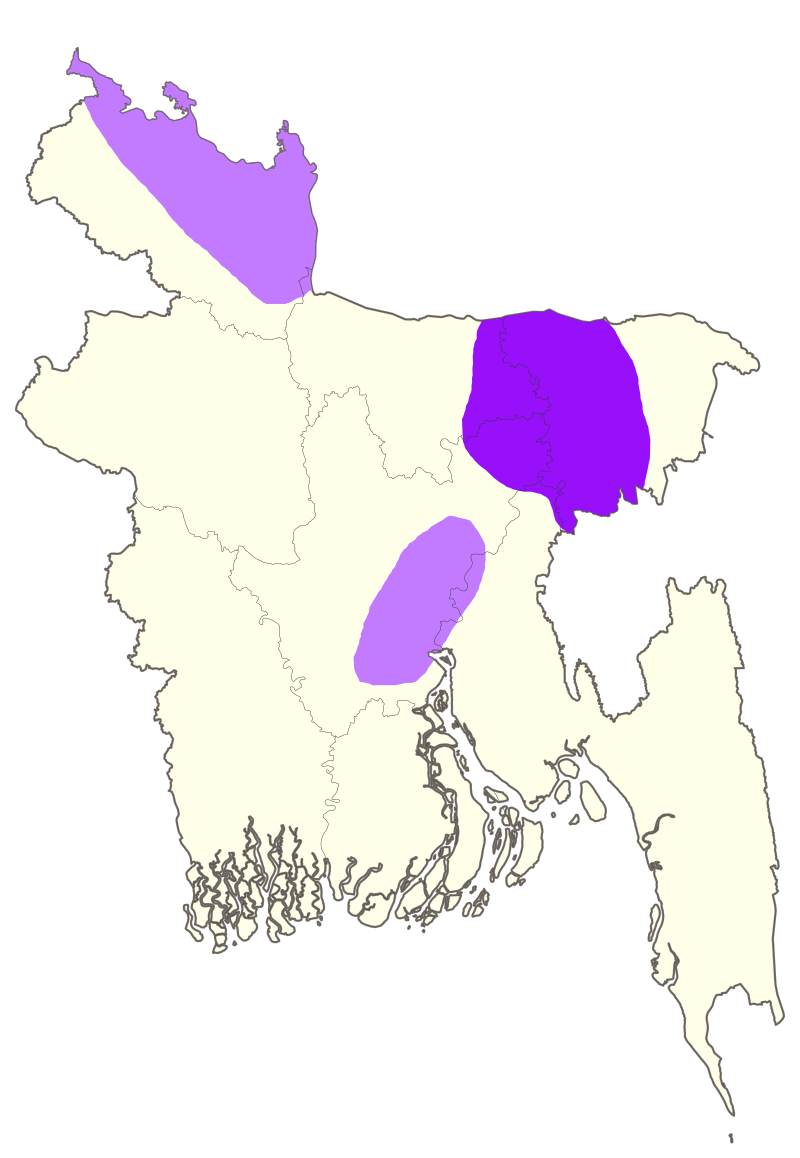
Around the western Haor Basin area, many of the small triangular gables have solid gable decorations. This is in contrast to the intricate lace-like gable decorations which are commonly seen elsewhere. The gable decorations in this area also sometimes have a distinctive ‘wavy’ shape.
Close to Mithamain, you may also see buildings featuring thick cornices and decorative arches in a distinctive style.
Close to Mithamain, you may also see buildings featuring thick cornices and decorative arches in a distinctive style.
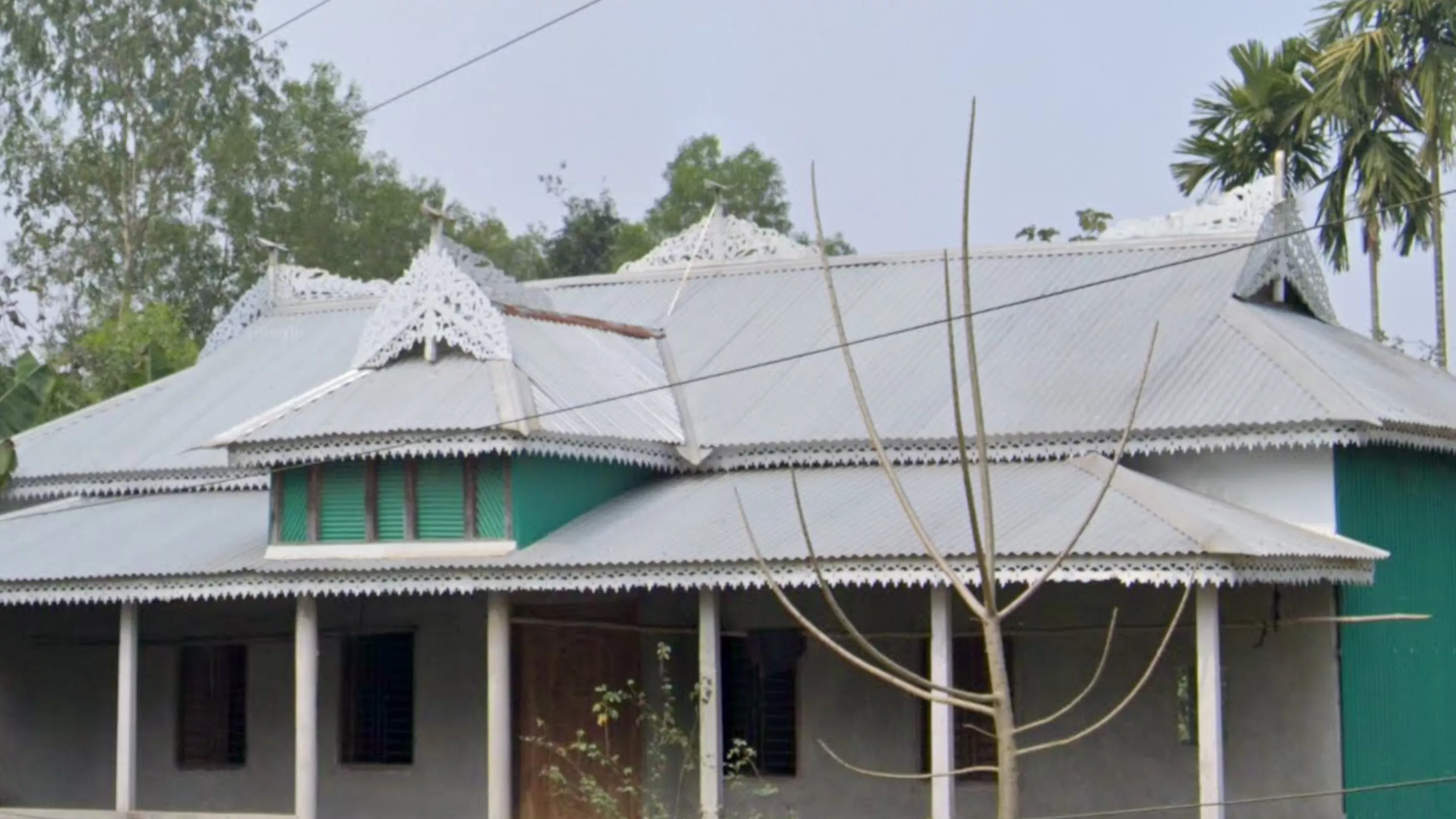
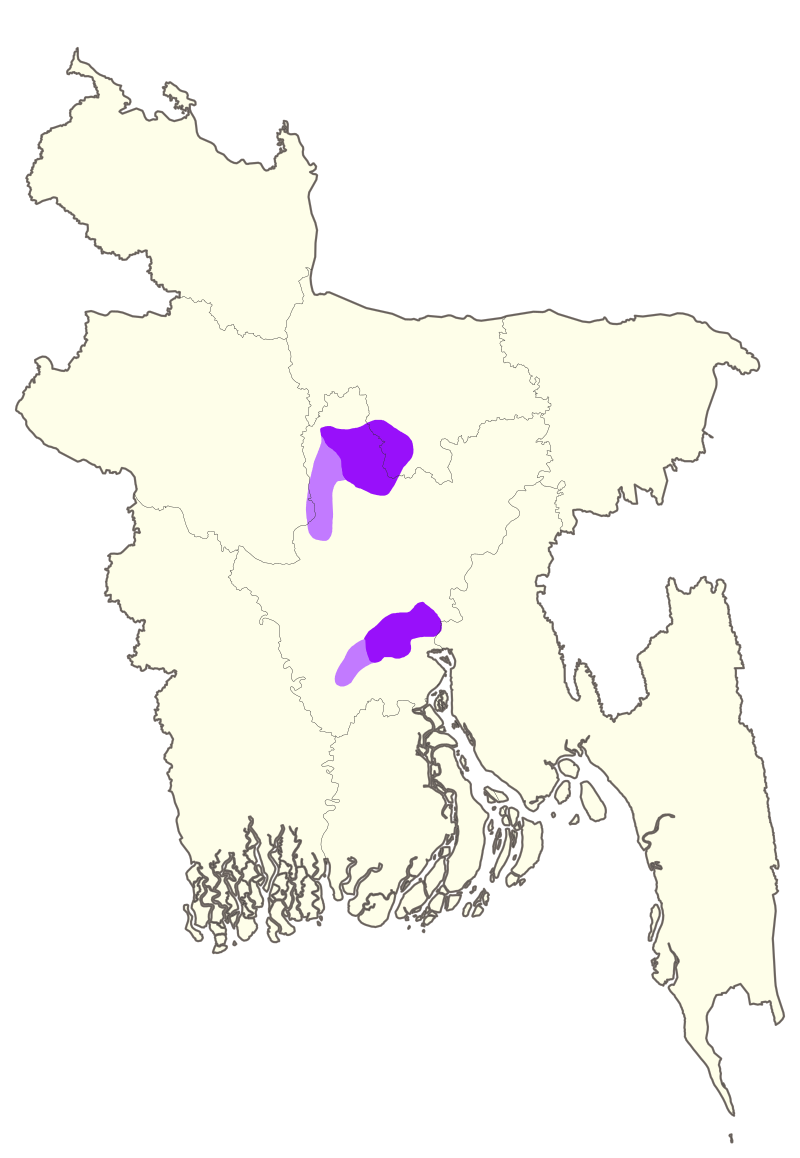
Houses with these tall, ornate gable decorations over the top of the small triangular gables appear in two distinct clusters in the north and south of Dhaka Division.
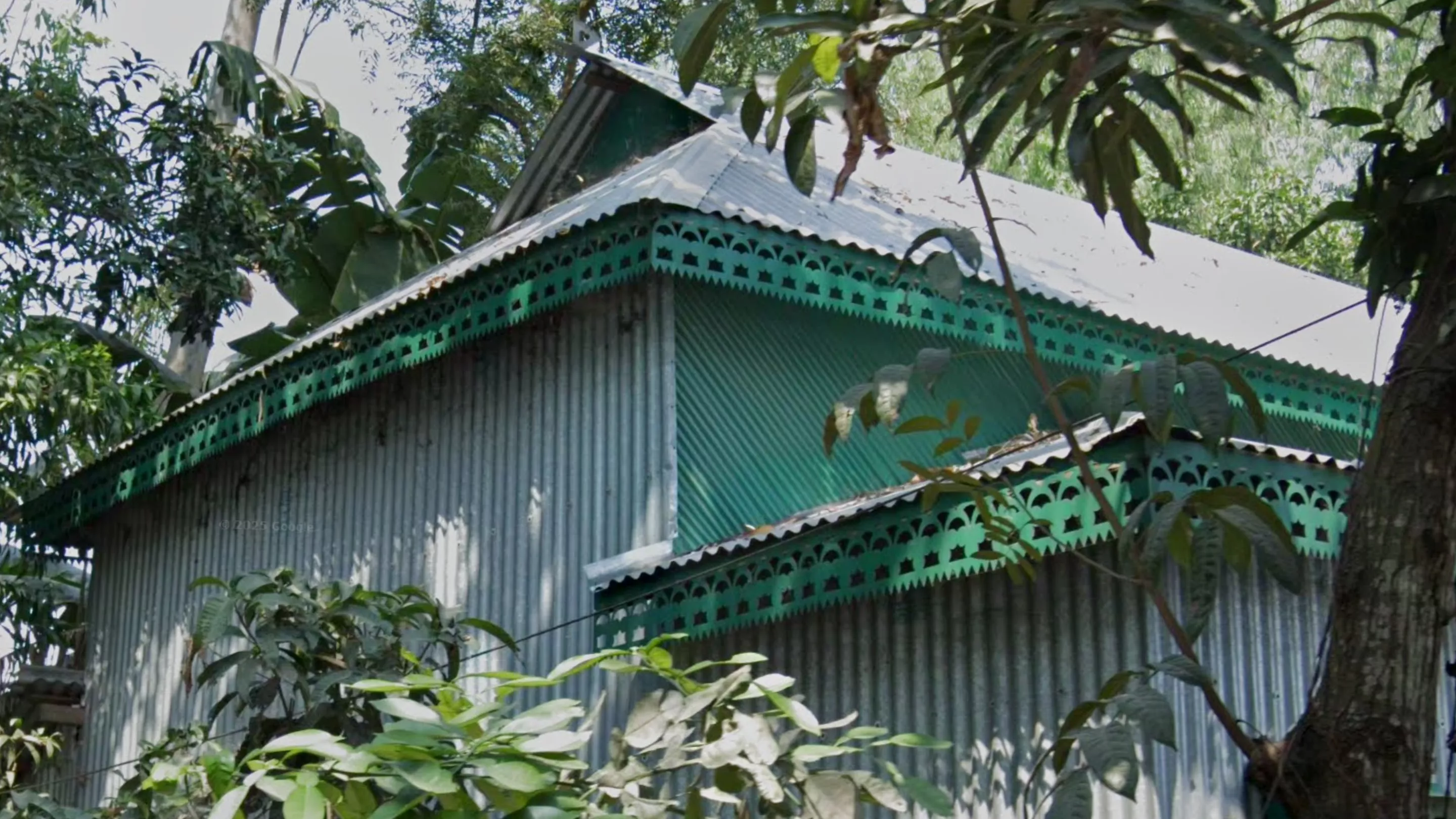
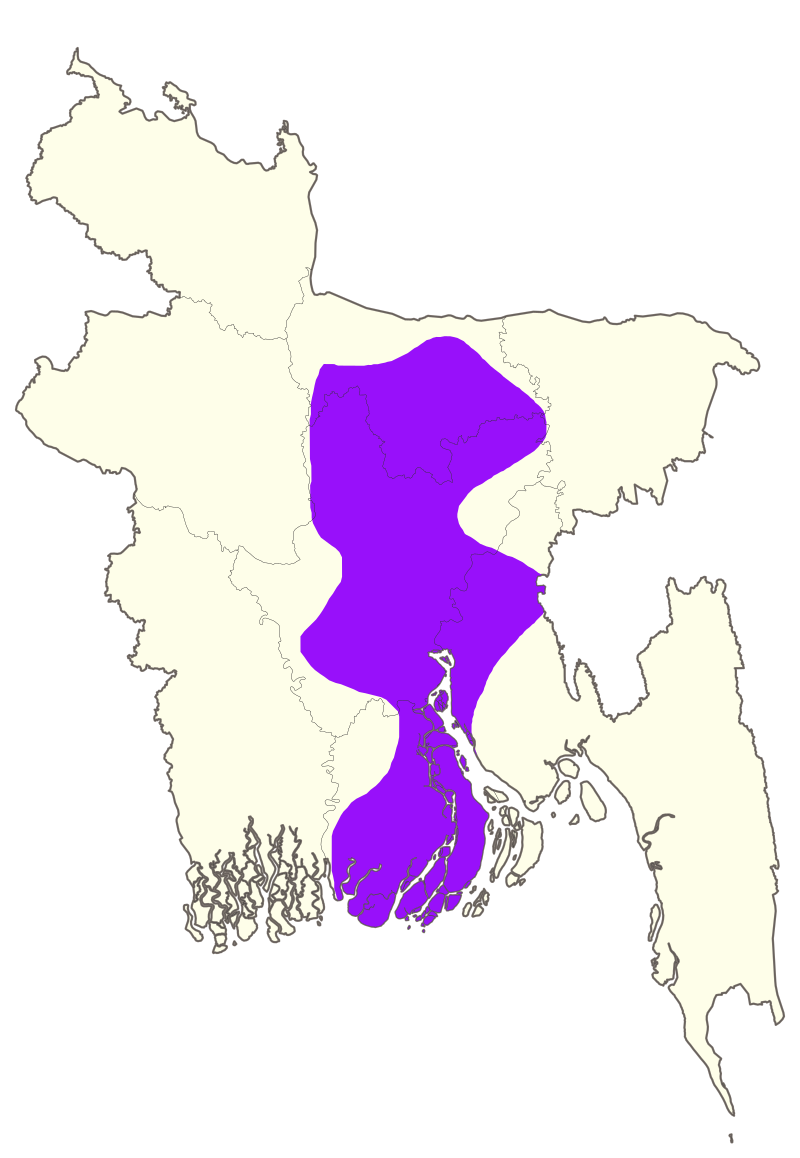
You can find this type of decorative trim hanging from the eaves of roofs in a fairly large region of Bangladesh, primarily across Mymensingh, Dhaka and Barishal divisions.
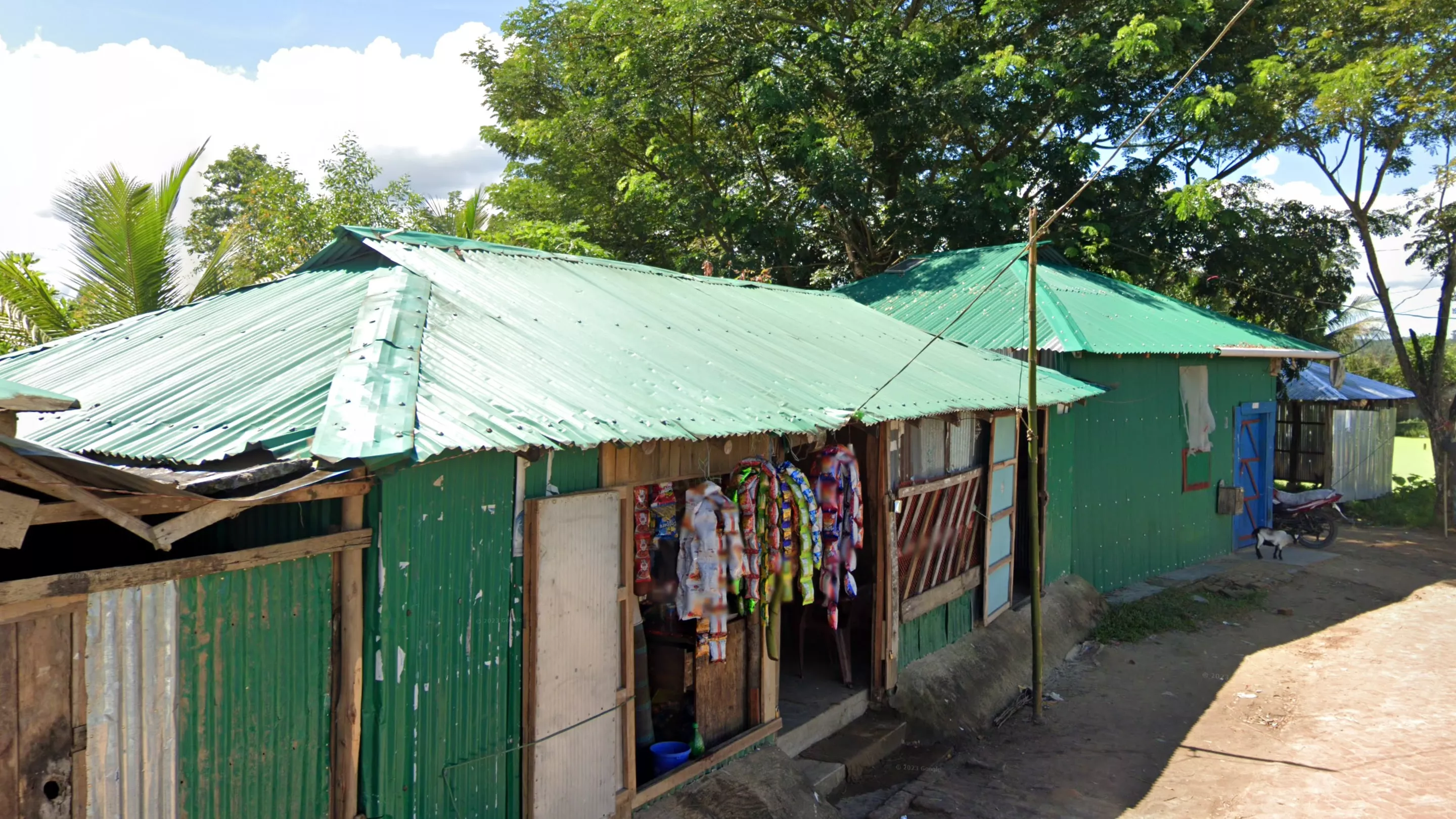
Turquoise or teal-coloured metal roofs can be found nationwide, but are most common in Chittagong Division, particularly across Cox’s Bazar District. Neighbourhoods featuring multiple roofs in this colour are especially good clues for the region.
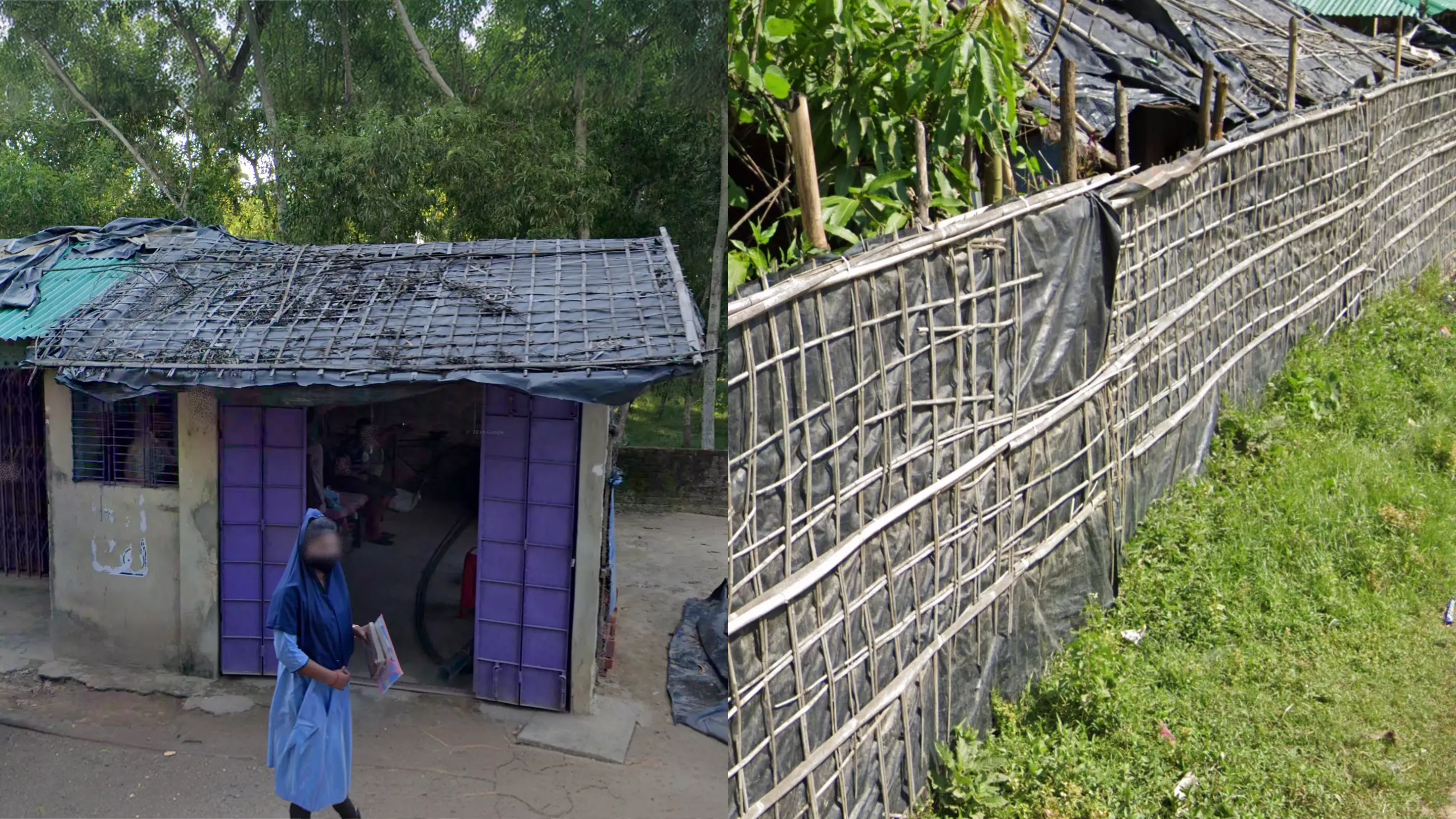
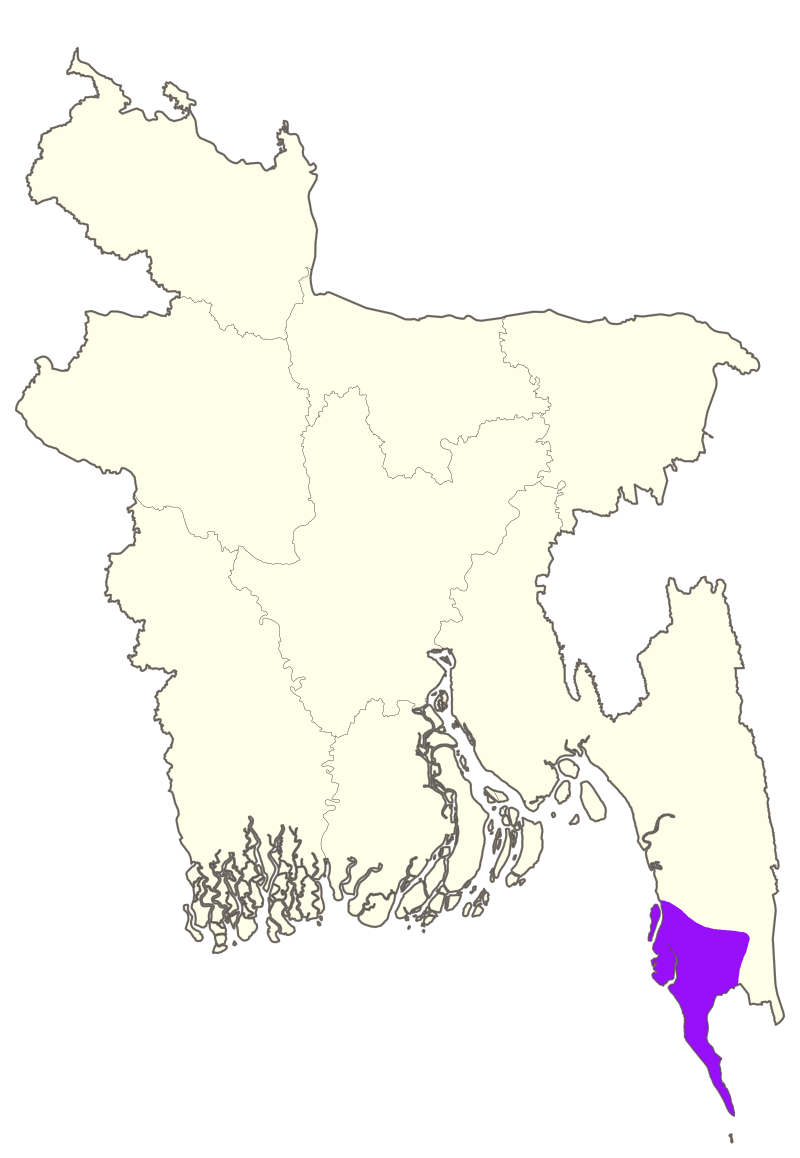
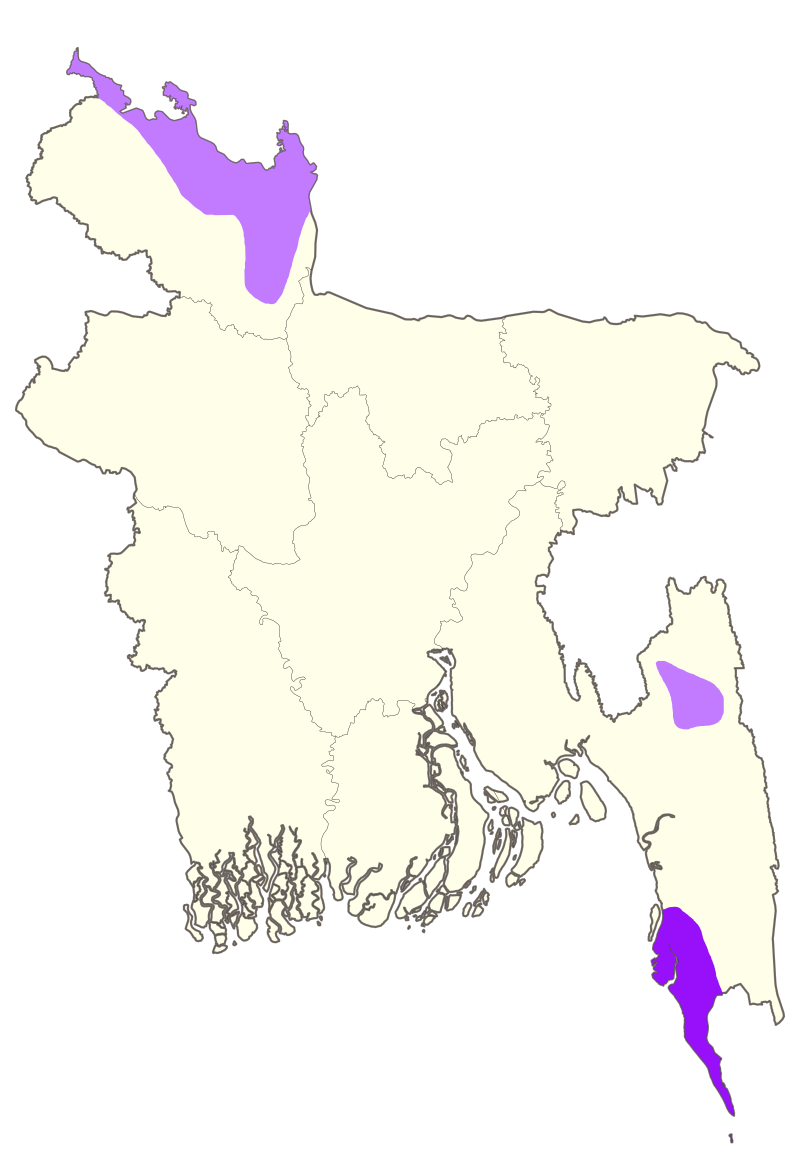
While not exclusive to this area, Cox’s Bazar District features a high frequency of roofs carefully covered with tarp due to the extreme weather there. In this region, tarps will characteristically be held in place with a wooden or bamboo lattice. Tarp fences using the same style also appear in this area.
Wall Features
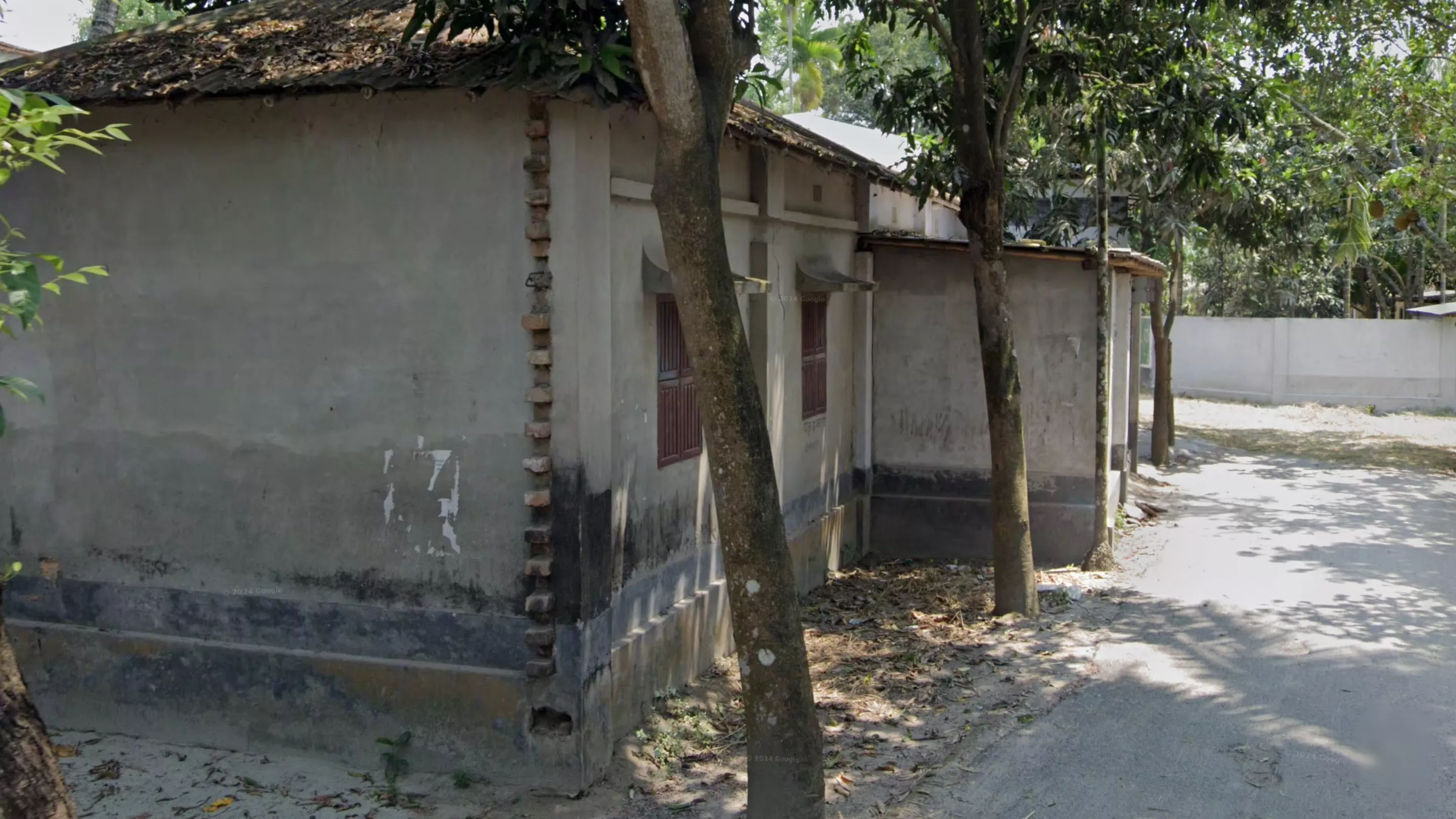
This alternating brick pattern on the corners of buildings is seen in Rajshahi Division and Rangpur Division more commonly than in other parts of the country.
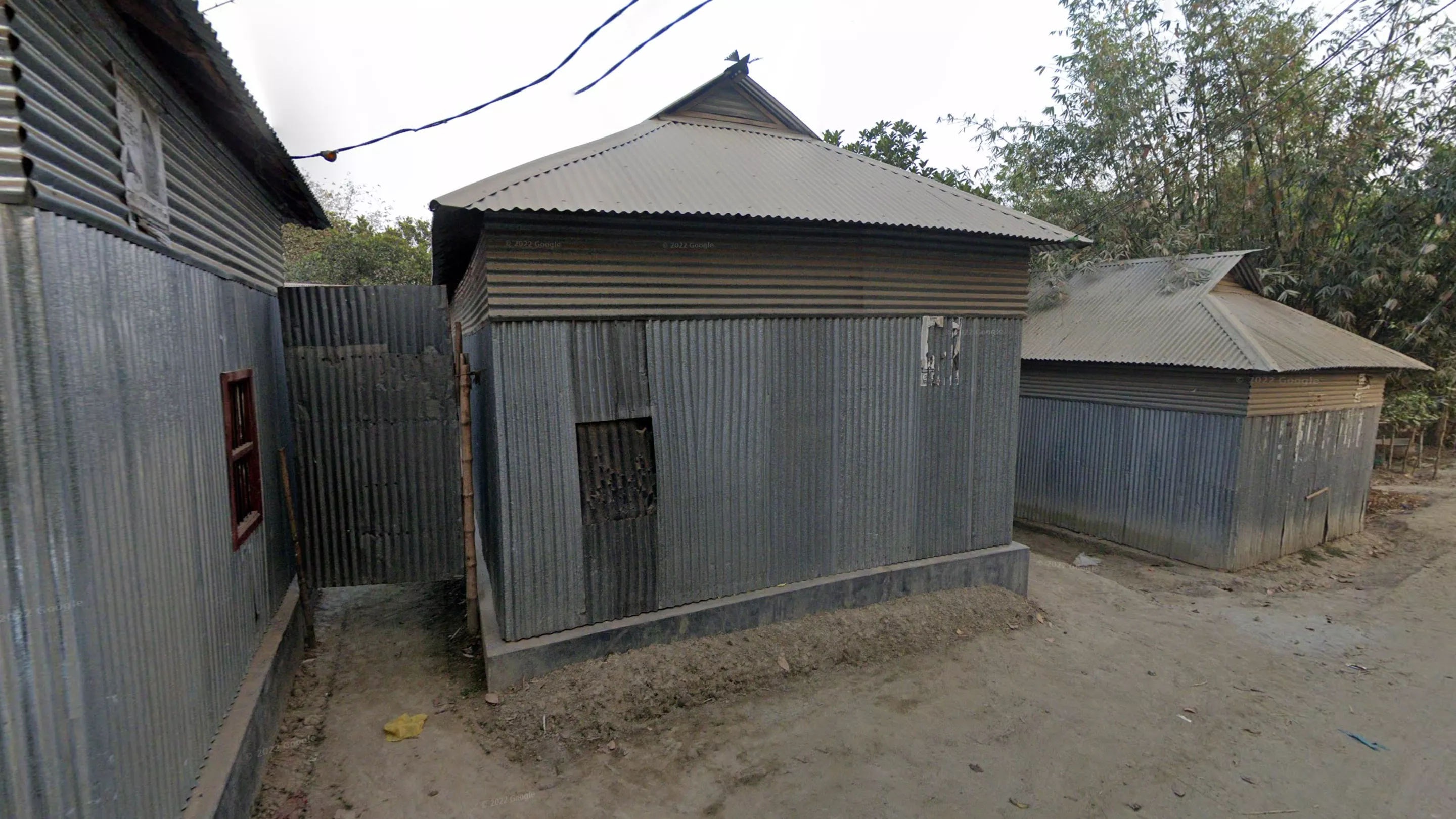
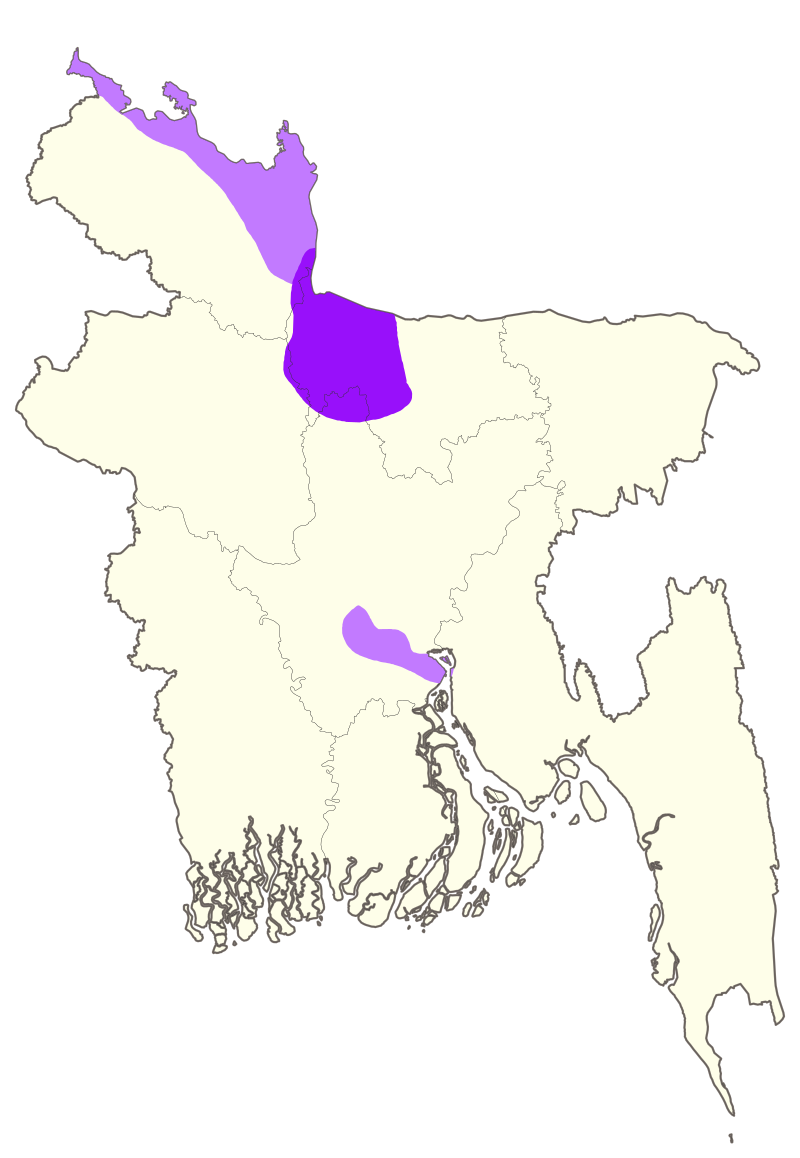
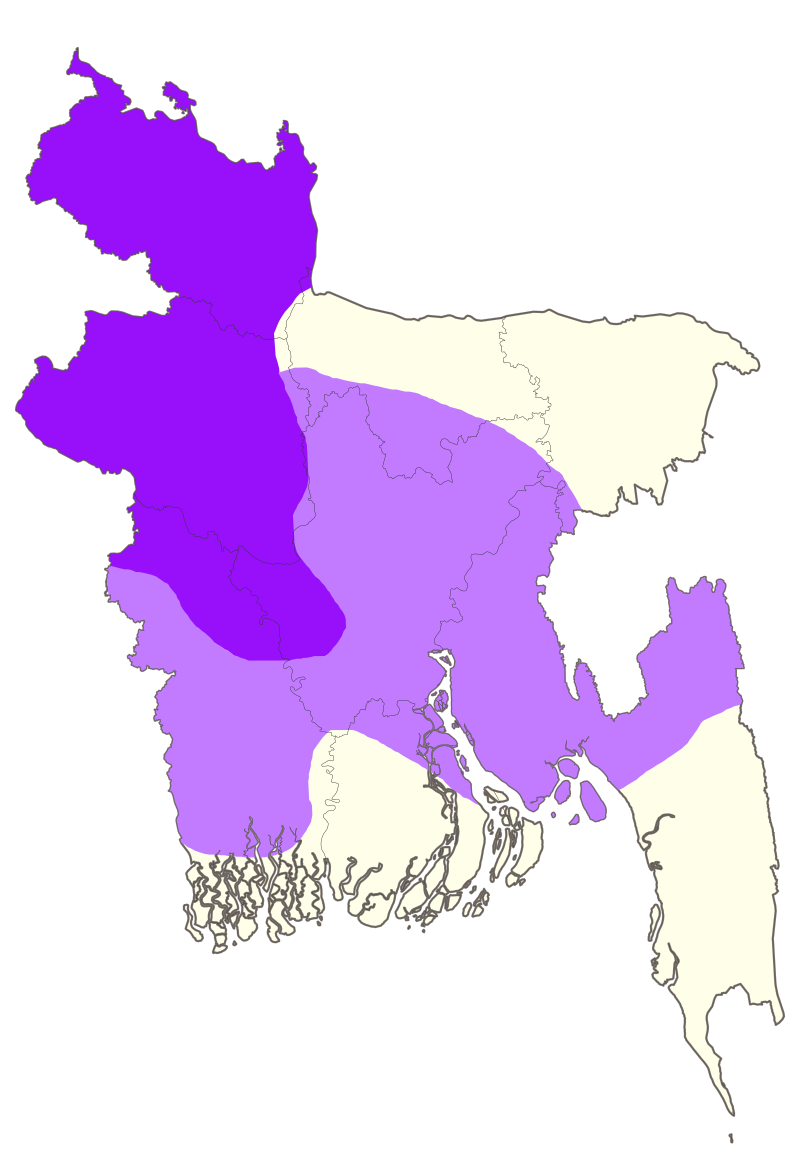
Houses with metal sheet walls, with a horizontally-corrugated top sheet are by far most common in western Mymensingh Division.
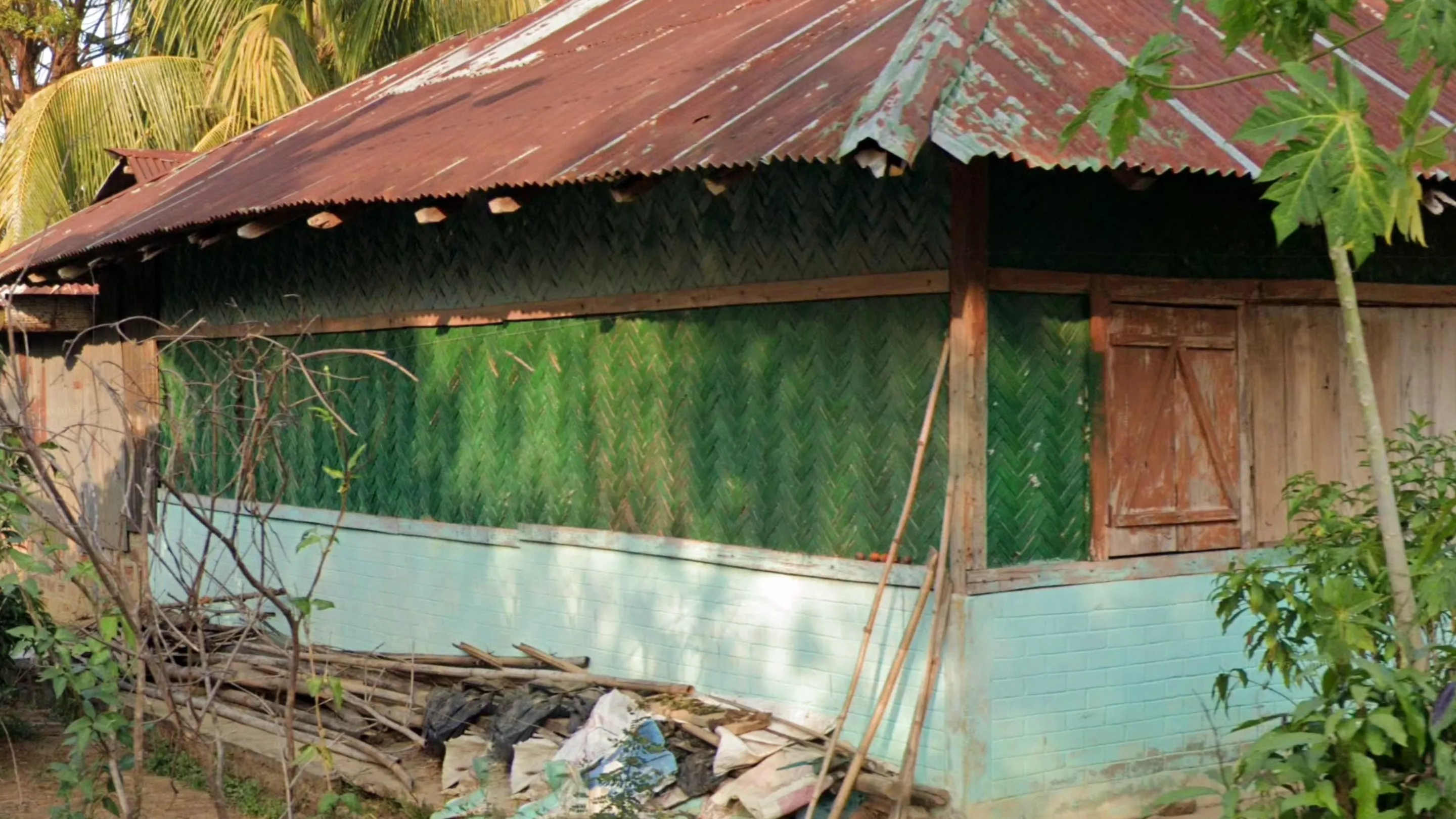
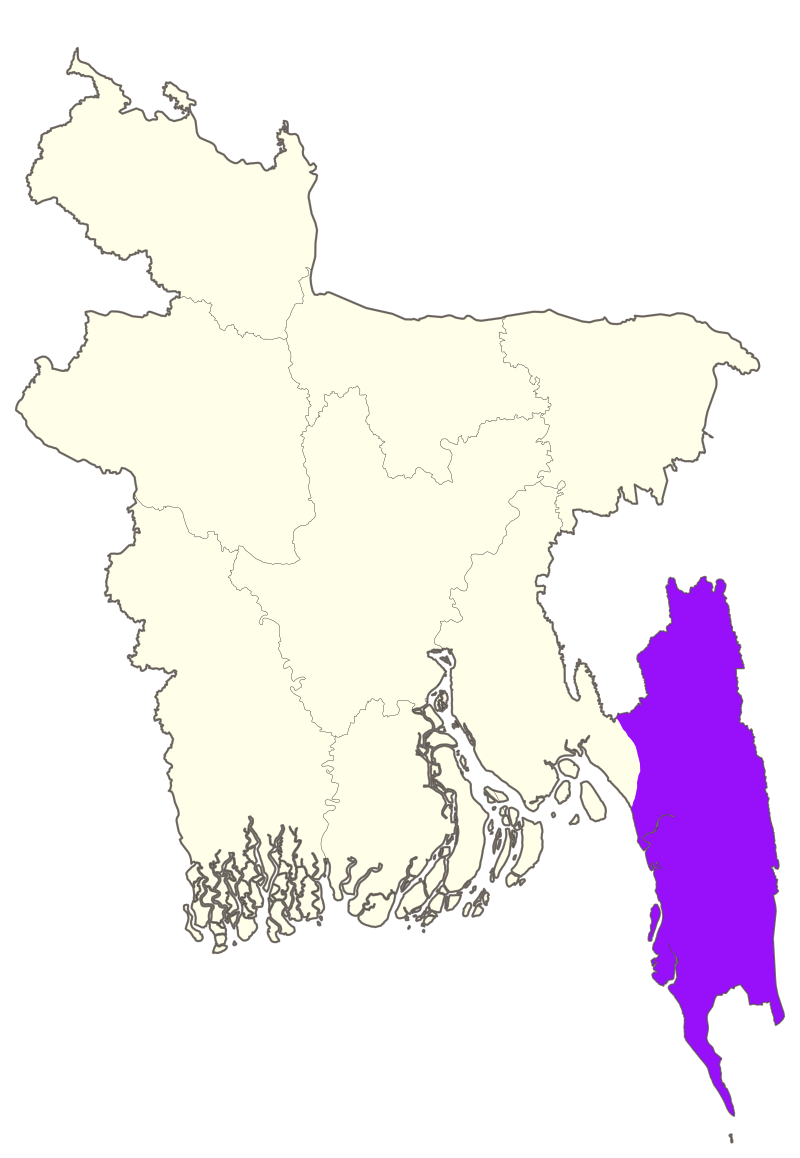
If you see structures made from painted woven bamboo, you should be in Chittagong Division.
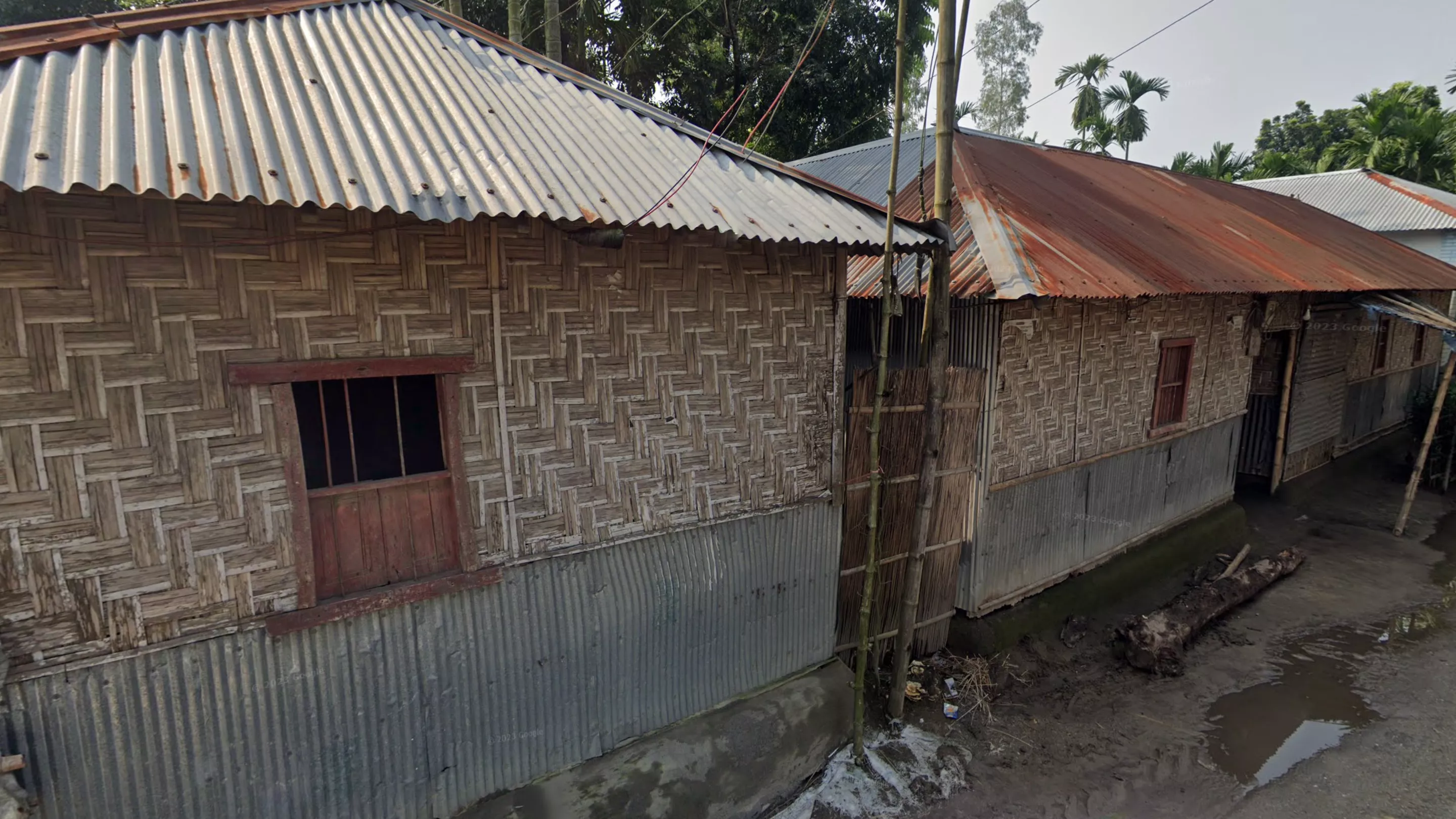
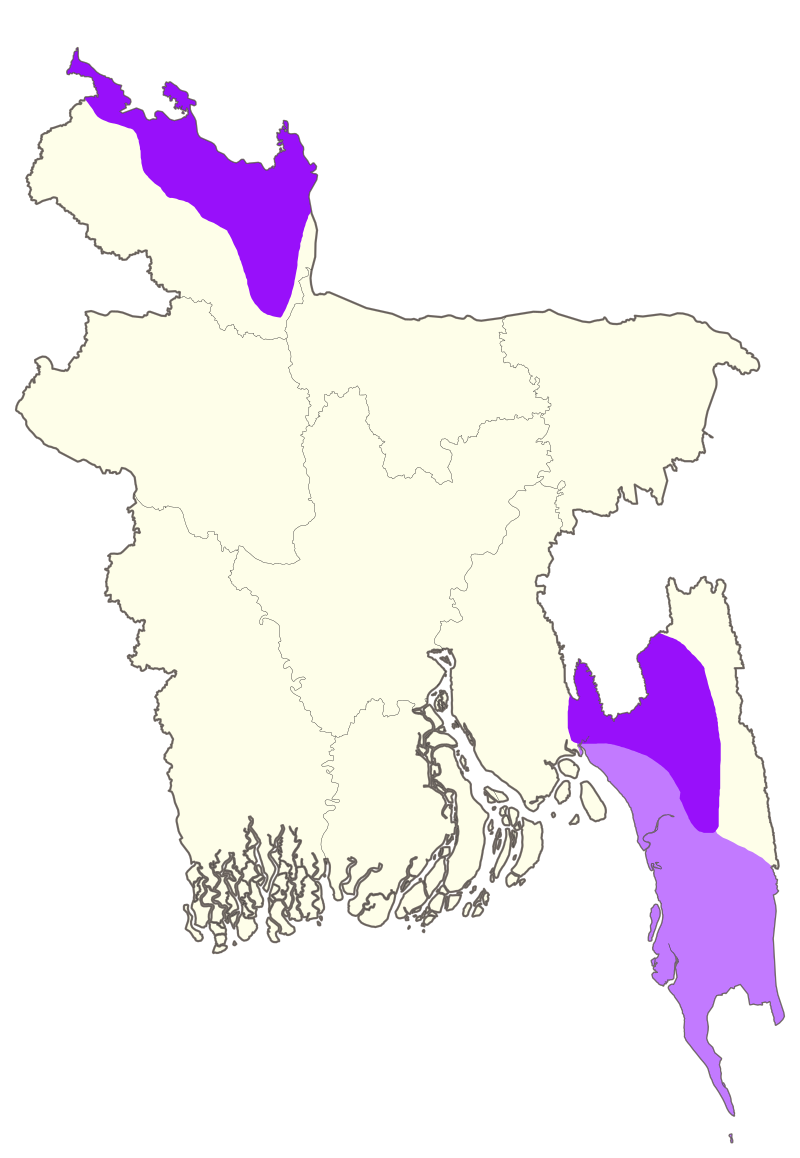
Houses with walls made out of a corrugated metal sheet at the bottom and woven bamboo at the top can be found in Rangpur Division and Chittagong Division.
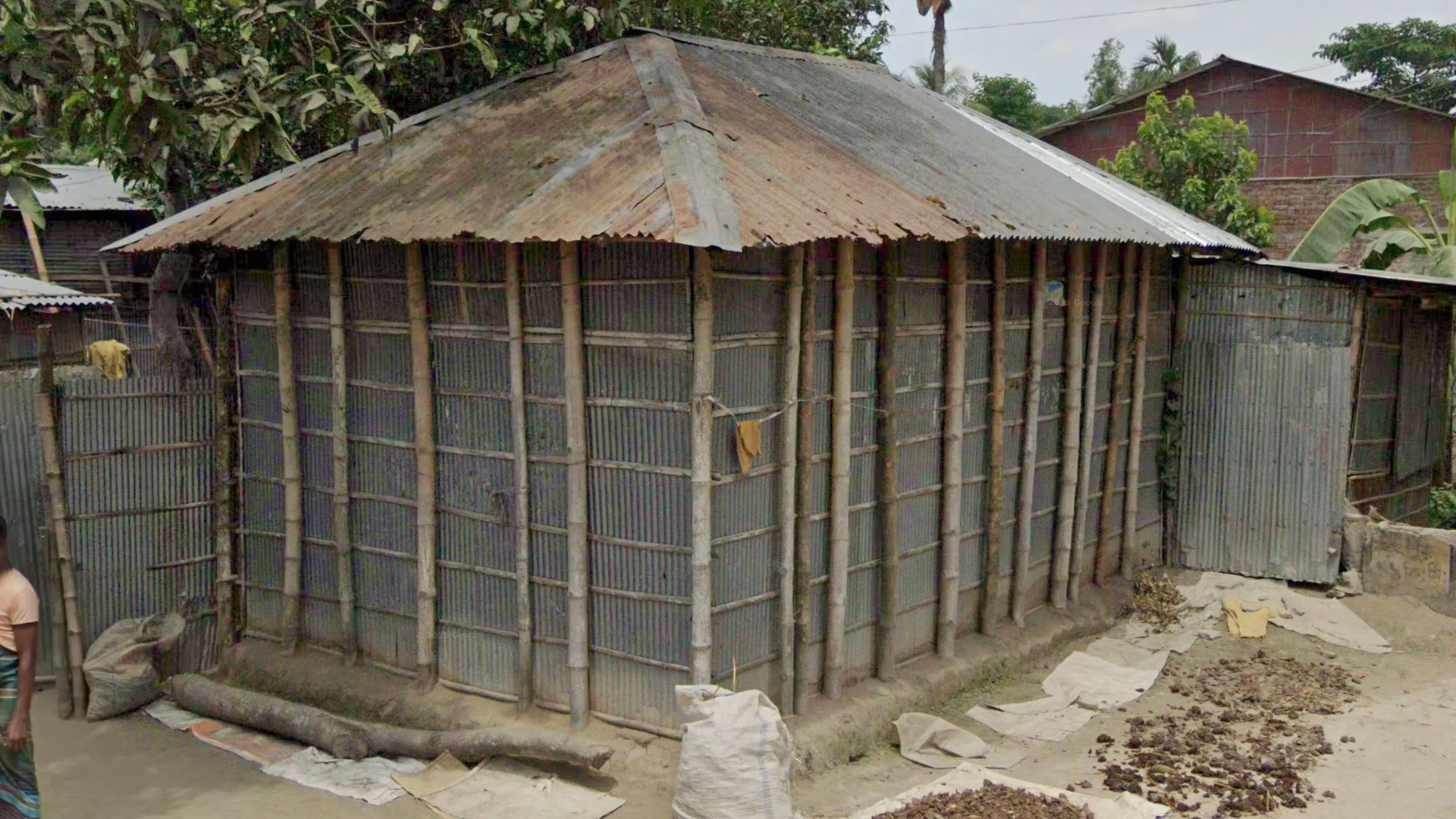
Houses with metal sheet walls, reinforced with both horizontal and vertical bamboo on the outside, are commonly found in central Rangpur Division, as well as in the far west of Rajshahi Division. In Rangpur Division, the vertical bamboo sticks are usually noticeably thicker than the horizontal ones.
Ridge Ends
In much of Bangladesh you can find metallic ornaments on both ends of the roof ridge, with many regional variations of these existing that can be used to regionguess.
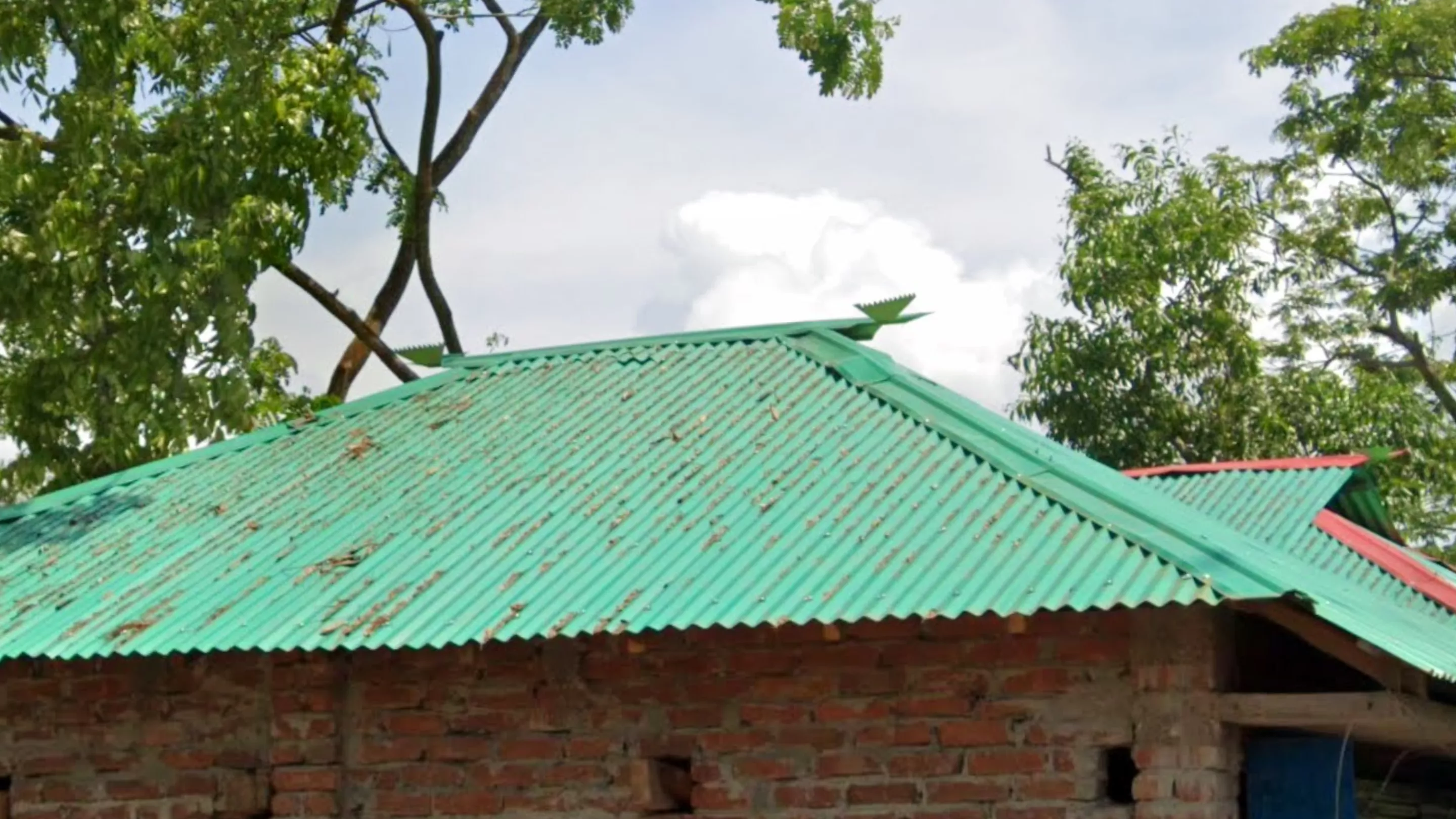
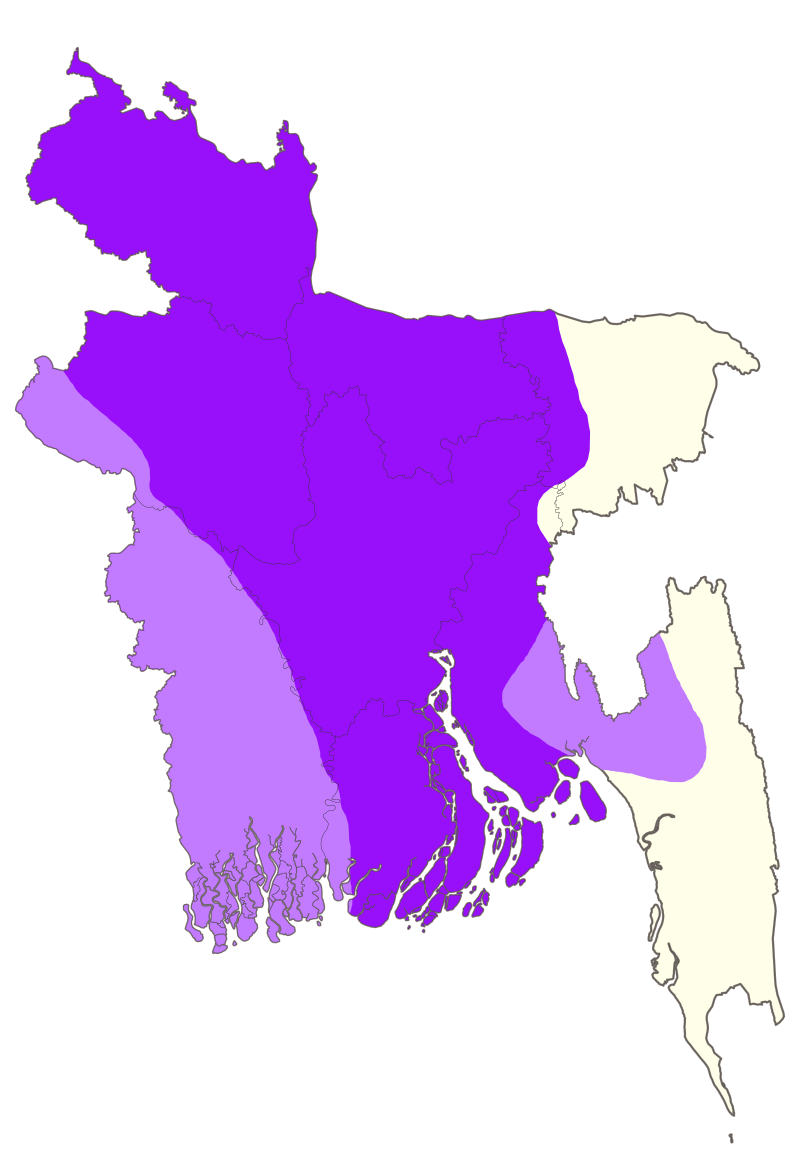
Wing-shaped ridge ends, often loosely resembling a bird or butterfly, are widespread in Bangladesh but are notably absent in the north-east and south-east of the country.
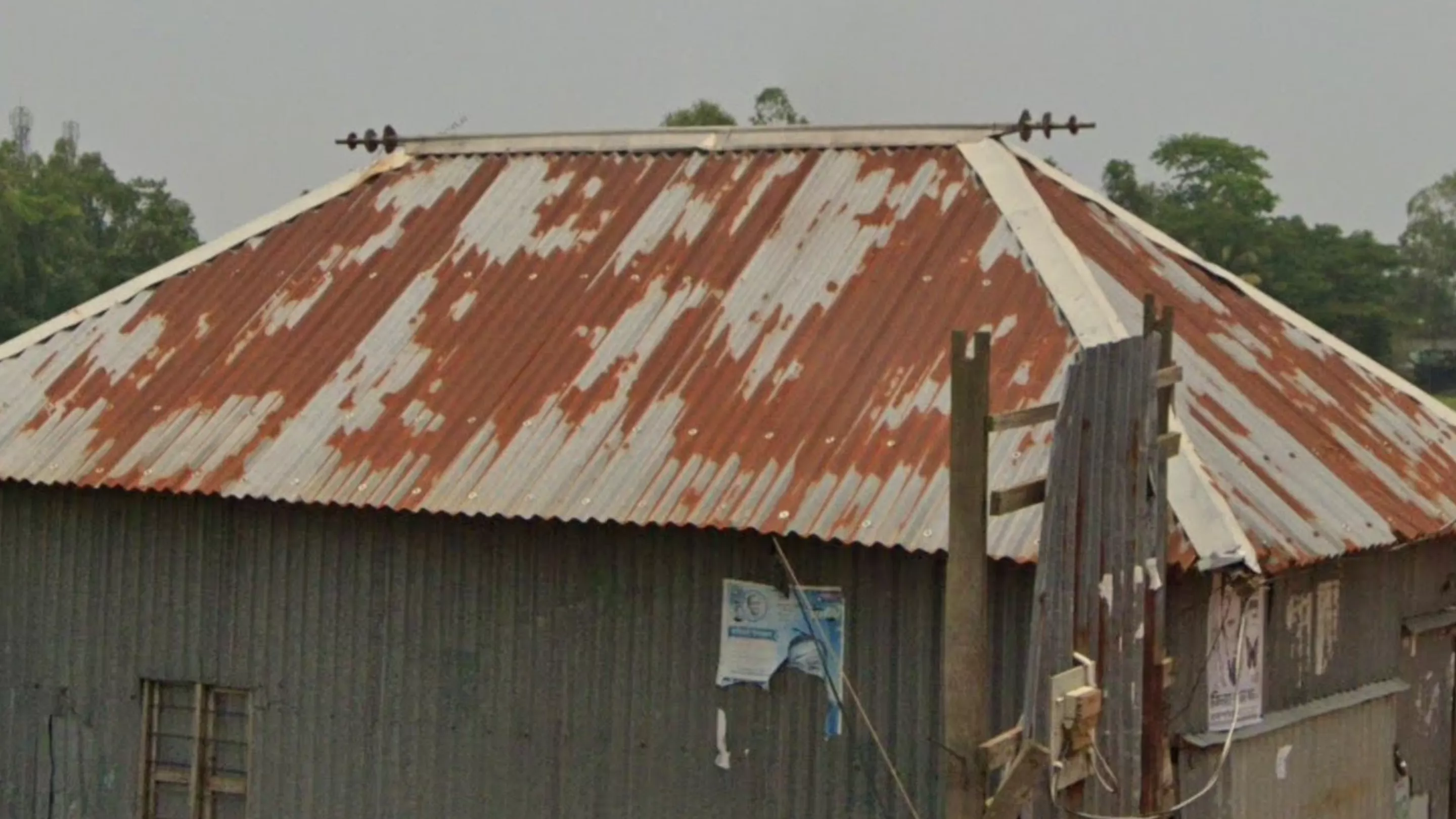
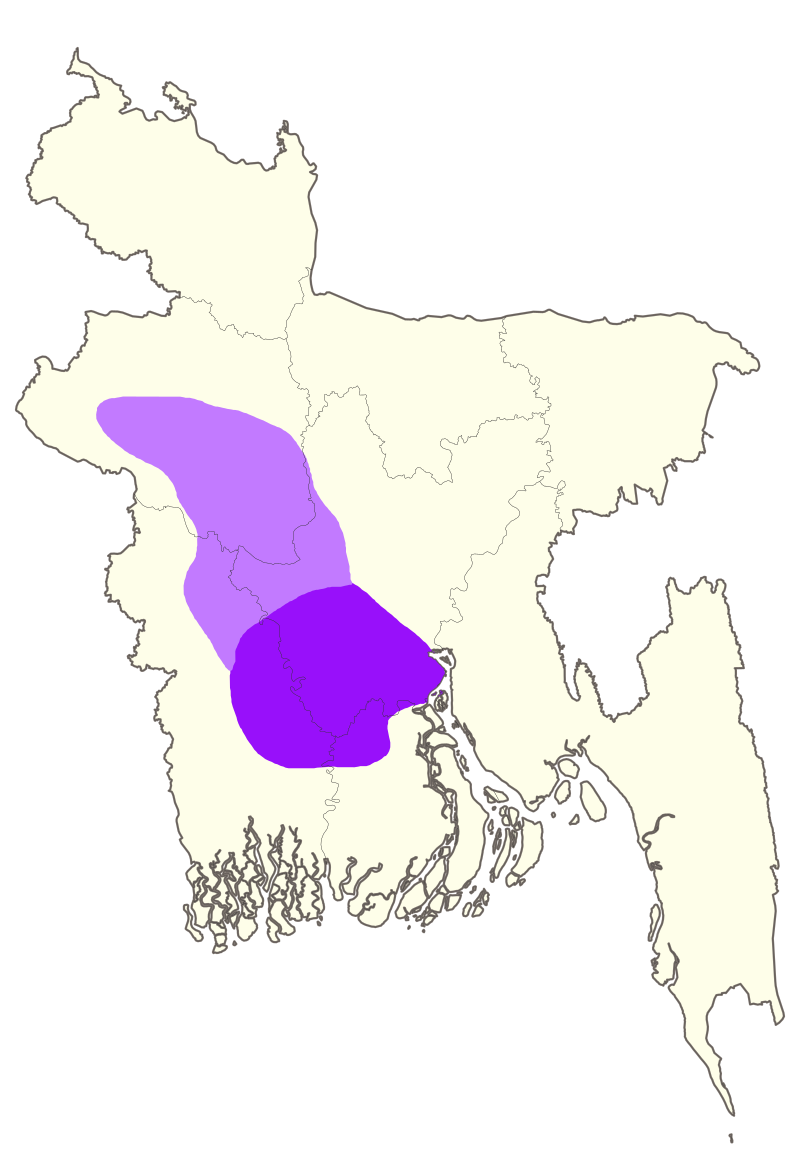
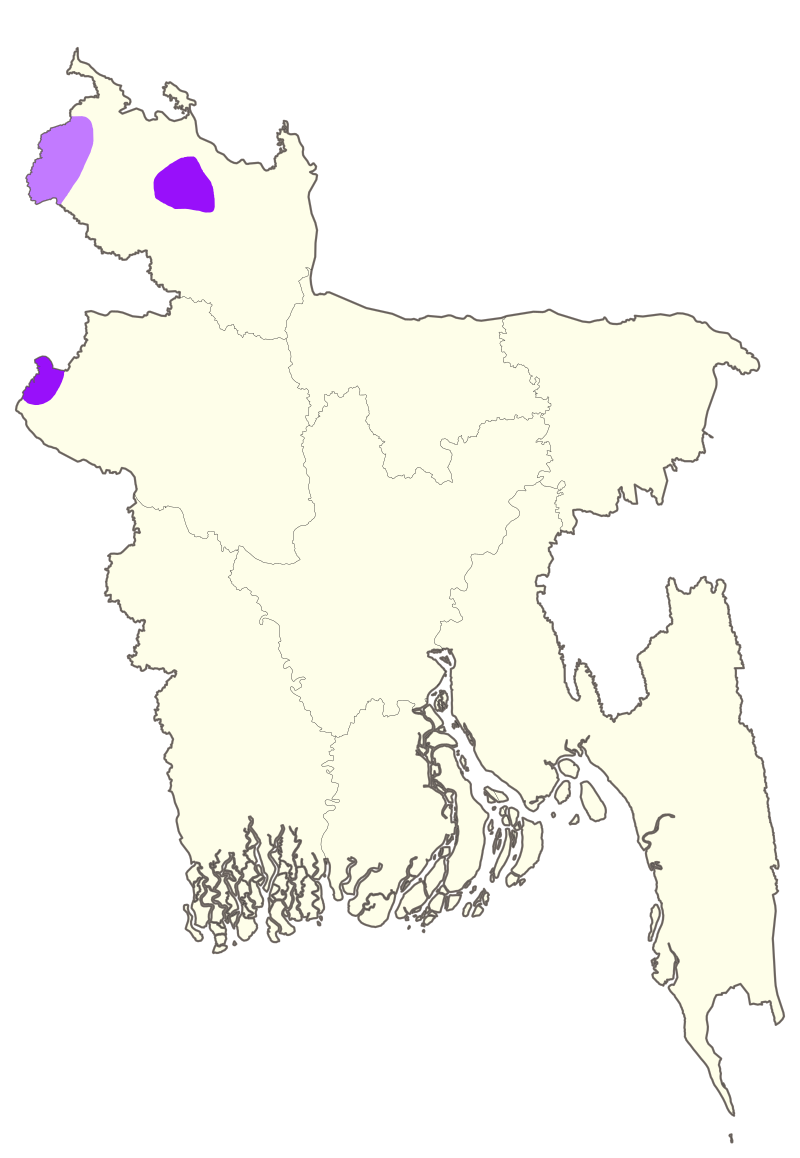
Ridge ends with a long point with one or more disc-shaped adornments feature prominently in Dhaka division, predominantly in the region south of the Padma River. There is some spillover into bordering parts of Khulna Division and Barishal Division. A second significant pocket of these ridge ends is found in the south-east of Rajshahi Division.
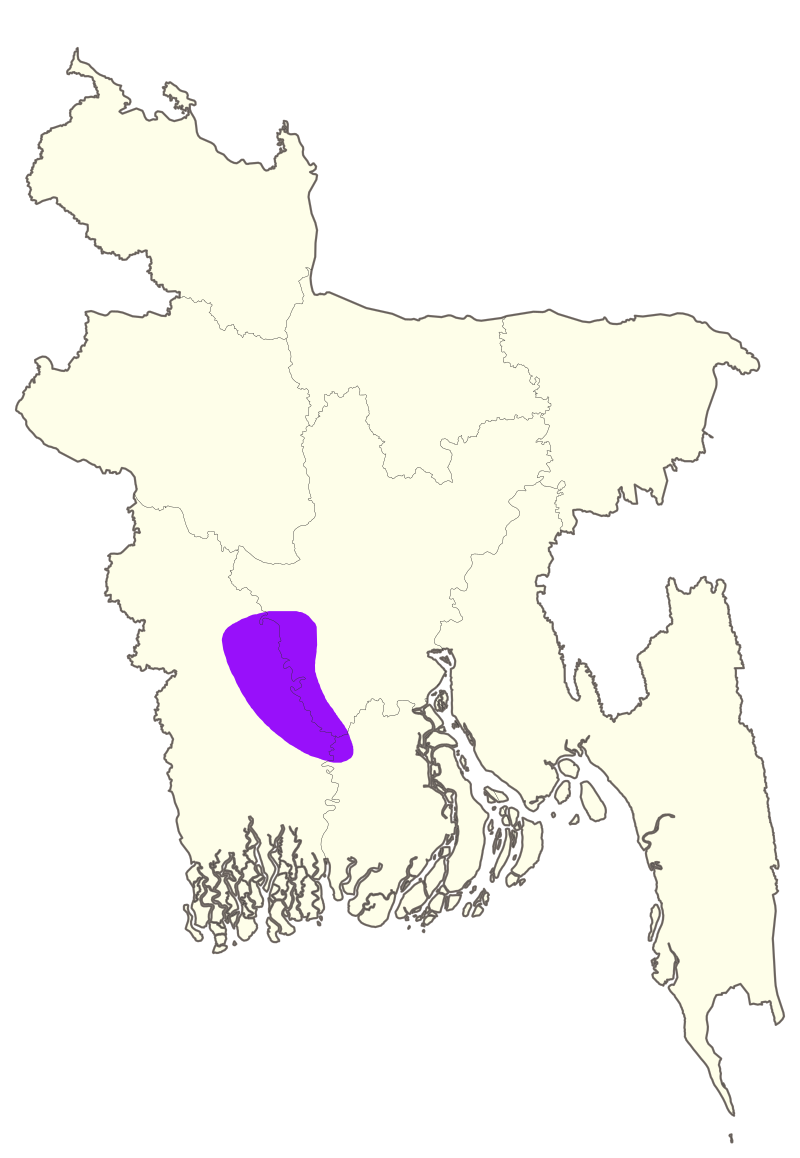
Harpoon-shaped ridge ends, ending in a long point and notched along the bottom, are found along the Khulna-Dhaka border. They are most concentrated just south of Magura.
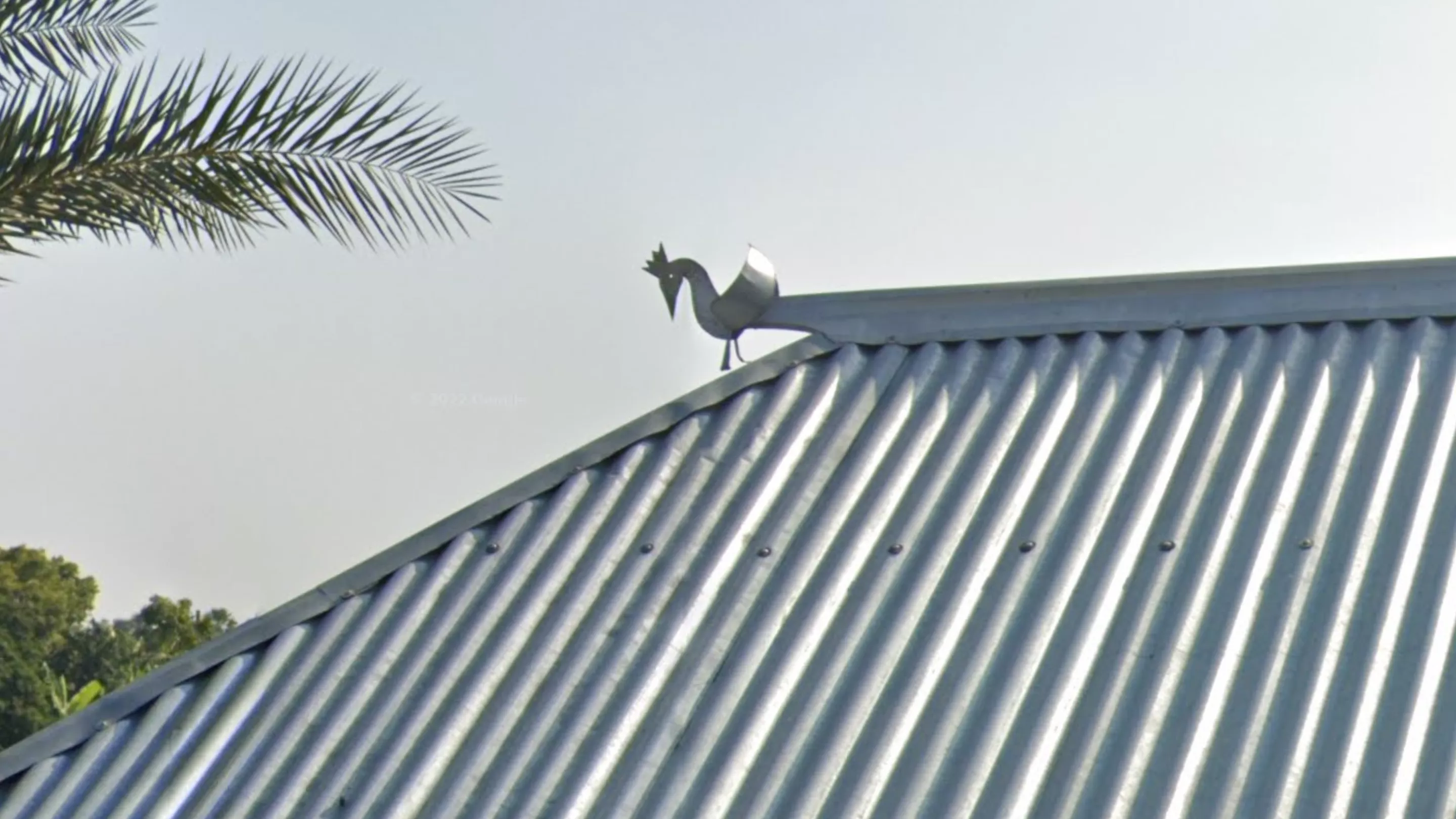
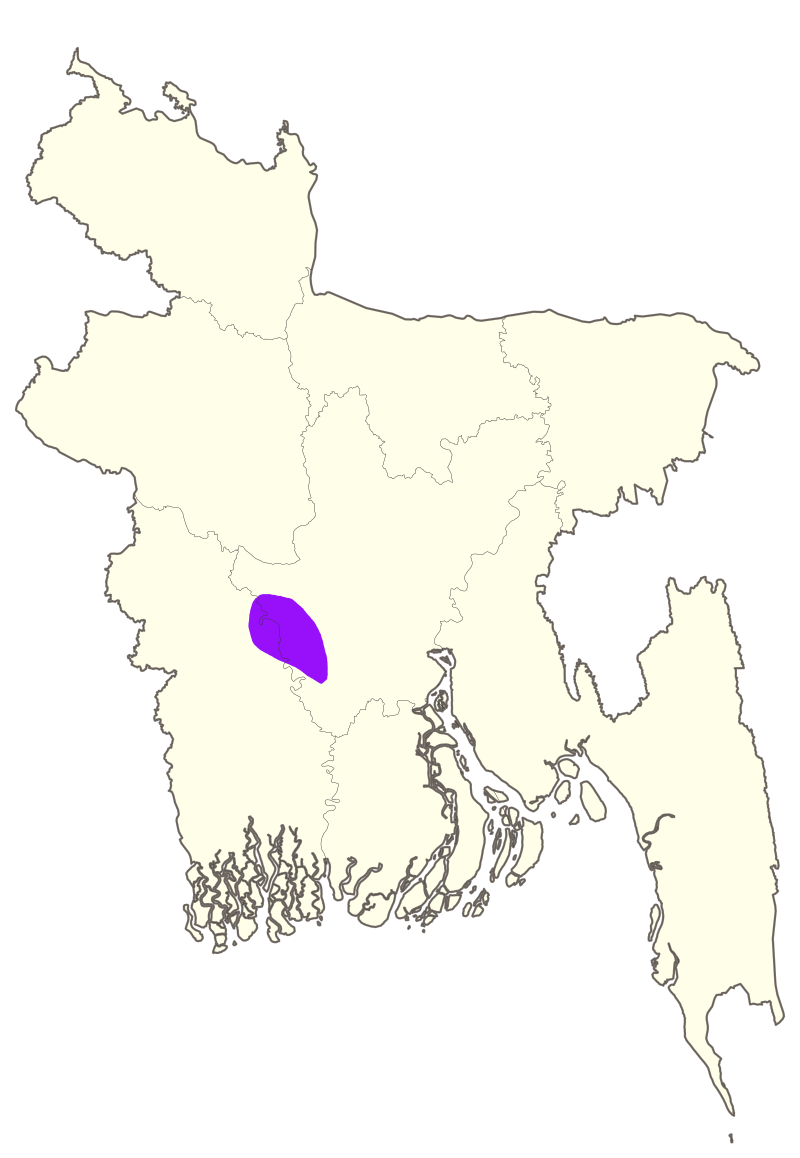
Bird-shaped ridge ends can be found within Dhaka Division, south of Faridpur. There are a few different styles, but they always include distinct facial features such as a beak or eyes, and not just wings and a point for the head. To be a reliable clue, the bird’s head should be facing outward, away from the house; inward-facing counterparts appear sporadically in other regions.
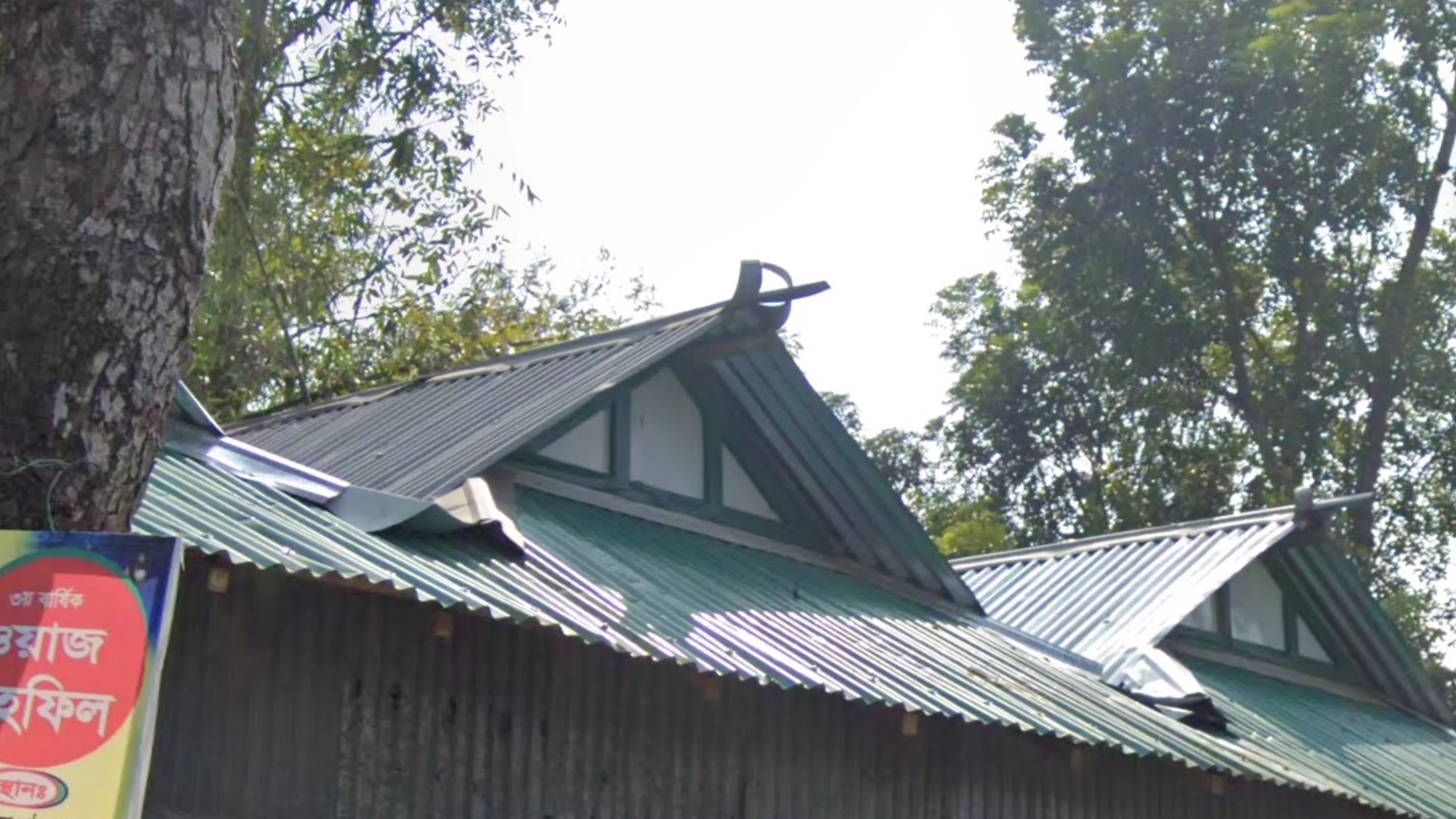
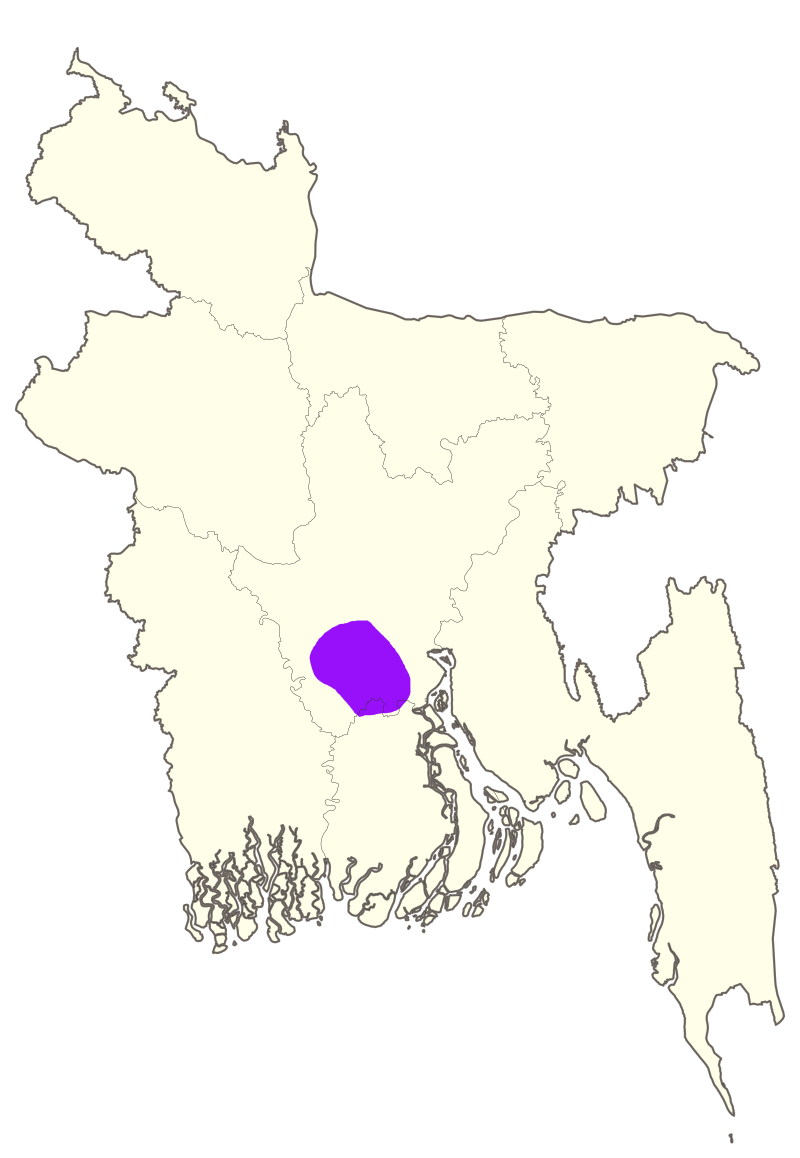
Twisted loop decorations about a pointed ridge end sometimes feature on roofs south of the Padma River in Dhaka Division. When viewed up close, they usually appear to be formed from two thin ‘wings’ twisted backward and touching at the points.
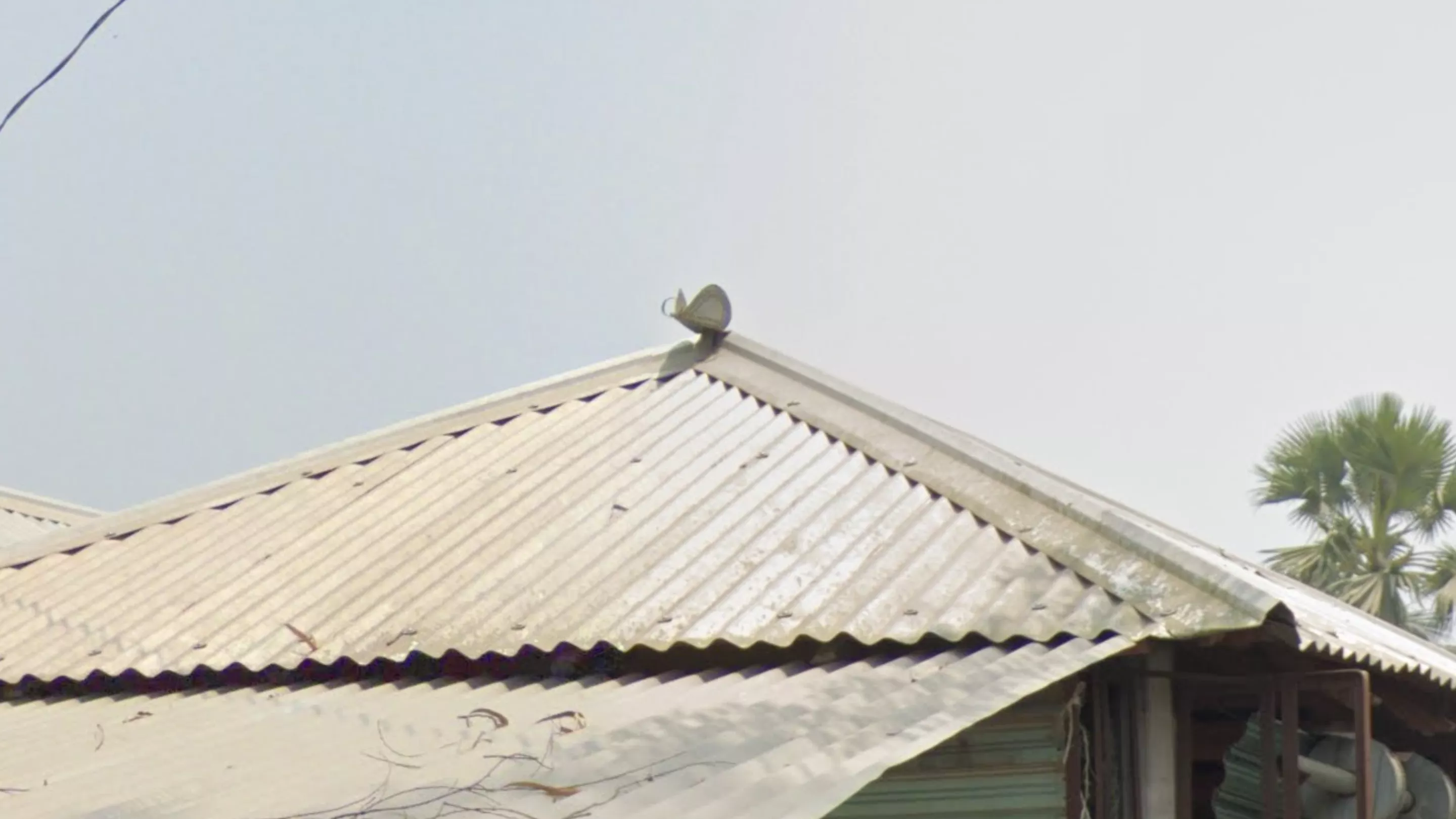
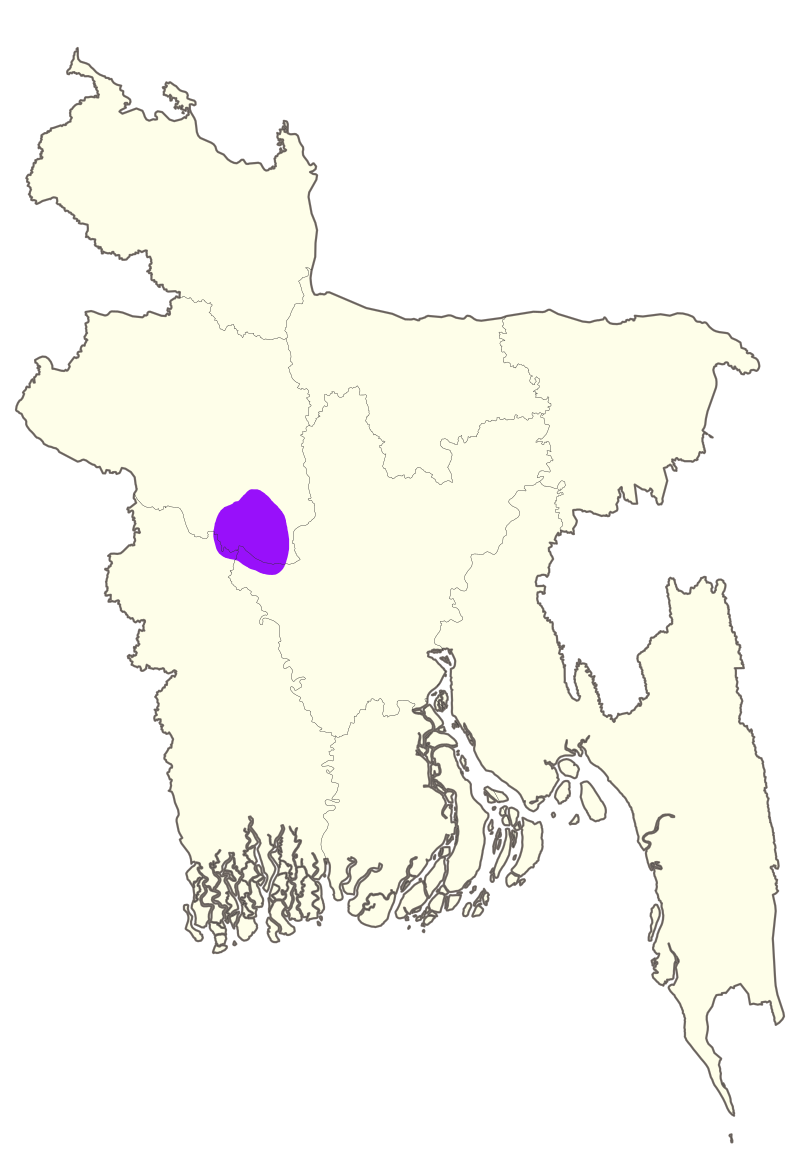
‘Taco’-shaped ridge ends with rounded, symmetrical wings often feature on roofs on both sides of the Padma River, just west of its confluence with the Brahmaputra River.
Fences
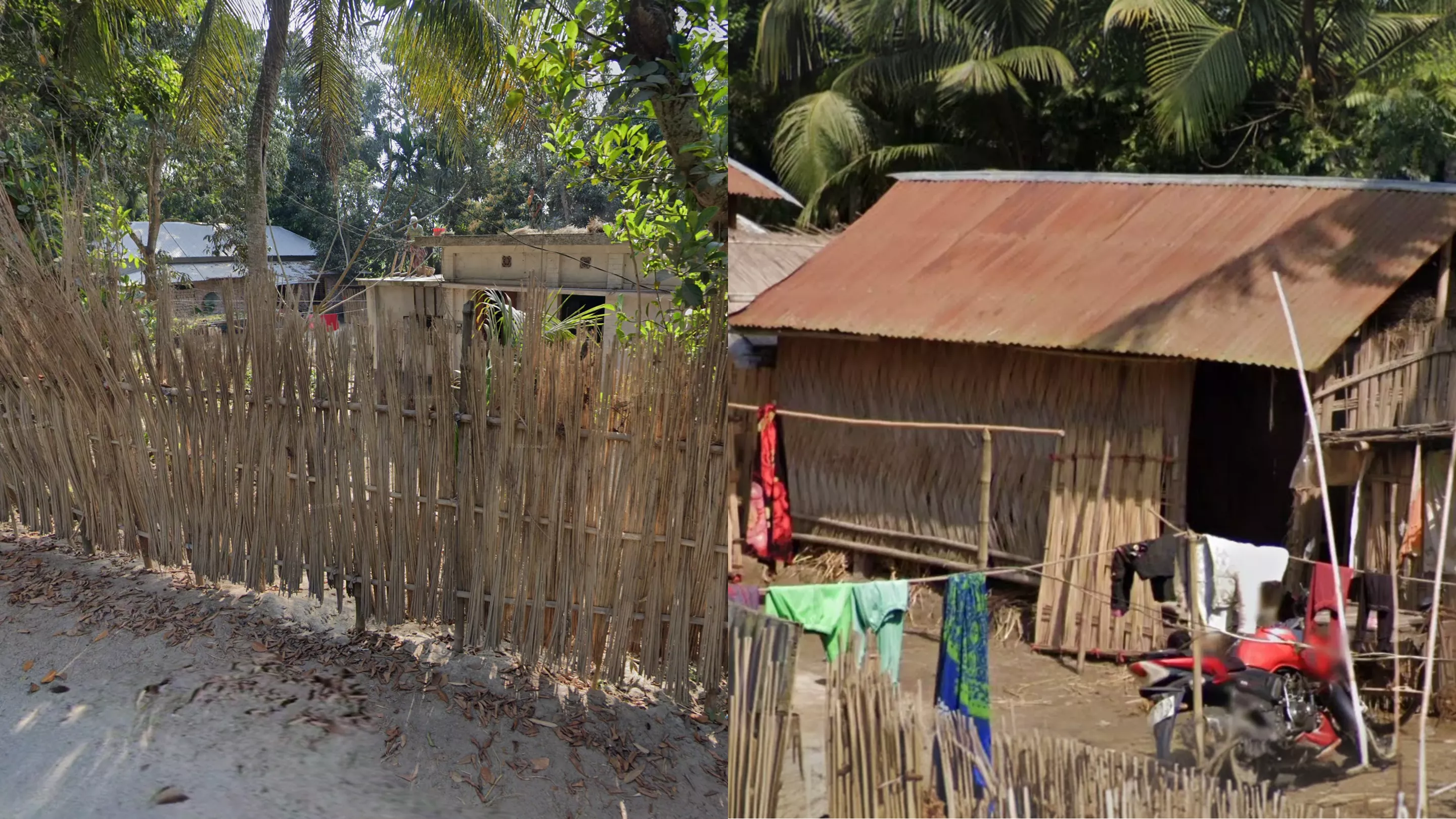
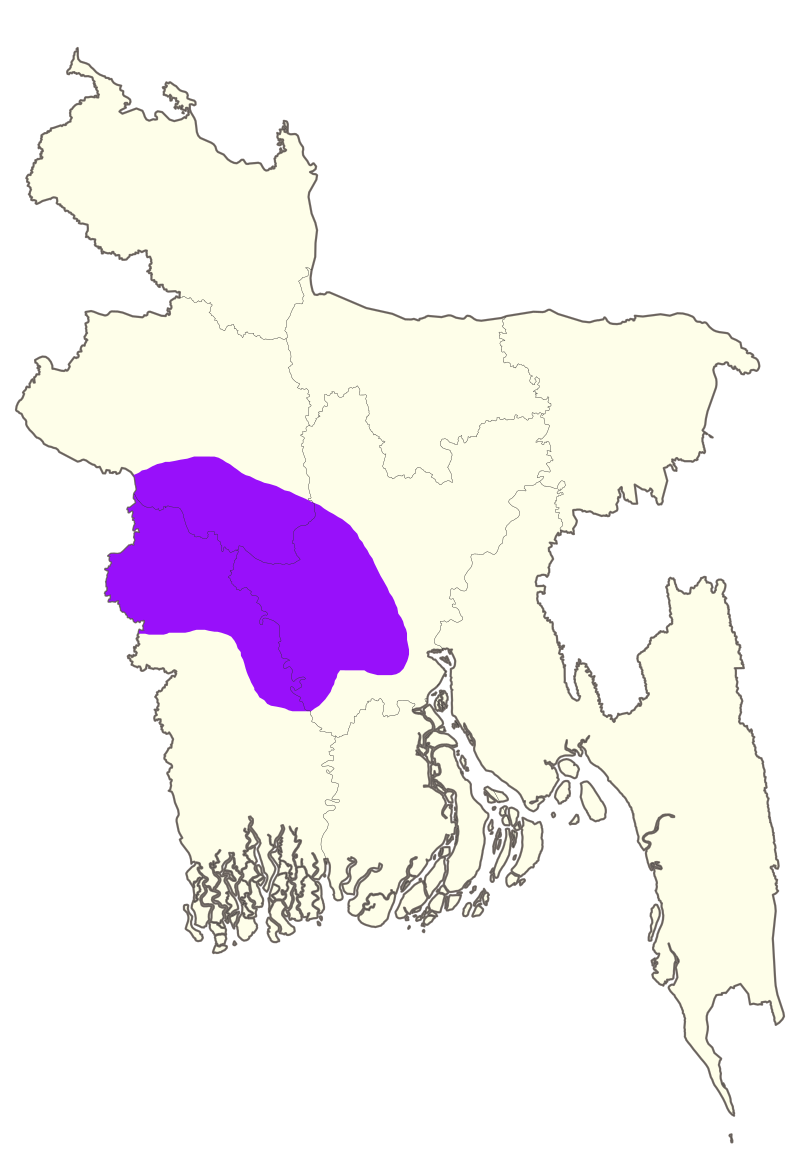
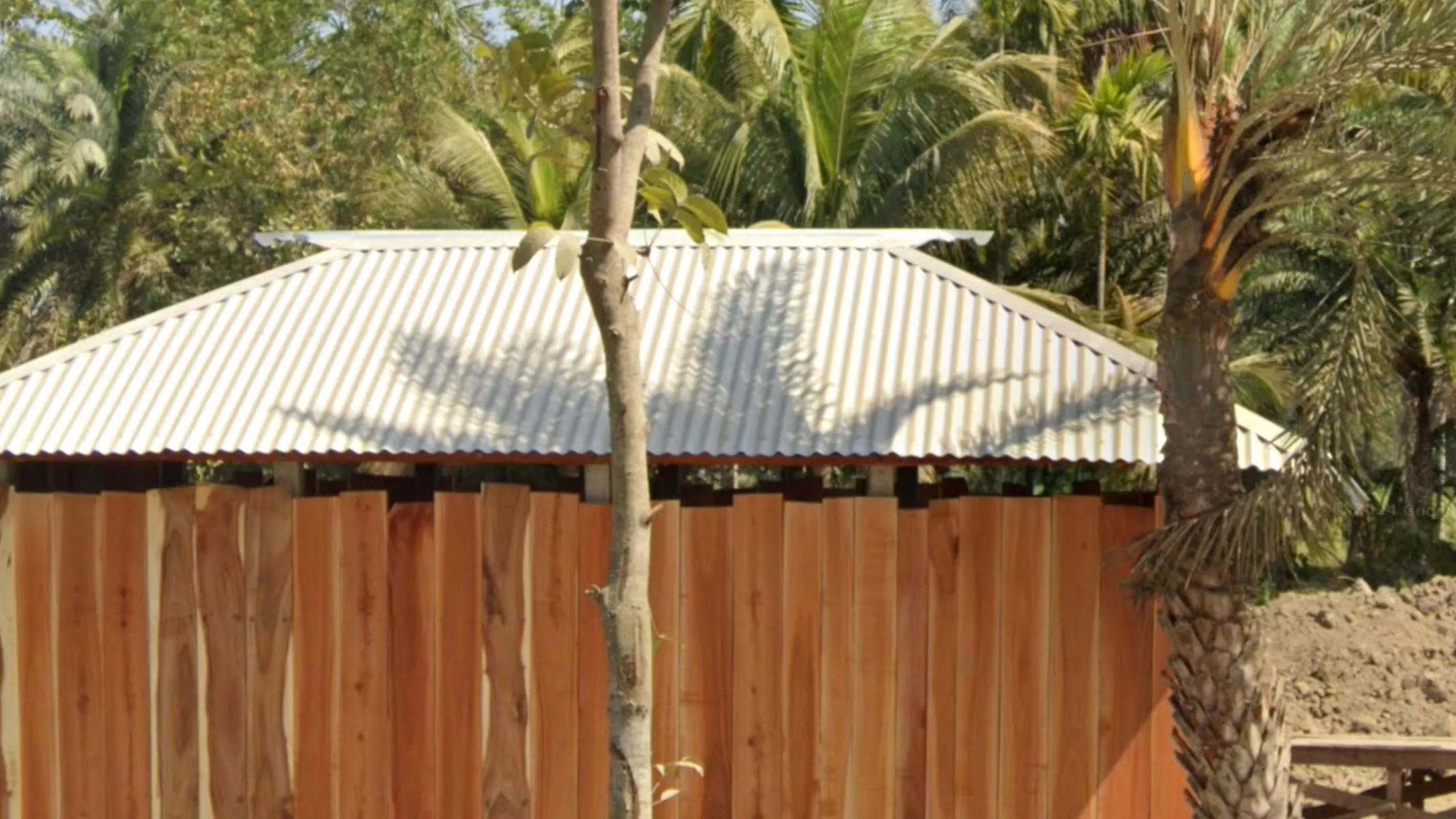
Fences made from loosely woven bundles of jute are mostly found south of the Padma River, especially in Dhaka Division. The tops can be left uneven or neatly trimmed. Occasionally other structures, such as sheds, feature walls with the same construction.
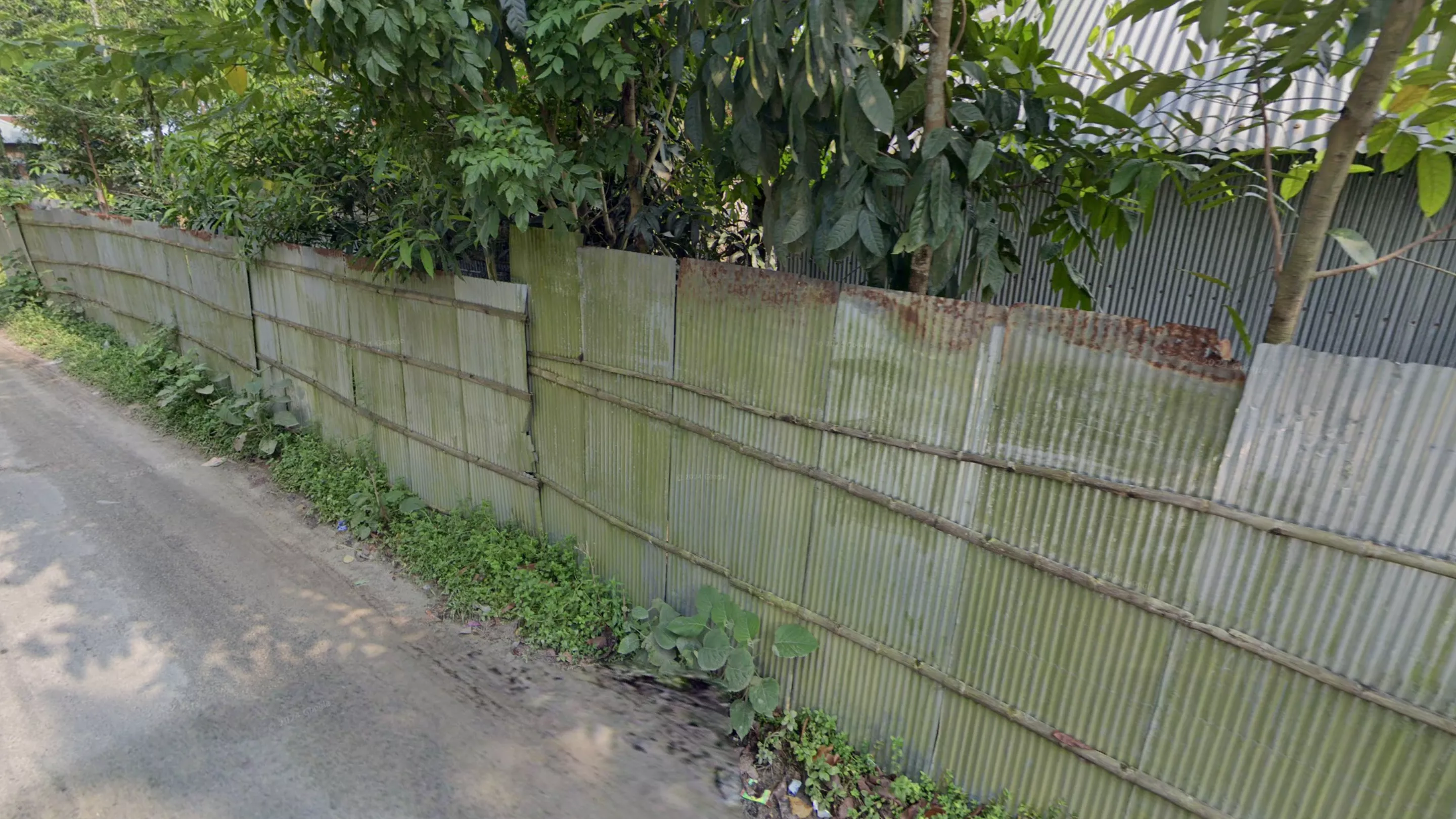
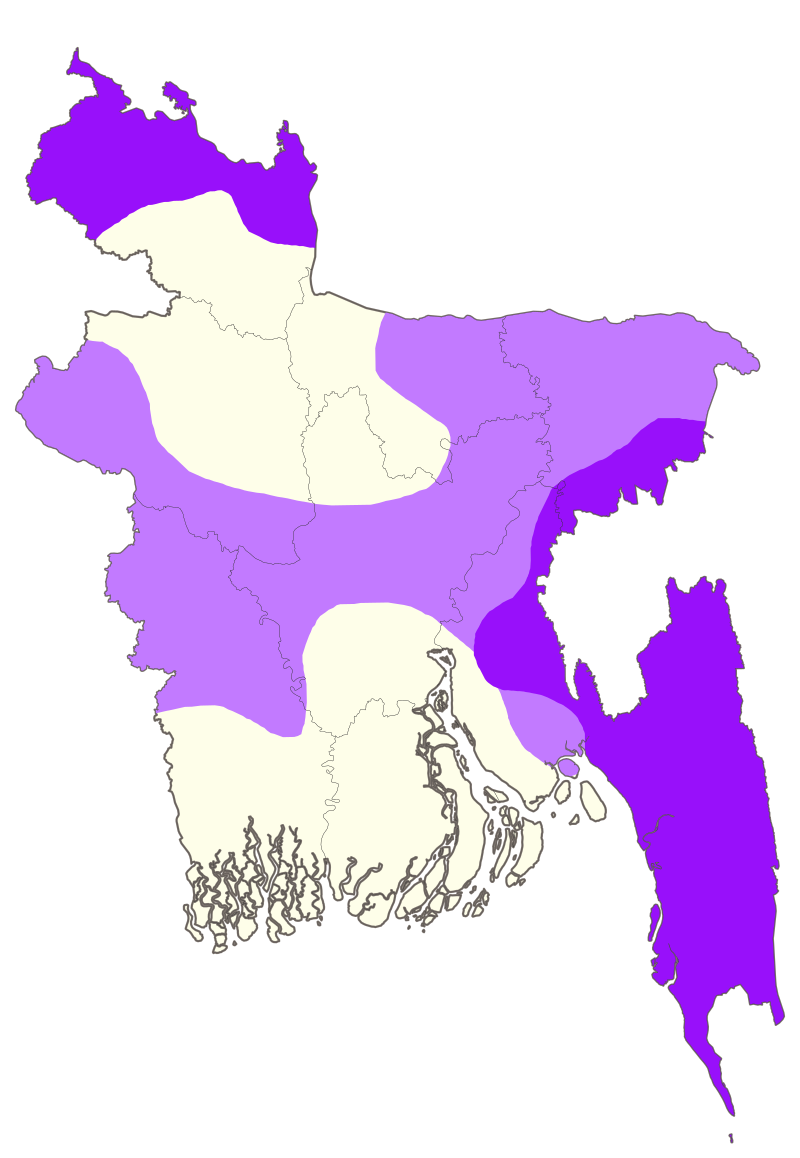
Fences made from corrugated metal sheets with horizontal bamboo stick supports can be found in all divisions of Bangladesh, but are particularly common in Rangpur Division and Chittagong Division.
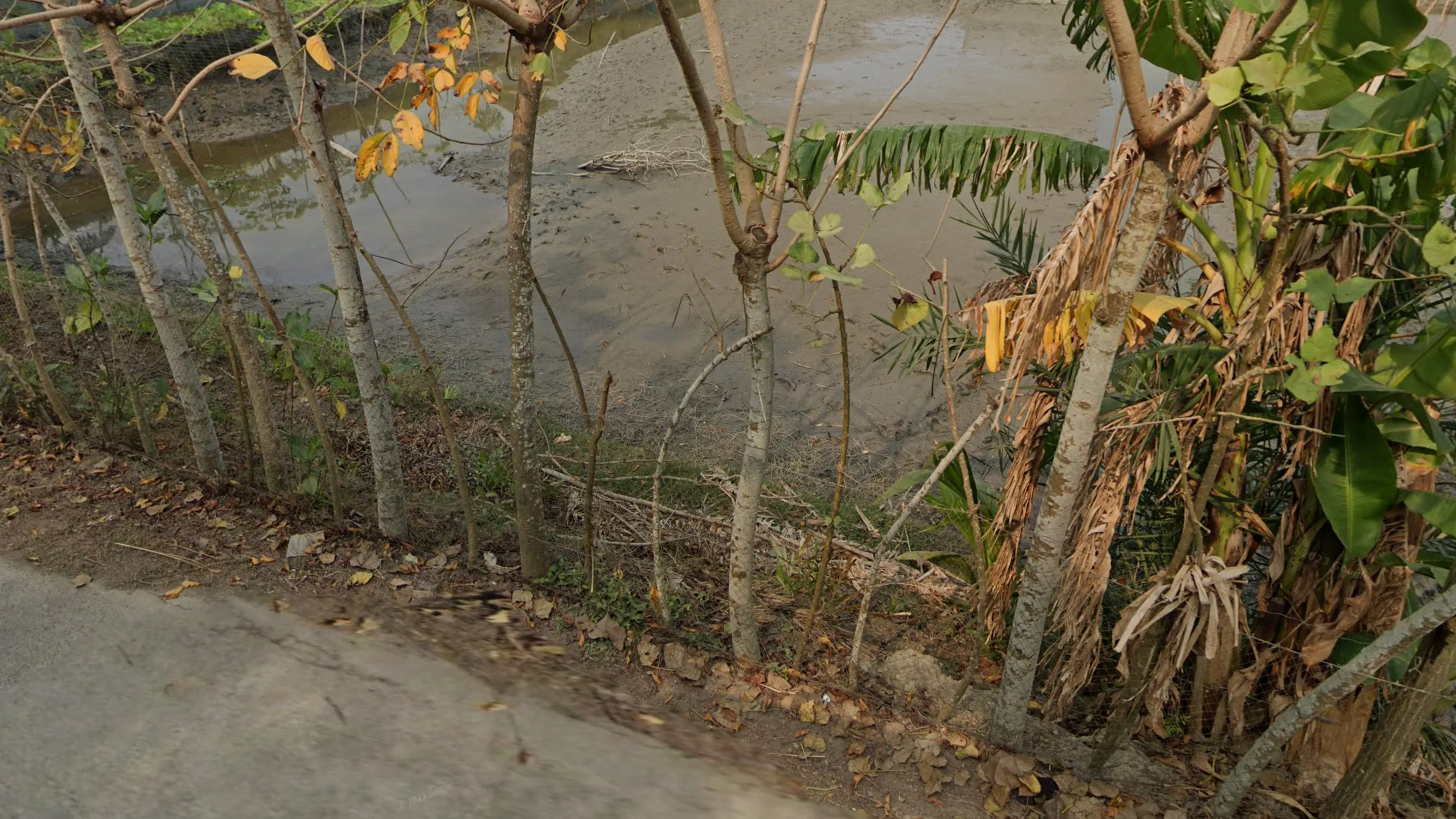
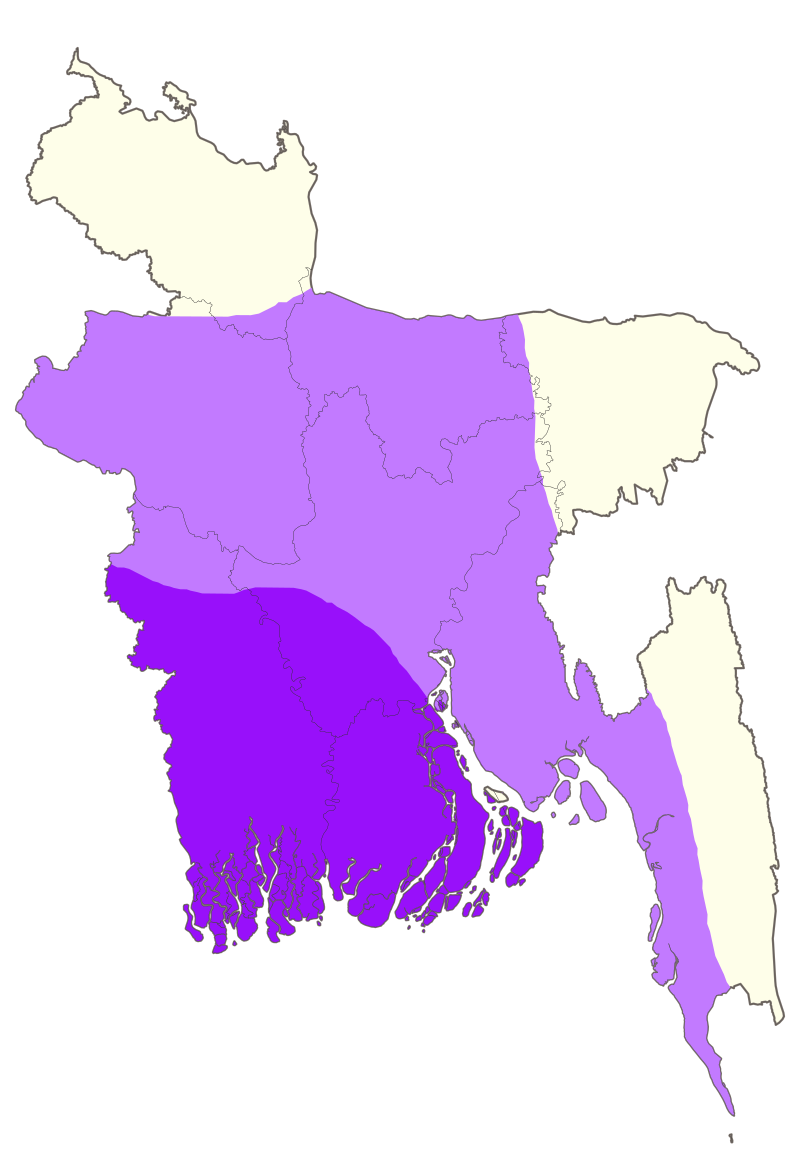
‘Living fences’ made partly from slender saplings (that sometimes look more like sticks) appear very frequently in the southern parts of Khulna Division and Barishal Division. They are found more rarely in other parts of Bangladesh.
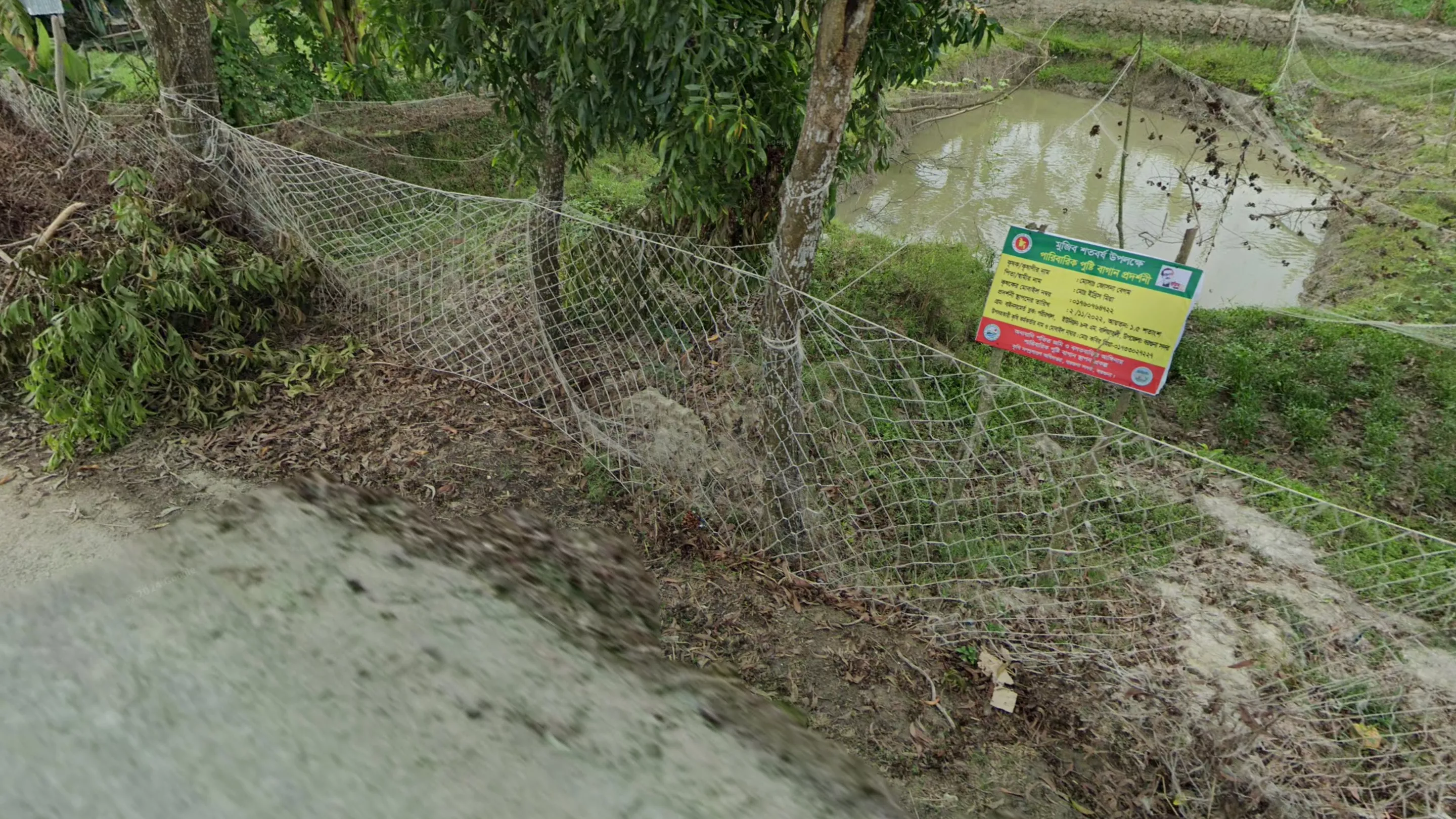
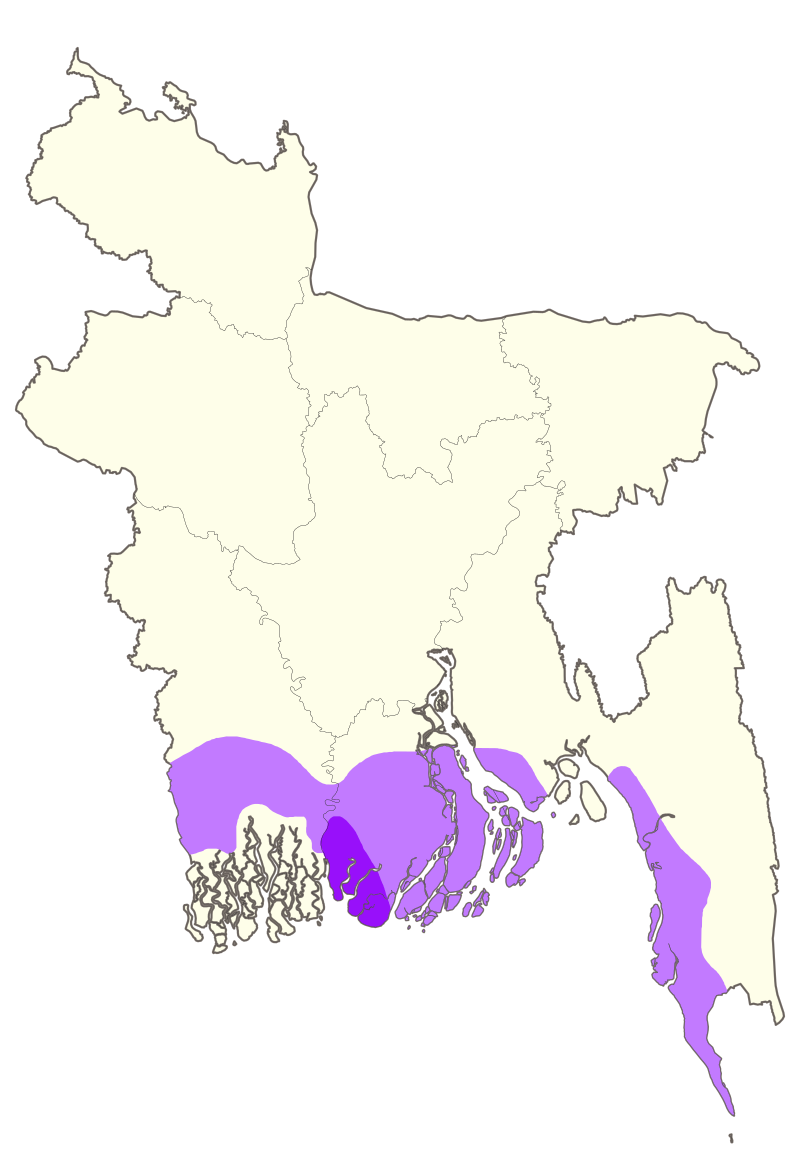
Fences made from white string netting appear with some regularity across south Bangladesh, particularly toward the southern tip of Barishal Division.
Be careful not to confuse these with wire fences and other types of net fencing such as the common blue mesh net fencing seen throughout the country.
Be careful not to confuse these with wire fences and other types of net fencing such as the common blue mesh net fencing seen throughout the country.
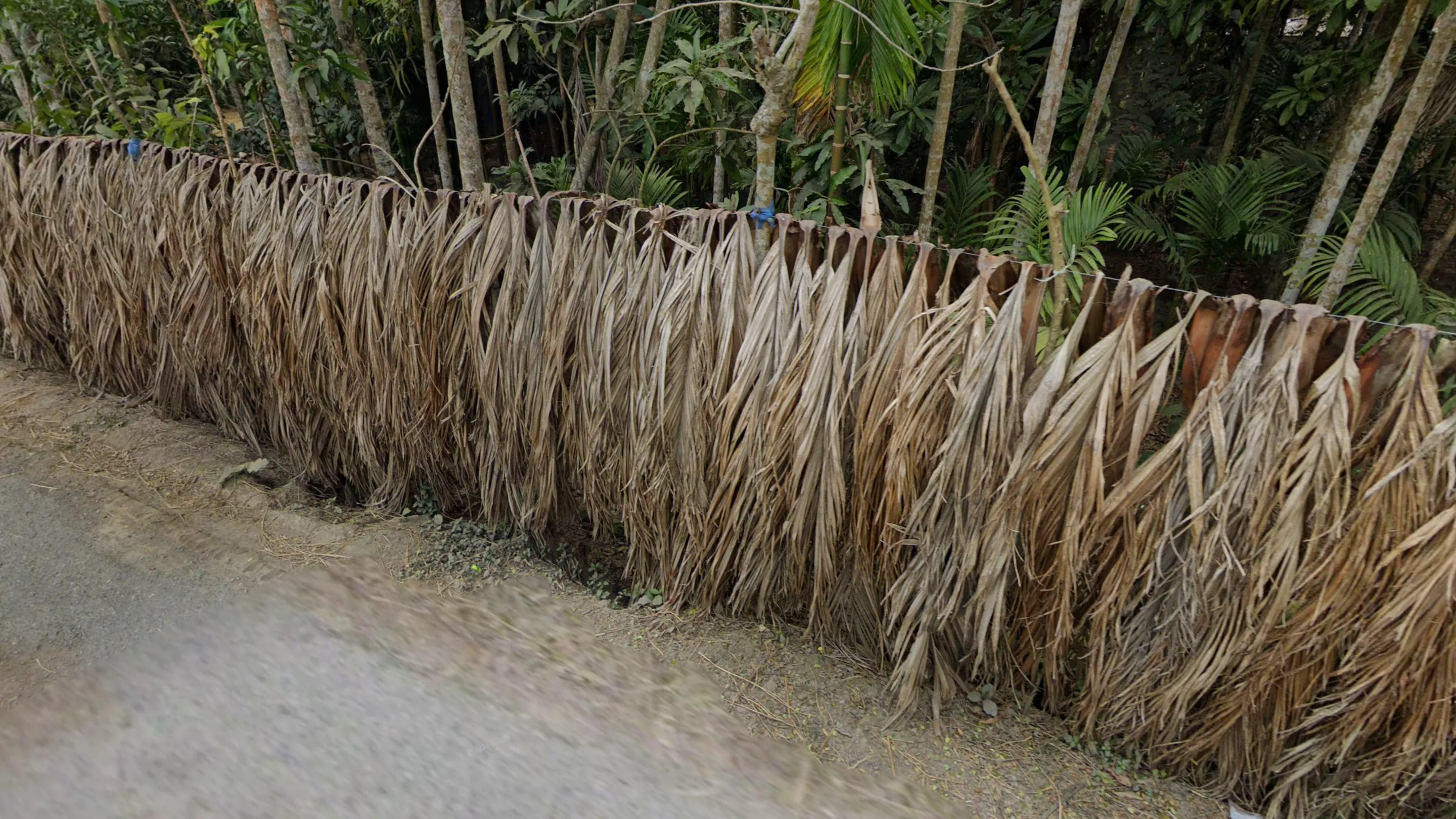
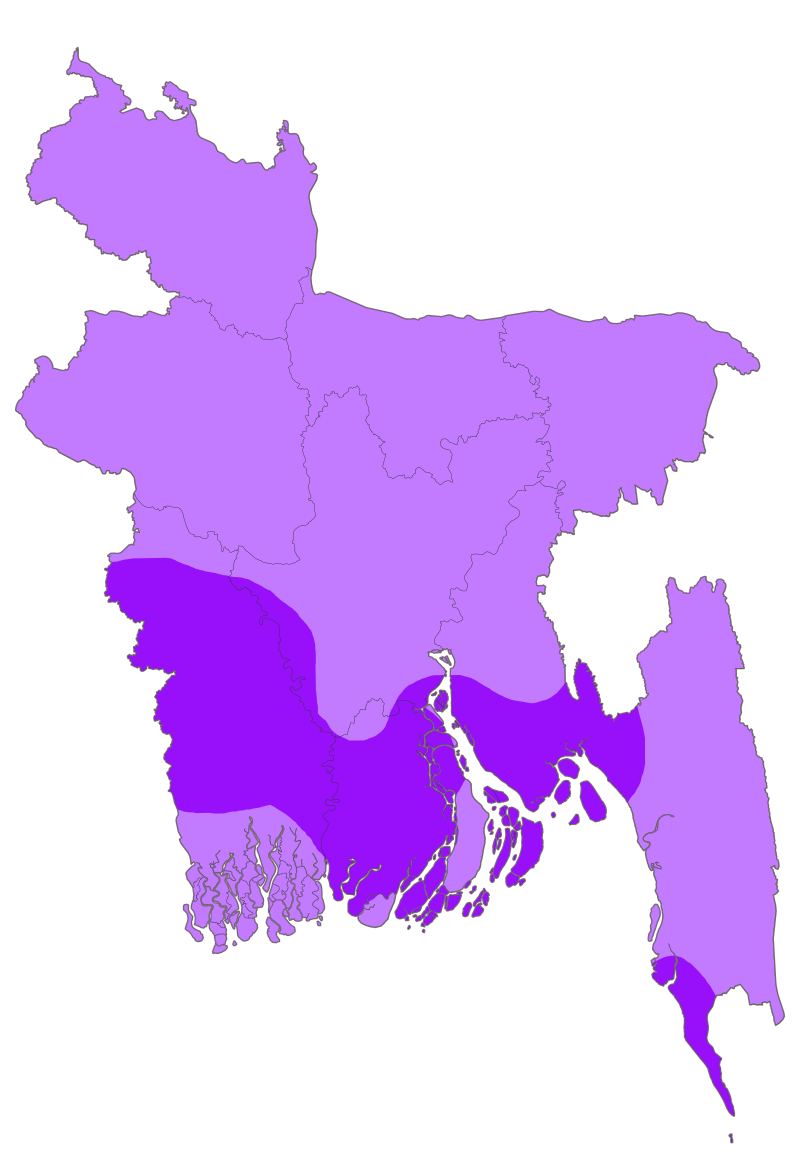
Strings of dried or drying palm fronds, which can serve as a fence or screen, are a common sight in much of Barisal Division and Khulna Division. However, they can occasionally be found in all parts of Bangladesh.
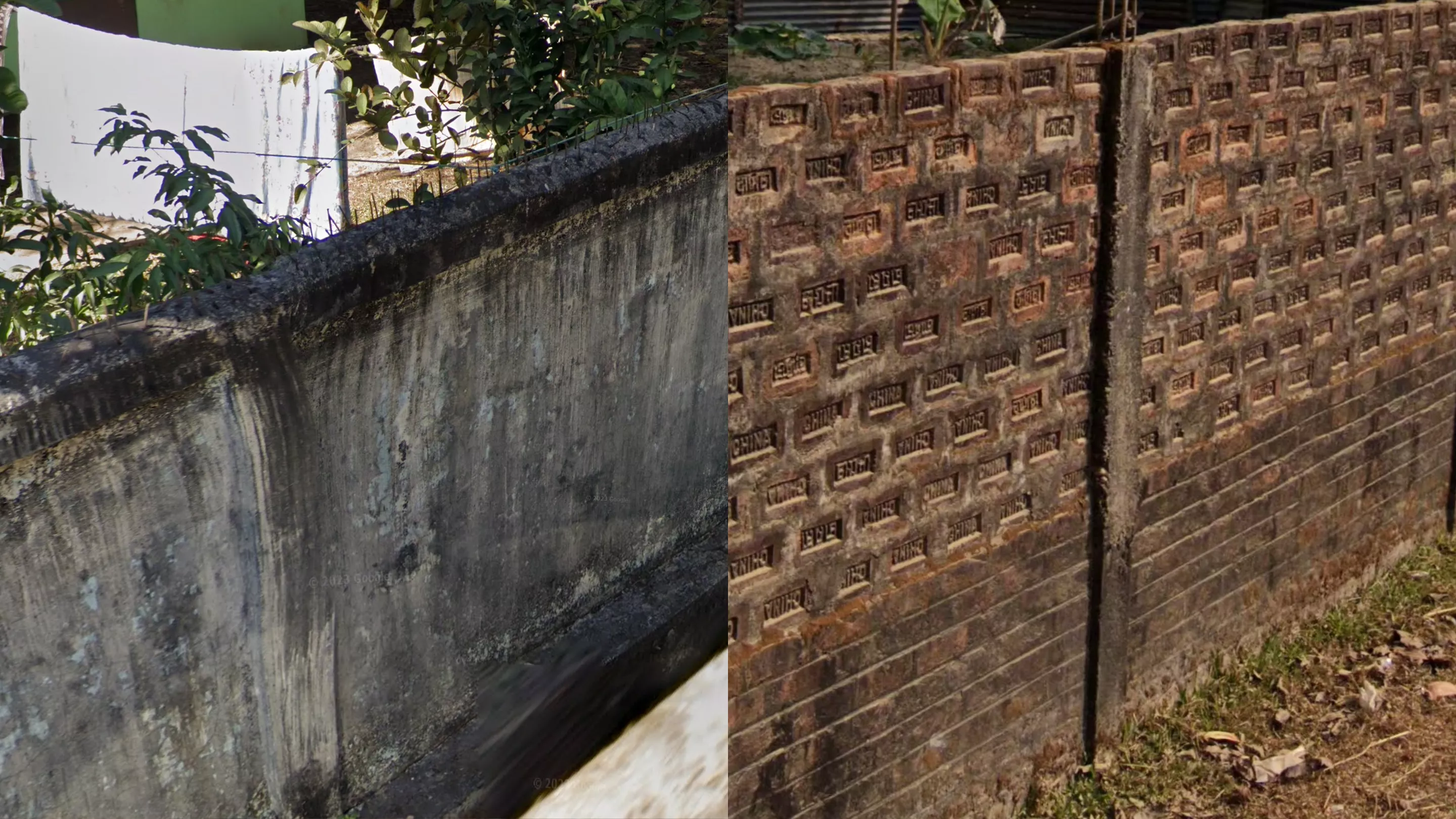
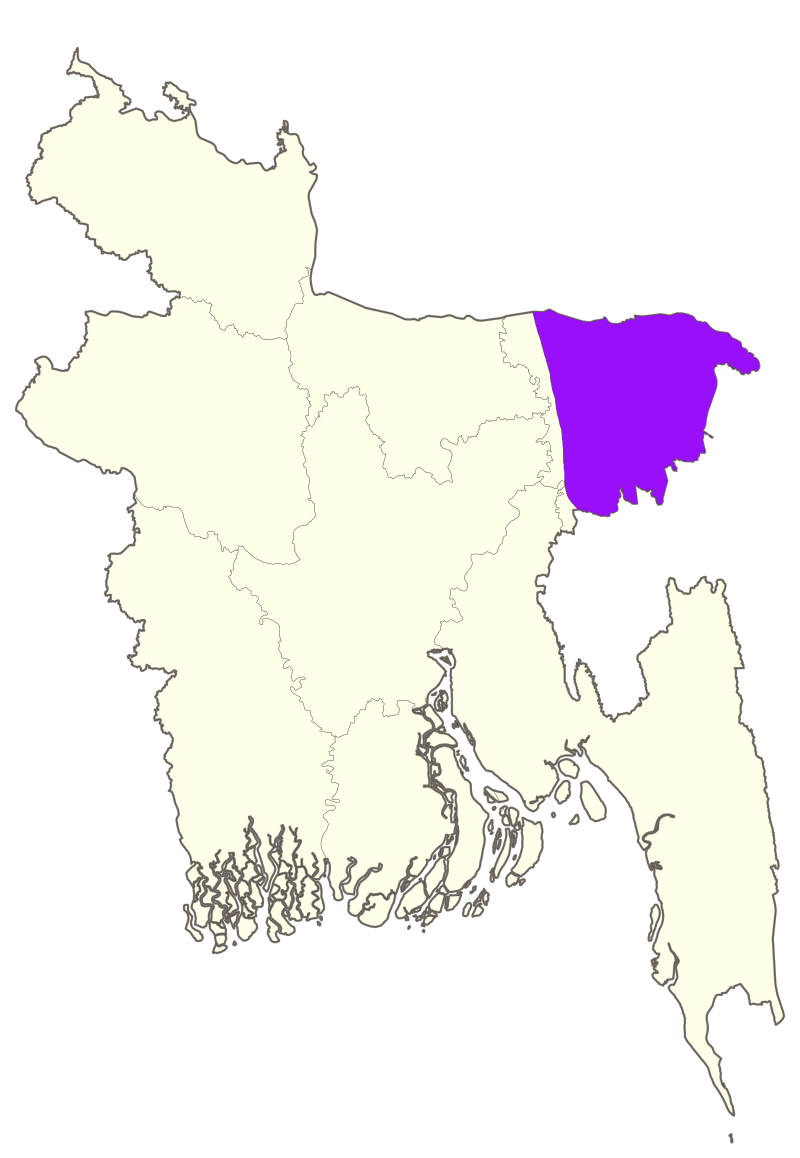
Around Sylhet it is very common to find smooth concrete walls with vertical ribs. Even more unique to Sylhet are walls made of bricks with text on them.
Miscellaneous
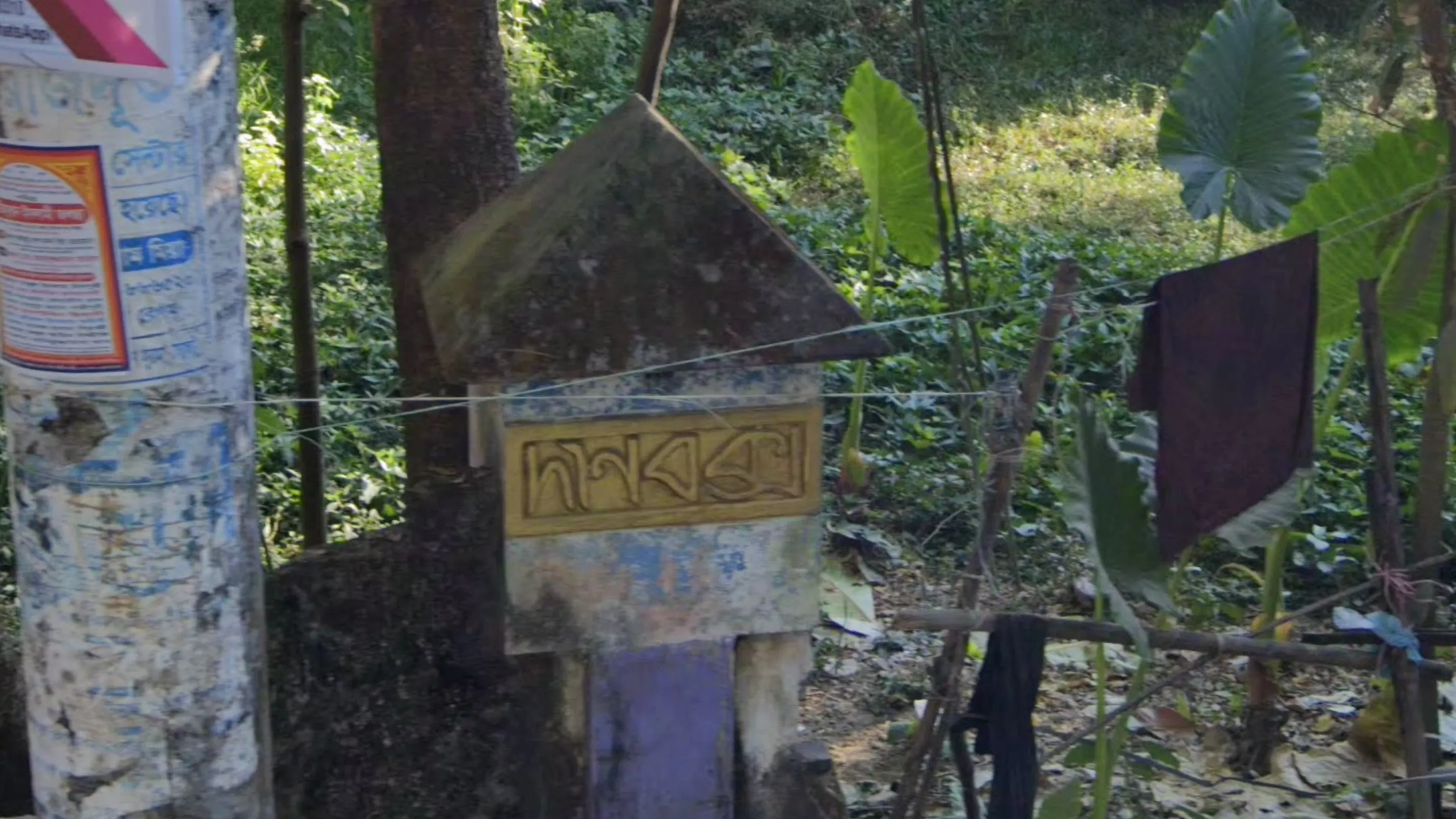
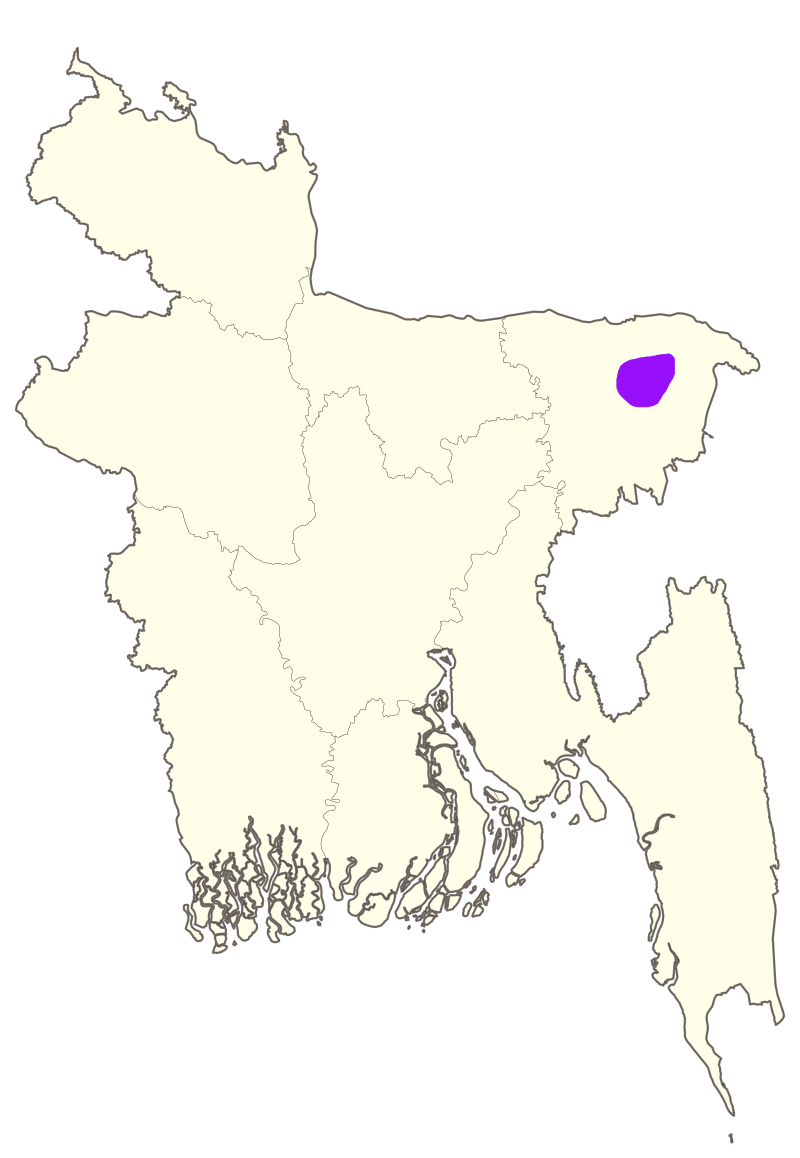
Around the city of Sylhet you can commonly find these small, stone house-shaped boxes which serve primarily as donation boxes for local mosques.
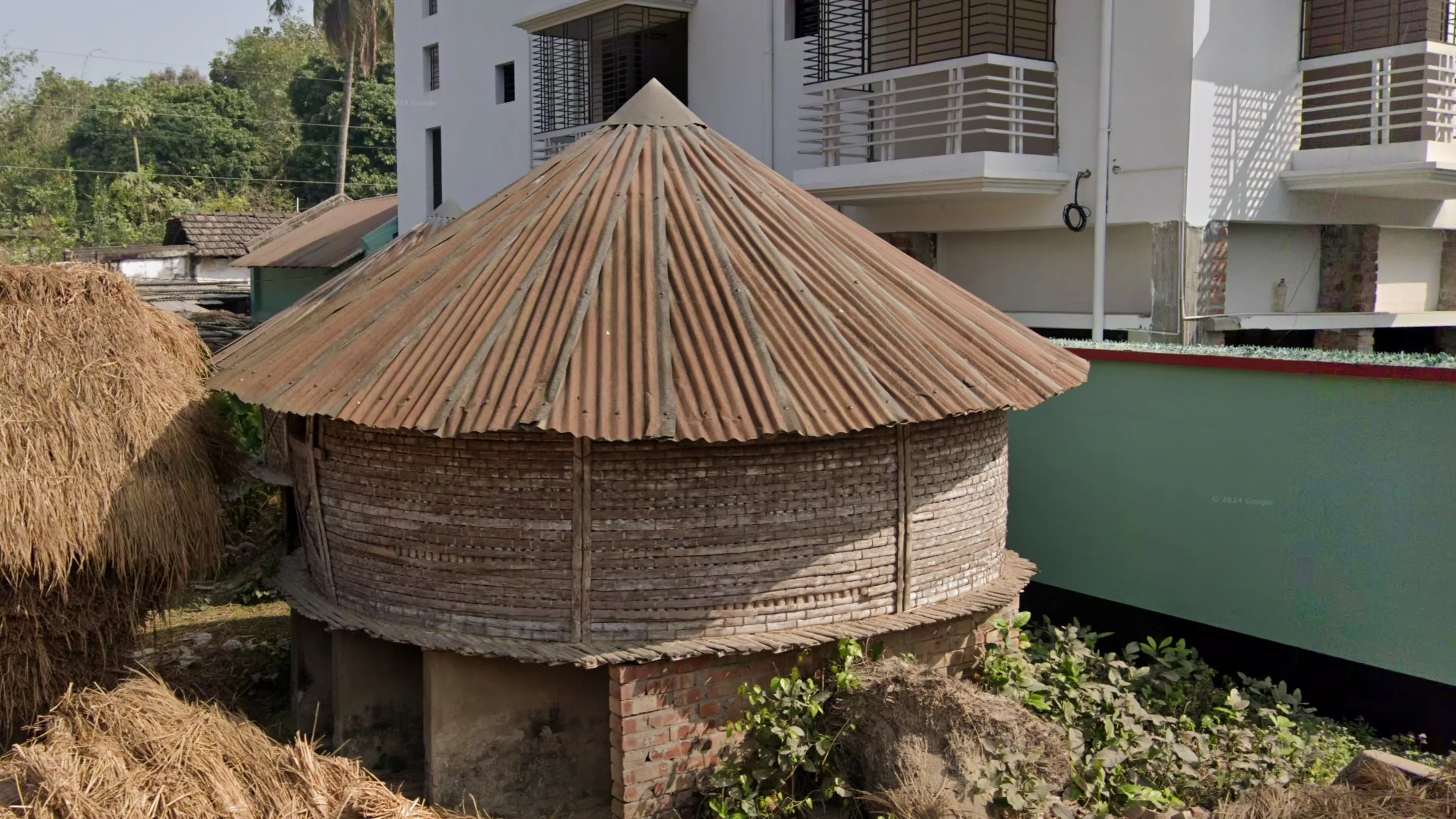
In western Khulna Division, you can find small circular granaries with conical metal roofs. The walls can be made of various materials, including brick, metal, or woven materials.
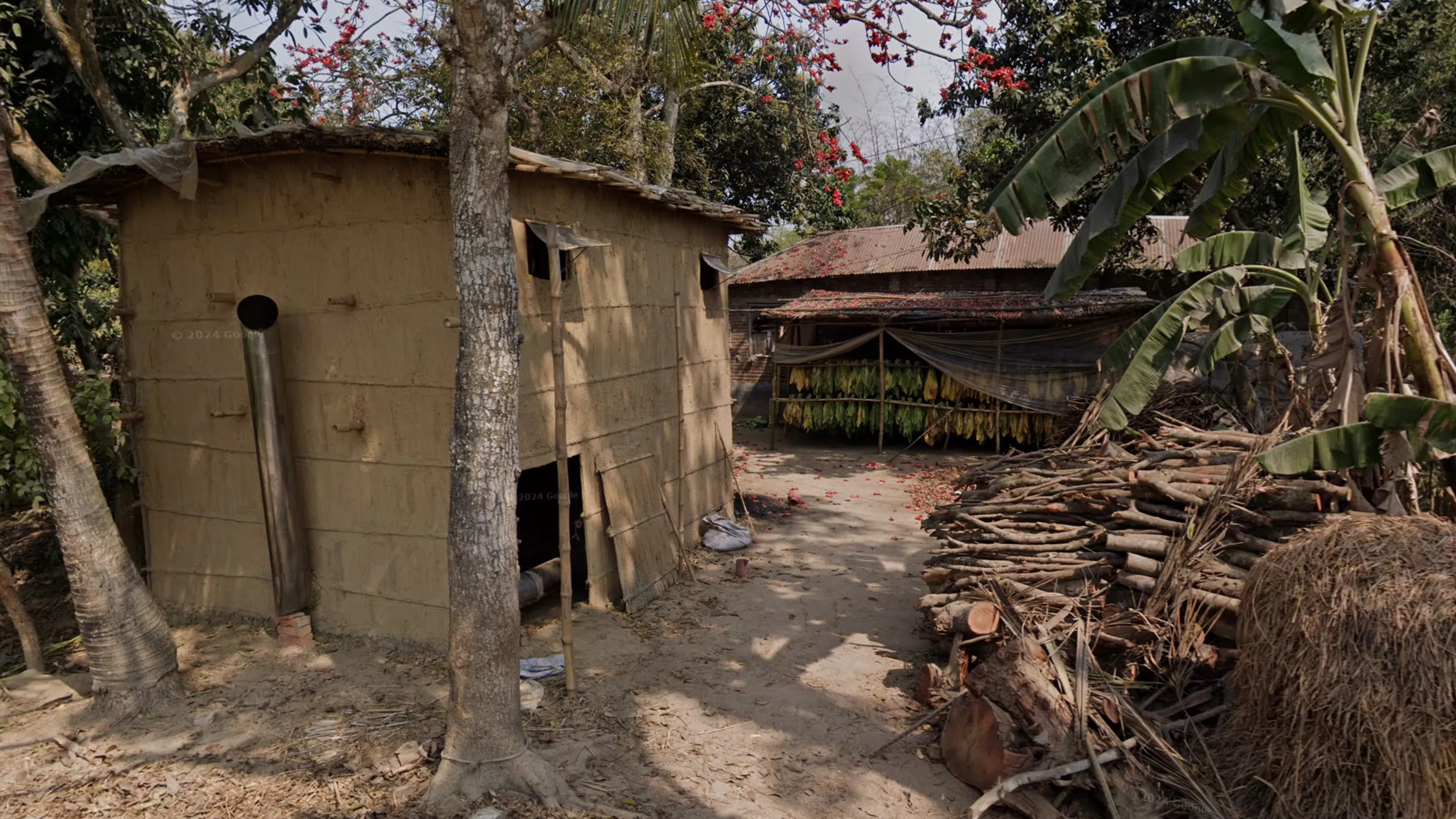
These straw and clay structures with vents and metal flues are used for curing tobacco leaves and are commonly found in the tobacco growing areas of northern Khulna Division. Tobacco leaves can often be seen hanging on racks nearby.
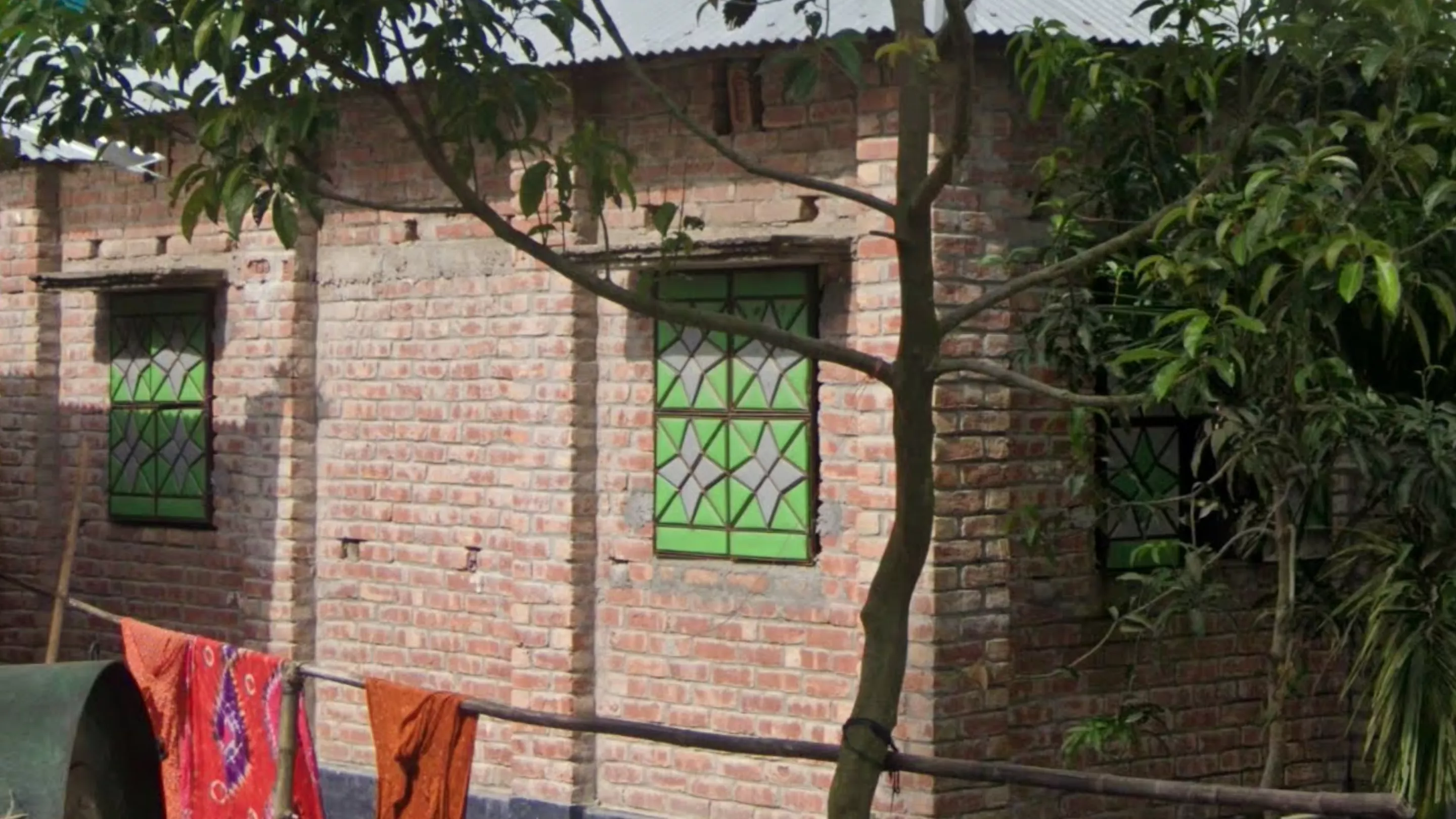
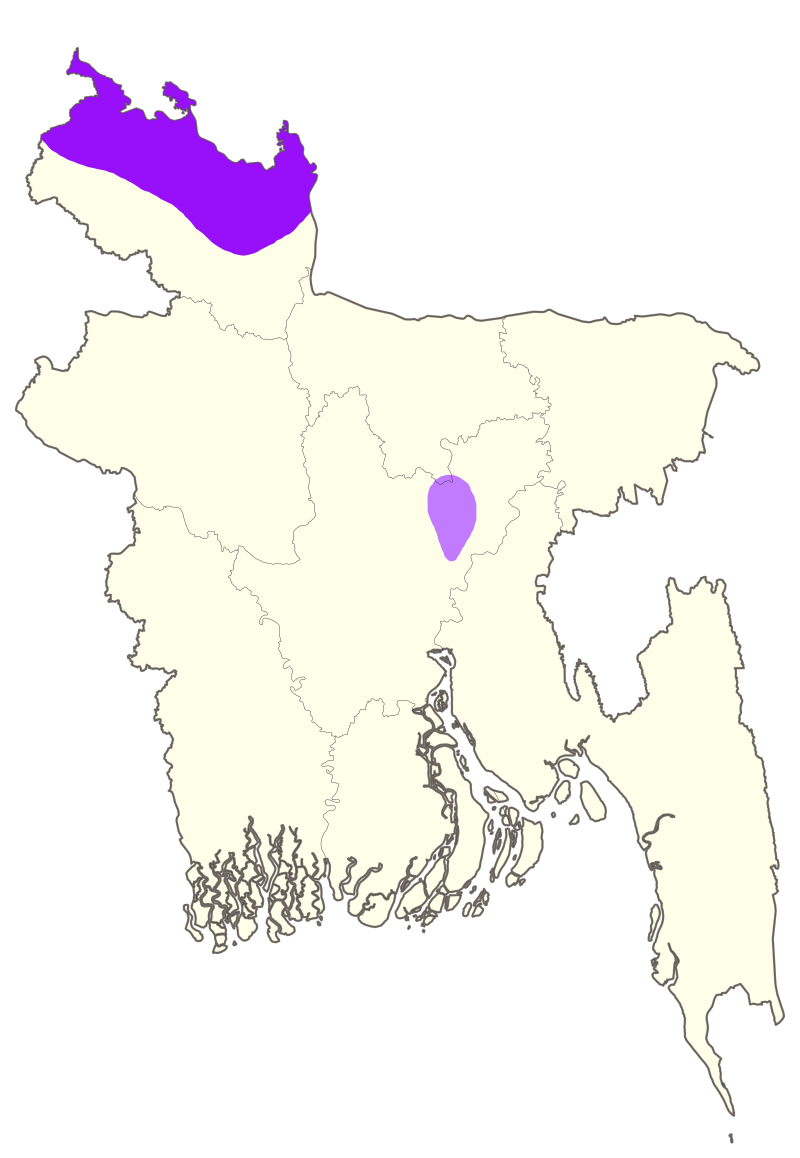
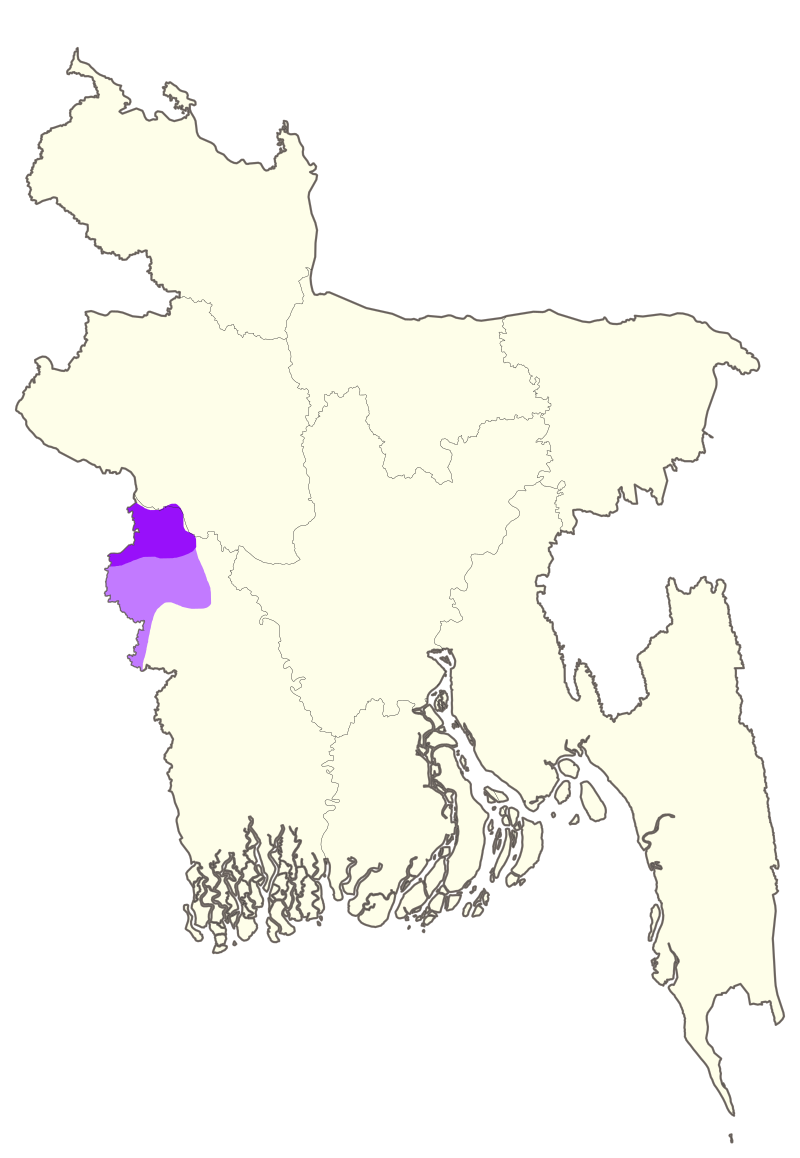
Closed metal shutters with patterns on them, usually coloured, are mostly found in the north-west of the country. Several patterns exist, but this diamond pattern is one of the most common and most reliable. Note that the same pattern is also quite common on metal doors in Gazipur District.
Infrastructure
Auto Rickshaws
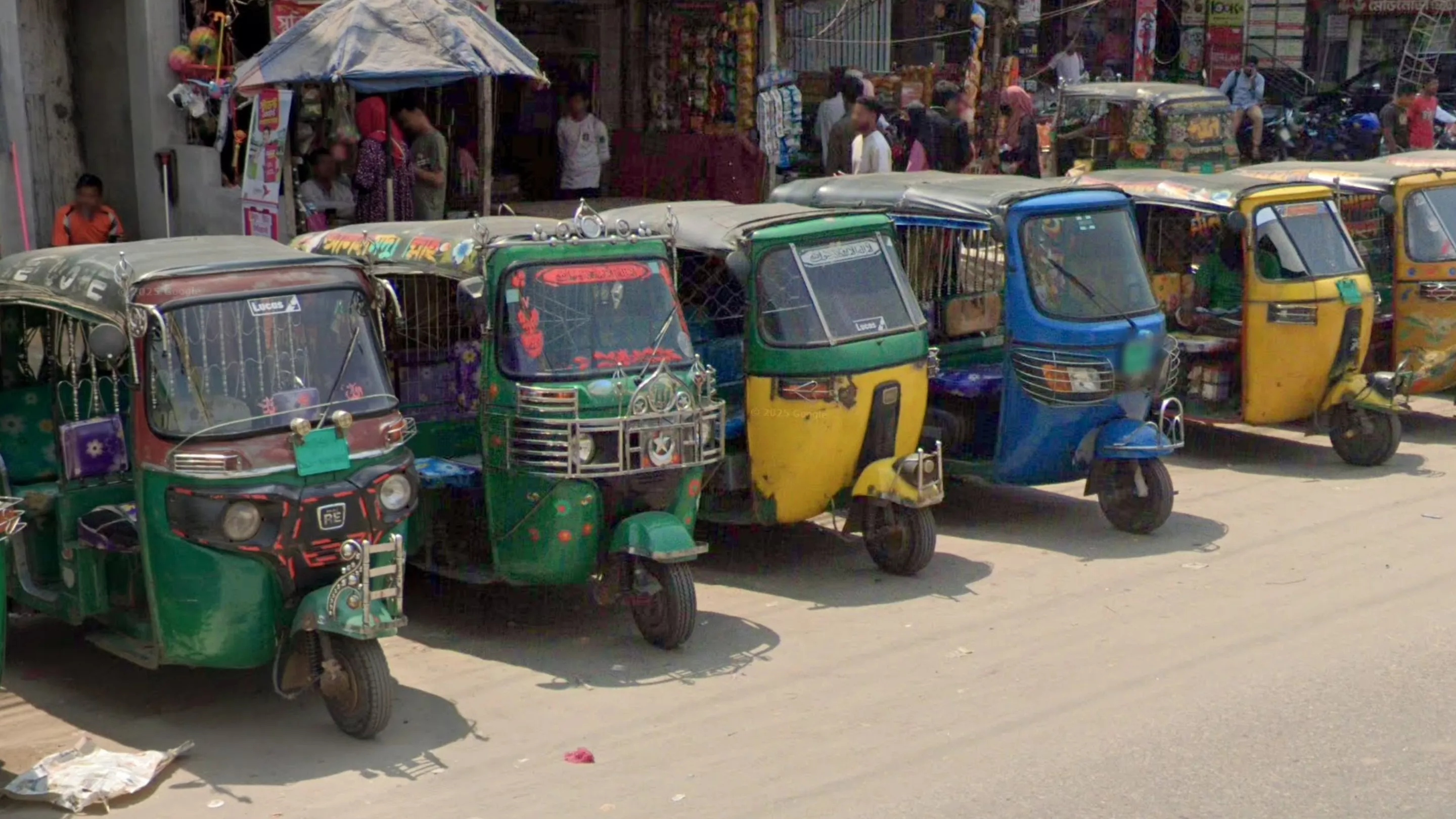
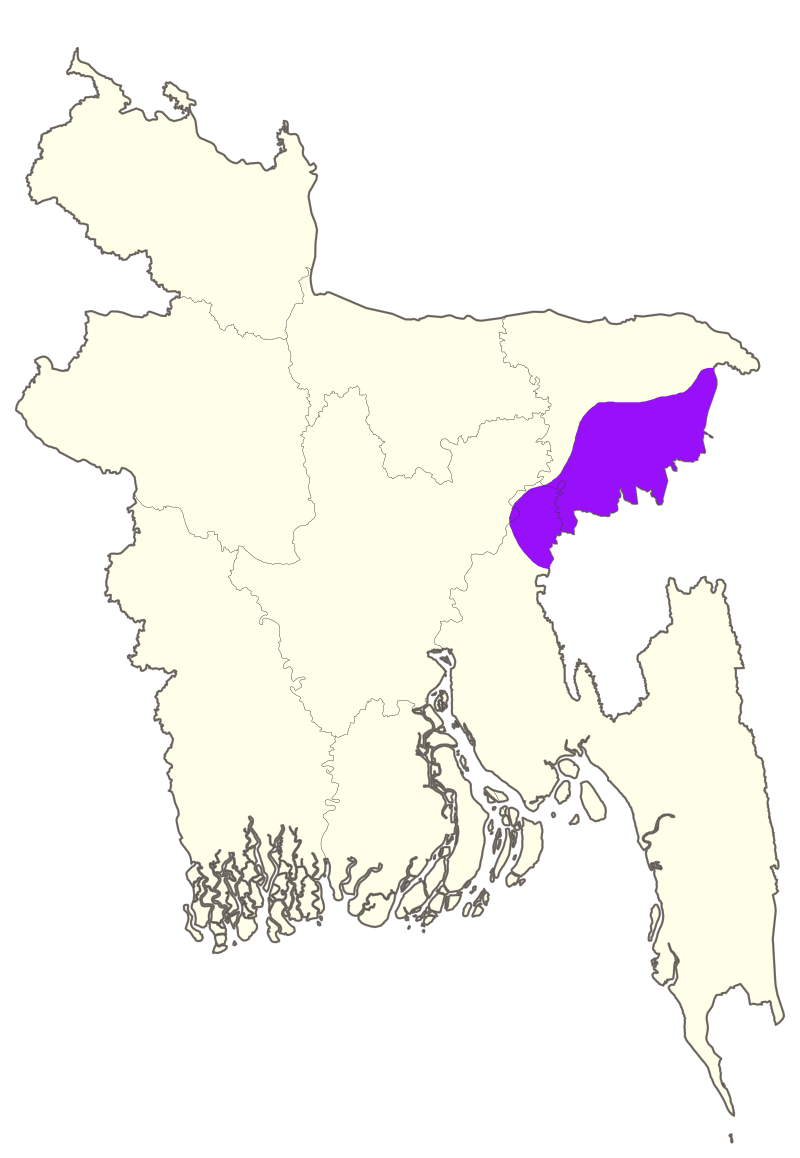
Green auto rickshaws in this part of western Chittagong Division will usually have all or half of the front painted in a different bright solid colour, such as yellow, red or blue. When half is painted it may be the upper or lower half. While it is possible to rarely find such auto rickshaws elsewhere, they will only constitute a majority in this area.
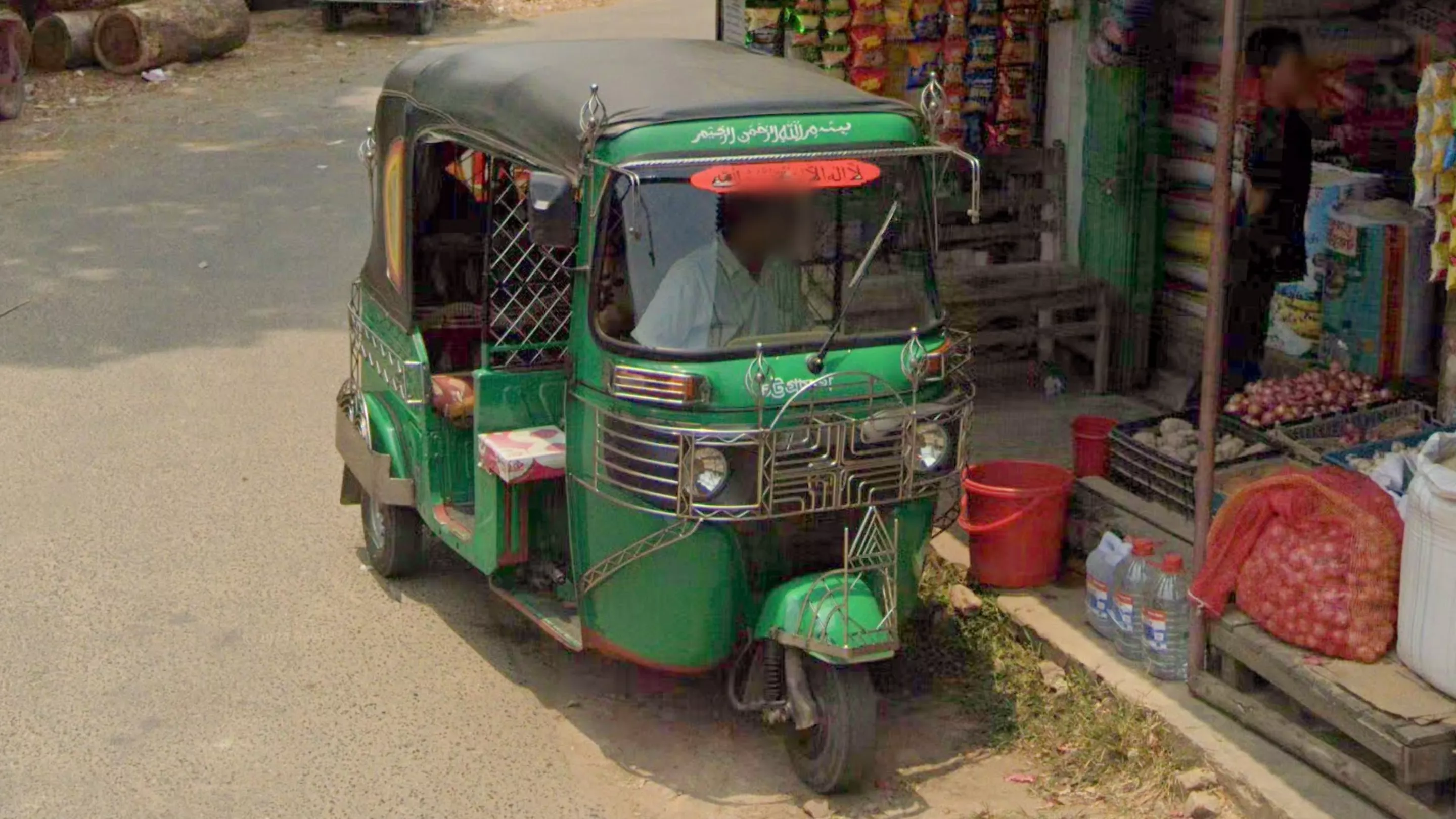
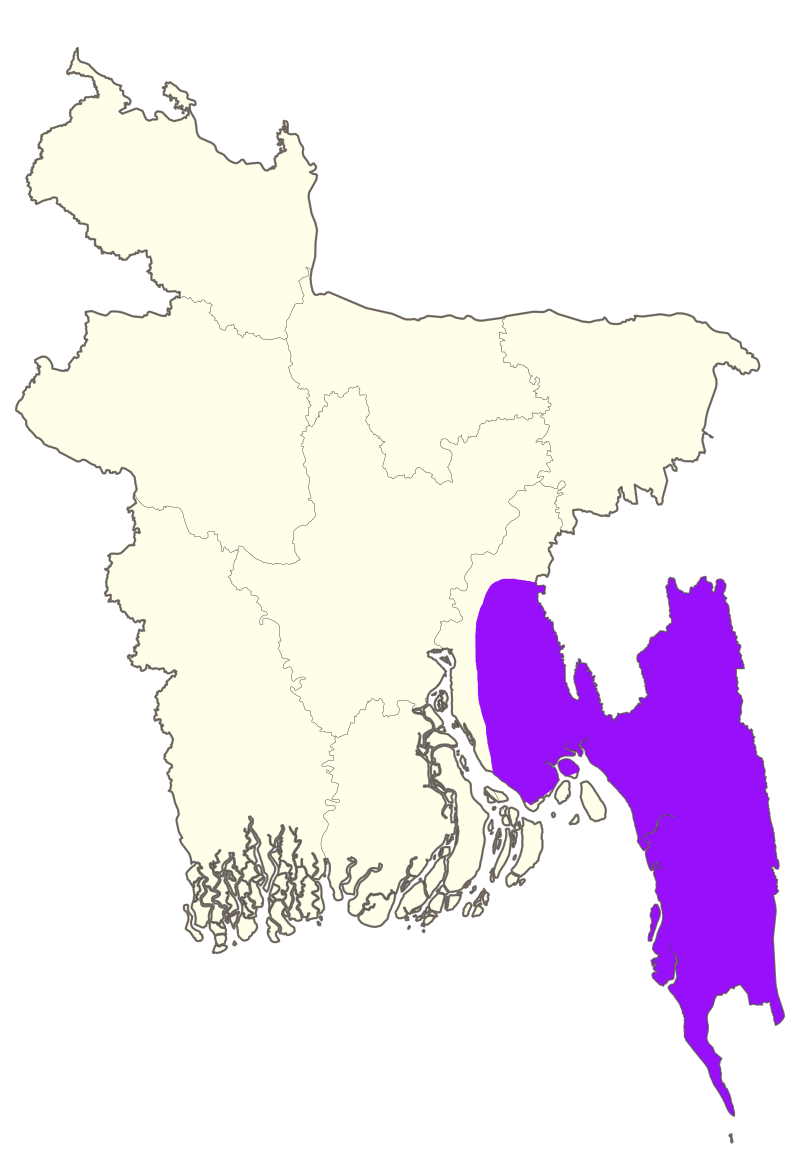
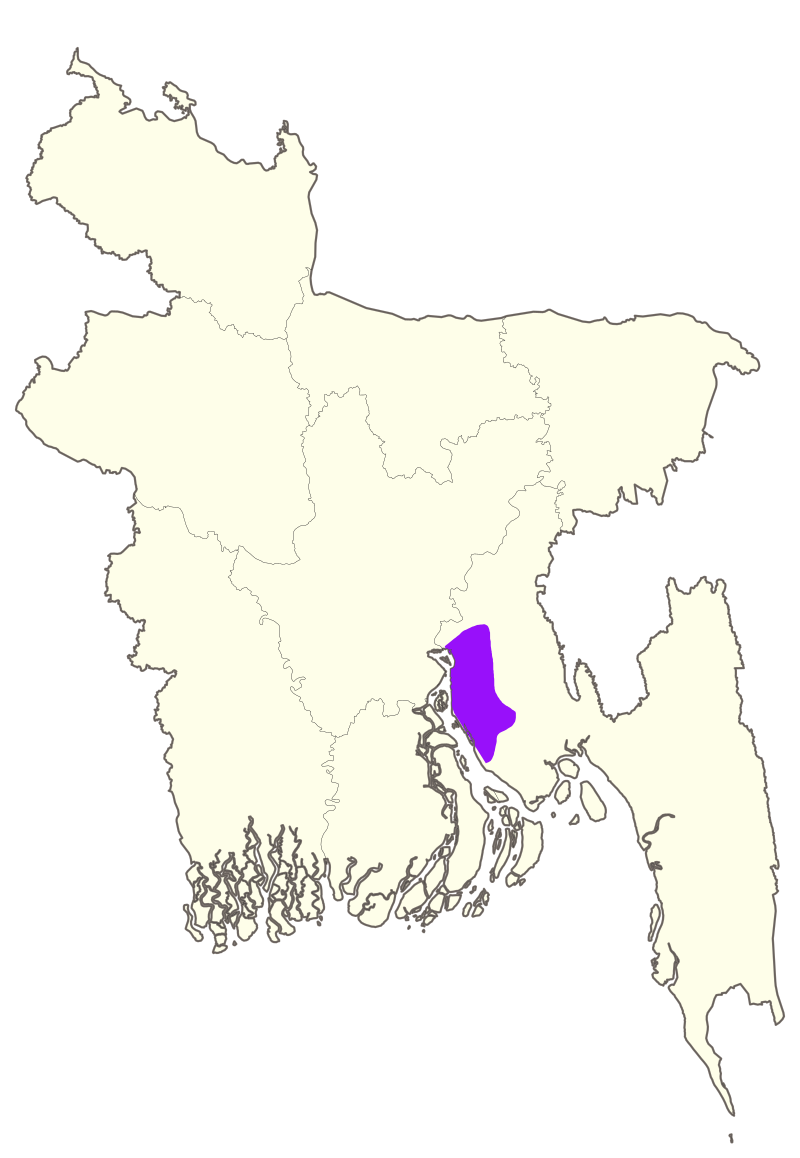
Auto rickshaws in Chittagong often feature a variety of decorations and characteristics which are unlikely to appear in other parts of Bangladesh. These include:
- Long lines of Arabic calligraphy written above the windshield (not just the single word Allah, الله, which is commonplace)
- Semicircular grill ornaments (as opposed to pointed or ‘onion-dome’-shaped)
- Grill ornaments flanked by a pair of upward-pointing ‘bulbous cage’ metal ornaments
Most auto rickshaws in Chittagong do not have all of these features, but seeing one or more of them on an auto rickshaw is a good clue for this division.
- Long lines of Arabic calligraphy written above the windshield (not just the single word Allah, الله, which is commonplace)
- Semicircular grill ornaments (as opposed to pointed or ‘onion-dome’-shaped)
- Grill ornaments flanked by a pair of upward-pointing ‘bulbous cage’ metal ornaments
Most auto rickshaws in Chittagong do not have all of these features, but seeing one or more of them on an auto rickshaw is a good clue for this division.
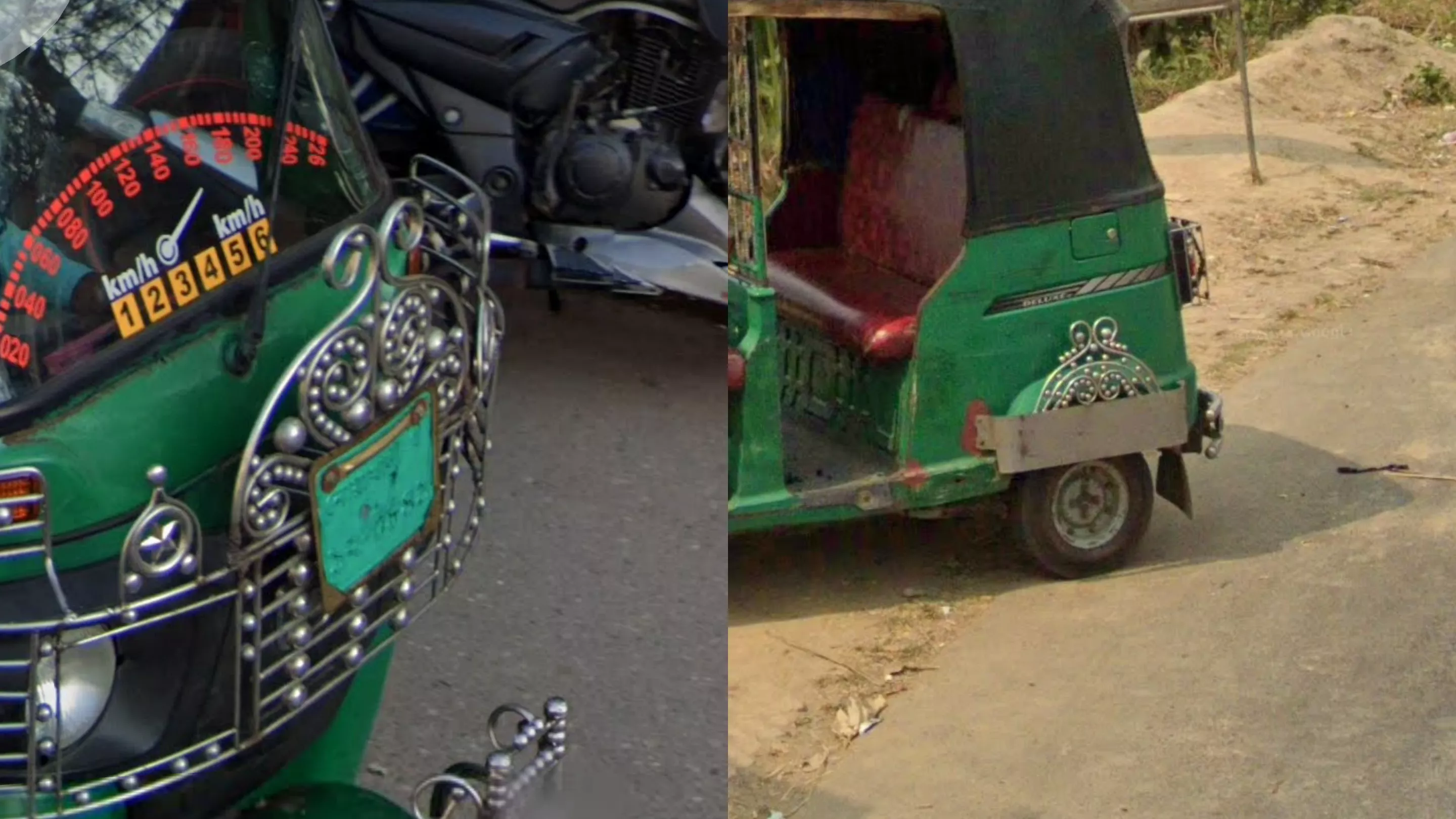
This distinctive grill ornament featuring two curled scroll shapes appears in Chittagong Division to the north of Chittagong . It remains a fairly-reliable indicator for this region even when positioned elsewhere on the rickshaw, such as on the side above the back wheels.
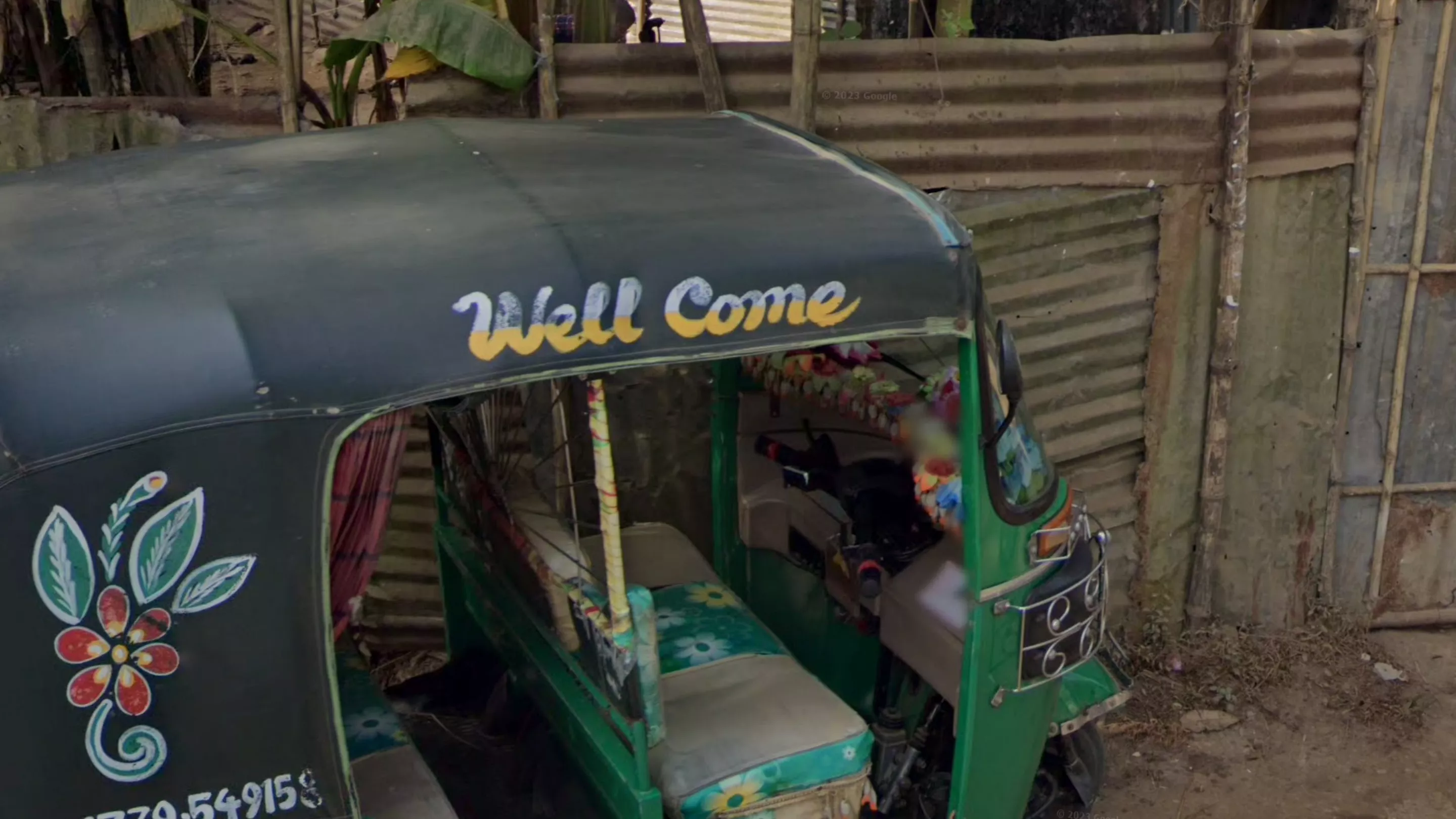
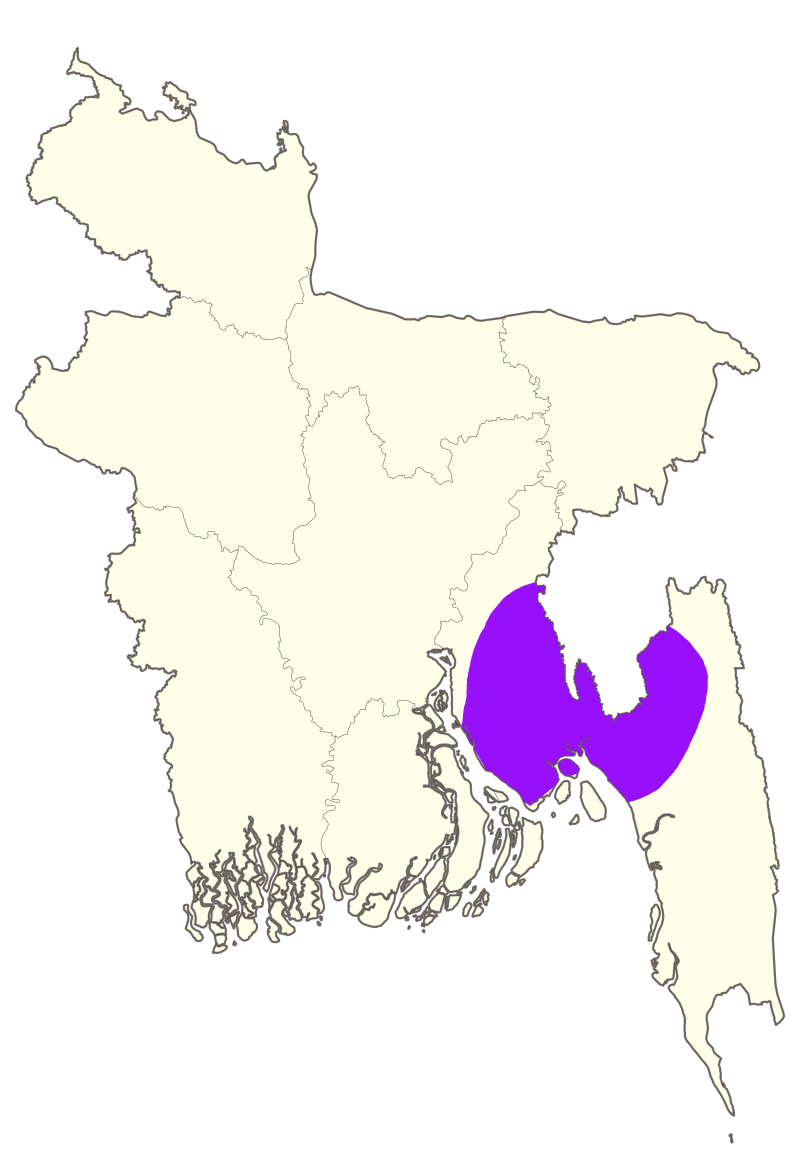
South and east of the city of Sylhet, you can somewhat commonly see auto rickshaws with the text ‘Well Come’ or ‘Welcome’ on the side roof area, above or behind the door.
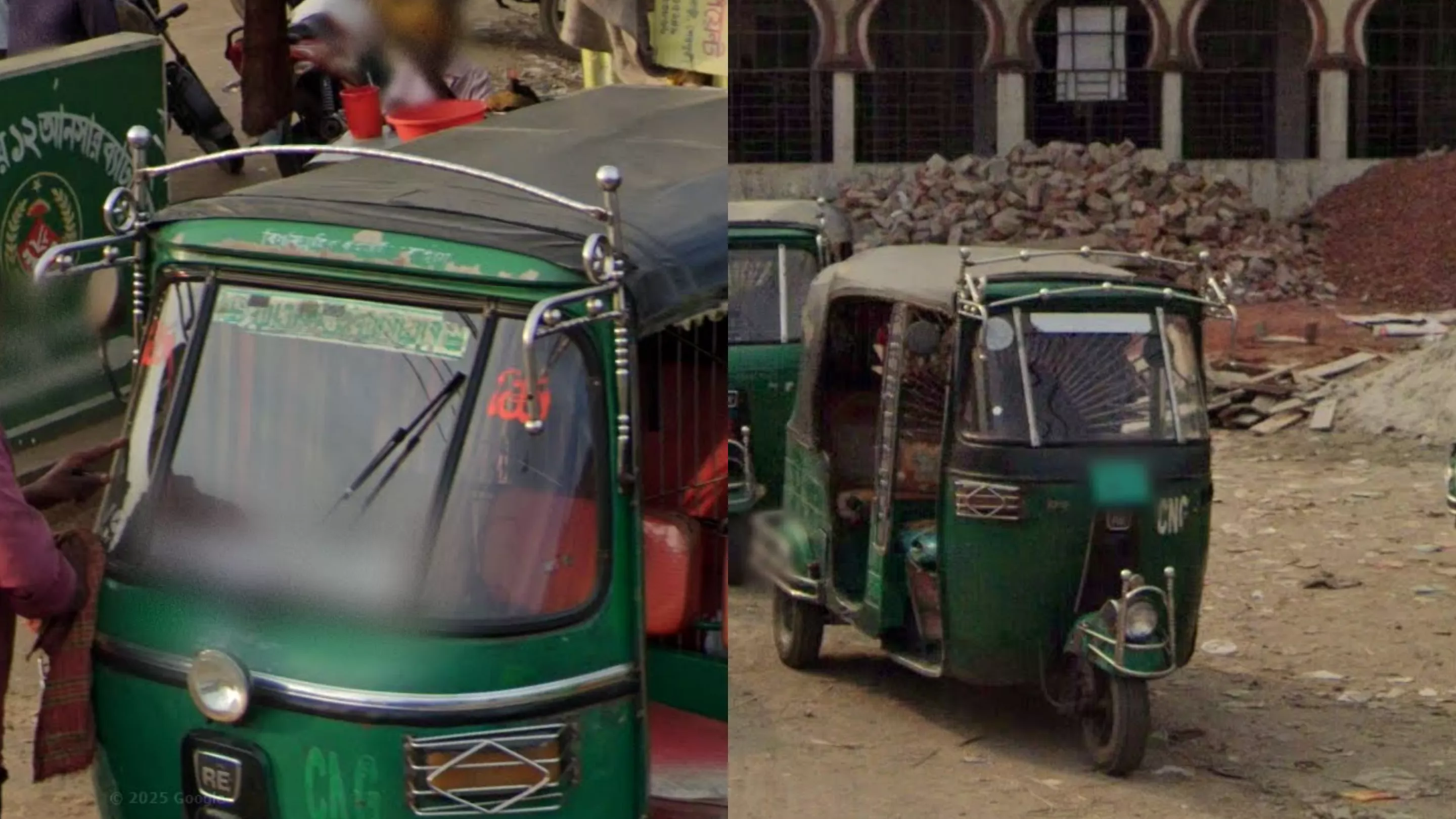
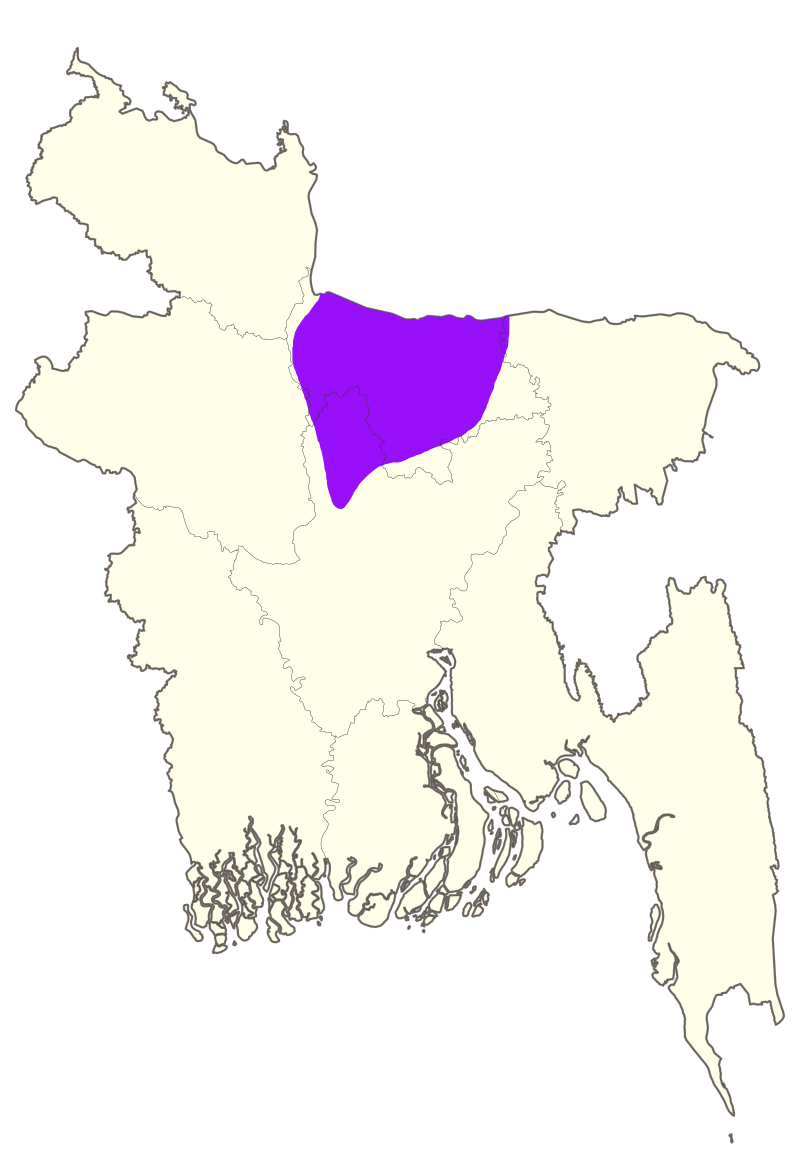
A high proportion of auto rickshaws in Mymensingh Division have a metal bar over the top of the front roof area with a slight but noticeable upward bend. They may or may not have small metal ball shapes on them, either on each side or along the bar. You see similar metal bars in other regions occasionally, but they are normally unbent.
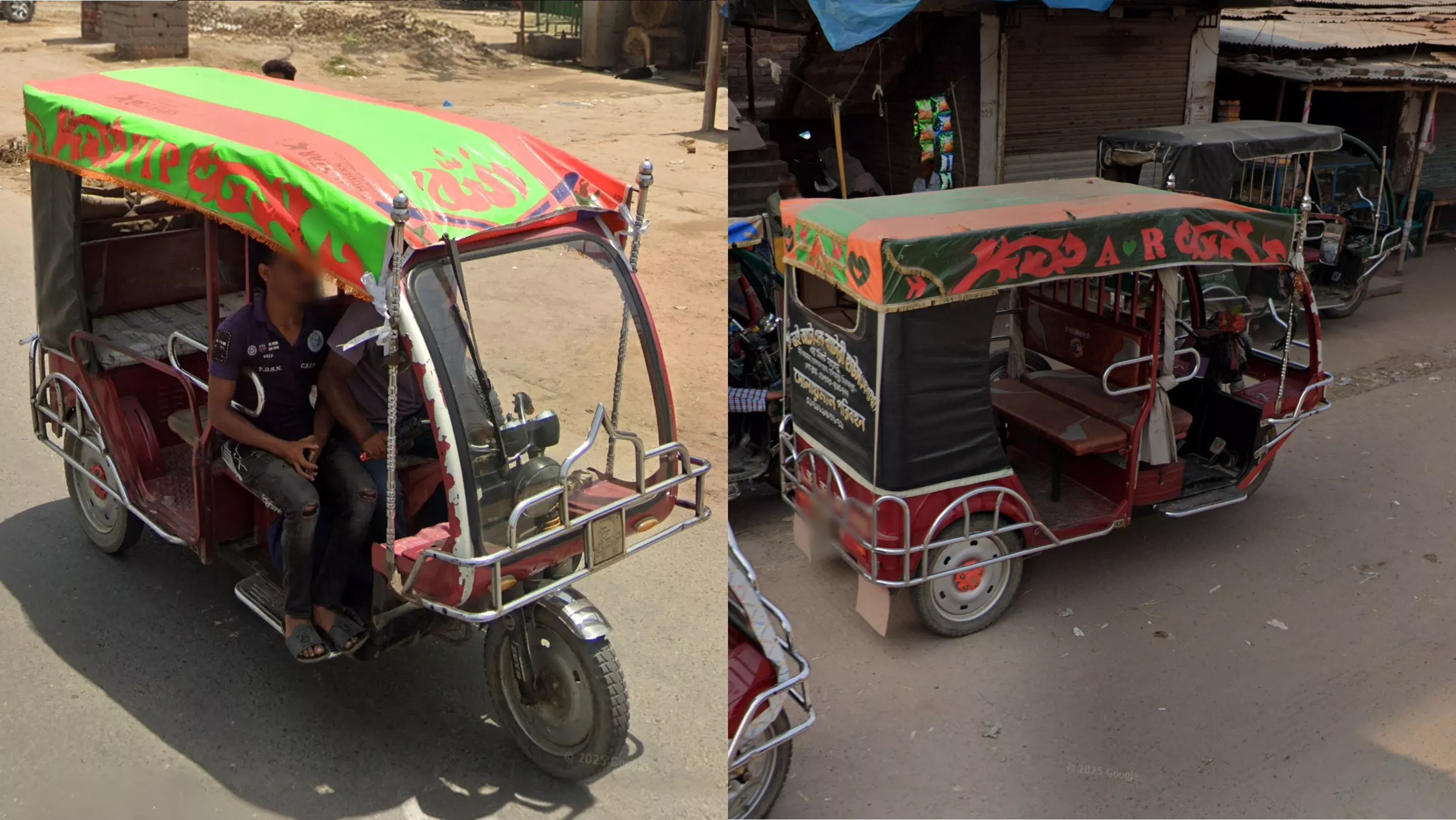
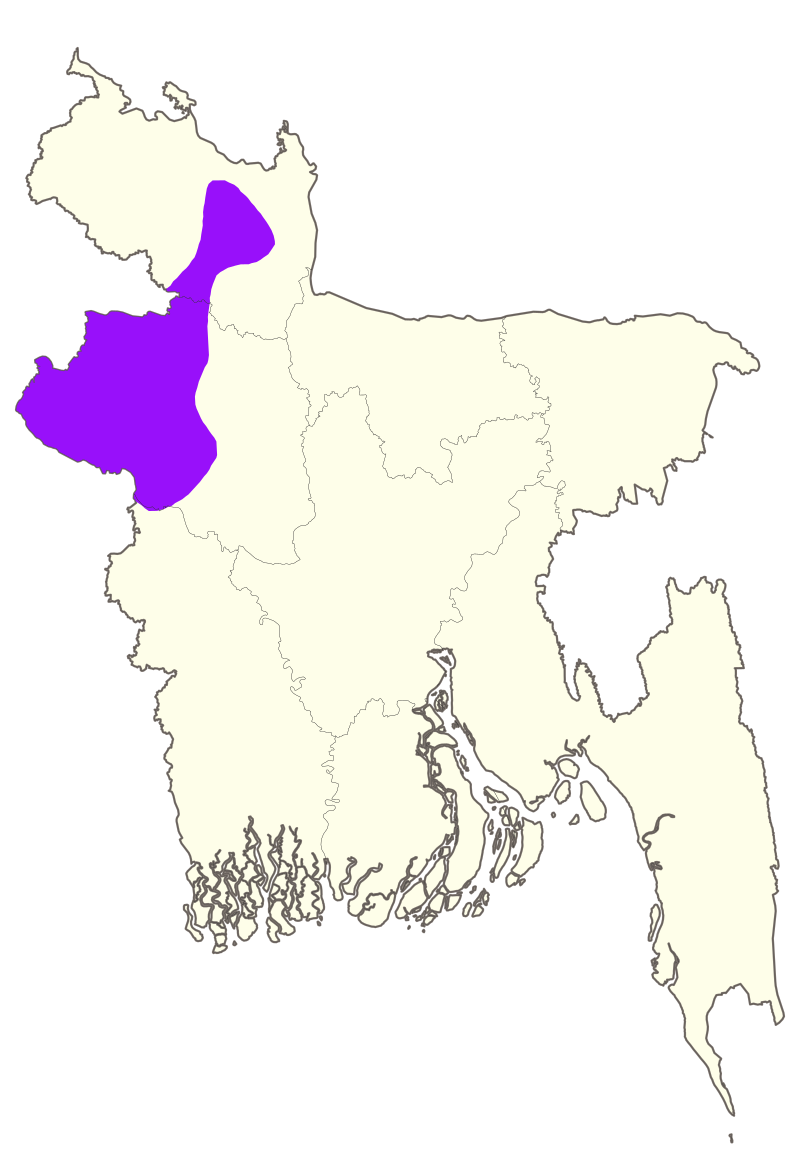
This distinctive style of roof covering is seen on some electric auto rickshaws in western Rajshahi Division and southern Rangpur Division. The covering usually features the text ‘VIP’ although custom variants with other initials also exist. The colour scheme can vary but will be two-tone or three-tone.
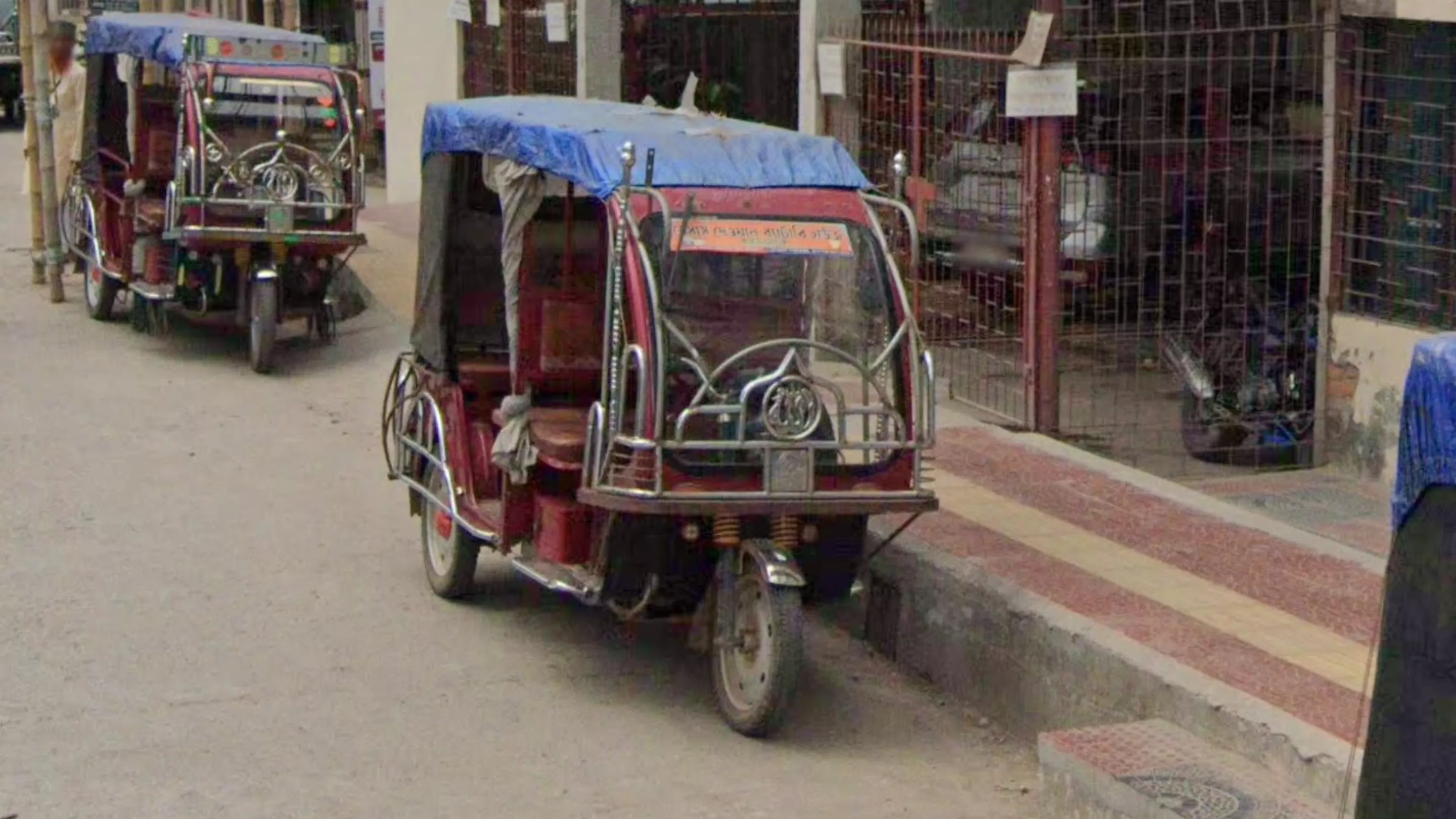
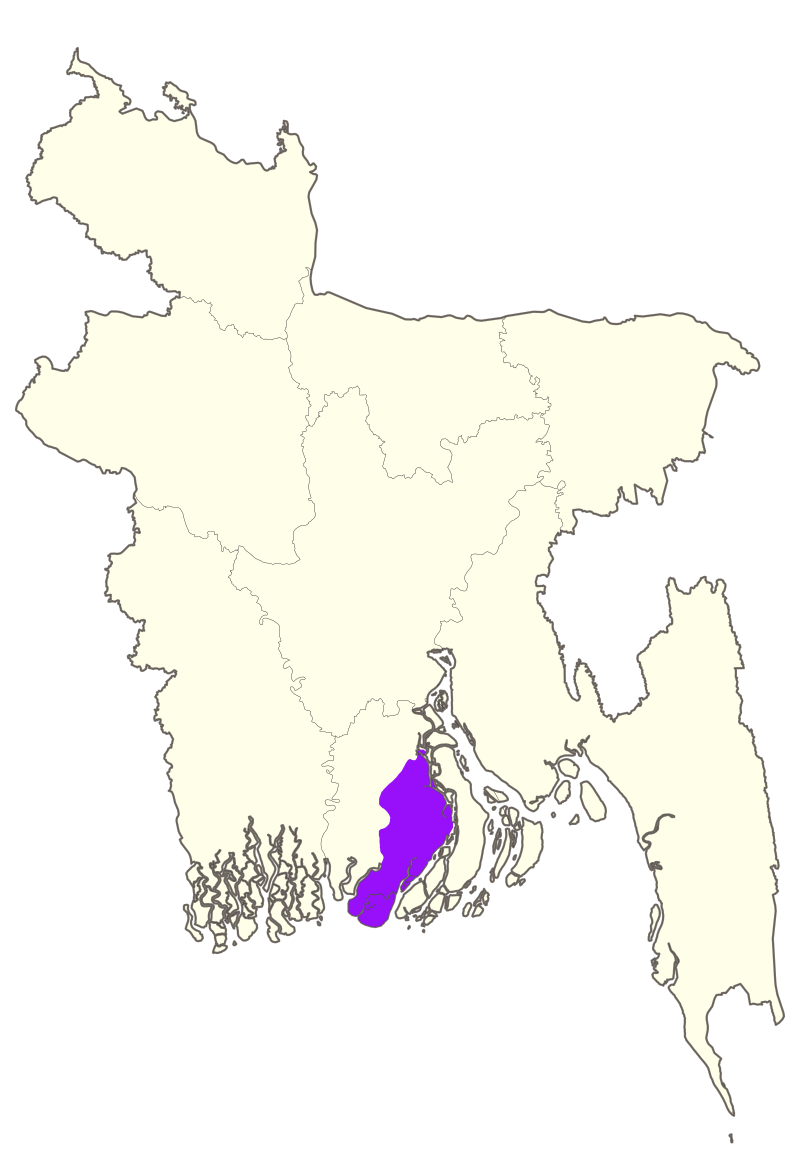
This grill ornament featuring a semicircle over an onion-dome shape appears on the front of electric auto rickshaws to the south of the city of Barishal, roughly between the Payra and Tetulia rivers.
Cycle Rickshaws
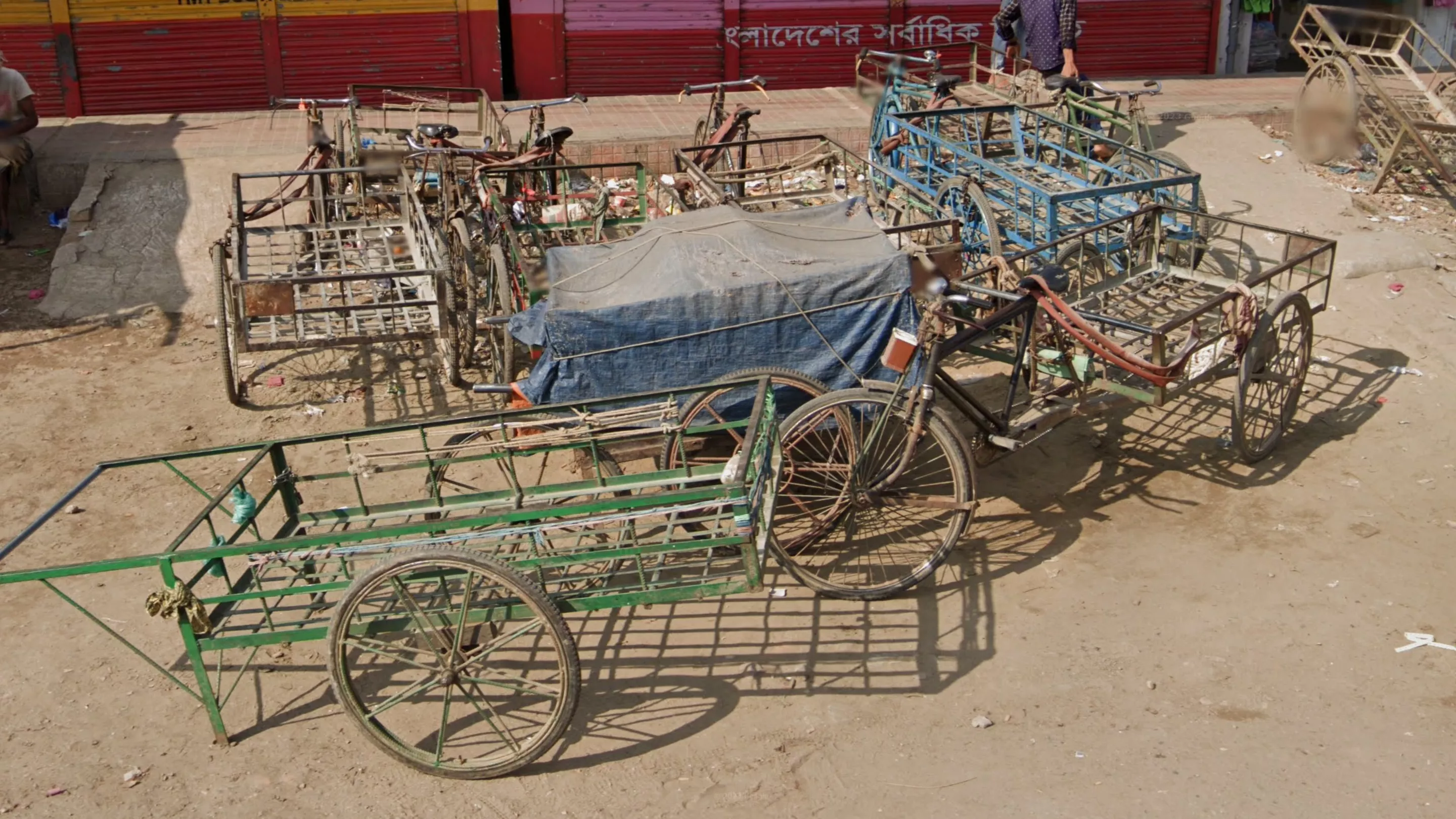
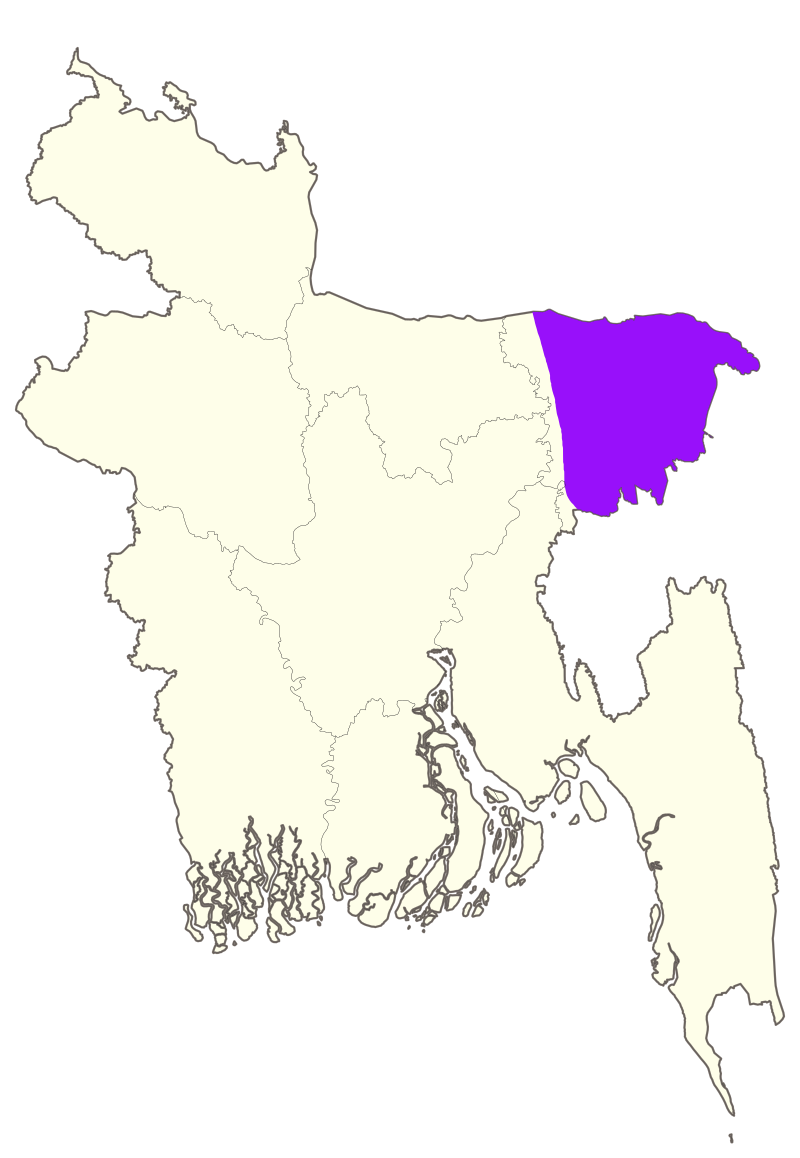
Pulled carts and cycle rickshaws with metal cage-like frames are commonly used in Sylhet Division and rarely in Chittagong Division.
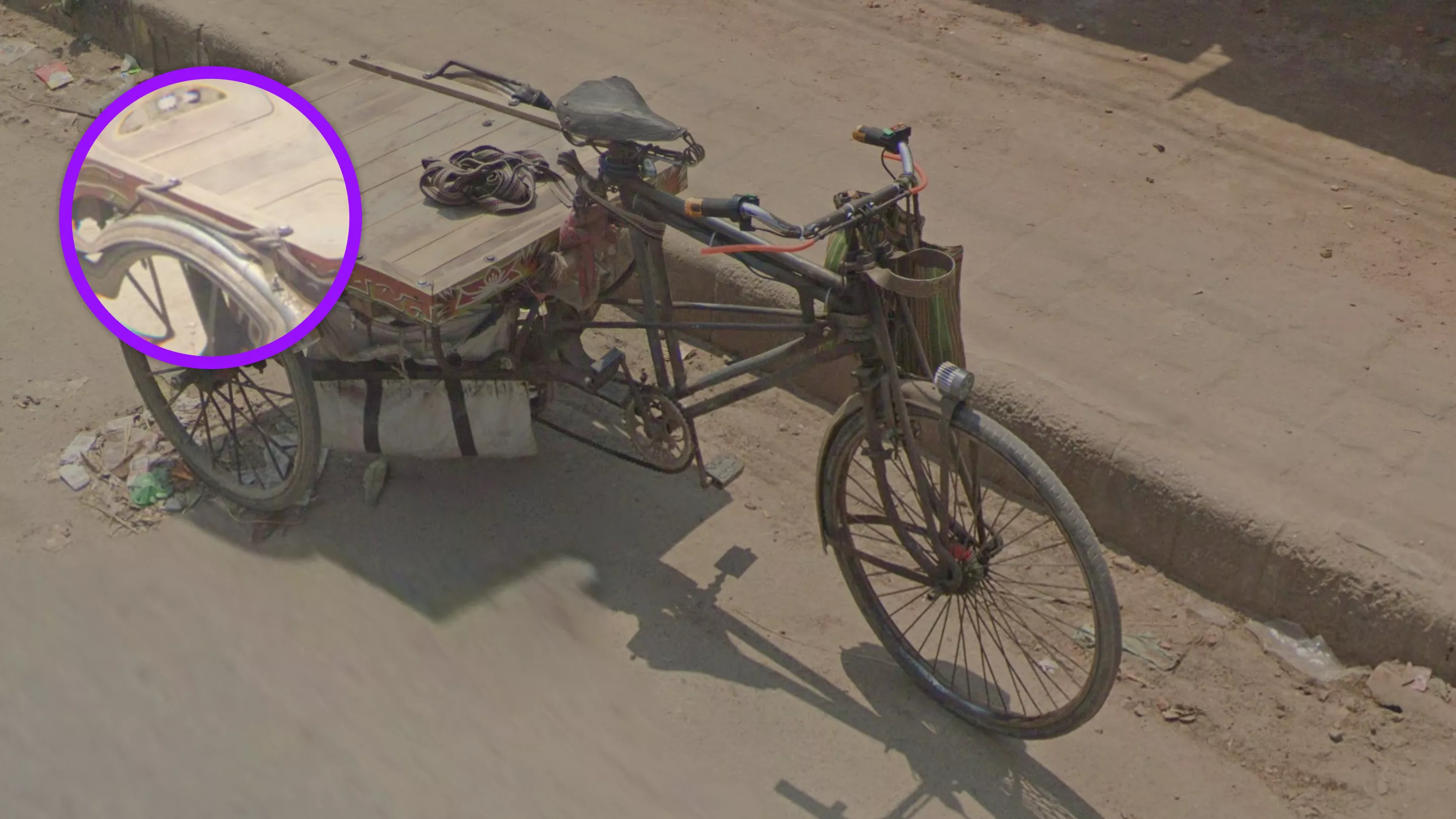
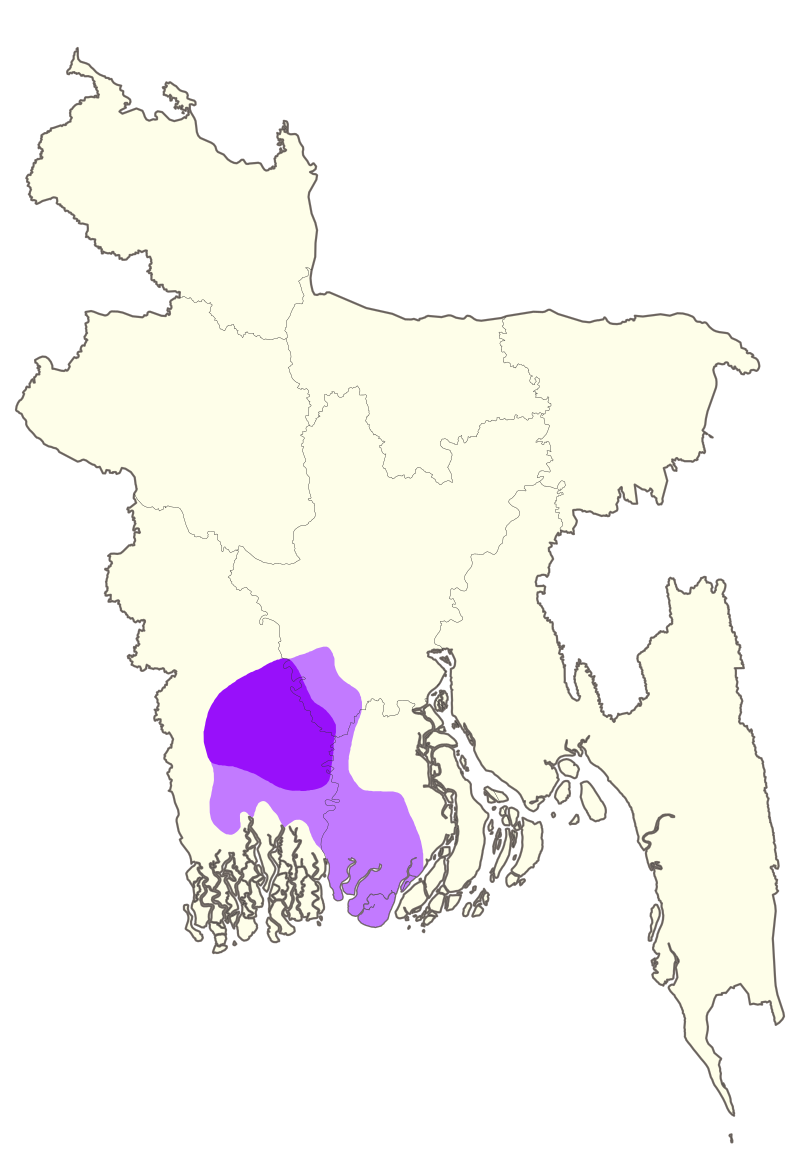
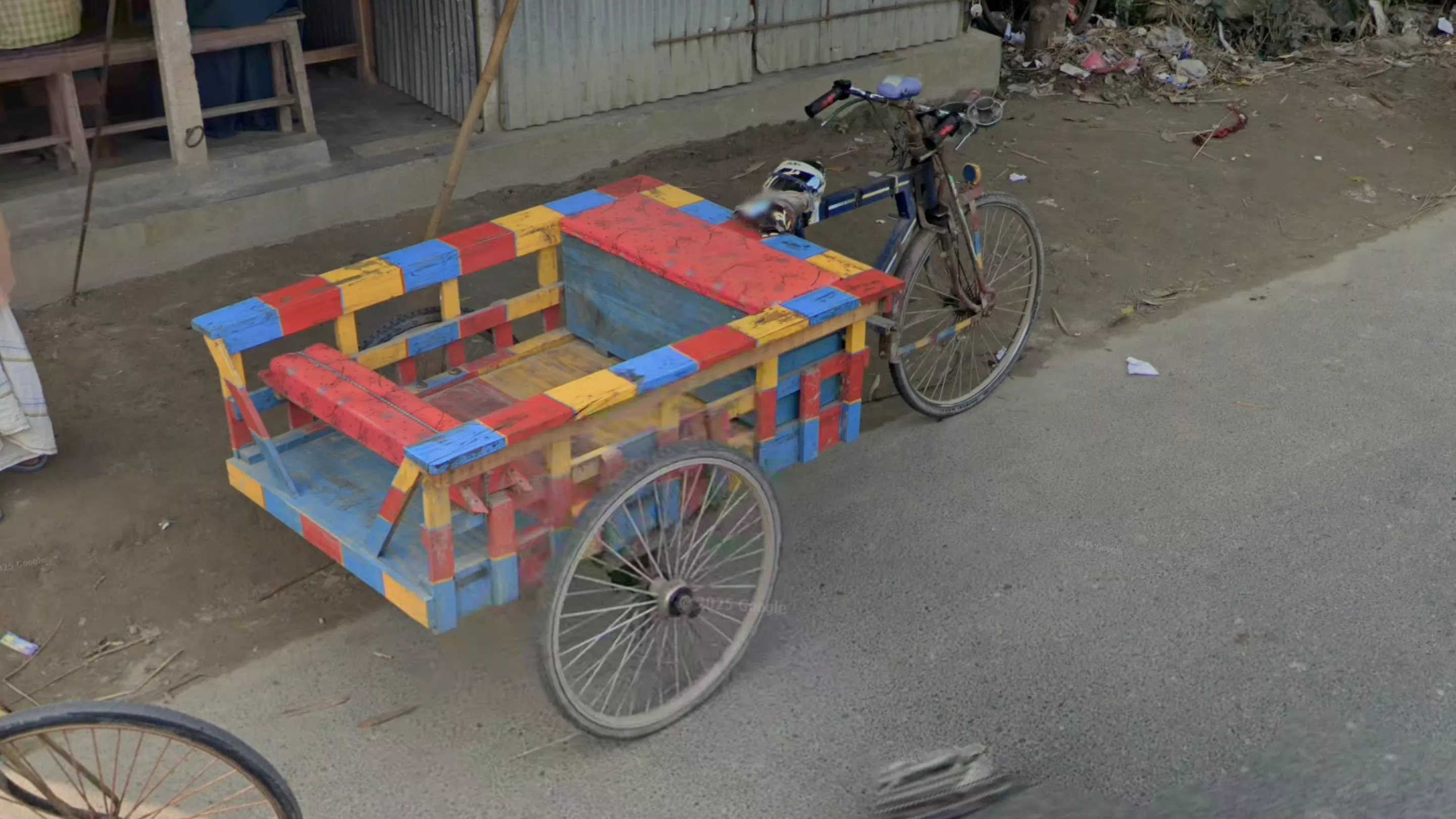
Flatbed cycle rickshaws with metal handles above the rear wheels can often be seen around the city of Khulna, in south-western Dhaka Division, and less commonly in Barishal Division. A variant with longer handles also exists in this area.
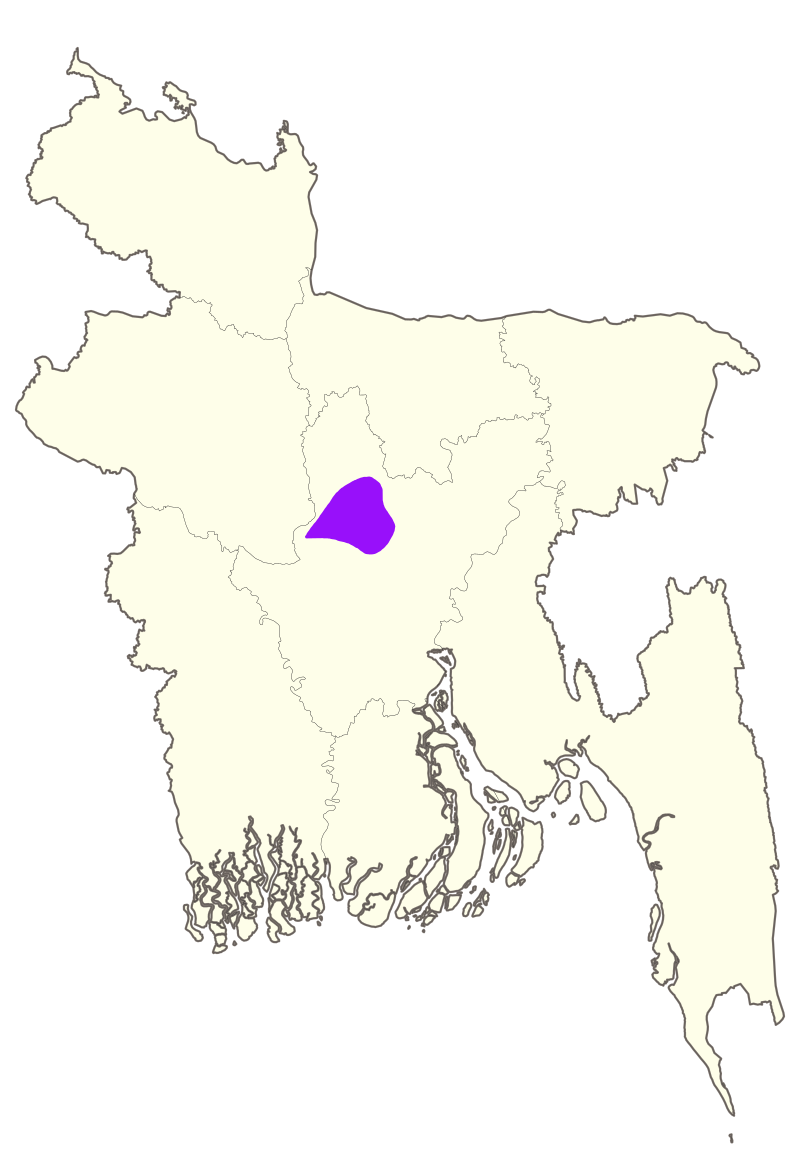
Cycle rickshaws with a cross bench (oriented perpendicular to the driving direction) and often painted in a striped blue-red-yellow pattern can be found between Tangail and Dhaka.
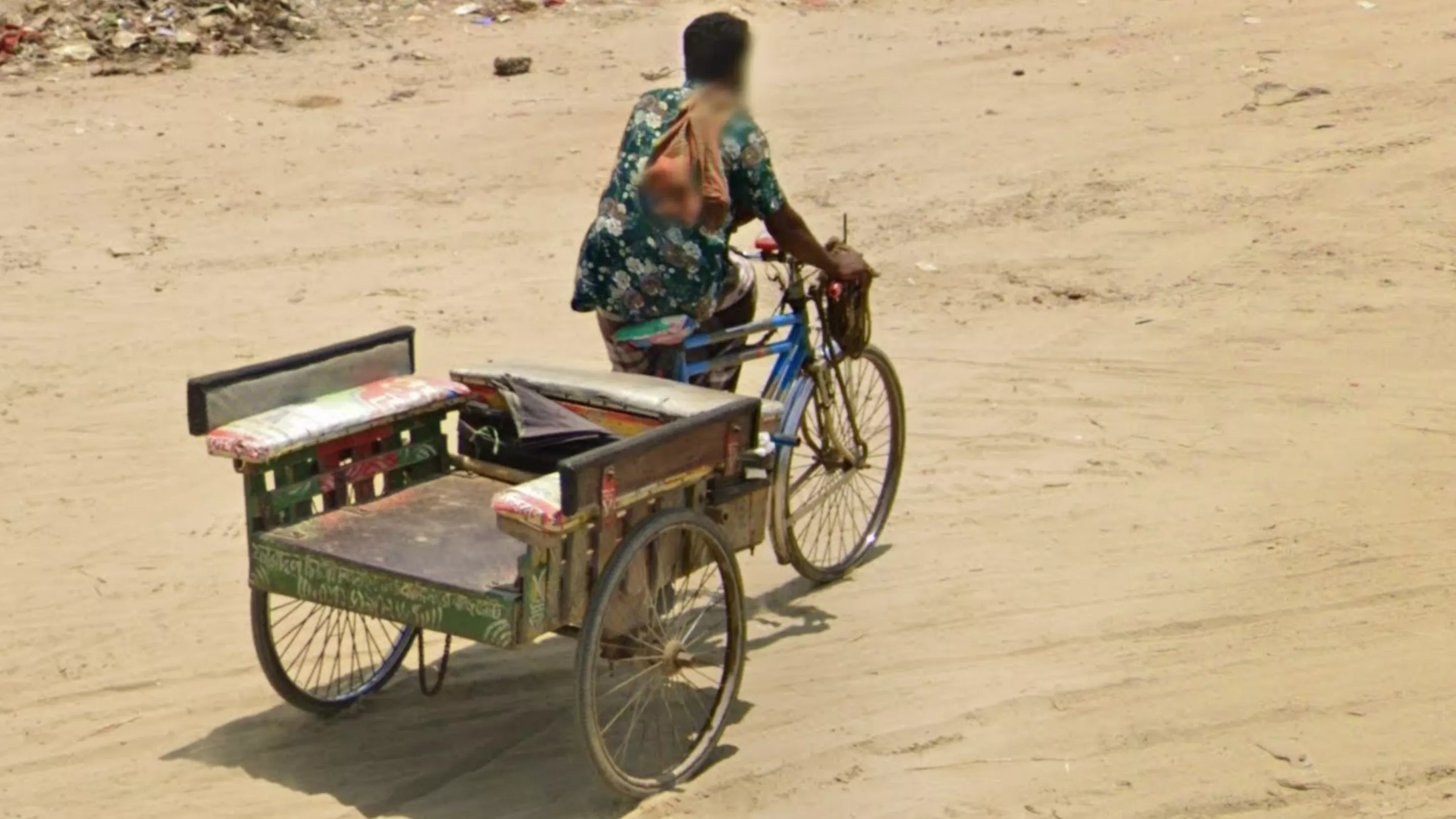
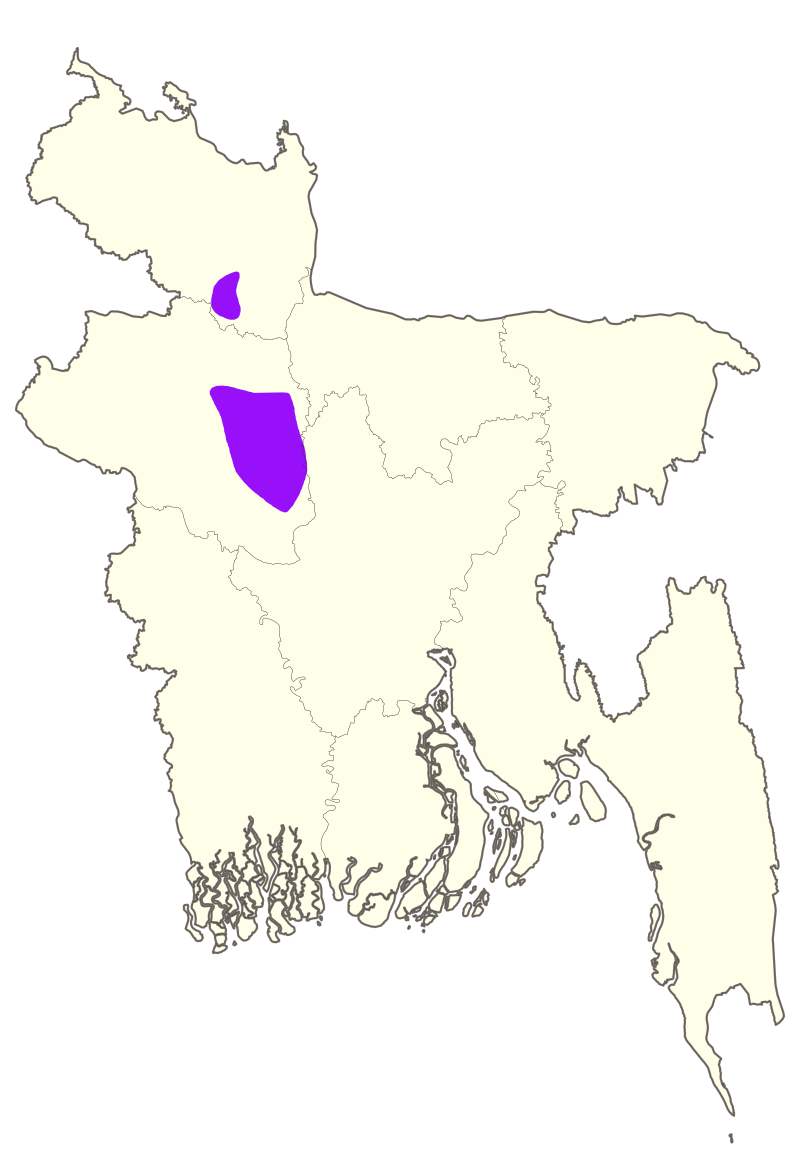
Cycle rickshaws with two long benches and a cross bench in a ‘U’ formation are commonly found in eastern Rajshahi Division and part of southern Rangpur Division.
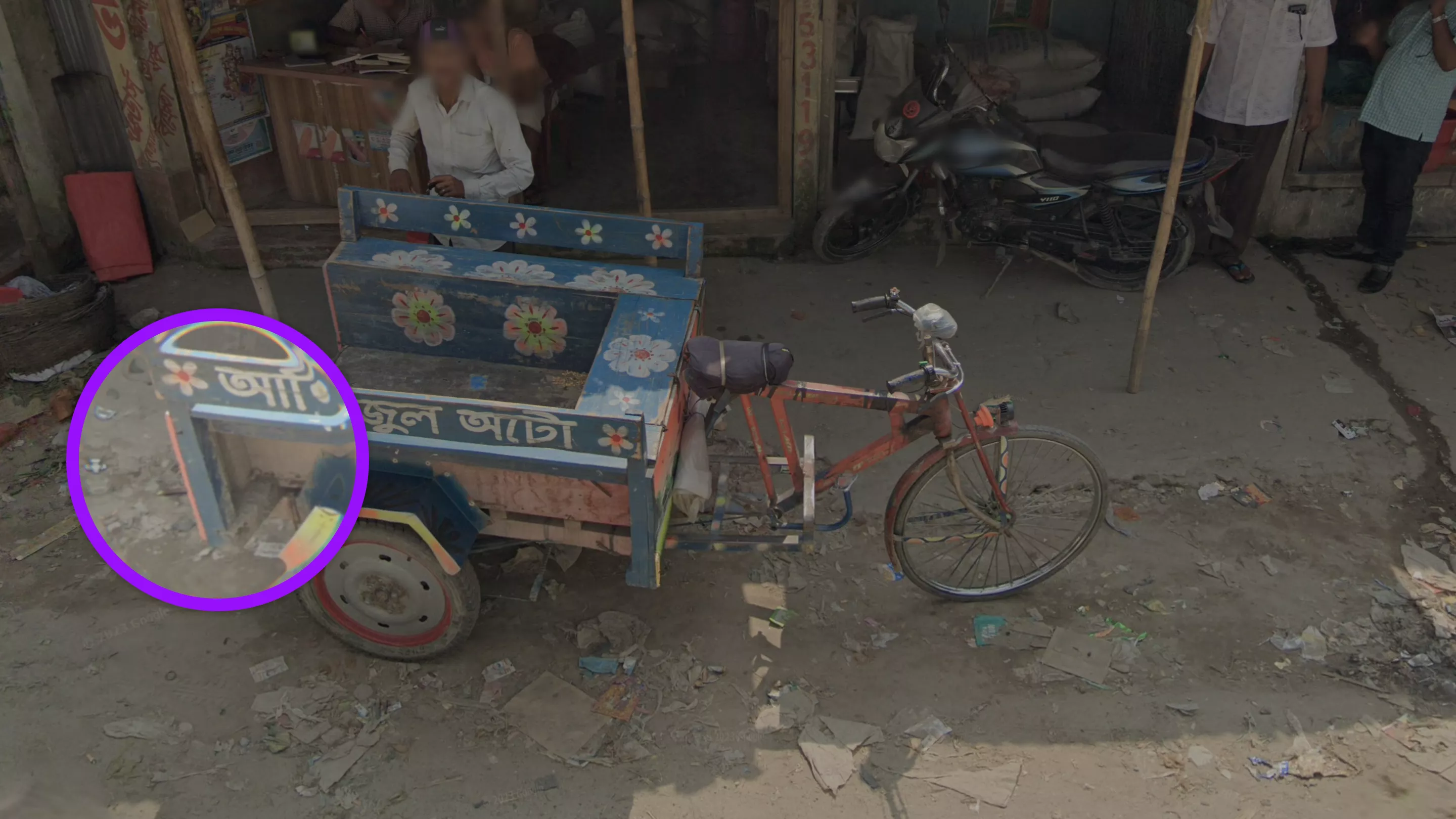
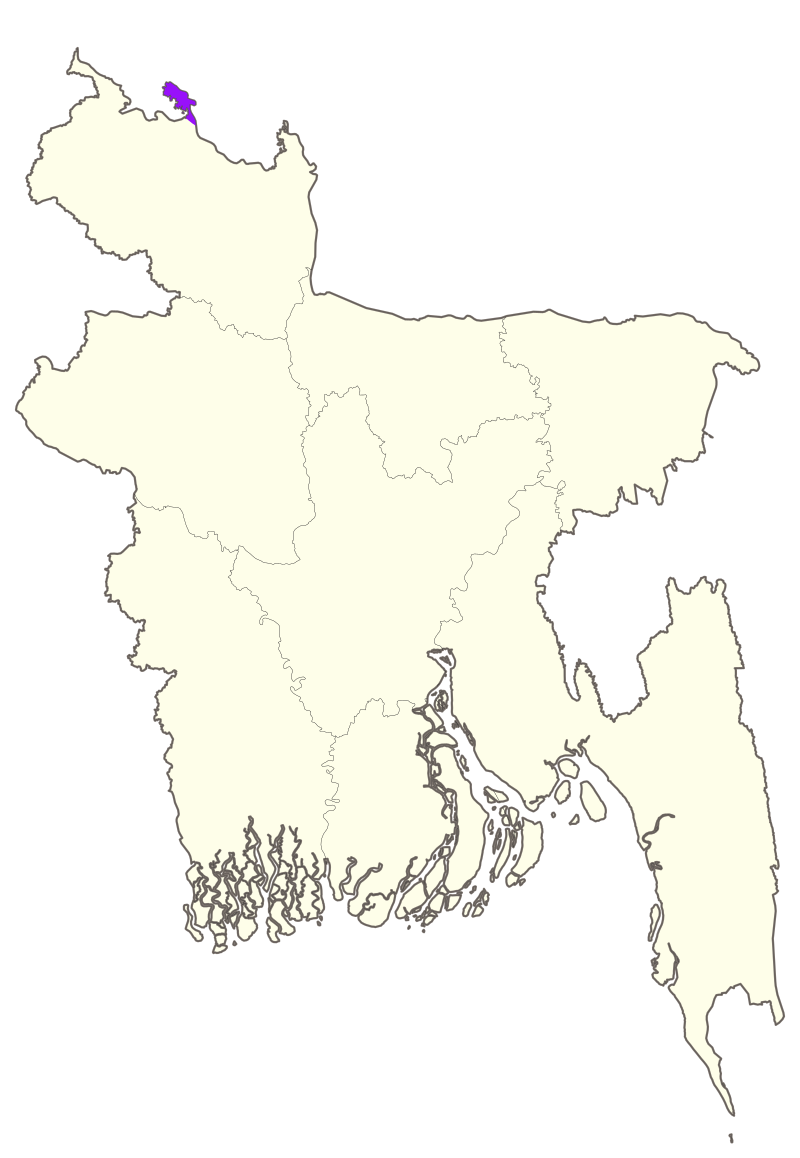
Similar cycle rickshaws with two long benches and a cross bench in a ‘U’ formation but with wooden vertical extensions visible on both sides of rear wheels, are only found around the town of Patgram in northern Rangpur Division.
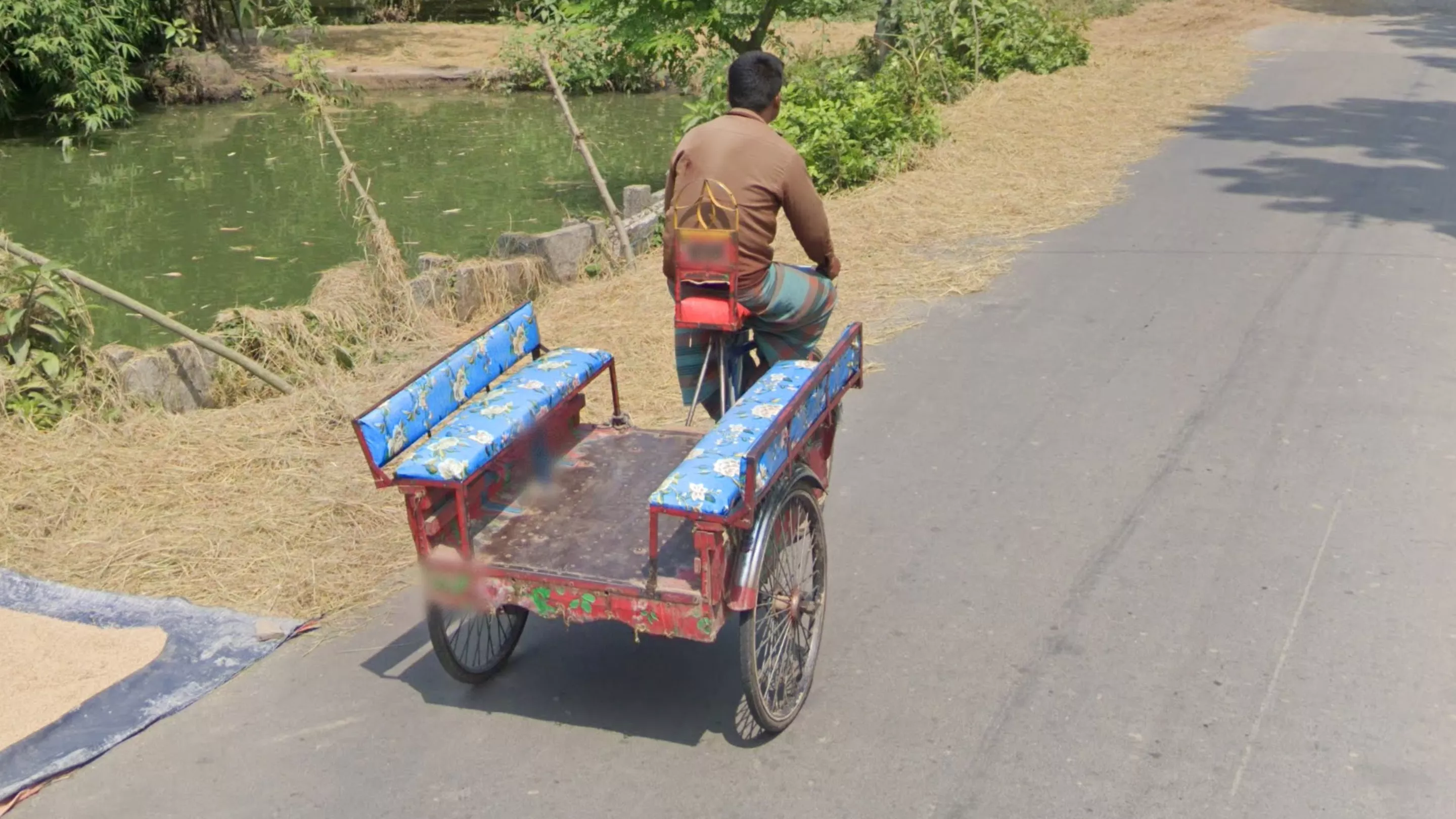
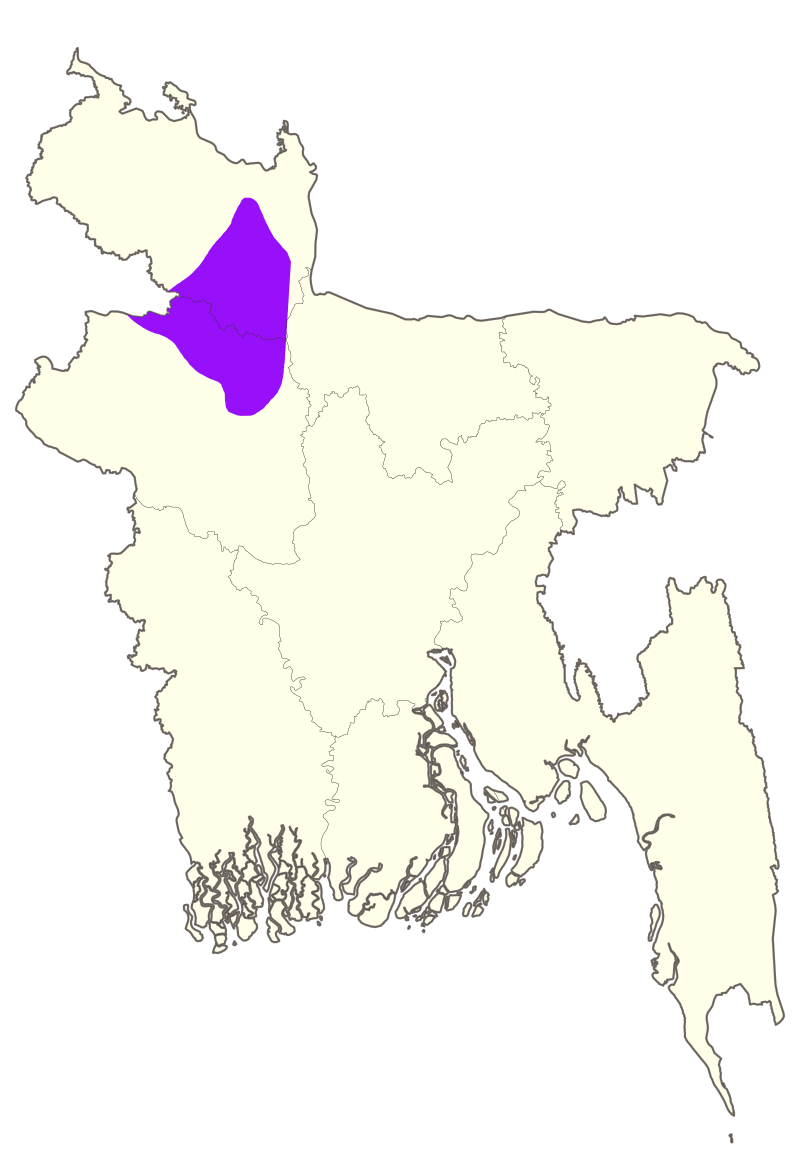
Cycle rickshaws with long benches (oriented parallel to the driving direction) and without rear decorations or a cross bench can be commonly seen in northern Rajshahi Division and south-eastern Rangpur Division.
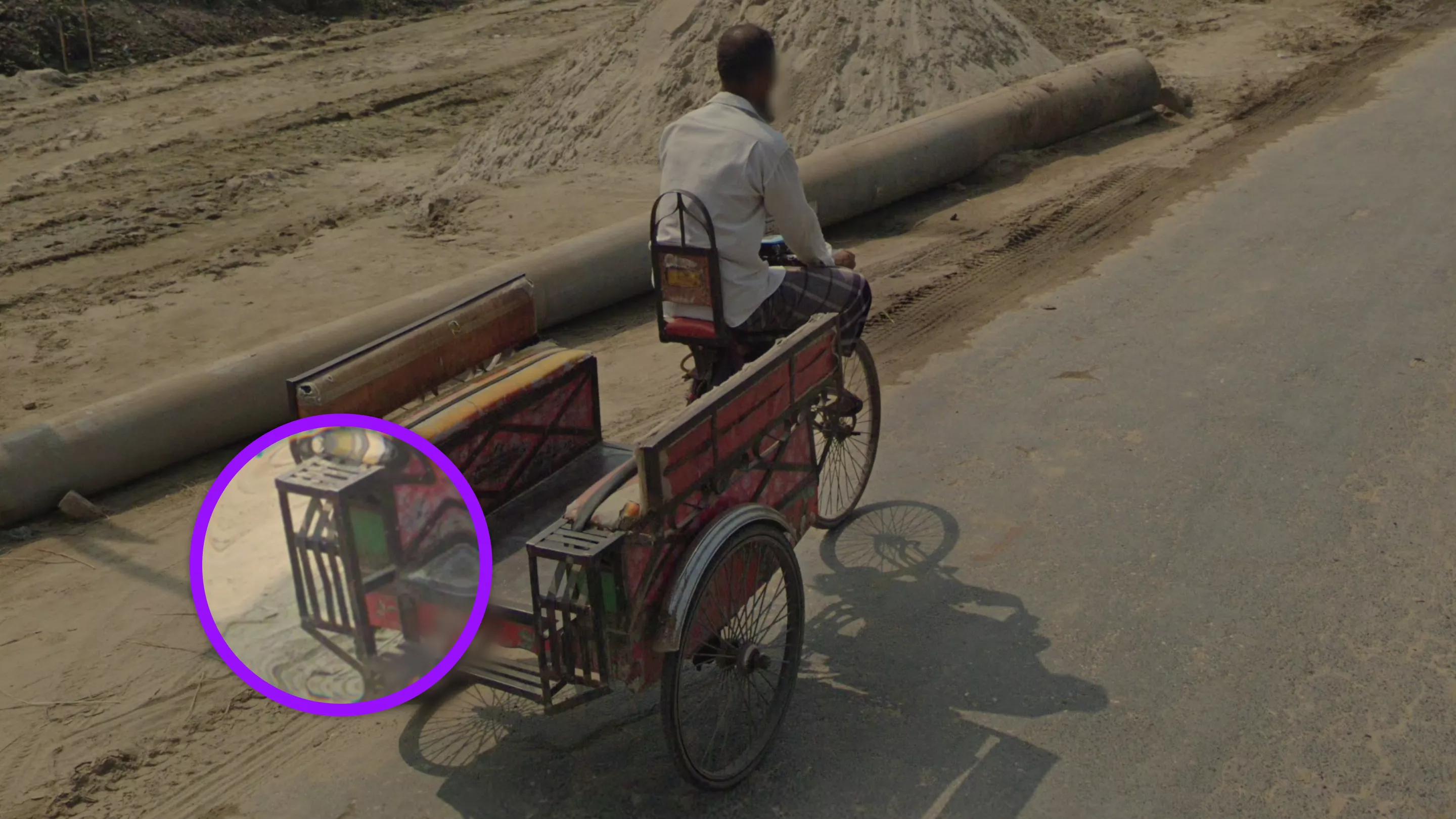
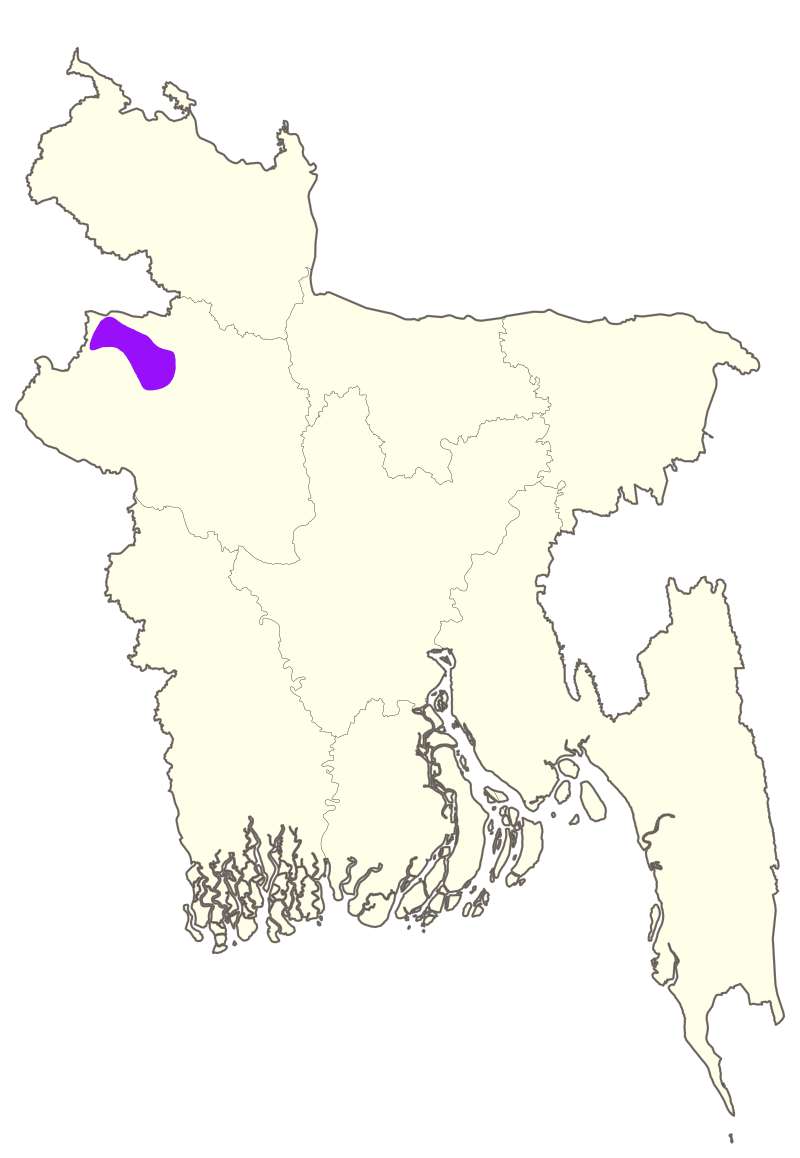
Cycle rickshaws with long benches (oriented parallel to the driving direction) and decorative metal bars at the back can be found north-west of Naogaon. These rickshaws will not have a cross bench behind the driver's seat.
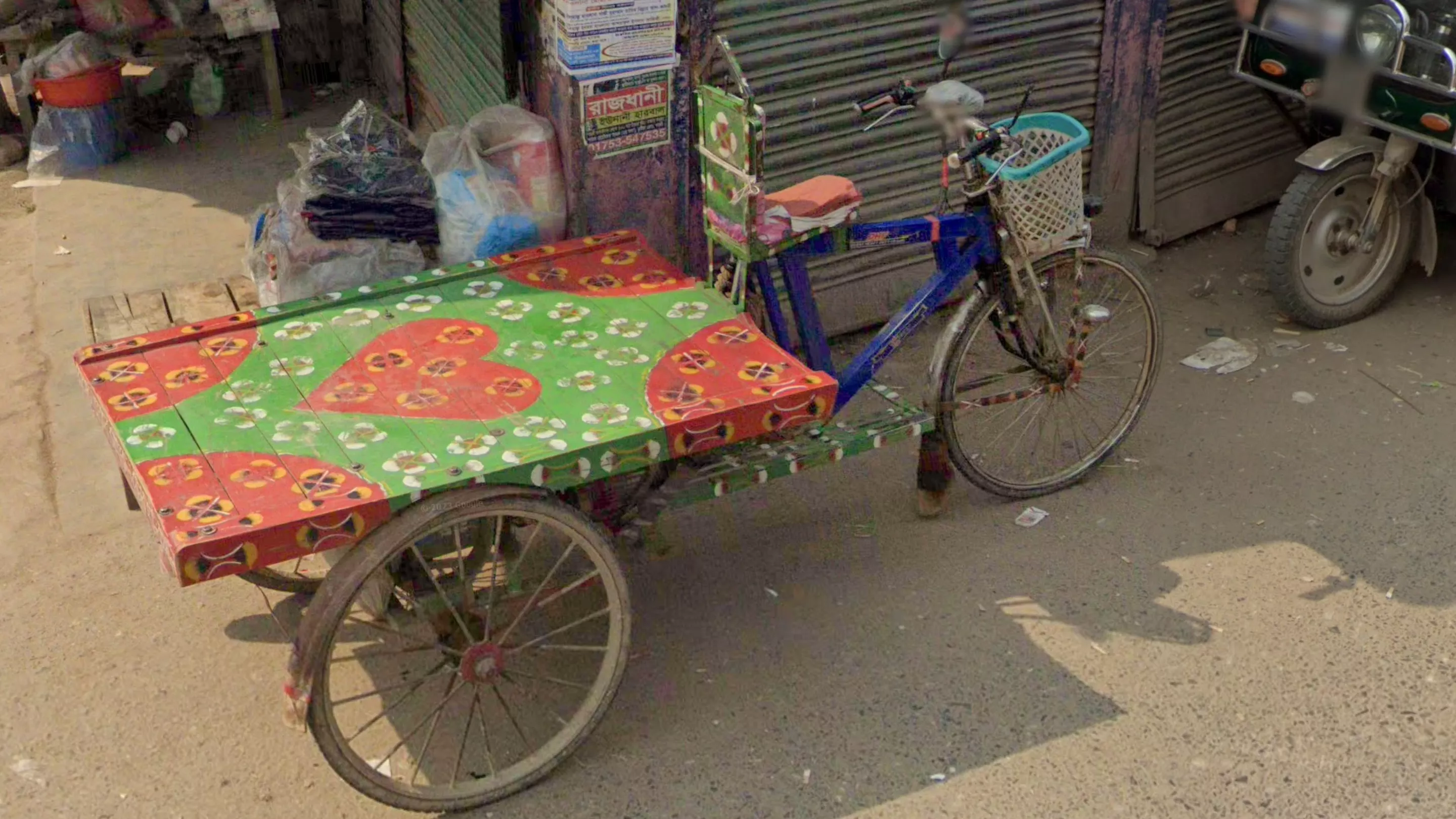
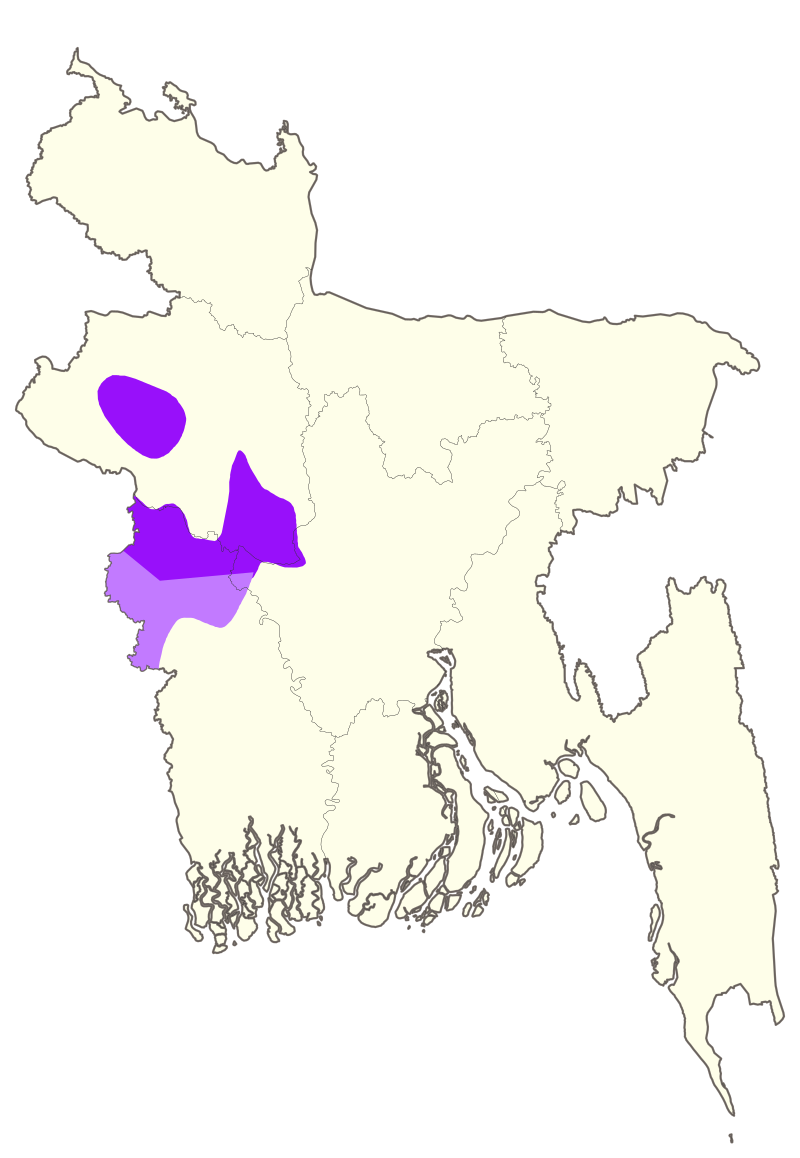
Flatbed cycle rickshaws with this pattern of corner quarter circles, forming a ‘rounded cross’ pattern can often be seen in northern Khulna Division, east of Pabna in Rajshahi Division and in central Rajshahi Division.
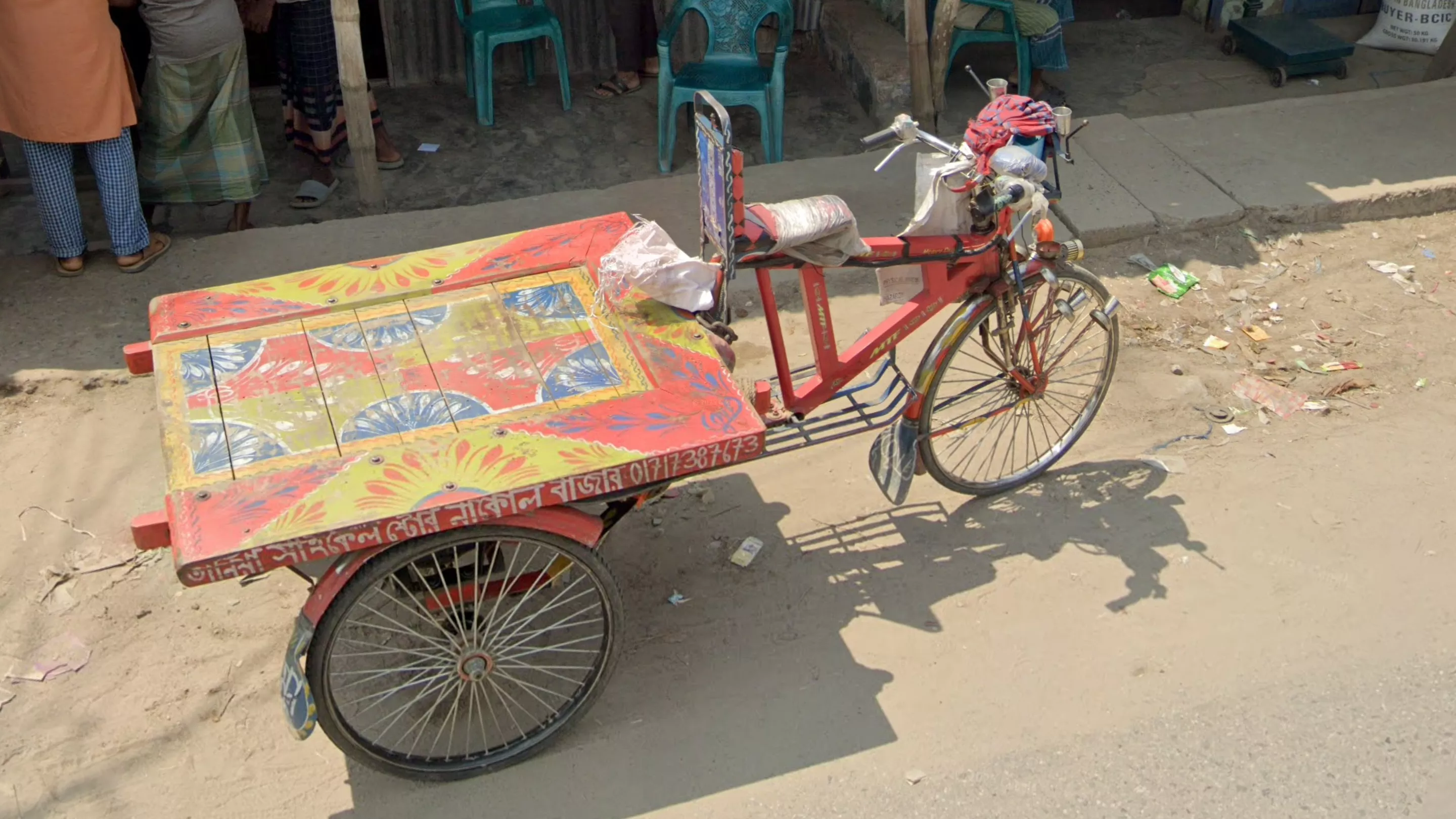
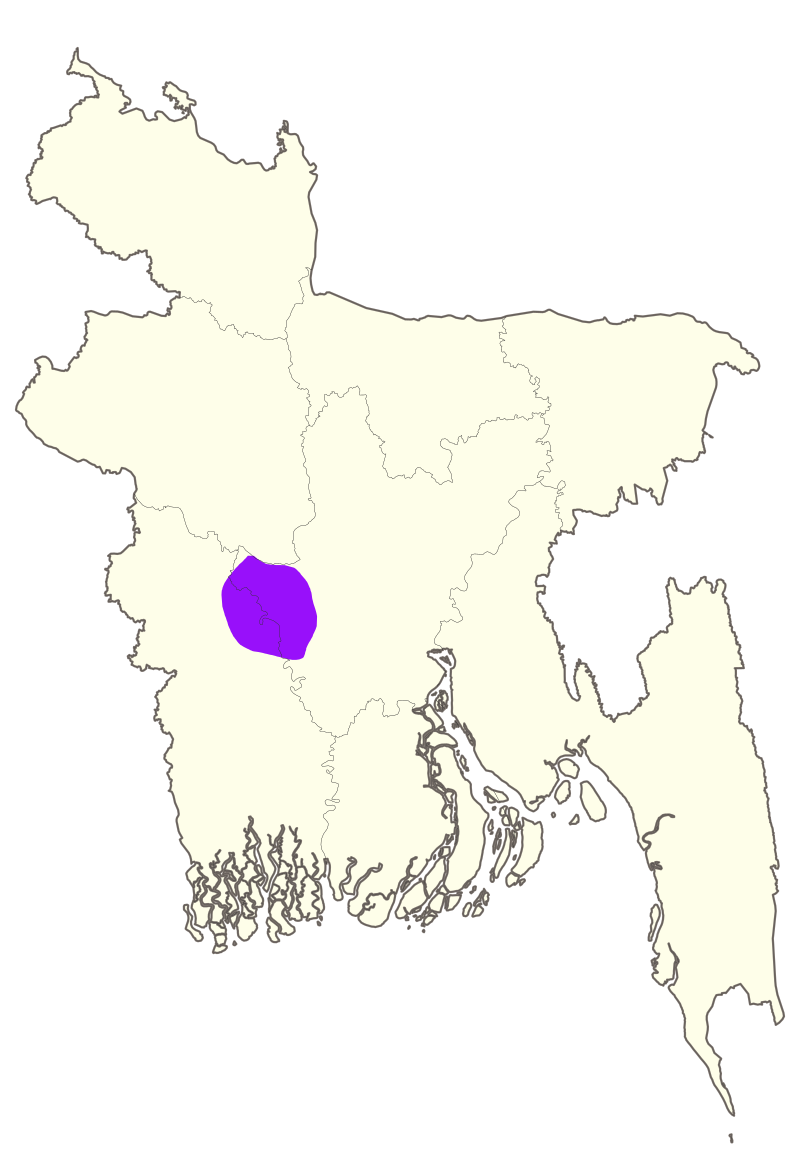
Flatbed cycle rickshaws with this pattern of quarter circles and semicircles, forming a ‘double rounded cross’ pattern, can be seen in eastern Dhaka Division and across the border in Khulna Division, near Magura.
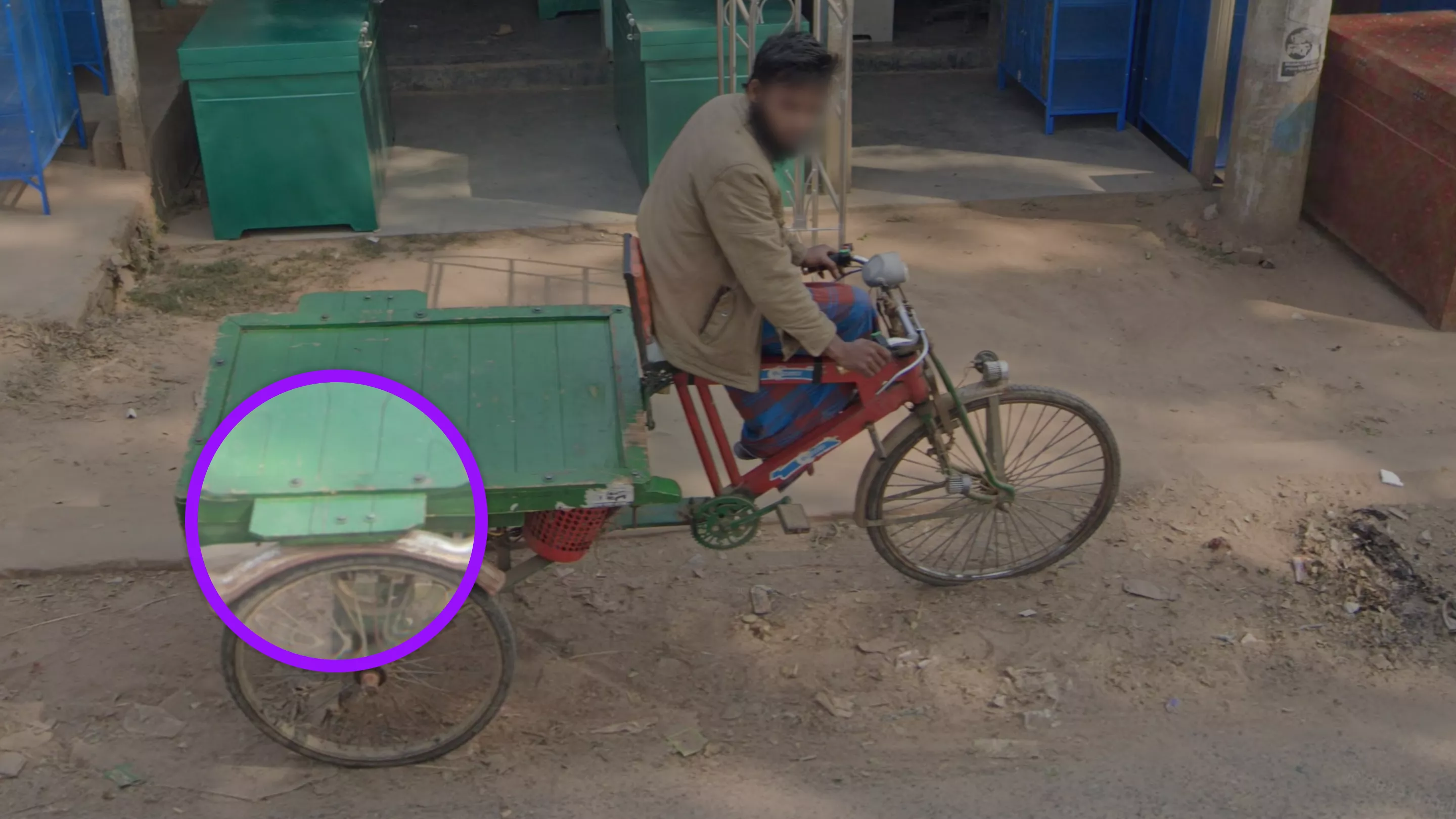
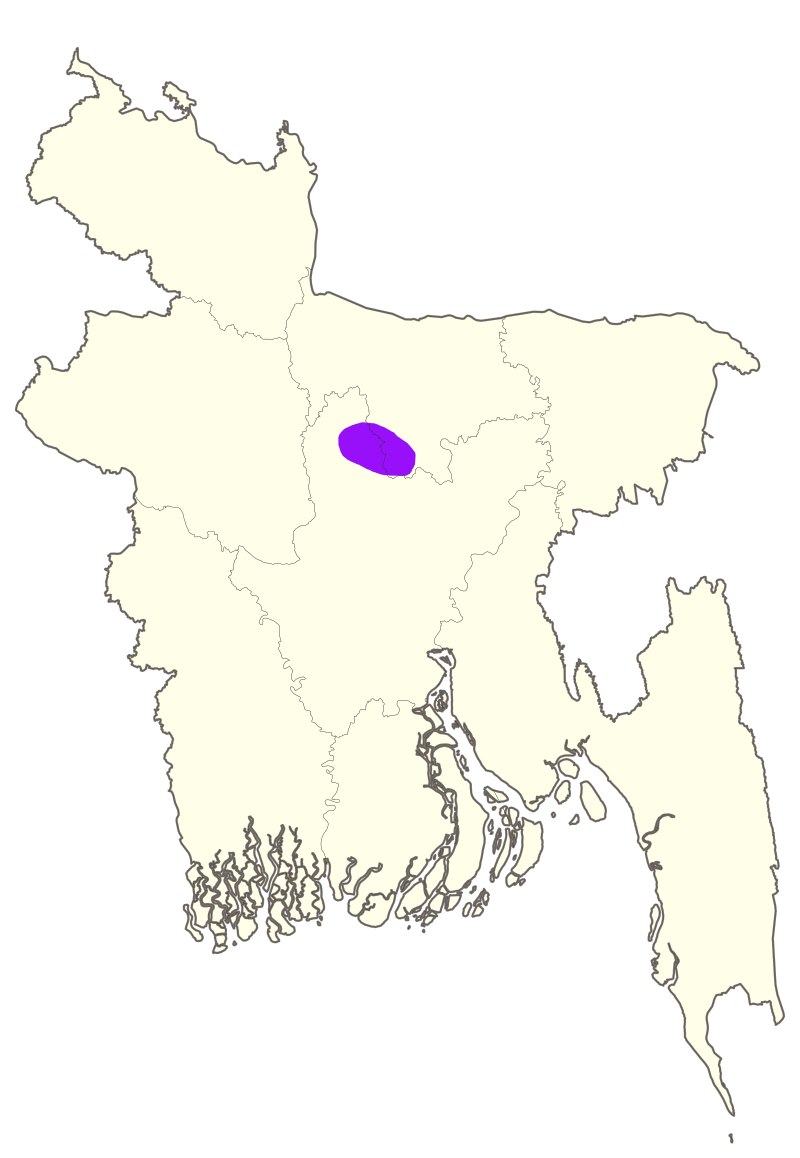
Flatbed cycle rickshaws with horizontal wooden extensions above the rear wheels are most commonly found north-east of Tangail and in part of southern Mymensingh Division, but can also be seen in Magura.
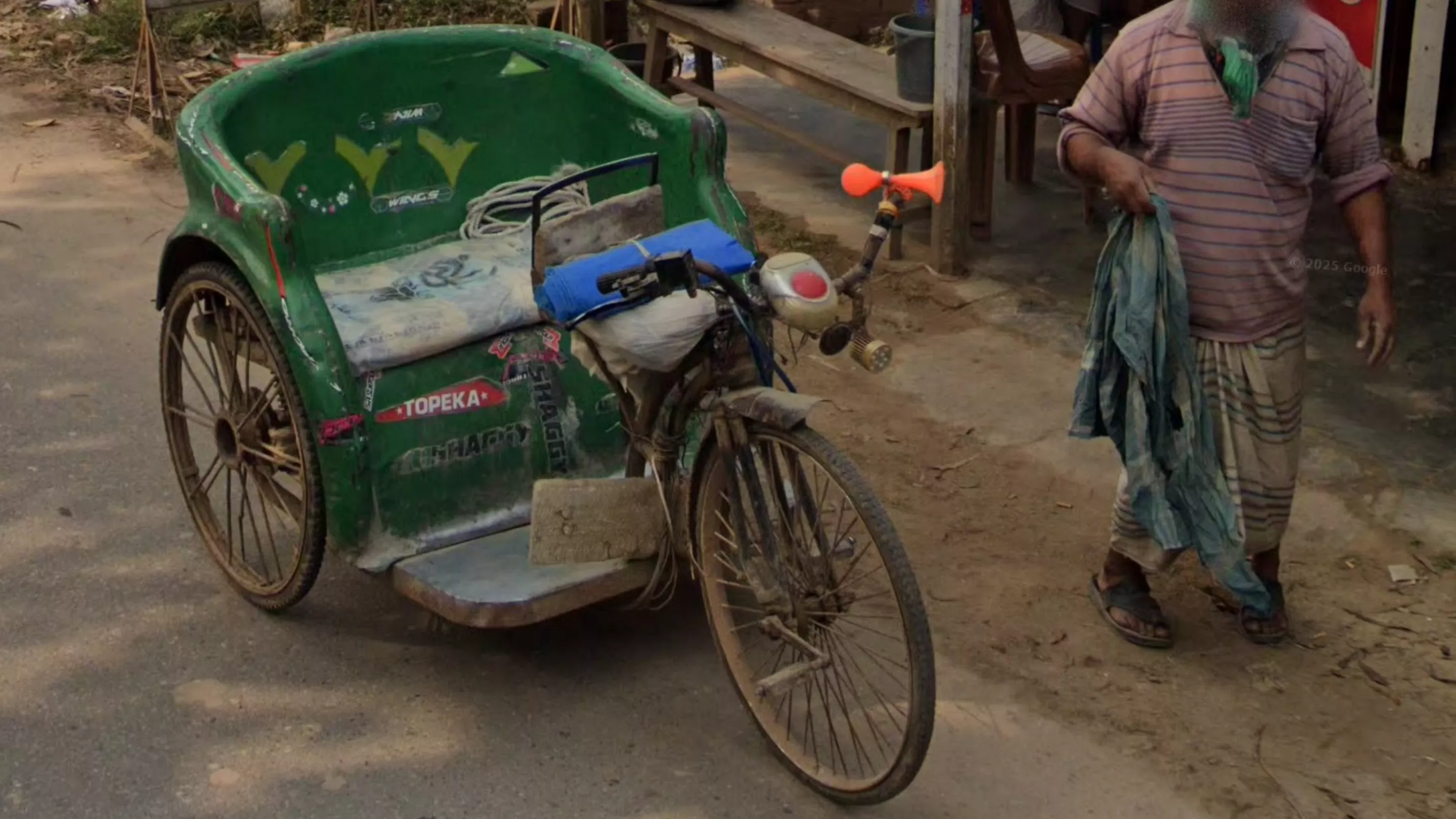
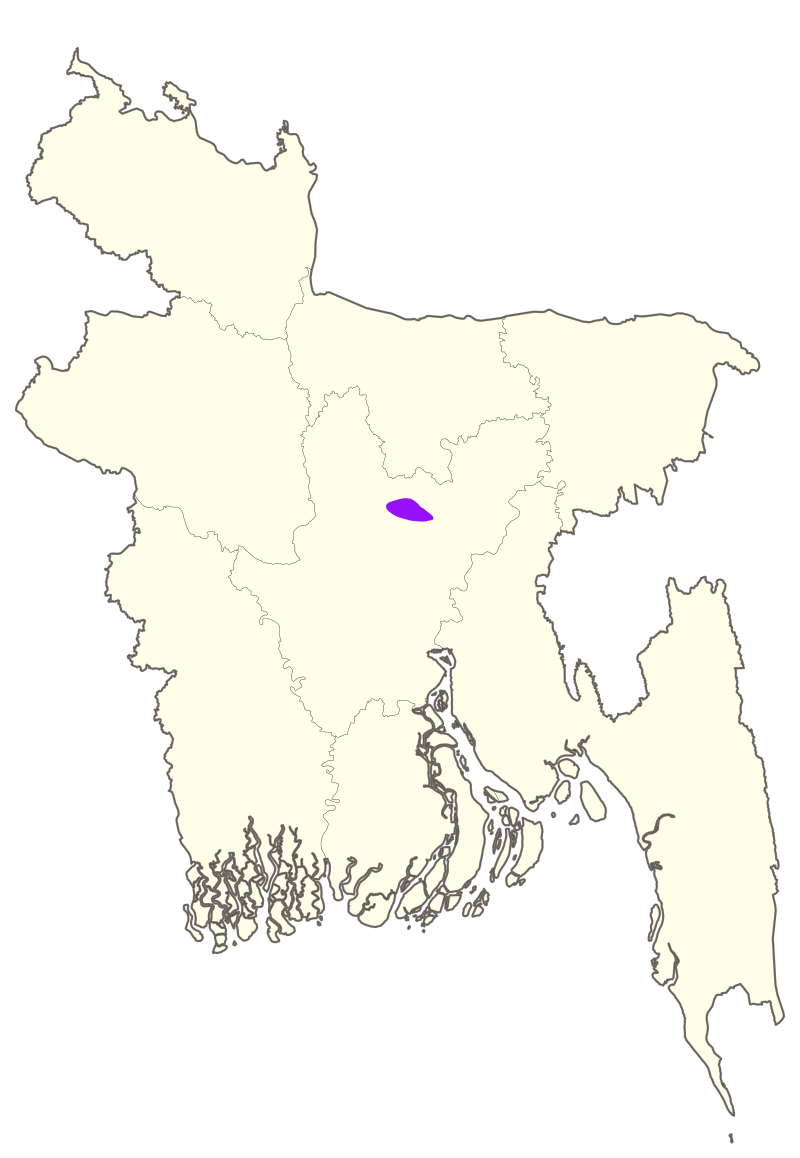
Chariot-like cycle and auto rickshaws with this distinctive style of large passenger seat are only found between Gazipur and Mawna in Dhaka Division.
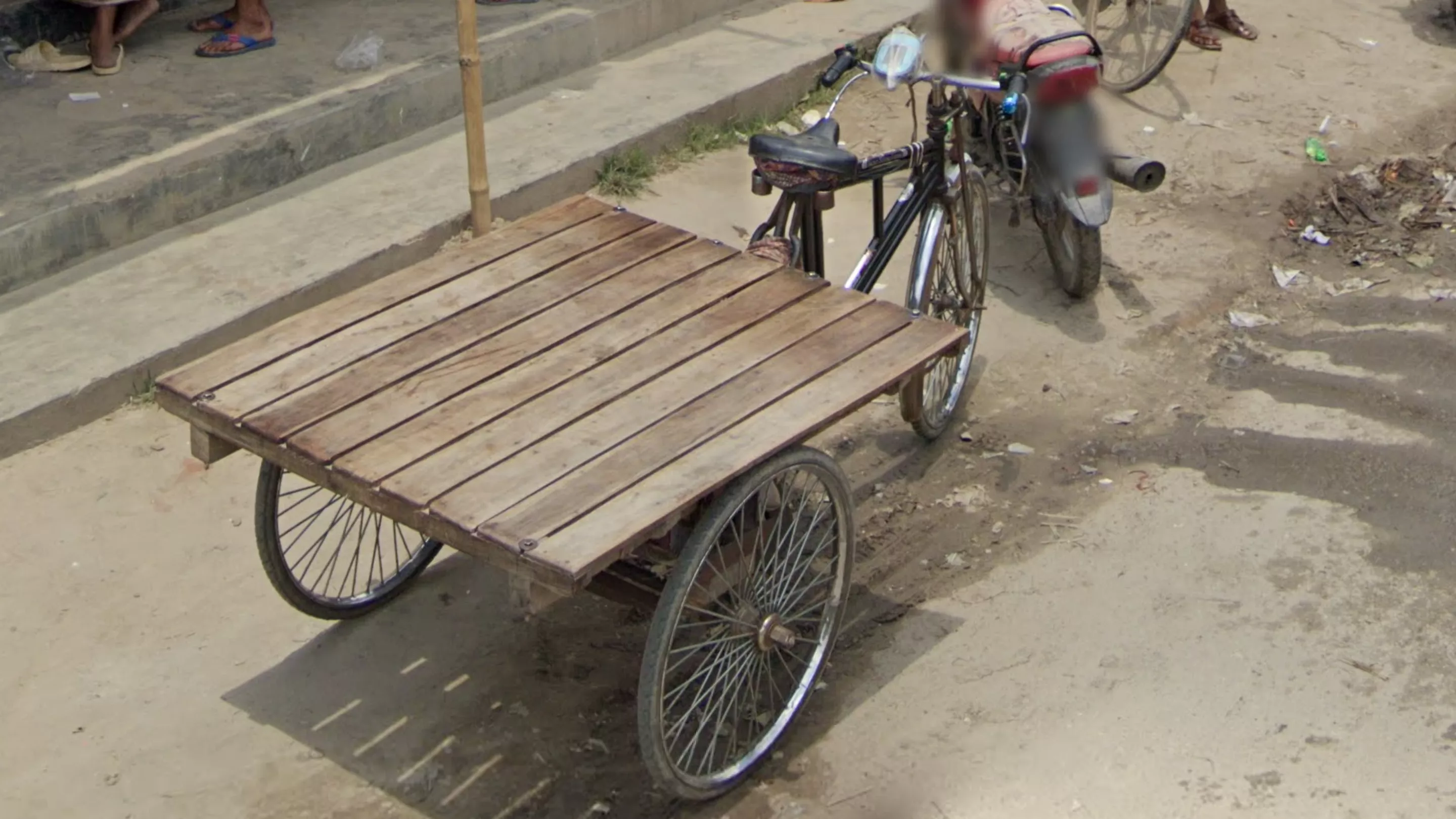
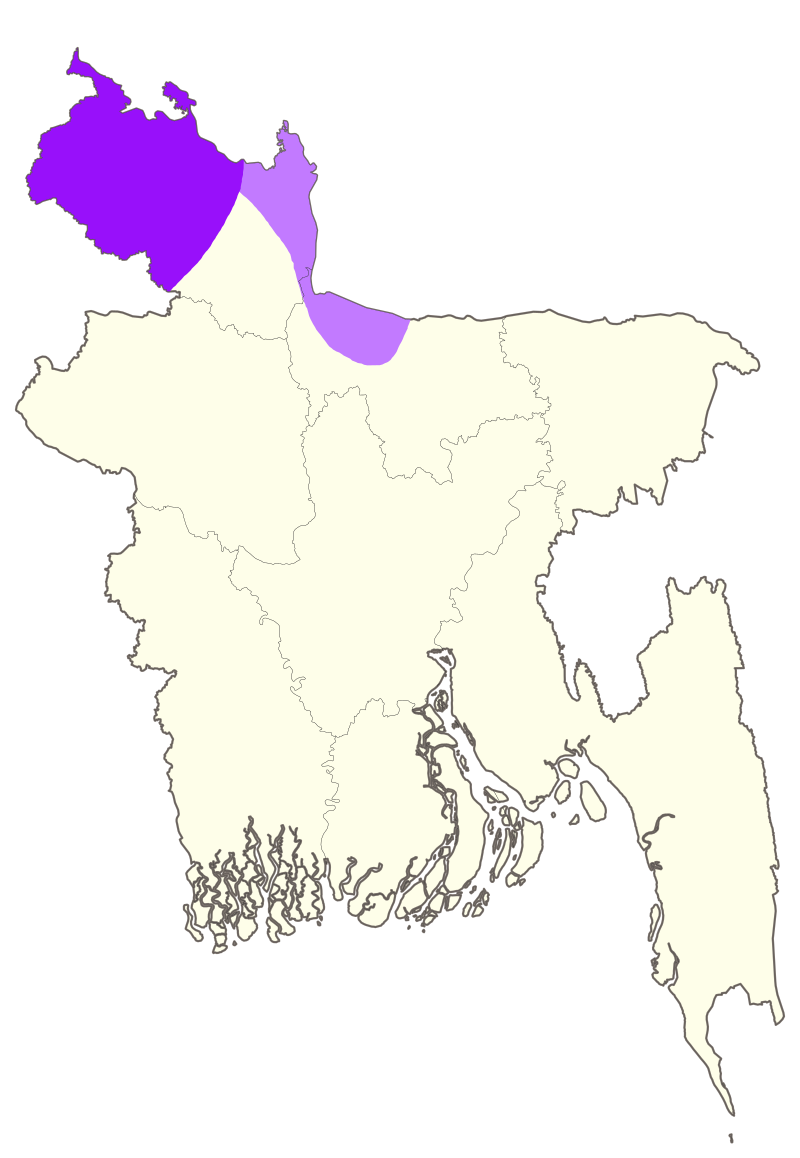
Flatbed cycle rickshaws with long planks, oriented parallel to the driving direction, can rarely be found all around the country, however they are by far most common in north-western Rangpur Division and rarely in north-western Mymensingh Division, along the border with India.
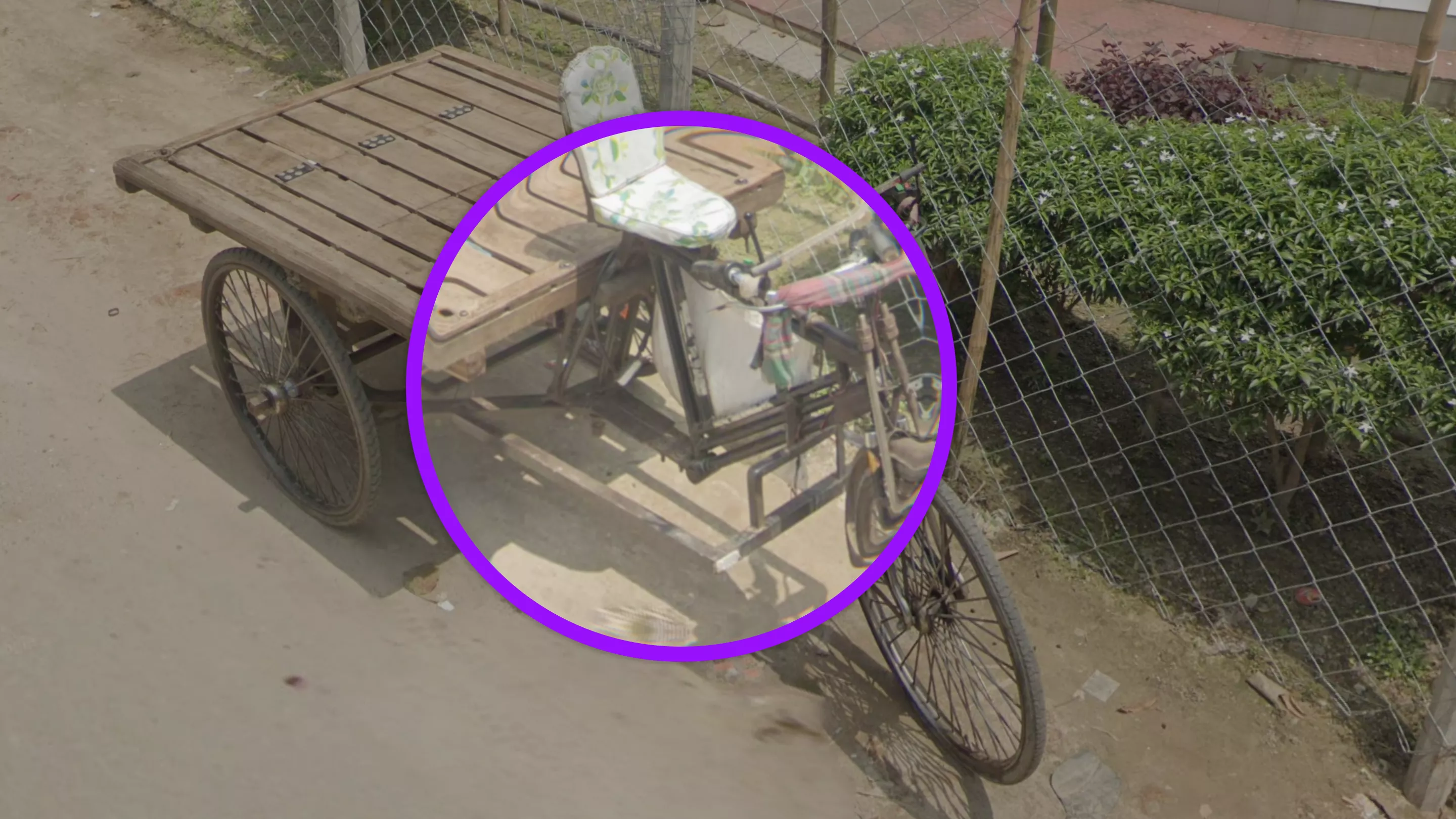
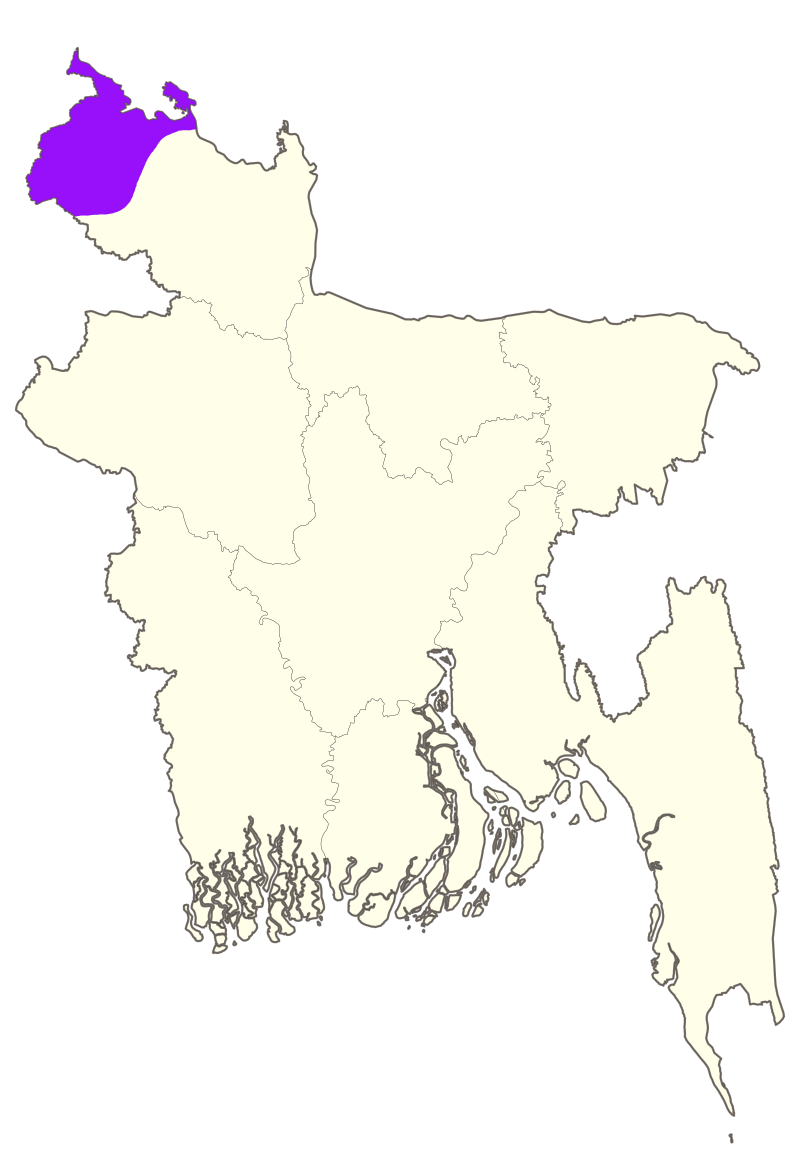
Additionally, flatbed cycle rickshaws with a rectangular metal frame under the driver’s seat, are commonly found in far north-west Rangpur Division.
Roofed Cycle Rickshaws
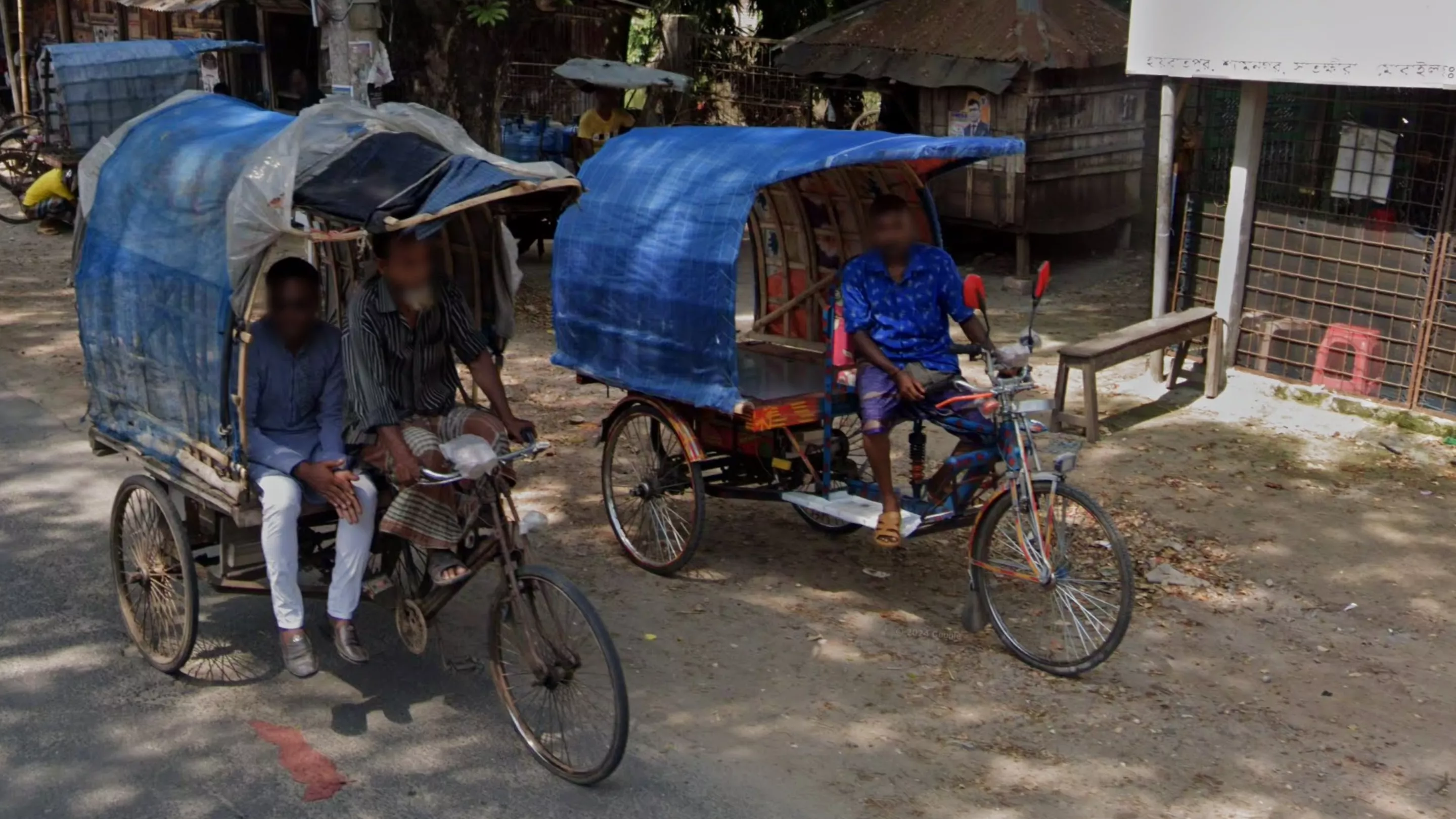
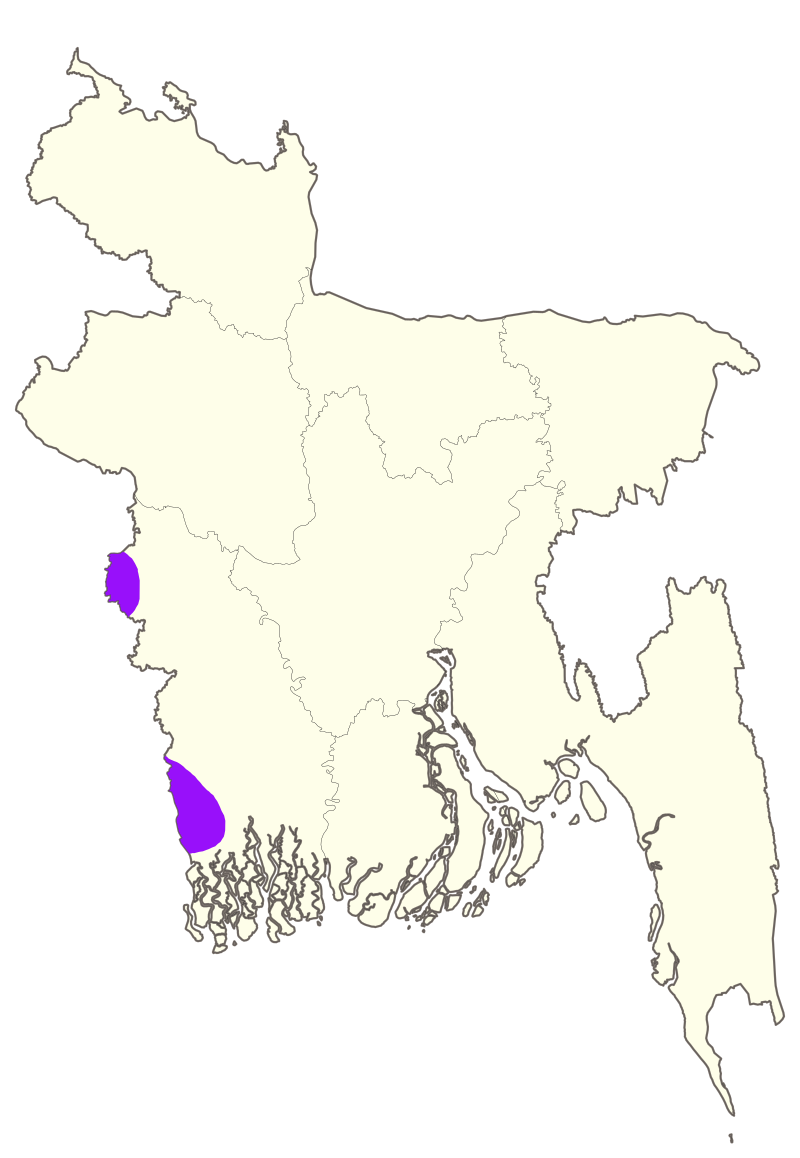
Cycle rickshaws with arched tunnel-like roofs extending over the driver’s seat are only used in two separate areas near the border with India: south of Satkhira and south of Meherpur.
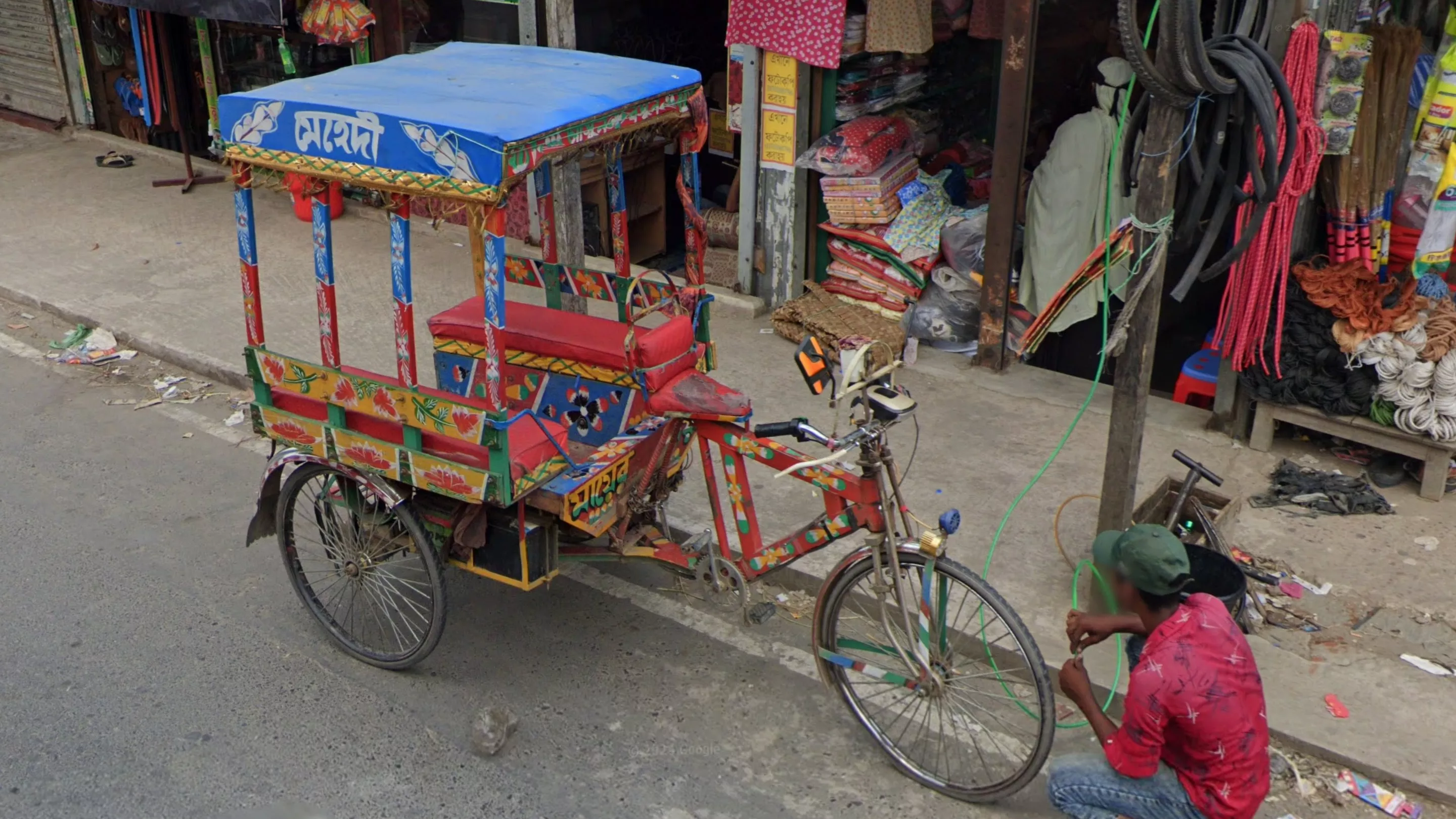
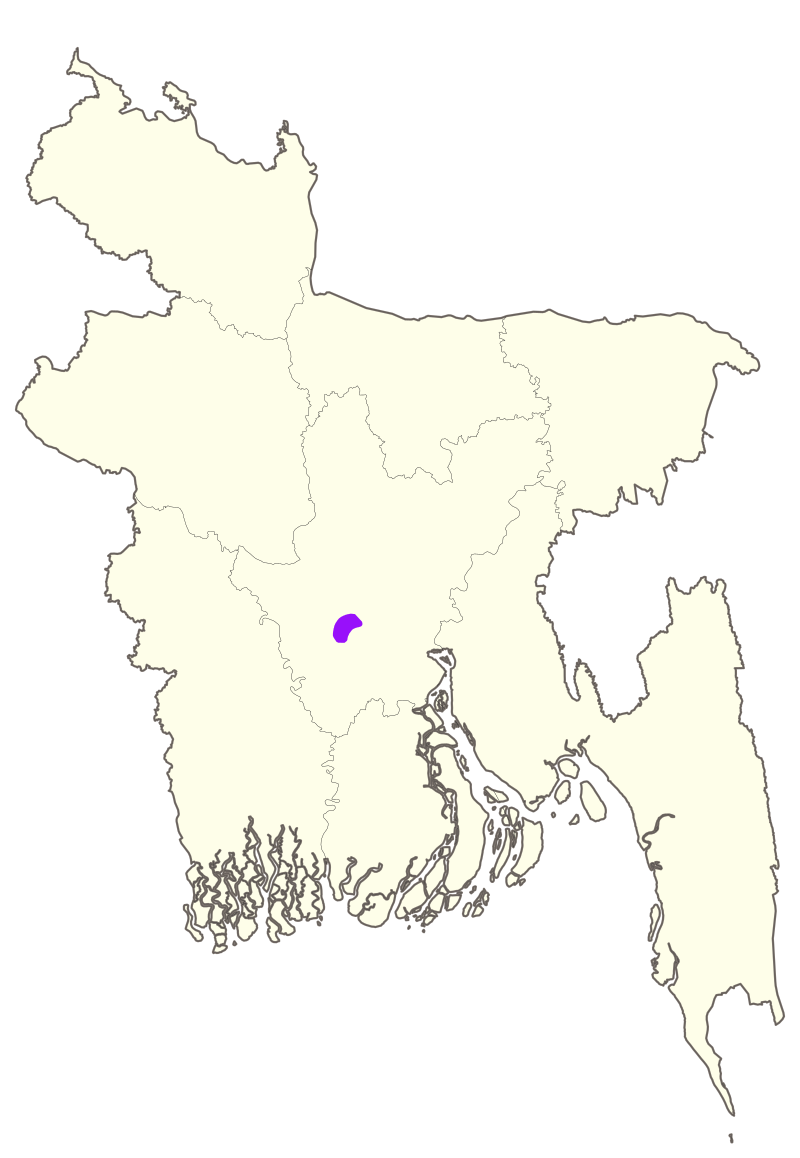
Cycle rickshaws with long benches and square roofs supported by colourful pillars can be found around the town of Sadarpur in south-western Dhaka Division. A variant with the roof extending over the driver’s seat also exists in this area.
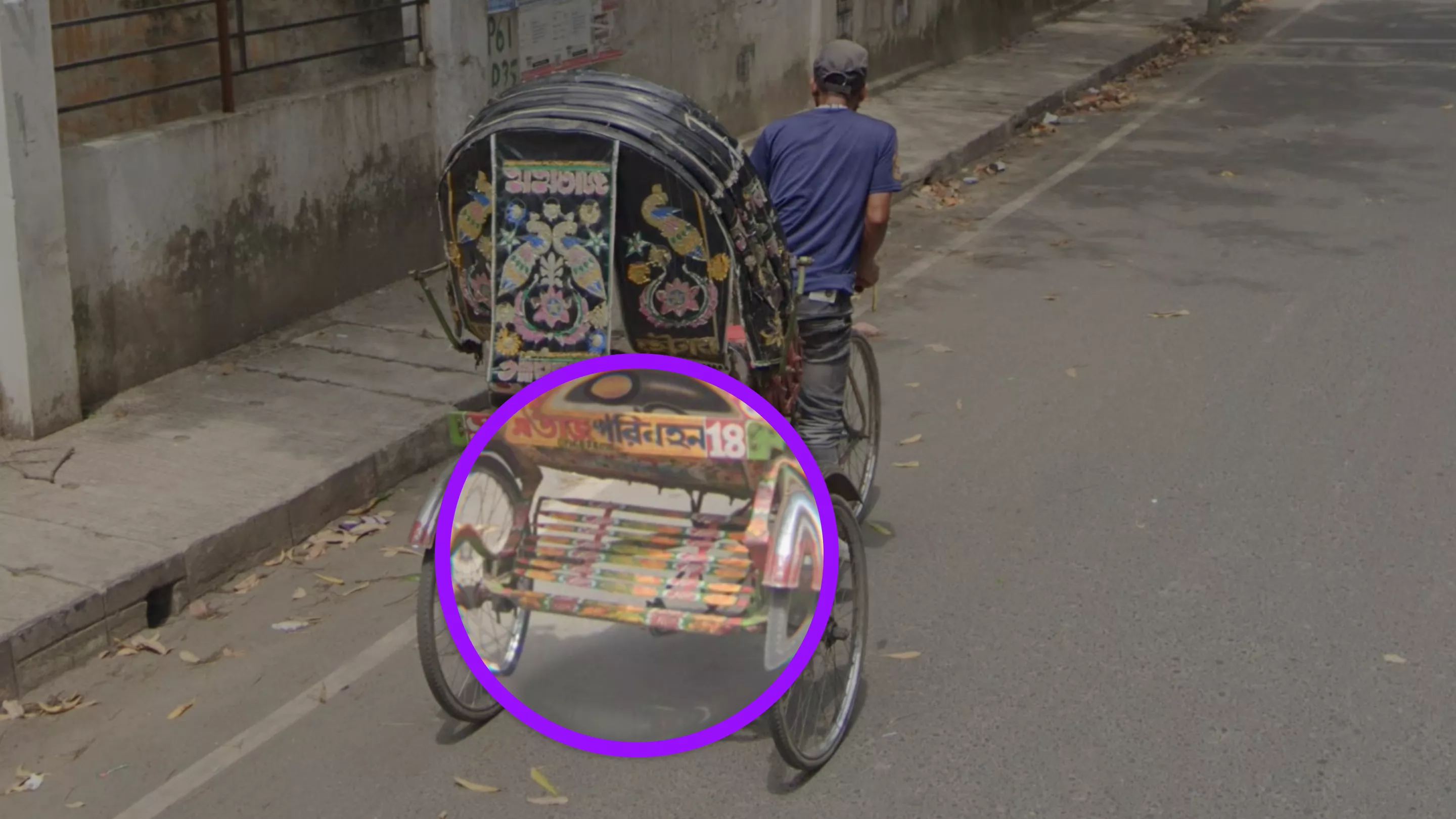
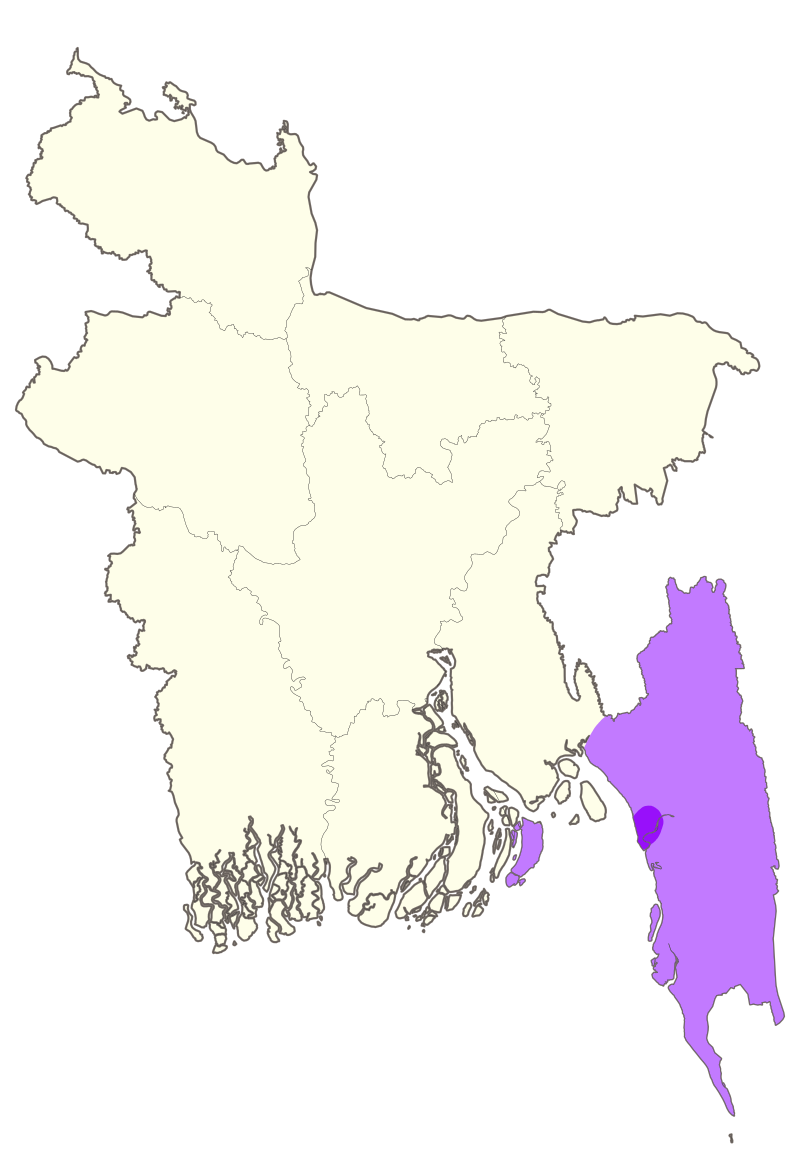
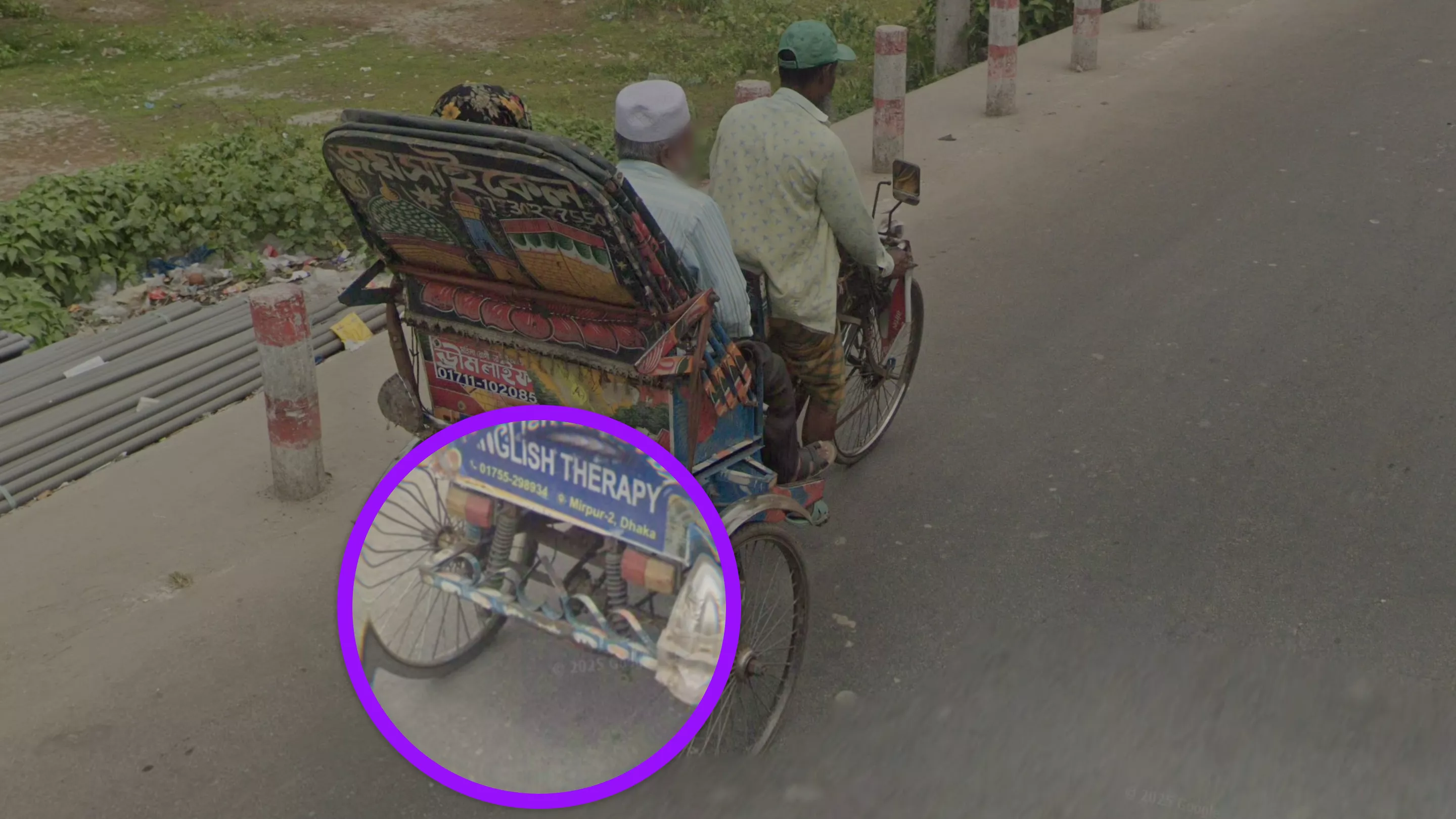
Roofed cycle rickshaws with multiple lines above the rear axle can be found in some areas of southern Chittagong Division and are particularly common in the city of Chittagong.
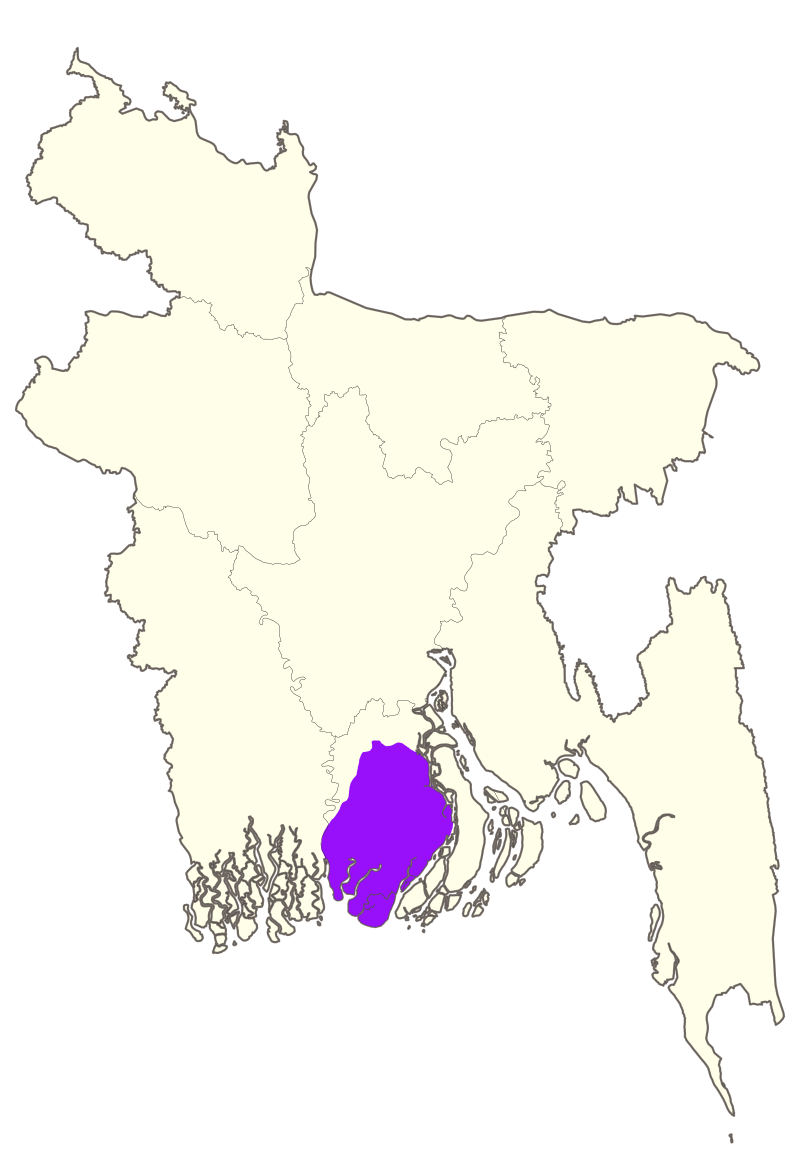
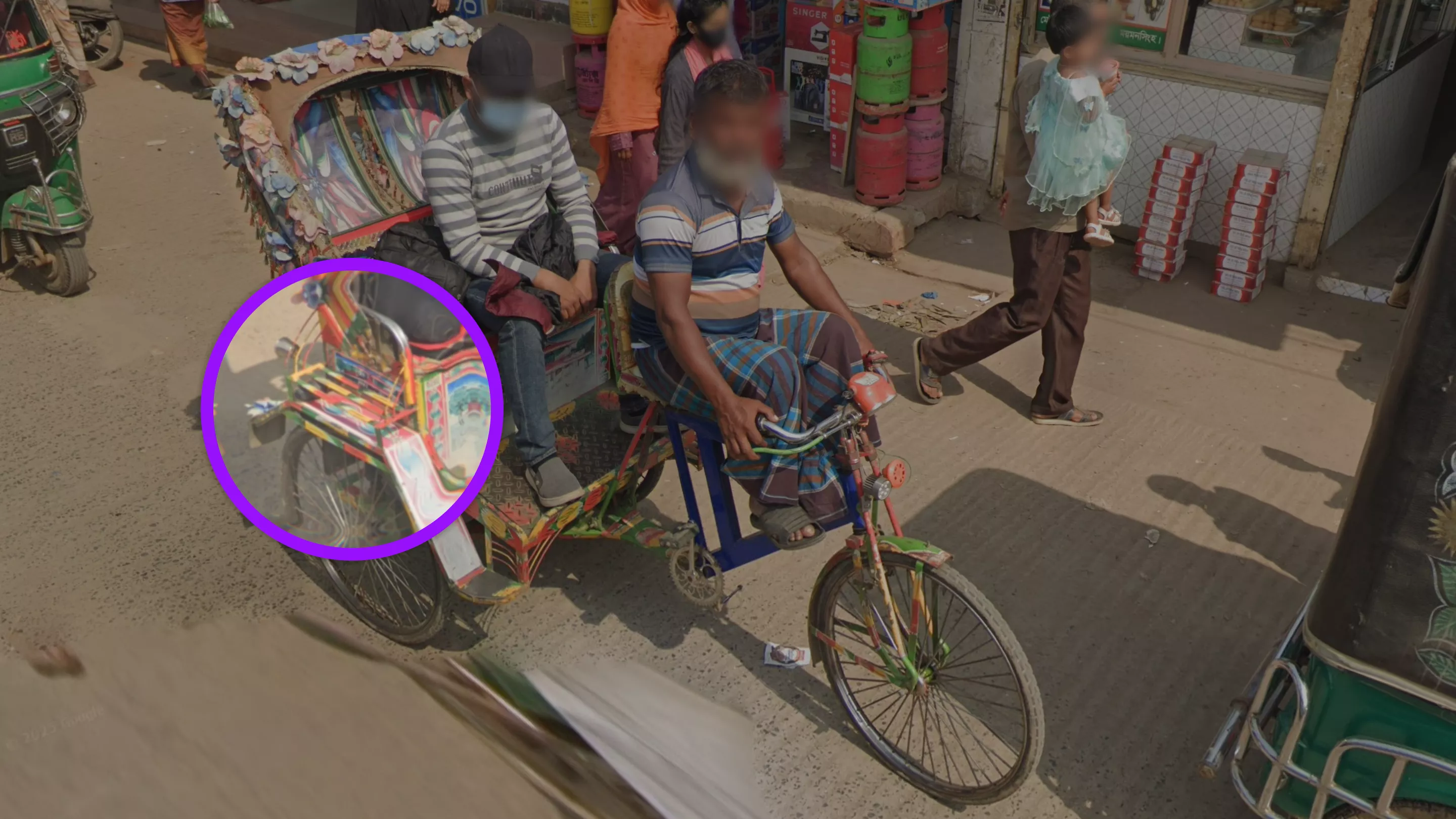
Roofed cycle rickshaws with these distinctive rear axle ornaments are only found in Barishal Division. There are two common variants: a simpler design with an upside-down heart shape in the centre and a more ornate one with a circular design in the centre.
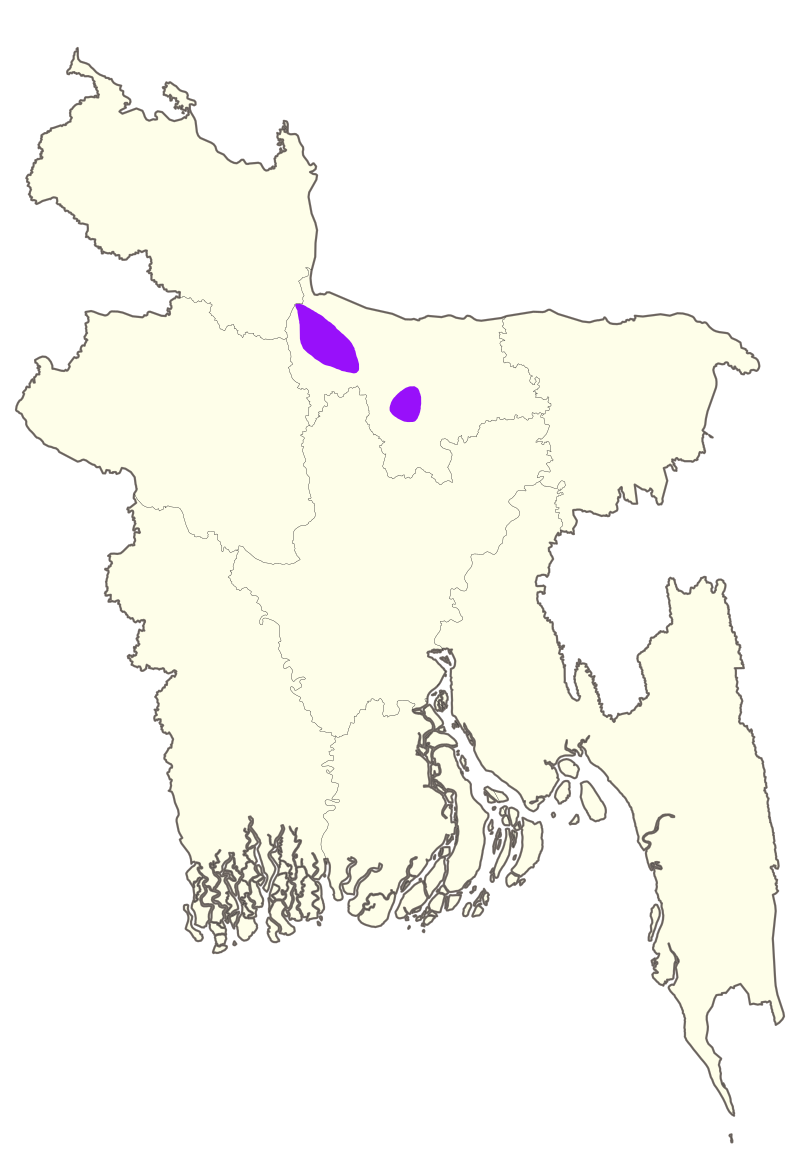
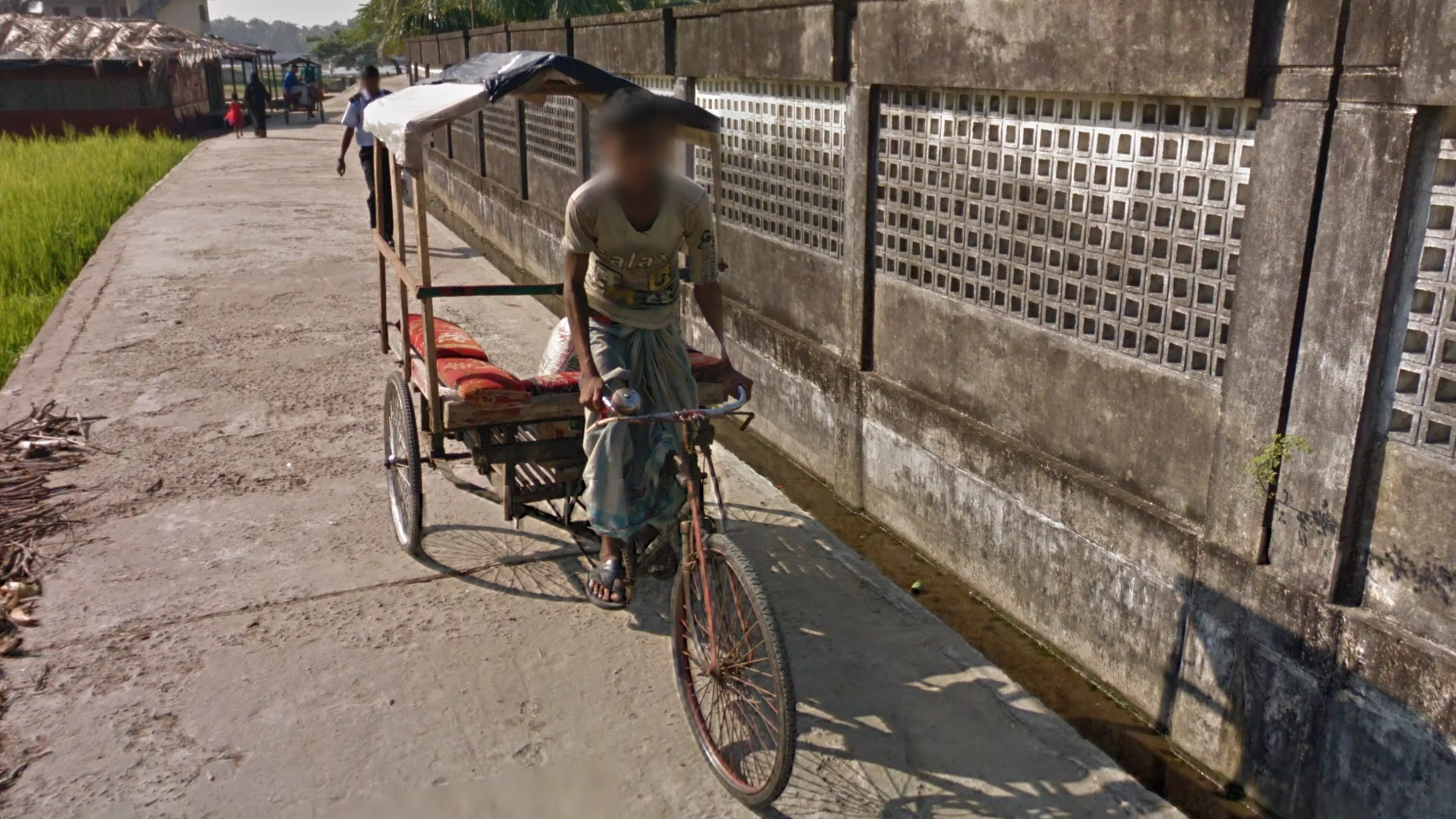
Roofed cycle rickshaws with angular fenders with painted metal bars on top can be found in Mymensingh Division. The roof will often be folded back.
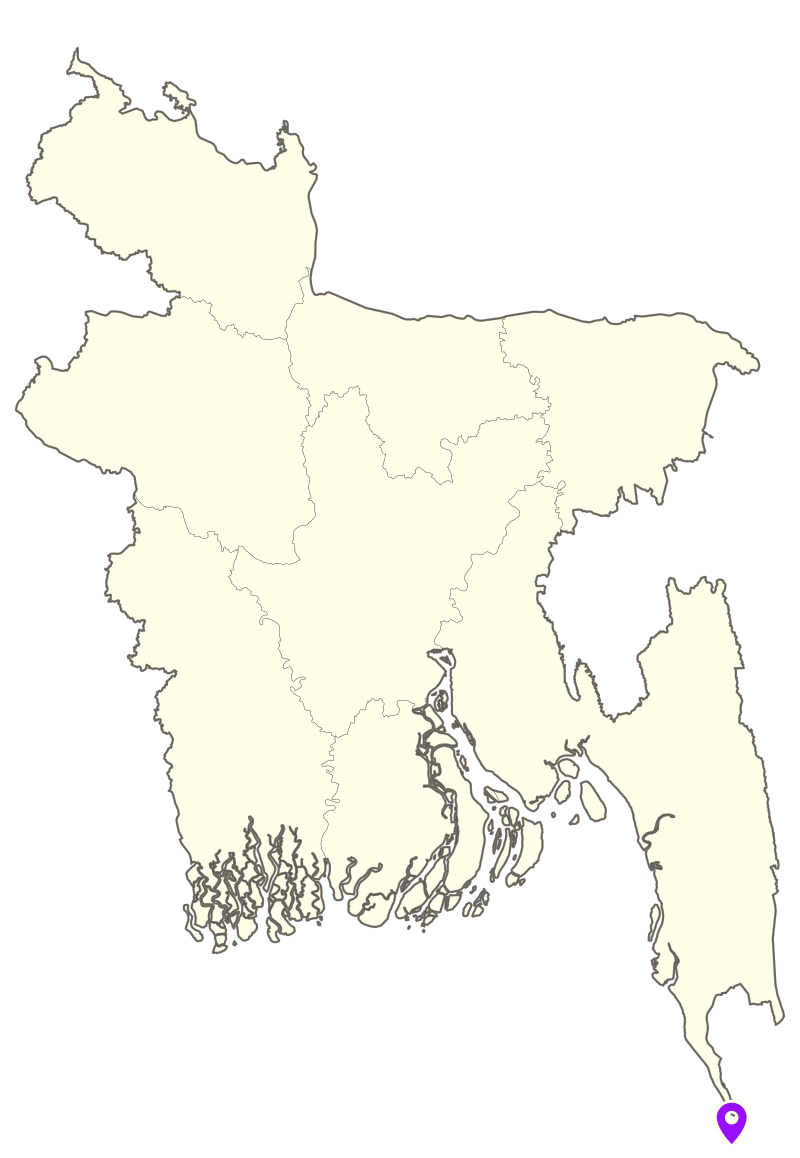
These cycle rickshaws with long benches and ridged roofs are only used on St. Martin’s Island, in the far south of Bangladesh.
Jeeps
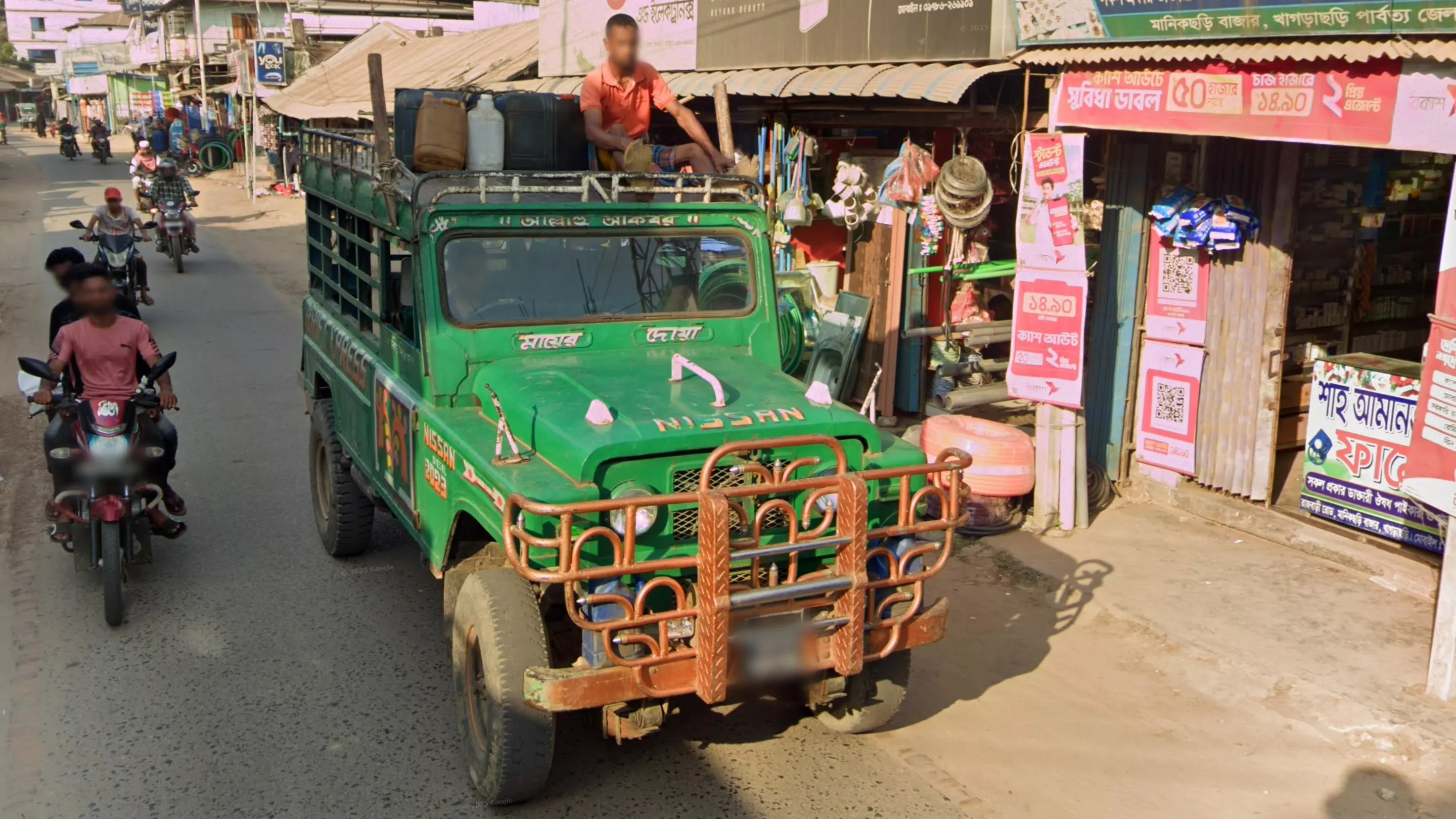
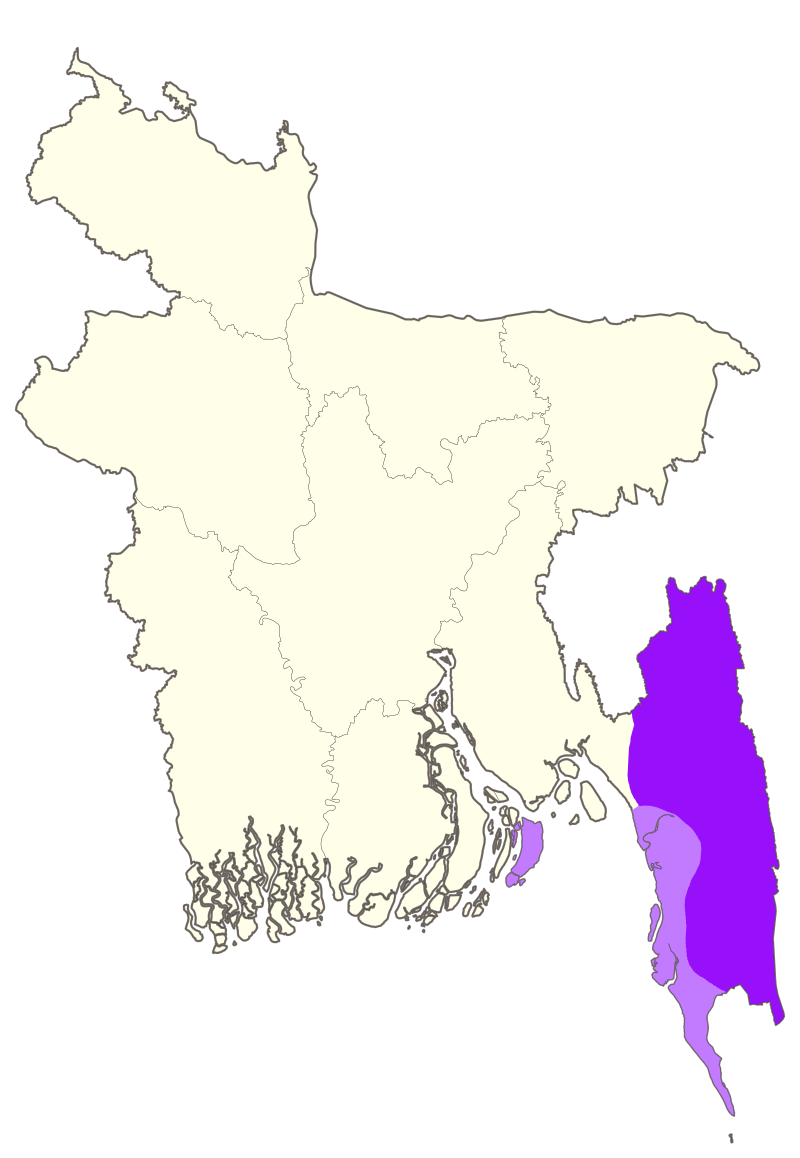
These jeep-style utility vehicles appear predominantly in Chittagong division, especially in the Chittagong Hill Tracts.
Boats
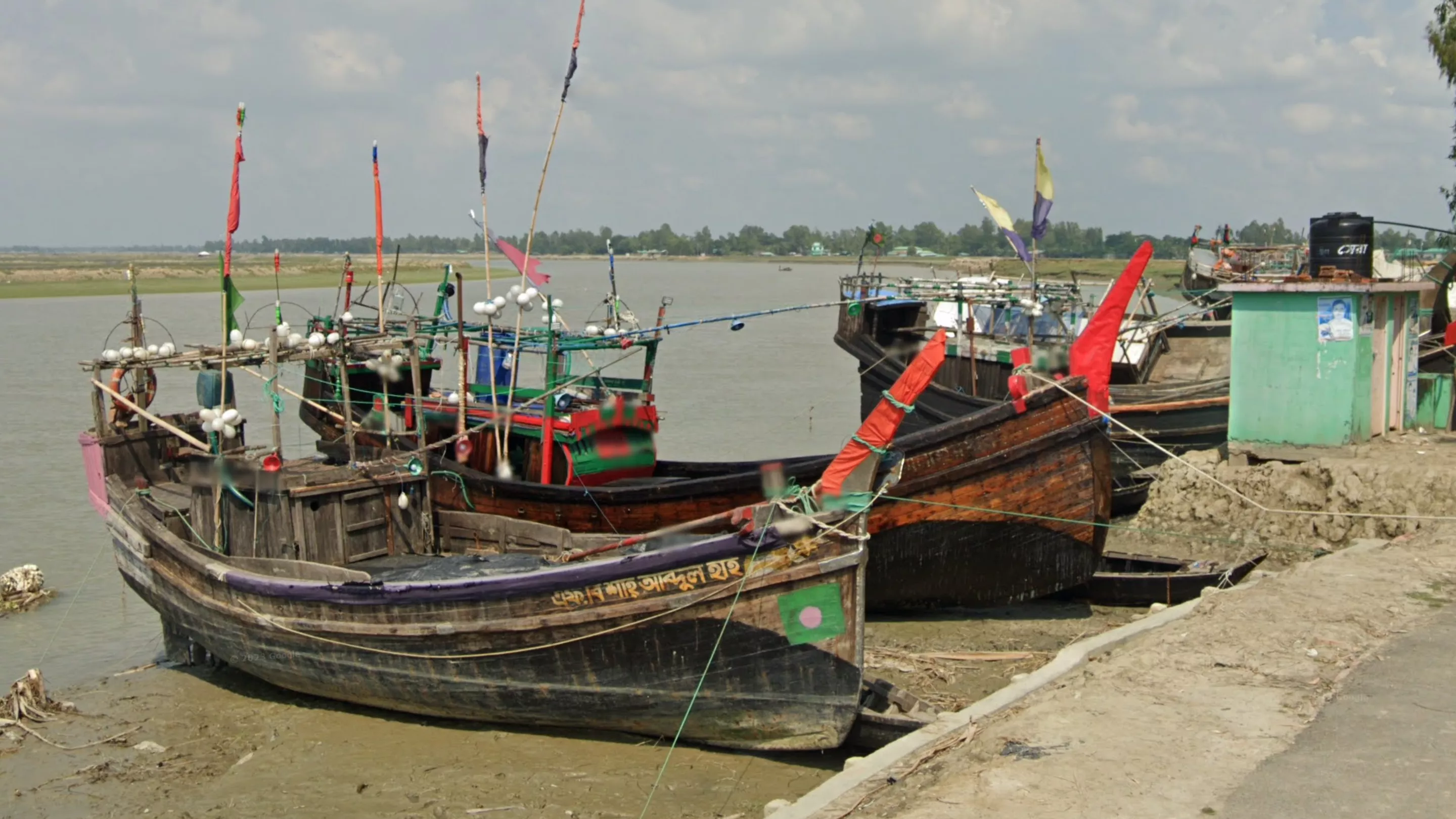
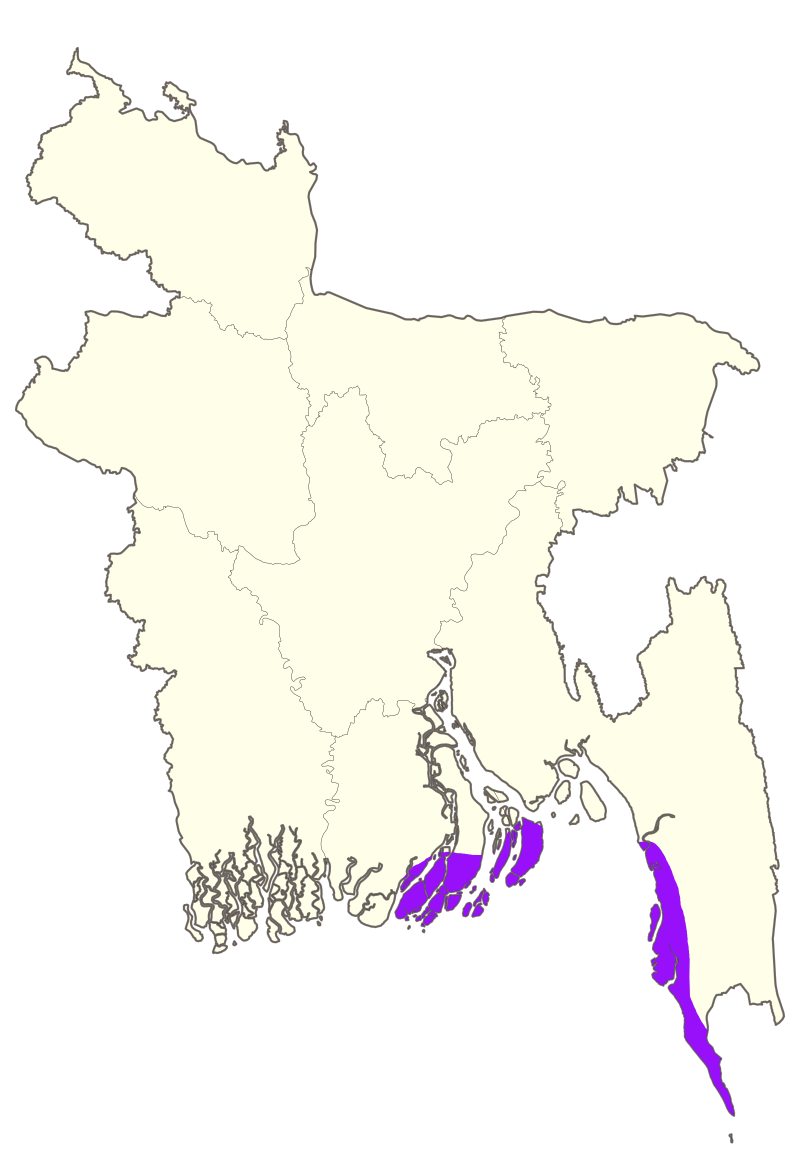
Boats with an extended prow can be seen on the coast or on rivers near the coast in Barishal Division and Chittagong Division. Because they are not seen far inland, this can help confirm your proximity to the coast when you see them in river settings.
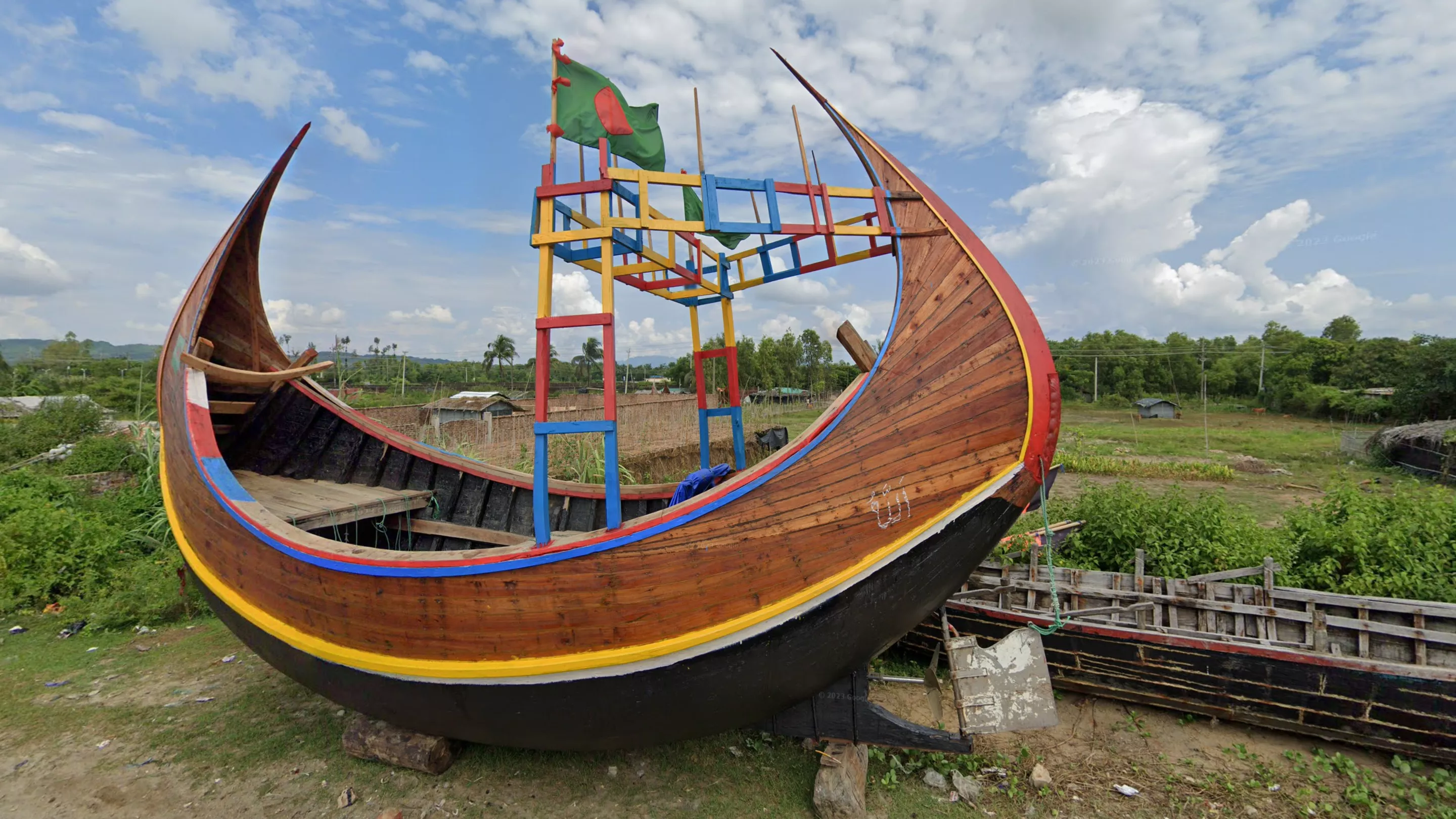
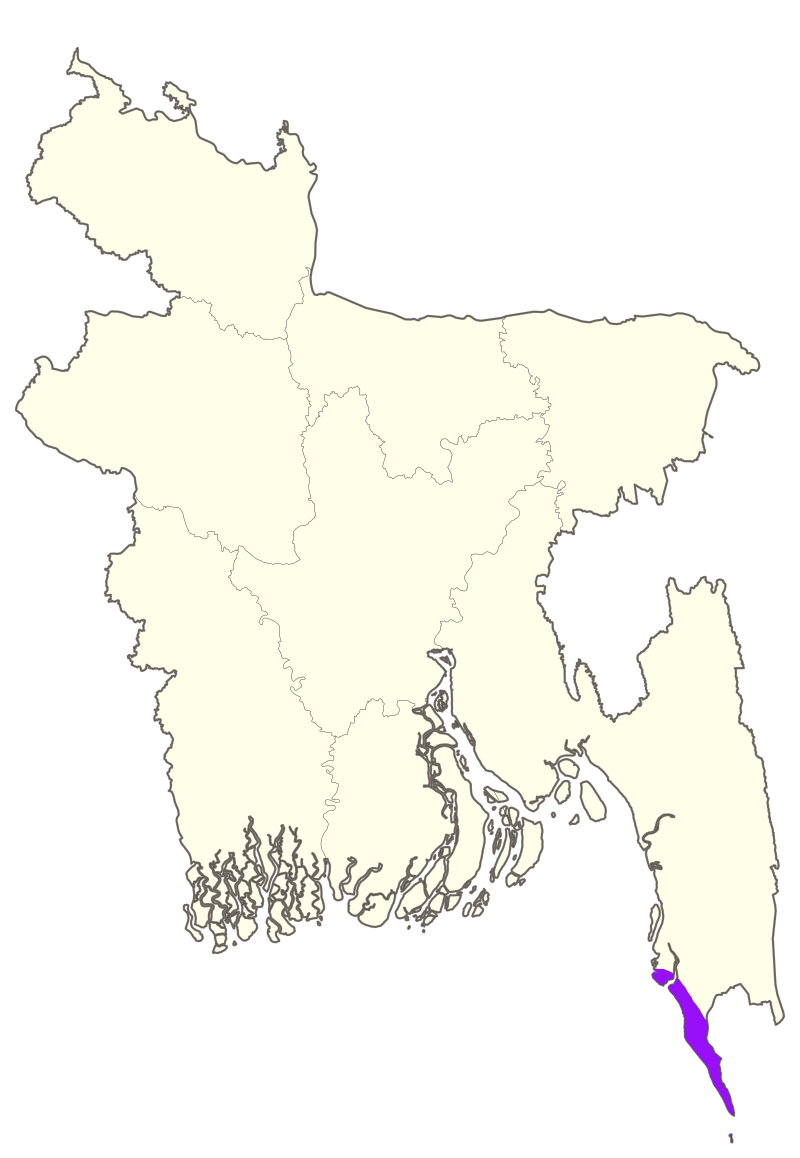
Strikingly-shaped moon boats are an iconic cultural emblem of Cox’s Bazar. You can sometimes spot them in actual use but you may also see them on public display.
Roads
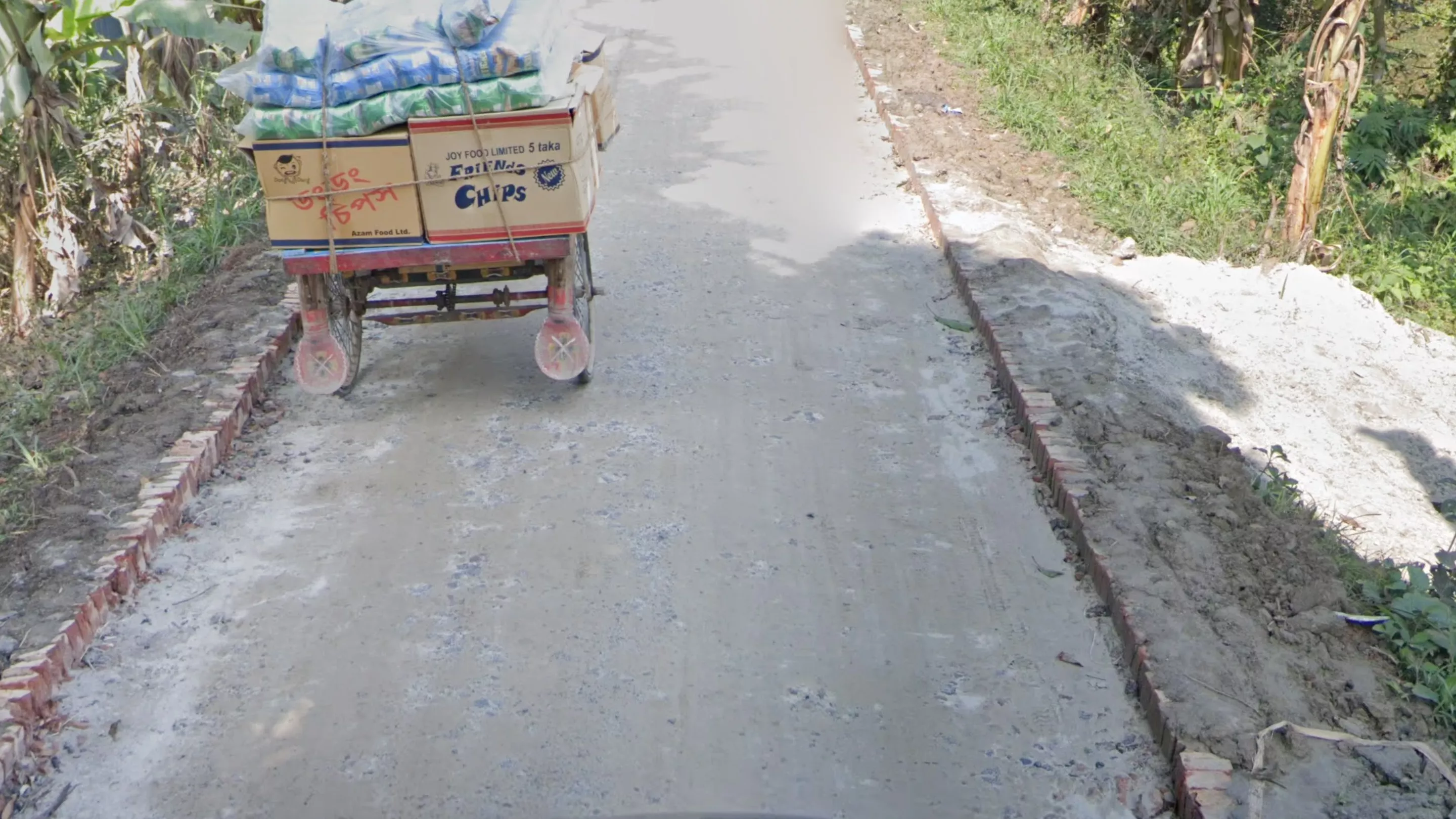
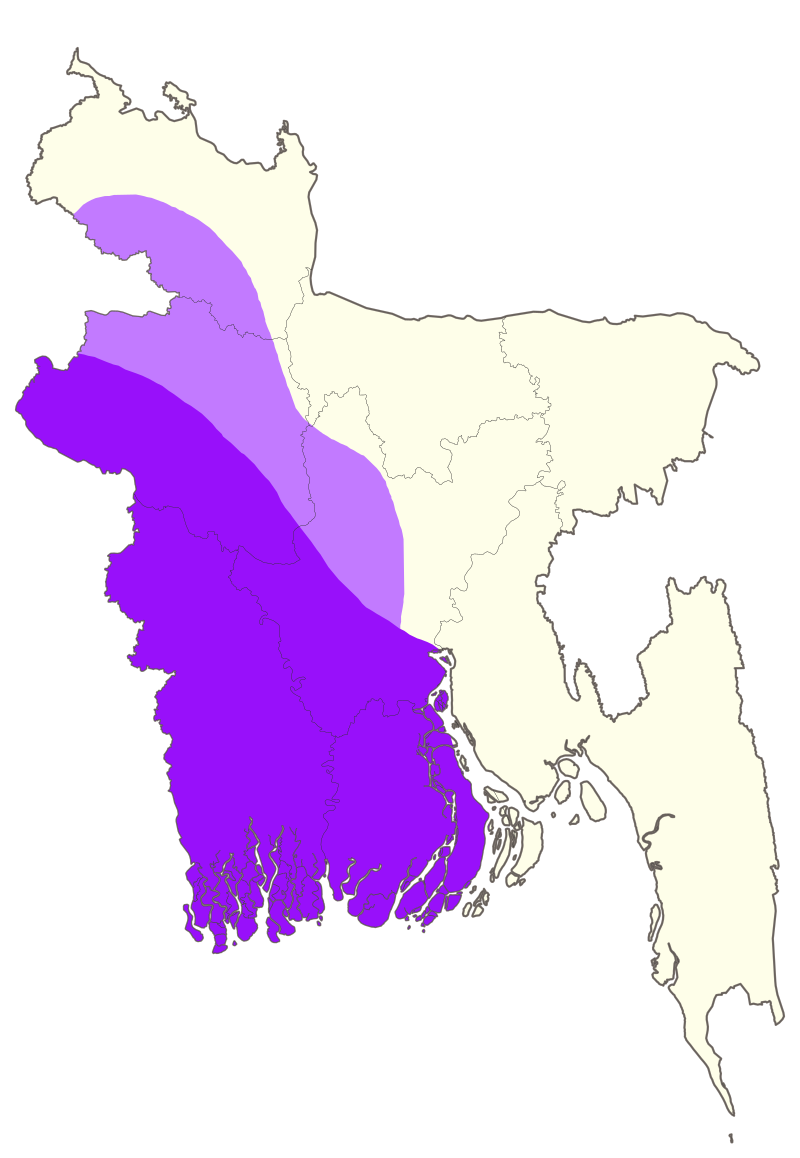
Roads lined by rows of small bricks (either raised or embedded into the ground) are most often found in the south-west, and less frequently in the north-west of the country.
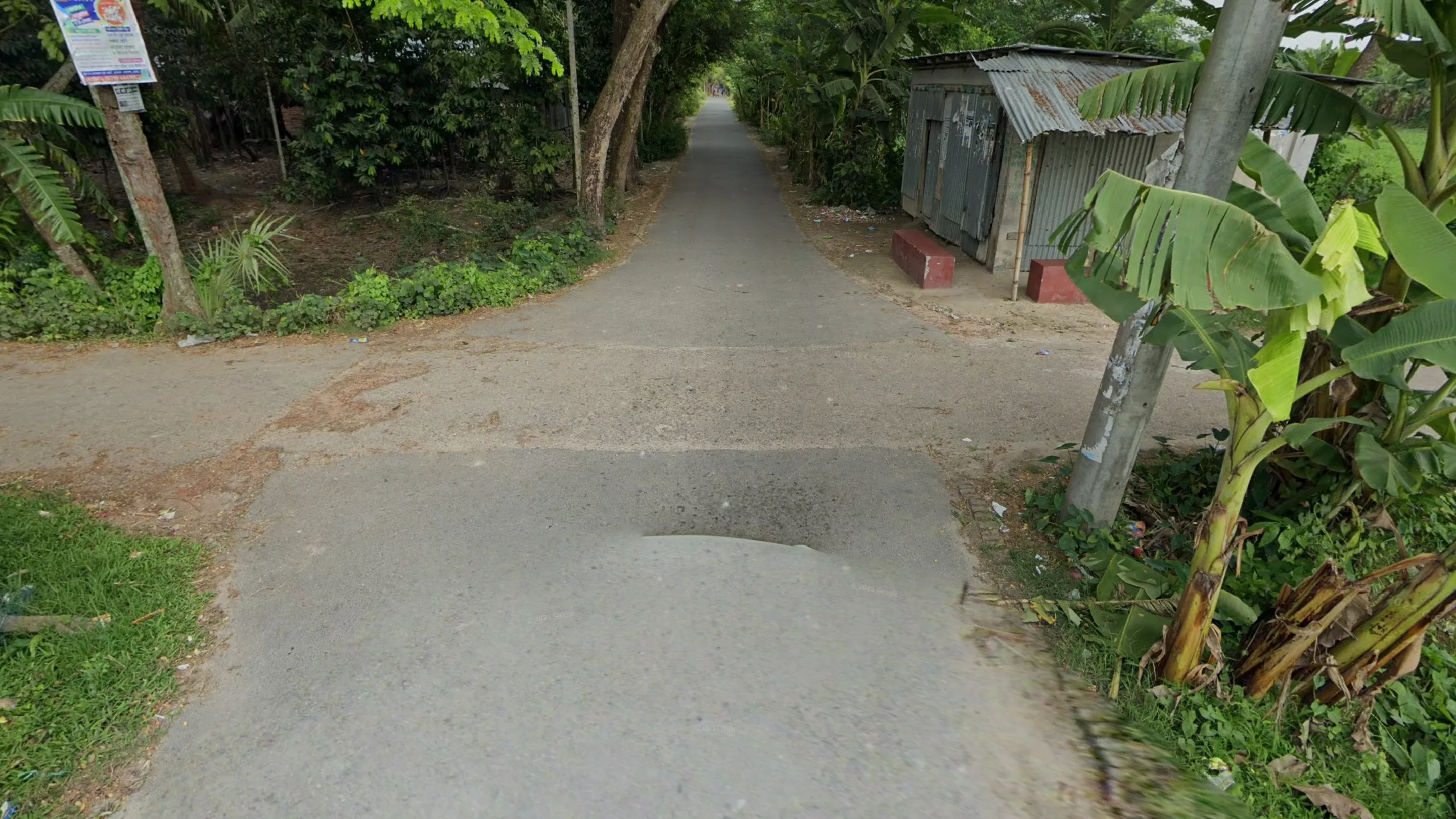
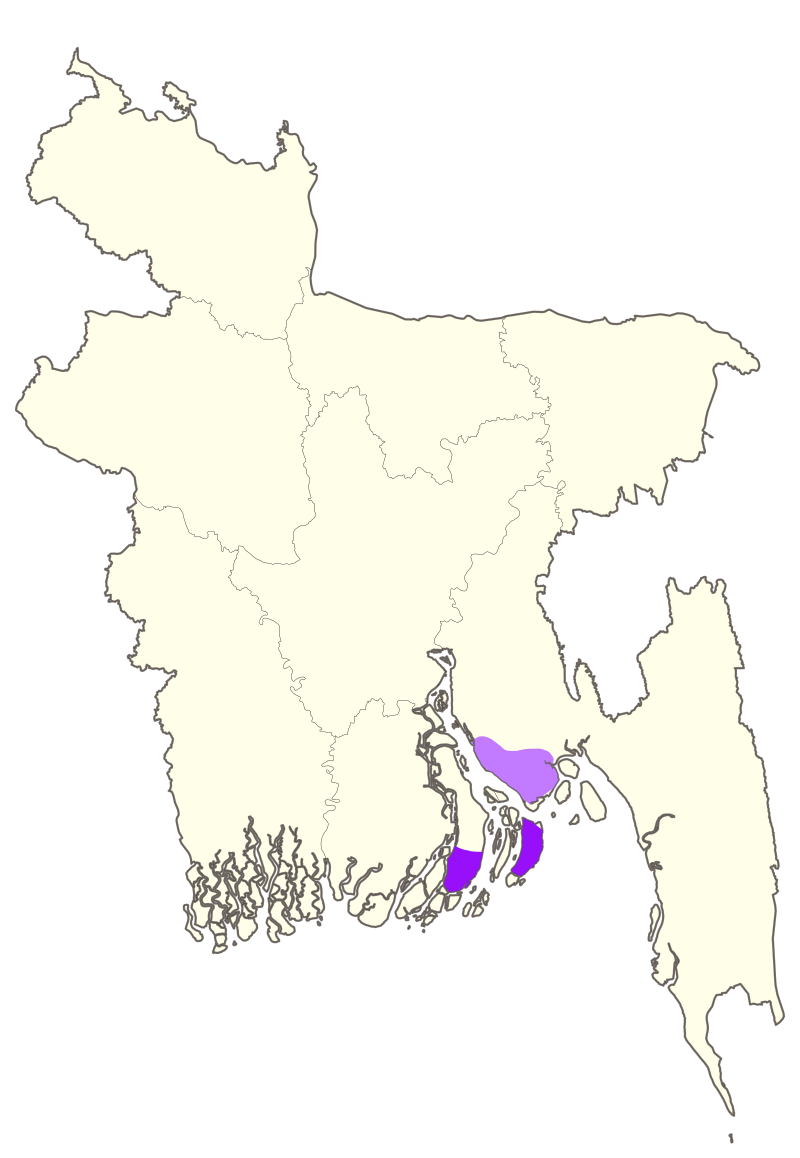
In much of southern Barishal Division and adjacent parts of Chittagong Division, and especially on Bhola Island and Hatiya Island, there are various areas which have N-S oriented grids.
Lime Piles
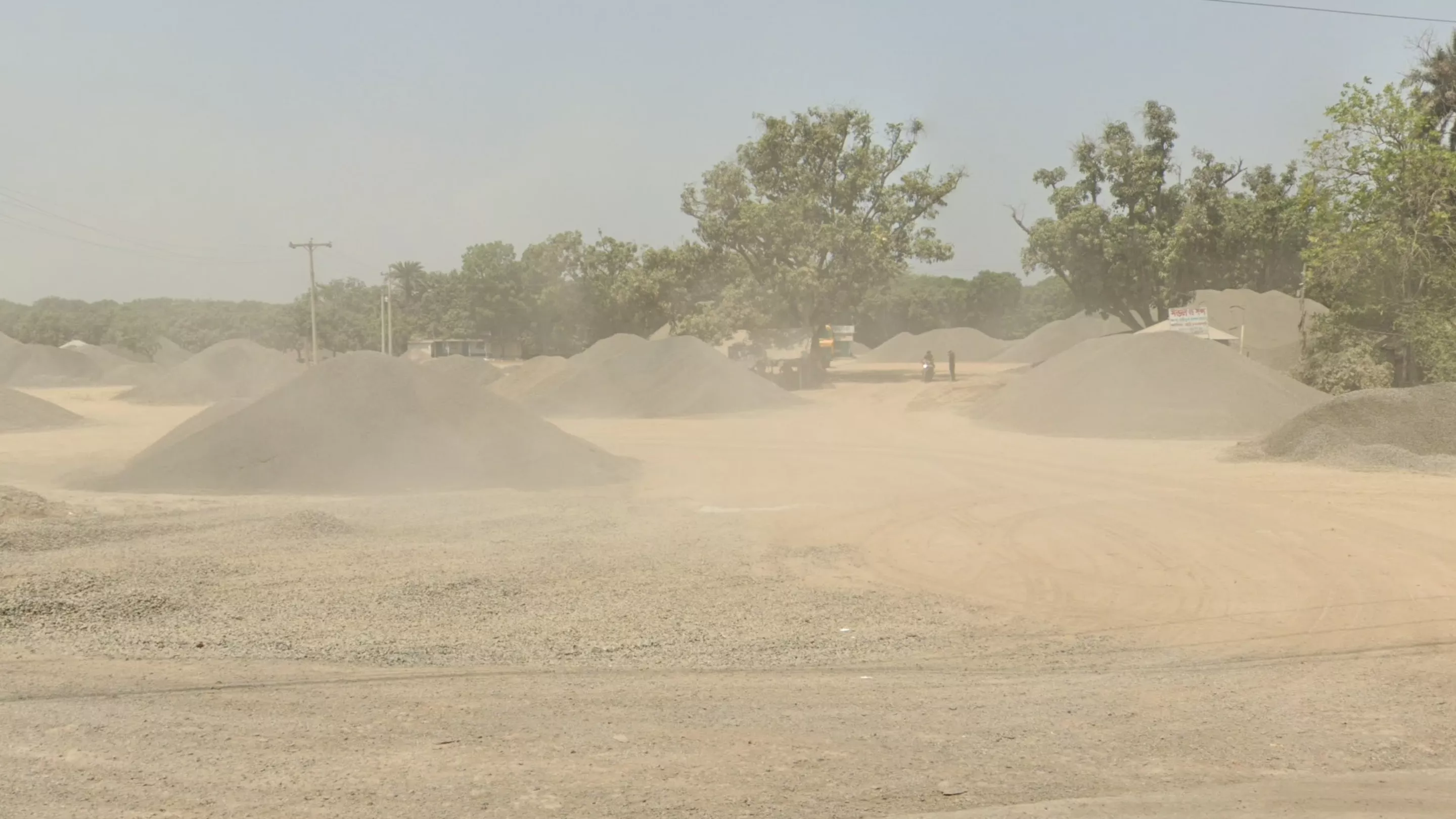
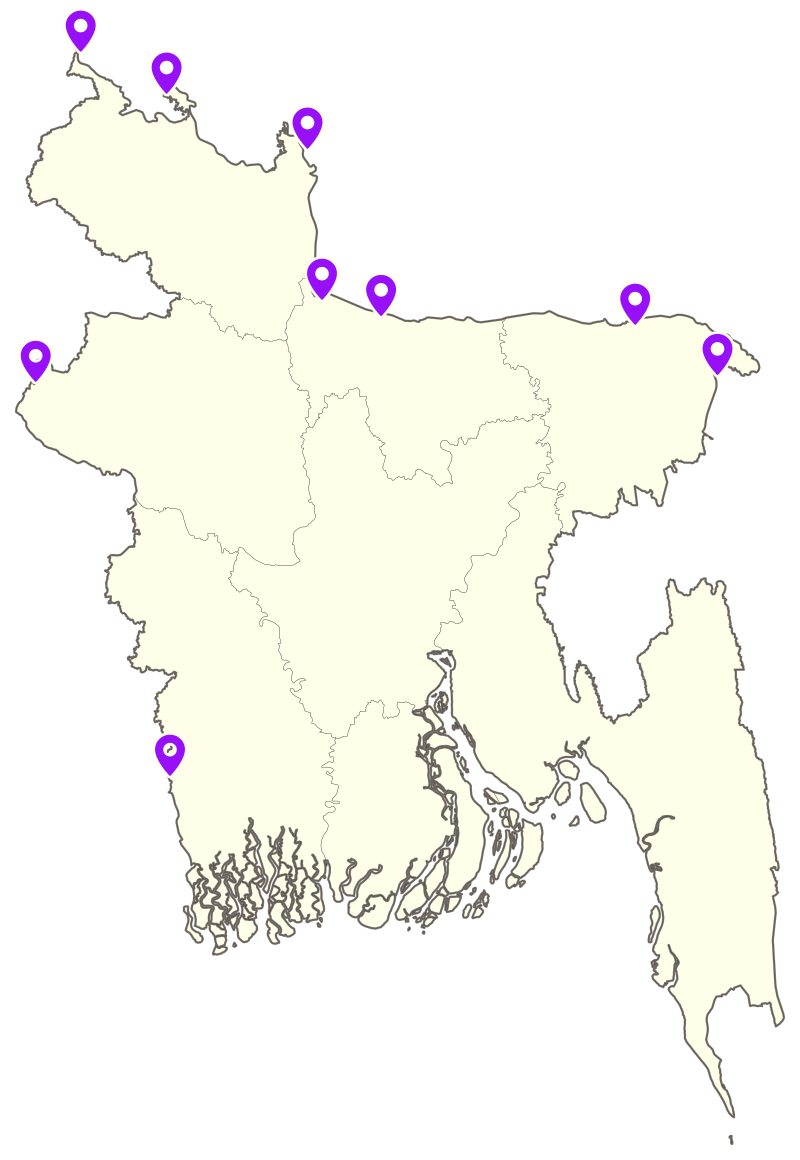
Due to import regulations, at every major border crossing with India, there are long stretches of road surrounded by piles of lime. These are sometimes in the form of rocks and sometimes in the form of ground powder.
Culture
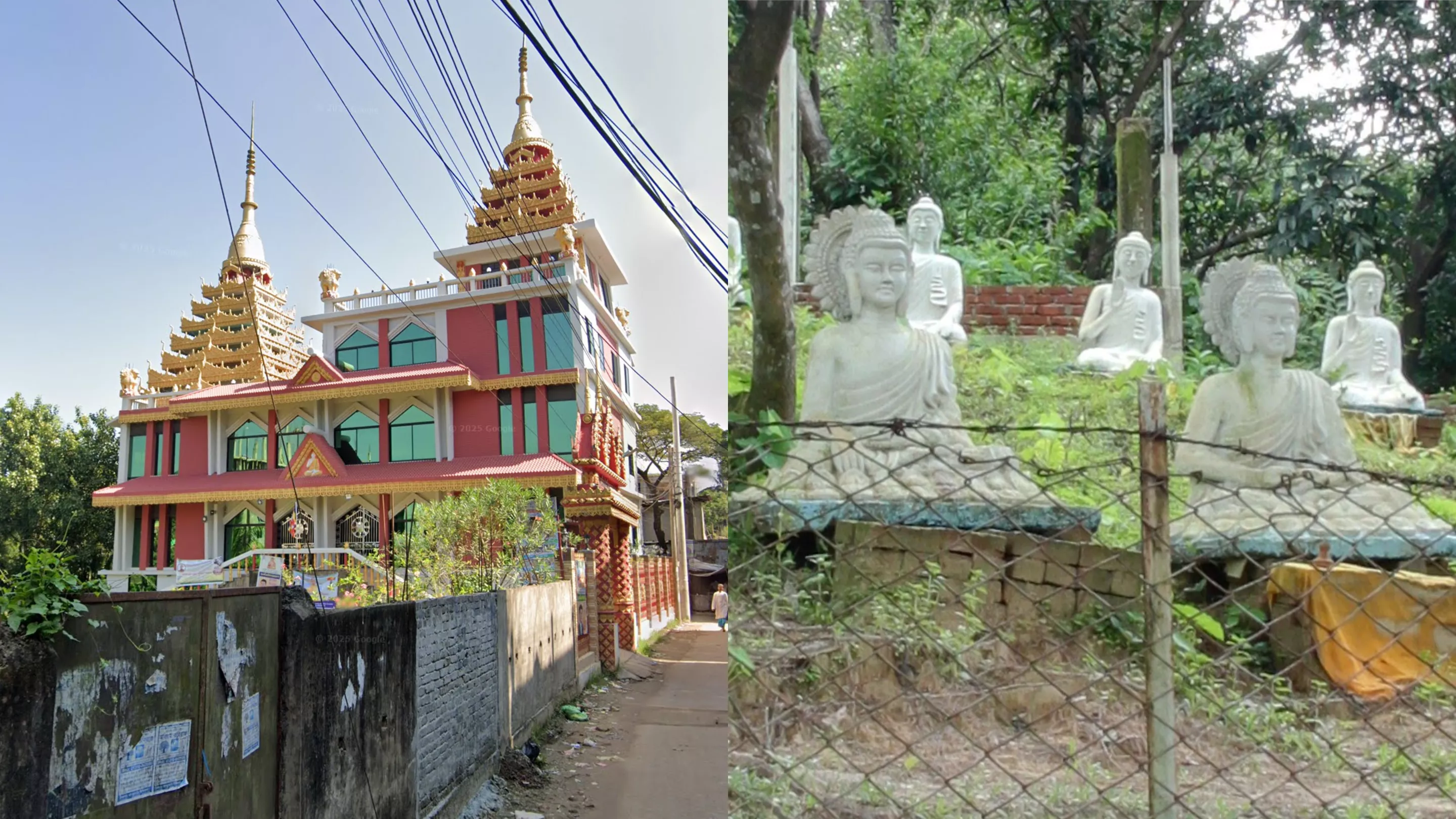
Although there are Buddhist minority groups in every division of Bangladesh, the largest group by far resides in Chittagong Division. Useful clues to recognise these areas include Buddhist temples and stupas, iconography such as dharma wheels, statues of Buddha and Buddhist flags.
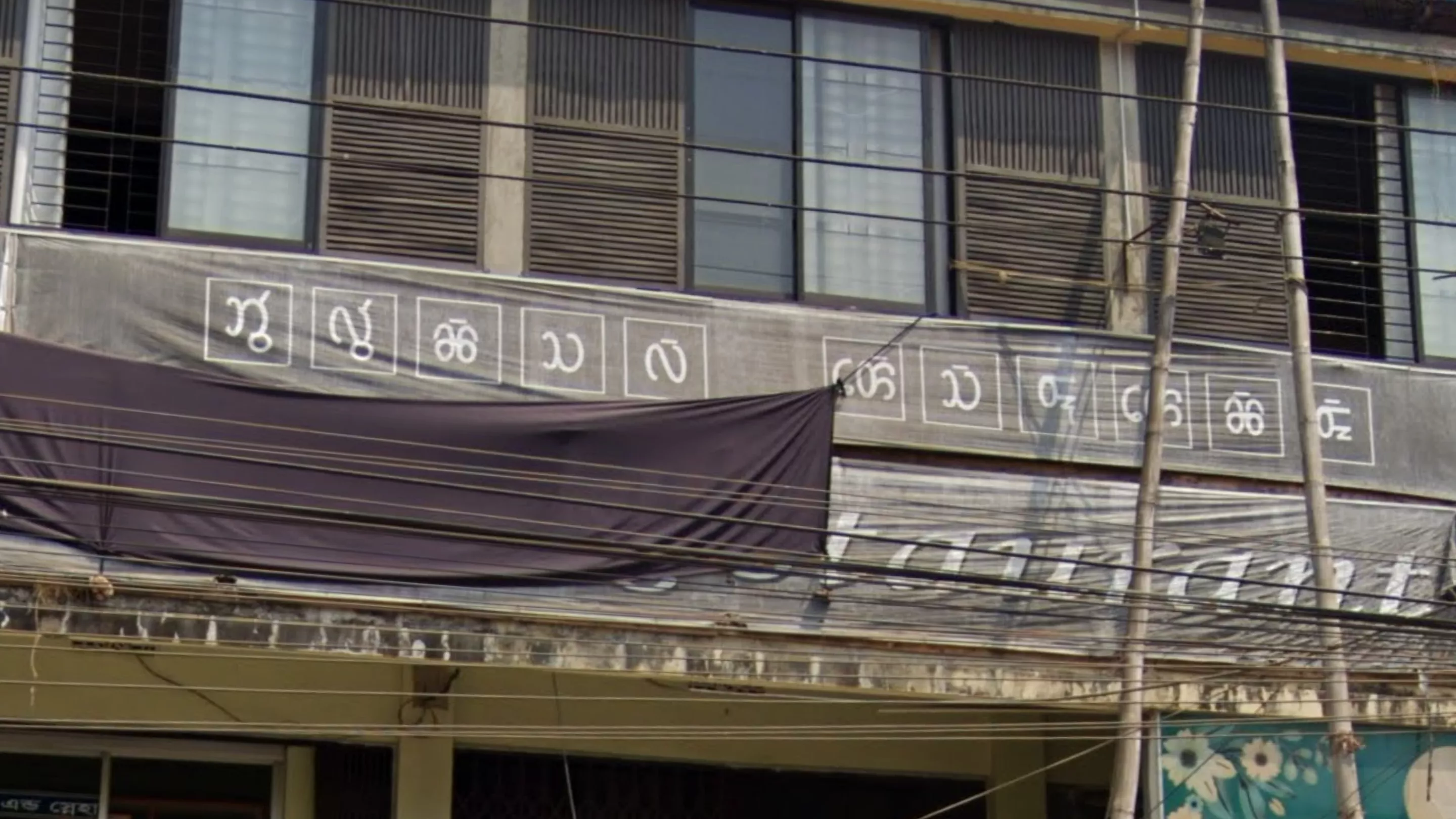
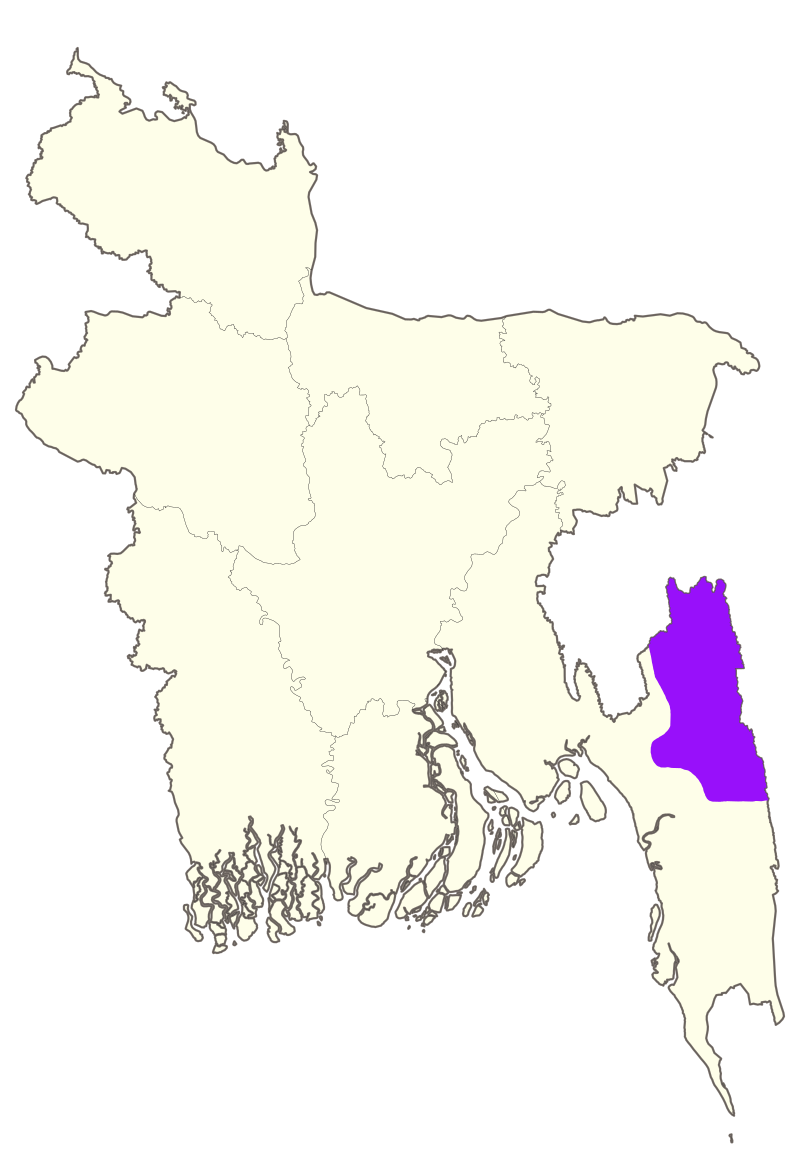
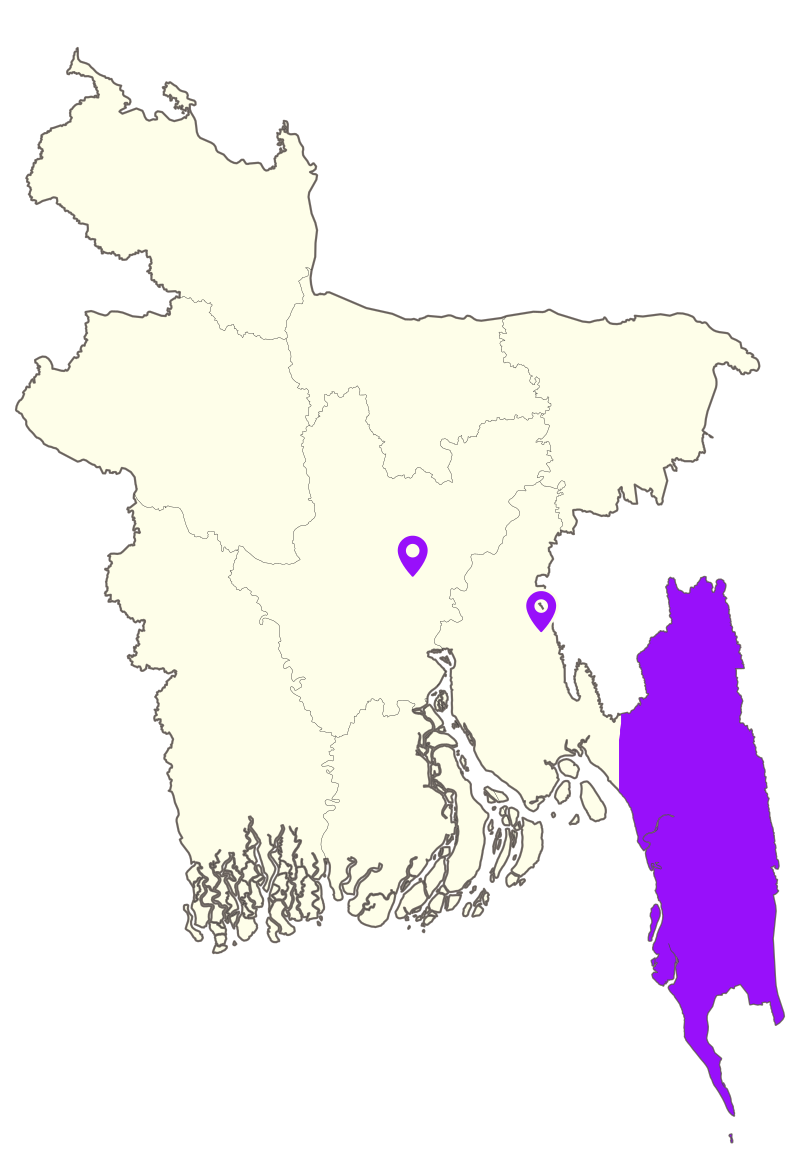
The Chakma script, used by the Chakma Buddhist minority, can rarely be found in the northern half of the hilly interior of Chittagong.
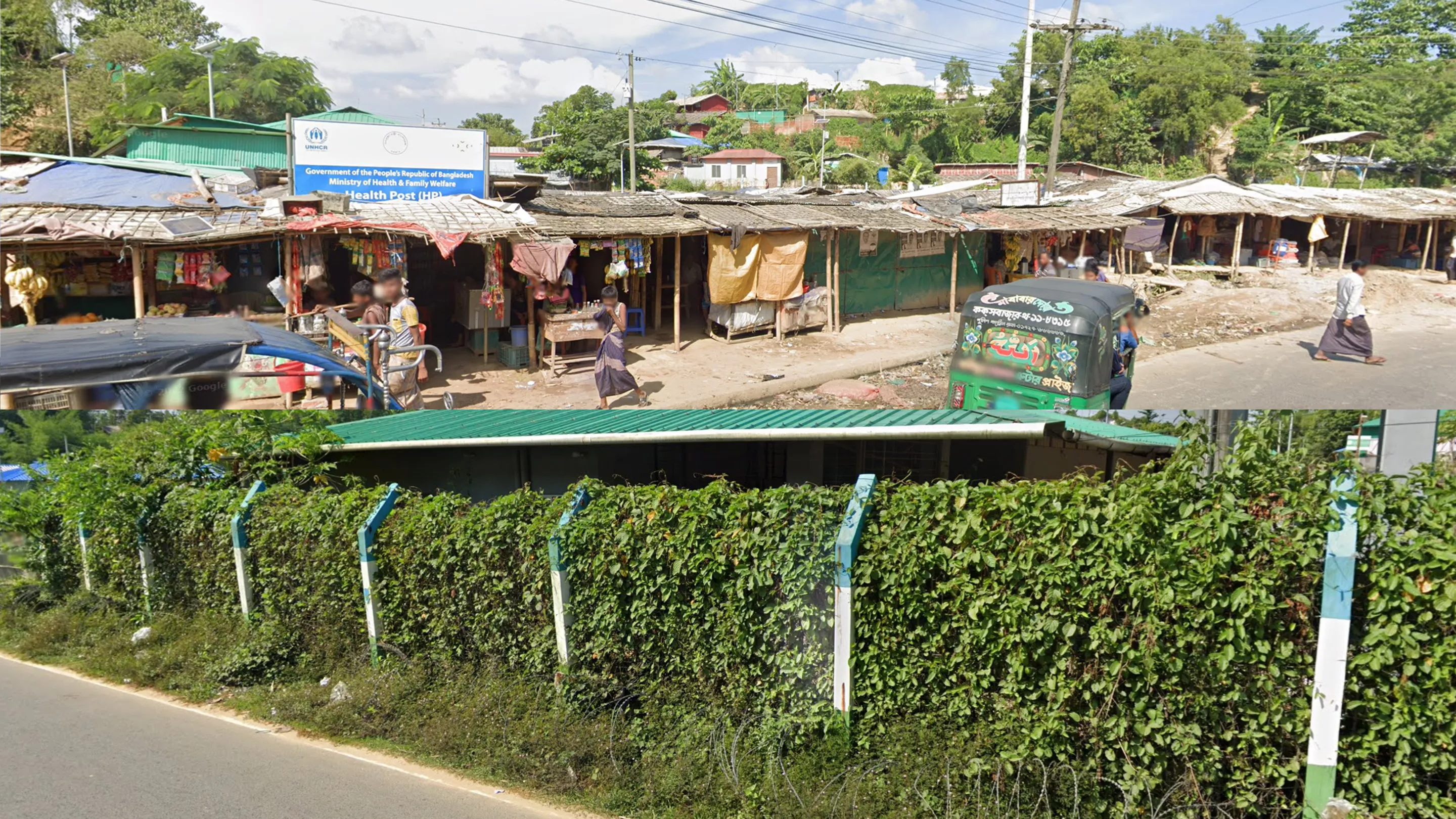
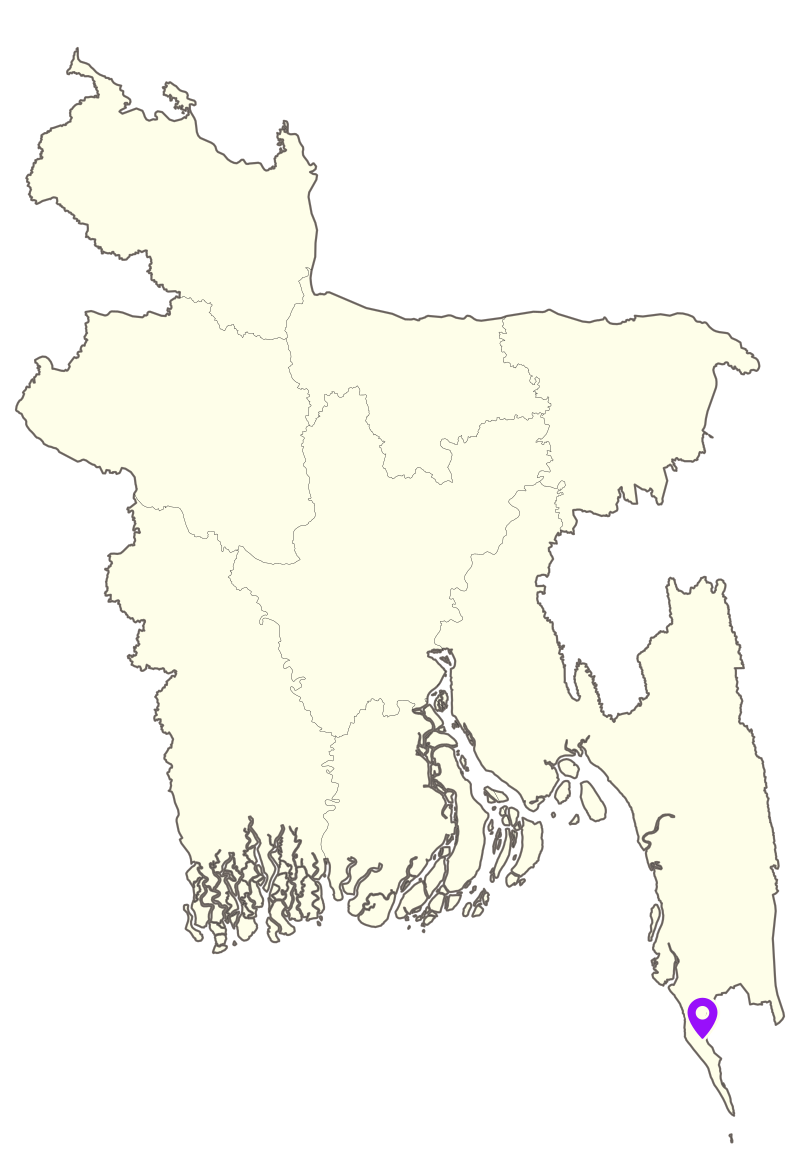
The world’s largest refugee camp is located near the southern tip of Bangladesh, hosting Rohingya refugees fleeing from neighbouring Myanmar. The road adjacent to it has recognisable coverage with dense, tarp-covered houses on hilly terrain, and tall fence posts painted in three stripes of light blue, white and green.